'Blue sheet secrets, halwa lock-in ceremony and bahi khata': Top 9 Union Budget facts that will surprise you!

After Independence, the first budget of the Republic was delivered on November 26, 1947 by Finance Minister RK Shanmukham Chetty, covering just seven and a half months as it was introduced soon after Partition.
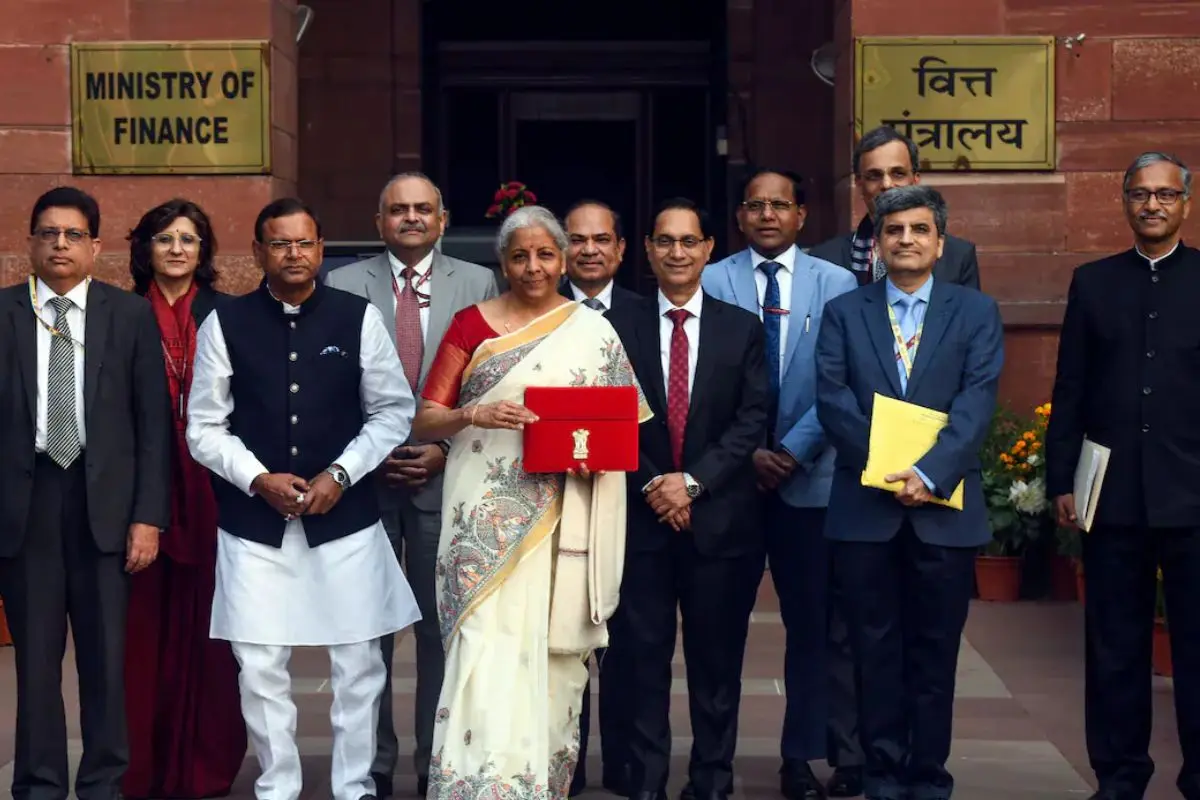
Introduction: Beyond Numbers
The Union Budget 2026 will be presented by finance minister Nirmala Sitharaman on Sunday, February 1. It is a defining annual event in India’s economic calendar, shaping fiscal priorities, taxation and public spending for a coming year. While most attention focuses on policy measures and economic numbers, several historical facts and traditions underline how the budget process has evolved. These range from early colonial practices to modern digital innovations, revealing a blend of culture, politics and administration behind the financial statement presented to Parliament. Here are 9 Key facts and figures of India's Union Budget:
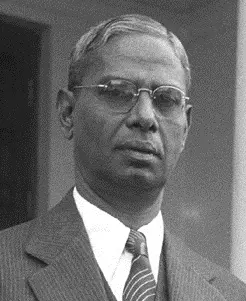
First Budget in 1860 and Independent India’s First
India’s first Union Budget was presented on April 7, 1860 by James Wilson of the East India Company, marking the formal beginning of fiscal governance under British rule. After Independence, the first budget of the Republic was delivered on November 26, 1947 by Finance Minister RK Shanmukham Chetty, covering just seven and a half months as it was introduced soon after Partition.
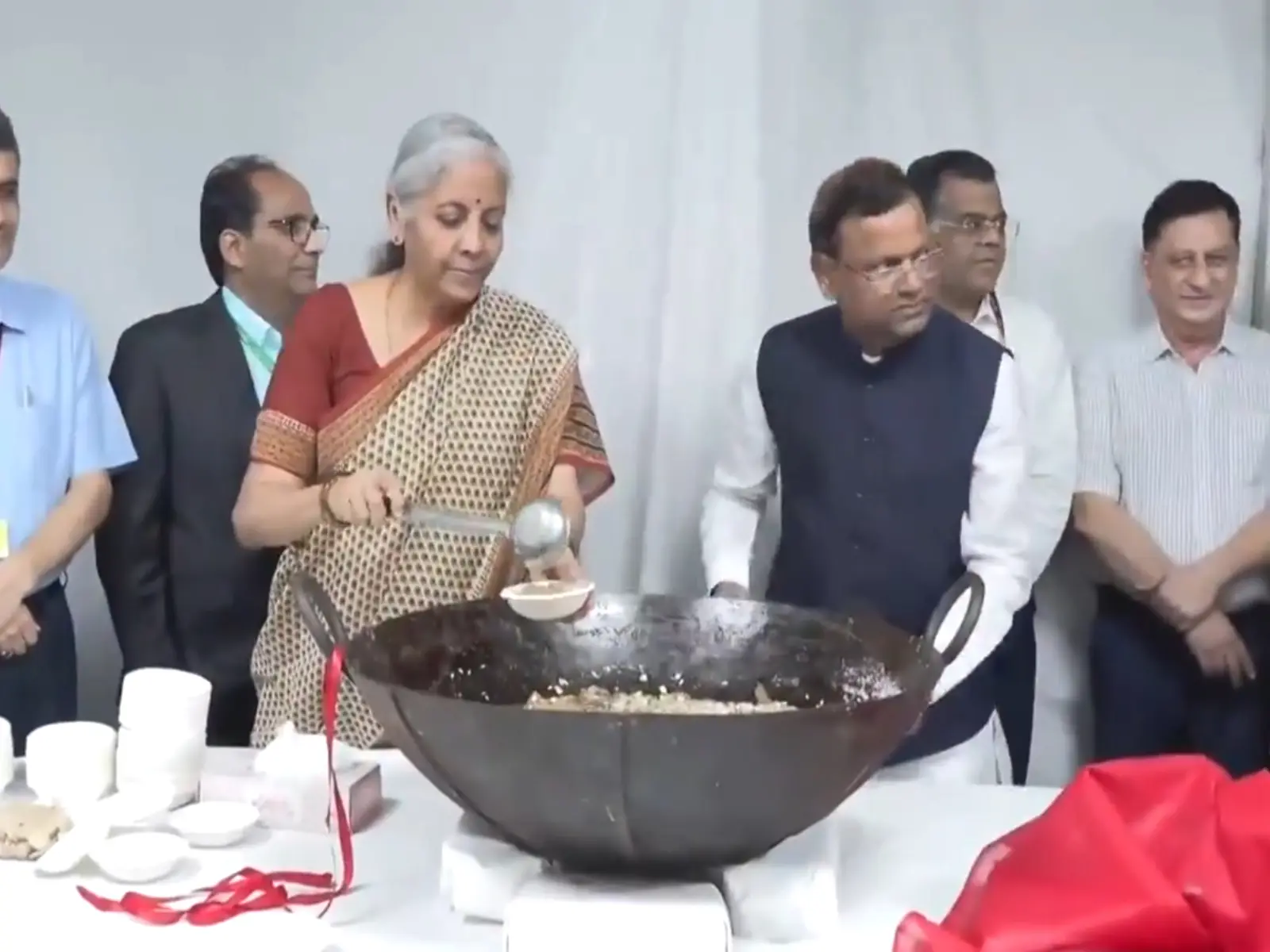
Halwa Ceremony and Secrecy
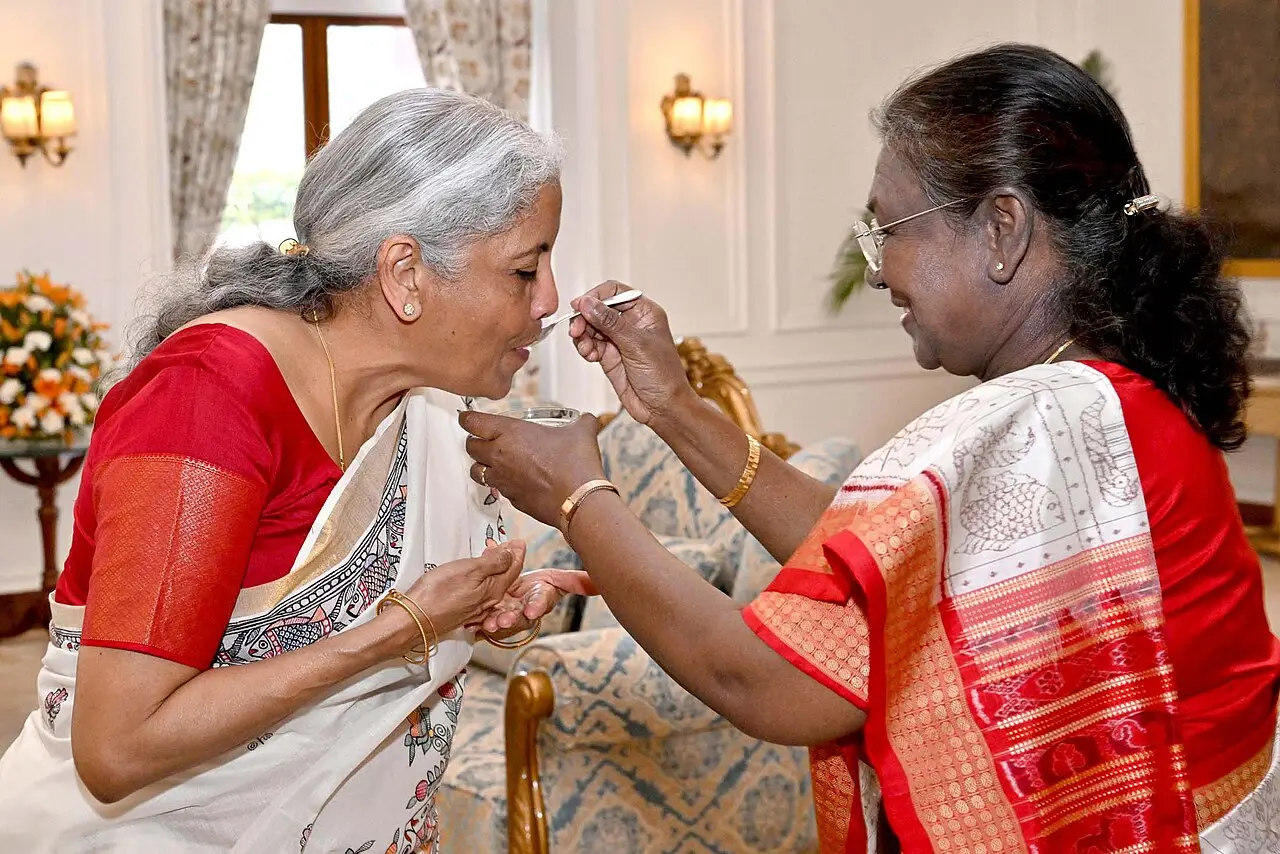
A unique tradition of the Union Budget is the Halwa Ceremony, held about a week before the Budget presentation. During this event, halwa, a traditional sweet, is prepared and served to Finance Ministry officials involved in preparing the Budget. As per tradition, the Finance Minister stirs the kadhai first, and then the sweet dish is served to the staff who worked on the Budget. The ceremony signals the start of a strict lock-in period, during which officials are confined and cut off from external communication to protect the confidentiality of budget proposals.
The Blue sheet
The 'blue sheet' is a highly confidential master document in the Indian Union Budget, containing the final, summary calculations of revenue and expenditure. It acts as a distilled blueprint, allowing officials to understand the entire financial plan at a glance. It is so secure that not even the Finance Minister takes it outside the North Block. It is controlled by senior officials until the final presentation.
Longest Speech and Record Presentations
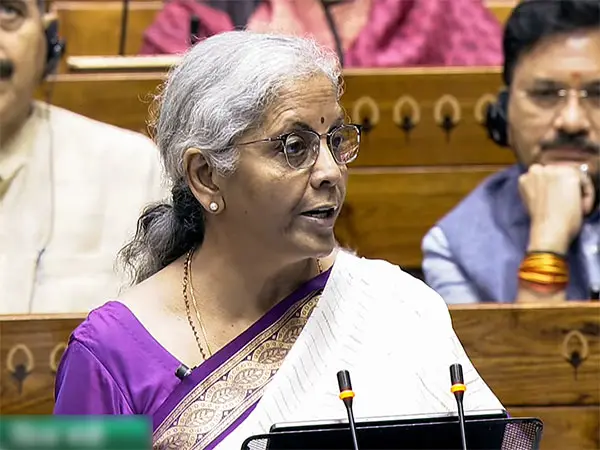
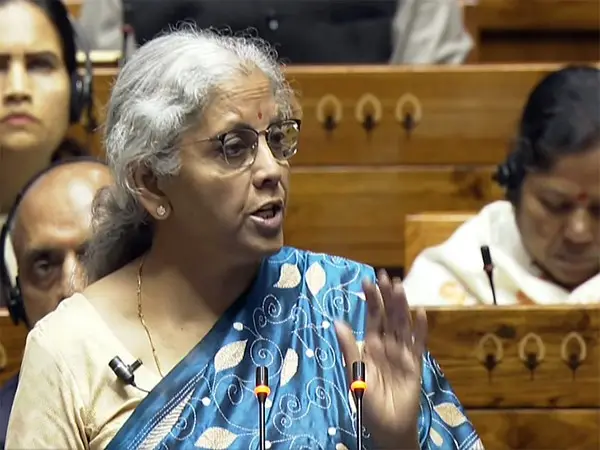
Finance Minister Nirmala Sitharaman holds the record for the longest Budget speech in India, delivering a session that lasted nearly 2 hours and 40 minutes in 2020. Morarji Desai, prominent in the mid-20th century, holds the record for the highest number of Budgets presented, having delivered ten over his political career.
Shortest Budget Speech on Record
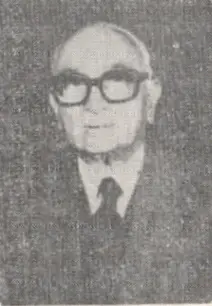
While some Budgets are remembered for marathon speeches, the shortest Union Budget speech was delivered by Hirubhai Mulljibhai Patel in 1977. His address ran to just around 800 words, making it the most concise Budget speech in India’s parliamentary history.
Language Shift: From English to Bilingual Presentation
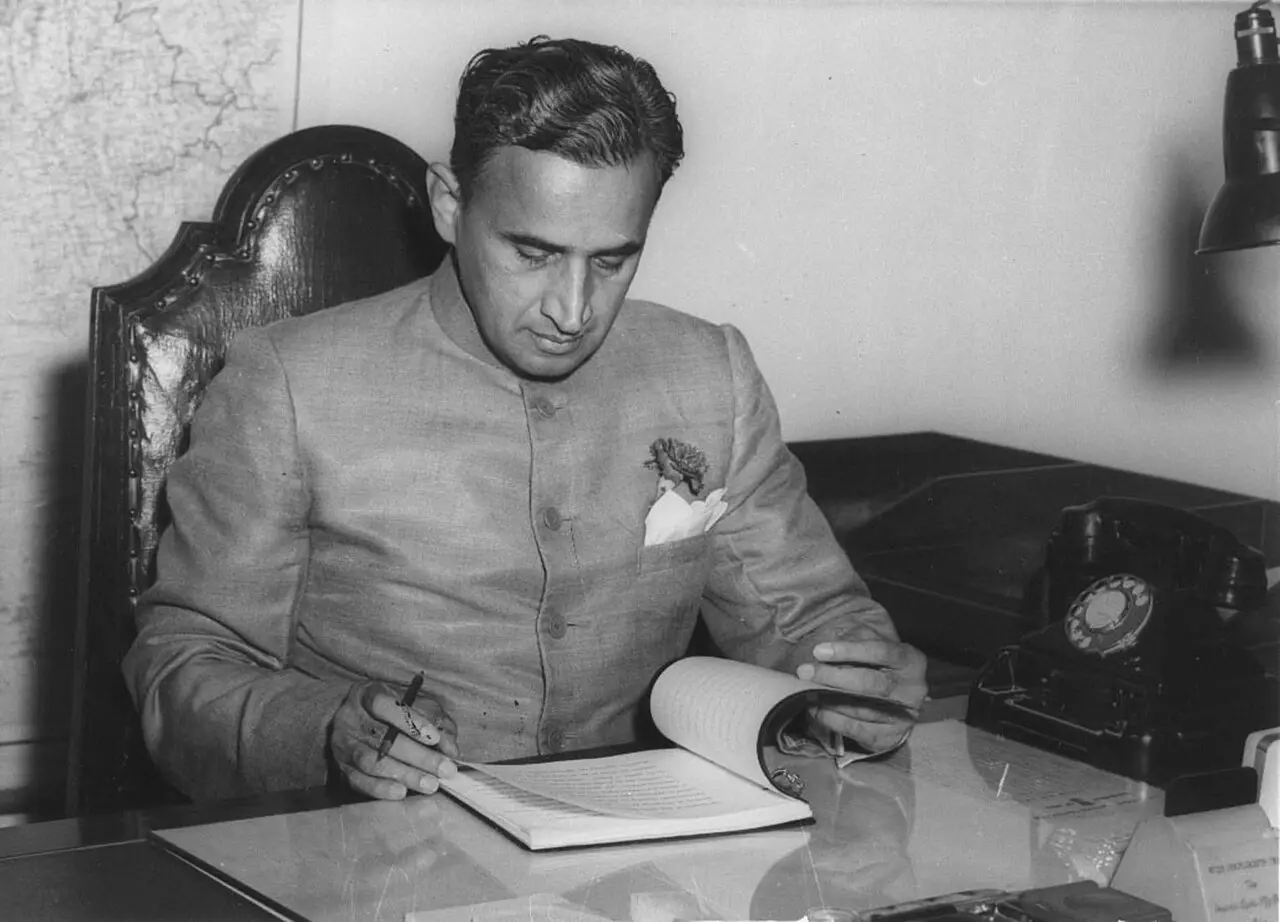
Language has also shaped how the Union Budget reaches the public. Traditionally, until 1955, Budget documents were presented only in English. In that year, the Congress government decided to publish the Union Budget in both Hindi and English, Then Finance Minister CD Deshmukh initiated the printing of budget documents in both the languages, marking a significant step towards broader public accessibility.
Shift to Digital: Paperless and ‘Bahi Khata’
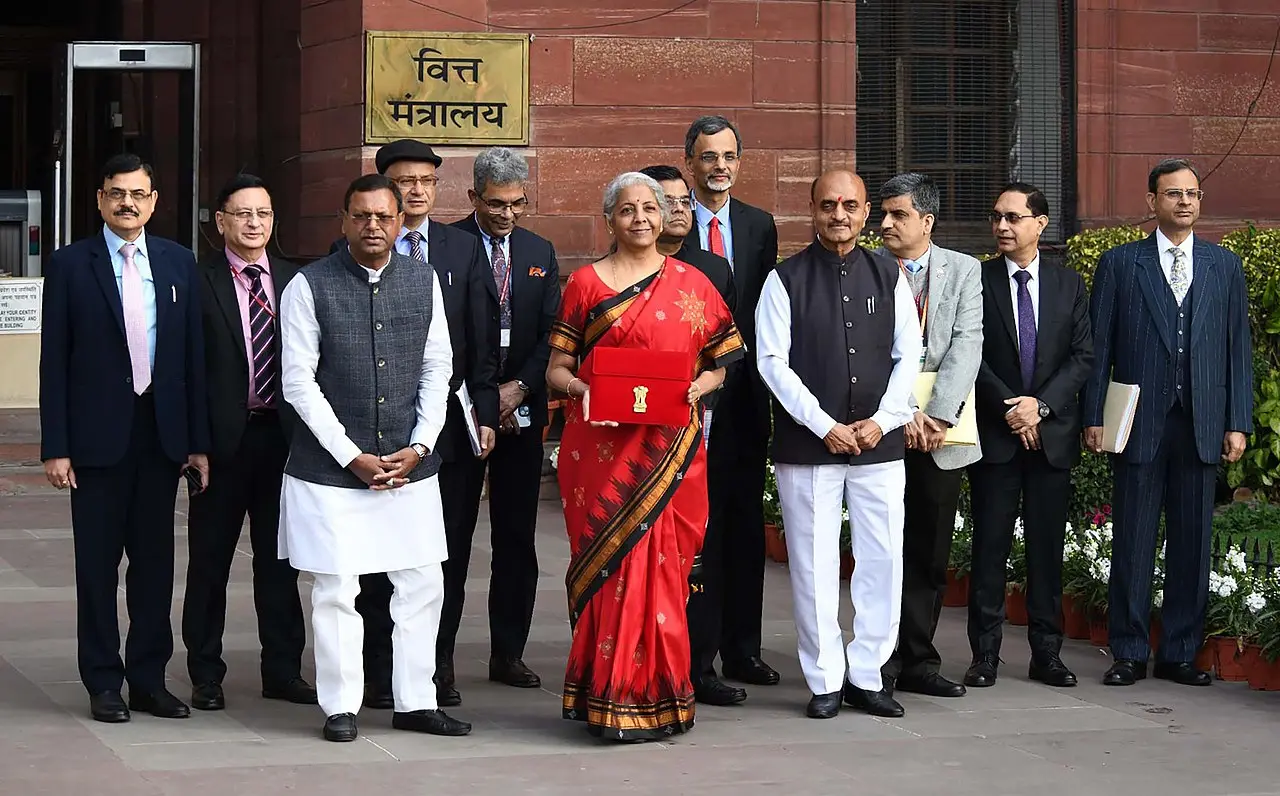
Budget presentation has embraced modernisation. In 2019, the traditional leather briefcase was replaced with a ‘bahi khata’ (ledger-style pouch) carried by the Finance Minister. Then in 2021, the first paperless Budget was presented on a digital tablet, blending tradition with technology.
Merged Railway Budget
For much of India’s fiscal history, the Railway Budget was presented separately until 2016. The Narendra Modi led BJP government merged it with the Union Budget from 2017-18 onwards, streamlining fiscal planning.
Timing and Presentation Norms
Budget timings and dates have also changed over time. Traditionally presented at 5 PM on the last working day of February, the timing changed in 1999 under Atal Bihari Vajpayee government when Finance Minister Yashwant Sinha shifted the presentation time to 11 am, and the date was moved to 1 February in 2017, allowing more time for implementation before the financial year begins on 1 April.
)
)
)
)
)