Did former Prince Andrew’s Epstein links push Britain’s royals into their worst crisis in 90 years?

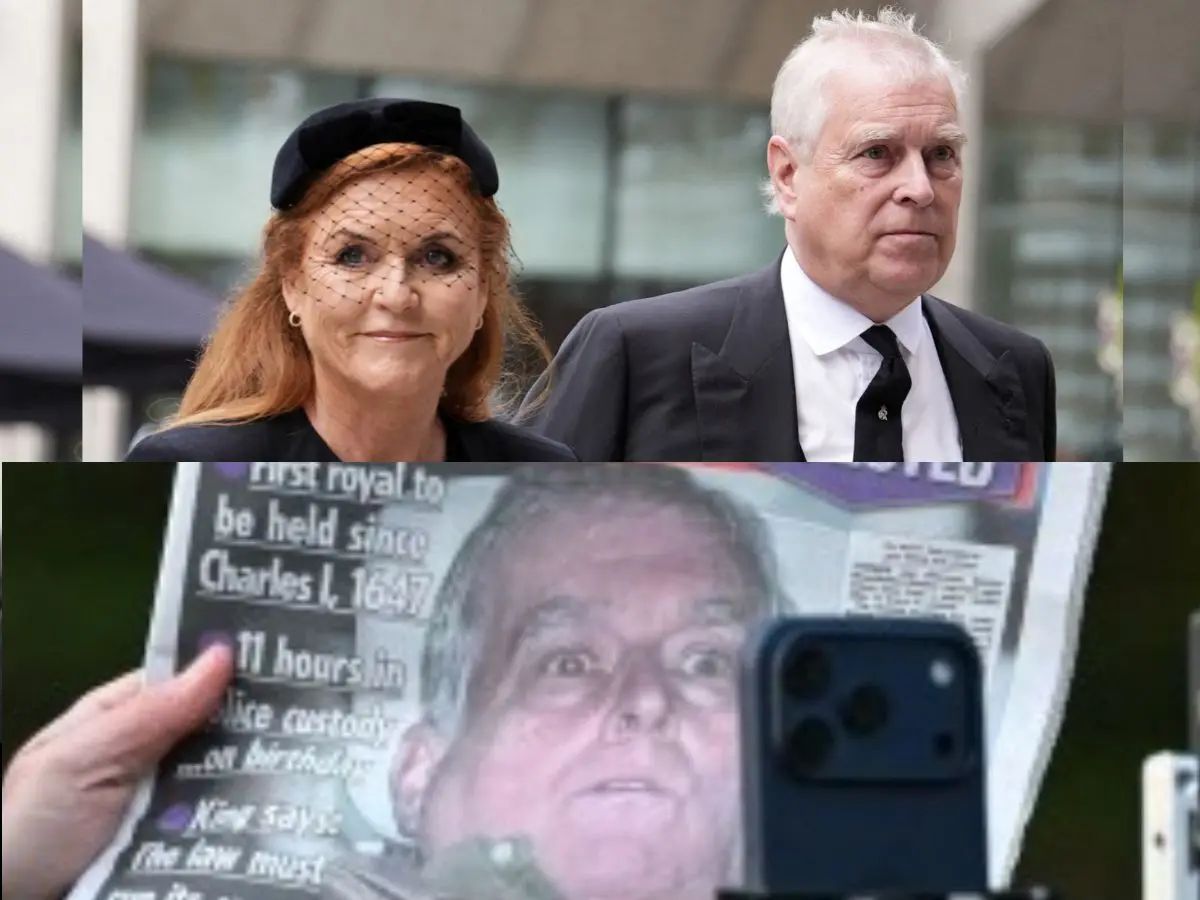
The recent arrest of Andrew Mountbatten-Windsor on suspicion of misconduct in public office has intensified that pressure, adding a fresh layer of constitutional and reputational strain on the Crown.
A Monarchy Under Strain
Britain’s royal family is confronting what many commentators describe as its most serious crisis in nearly 90 years, driven by the continuing fallout from Prince Andrew’s association with the late financier and convicted sex offender Jeffrey Epstein. The controversy has renewed scrutiny of accountability and judgement at the heart of the monarchy, testing its capacity to retain public confidence. That pressure intensified with the arrest of Andrew Mountbatten-Windsor on suspicion of misconduct in public office. He was held in custody for 11 hours before being released under investigation, adding a further constitutional and reputational strain on the Crown.
The Epstein Association
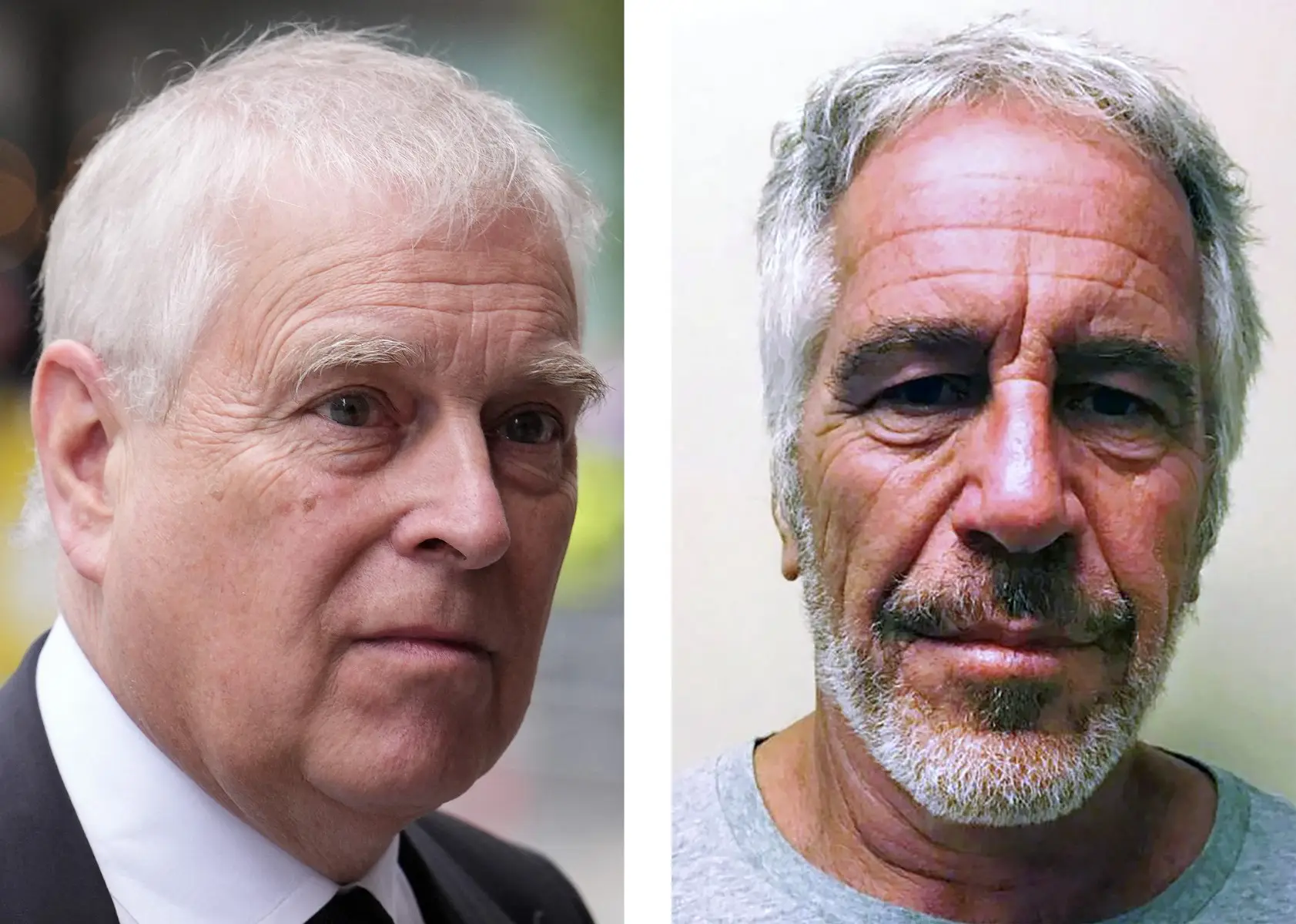
Prince Andrew, the Duke of York, has long faced scrutiny over his friendship with convicted sex offender Jeffrey Epstein, who died in a New York jail in 2019 while awaiting trial on sex trafficking charges. Andrew has repeatedly denied allegations of sexual misconduct. In 2022, he reached an out-of-court settlement with Virginia Giuffre, who had accused him of abuse when she was a minor, a claim he denied. The settlement was not an admission of liability.
Loss of Role and Status
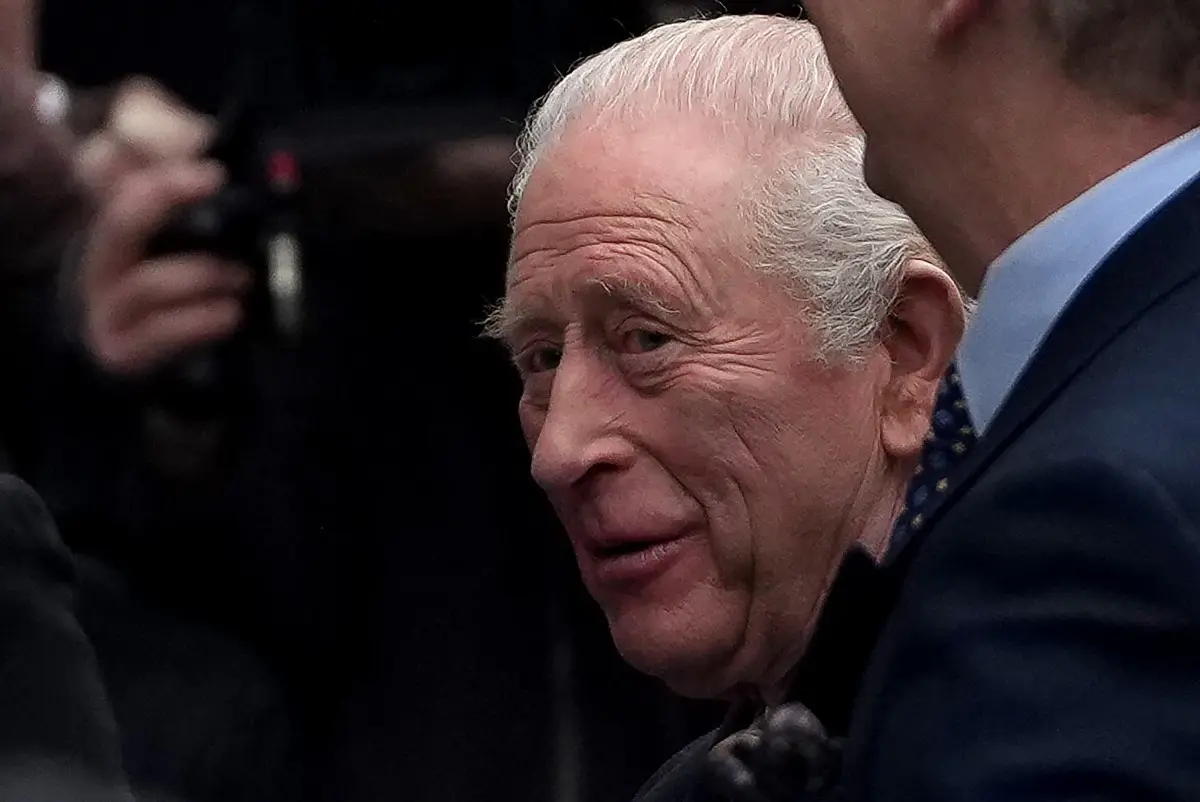
Following intense public backlash, Andrew stepped back from royal duties in 2019. In the years since, he has been stripped of his honorary military titles and royal patronages, and Buckingham Palace confirmed he would no longer use the style “His Royal Highness” in any official capacity. The measures amounted to an unprecedented distancing of a senior royal from public life. After his brother’s arrest, the King said in a statement, “Let me state clearly: the law must take its course,” signalling further effort to separate the institution from the controversy.
Emails between Epstein and ex-wife
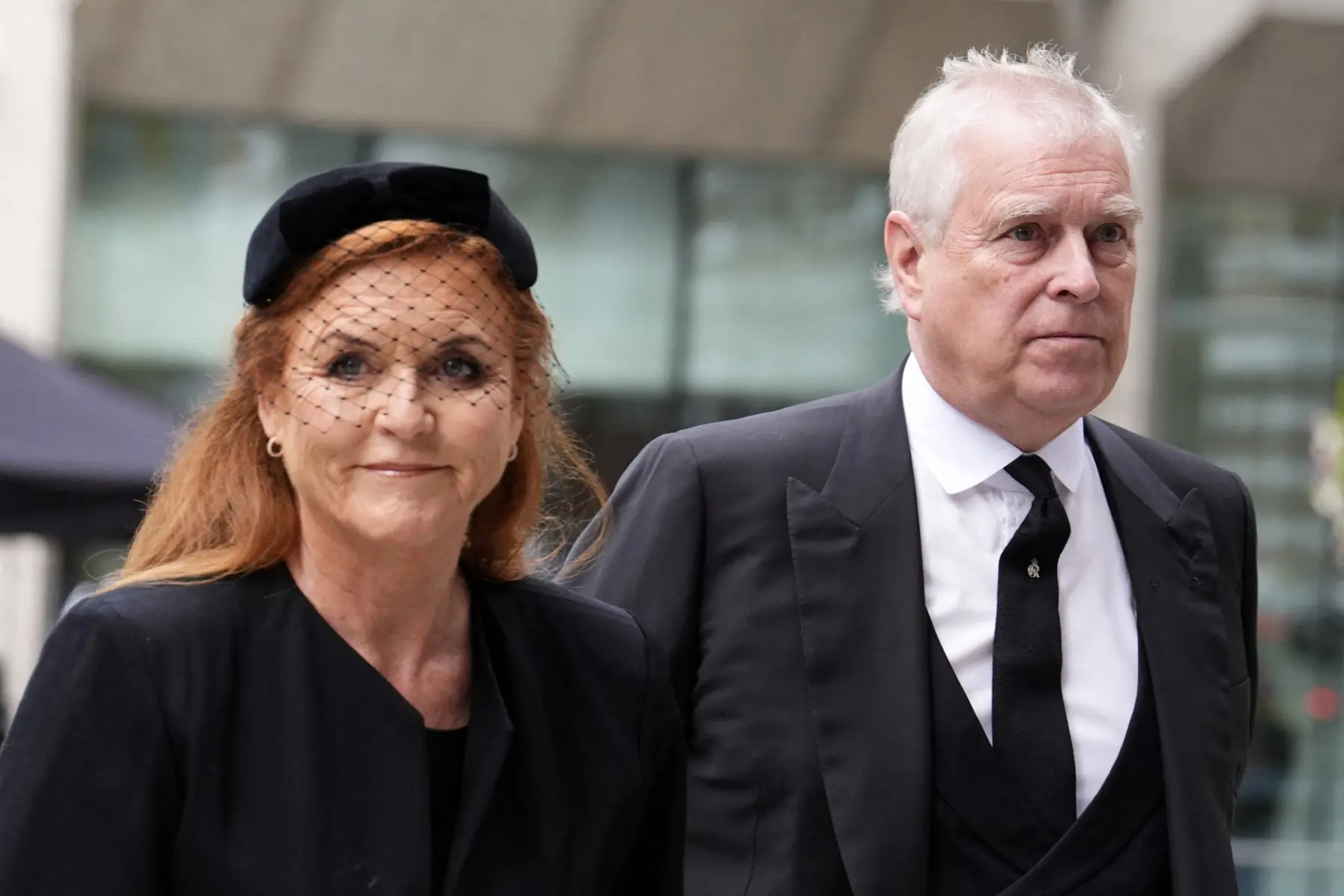
News of the former prince’s arrest emerged days after disclosures that his ex-wife, the former duchess of York, Sarah Ferguson had also exchanged numerous emails with Jeffrey Epstein, even after his 2008 conviction for soliciting prostitution from a minor. Though she had said she cut ties in 2006, US Department of Justice files indicated continued contact. “Cannot wait to see you,” she wrote in 2009. In 2010, she added: “You are a legend… I am at your service. Just marry me.”
Images Released in Latest Epstein File Disclosure
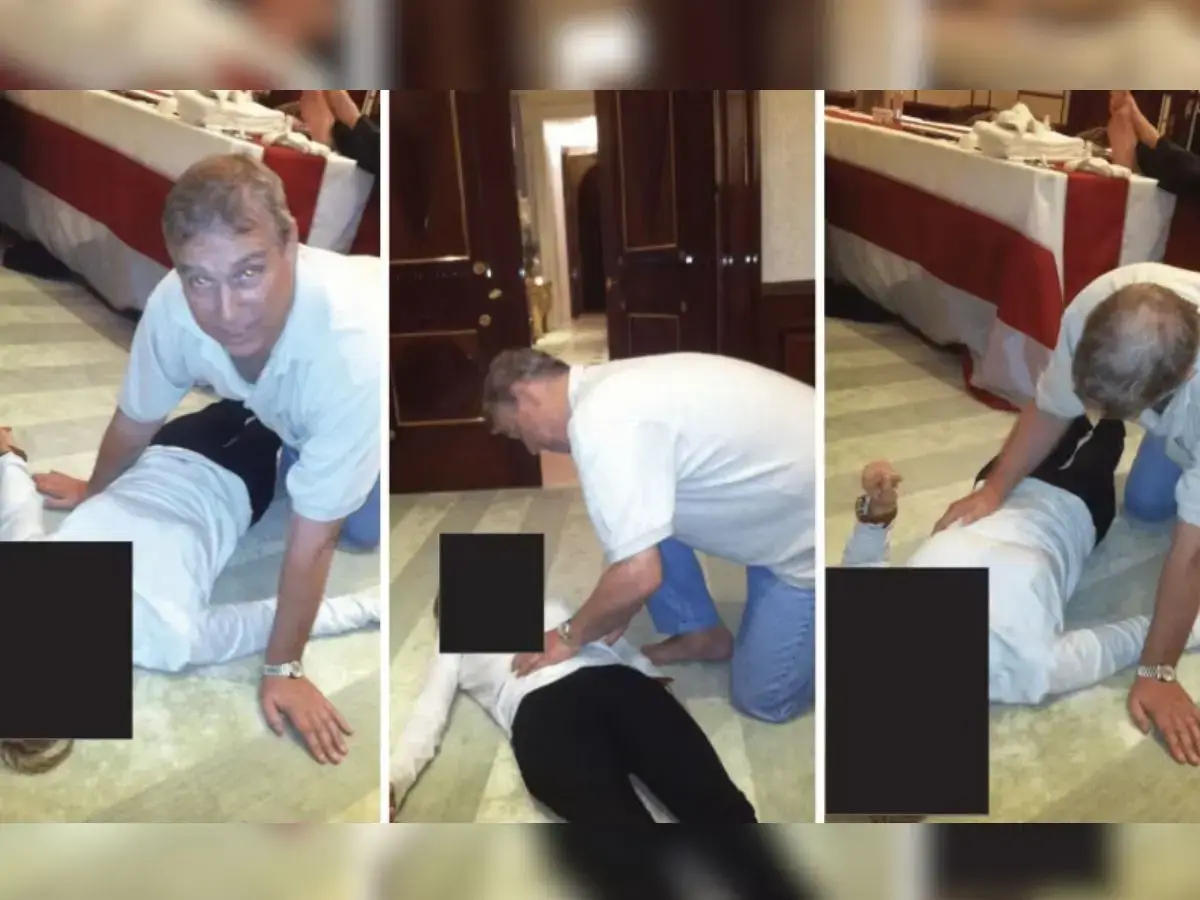
In one of the photographs released by the US Department of Justice, Andrew Mountbatten-Windsor appeared on all fours over a woman lying on the ground. In two of the images, he could be seen placing his hand on the woman’s stomach; she remains unidentified and fully clothed. In another photograph, he appeared to be looking directly into the camera. No further context was however, provided.

A Constitutional Balancing Act
For King Charles III, the episode presents a delicate institutional challenge. The monarchy, while largely ceremonial, depends on public confidence.
Not something new?
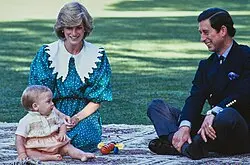
The House of Windsor has weathered scandals, personal upheavals and public controversy before. The divorce and death of King Charles III’s first wife, Diana, Princess of Wales, in 1997 provoked national grief and criticism of the royal household’s response. More recently, Prince Harry and his wife Meghan stepped back from royal duties and, from the United States, publicly criticised the institution, generating further debate about the monarchy’s direction and internal strains.
Historic Comparisons
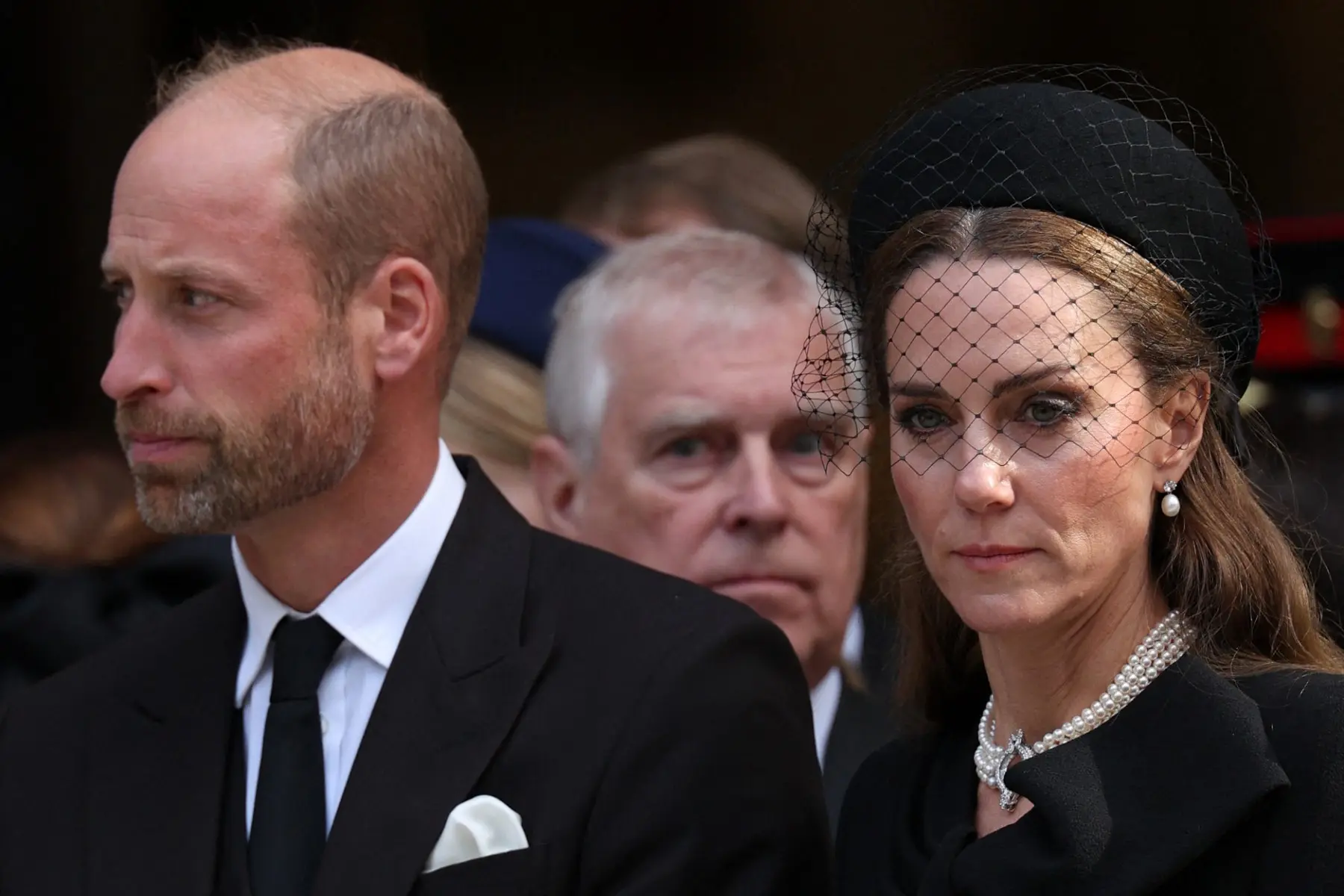
The scale of reputational damage has drawn comparisons with past constitutional upheavals, including the 1936 abdication of Edward VIII. Although the circumstances are markedly different, the present controversy similarly tests the resilience of the Crown under sustained media and parliamentary scrutiny. “It’s certainly the worst crisis since the abdication, and it’s particularly bad because it’s not a crisis over which they can really exercise any control,” a former senior royal aide who knows the King well told Reuters.
)
)

)
)