‘BLOOD will run…’: Why Iran vowed bloodshed to defend its Persian Gulf islands, what makes them so important?

Iranian parliament speaker Mohammad Bagher Ghalibaf wrote on X, “We will abandon all restraint and make the Persian Gulf run with the blood of invaders. The blood of American soldiers is Trump's personal responsibility.”
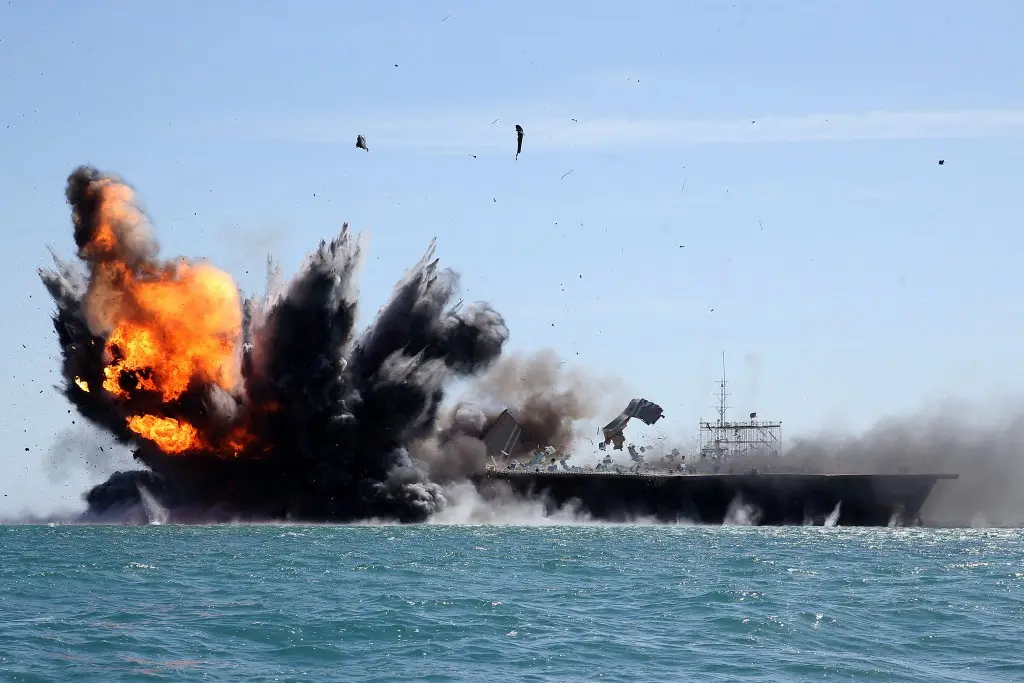
Iran’s Red Line: Blood for Invaders
As the war involving the United States, Israel, and Iran entered its 13th day, Beirut faced heavy airstrikes while Tehran was hit by drone attacks. A massive fire erupted on an oil tanker in the northern Persian Gulf after it was reportedly struck amid the ongoing hostilities, pushing oil prices higher over fears of disrupted global supply. Tehran has repeatedly warned it could close the Strait of Hormuz, a critical route through which nearly one-fifth of the world’s oil passes. Meanwhile, Iranian parliament speaker Mohammad Bagher Ghalibaf has now declared that the country would “abandon all restraint” if the US or Israel targeted any of its Gulf islands. While he did not name specific islands, US officials told Axios that Kharg Island could be a potential target as tensions escalate. Earlier, Iranian President Masoud Pezeshkian had outlined three conditions for ending the war: recognition of Tehran’s legitimate rights, payment of reparations, and firm international guarantees against future aggression.
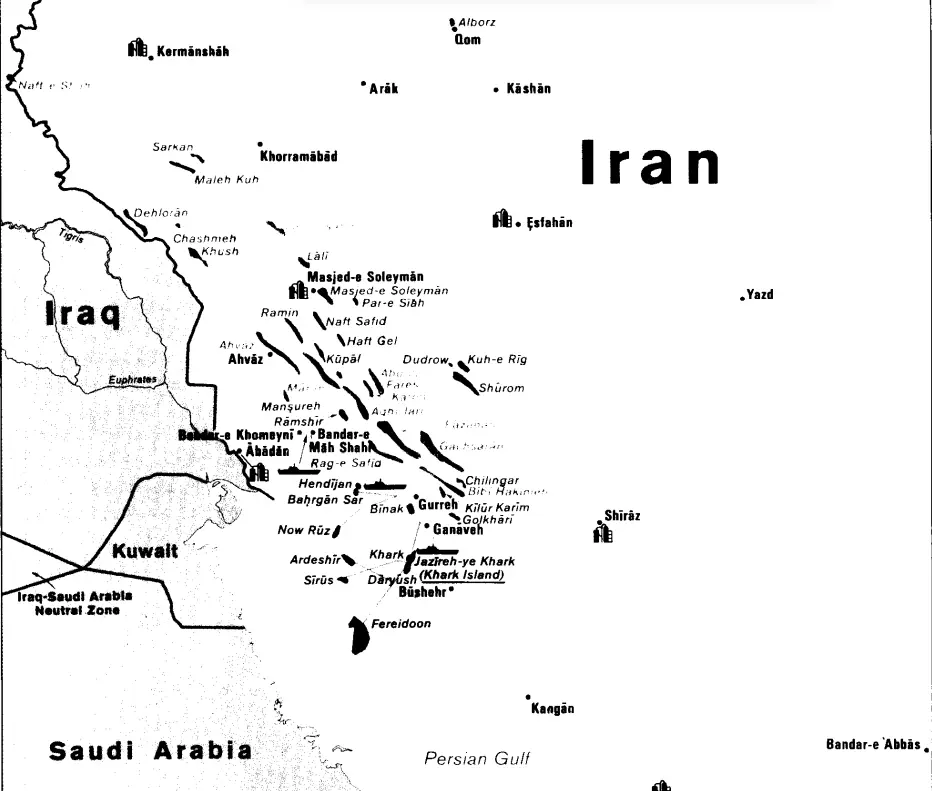
What the speaker wrote in the post
In a post on X, he declared: “Homeland or Death! Any aggression against soil of Iranian islands will shatter all restraint. We will abandon all restraint and make the Persian Gulf run with the blood of invaders. The blood of American soldiers is Trump's personal responsibility.”
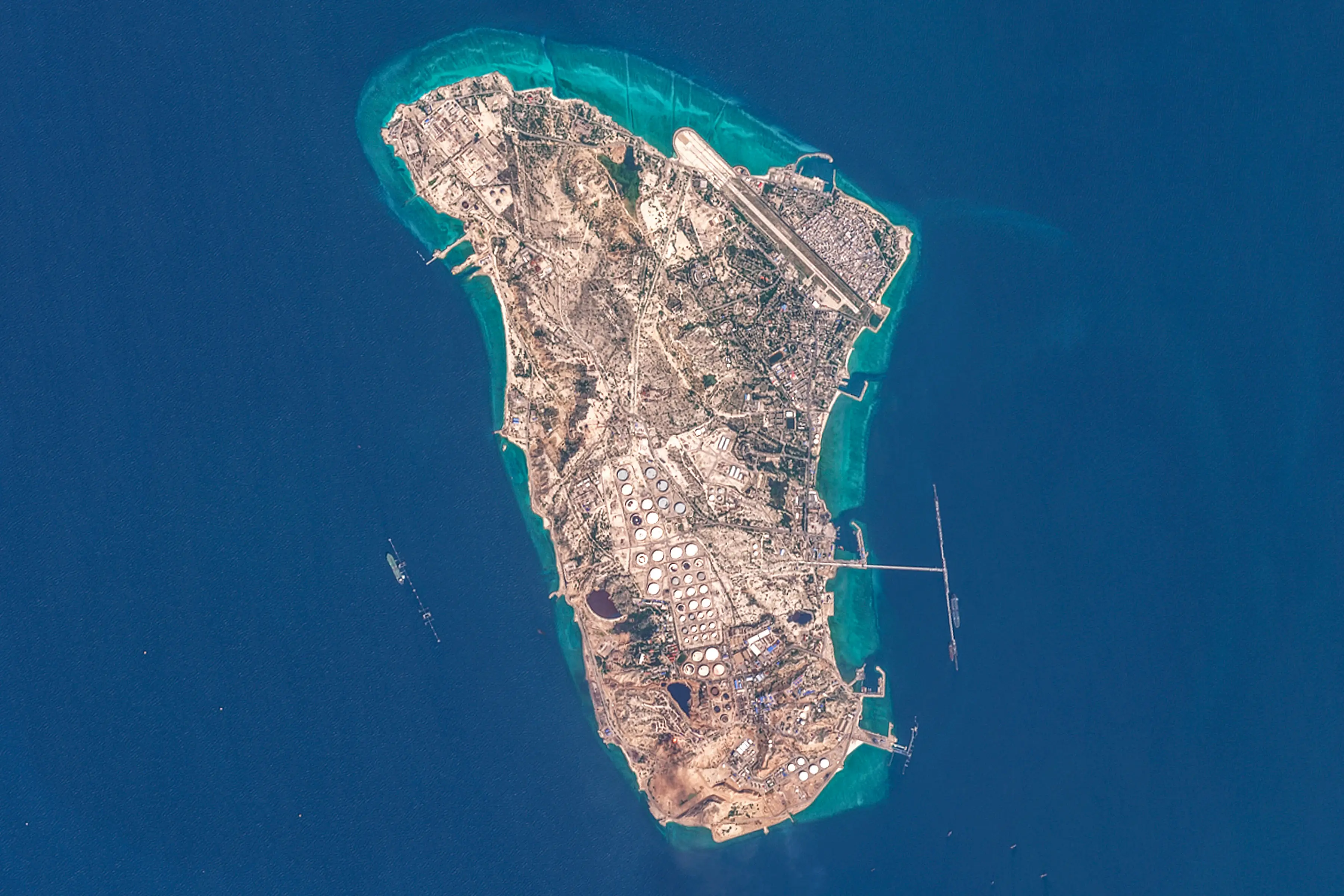
Kharg Island: Iran’s Economic Lifeline
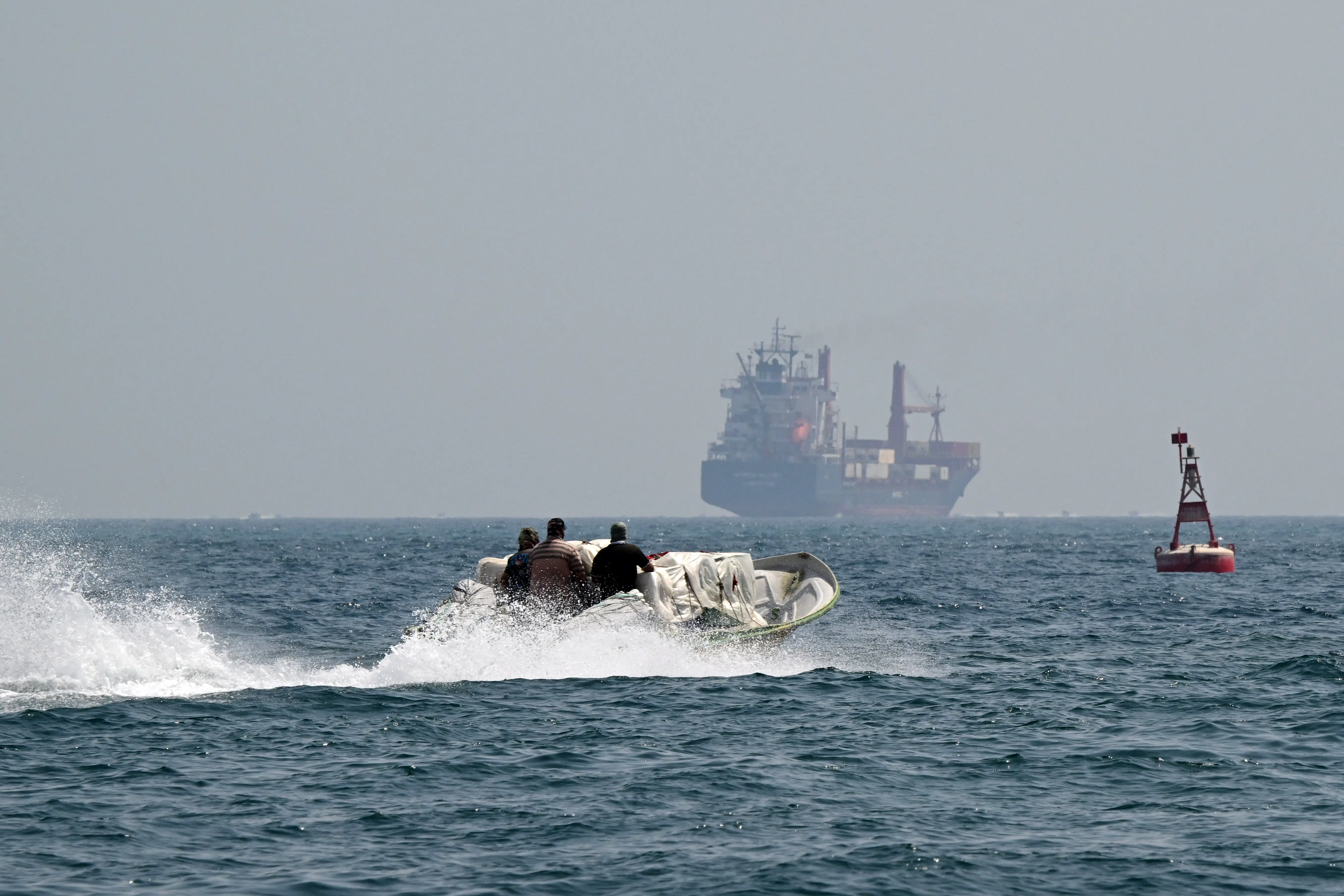
Kharg Island, a five-mile-long coral island situated 25–30 km off Iran’s southern coast in the Persian Gulf, serves as the nation’s premier oil export terminal. It handles around 90 per cent of Iran's crude exports. Pipelines from Iran’s central and western oilfields converge on Kharg, making it the central hub for crude shipments. Unlike much of Iran’s coastline, which is too shallow for very large vessels, Kharg’s proximity to deep waters makes it ideal for large-scale oil export operations.
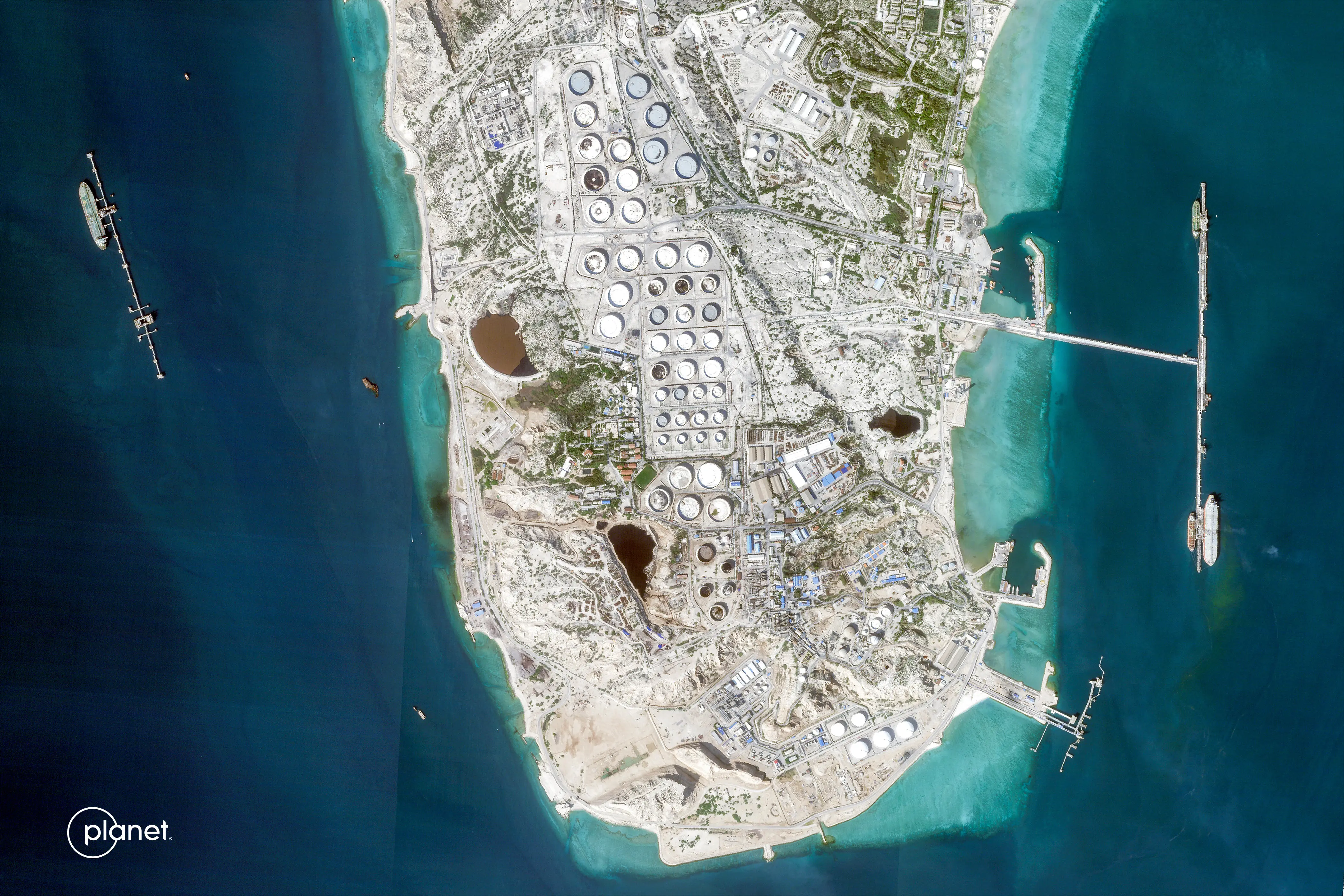
Strategic Importance Amid Regional Conflict
According to Iran’s Ministry of Petroleum, Kharg Island functions as a critical hub, receiving crude from three major offshore oilfields: Aboozar, Forouzan, and Dorood. The island has a long history as a trading centre, during medieval times, its ports handled pearls and agricultural produce. According to media reports, by the mid-2020s, Kharg had evolved into a modern terminal capable of loading up to ten supertankers simultaneously, exporting crude oil, fertilisers, liquefied gas, and other commodities to global markets.
A Critical Asset for National Security
Kharg’s significance extends beyond economics. A Former British Army intelligence officer, told The Guardian that the island is so central to Iran’s economy that destroying its facilities would eliminate any pretense of sustaining a viable post-war recovery. Control of Kharg ensures Tehran can maintain both energy exports and strategic leverage in the Persian Gulf, making it a non-negotiable asset amid escalating regional tensions. The island’s facilities, combined with its deep-water access and logistical capacity, underline its central role in Iran’s national security and energy strategy.
Other islands
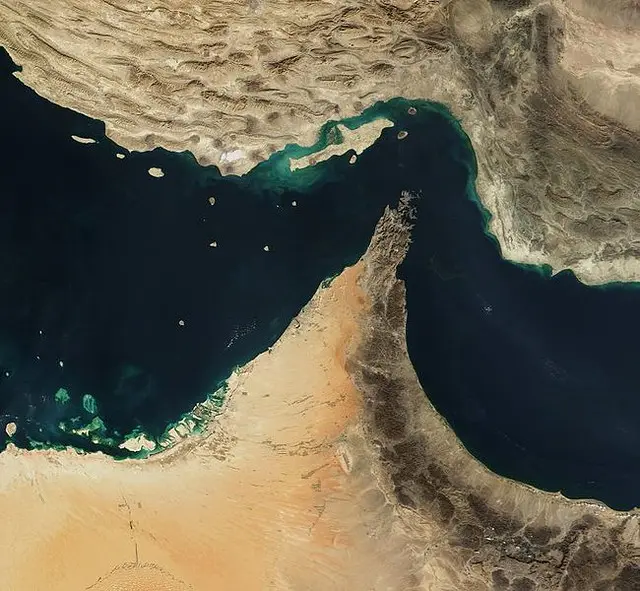
Apart from Kharg Island, Iran’s island strategy centres on three key islands, Abu Musa, Greater Tunb, and Lesser Tunb, situated in the Strait of Hormuz, the narrow waterway linking the Persian Gulf to the Gulf of Oman. Iran has administered these islands since 1971, following the British withdrawal, however, the sovereignty is disputed by the United Arab Emirates (UAE). Their position near major shipping lanes gives Tehran direct control over a critical global energy chokepoint, allowing it to monitor and influence maritime traffic in one of the world’s busiest oil transit routes.
Military Fortification and Defensive Capability
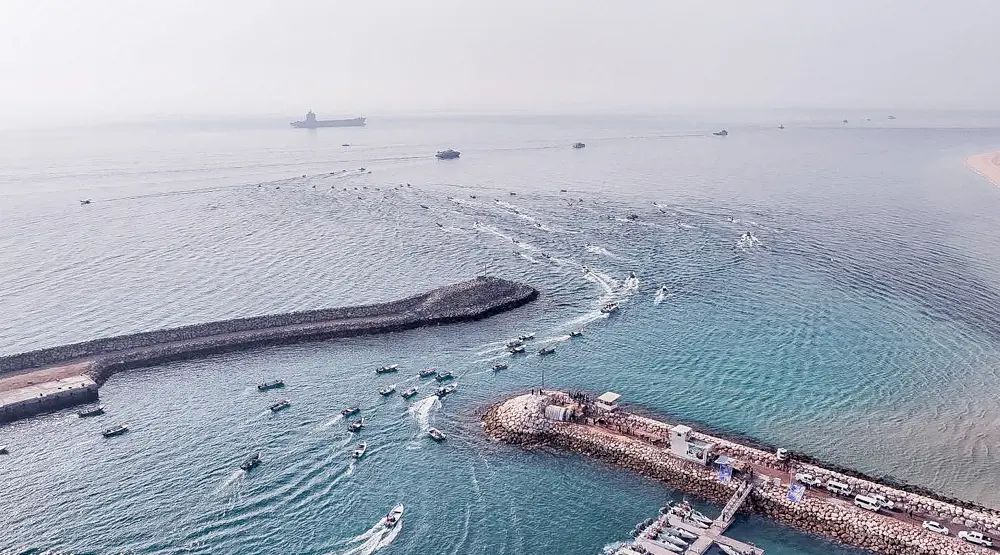
According to the Middle East Institute, Iran controls 38 islands in the Persian Gulf, ranging from large to small. Iran also operates numerous oil and gas fields across the Gulf. To protect these assets, Tehran has reinforced its military presence on the Tunbs and Abu Musa, deploying the Islamic Revolutionary Guard Corps (IRGC). Iranian commanders maintain these deployments are defensive, designed to monitor and secure territorial claims. While the main navigation channels through the Strait of Hormuz lie within Omani waters, the channels and separation zones immediately inside the Persian Gulf pass through Iranian territorial waters and are controlled by IRGC surveillance posts and marine units stationed on Abu Musa, Greater Tunb, Lesser Tunb, Sirri, Hengam, and Qeshm islands.
Disclaimer: WION takes utmost care to accurately and responsibly report ongoing conflicts in West Asia involving Israel, Iran, the US, Gulf nations and non-state actors like Hezbollah, Hamas, Houthis, Islamic State, and others. Claims and counterclaims, disinformation and misinformation are being made online and offline. Given this context, WION cannot independently verify the authenticity of all statements, social media posts, photos and videos.
)
)
)
)
)