'Blind Refuel': How USS Abraham Lincoln jets share gas in the dark sky

USS Abraham Lincoln fighter jets perform high-risk mid-air refuelling in total darkness to maintain 24-hour combat readiness in the Arabian Sea. Elite pilots use advanced tech to share fuel.
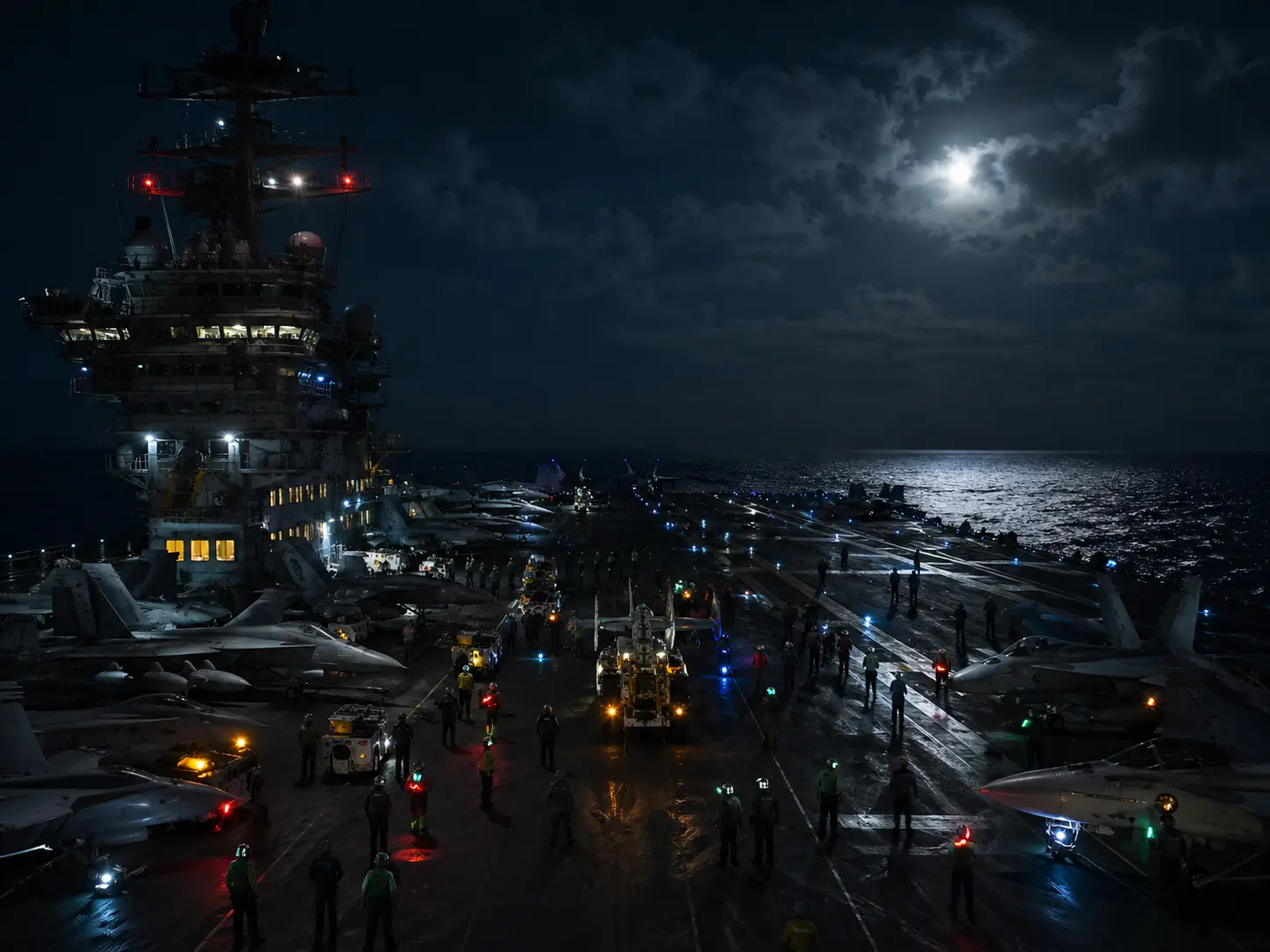
Mastering the Night
US Navy pilots from Carrier Air Wing Nine are performing 'blind' aerial refuelling missions in the dark skies above the Middle East. These high-stakes maneuvers are essential for the USS Abraham Lincoln to maintain nonstop combat readiness. The process allows jets to stay in the air for hours during sensitive night-time patrols.
The Flying Gas Tankers
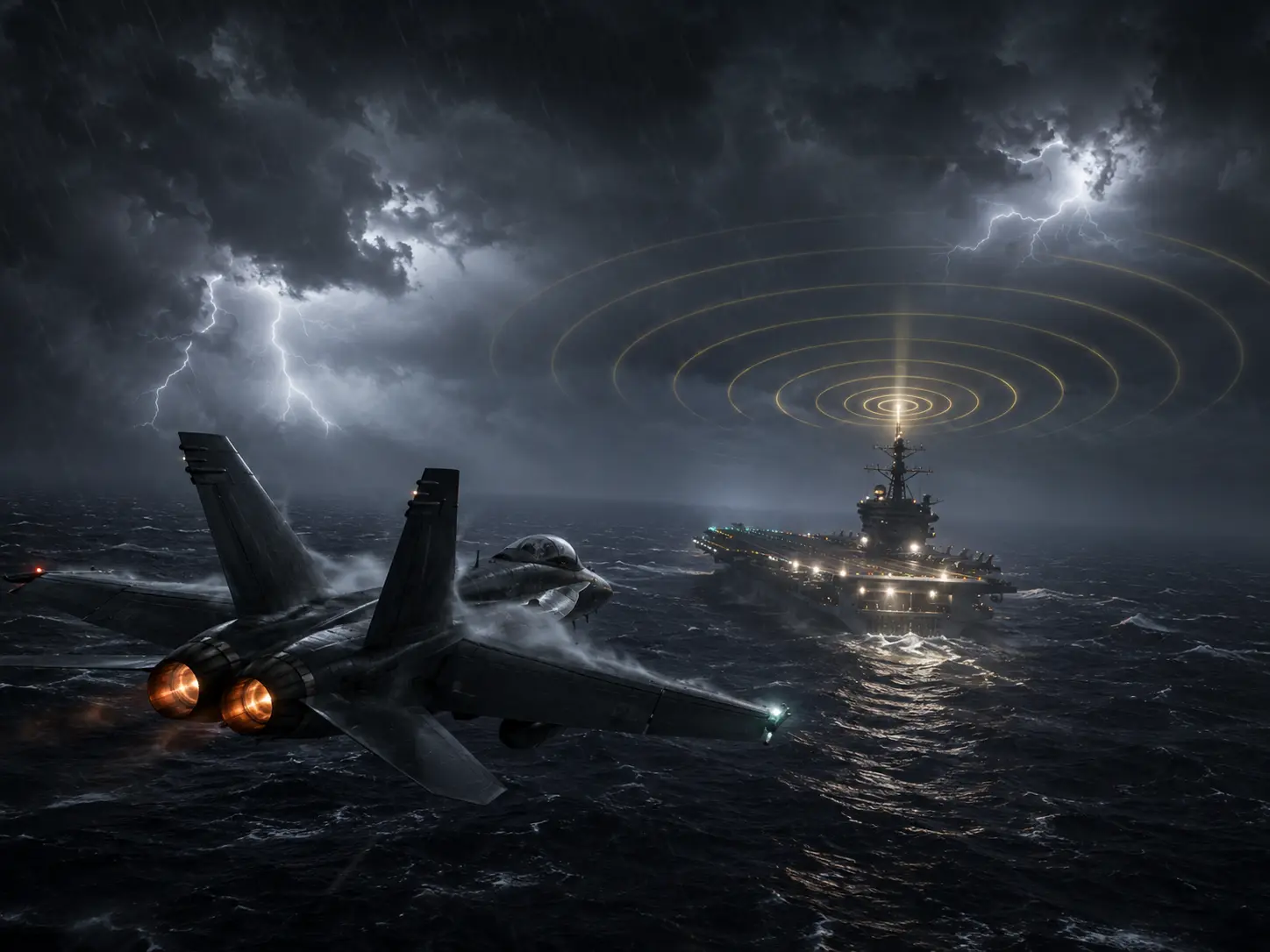
F/A-18F Super Hornets often act as 'buddy tankers' for other aircraft, including the advanced F-35C Lightning II. Using a 'probe-and-drogue' system, the tanker jet extends a long hose with a funnel-like basket. The receiving pilot must guide their aircraft's probe into this basket with millimetre precision in the dark.
Precision in the Shadows
Night-time refuelling adds extreme complexity as pilots rely on minimal lighting to avoid detection by enemy sensors. Crews use infrared systems and night-vision goggles to coordinate the delicate connection. Even a minor error in the dark can lead to a catastrophic mid-air collision or damaged equipment.
Sustaining Combat Pow
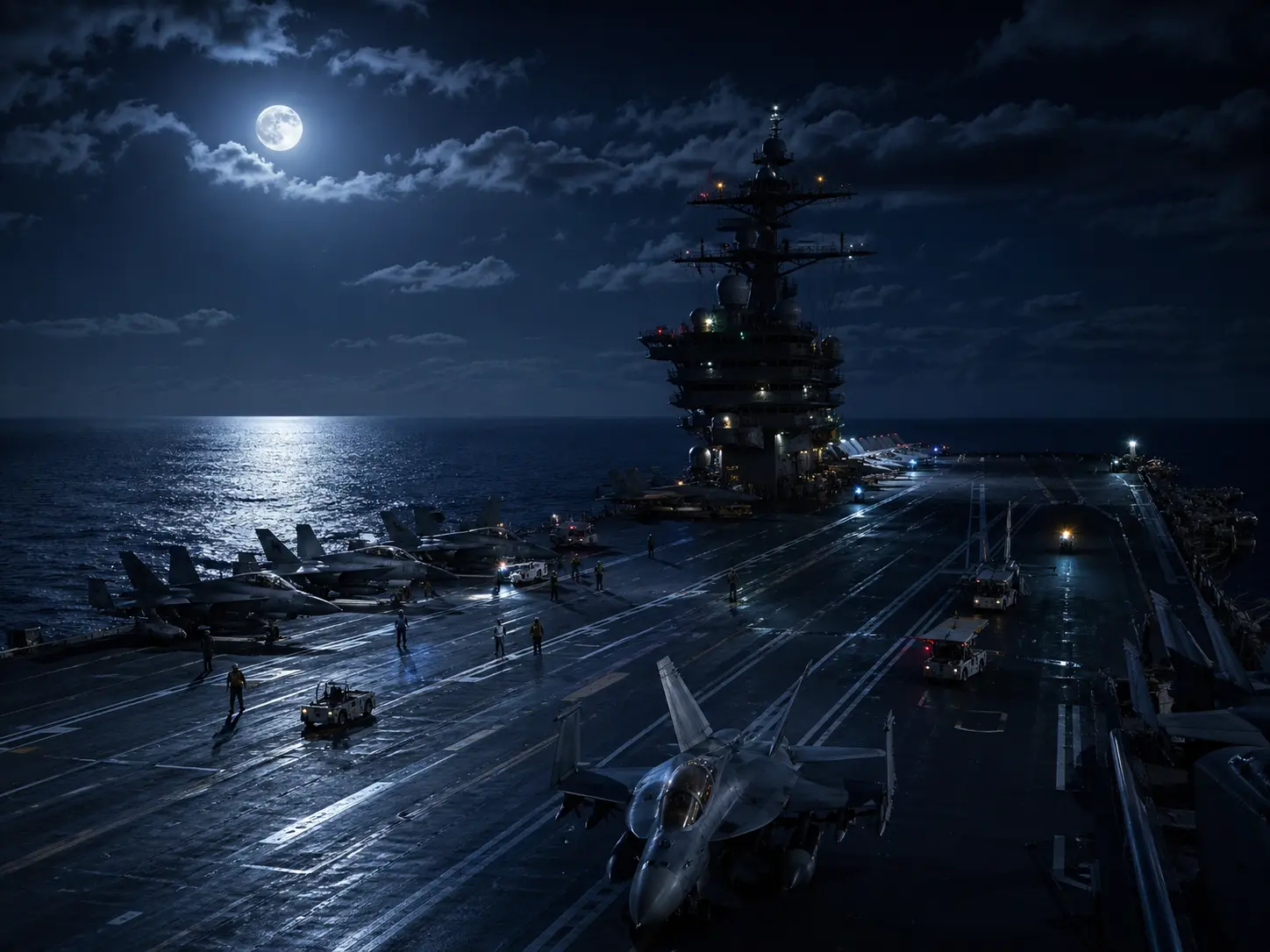
The USS Abraham Lincoln carries nearly 3,000,000 gallons of JP-5 jet fuel to power its air wing. By sharing this fuel in mid-air, the carrier can project power far beyond its immediate location. This capability is vital for long-range missions where jets must remain on station to deter potential aggression.
High-Tech Vision Tools
Modern F-35C jets are equipped with advanced electro-optical sensors that help pilots 'see' through the darkness during refuelling. These systems provide a digital 360-degree view, making it safer to approach the tanker. However, the physical act of connecting still demands elite flying skills and years of rigorous training.
Dangers of the Deck
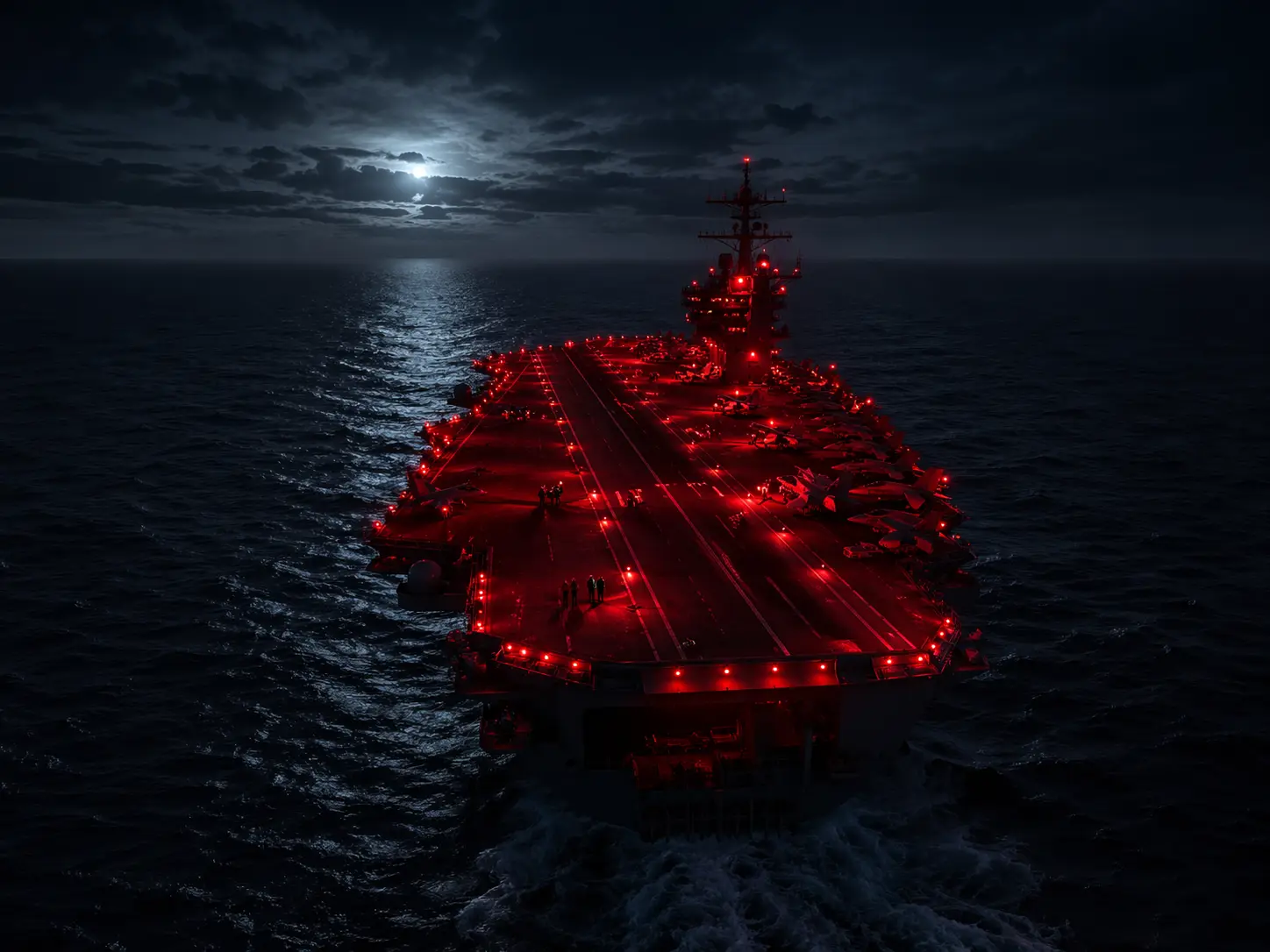
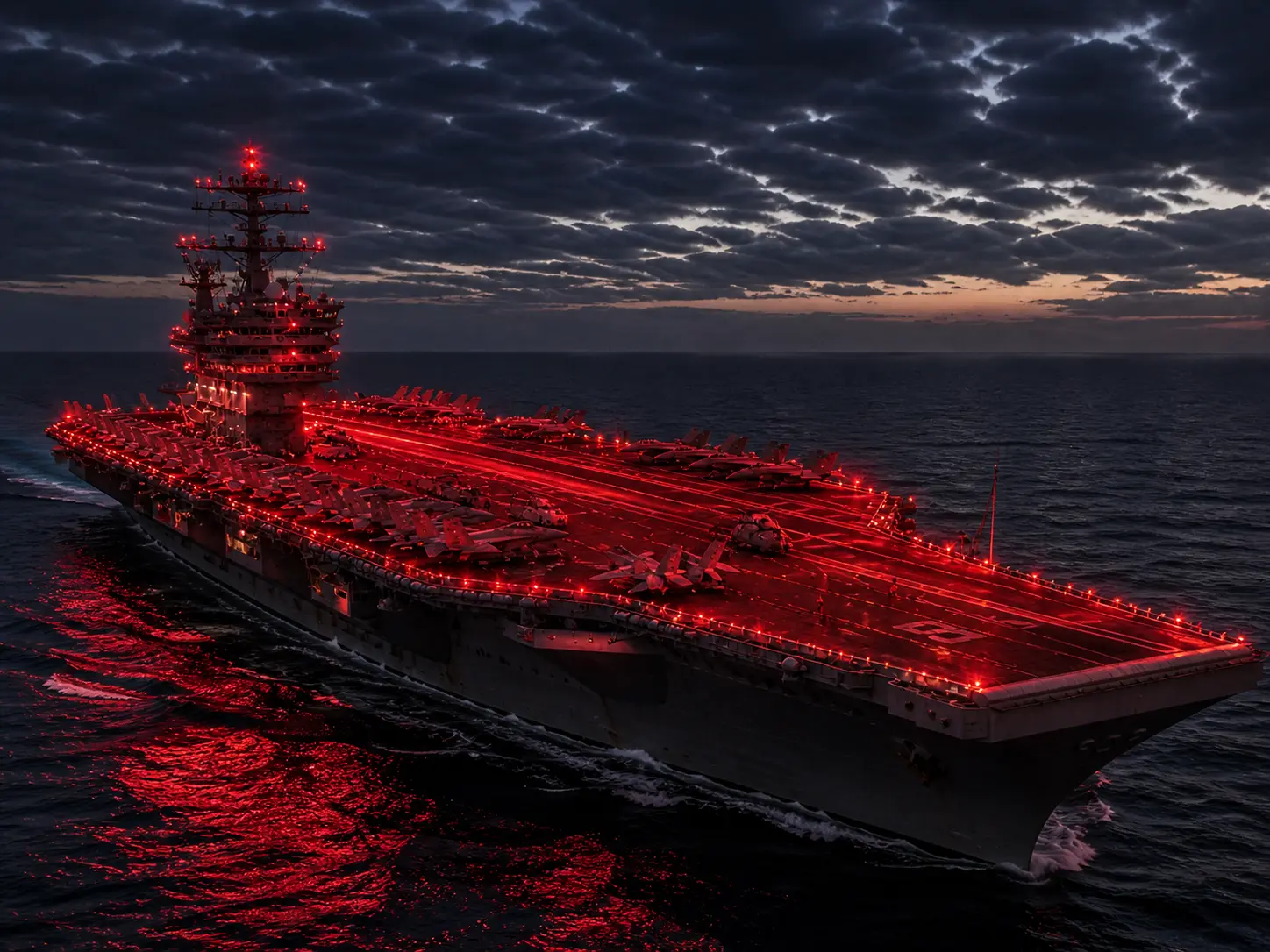
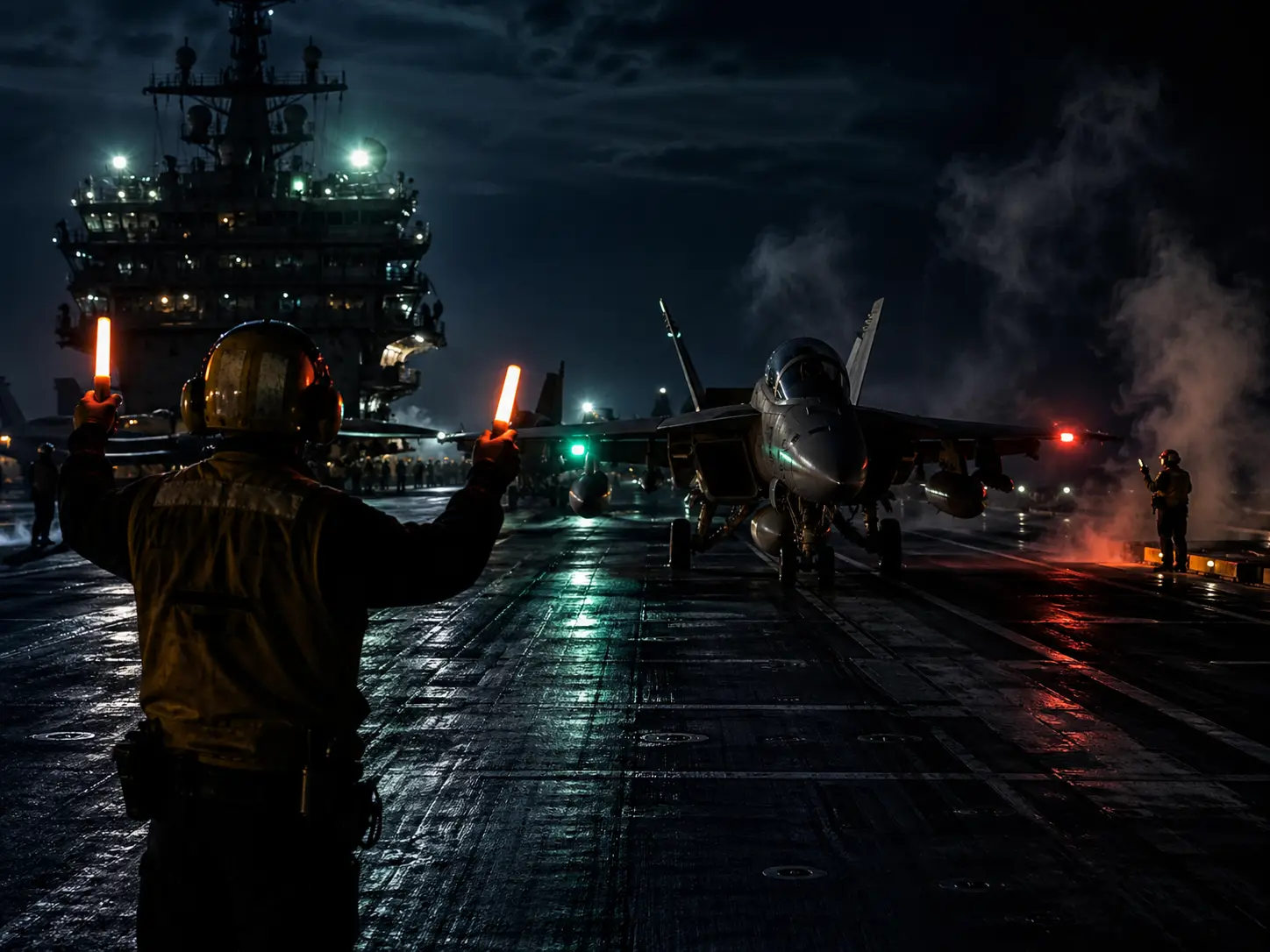
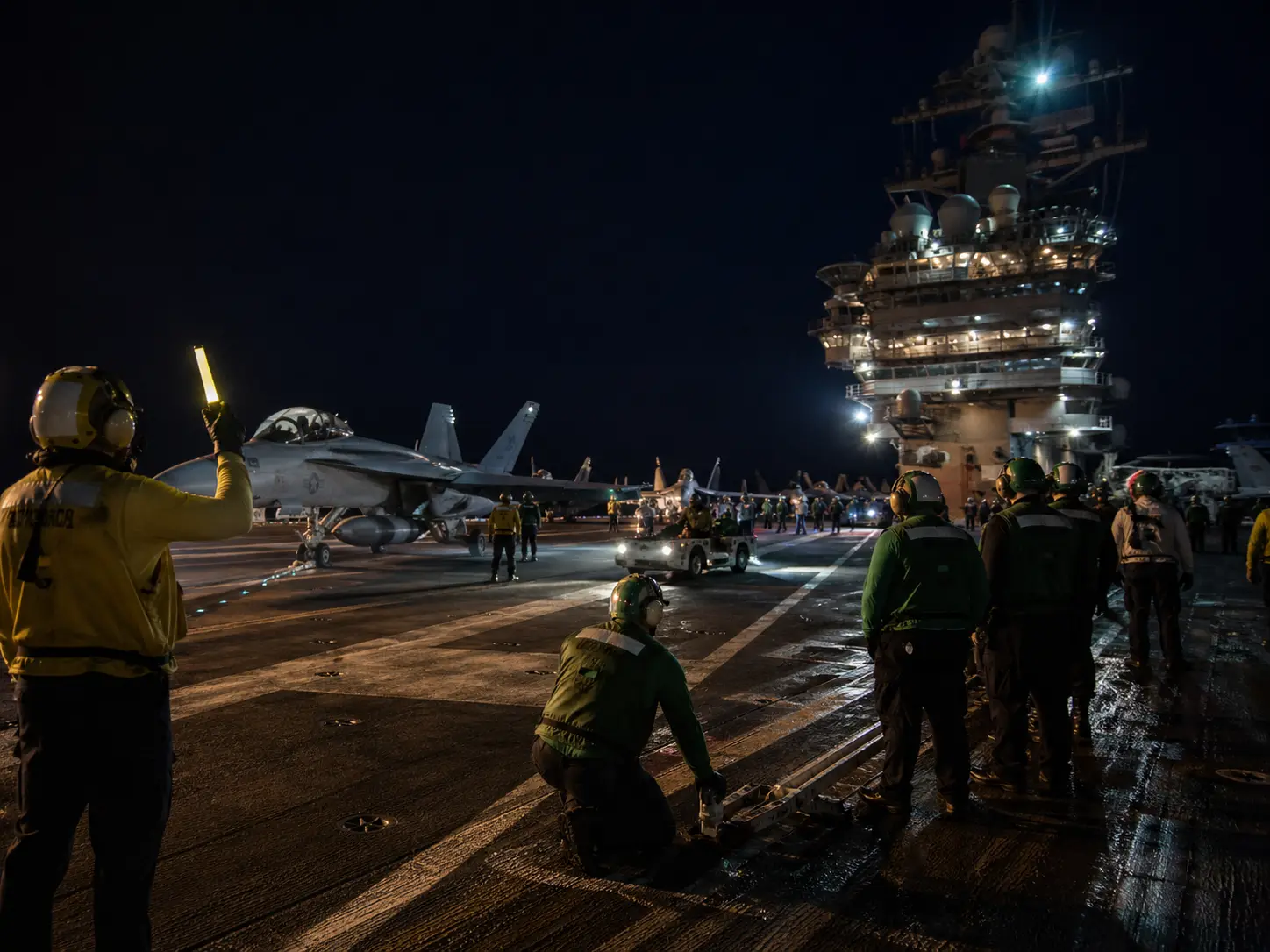
While the jets refuel in the sky, the flight deck below remains a high-risk environment. Thousands of sailors work under red lights to prepare the next wave of aircraft. The 24-hour cycle of launching, landing, and refuelling ensures the carrier operates as a relentless floating war machine.
Strategic Regional Presence
Currently operating in the Arabian Sea, the USS Abraham Lincoln acts as a major deterrent in a volatile region. Its ability to conduct night-time refuelling means the US Navy can respond to emergencies at any hour. This logistical backbone is what allows the carrier to sustain its massive operational power without pause.
)
)
)
)
)