'Blast Deflectors': What stops the USS Abraham Lincoln deck from melting away

The USS Abraham Lincoln uses seawater-cooled Mark 7 Jet Blast Deflectors to handle 3,600°F exhaust fire. This advanced naval engineering prevents deck melting during critical operations in the Arabian Sea.
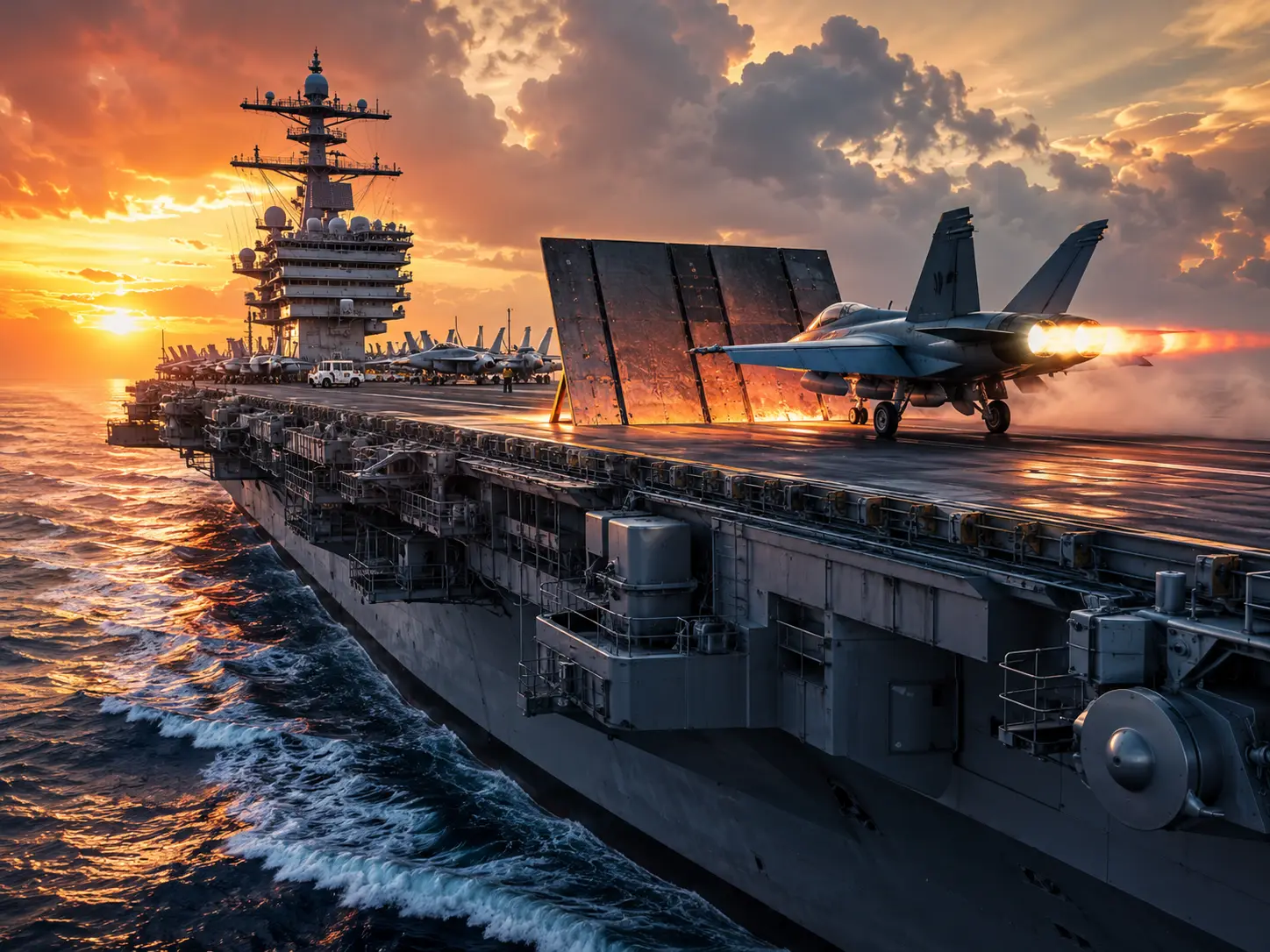
Extreme exhaust heat
Modern fighter jets like the F-35C produce exhaust temperatures reaching 3,600°F or 1,982°C. This intense heat is capable of melting or warping the ship’s heavy industrial steel deck. The USS Abraham Lincoln must manage this fire during every single catapult launch.
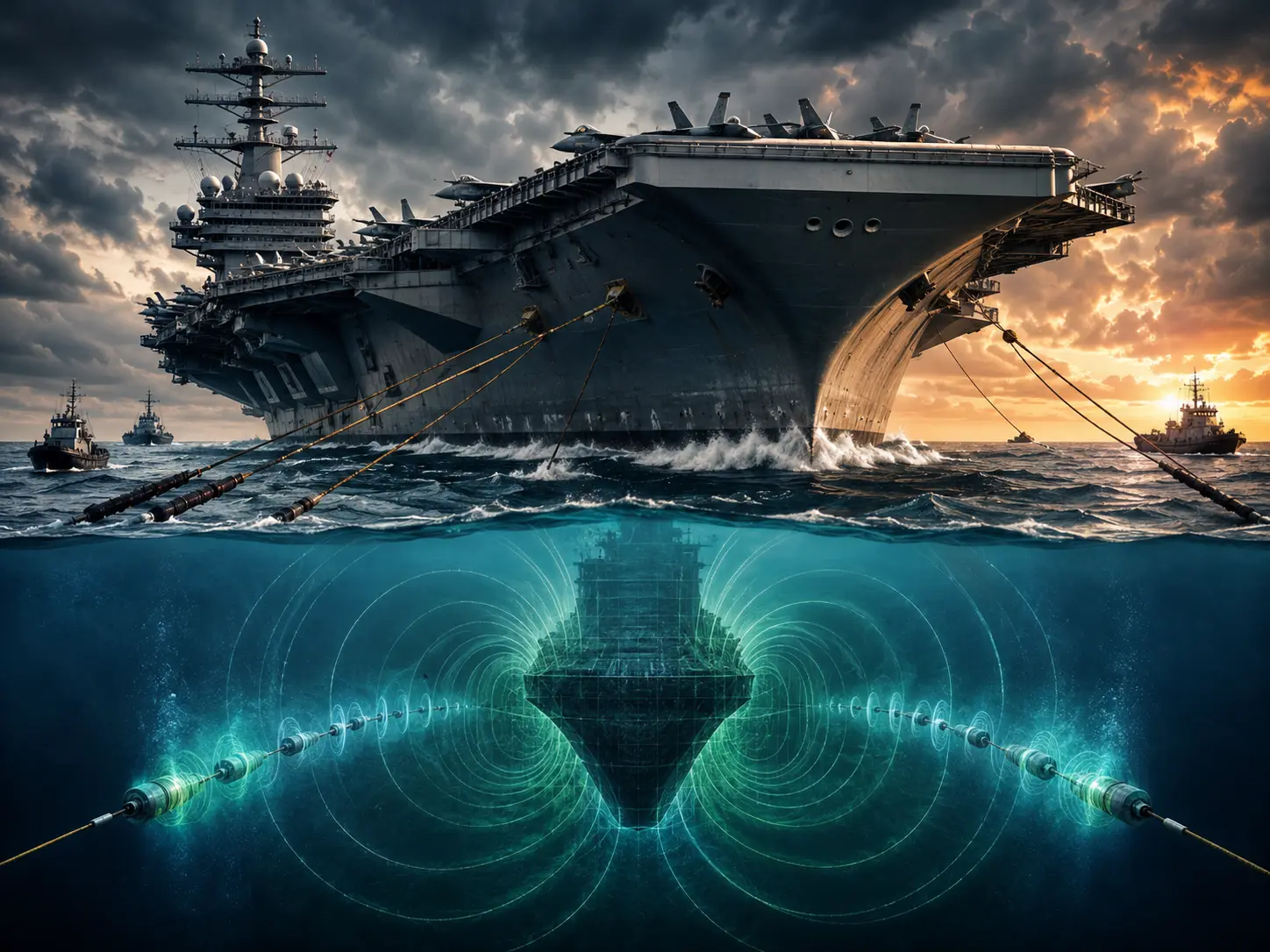
Mark 7 Deflector panels
The ship uses Mark 7 Jet Blast Deflectors (JBDs) to survive the fiery plumes. These heavy-duty panels are raised to a 50-degree angle behind the aircraft just before takeoff. They redirect the superheated gas upward to protect other jets and crew.
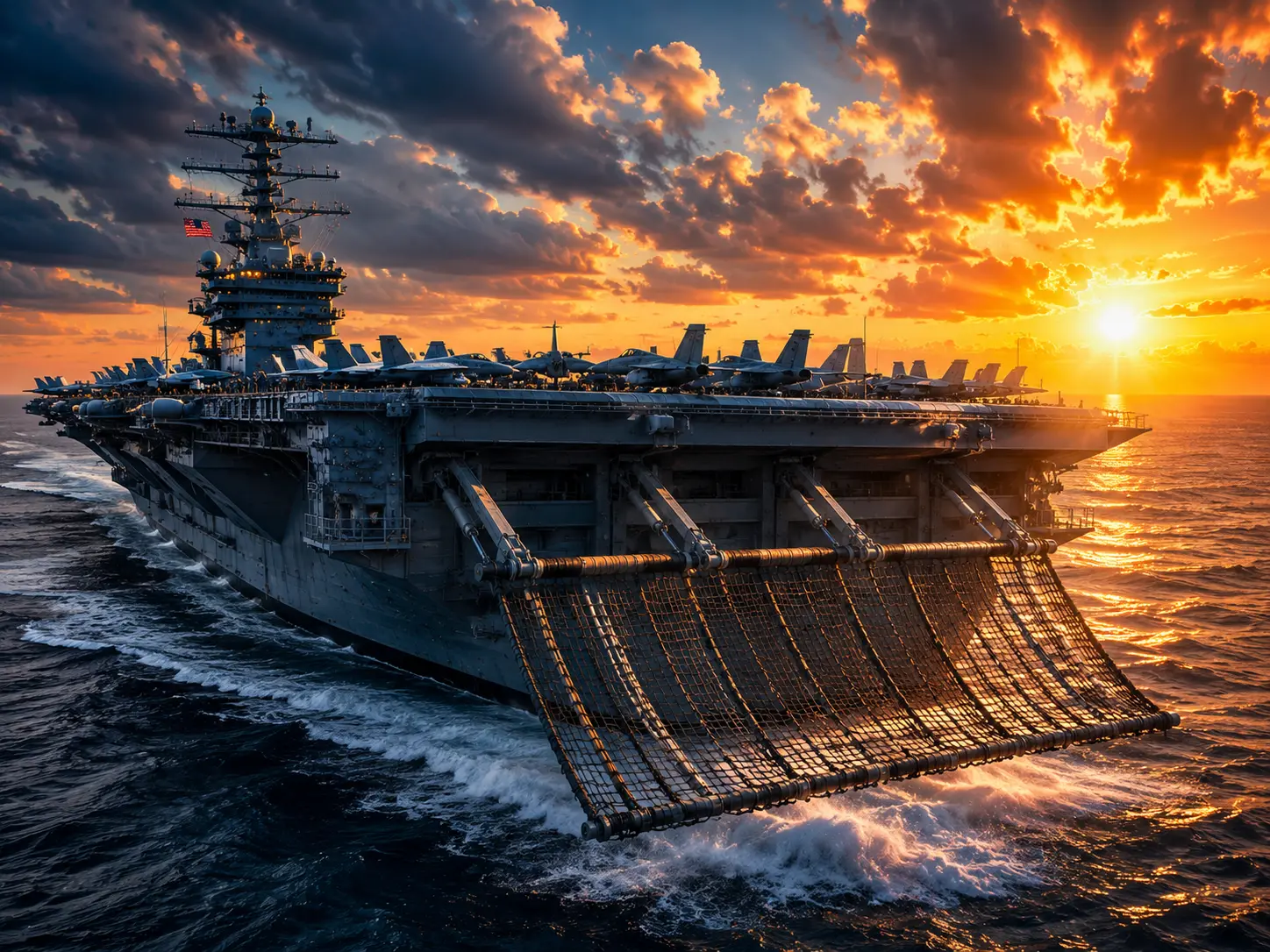
Active seawater cooling
The secret to their survival is an internal active cooling system. Thousands of litres of seawater are pumped from the fire mains through pipes inside the panels. This liquid cooling prevents the metal from reaching its critical melting point during afterburner use.
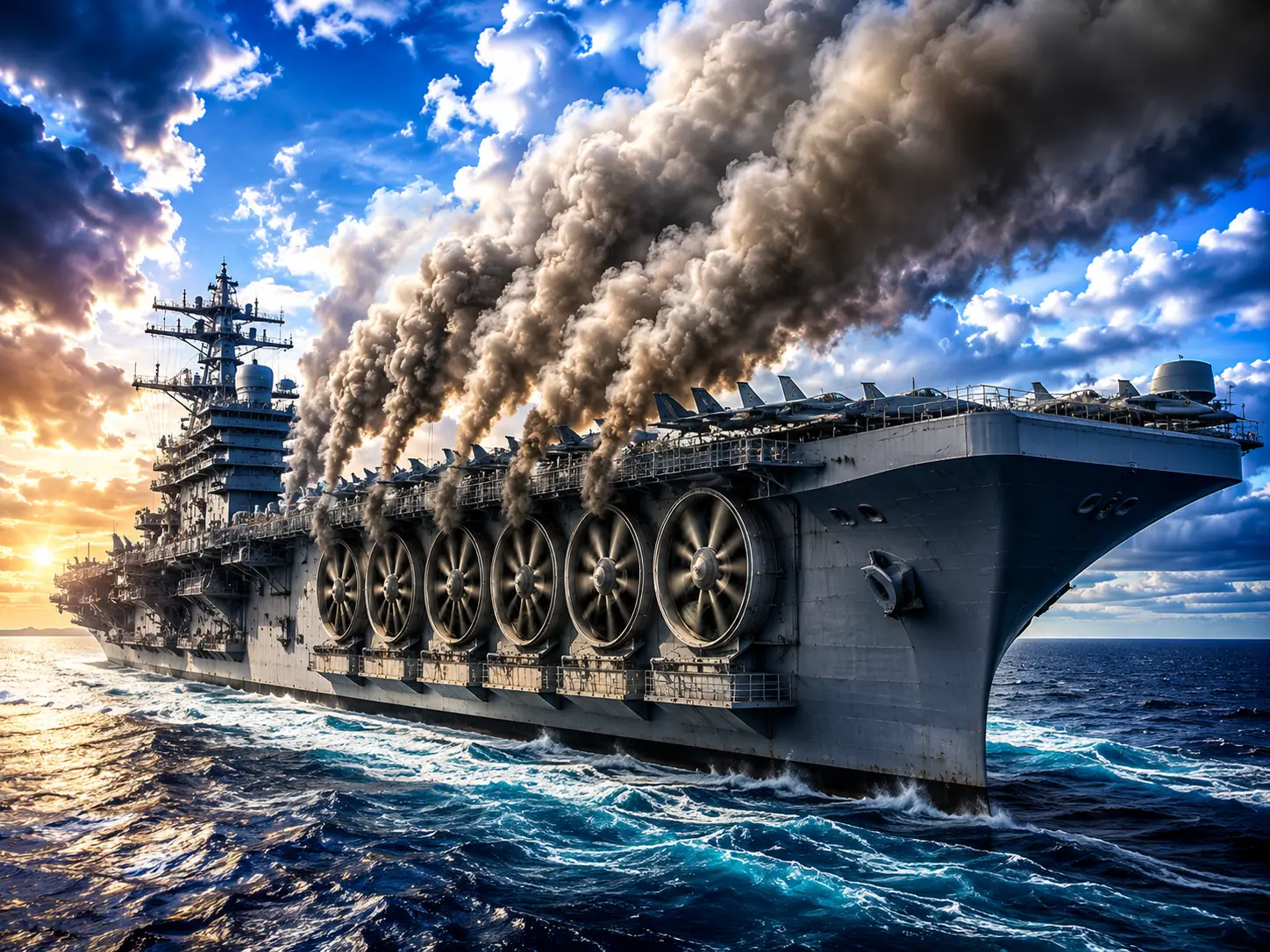
Hydraulic launch safety
Hydraulic arms lift the massive JBD panels from their flush deck positions in seconds. Once the jet clears the area, the system must cool the surface rapidly for other vehicles. This engineering ensures the deck remains flat and functional for the next mission.
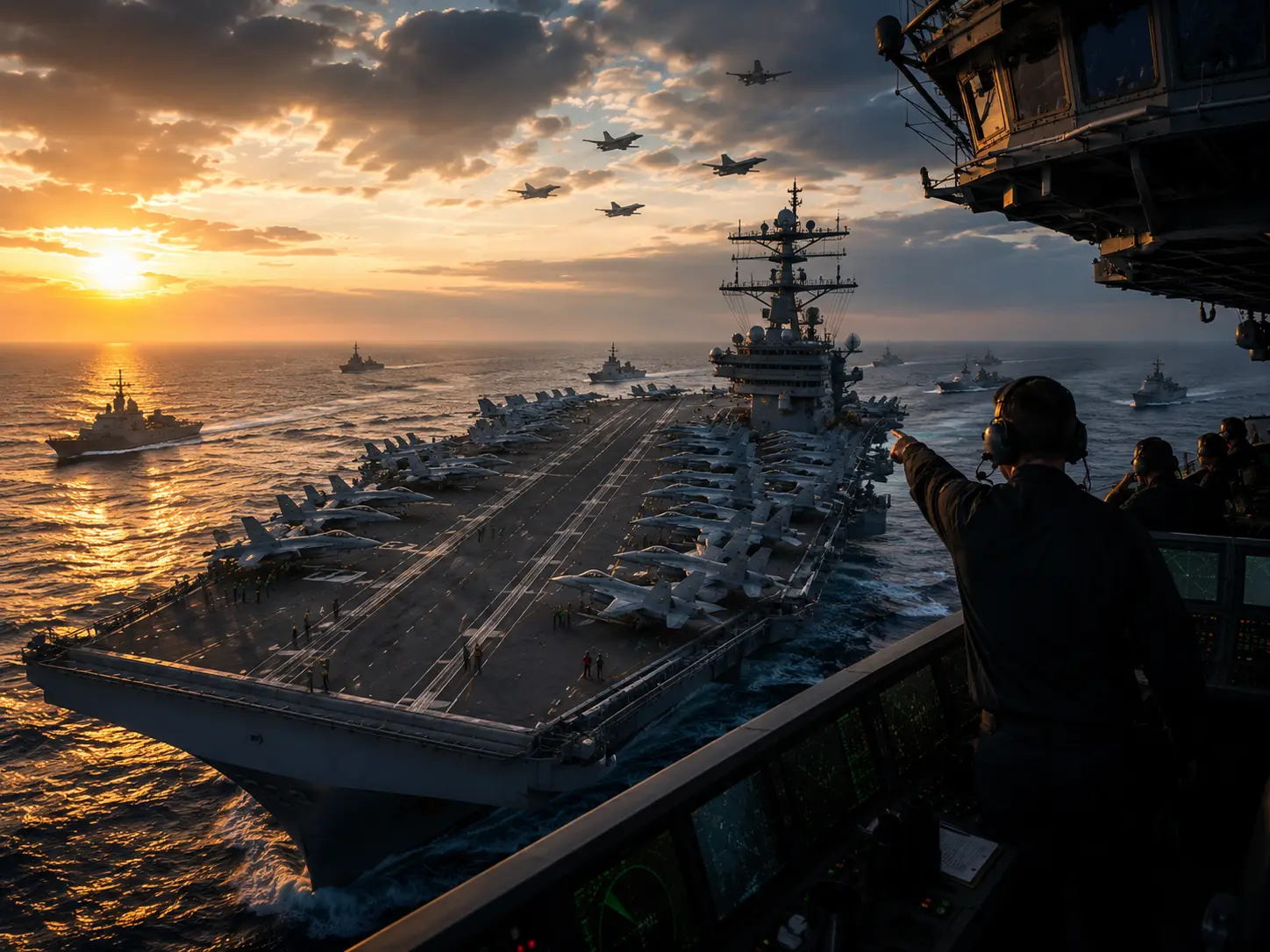
Special non-skid coatings
The entire flight deck, including the deflectors, is covered in a rugged non-skid compound. This abrasive layer provides traction for tyres and prevents pilots from sliding during launch. It is specifically designed to adhere even under extreme thermal and pressure stress.
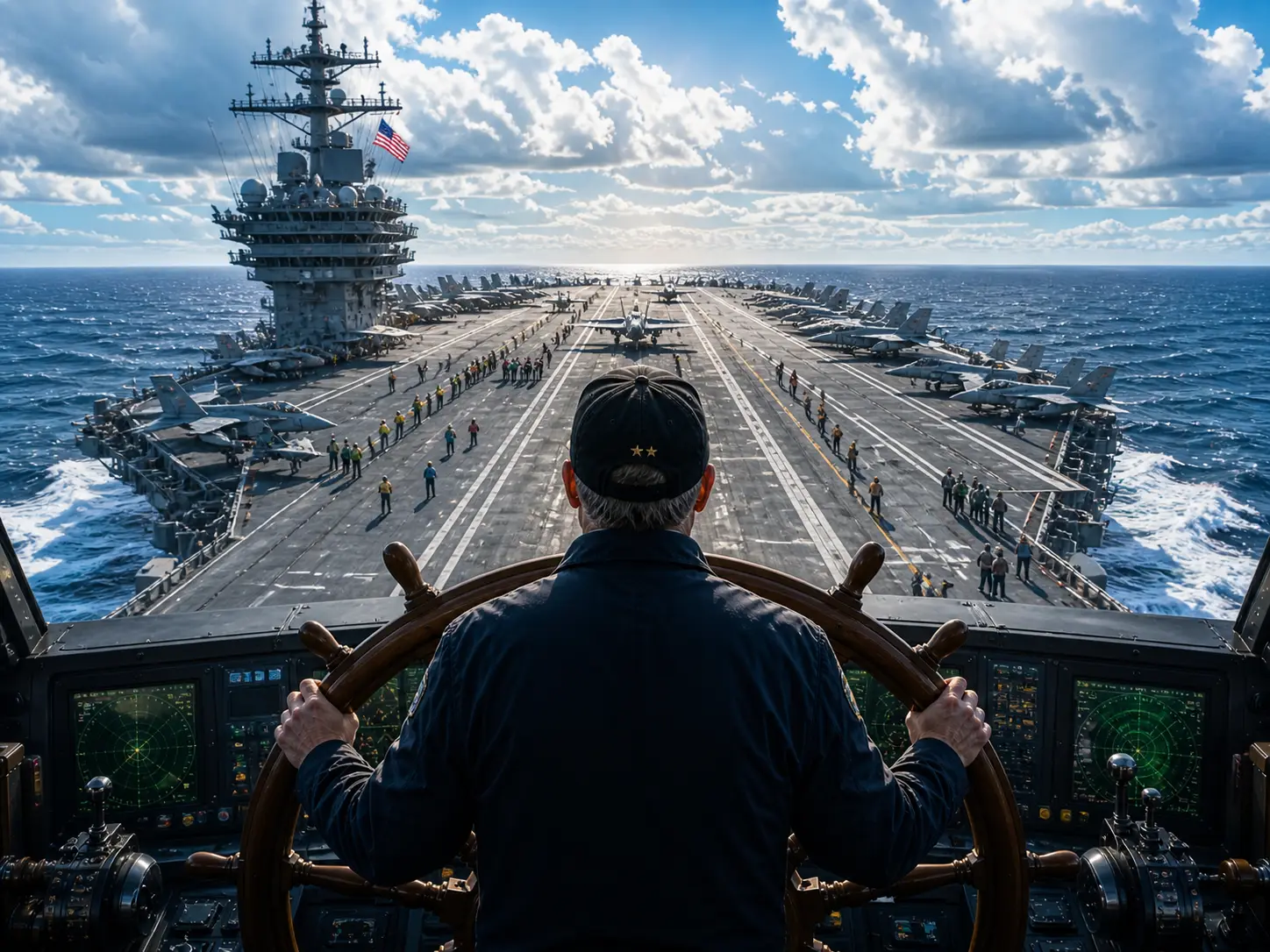
Mission in Arabian Sea
The Abraham Lincoln is currently operating in the Arabian Sea under Operation Epic Fury. Its flight deck systems allow for a continuous blockade of Iranian ports and maritime routes. Maintaining these deflectors is vital for the carrier’s current combat readiness.
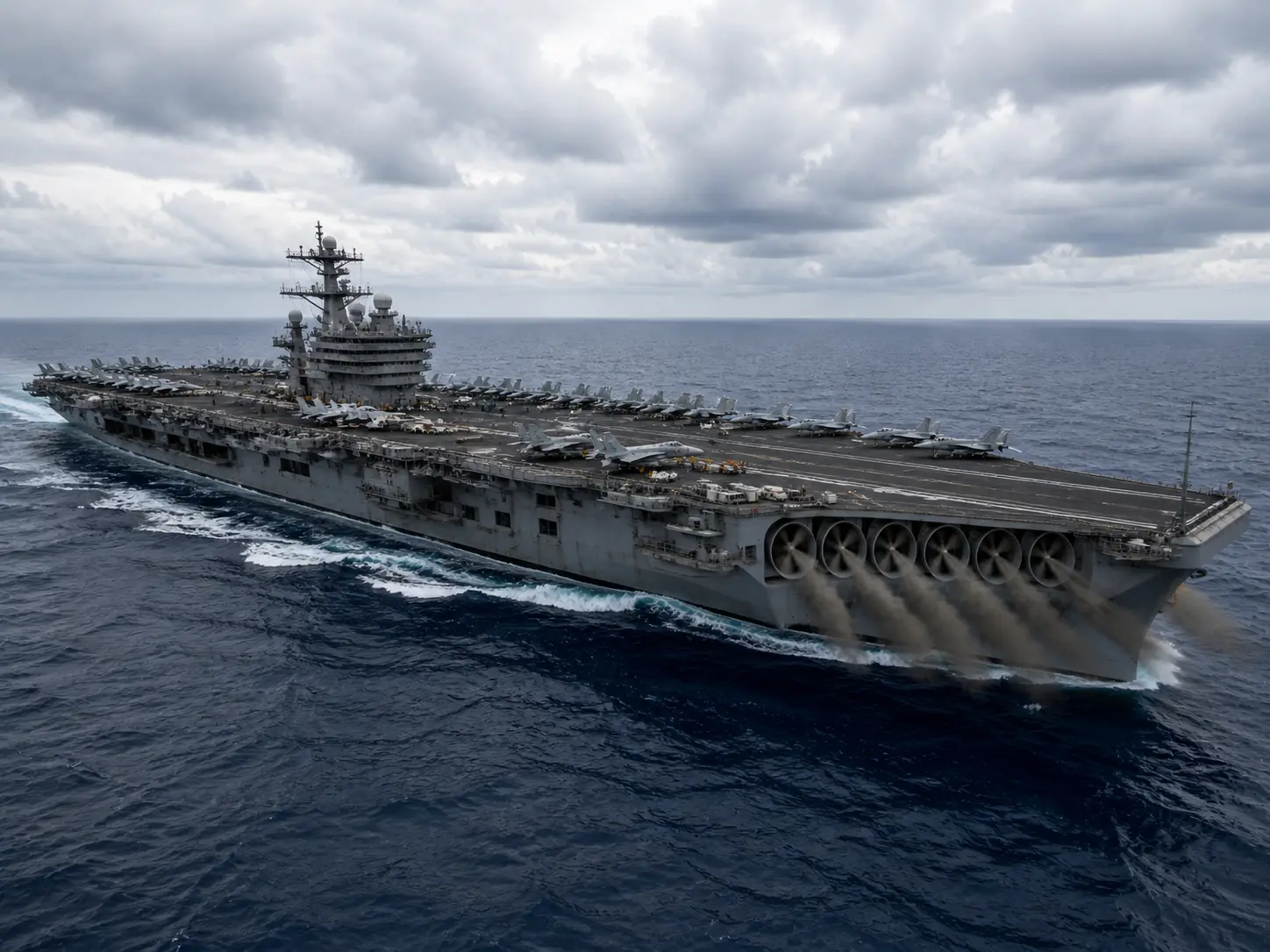
Protecting deck personnel
Beyond saving the ship, these barriers create a safe zone for the deck crew. They block lethal air streams and noise that could blow sailors overboard or damage equipment. The deflectors make it possible for hundreds of people to work safely near active jets.
)
)
)
)
)