'Billion-Dollar Ghost Ships': What is Shadow Fleet and how Iran is earning millions from covert oil trade

While the Strait of Hormuz chokes under a military blockade, a secret pipeline of aging, uninsured tankers continues to move billions in Iranian oil to China. Discover the covert mechanics of the “Shadow Fleet.”
1. The "Teapot" Loophole
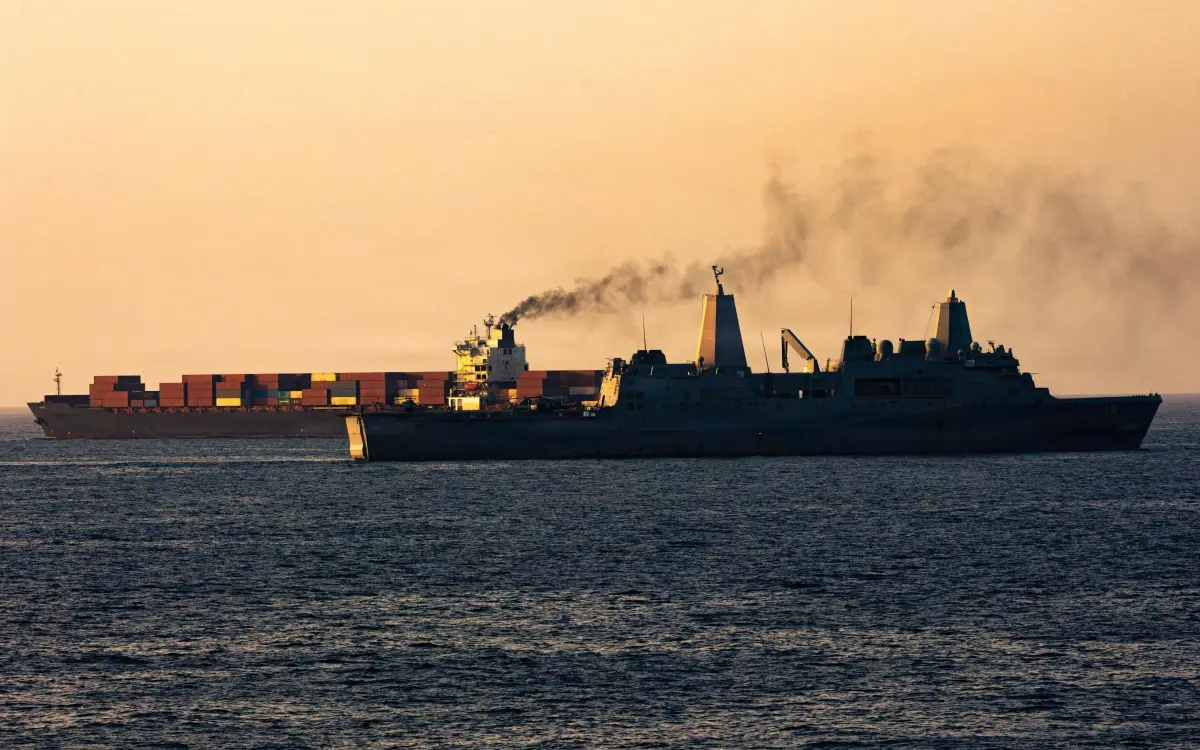
To understand how Iran survives devastating US sanctions, you have to look at China’s "teapot" refineries. Unlike massive Chinese state-owned enterprises (SOEs) like Sinopec, which fear US sanctions cutting them off from the global financial system, teapots are smaller, independent, privately owned refineries. Because they have little to no exposure to the US dollar or American banking, they act as the perfect, immune buyers for deeply discounted, heavily sanctioned Iranian crude.
2. The Anatomy of the Shadow Fleet
Iran doesn't deliver this oil using standard shipping giants. The trade relies entirely on the "Shadow Fleet" (or Dark Fleet), a global network of roughly 1,000 aging, rusting oil tankers that operate well past their intended shelf life. These ships fly "flags of convenience" from countries like Panama, Barbados, or the Comoros, and they sail without recognized international maritime insurance, making them floating environmental disasters waiting to happen.
3. Going "Dark" in the Gulf
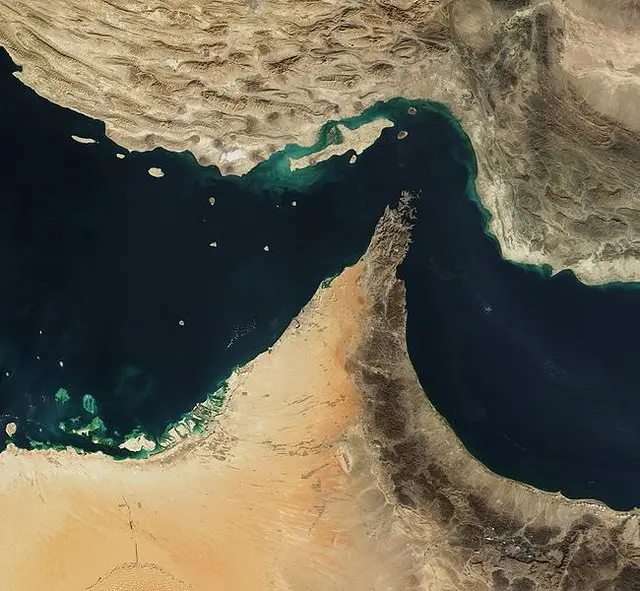
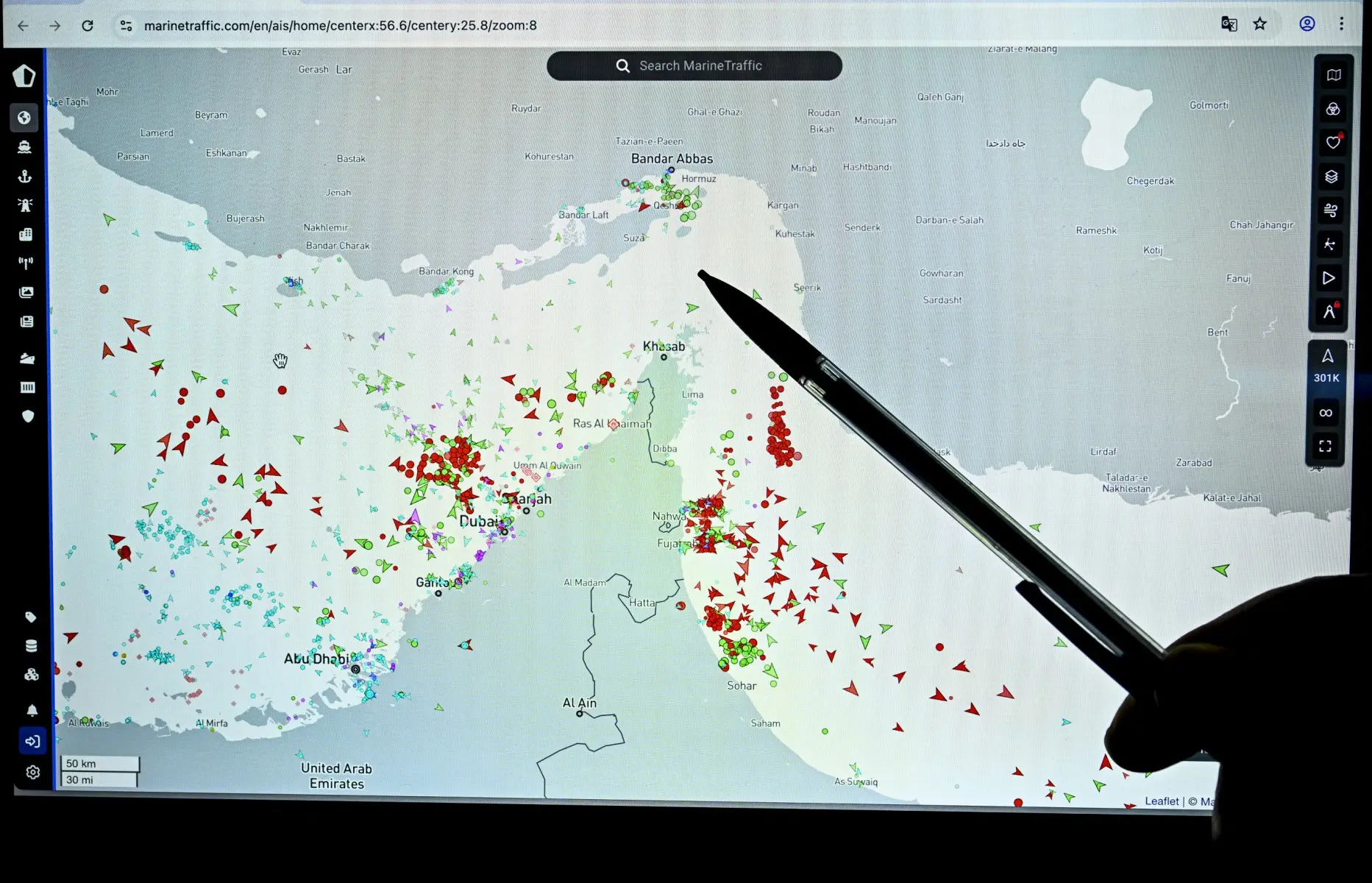
The covert operation begins with electronic deception. Every commercial ship uses an Automatic Identification System (AIS) to broadcast its location. When a Shadow Fleet vessel approaches the Persian Gulf to load Iranian crude, it simply turns off its AIS transponder, “going dark” or uses advanced GPS spoofing software to make it appear as though the ship is sitting idle off the coast of Africa while it is actually loading millions of barrels at Iran's Kharg Island terminal.
4. The Mid-Ocean Shell Game
To completely scrub the origin of the oil, the tankers engage in highly dangerous, illegal Ship-to-Ship (STS) transfers. Two massive tankers will rendezvous in the middle of the ocean, often in the South China Sea or off the coast of Malaysia. In open water, they connect heavy hoses and transfer millions of barrels of crude from the sanctioned ship to a "clean" ship, completely blurring the logistical chain of custody.
5. Rebranding the Crude
By the time the oil actually arrives at a Chinese port in Shandong province or Dalian, the paperwork has been entirely forged. The Iranian crude is almost universally rebranded and sold to the teapot refineries as "Malaysian Blend," "Omani Crude," or "Bitumen mixture." This allows Chinese customs to officially import the oil without legally violating international sanctions on paper.
6. The "Economic Fury" Crackdown
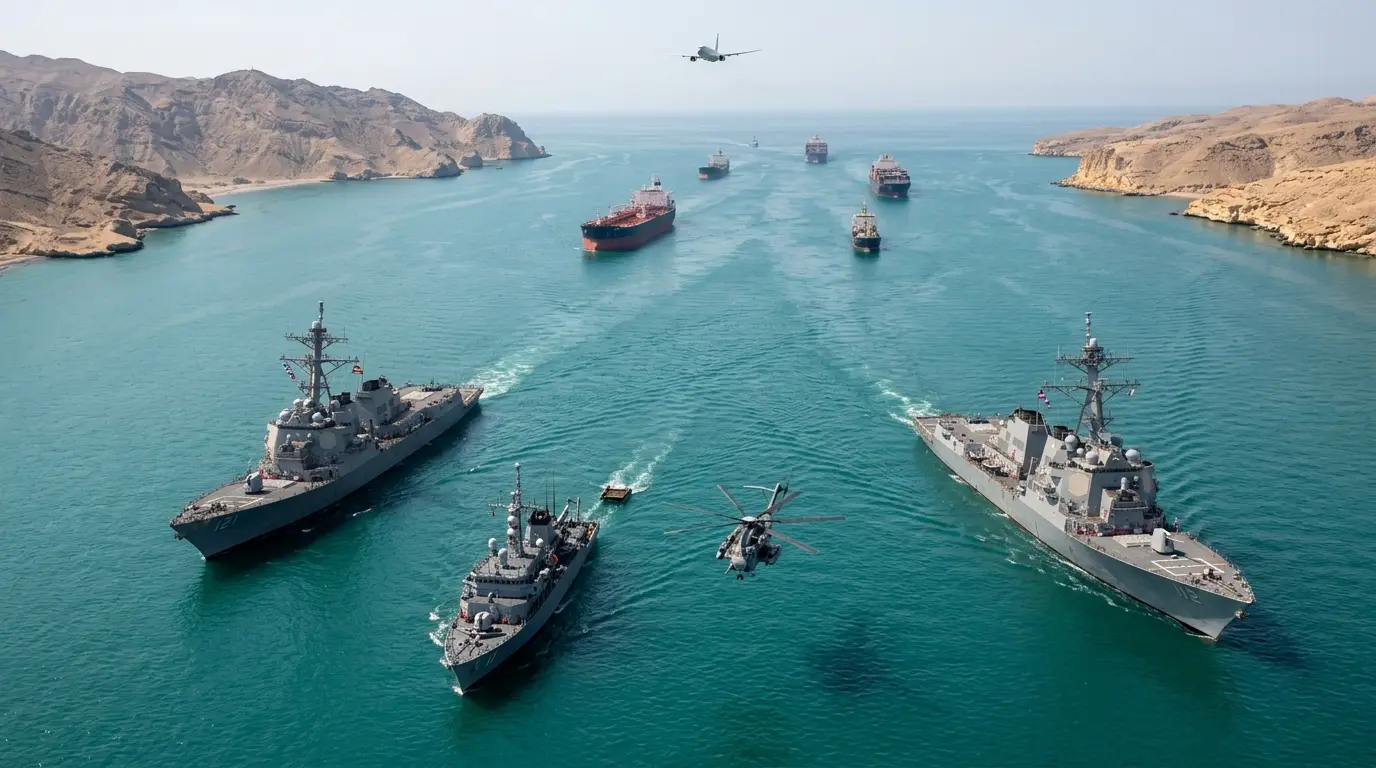
The US is currently waging an aggressive financial and kinetic war against this network. In April 2026, the US Treasury launched its "Economic Fury" campaign, explicitly sanctioning Hengli Petrochemical, China’s second-largest teapot refinery, alongside 40 specific Shadow Fleet shipping firms. This financial stranglehold is running concurrently with a massive US-led naval blockade in the Strait of Hormuz, forcing the shadow fleet to navigate an active military zone.
7. The Renminbi Shield
Despite the blockade and sanctions, the pipeline is incredibly difficult to kill because it bypasses the US dollar entirely. The teapot refineries pay for the Iranian crude using the Chinese Renminbi (RMB), routing the money through China’s Cross-Border Interbank Payment System (CIPS). Until the US Treasury takes the extreme step of leveling secondary sanctions against the major Chinese banks facilitating these RMB transfers, the ghost ships will continue to sail.
)
)
)
)
)