'Bilge Rot': How the USS Abraham Lincoln fights decay in its lowest and wettest rooms

The USS Abraham Lincoln battles bilge corrosion. In 2022, a decayed pipe leaked toxic wastewater into the drinking supply, forcing the crew to isolate tanks and deep-clean the systems.
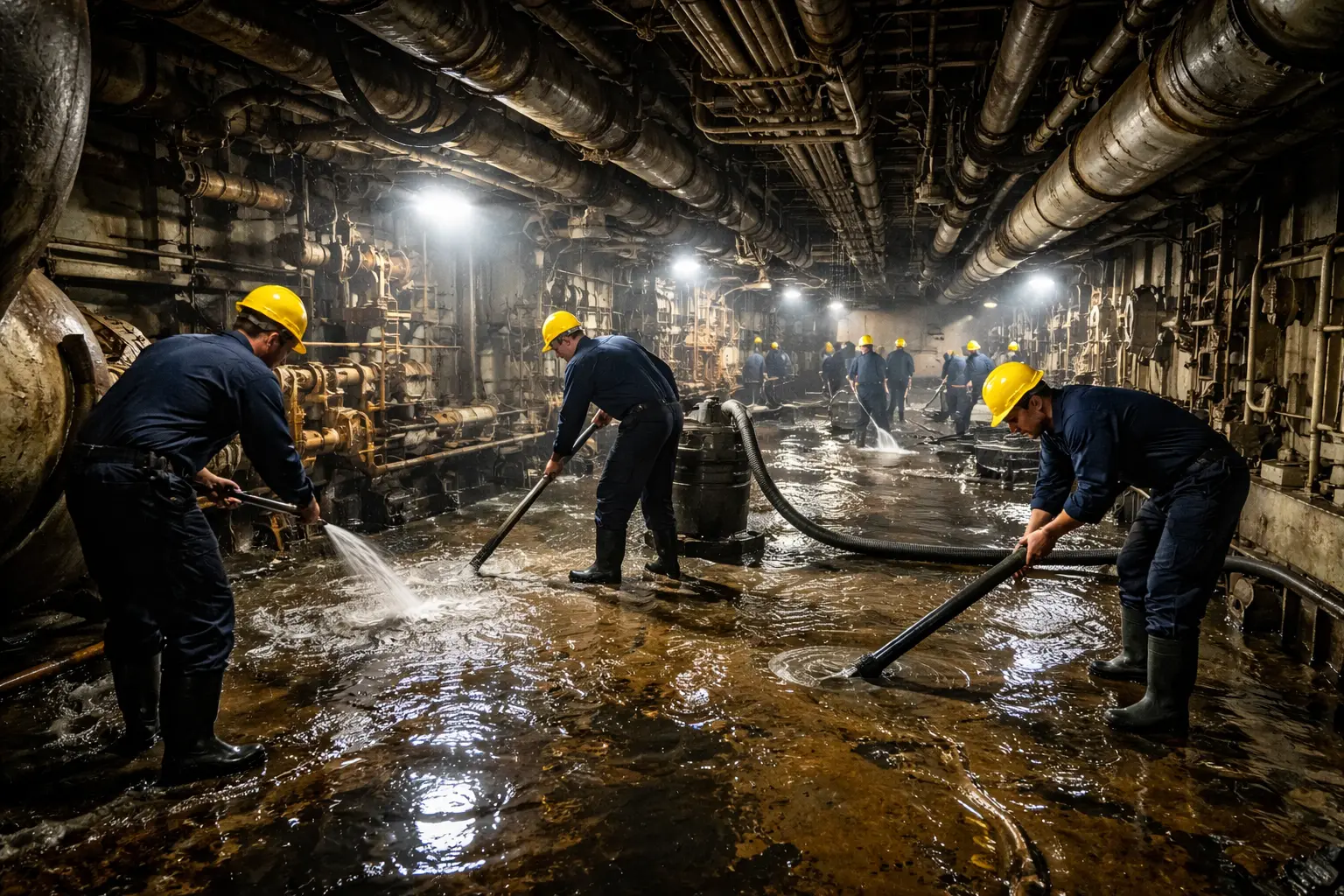
100,000-Tonne Carrier's Bilge
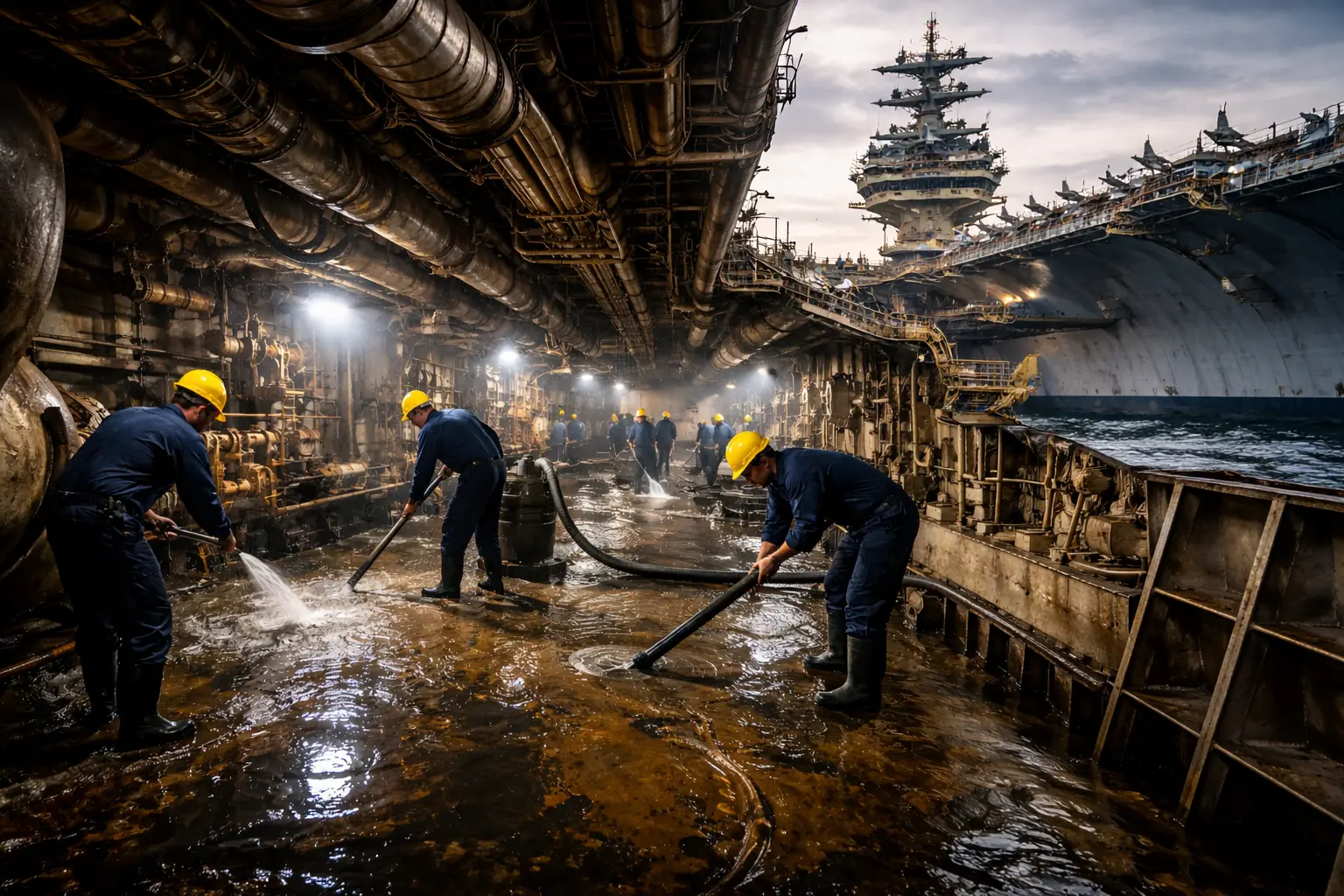
The bilge serves as the lowest point of the hull, catching runoff fluids from regular daily operations. On the USS Abraham Lincoln, these dark and wet compartments constantly gather moisture, oil, and industrial waste. Crews must inspect these areas regularly to stop rust from attacking the carbon steel structure.
2,000 Gallons of Wastewater
Bilge fluid is a hazardous mix of seawater, fuels, lubricants, and heavy metals like cadmium. During the 2022 crisis, around 2,000 gallons of unaccounted wastewater entered the system, exposing a critical plumbing vulnerability. If left alone, this stagnant sludge speeds up metal decay across the lower decks.
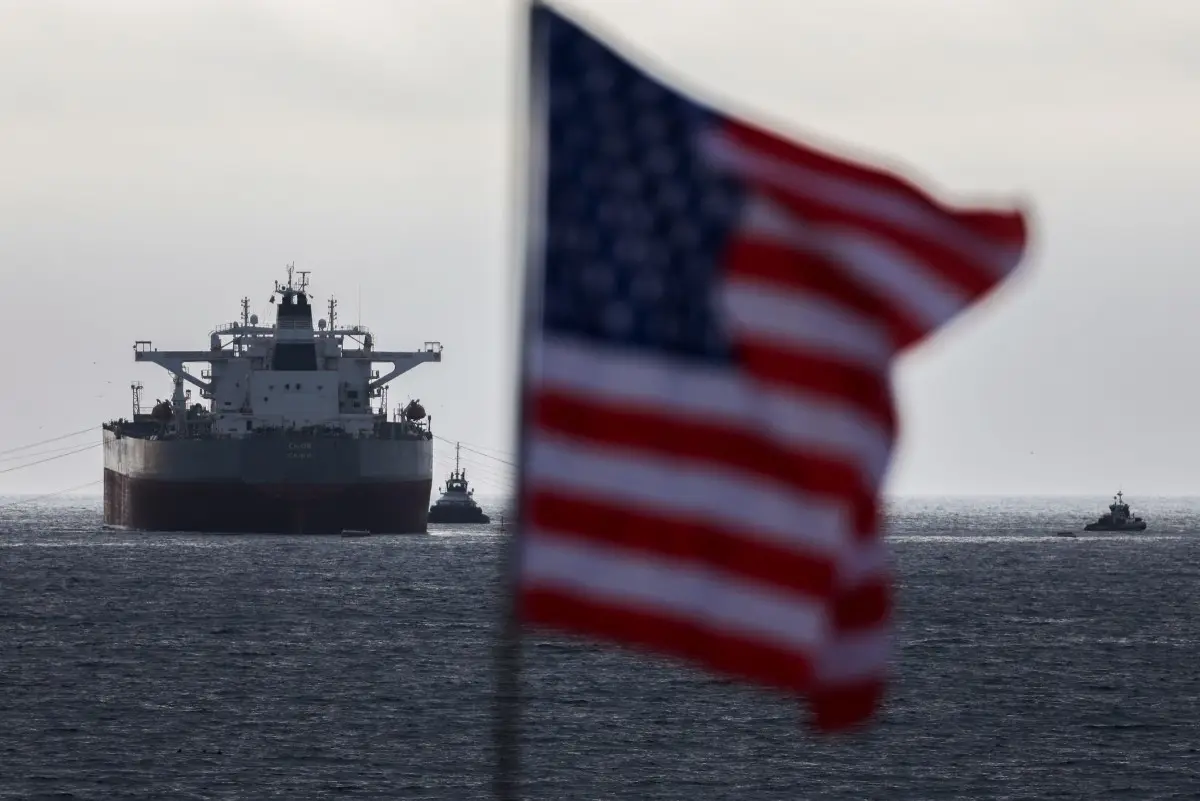
6-Inch Corrosion Hole
The effects of bilge rot surfaced prominently when a carbon steel vent pipe severely degraded. A hole formed just six inches above the low point in the machinery room bilge, remaining unnoticed for months. When fluid levels rose above this mark, the toxic wastewater directly entered the clean water supply.
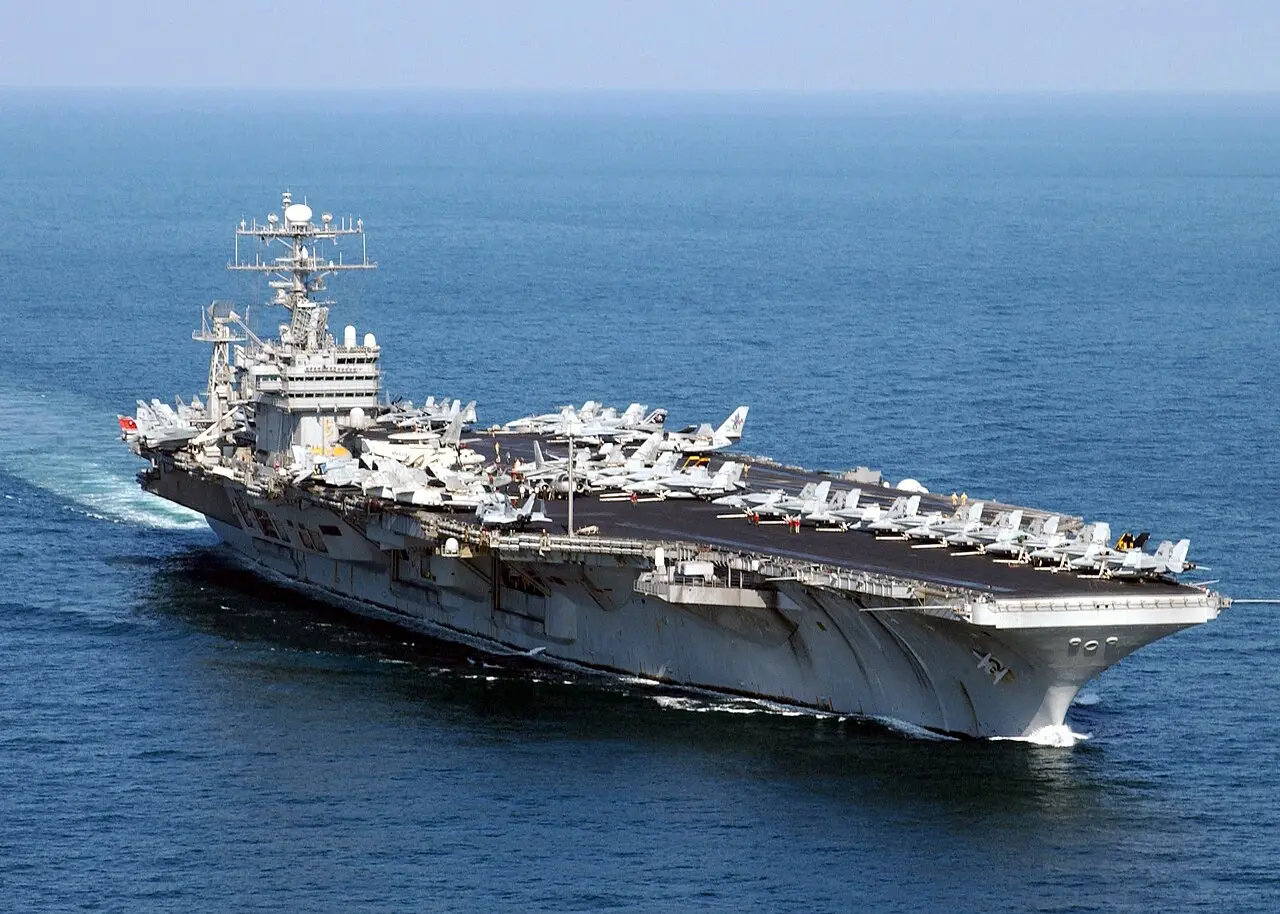
26 Potable Water Tanks
The carrier relies on 26 large tanks to supply drinking water to thousands of sailors onboard. Because of the decayed vent pipe, contaminated fluid flowed directly into at least three of these essential units. This structural failure temporarily compromised the daily water access for the entire crew.
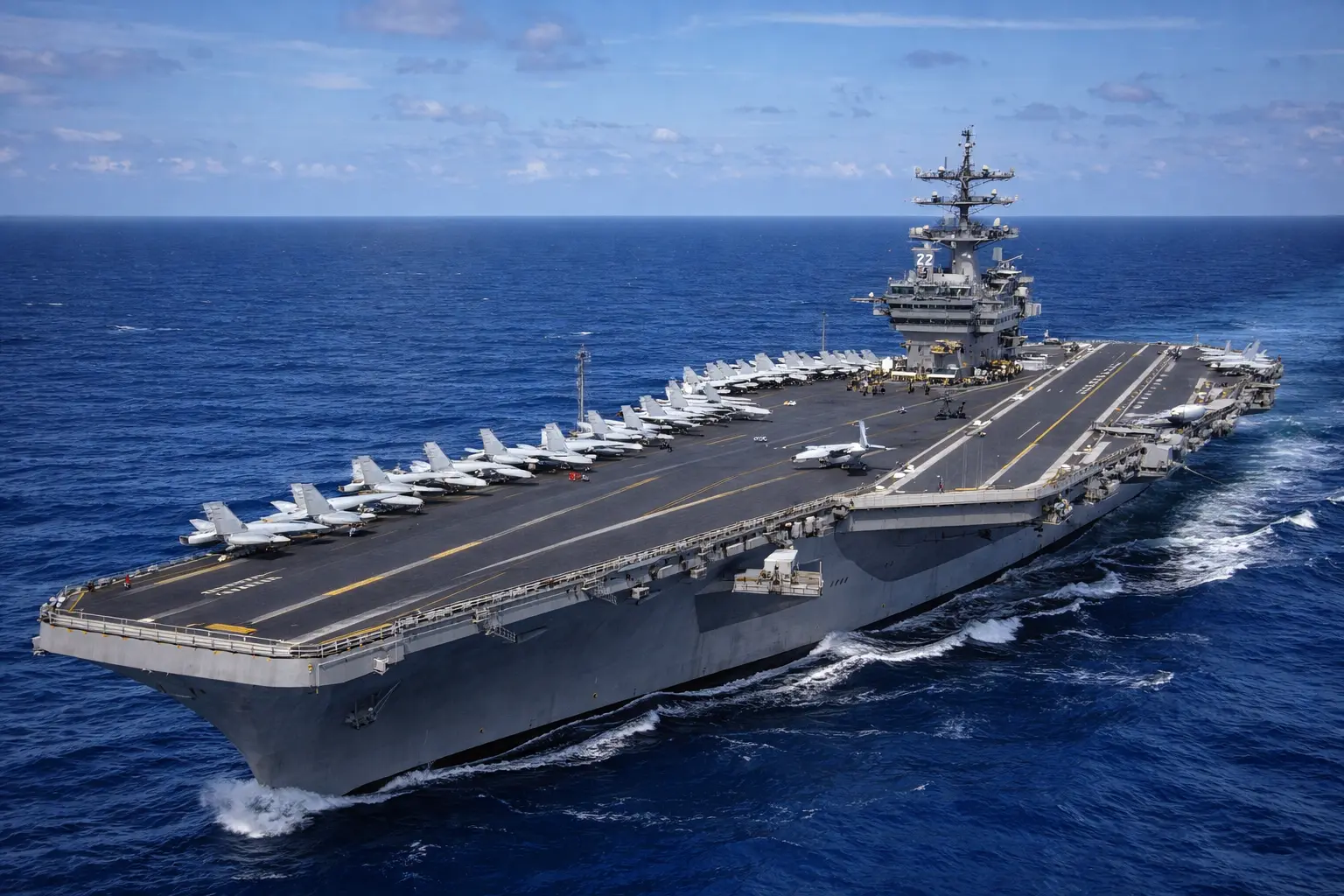
Bacteria in 3 Tanks
Sailors quickly reported cloudy, grey water that tasted like fuel and emitted a strong odour. Health tests of the ship's supply found E. coli bacteria present in three specific drinking water tanks. The contamination exposed the direct health hazards caused by hidden structural decay.
Beyond 50 Nautical Miles
To fix the immediate threat, 100 per cent of the affected tanks were isolated from the clean supply. Navy rules permit ships to pump treated bilge water overboard once they travel past 50 nautical miles from land. Crews lowered the machinery room fluid levels to prevent further backflow.
Repairs After 2022 Breach
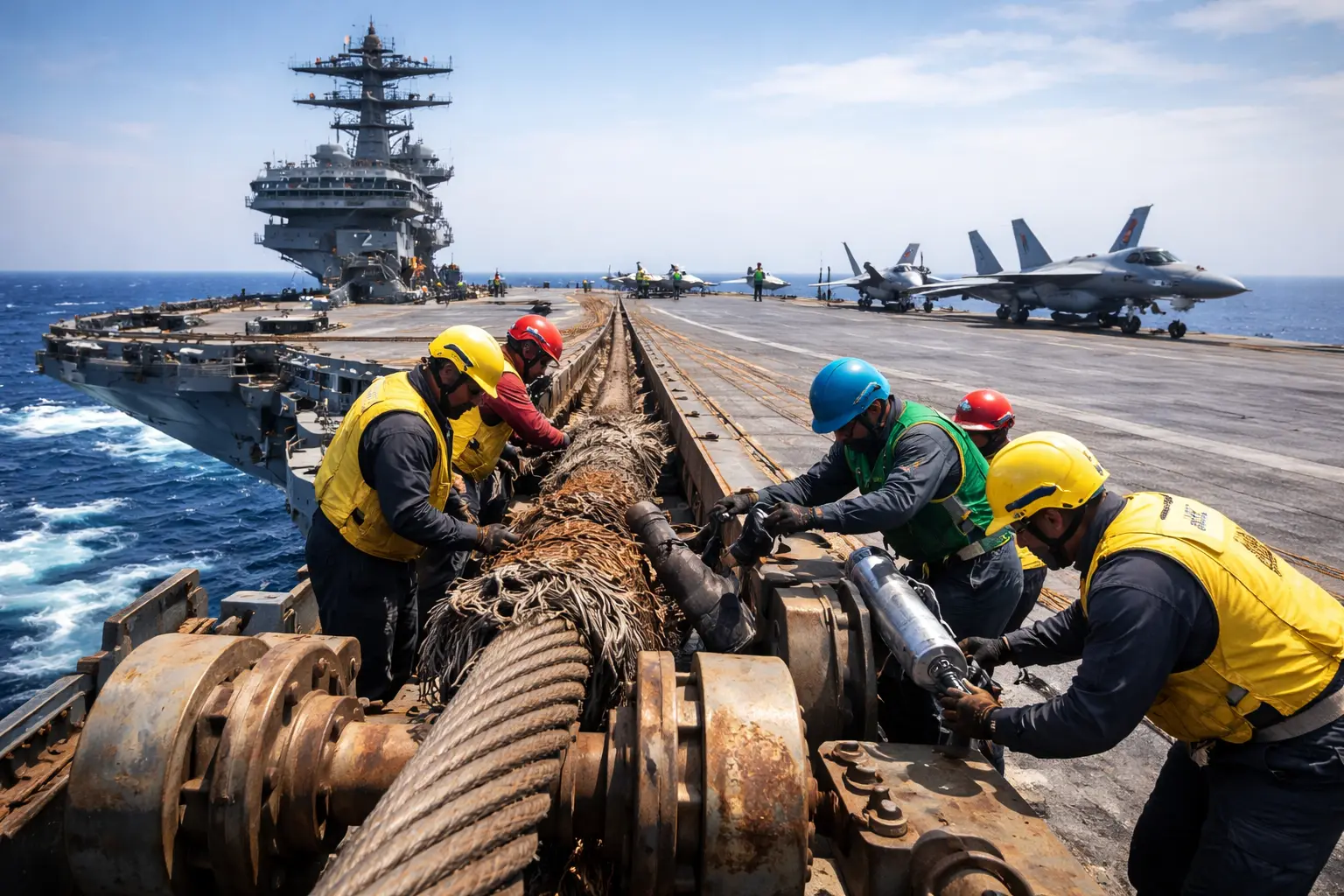
The vessel docked in California, connecting to safe city water while engineers addressed the decay. Maintenance teams deep-cleaned the polluted tanks and patched the rusted piping. The event forced a strict review of inspection routines to catch early signs of rust before pipes fail.
)
)
)
)
)