‘Biggest failure’: Why NASA couldn't update public on 3I/ATLAS during its most crucial month

NASA’s silence on 3I/ATLAS during one of its most active months has drawn criticism from scientists and space watchers. Here’s how the agency’s communication blackout, coinciding with the U.S. government shutdown, left a major gap in public knowledge.Untitled Summary
1. A Sudden Halt in Updates
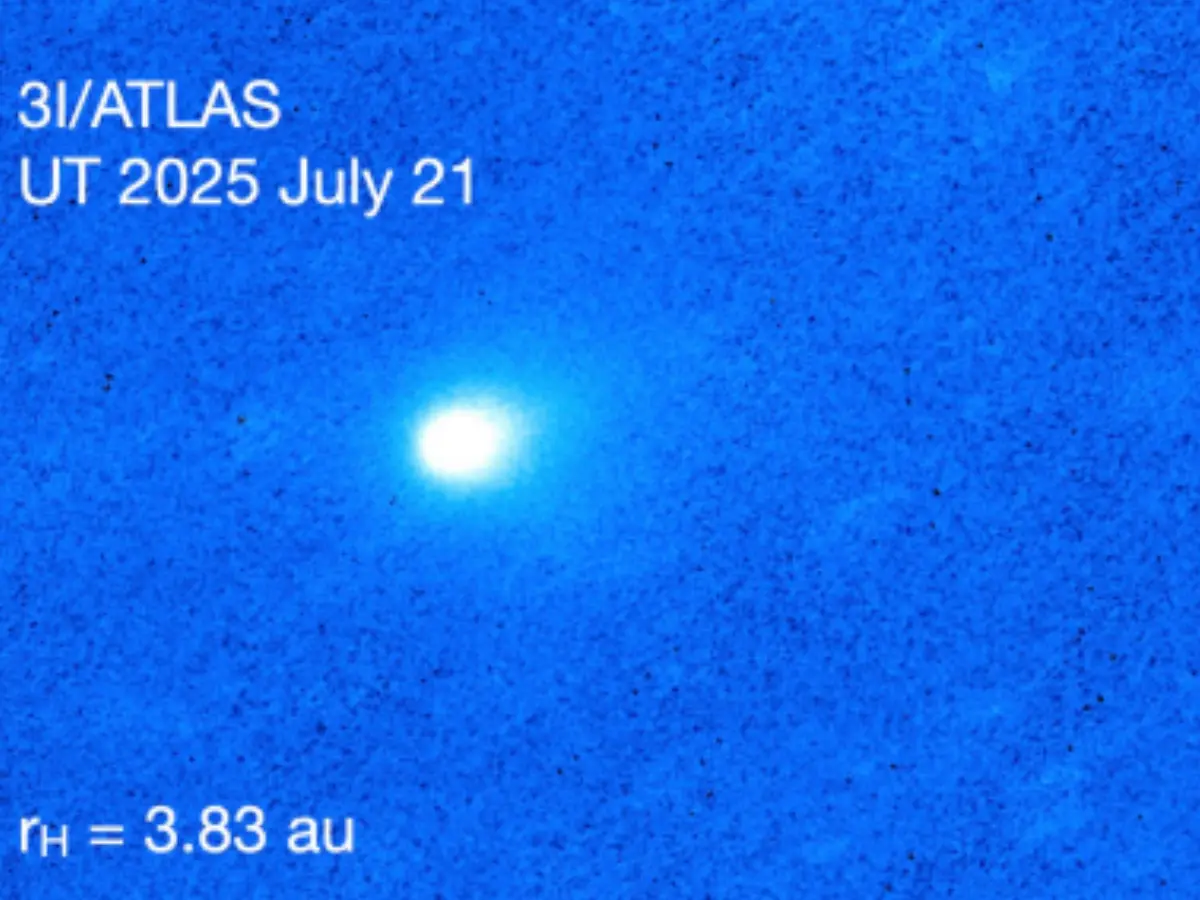
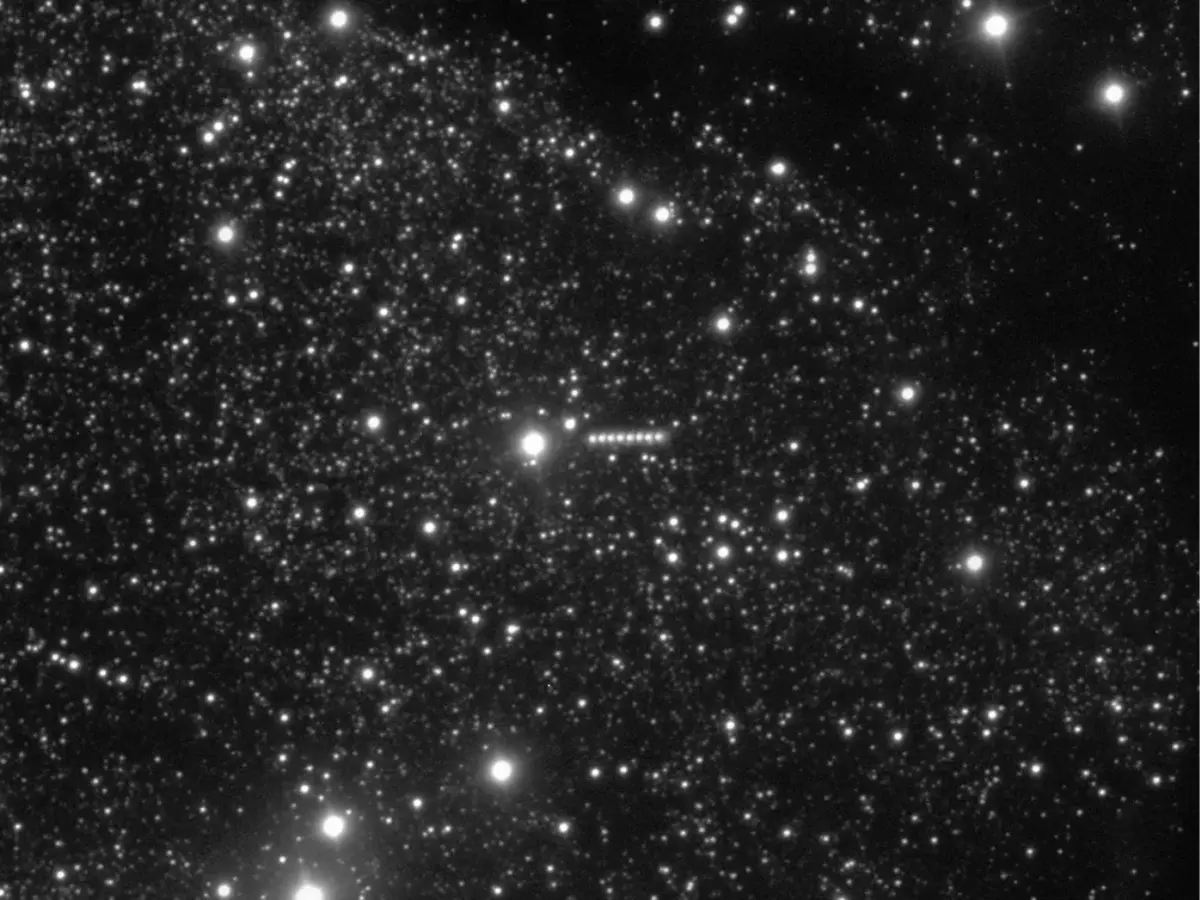
Throughout October, NASA’s Jet Propulsion Laboratory (JPL) had been tracking 3I/ATLAS and releasing regular position data. But mid-month, updates stopped abruptly, with no official explanation, just as the object entered a key observation phase.

2. The Timing Aligned with the US Government Shutdown
The silence began shortly after parts of the US government, including NASA, were affected by funding freezes linked to the federal shutdown under the Trump administration. Many public-facing systems, including databases and NASA’s Near-Earth Object portal, were temporarily suspended.
3. Scientists Left in the Dark
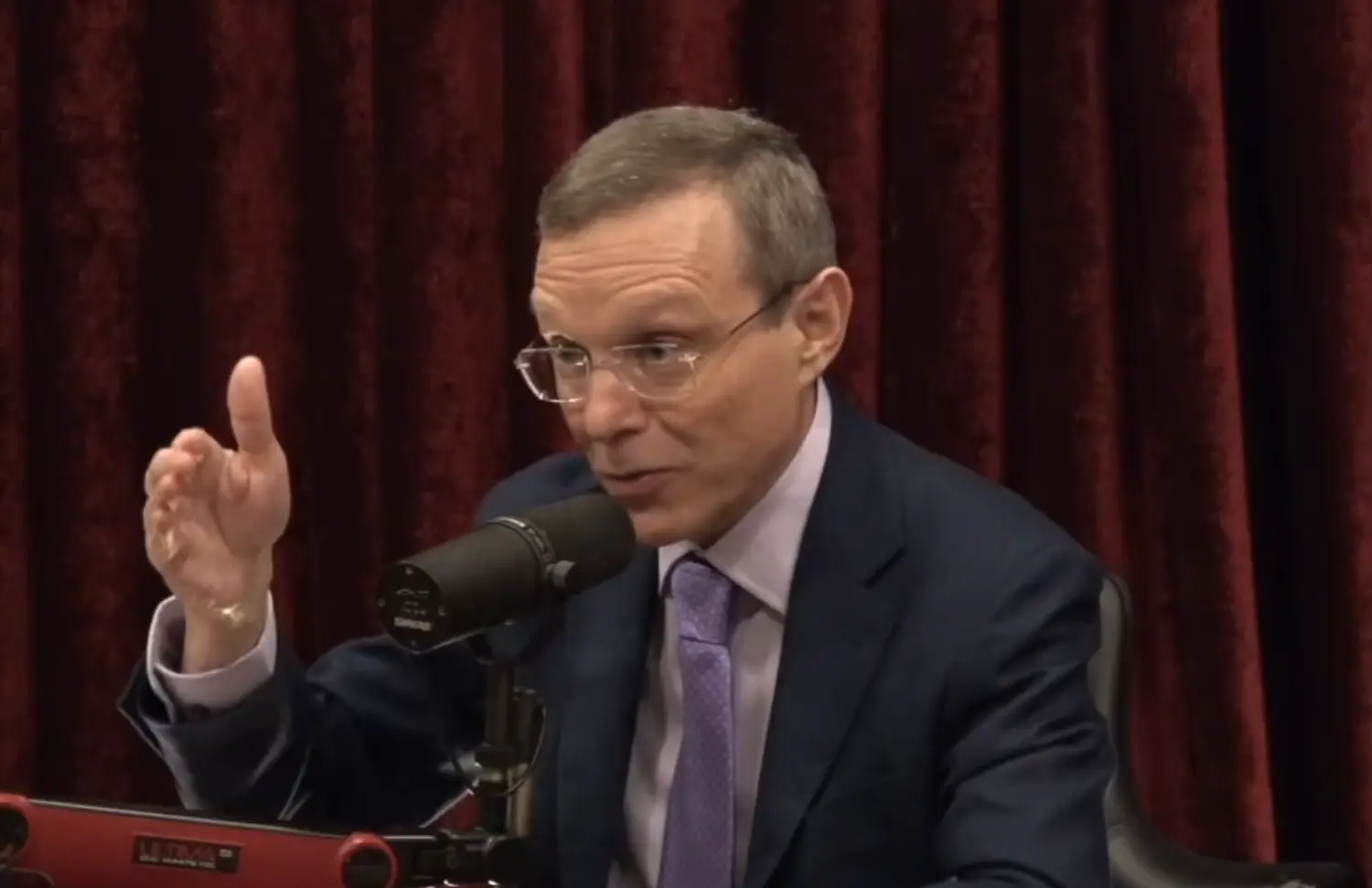
Avi Loeb and other independent astronomers said the timing was “unfortunate.” Loeb noted that 3I/ATLAS was about to enter solar alignment, a moment critical for data collection, yet global observers were left without official trajectory updates from NASA.
4. Data Gaps Fuelled Public Speculation
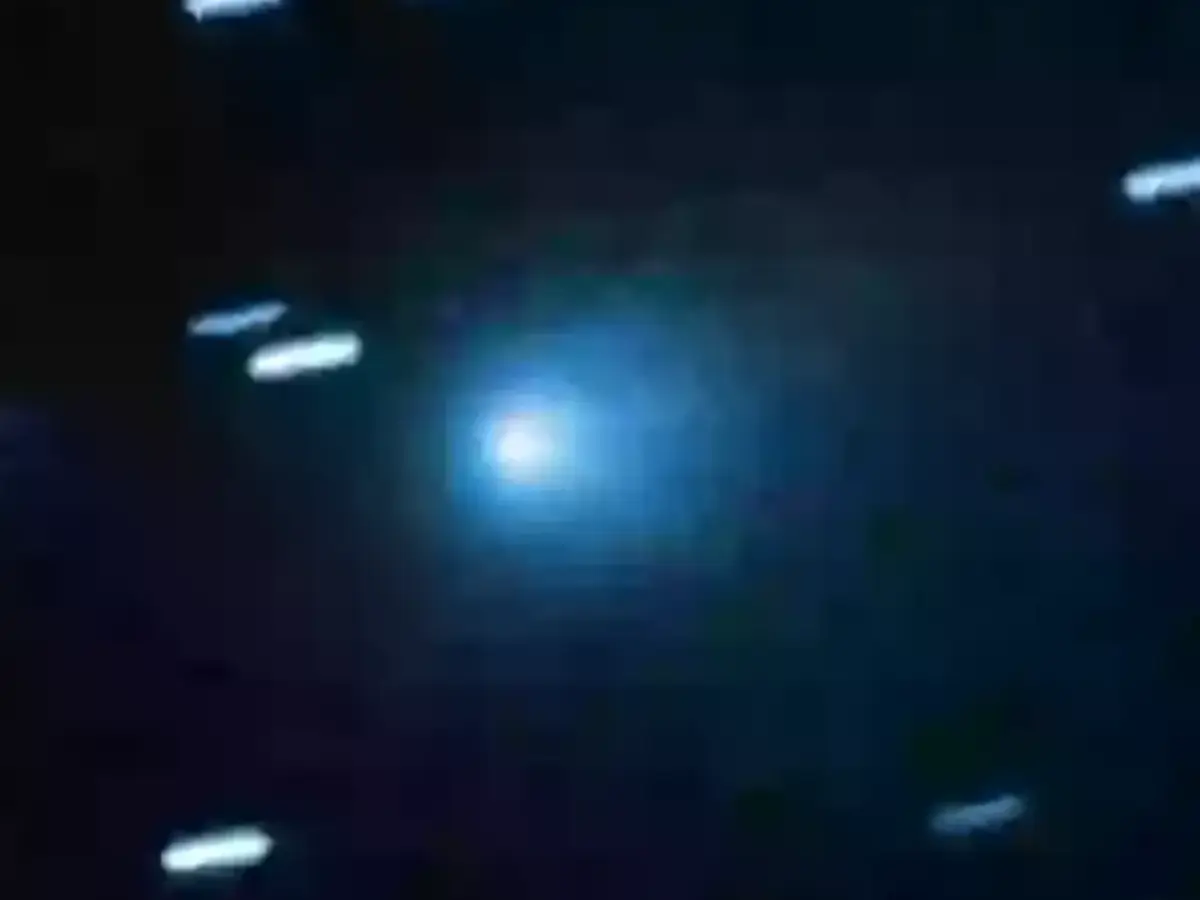
The lack of real-time data led to an explosion of online theories, including claims that 3I/ATLAS had changed its orbit or vanished. Without NASA’s updates, amateur astronomers and citizen scientists became the only sources of tracking information.
5. NASA’s Internal Communication Breakdown
Insiders later revealed that non-essential communication channels, including external data feeds and social media management, were halted under shutdown protocol. That meant no press releases, no public alerts, and no external science coordination, even for ongoing missions.

6. Loeb Called It ‘A Preventable Failure’
In interviews, Avi Loeb described NASA’s silence as “the biggest failure of scientific transparency in recent years.” He argued that even limited communication could have helped preserve data integrity and public confidence in space research.
7. What Happens Next
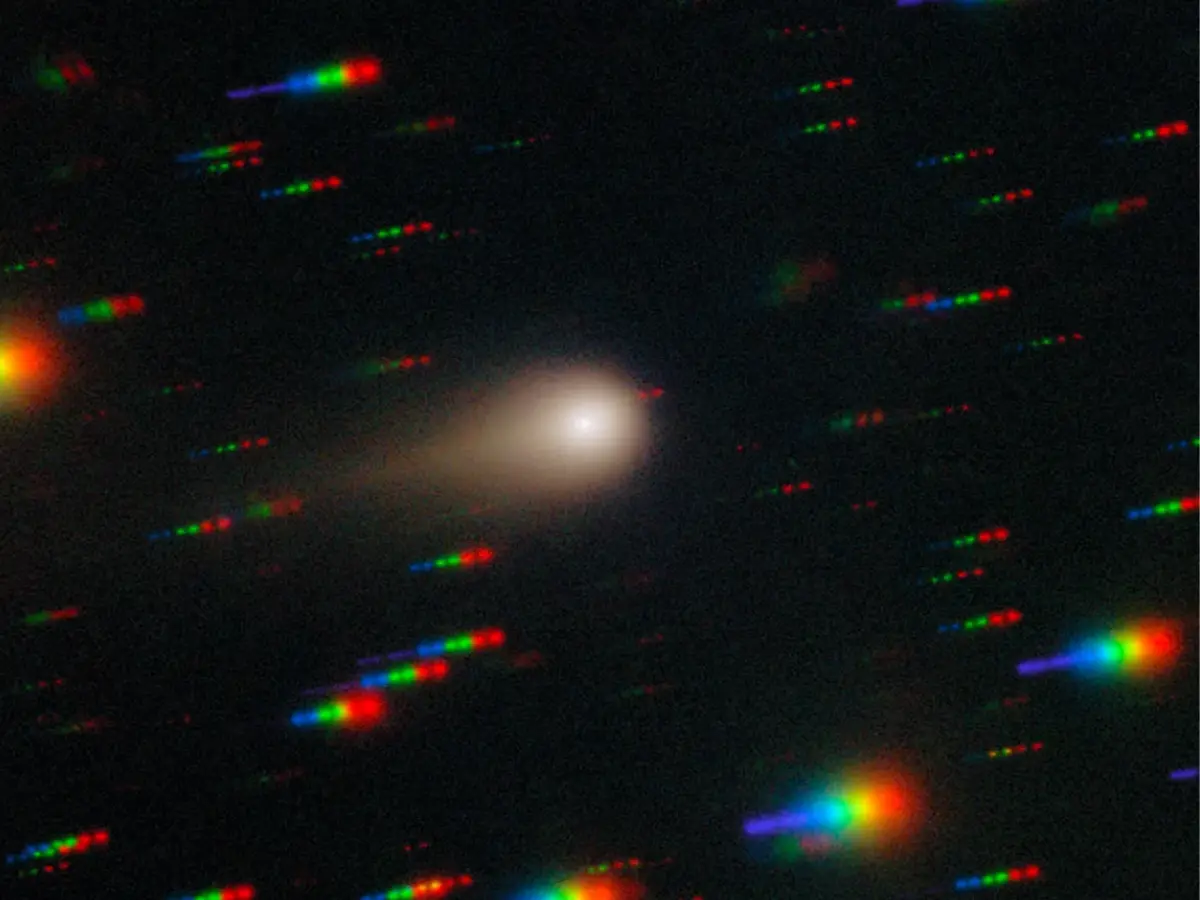
Once NASA operations resumed, the agency quietly restored access to archived orbital data but provided no retroactive explanation. Loeb and others have called for new policies to ensure essential scientific communications remain active even during shutdowns.
Conclusion
NASA’s October blackout during the 3I/ATLAS observation window became a cautionary tale about how politics can silence science. As Loeb put it, “The universe doesn’t wait for governments to reopen — it keeps moving, and sometimes, we miss the moment.”
)
)
)
)
)