'Big guns': Why Iran’s weapons cannot easily damage the USS Abraham Lincoln

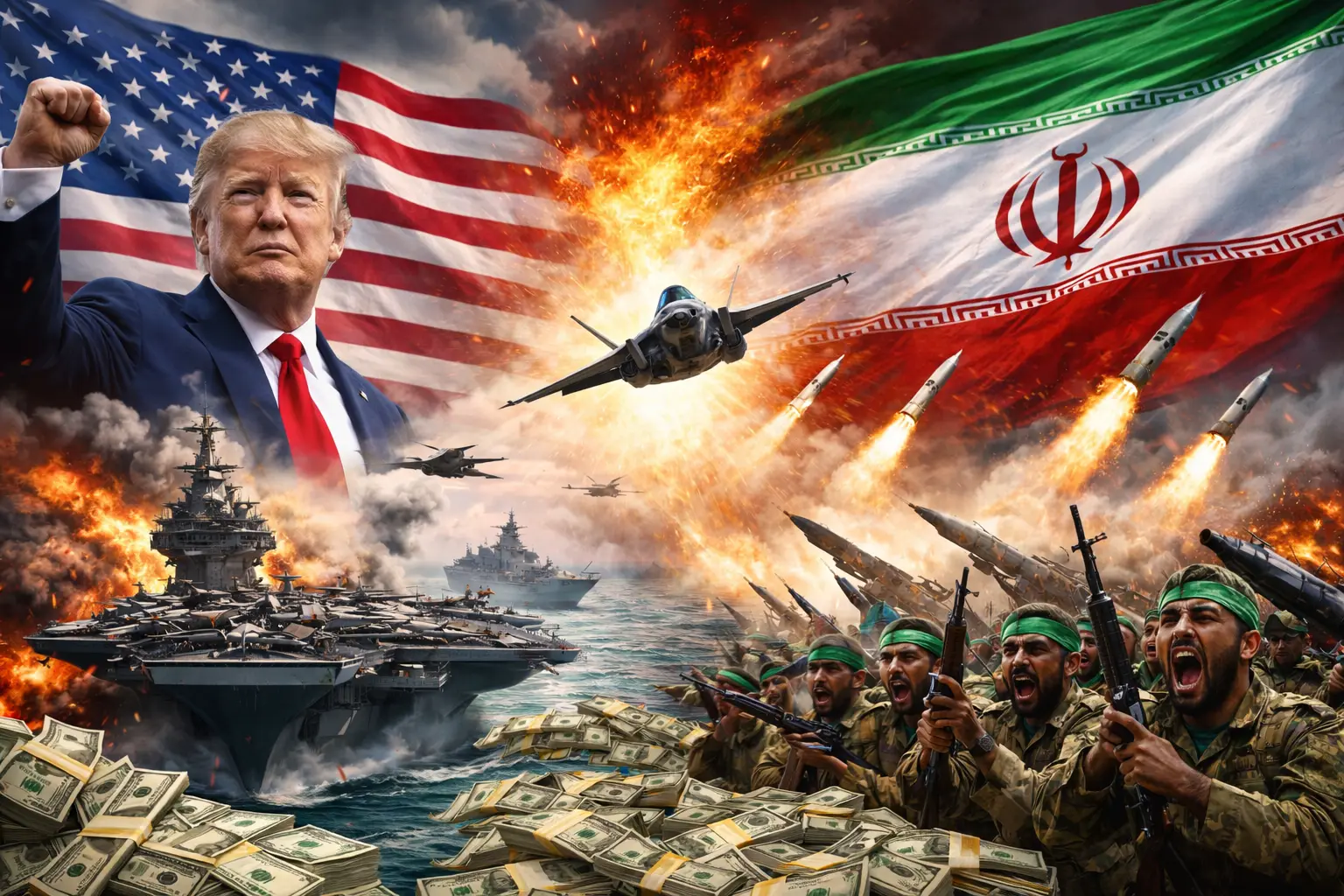
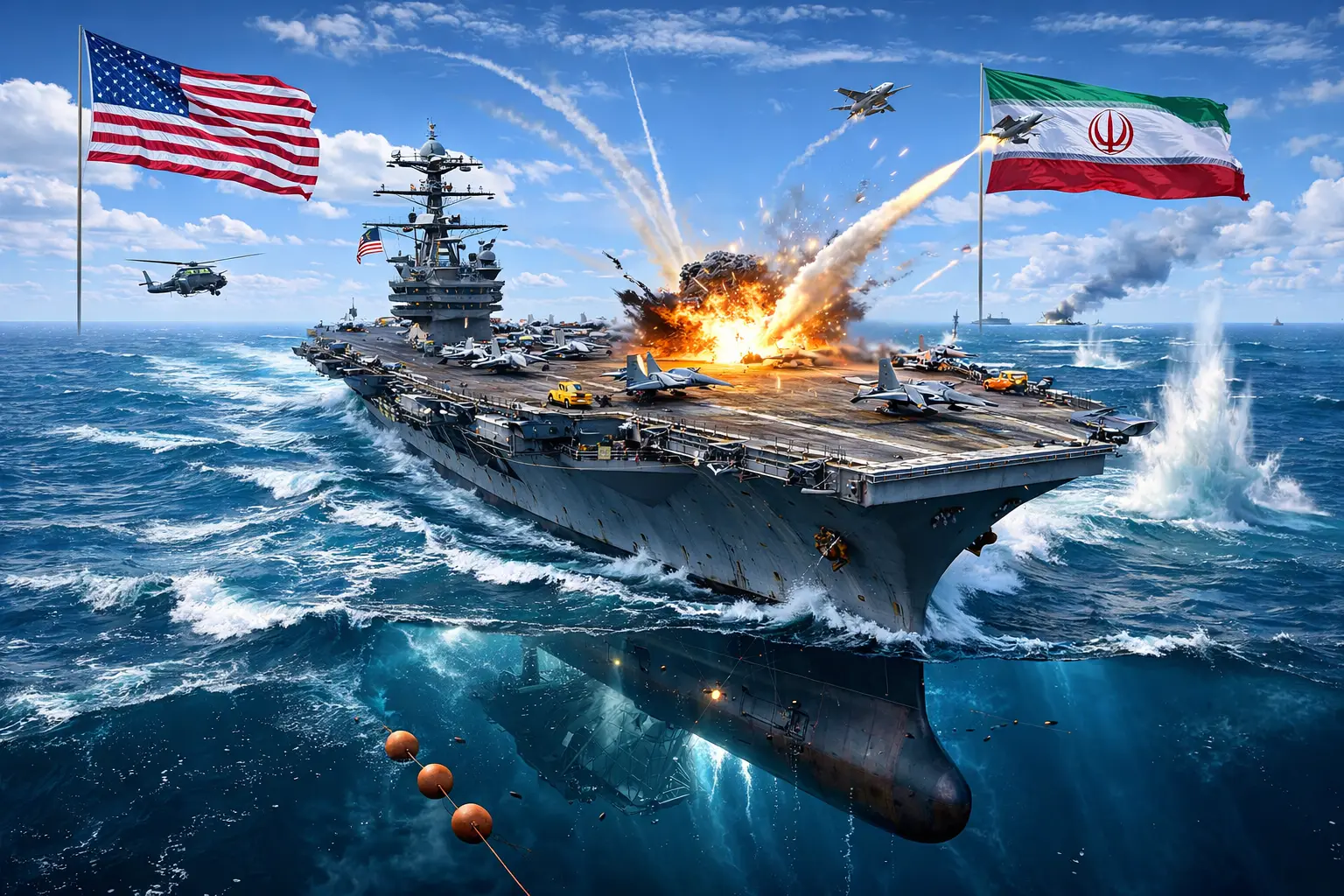
The USS Abraham Lincoln remains safe from Iranian strikes due to its layered Aegis defence, electronic jamming, and long-range interceptions. US Central Command has confirmed the carrier is undamaged.

Layered Aegis Shield
The USS Abraham Lincoln is protected by Arleigh Burke-class destroyers using the Aegis Combat System. This radar can track over 100 targets simultaneously, from drones to high-speed missiles. It provides a 360-degree 'bubble' that intercepts threats before they reach the carrier.
Electronic Warfare Edge
The US Navy uses EA-18G Growler aircraft to jam Iranian radars and communications during Operation Epic Fury. By blinding Tehran’s guidance systems, the US ensures missiles lose their way in flight. This invisible shield makes precise strikes on a moving carrier nearly impossible.
Stealth Fighter Patrols
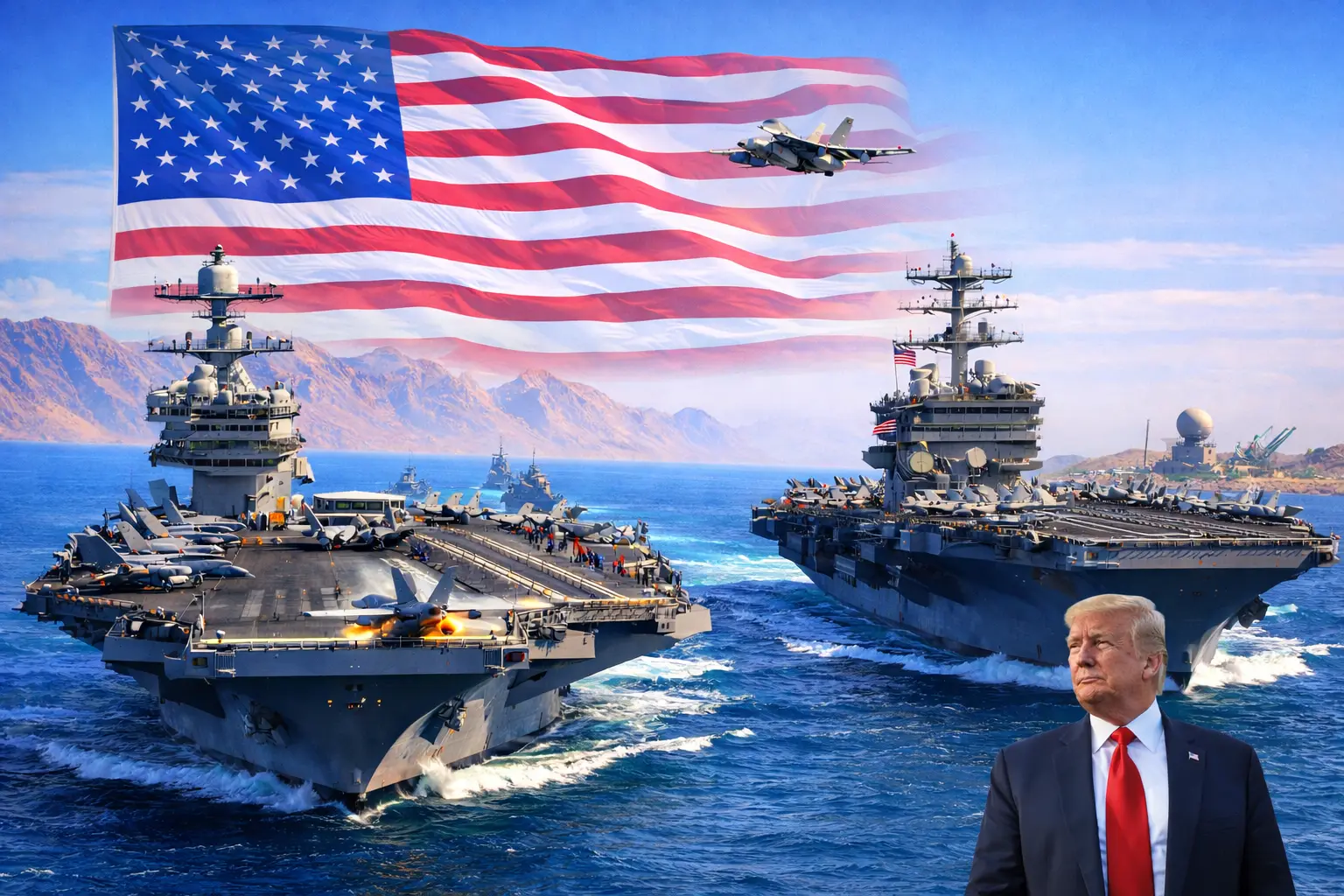
F-35C Lightning II jets constantly patrol the skies around the carrier strike group. In February 2026, a US jet intercepted an Iranian Shahed drone 500 miles away from the ship. These early interceptions prevent 'cheap' drones from ever reaching the $13 billion warship.
Failed Missile Salvos
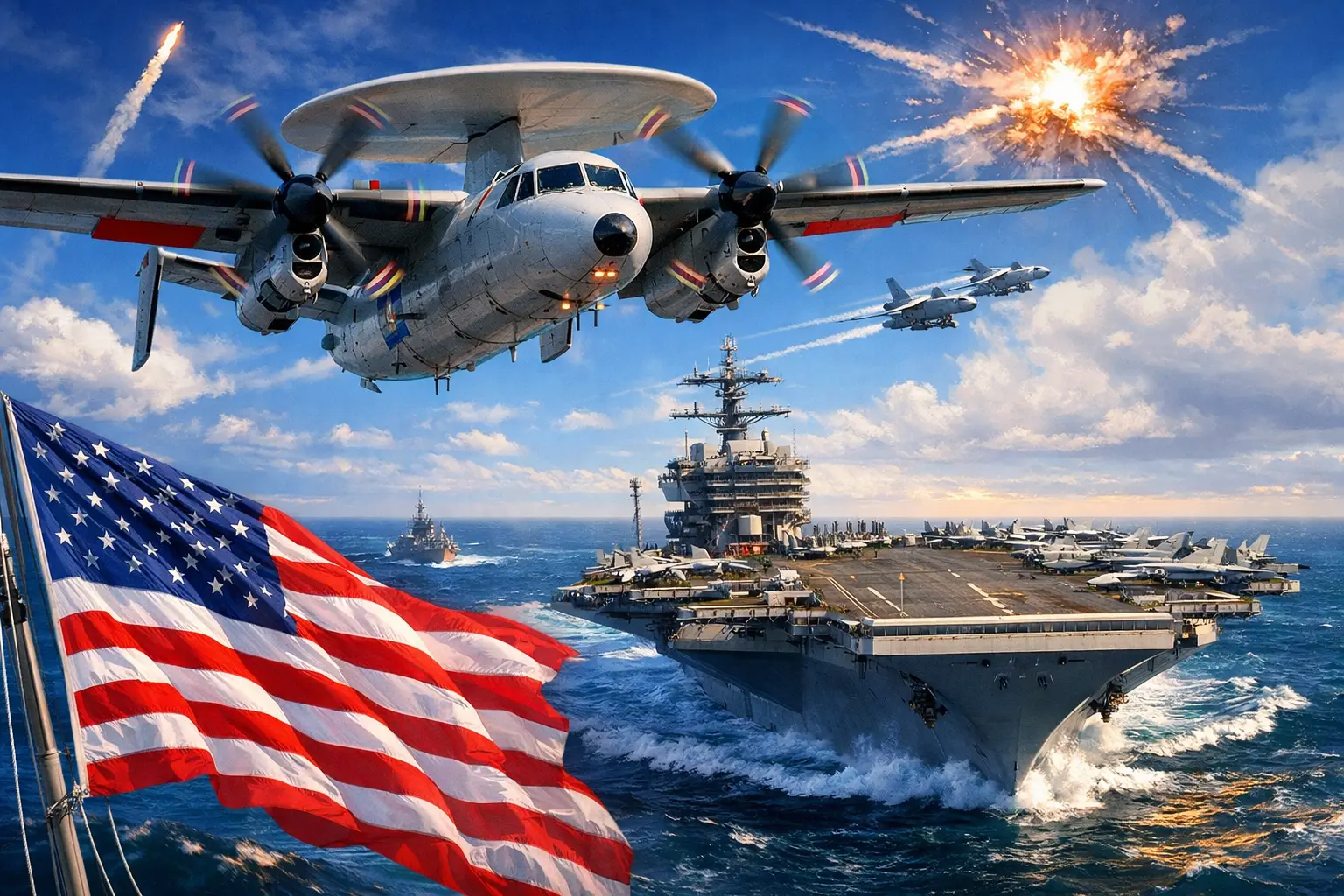
The IRGC claimed to have fired four ballistic missiles at the Lincoln during 'True Promise 4'. US Central Command denied these reports, stating the missiles did not even come close to the vessel. The carrier remains fully operational, continuing to launch strikes against regional threats.
Asymmetric Power Gap
Iran relies on saturation tactics, using thousands of cheap drones to try and overwhelm US defences. However, the US prioritises pre-emption, using Tomahawk missiles to destroy launch sites before drones can take off. Over 130 Iranian naval vessels have already been destroyed in the 2026 campaign.
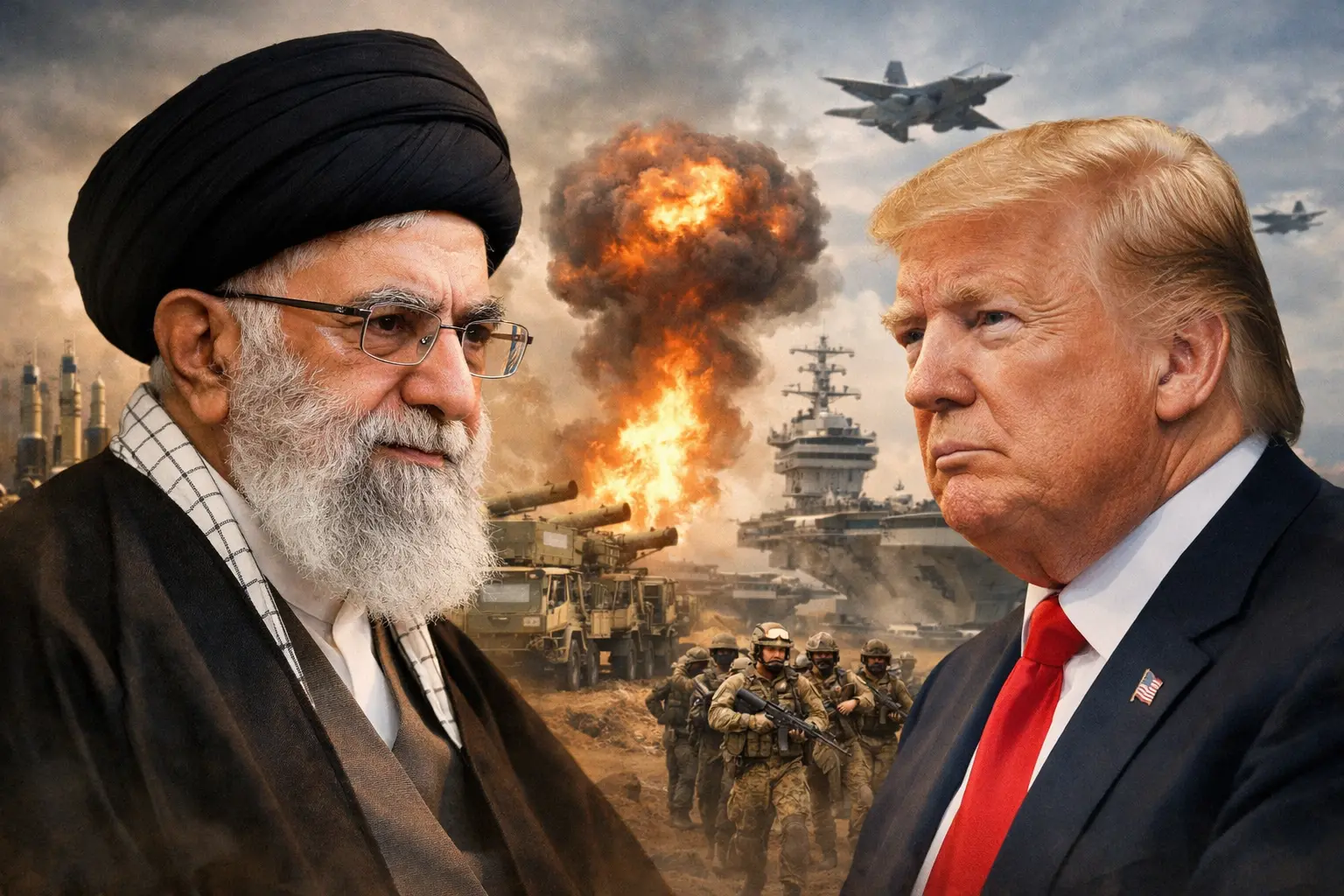
Precision Interceptors
The strike group uses SM-3 interceptors, which cost between $10 million and $28 million per shot. These are designed specifically to neutralise ballistic missiles in the upper atmosphere. While expensive, they ensure the safety of the carrier against Iran's most advanced 'Fattah' missiles.
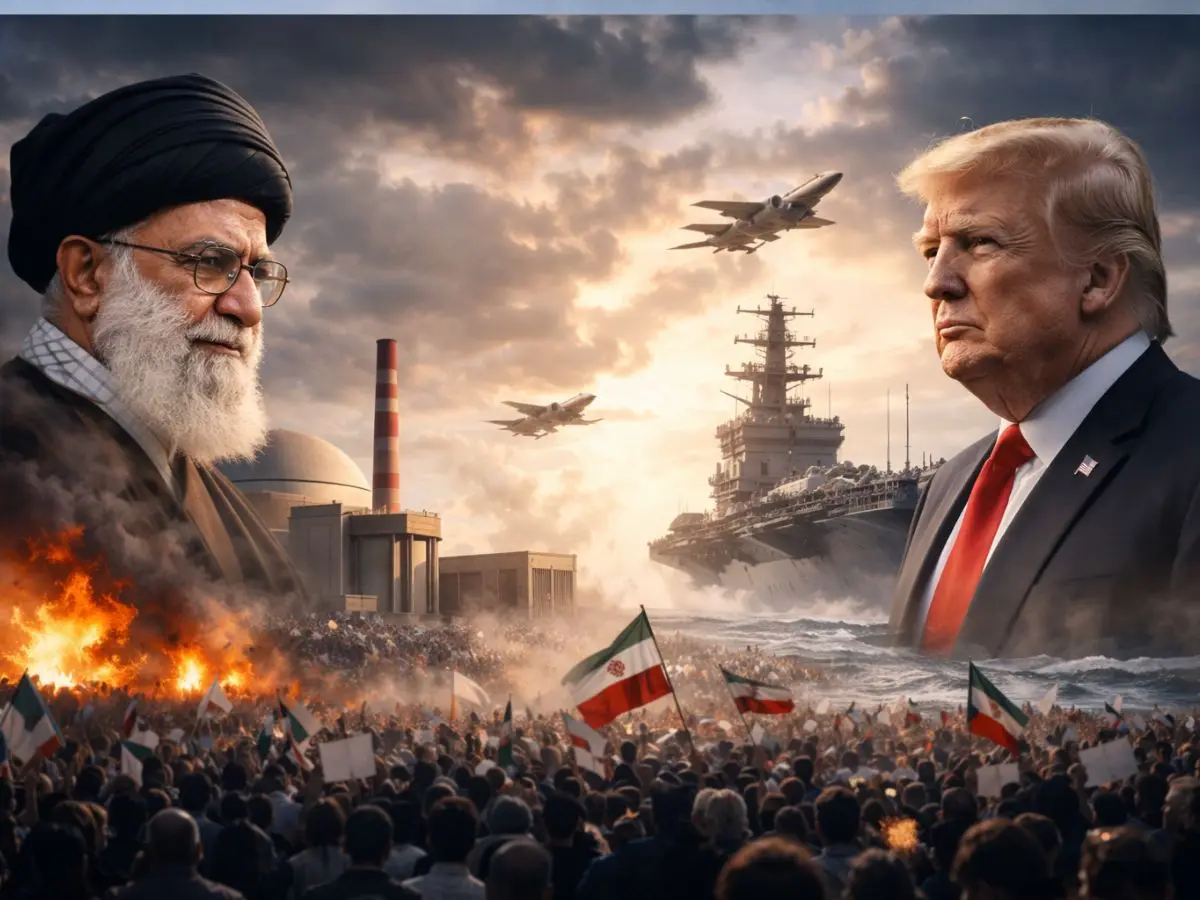
Strategic Distance
The USS Abraham Lincoln operates in the Arabian Sea, far from the narrow Strait of Hormuz. By staying in open waters, the carrier reduces the risk from short-range fast-attack boats and coastal artillery. This distance allows the US to strike Iranian targets while remaining out of range.
)
)
)
)
)