‘Beyond Visual Range’: 6 air-to-air missiles that strike targets from over 100 miles away

Advanced air-to-air missiles allow modern fighter jets to destroy enemy aircraft from over 160 kilometres away. These beyond-visual-range weapons use advanced radar and high-speed propulsion to ensure air superiority.
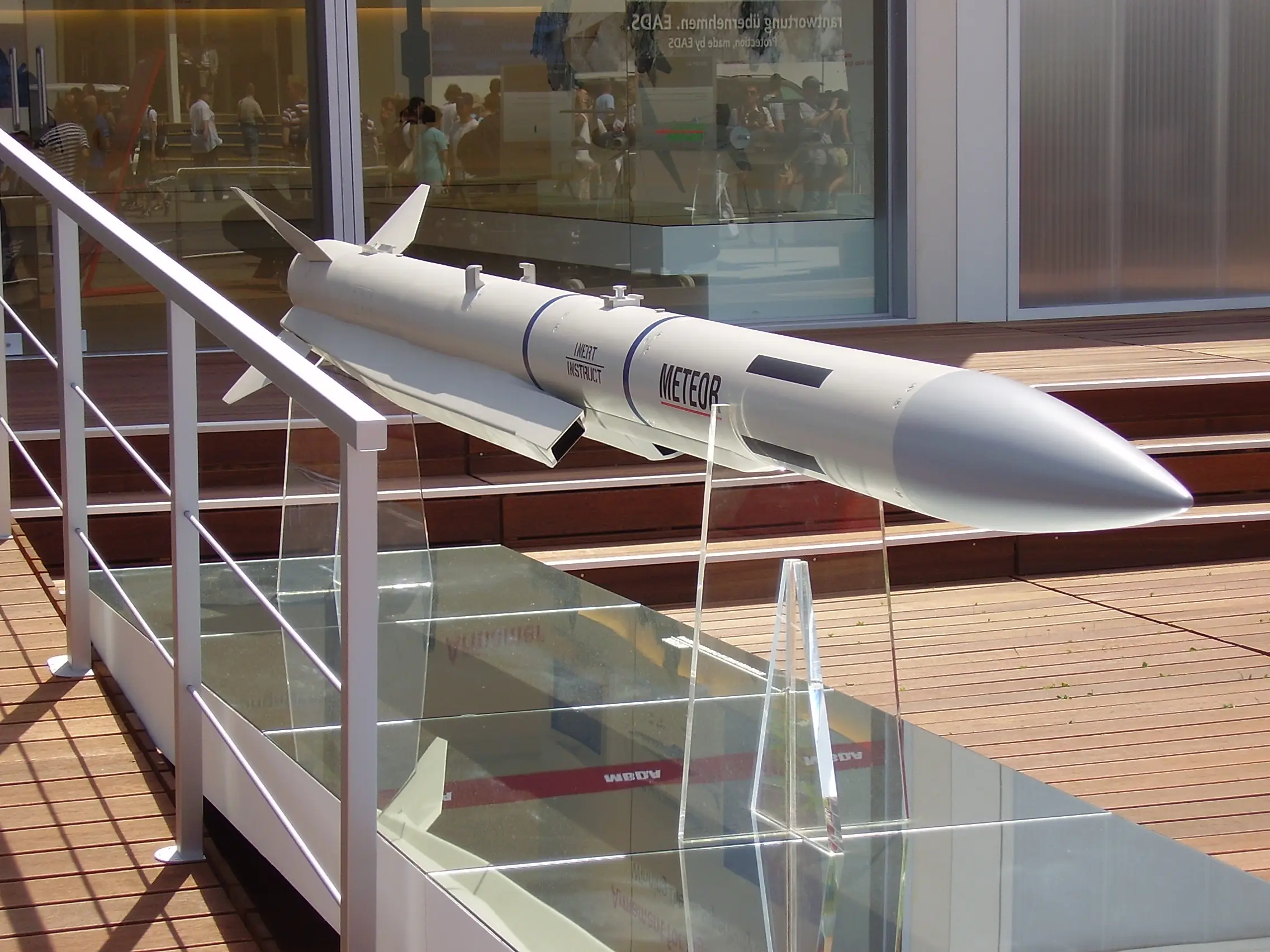
Meteor hits 124 miles
Developed by MBDA, the Meteor is a ramjet-powered missile capable of hitting targets at a distance of 200 kilometres. Its active radar seeker provides high accuracy against manoeuvring fighter jets. The propulsion system maintains steady speed all the way to impact.
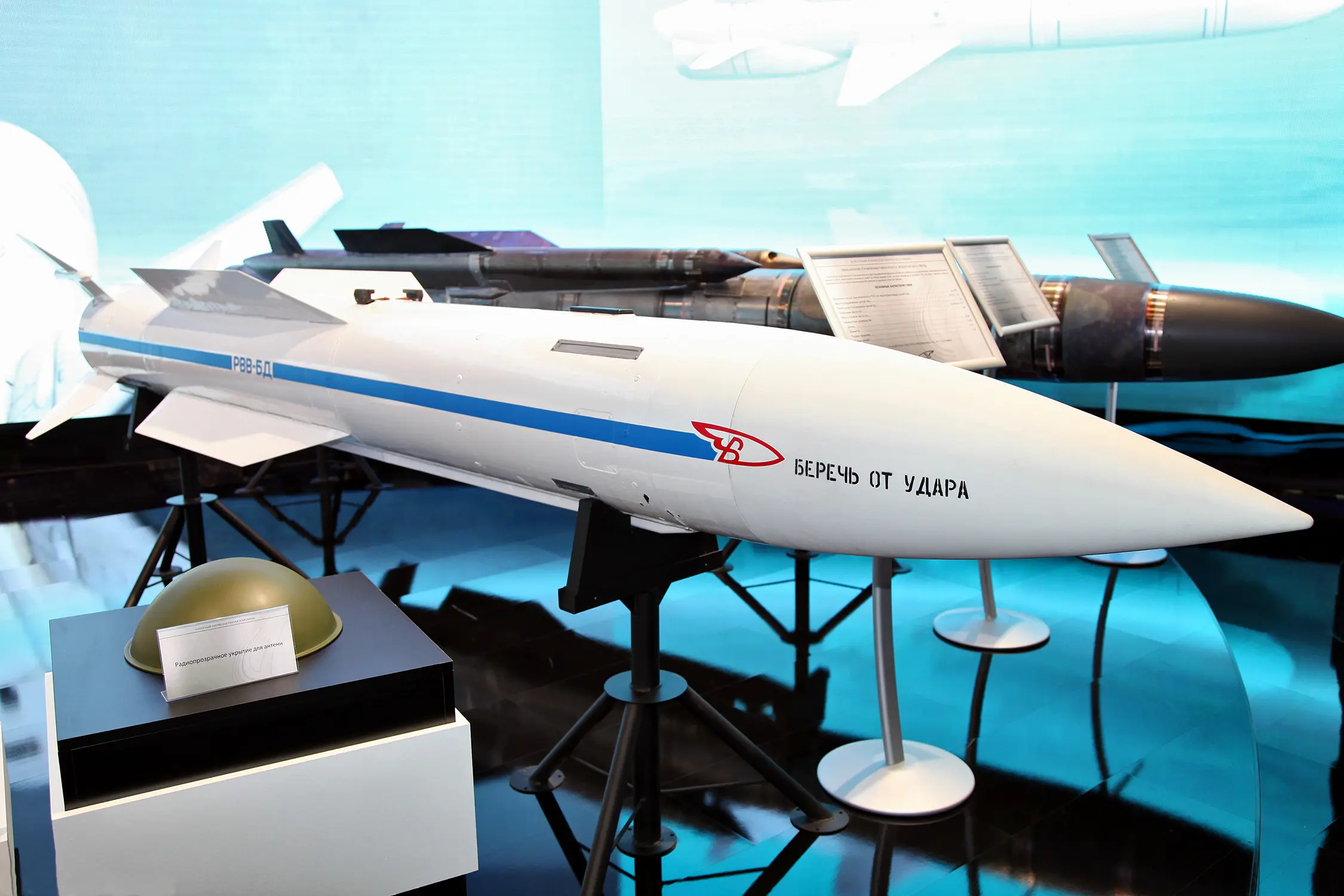
R-37M strikes 248 miles
Russia designed the R-37M to destroy high-value assets like early warning aircraft from up to 400 kilometres away. It travels at hypersonic speeds, making it extremely difficult for enemy planes to evade. The weapon integrates seamlessly with MiG-31 and Su-35 fighters.
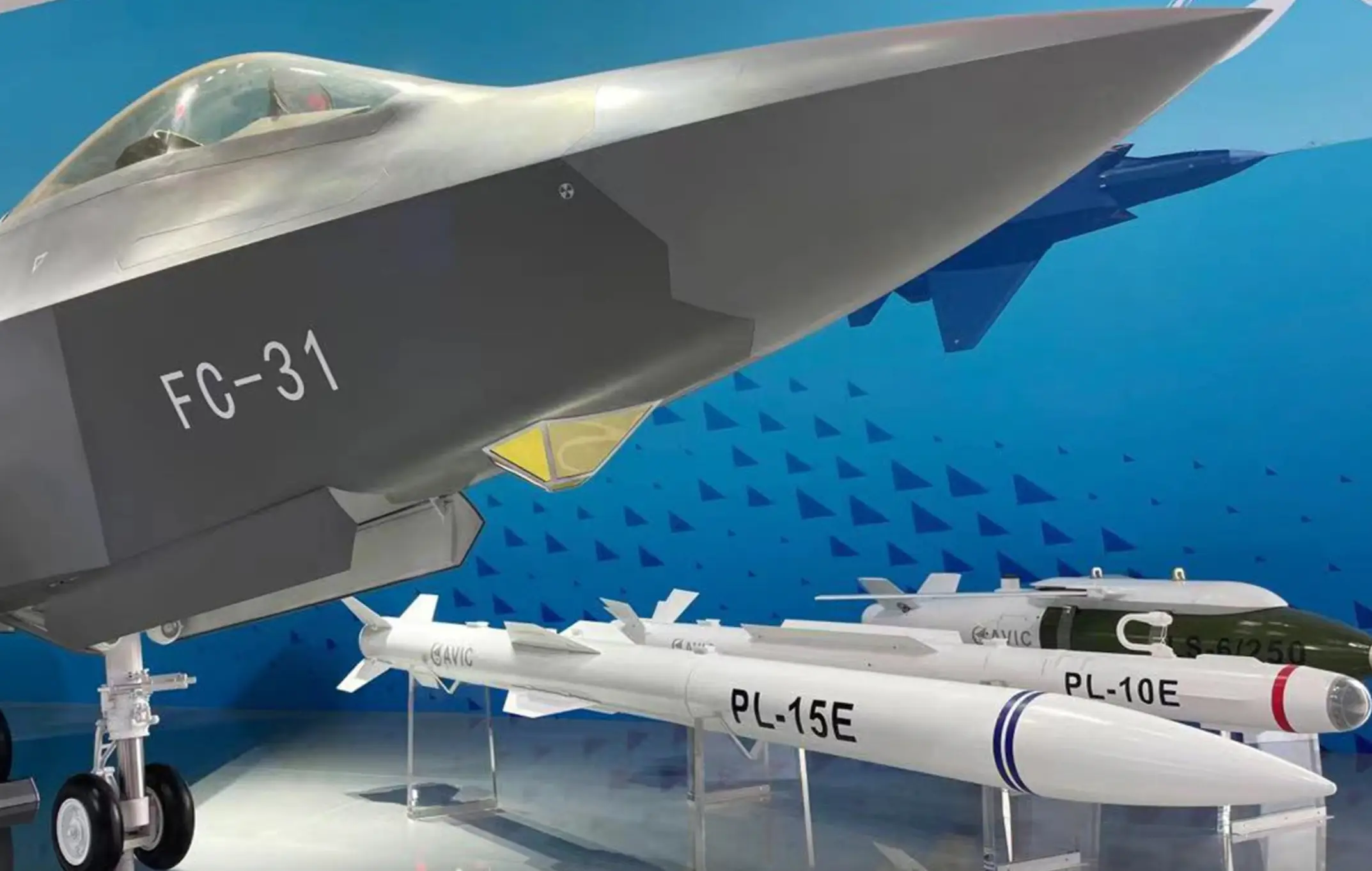
PL-15 reaches 186 miles
China's PL-15 missile utilises a dual-thrust rocket motor to engage targets up to 300 kilometres away. It features an active electronically scanned array radar, which significantly improves its tracking capabilities. This weapon poses a serious challenge to Western air superiority.
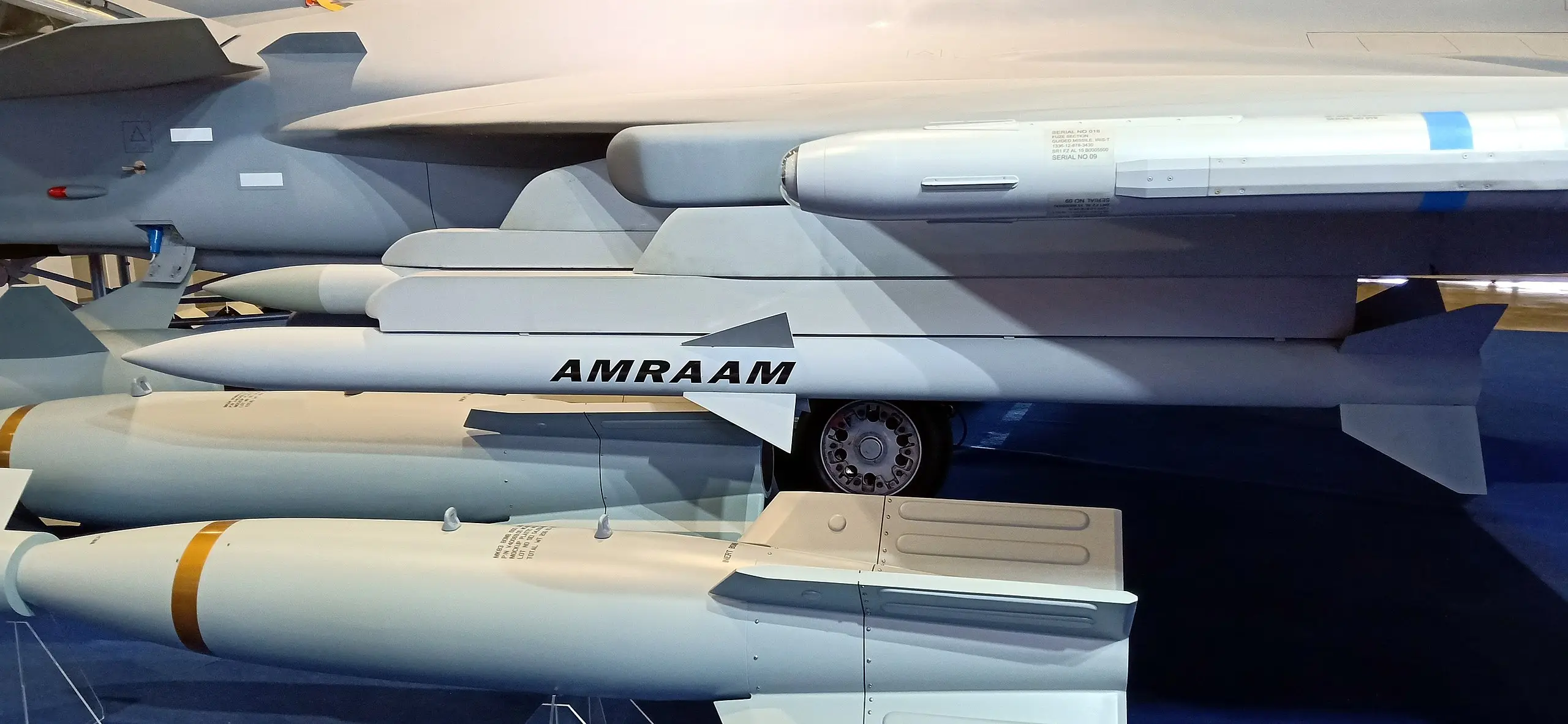
AMRAAM targets 100 miles
The American AIM-120D AMRAAM represents a major upgrade, pushing its operational range to over 160 kilometres. It incorporates two-way data links and enhanced GPS navigation for better target interception. Air forces worldwide rely heavily on this combat-proven missile.
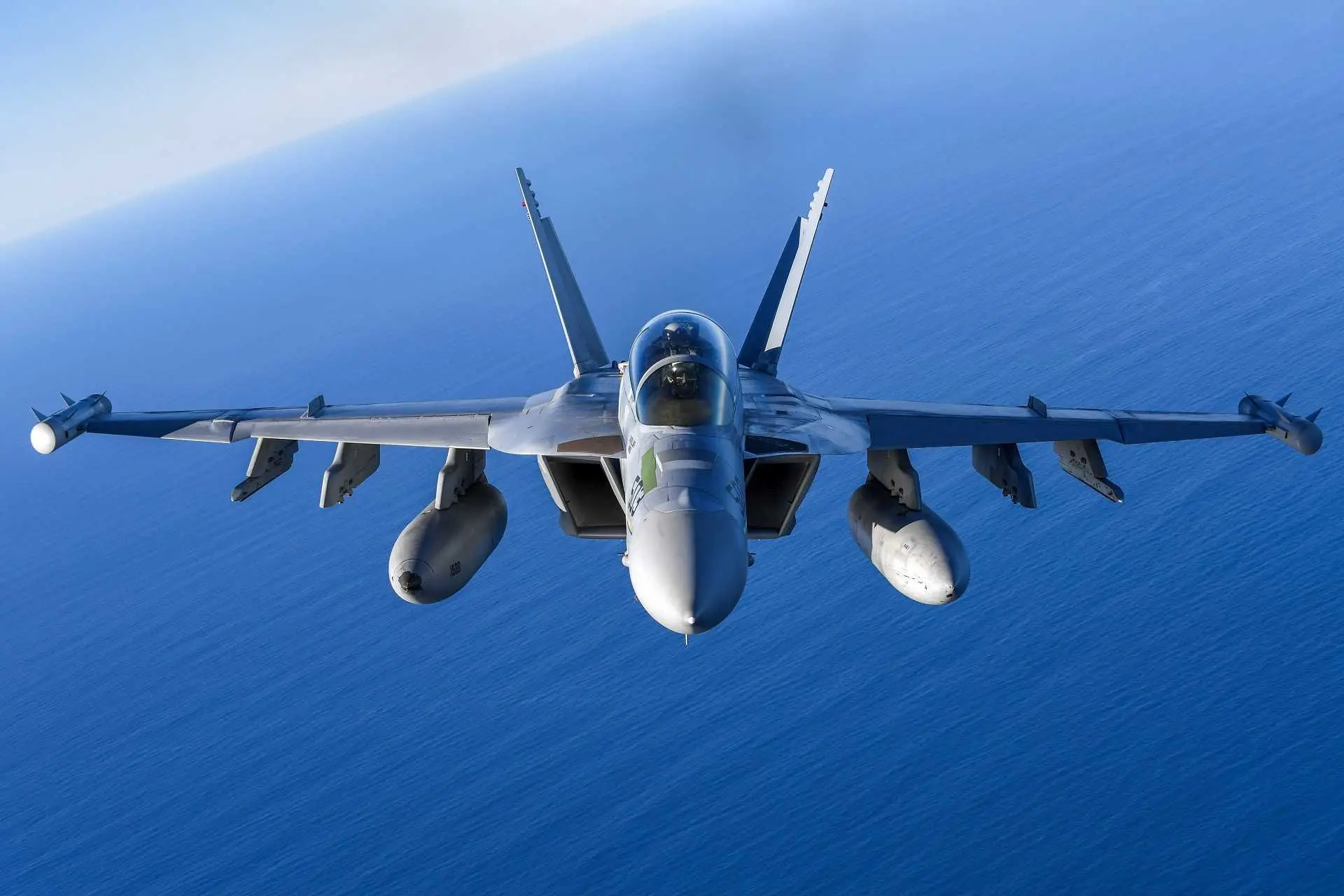
AIM-260 crosses 124 miles
The United States is developing the AIM-260 Joint Advanced Tactical Missile to counter modern long-range threats. Expected to exceed a 200-kilometre range, it will eventually replace the ageing AMRAAM inventory. It fits inside the internal weapons bays of F-22 and F-35 stealth fighters.
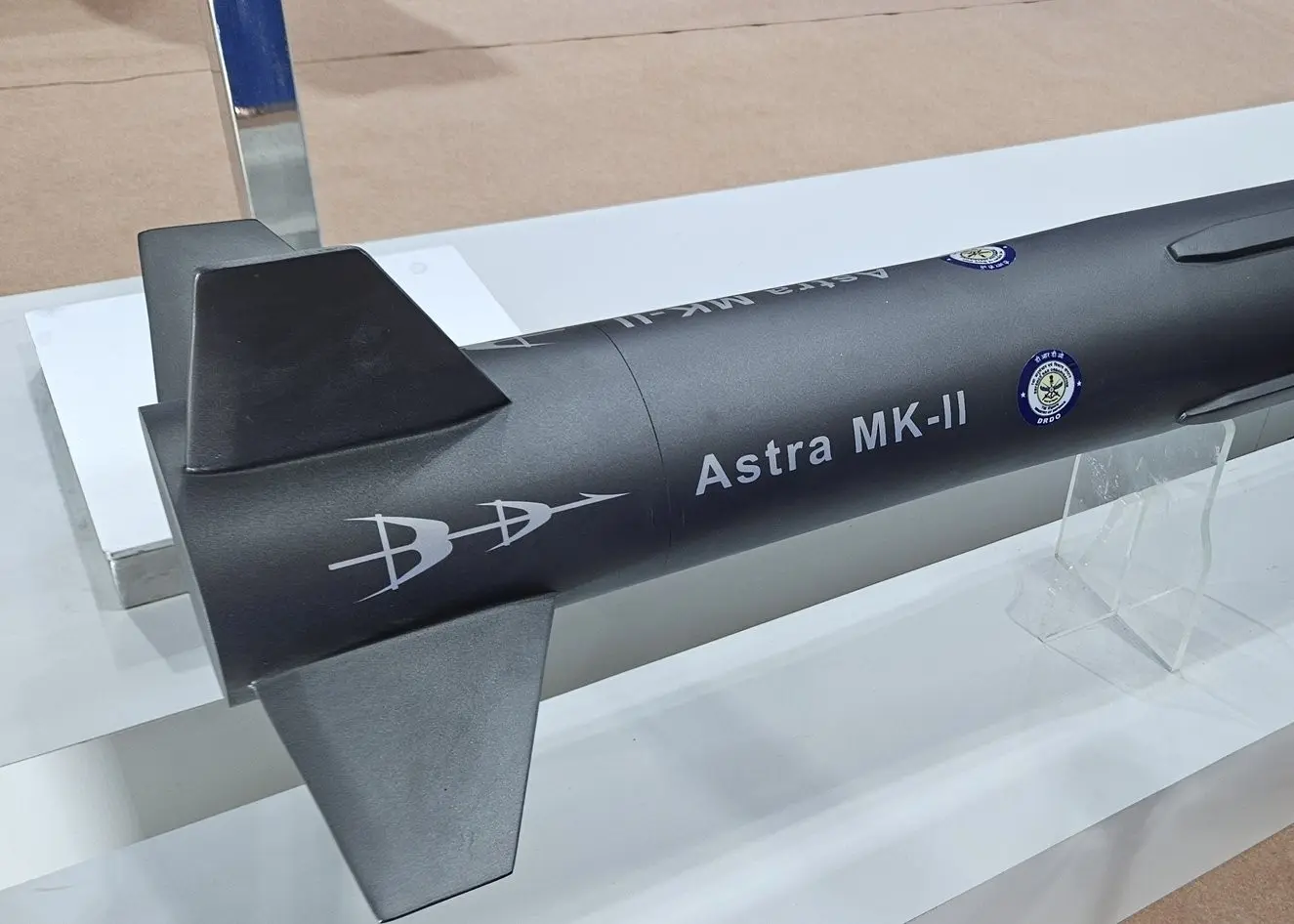
Astra Mk2 clears 100 miles
India's indigenous Astra Mk2 missile is engineered to destroy highly manoeuvring aerial targets at a range of 160 kilometres. Its dual-pulse rocket motor ensures sustained energy during the final terminal phase of flight. The weapon significantly boosts the firepower of the Indian Air Force.
)
)
)
)
)