‘Beyond the Strait of Hormuz’: How far can Iranian anti‑ship cruise missiles actually strike?

Iran's anti-ship missile arsenal included the 30-km Nasr and the 1,000-km Abu Mahdi. While these weapons once threatened Arabian Sea shipping, recent US and Israeli strikes have systematically destroyed most of these coastal facilities.
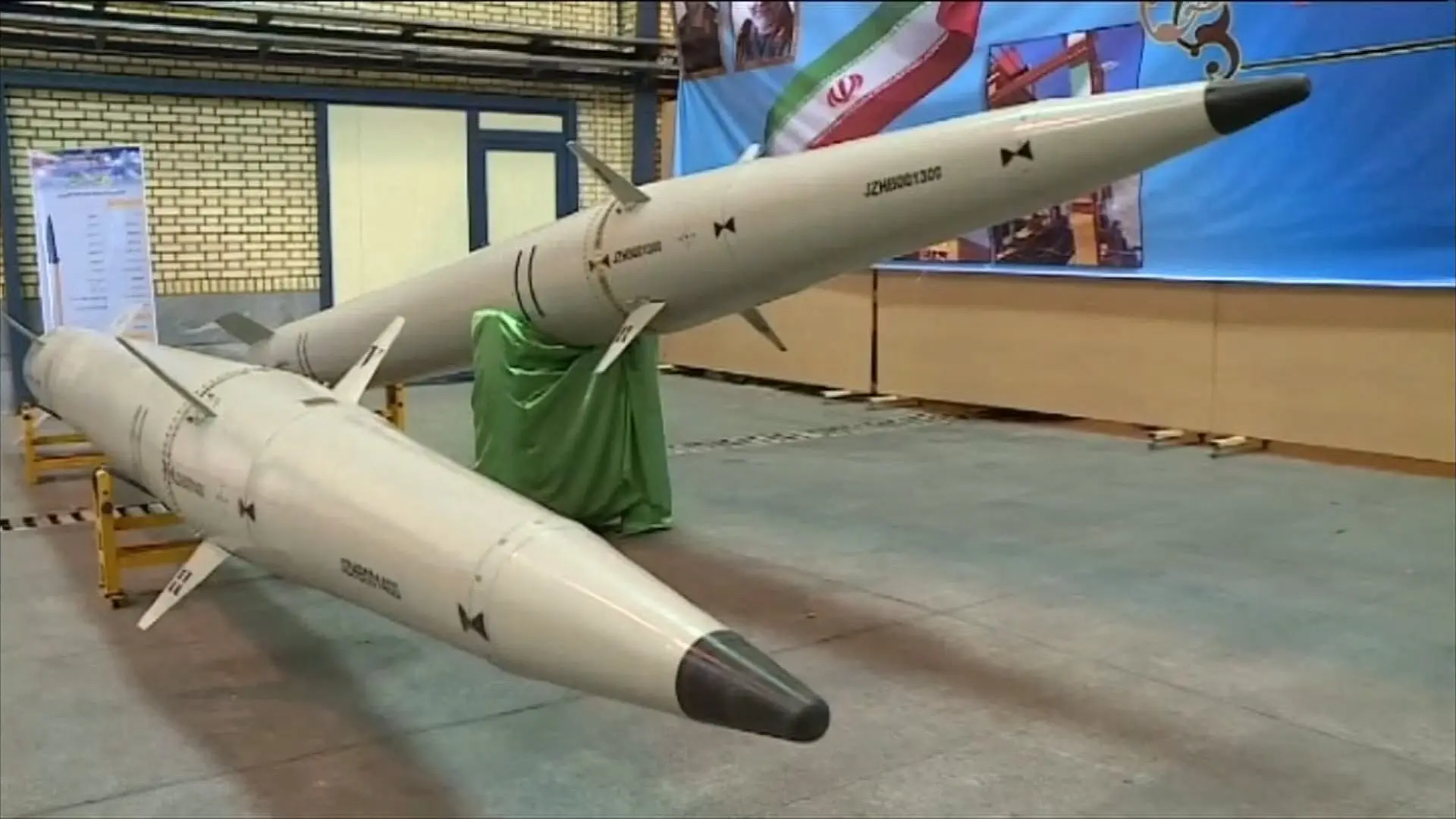
The Short-Range
Before the allied bombardment, Iran relied heavily on short-range cruise missiles like the reverse-engineered Noor and the Nasr. The Noor system operated effectively between 30 and 220 kilometres, while the smaller Nasr maxed out around 35 kilometres.
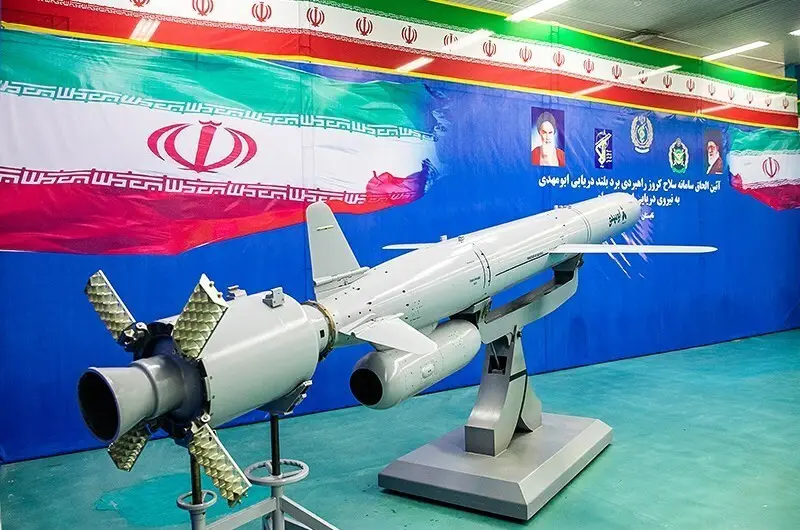
Abu Mahdi cruise missile
The Abu Mahdi cruise missile represented a generational leap with a verified range exceeding 1,000 kilometres. Powered by a turbojet engine and featuring artificial intelligence-assisted navigation.
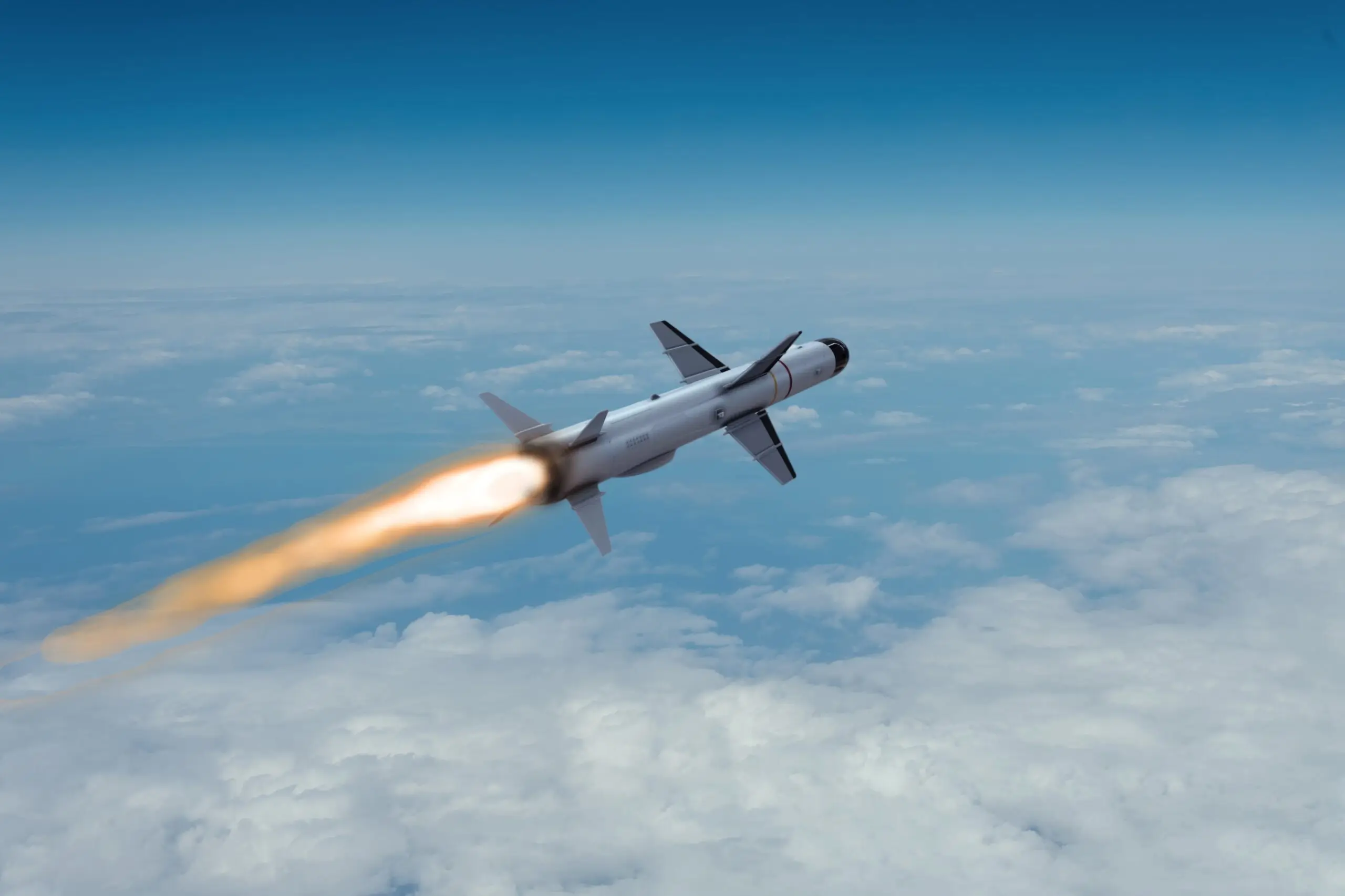
AI and Radar Evasion
The Abu Mahdi used AI to autonomously alter its flight path and bypass naval air defence networks. Travelling at high subsonic speeds of around 700 kilometres per hour, it hugged the ocean surface below 50 metres, drastically compressing the reaction time for defensive systems.
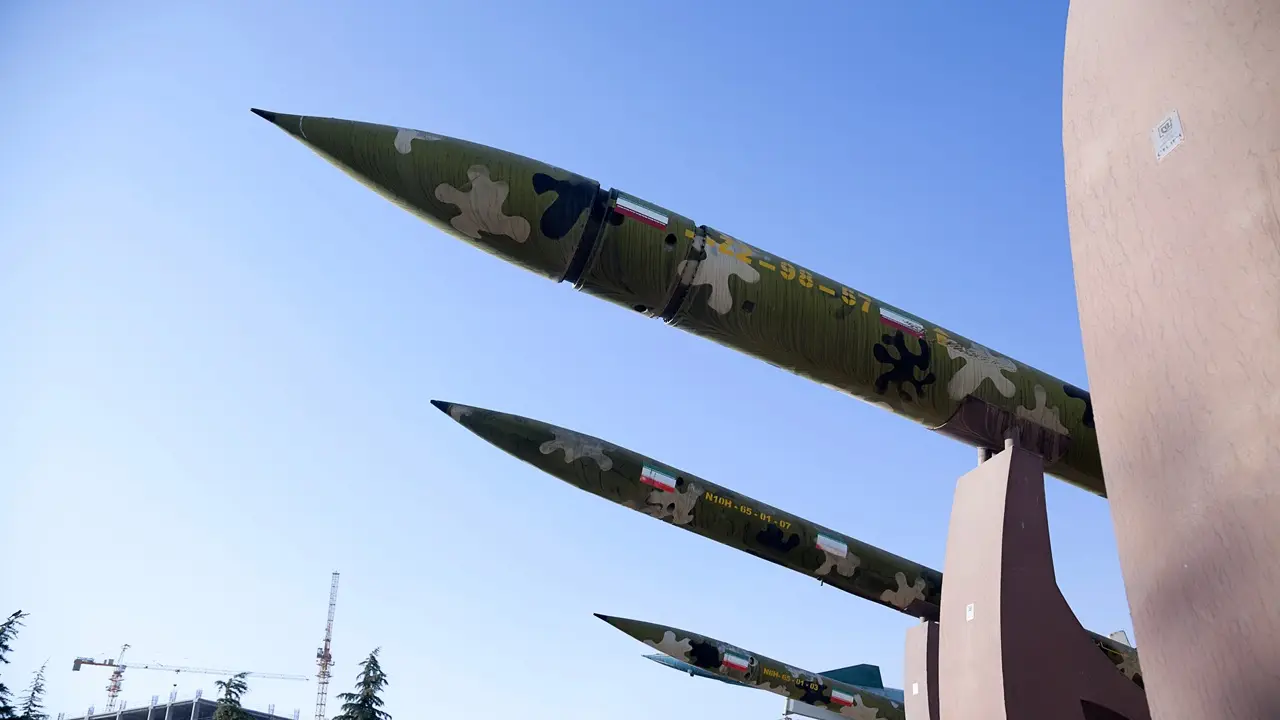
The Ghadr-380 Threat
Publicly unveiled by the Islamic Revolutionary Guard Corps in early 2025, the Ghadr-380 was a mobile, truck-launched strategic cruise missile. It confirmed an operational range of 1,000 kilometres and utilised smart guidance systems to autonomously evade incoming interceptors.

Anti-ship missiles
Iranian military officials also claimed to possess submarine-launched variants of their advanced anti-ship missiles with extended ranges of up to 2,600 kilometres.
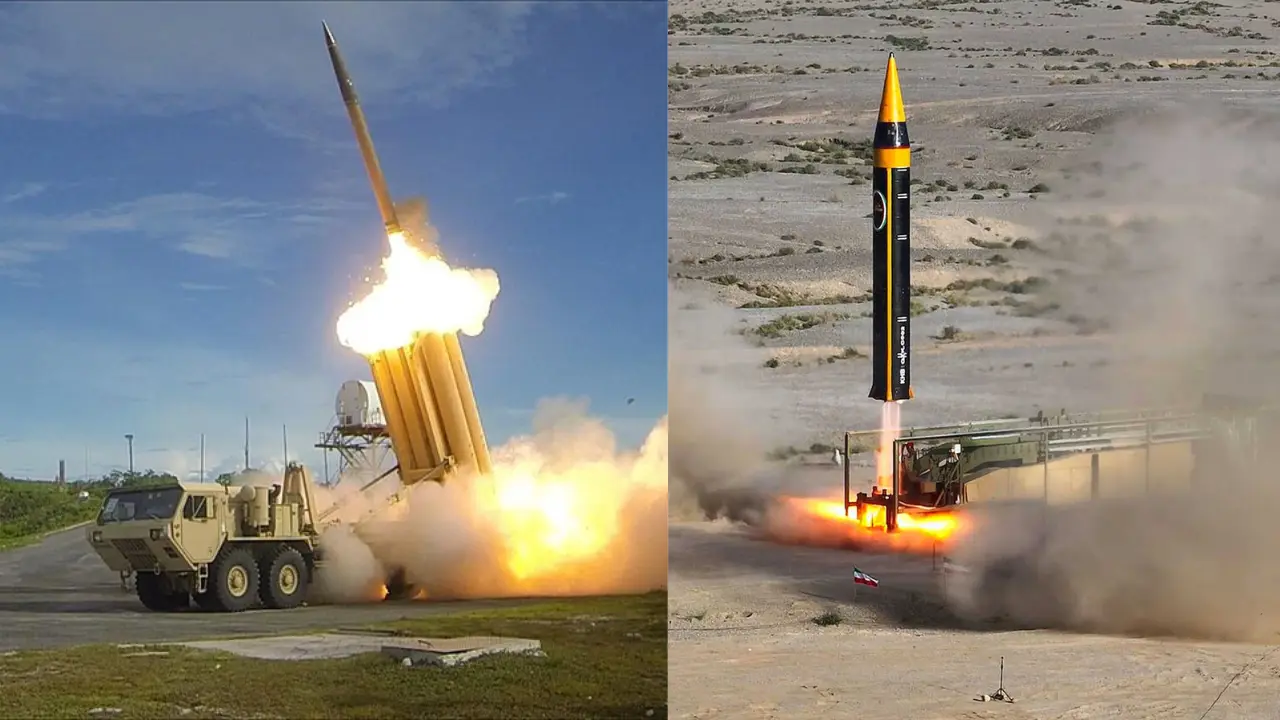
A Decimated Arsenal
Historically, these 1,000-kilometre-class missiles allowed Tehran to threaten global shipping far beyond the Persian Gulf. Today, coordinated precision strikes by the US and Israel have largely dismantled this network, destroying underground bunkers and mobile launchers to restore maritime security.
)
)
)
)
)