‘Beyond Mach 2’: What really happens when a jet goes that fast

Jets flying beyond Mach 2 face shock waves, sonic booms, and intense heat, requiring specialized designs and controls. Despite increased fuel consumption and technical challenges, sustained Mach 2 flight offers tactical advantages. This speed represents a key milestone in aviation technology.
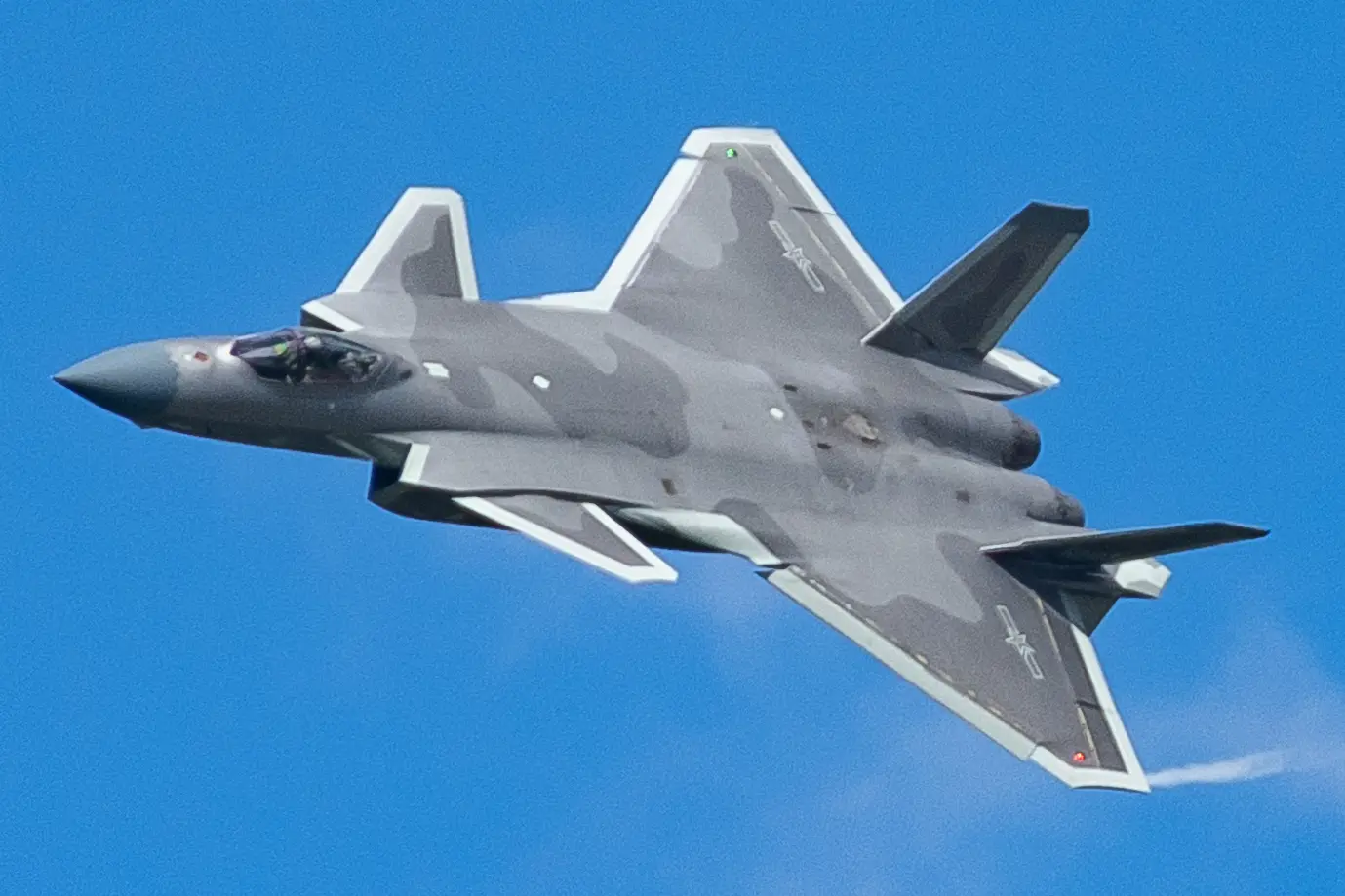
What is Mach 2?
Mach 2 means flying at twice the speed of sound - about 1,534 miles per hour (2,468 km/h) at sea level conditions. At this speed, a jet can cross continents in mere hours. Modern fighter jets like the F-15 and MiG-31 are capable of sustaining Mach 2 flight.
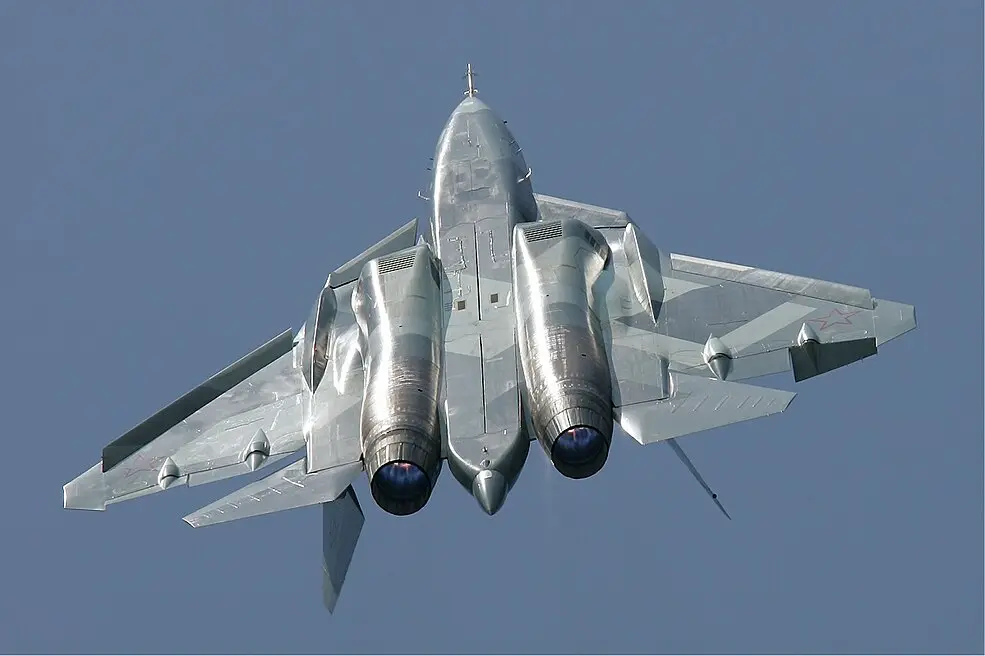
Shock Waves and the Sonic Boom
As a jet exceeds Mach 1, it creates shock waves, which intensify at Mach 2. These waves cause the sonic boom heard on the ground. At twice the speed of sound, shock fronts are stronger, affecting both the environment and aircraft structural stress.
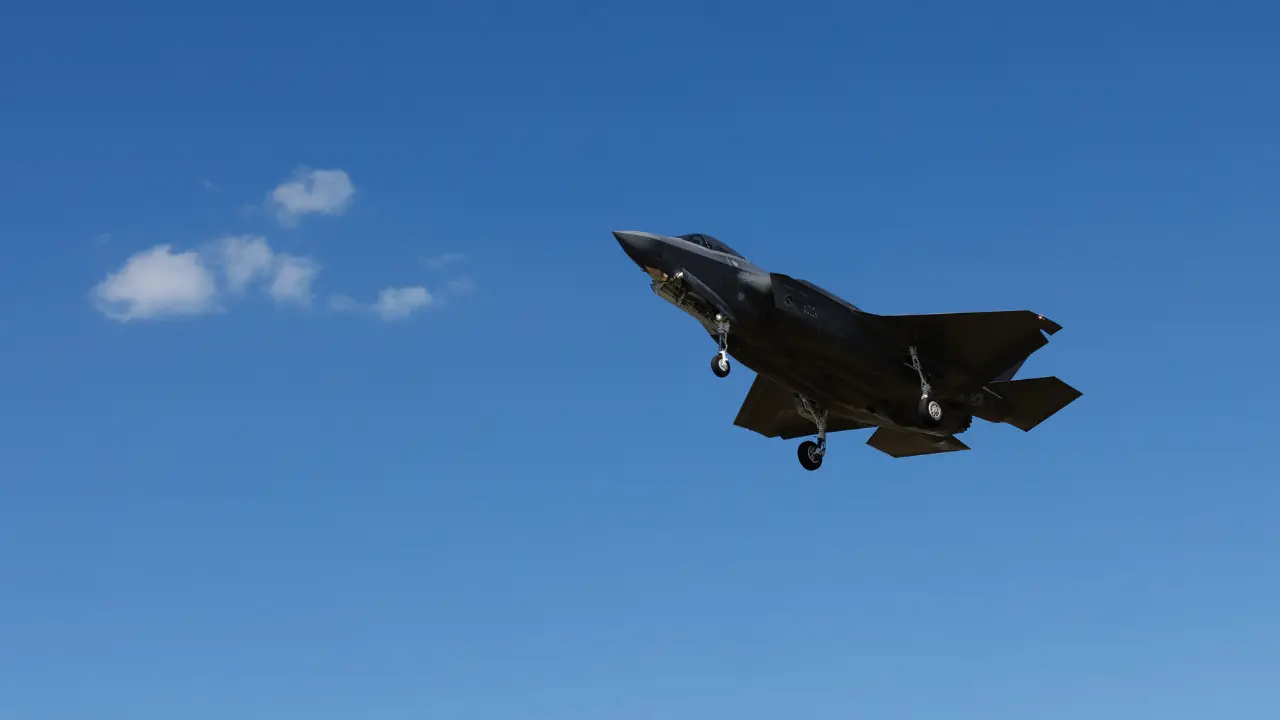
Extreme Temperature Rise
Flying beyond Mach 2 produces tremendous air friction heating aircraft surfaces to near 300 degrees Celsius or higher, depending on altitude. This requires specialised heat-resistant materials like titanium alloys or composites in jet construction.
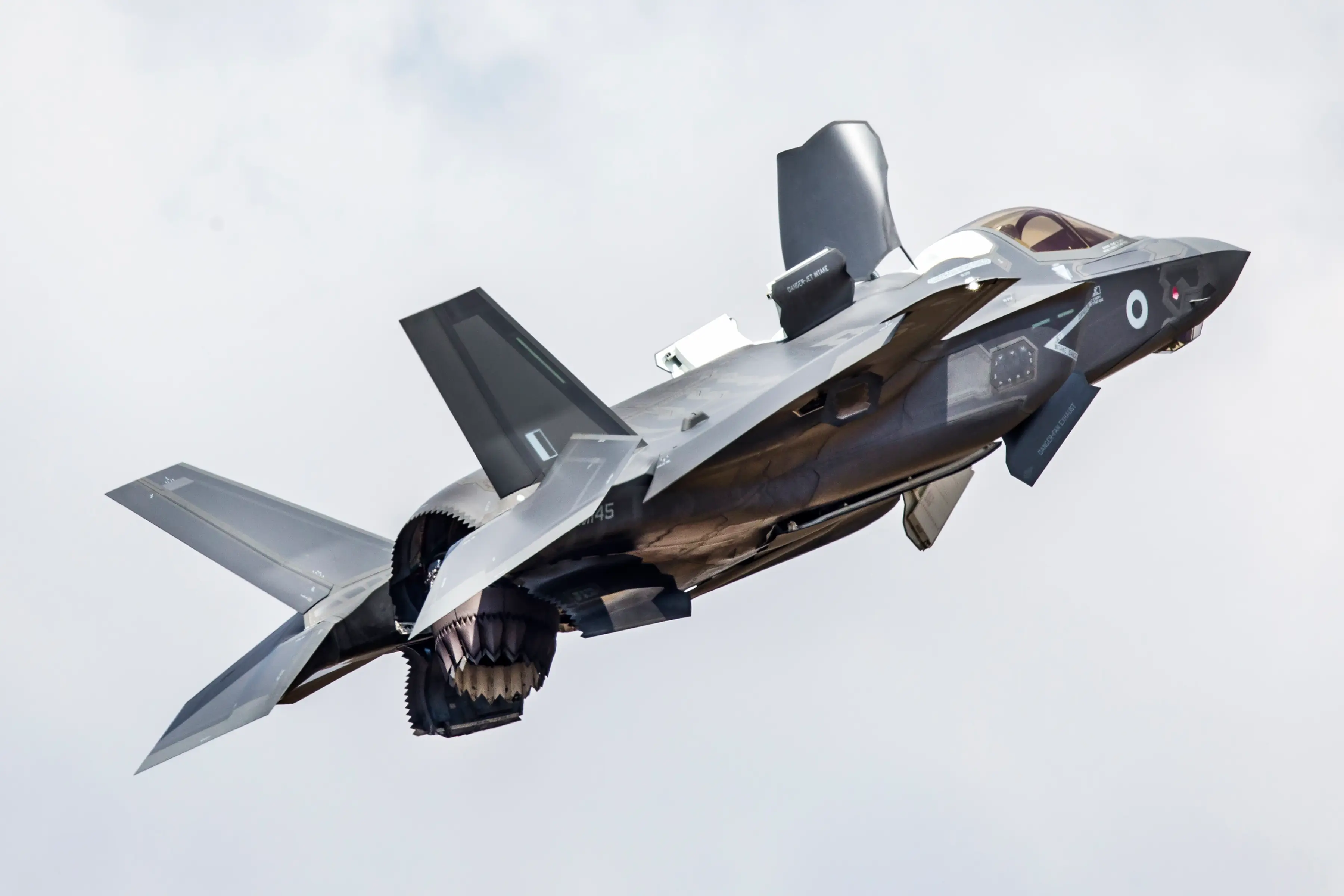
Engine and Aerodynamics Challenges
Jet engines experience decreased oxygen at high speed and altitude, reducing thrust. Aerodynamic drag changes and shockwave formation require precise design adjustments to maintain stability and control during Mach 2+ flight.
Control Sensitivity and Mach Tuck
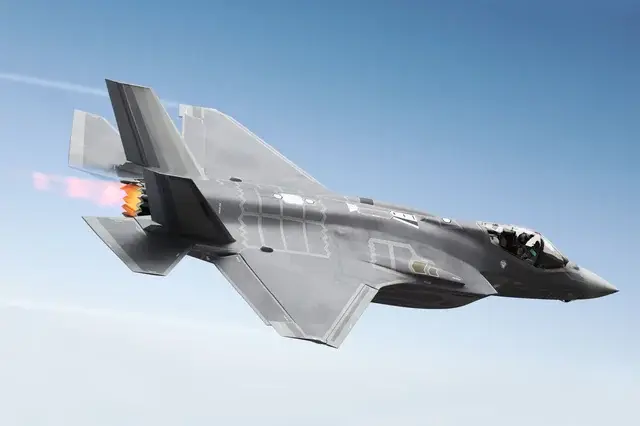
At speeds beyond Mach 2, jets face Mach tuck - a nose-down pitching movement caused by shockwaves disrupting airflow over wings. Pilots must compensate with control inputs or automated systems to maintain level flight.
Fuel Consumption and Mission Impact
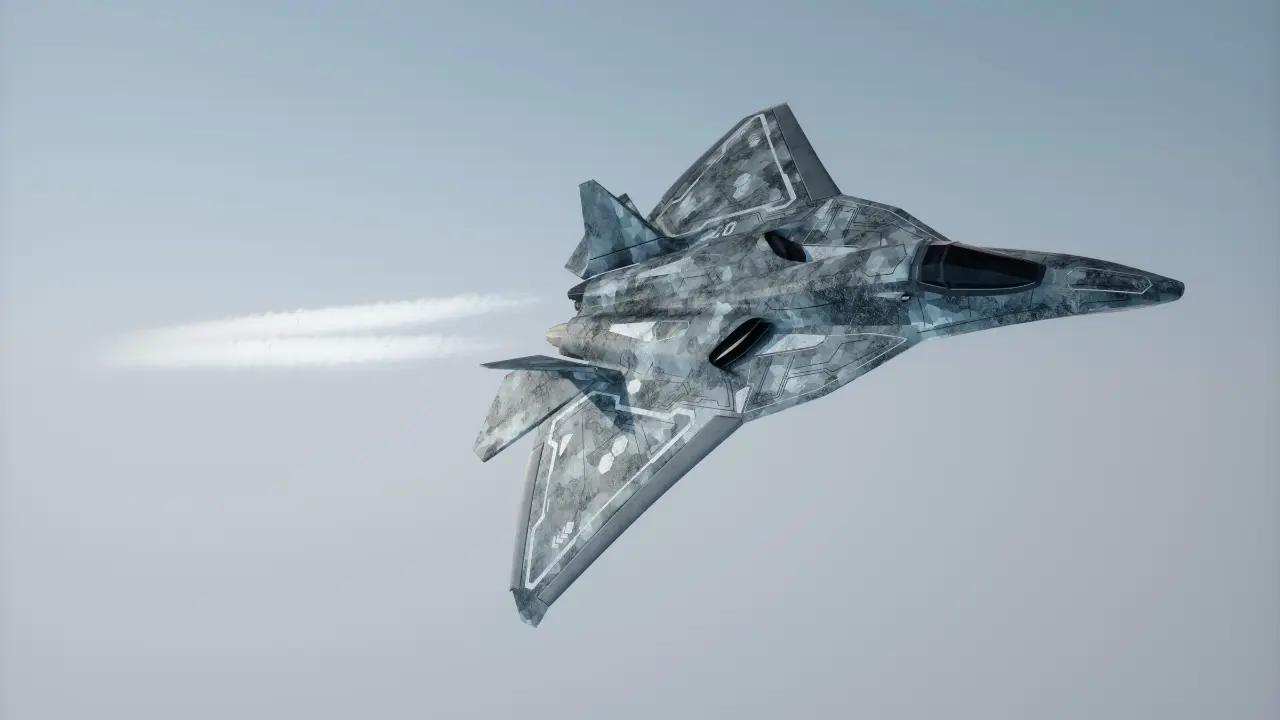
Sustained Mach 2 flight increases fuel burn significantly, limiting range and mission duration. High-speed jets balance speed with operational practicality, often cruising slightly below Mach 2 for efficiency, then accelerating only for combat or intercepts.
Future of High-Speed Flight
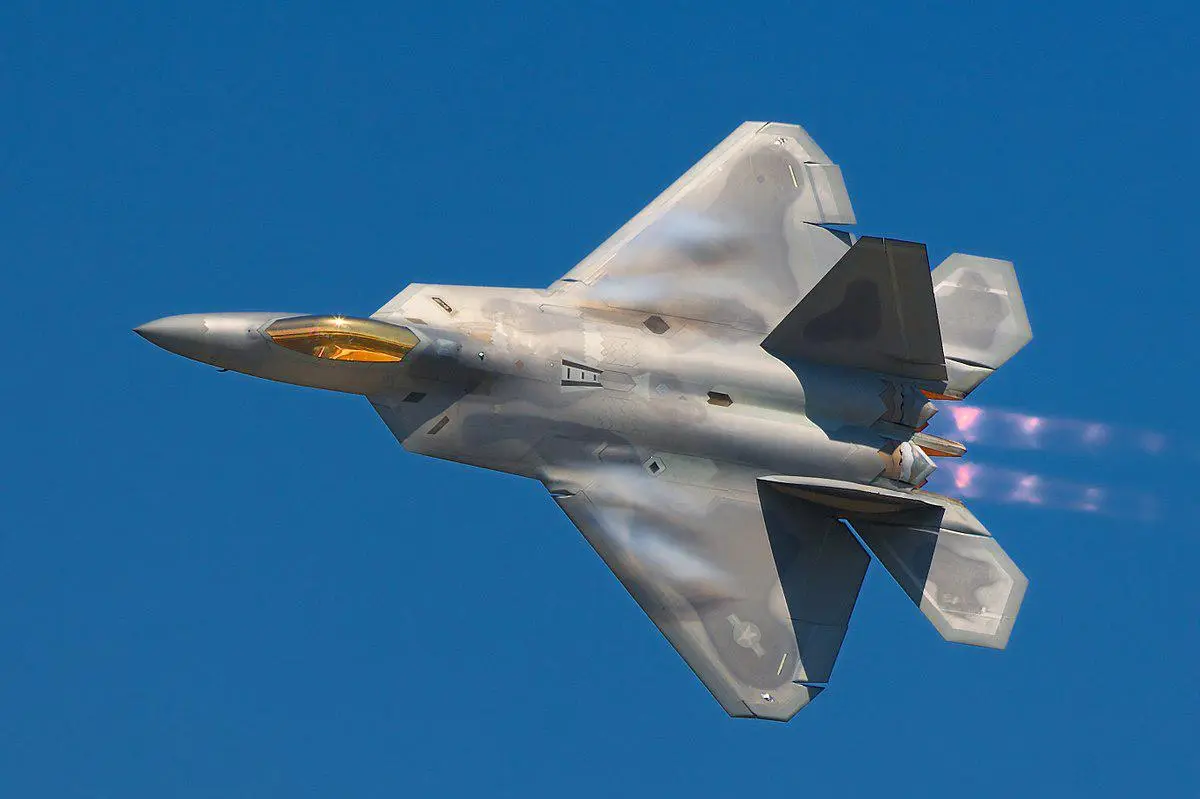
Research into hypersonic speeds (Mach 5+) aims to surpass Mach 2 limits, focusing on materials science, propulsion, and aerodynamics. However, Mach 2 remains a critical threshold showcasing current technological prowess in military aviation.
)
)
)
)
)