'BCCI, PCB or ICC': Who is the real financial winner of India-Pakistan T20 World Cup clash

The multi-billion-dollar global cricket economy operates on a highly structured, centralised revenue-sharing model controlled by the International Cricket Council (ICC).Untitled Summary
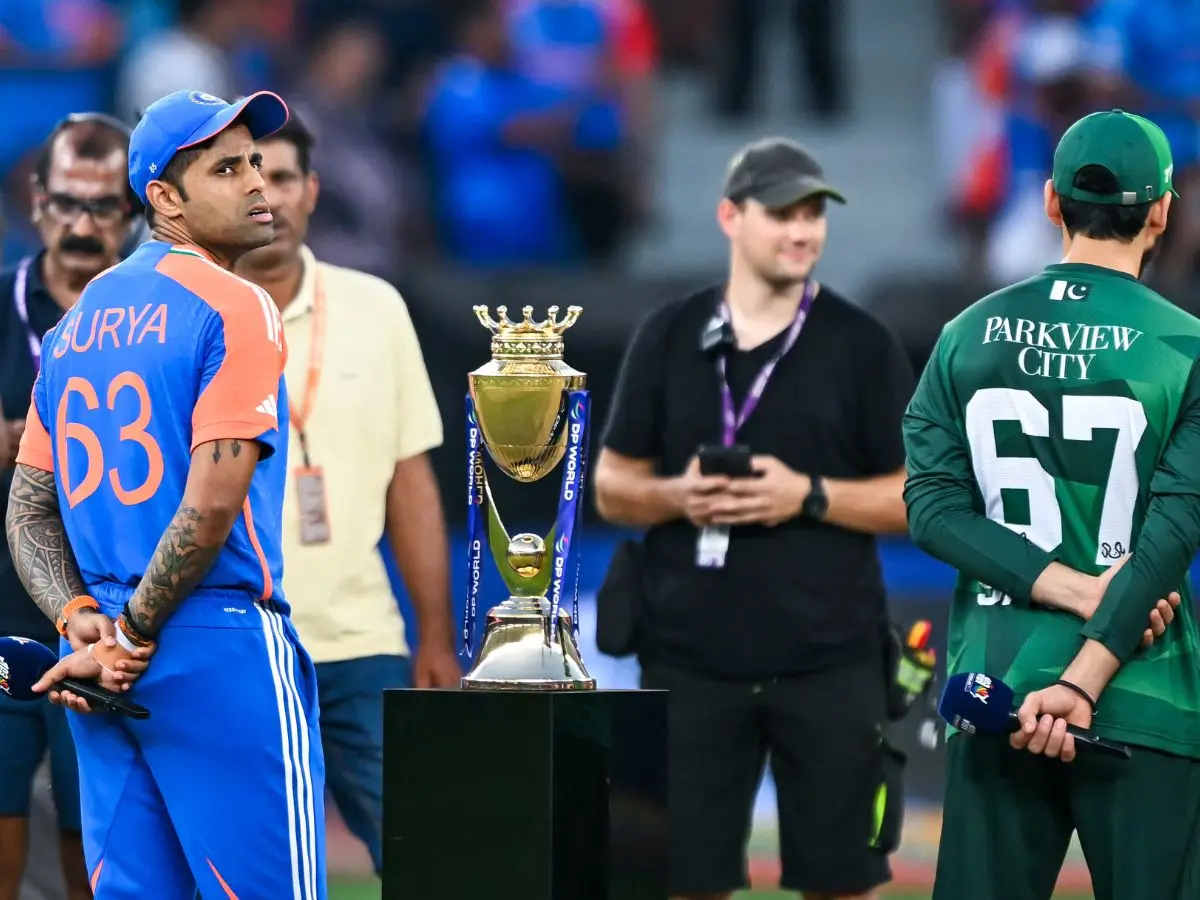
1. The "Match Commission" Myth Debunked
When India and Pakistan play, the hundreds of millions of dollars generated from TV ads, sponsorships, and stadium tickets do not go to the individual boards. Every single dollar goes directly into the central treasury of the ICC. At the end of every year, the ICC calculates its net surplus from all global tournaments and distributes it back to its 108 member nations based on a legally binding, pre-agreed financial model.
2. The 2024–2027 Revenue Split: Who Gets What?
In the current four-year financial cycle (2024–2027), the ICC is projected to distribute a net surplus of roughly $600 million annually to its members. Here is how the top of that distribution looks:
BCCI (India): 38.5% (approx. $231 million per year)
ECB (England): 6.89% (approx. $41.3 million per year)
CA (Australia): 6.25% (approx. $37.5 million per year)
PCB (Pakistan): 5.75% (approx. $34.5 million per year)
While Pakistan's share is drastically smaller than India's, it is not a commission, it is actually the fourth-highest payout among the 108 cricket-playing nations on earth.
3. The Engine of the Economy: Commercial Contribution
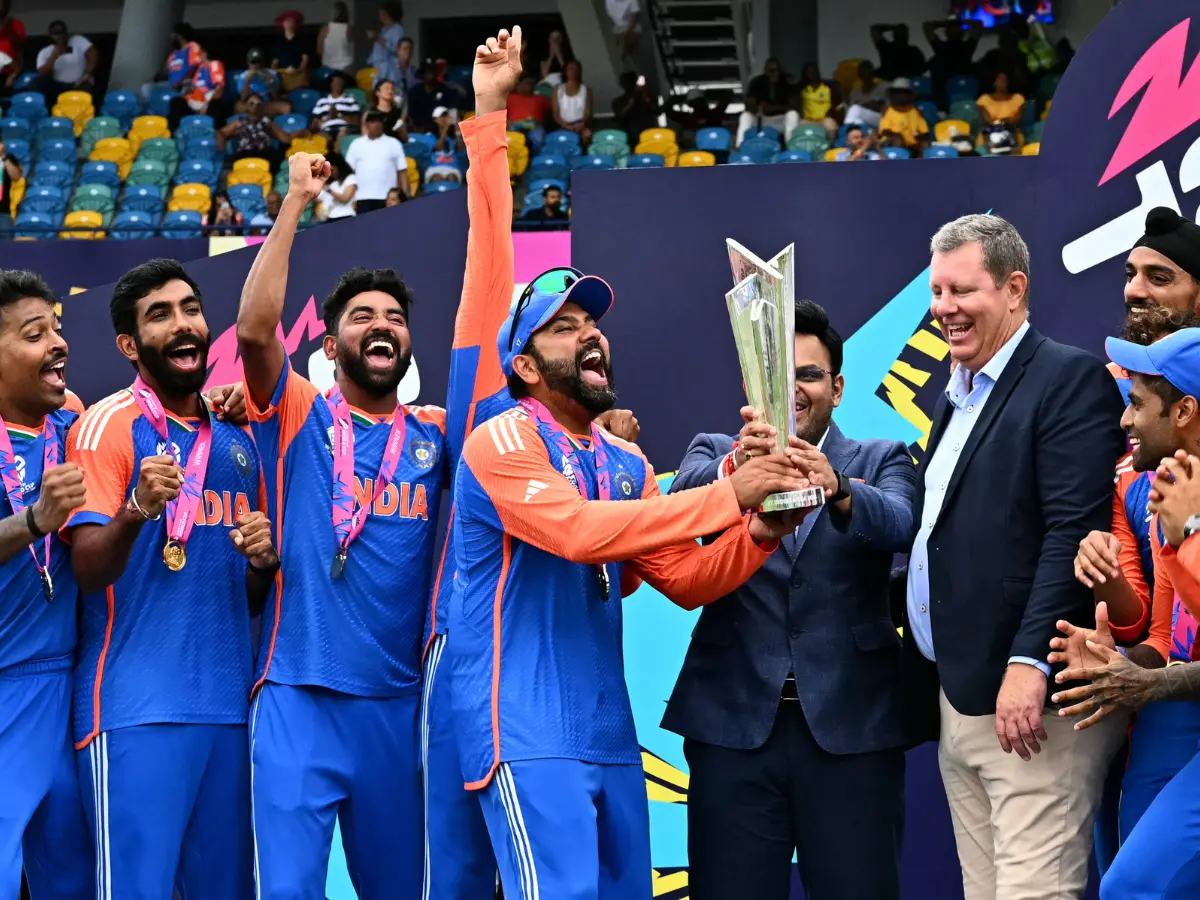
The reason India gets nearly 40 per cent of the entire global pie comes down to simple market gravity. The ICC’s multi-billion-dollar economy is bankrolled almost entirely by broadcast rights. For the 2024–2027 cycle, Indian broadcasters (like JioStar) paid over $3 billion just for the rights to show ICC matches in the Indian market. Because Indian audiences and sponsors generate an estimated 70 per cent to 80 per cent of the ICC’s total global wealth, the distribution model is heavily weighted to reward the market that actually brings the cash in.
4. The ICC’s Four-Pillar Distribution Formula
To ensure the money isn't just handed out arbitrarily, the ICC uses a strict, weighted formula to decide who gets what. A board's annual payout is calculated based on four specific metrics:
Commercial Contribution: How much money your country's broadcasters and sponsors bring to the ICC (India dominates this).
Cricket History: Historical standing and legacy in the sport.
On-Field Performance: How well the men's and women's national teams have performed in ICC events over the last 16 years.
Full Member Status: A baseline equal payment for simply being one of the 12 elite Full Member nations.
5. Pakistan’s Role as the "Value Amplifier"
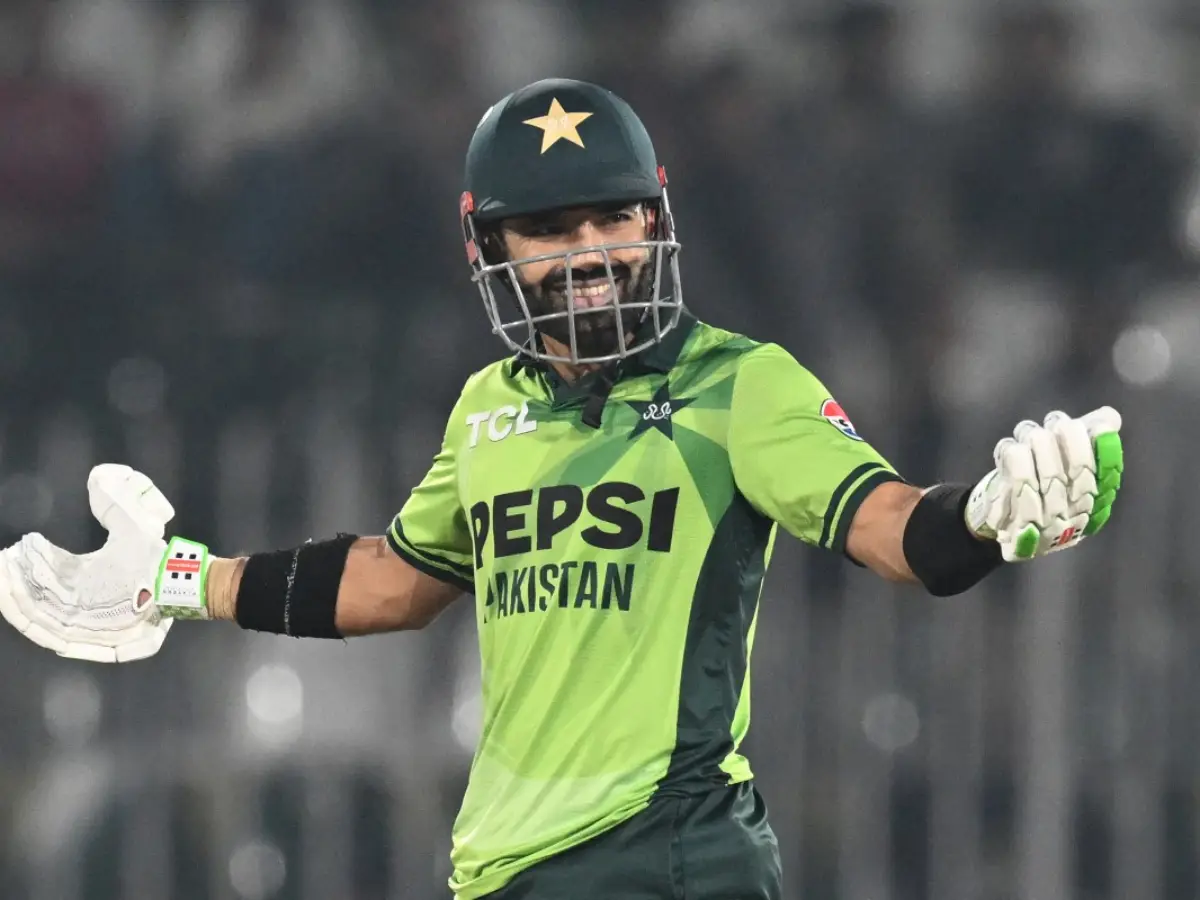
While Pakistan’s domestic television market doesn't bring in billions, their participation is the linchpin that makes the Indian market so lucrative. Broadcasters are only willing to pay that $3 billion premium to the ICC because the contract effectively guarantees at least one blockbuster India vs. Pakistan match per tournament. Pakistan does not out-earn India, but their rivalry amplifies India's earning power, which in turn inflates the central ICC pool for everyone.
6. The Existential Importance of the PCB's Share
Calling Pakistan's $34.5 million share a mere "commission" severely understates its importance. For the PCB, this annual ICC payout is a structural pillar of their entire sporting economy. It accounts for a massive chunk of their operating budget (which is roughly ₹550 crore annually). This money is what funds Pakistan's domestic cricket leagues, stadium maintenance, and the central contracts for their national players. It is lifeblood, not a bonus.
7. A Symbiotic (But Unequal) Relationship
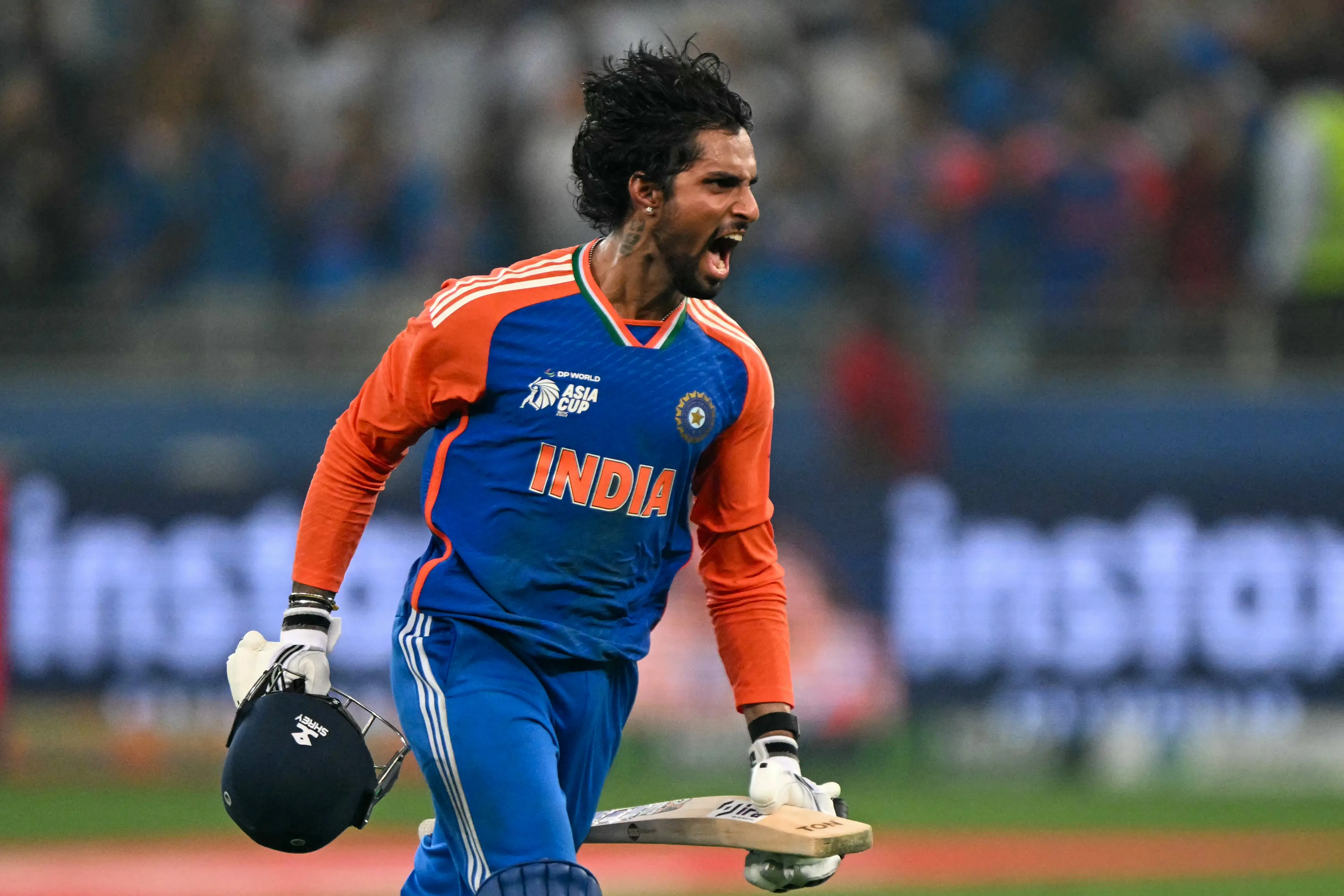
Ultimately, the financial reality of world cricket is a symbiotic one. The PCB (and the rest of the world) relies heavily on the BCCI, because without the massive revenue generated by the Indian consumer market, the ICC would not have $600 million to hand out every year. Conversely, the BCCI and the ICC rely on Pakistan to show up, because the threat of losing the India-Pakistan broadcast spectacle would immediately devalue the billion-dollar TV contracts that keep the sport afloat.
)
)
)
)
)