‘Battery Health’: Why charging to 100% reduces battery life

Charging batteries to 100% stresses lithium-ion chemistry, causing faster ageing. Experts recommend keeping charge between 20-80% and avoiding overnight charging to prolong battery life.
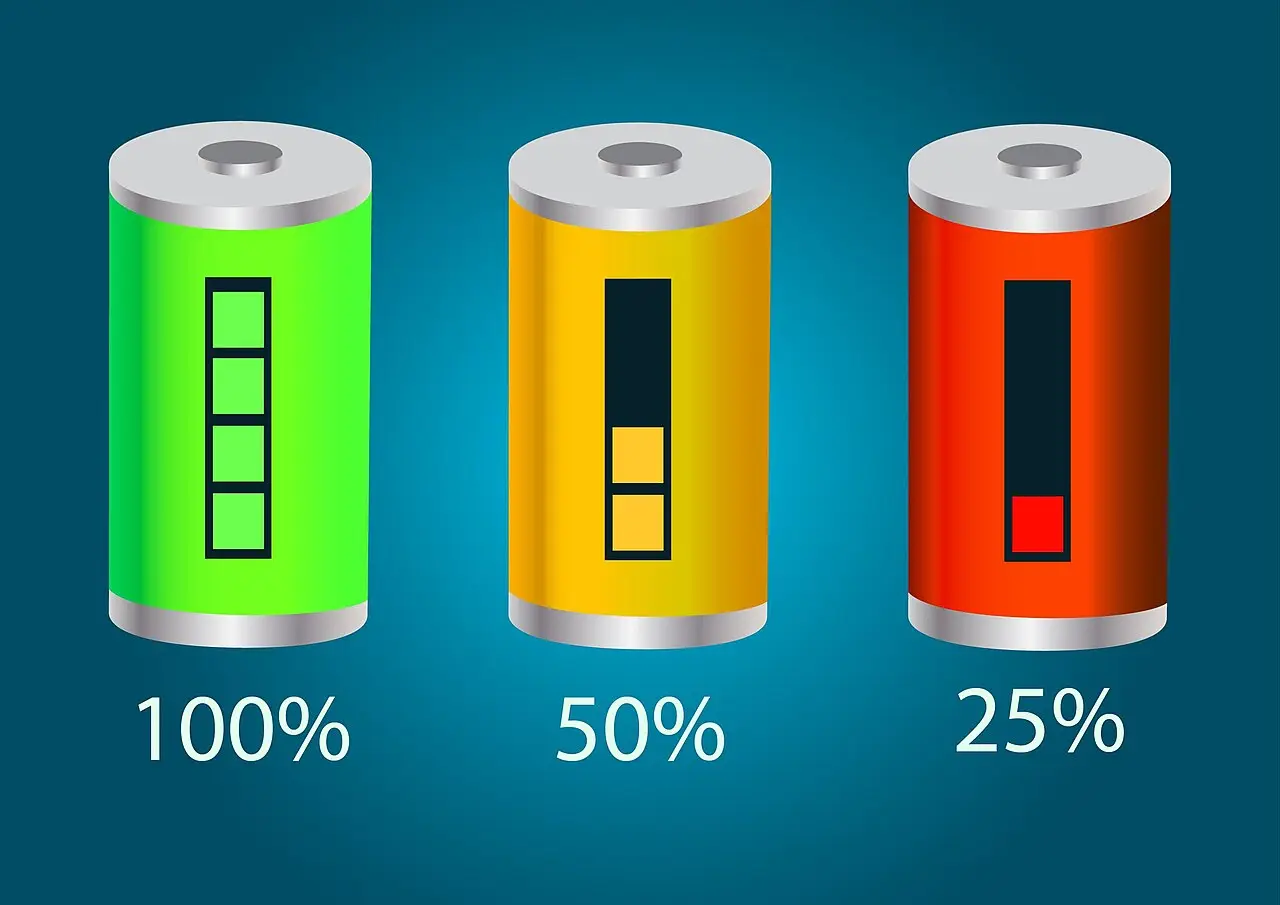
What Battery Health Means
Battery health shows how much charge a battery can hold compared to when it was new. Over time, lithium-ion batteries lose capacity naturally with each charge cycle, reducing device usage time.
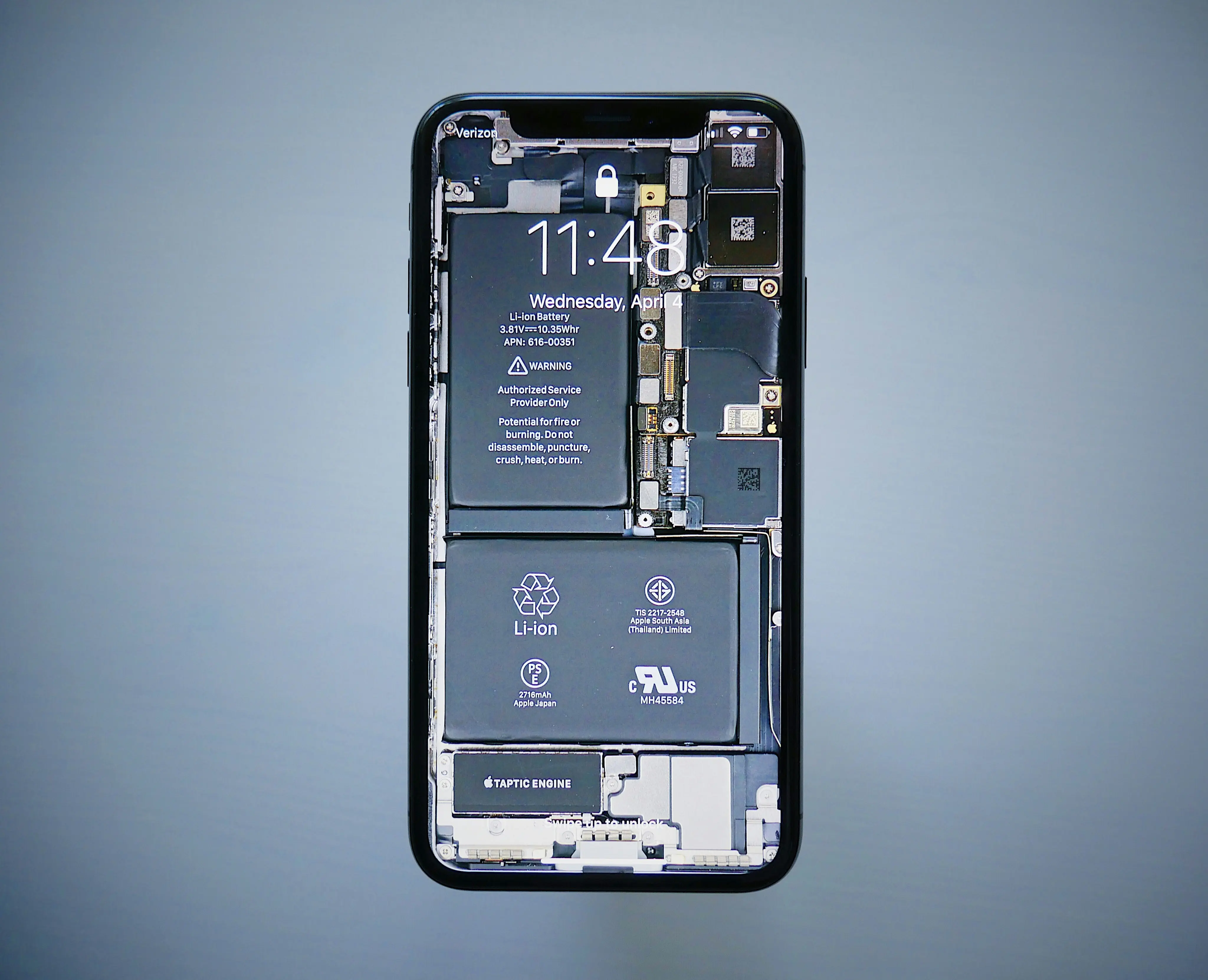
Understanding Charging Cycles
A charging cycle uses 100% of a battery’s power but not always in one go. For example, charging from 50% to 100% twice counts as one cycle. More cycles lead to faster battery wear
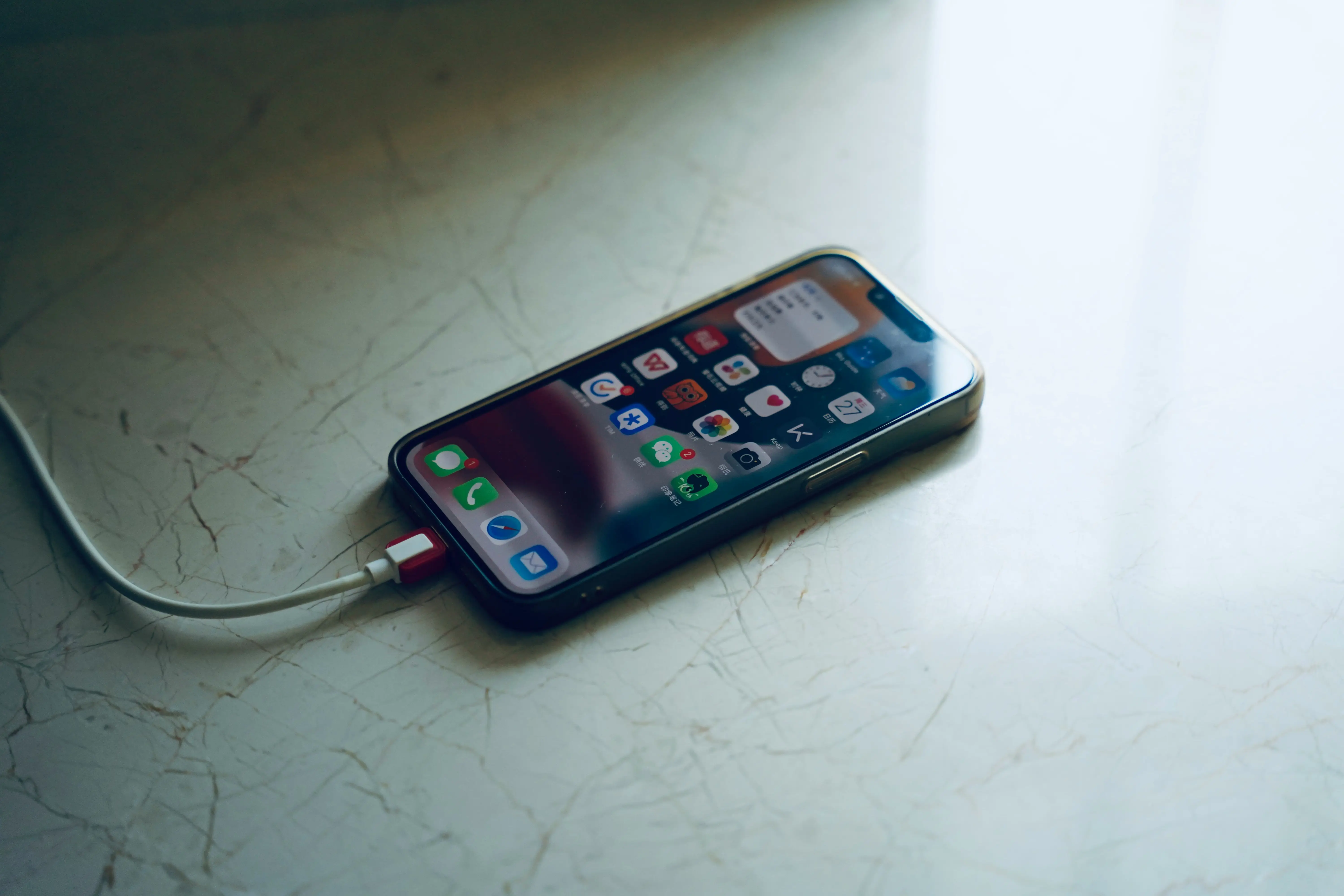
Why Charging to 100% Causes Wear
Charging to full capacity strains the battery’s chemistry, especially when held at 100% for long. This stress speeds up battery ageing, cutting down its overall lifespan.

Expert Advice on Charging Limits
Most experts recommend charging between 20% and 80% to prolong battery life. Devices now include “optimised charging” to slow charging after 80% to reduce stress on the battery

Scientific Data on Capacity Drop
Studies reveal batteries frequently charged to 100% lose capacity faster than those charged less fully. Apple and Samsung suggest unplugging before full charge to protect battery health

Occasional Full Charges Are Acceptable
Charging to 100% occasionally won’t cause much damage. The problem arises from daily full charges over months or years. Modern batteries have protections but repeated full charges still degrade them faster.

Simple Habits to Extend Battery Life
Avoid nightly charging and unplug when battery hits about 80-90%. Keep devices cool as heat also harms battery health. Following these can extend battery life by 10-20% according to industry estimates.
)
)
)
)
)