'Ban in UAE': 7 reason why countries impose tight visa rules on Pakistan

Multiple countries, especially in the Gulf, Europe, and Southeast Asia, have flagged high overstay rates among Pakistani visitors. When a nationality shows repeated trends of asylum-seeking, overstaying, or working illegally, governments respond with visa restrictions or outright bans.
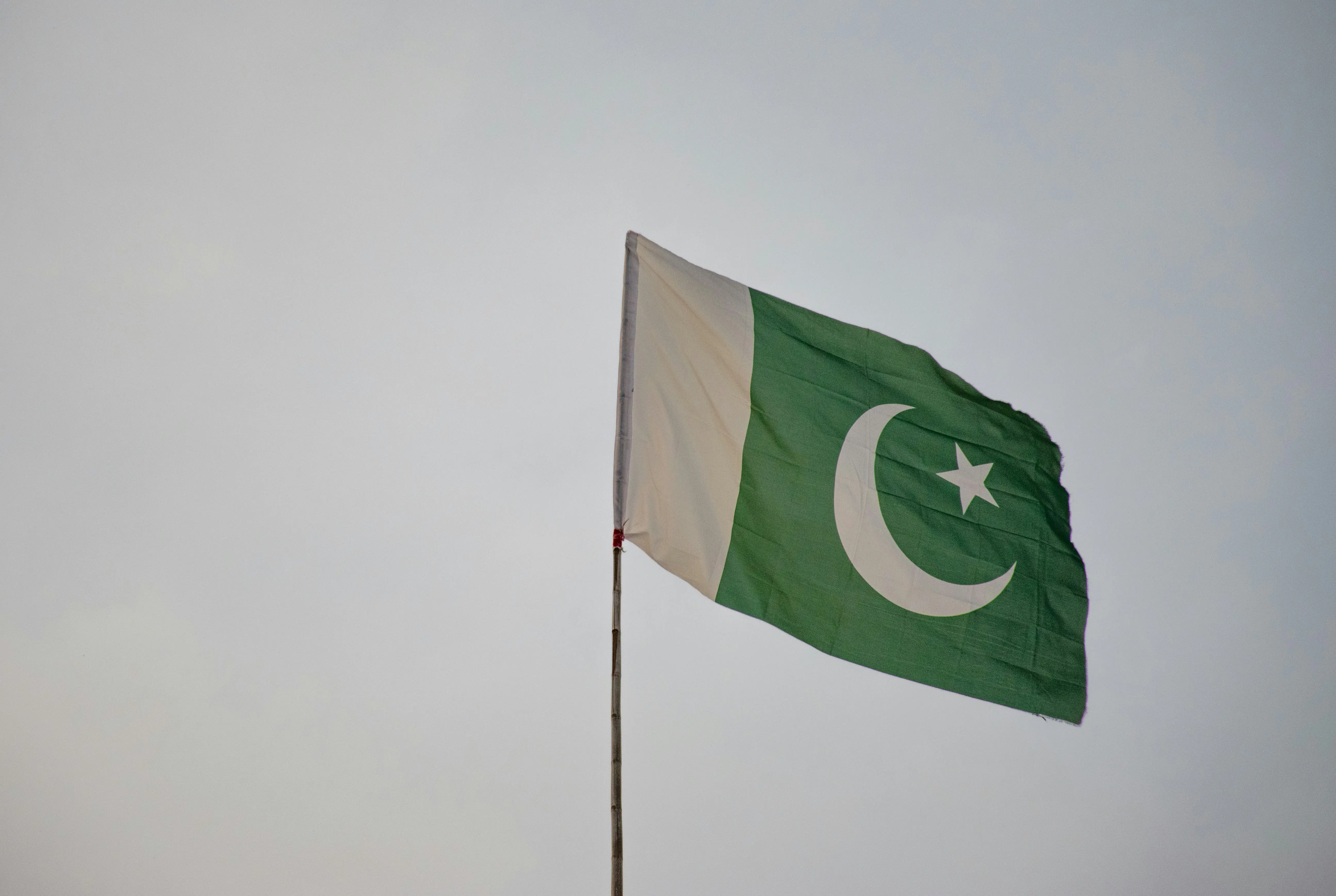
'Ban in UAE': 7 reason why many countries impose tight visa rules on Pakistan
Many countries place Pakistan in a “high-risk” category due to past terror incidents and concerns flagged by international security bodies like FATF. This does not mean every traveller is a threat, it simply means states apply extra layers of verification, which often translate into strict visa rules, longer processing time, and higher rejection rates.
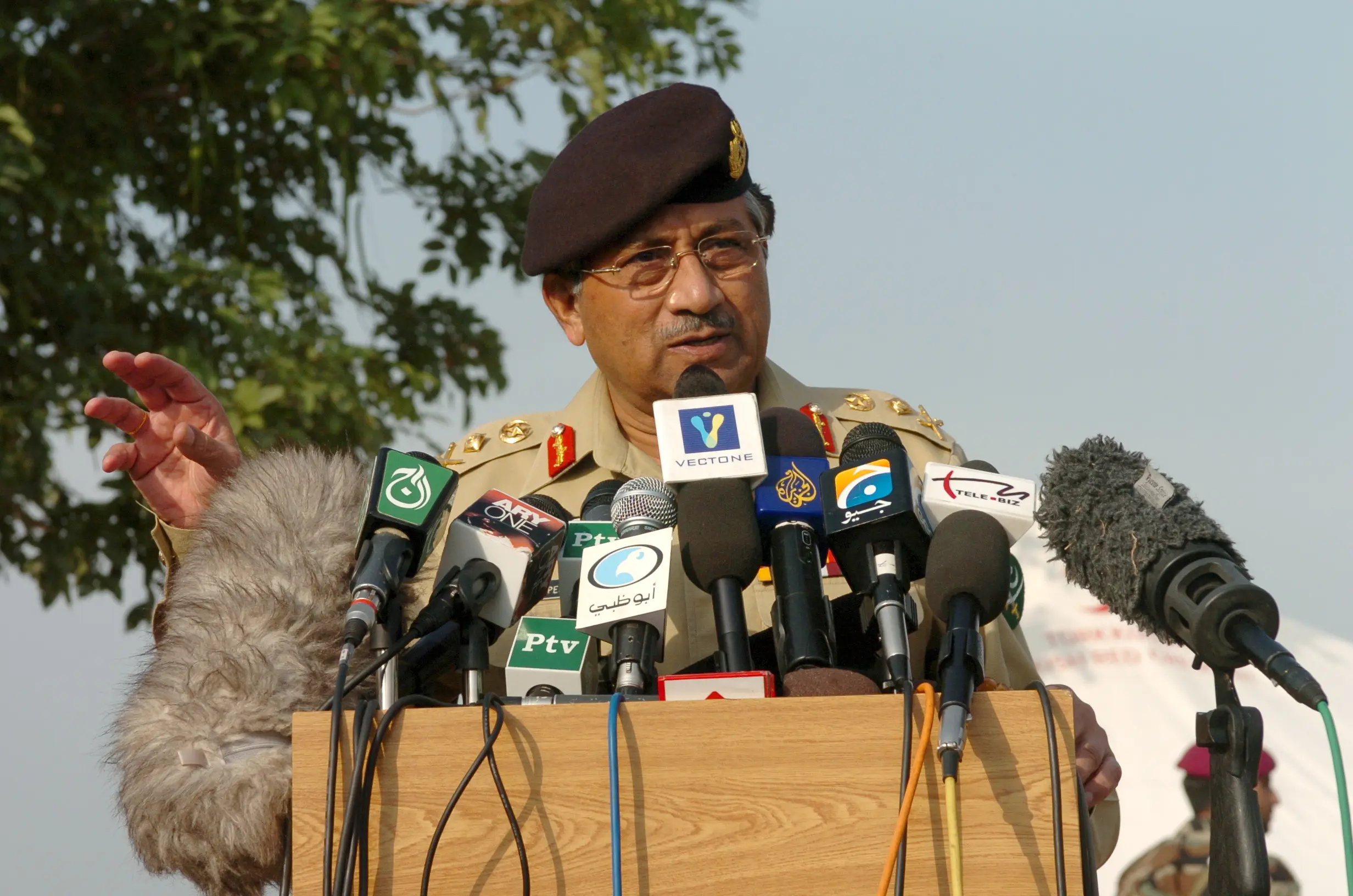
2. Passport Strength and Identity Verification Issues
Pakistan’s passport ranks near the bottom of global mobility indexes, largely because many nations consider its identity documentation system less reliable. Historically recorded cases of forged passports and mismatched records have pushed governments to adopt tougher verification before issuing visas.

3. Illegal Immigration and Overstay Patterns
Multiple countries, especially in the Gulf, Europe, and Southeast Asia, have flagged high overstay rates among Pakistani visitors. When a nationality shows repeated trends of asylum-seeking, overstaying, or working illegally, governments respond with visa restrictions or outright bans.
4. Diplomatic Tensions and Unstable Bilateral Ties
Visa policies often mirror political relationships. Whenever Pakistan’s ties with certain countries dip, whether due to security disagreements, espionage concerns, or diplomatic disputes, visa rules tighten automatically. Countries prefer to cap entry until relations stabilise.
5. Global Compliance Pressure From FATF Greylisting
While Pakistan has exited FATF greylist, the long period on it created lasting stigma. Many countries still follow older “enhanced due diligence” protocols designed during that time. These legacy systems continue to shape stricter visa policies compared to other South Asian nations.

6. Concerns Around Radicalisation and Cross-Border Networks
Western and Middle Eastern nations often cite risks of exposure to extremist networks as a key factor. Even if Pakistan cooperates in counter-terrorism efforts, the presence of global watchlist entities pushes states to maintain cautious visa regimes for Pakistani nationals.
7. Domestic Crime and Human Trafficking Cases Involving Pakistani Networks
Interpol and national agencies have previously flagged Pakistan-linked gangs for trafficking, document fraud, and smuggling routes. Countries use these assessments to justify restrictive visa filters, especially when non-tourist visas are involved. The goal is to limit exploitation of their immigration systems.
)
)
)
)
)