'Ballistic and hypersonic missiles': What North Korea has and why it matters

North Korea has 300+ Hwasong-7 missiles and multiple ICBM types with miniaturised nuclear warheads and hypersonic capabilities.
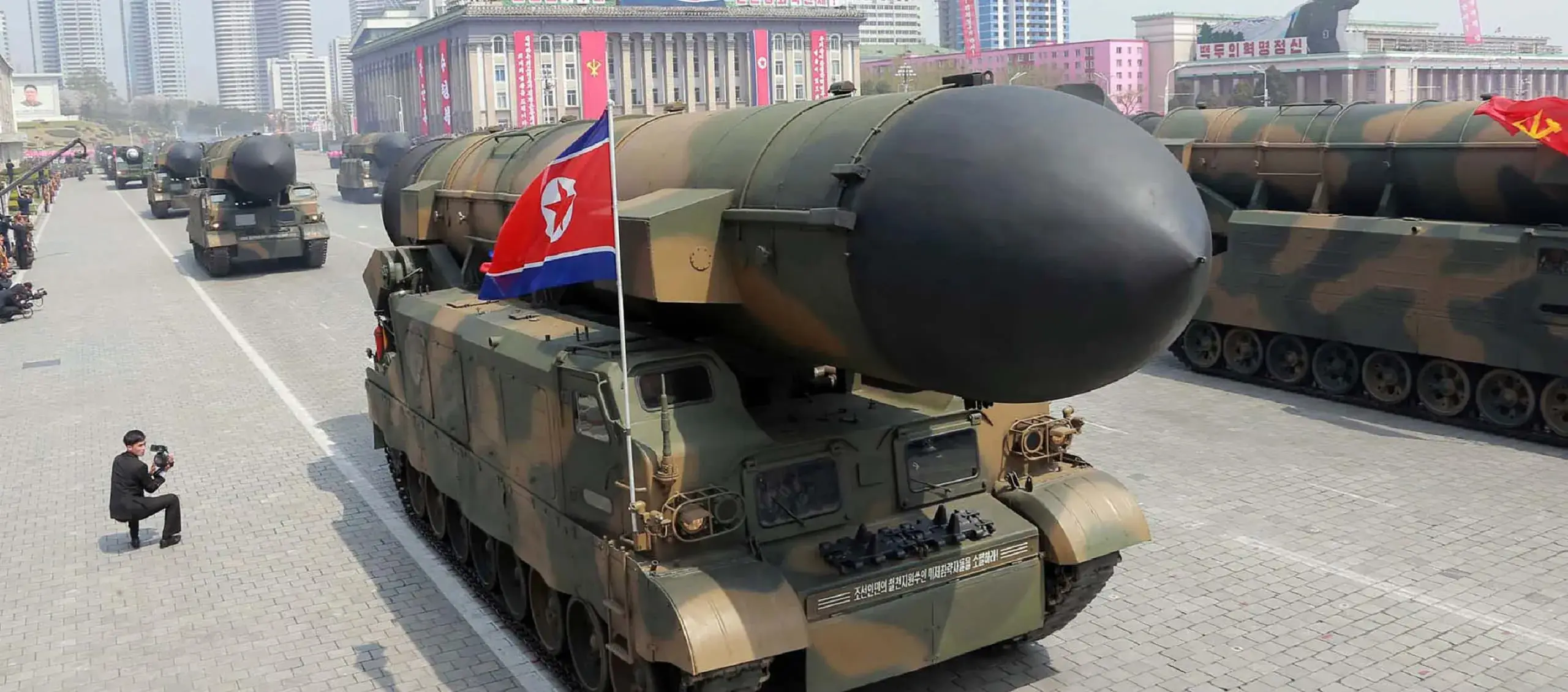
Hwasong-7
North Korea has 300 Hwasong-7 missiles with 1,200-1,500 km range covering all South Korea and Japan. Liquid-fuelled system with 2,000-metre accuracy at maximum range.
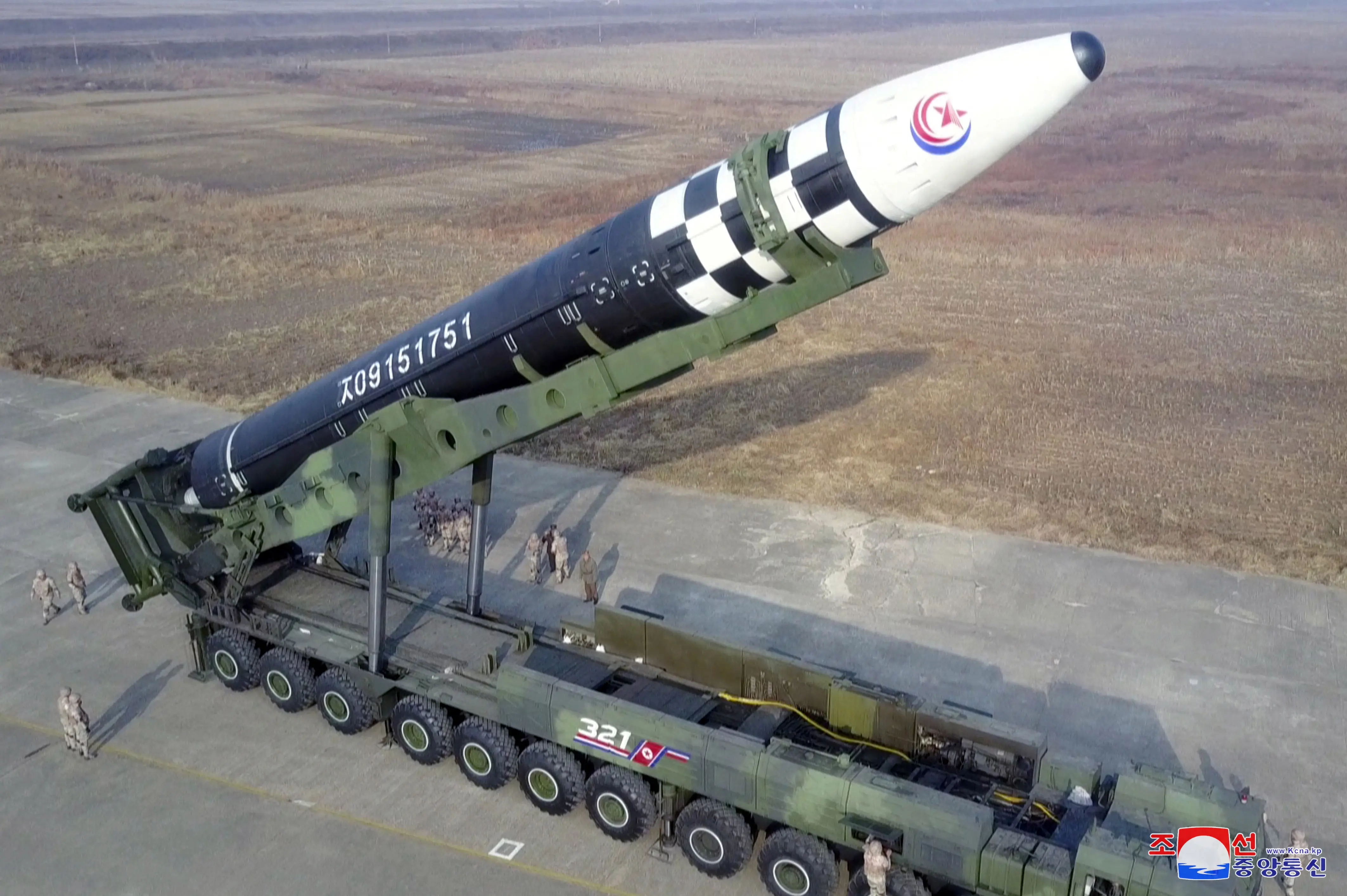
Hwasong-17
Two-stage liquid-fuelled ICBM tested in 2022. Carries 2,000-3,500 kg payload reaching continental American territory.
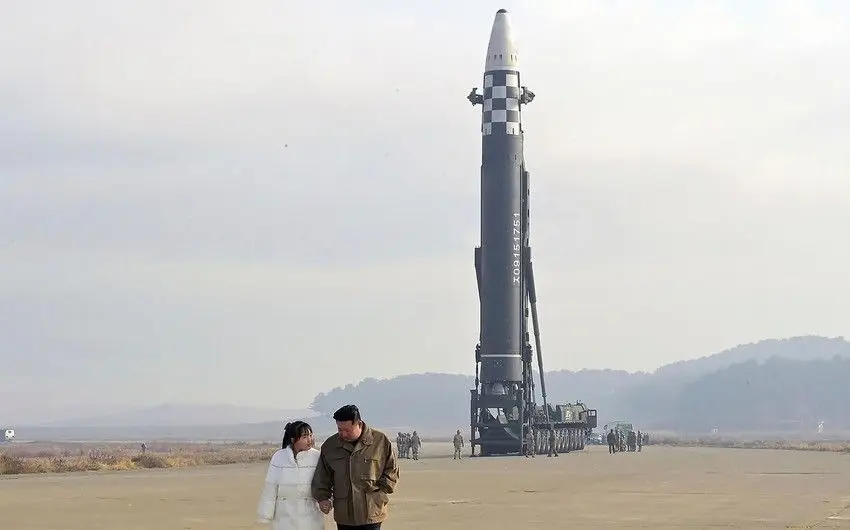
Hwasong-19
Solid-fuelled ICBM tested October 2024. Range exceeds 10,000 km with faster launch capability than liquid-fuel systems.
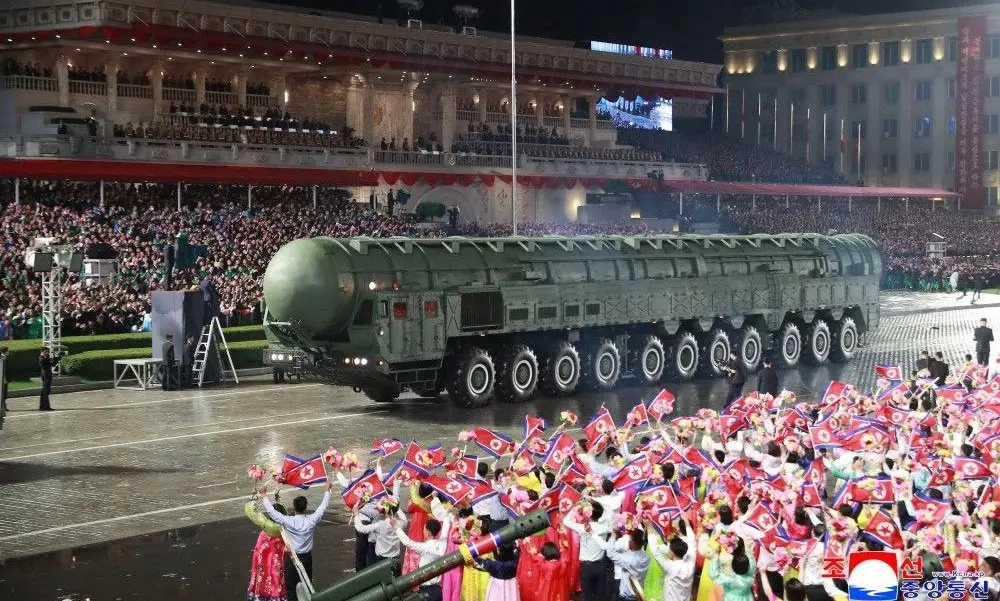
Hwasong-20
Latest ICBM unveiled October 2025. Carbon-fibre construction with most powerful North Korean solid-fuel engine producing 1,971 kilonewtons thrust.

Warhead Miniaturisation
U.S. Defence Intelligence Agency confirmed 2017 that North Korea miniaturised nuclear warheads for ballistic missiles successfully.
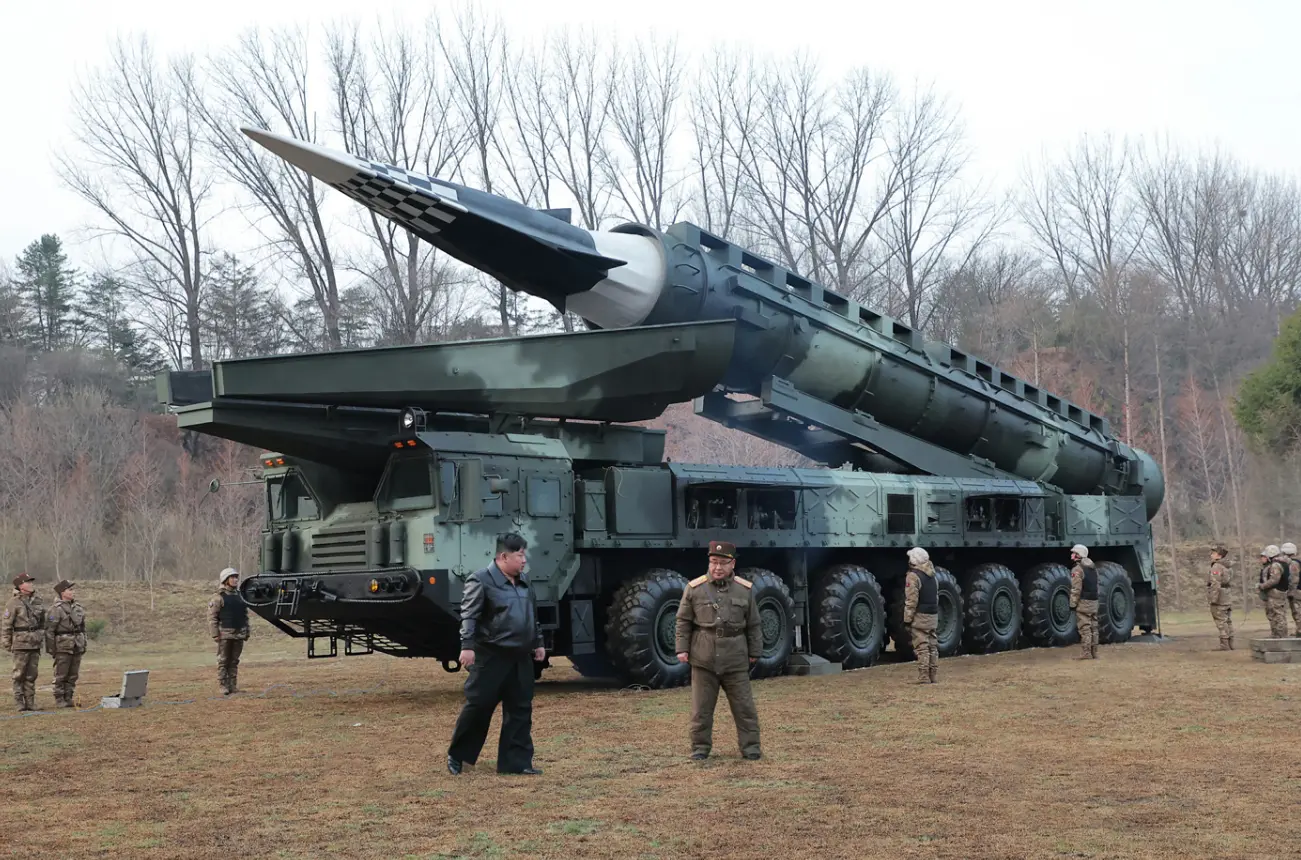
Hypersonic Weapons
Hwasong-8 and Hwasong-16B carry hypersonic glide vehicles achieving Mach 5+ speeds with manoeuvring capability defeating traditional air defences.

Multiple Warheads
Kim Jong Un ordered MIRV system development. Hwasong-17 and Hwasong-20 possess sufficient payload for multiple nuclear warheads and decoys.
Rail Launchers
Railway-based missile systems add concealment and mobility advantages complicating detection before launch operations.
Regional Threat
Hwasong-7 strikes targets across South Korea within minutes. Hypersonic systems reduce warning time to approximately one minute for southern regions.

Global Implications
ICBMs with 10,000+ km range carrying miniaturised warheads fundamentally alter global deterrence balance and security calculations.
)
)
)
)
)