'Ball is in America’s court': Why Iran’s openness to compromise depends entirely on US willingness to talk sanctions first

This reaction came after the first round of talks earlier this month, when US President Donald Trump warned that failure to reach a deal would be 'very traumatic'.
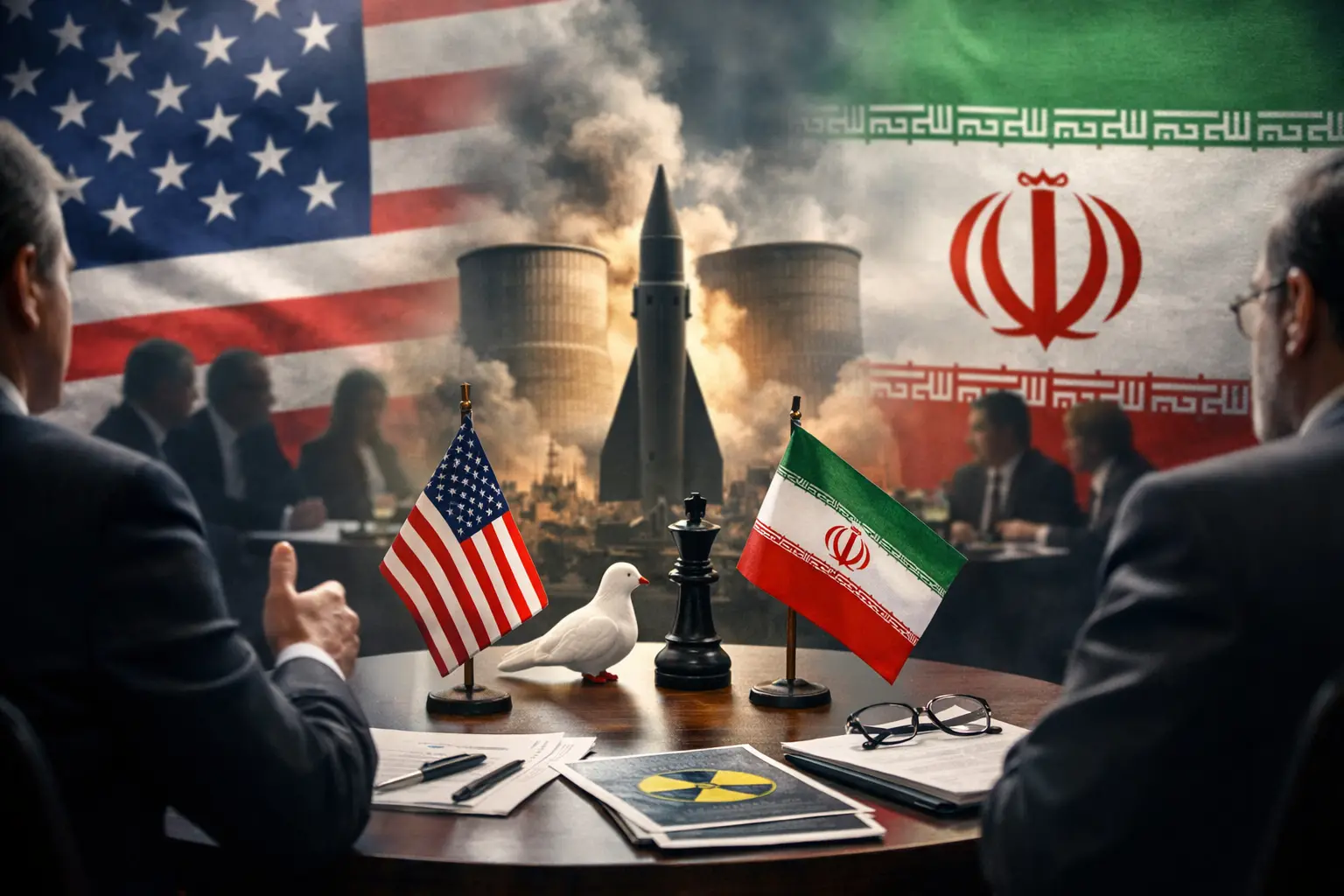
Diplomatic Signals Amid Heightened Tensions
Iran has indicated it is prepared to consider compromises over its nuclear programme, but only if the United States is willing to discuss lifting sanctions. The statement marks a carefully calibrated diplomatic signal at a time when negotiations remain fragile and political rhetoric on both sides is intensifying.
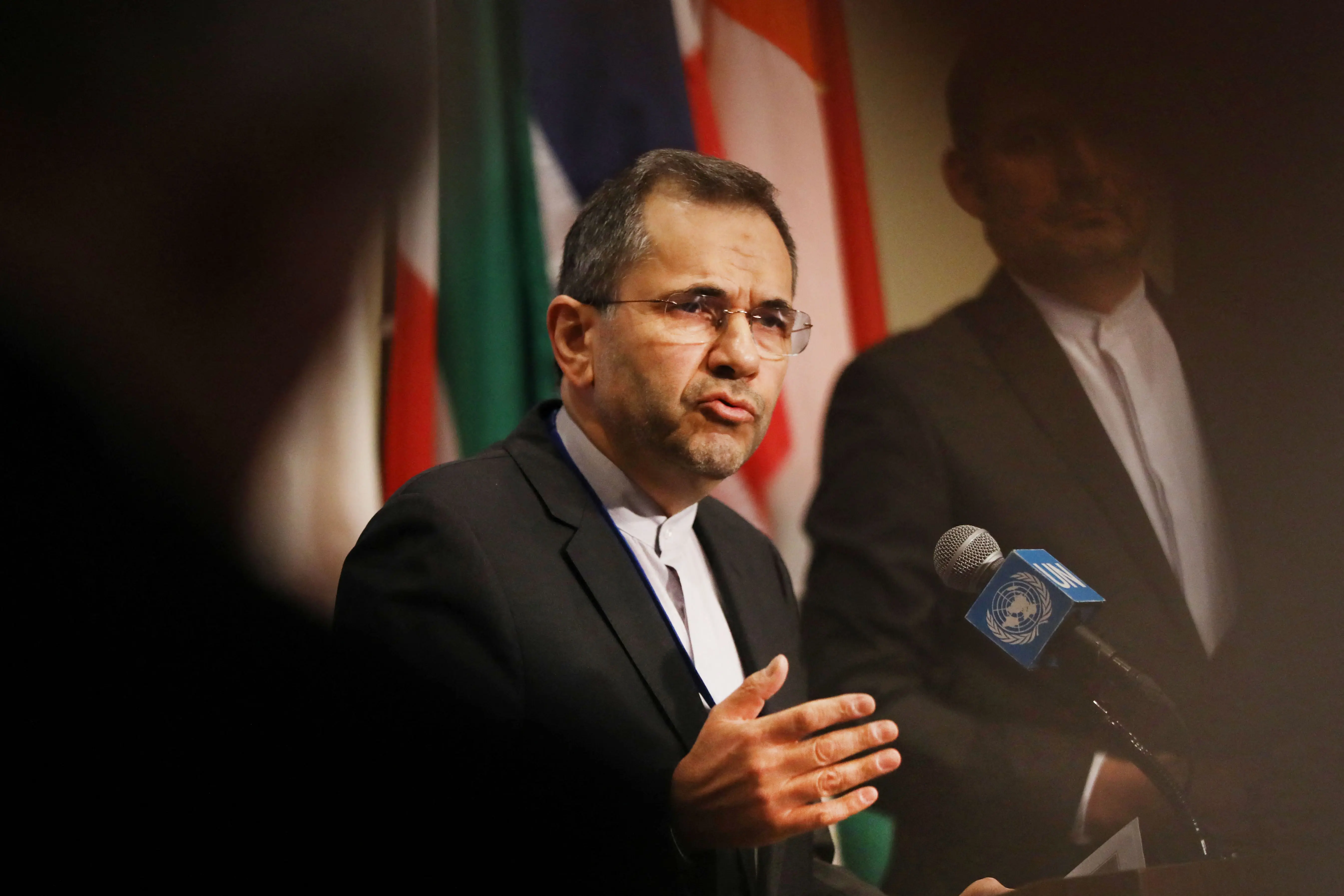
Tehran’s Conditional Offer
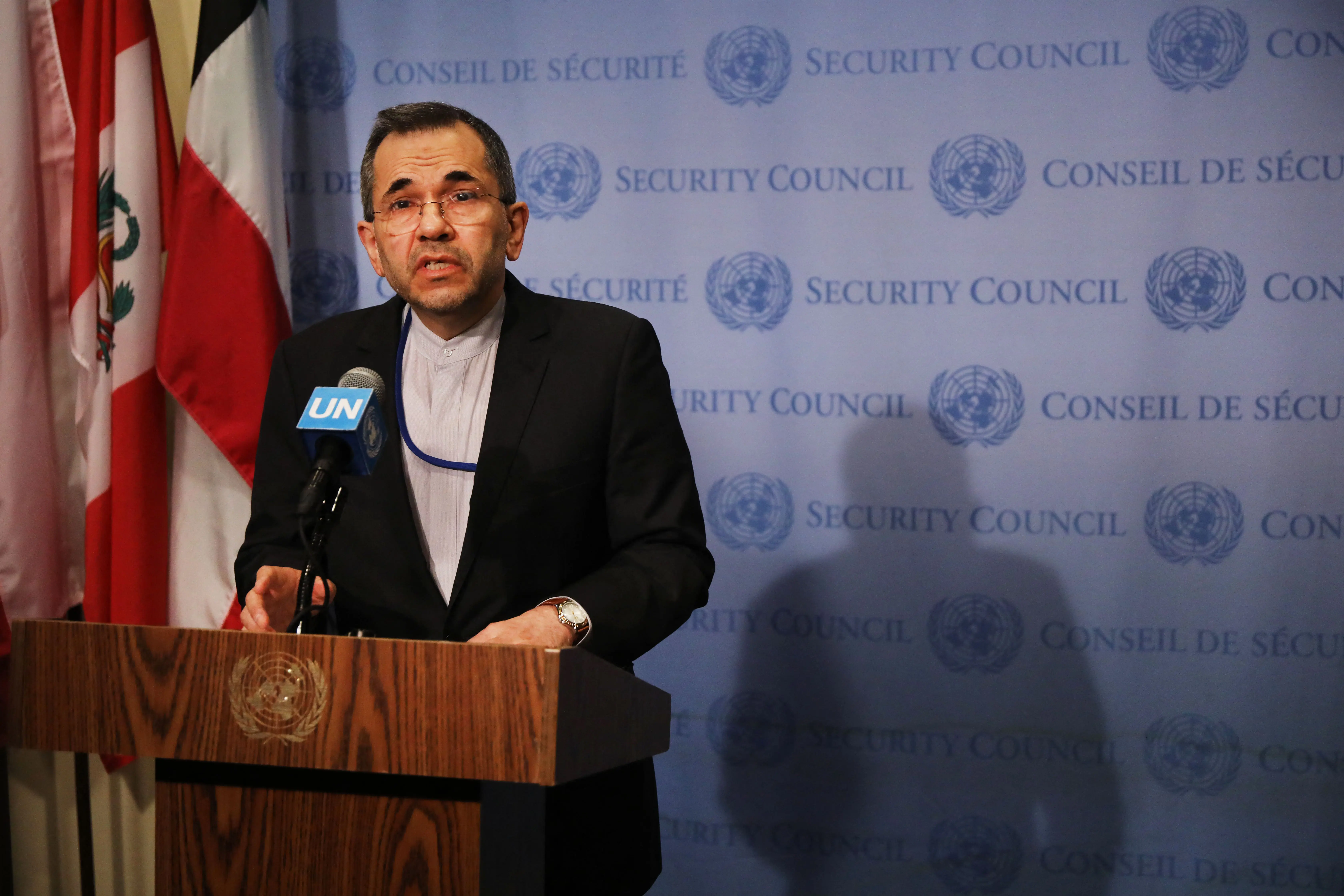
Iran’s Deputy Foreign Minister, Majid Takht-Ravanchi, made clear that sanctions remain the central obstacle to progress. In an interview with the BBC, he said that the ball was 'to prove that they want to do a deal' emphasising that Tehran’s readiness to show flexibility is directly linked to Washington’s stance on economic restrictions. He added that Iran would only accept negotiations that include sanctions relief, highlighting that economic pressure has become inseparable from nuclear diplomacy.
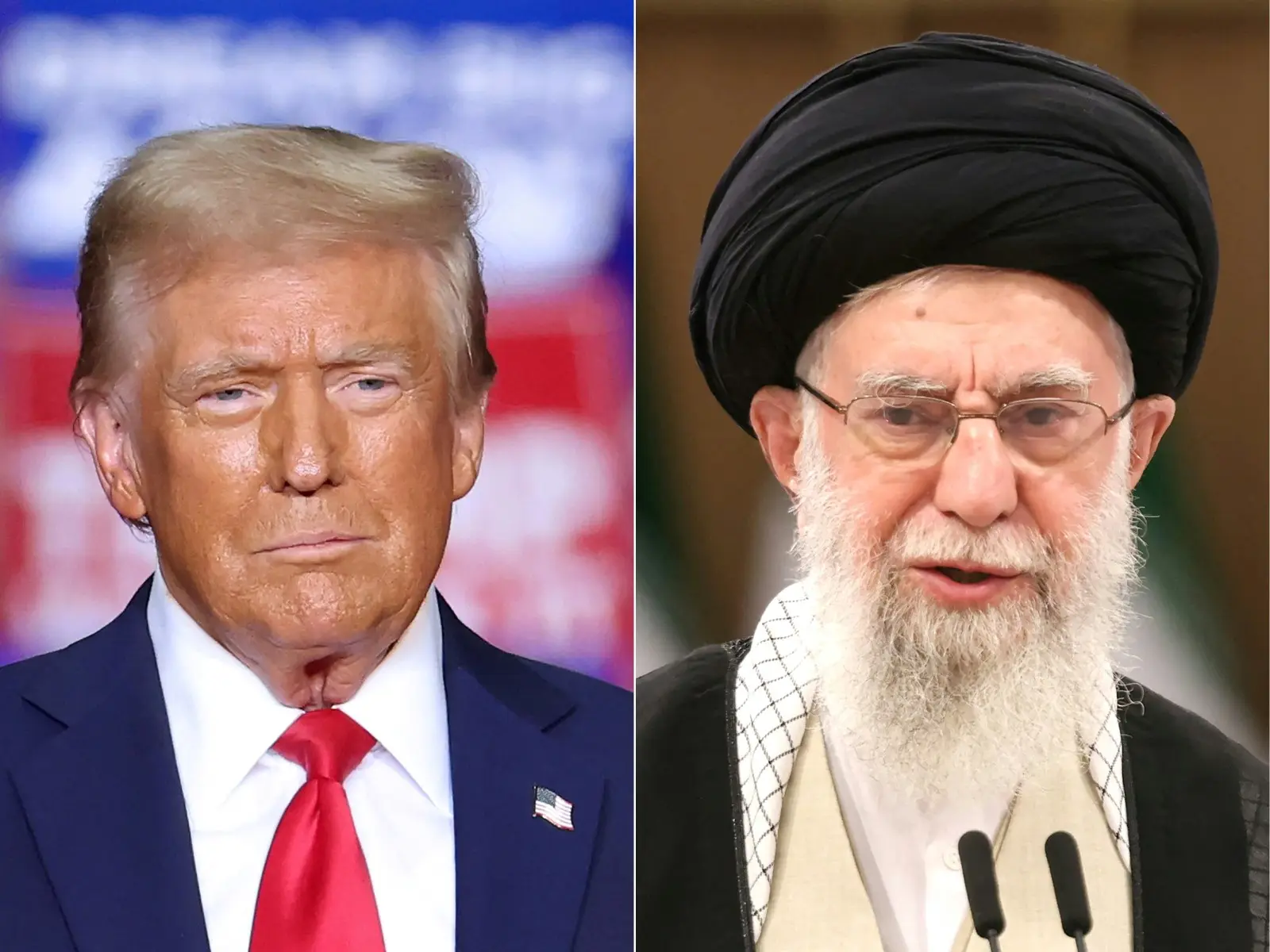
Sanctions as the Core Dispute
Iranian officials argue that sanctions have severely affected the country’s economy and must be addressed before any nuclear concessions are made. Takhtravanchi stressed that meaningful negotiations require reciprocal action, saying Iran would only consider confidence-building measures if sanctions discussions are placed on the agenda. This position reflects Tehran’s long-standing claim that sanctions violate the spirit of earlier diplomatic agreements. Meanwhile, Iran has always maintained that it's ballistic missile program is non-negotiable.
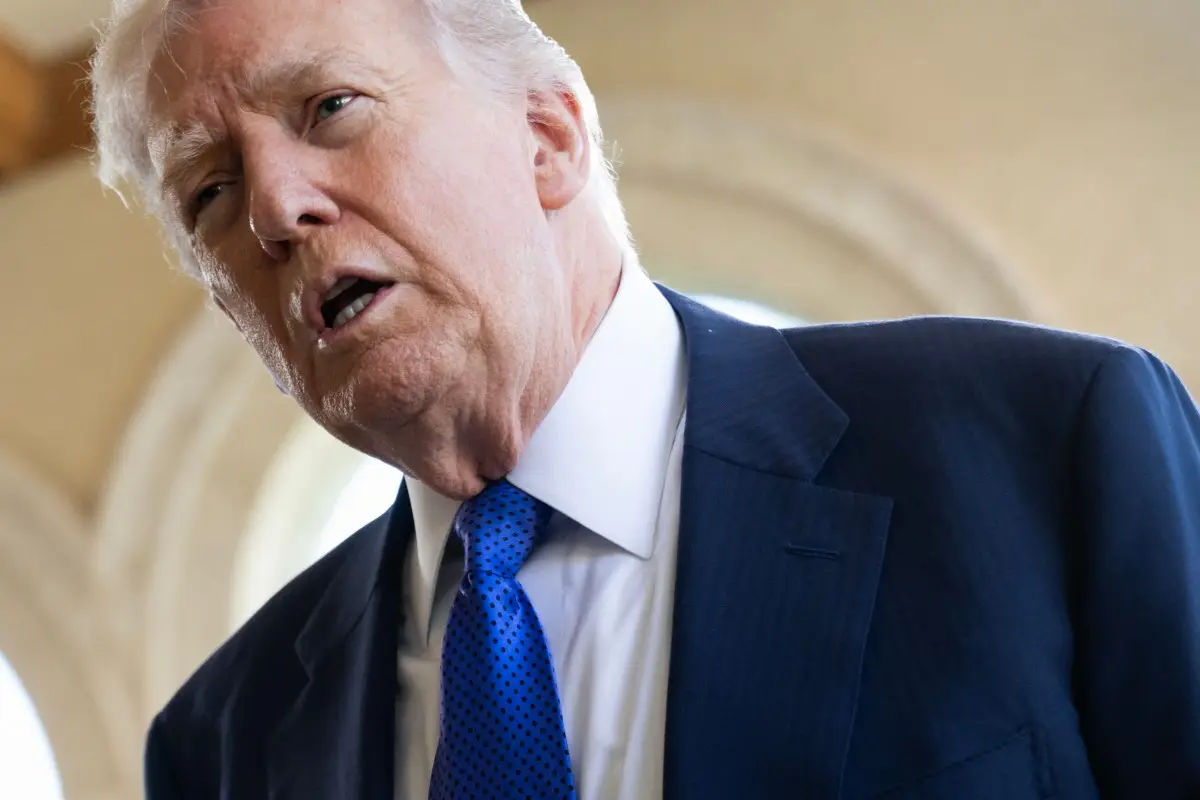
Washington’s Firm Position
The United States has maintained that Iran must first demonstrate credible nuclear compliance. This reaction came after the first round of talks earlier this month, when US President Donald Trump warned that failure to reach a deal would be 'very traumatic' for Tehran. American officials continue to insist that restrictions are designed to prevent Iran from advancing its nuclear capabilities rather than to cripple its economy. Iran's atomic chief said on Monday the country could agree to dilute its most highly enriched uranium in exchange for all financial sanctions being lifted. Takht-Ravanchi used this example in the BBC interview to highlight Iran's flexibility.
The Nuclear Programme Dispute
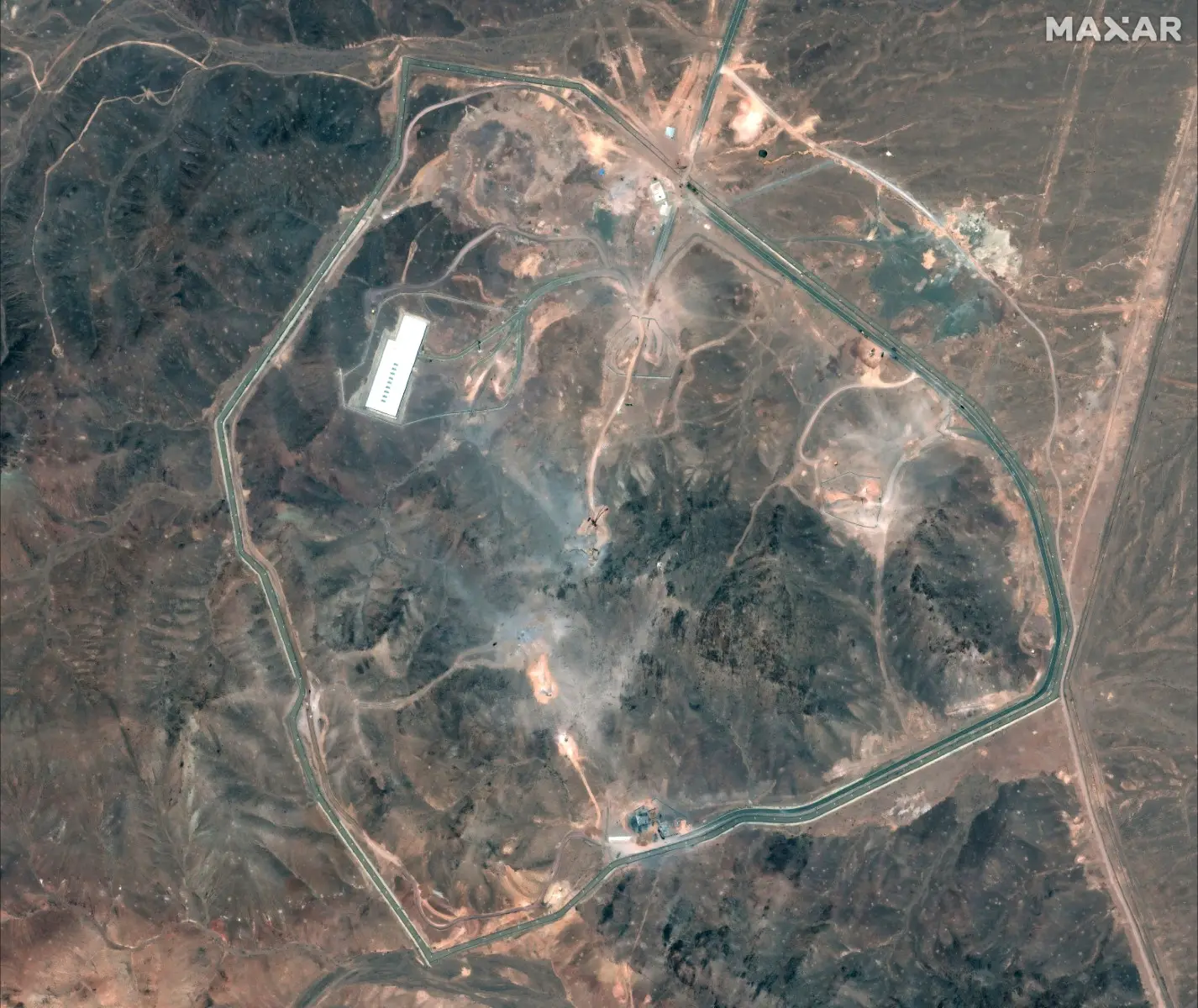
At the centre of the disagreement is Iran’s uranium enrichment activity. Tehran maintains that its nuclear programme is for peaceful purposes and insists it will not abandon enrichment entirely. Western governments, however, view high-level enrichment as a proliferation risk and demand strict verification and limits under any renewed agreement.
Global Stakes and Diplomatic Pressure
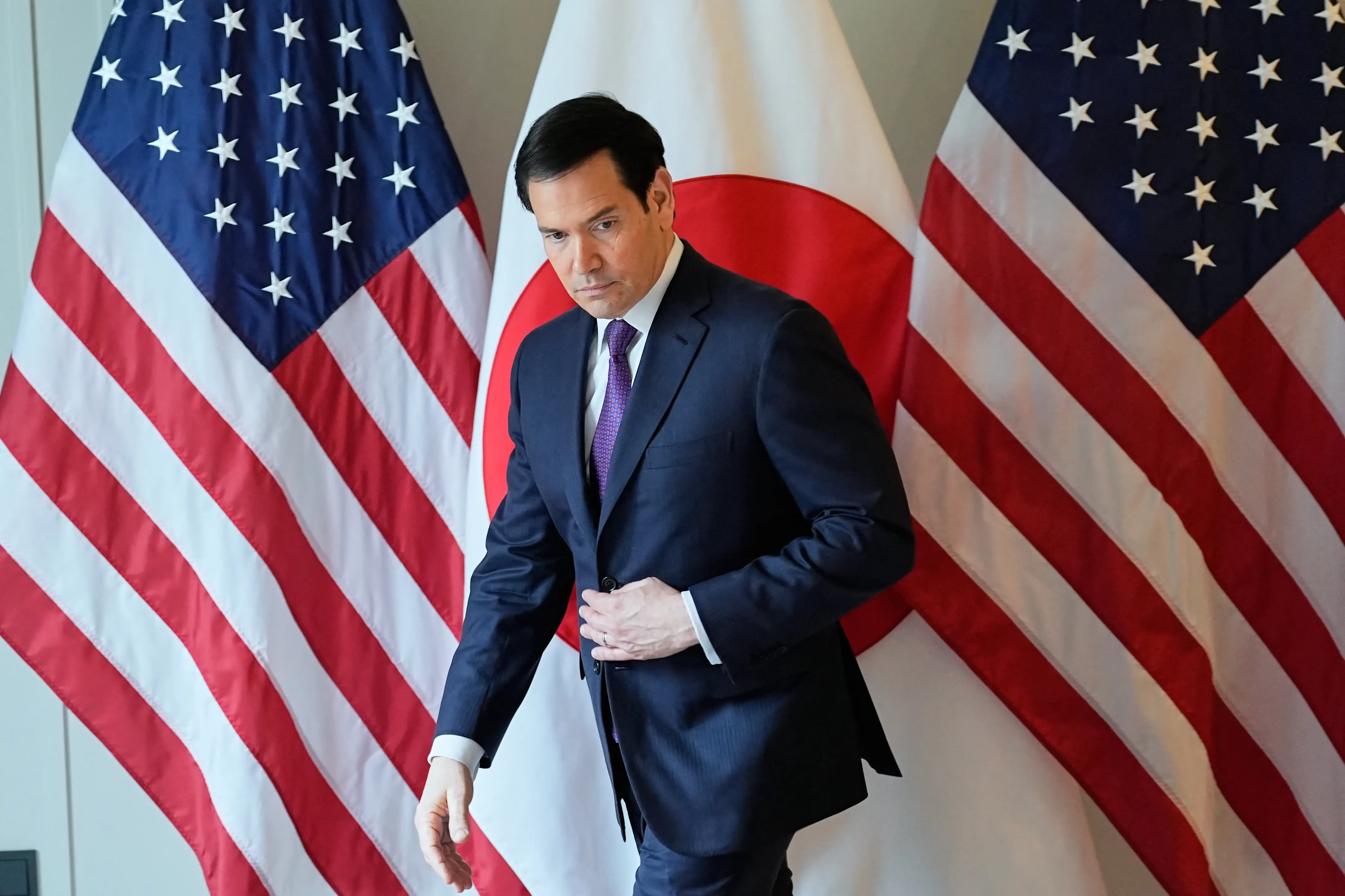
The dispute extends beyond bilateral relations. The outcome of the negotiations carries implications for regional security, global energy markets and non-proliferation efforts. US Secretary of State Marco Rubio said on Saturday local time that Trump preferred reaching an agreement but acknowledged that it was 'very hard to do' a deal with Iran, Reuters reported.
A Negotiation at a Critical Juncture
Iran’s offer of conditional compromise suggests that diplomatic channels remain open but highly constrained. This comes amid US' announcement of sending second nuclear-powered aircraft carrier in Middle East. Iran and the United States will hold a second round of talks next week, the Swiss Foreign Ministry said, as reported by Associated Press. Oman, which hosted indirect discussions on February 6, will facilitate the next meeting in Geneva, though exact dates remain unconfirmed.
)
)
)
)
)