'Baking Sun': Why extreme heat makes the USS Abraham Lincoln rust much faster at sea

Extreme ocean heat and rapid seawater evaporation leave corrosive salt deposits on USS Abraham Lincoln. Combined with night dew, these elements aggressively break down paint and accelerate steel rust.
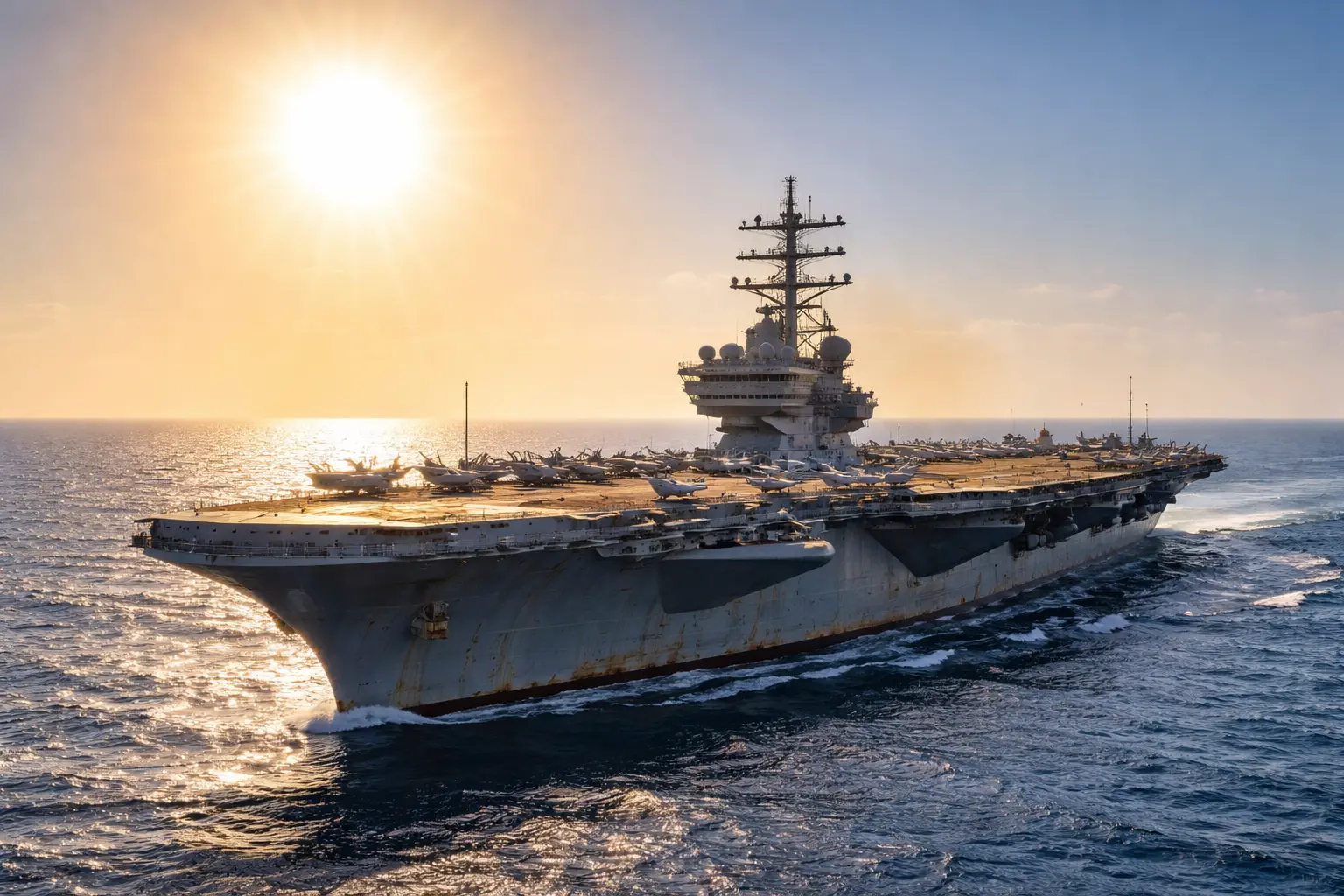
100,000-Tonne Carrier Faces Heat
High temperatures significantly accelerate the chemical reaction of oxidation. When the scorching sun beats down on the steel hull of the aircraft carrier, the metal heats up rapidly. This extreme heat causes oxygen and moisture to react with the steel at a much faster rate.
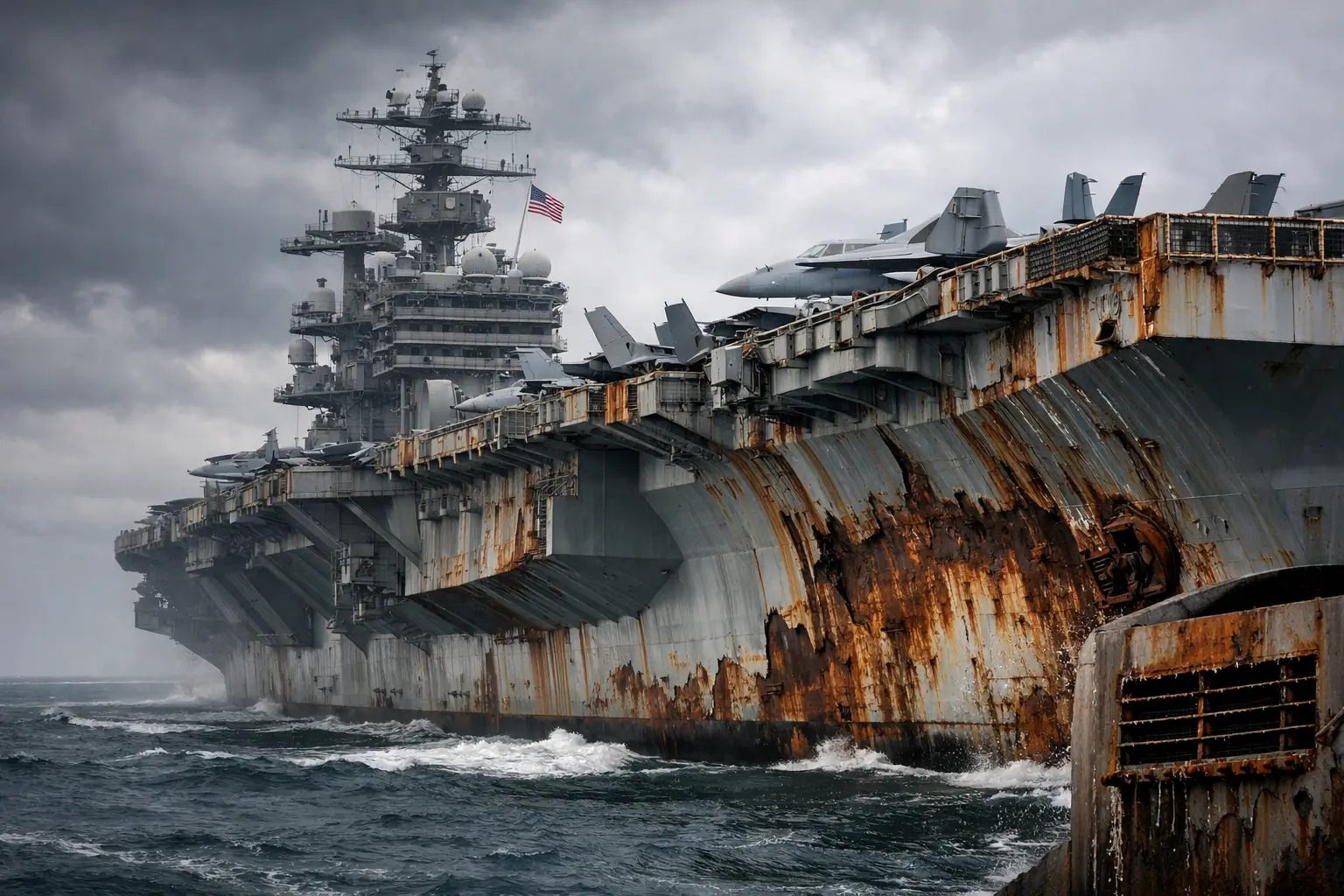
3.5 Per Cent Salt Worsens Rust
Seawater naturally contains about 3.5 per cent dissolved salts. This water evaporates rapidly under the baking sun, leaving behind a fine layer of tiny salt crystals on the ship. These highly aggressive chloride ions fiercely attack the ship's protective coatings.
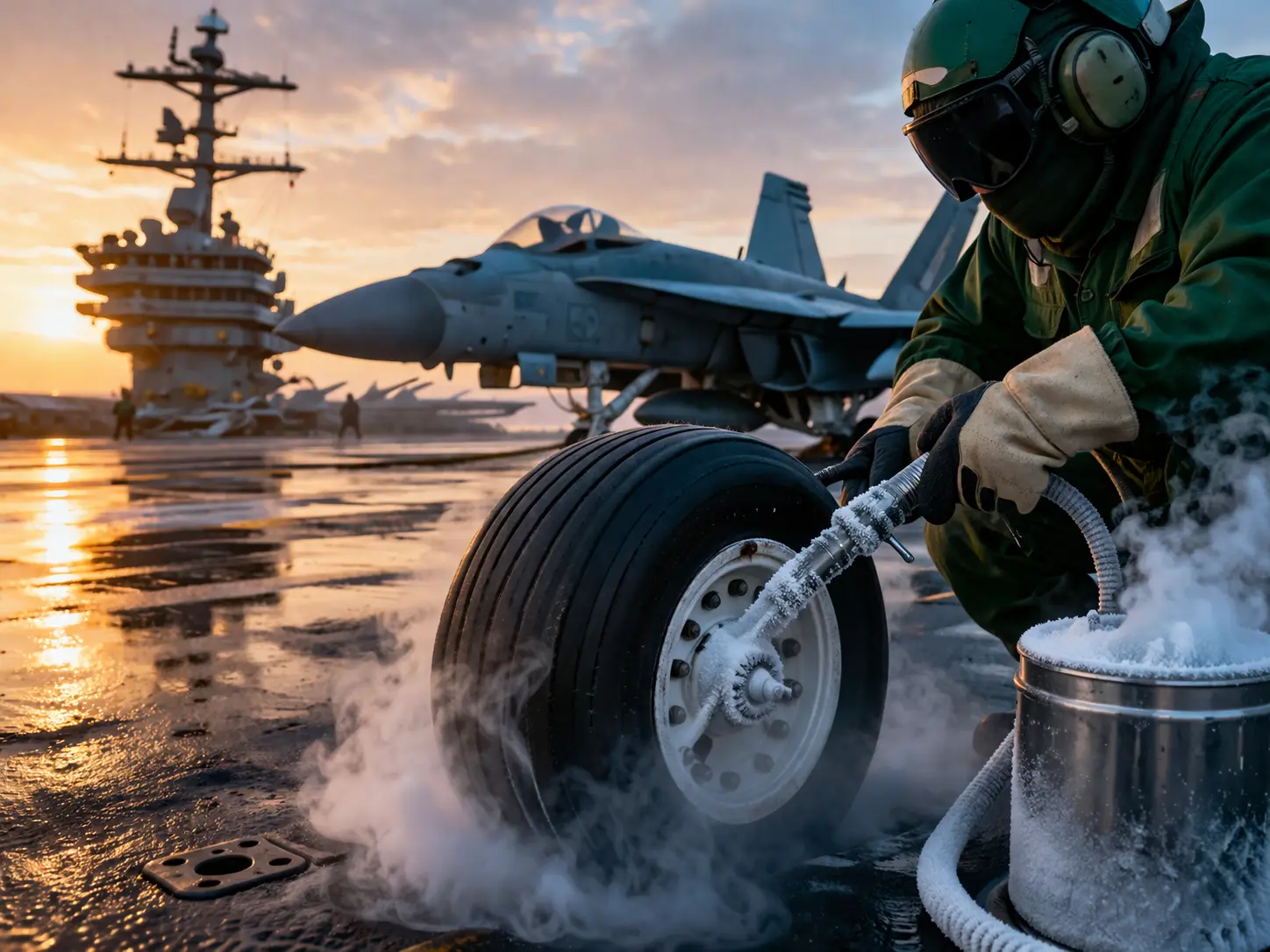
10-Degree Rise Doubles Decay
Scientific principles show that chemical reactions can double in speed with a 10-degree Celsius temperature rise. The massive 332.8-metre flight deck absorbs massive amounts of heat during the day. This trapped thermal energy turns the deck into a perfect environment for rapid degradation.
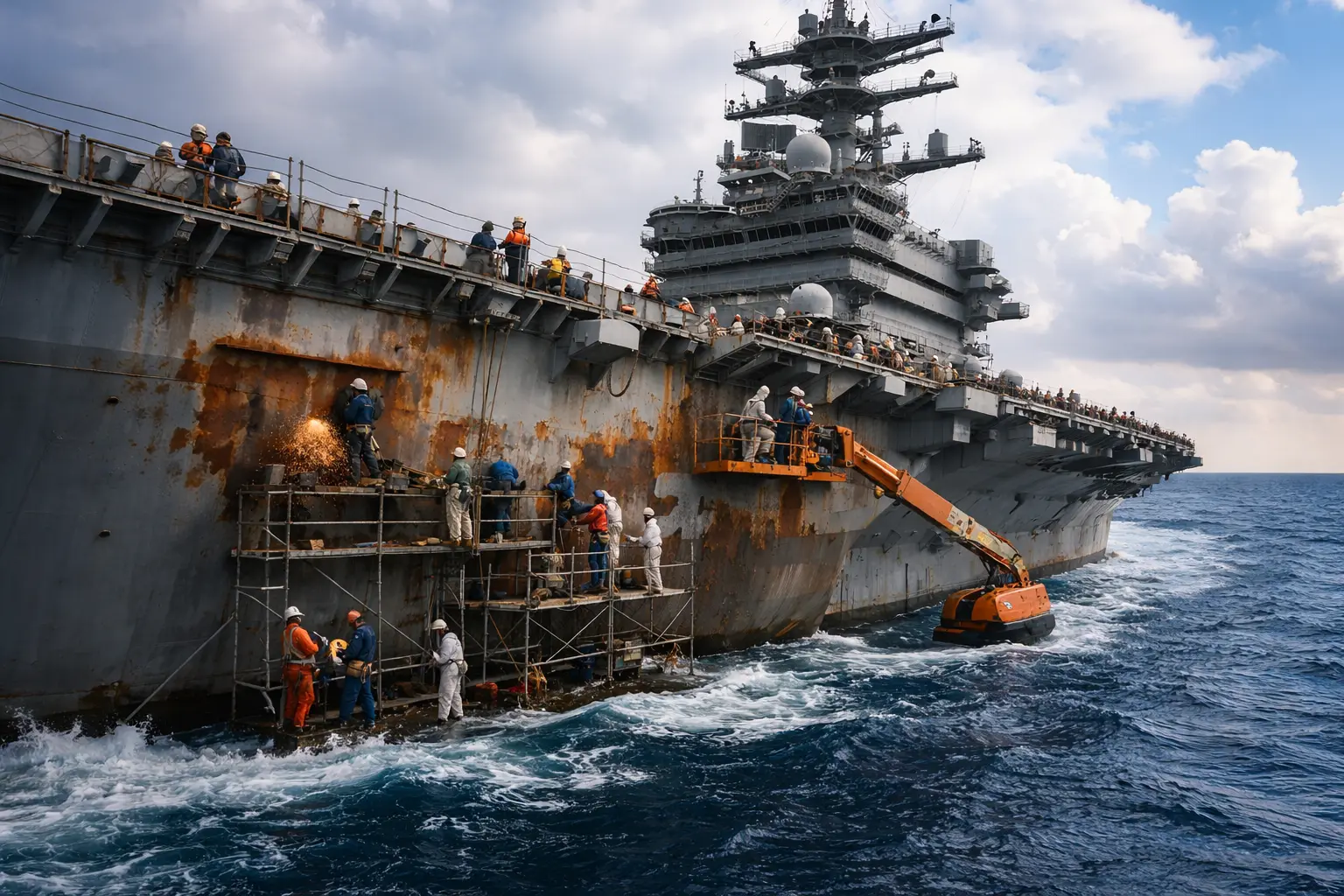
24-Hour Cycle Drives Corrosion
During the night, ocean humidity turns into dew, which settles heavily over the entire main deck. This fresh moisture mixes instantly with the salt particles left by the daytime sun. The resulting salt-laden liquid creates an incredibly corrosive layer on the exposed metal.
Heat Blisters Protective Paint
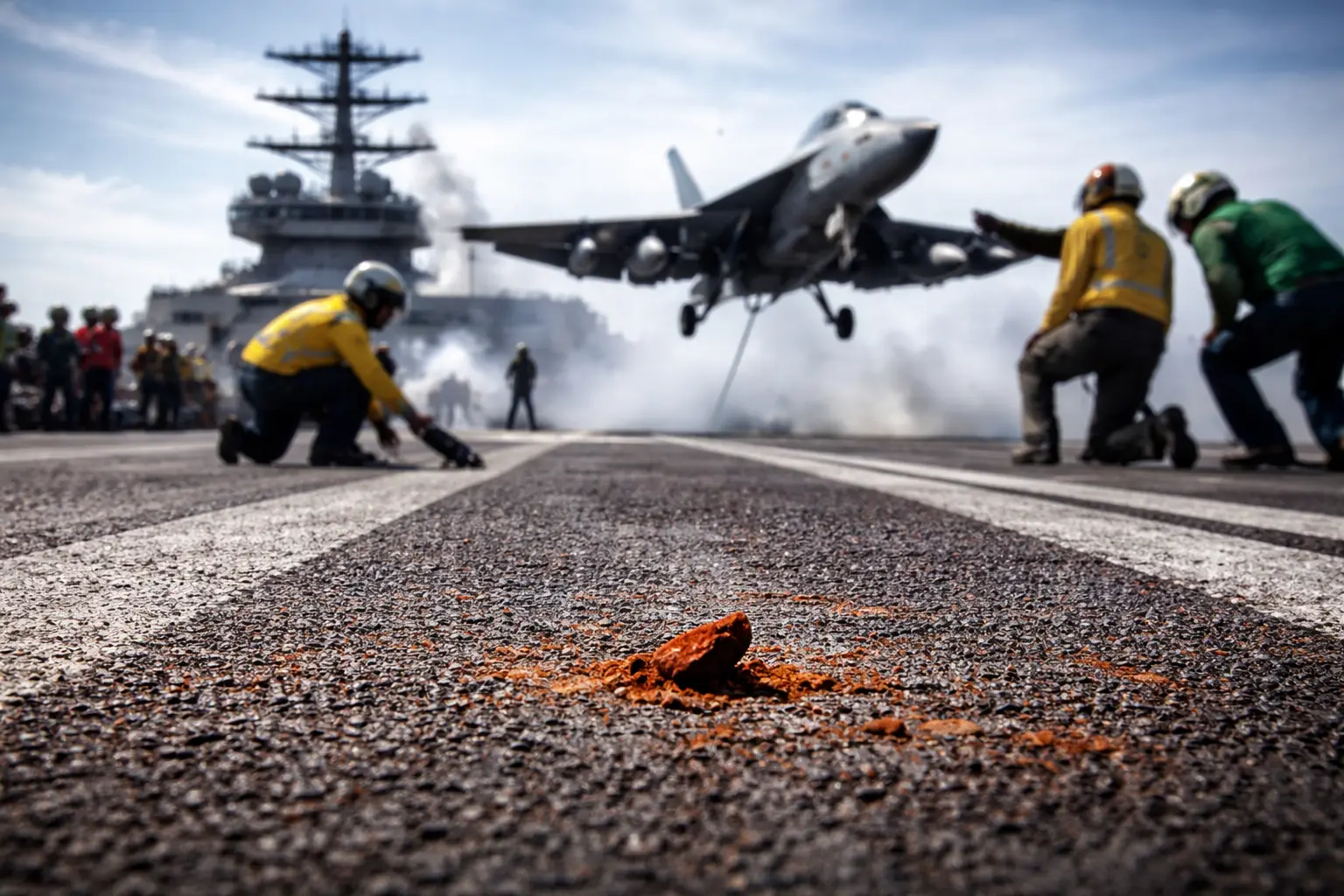
The intense ultraviolet rays from the sun cause the heavy-duty marine paint on the USS Abraham Lincoln to degrade and blister over time. Once this protective barrier cracks, the salty air easily reaches the bare steel underneath. This exposure immediately triggers the rusting process.
Constant Flow Stresses Tanks
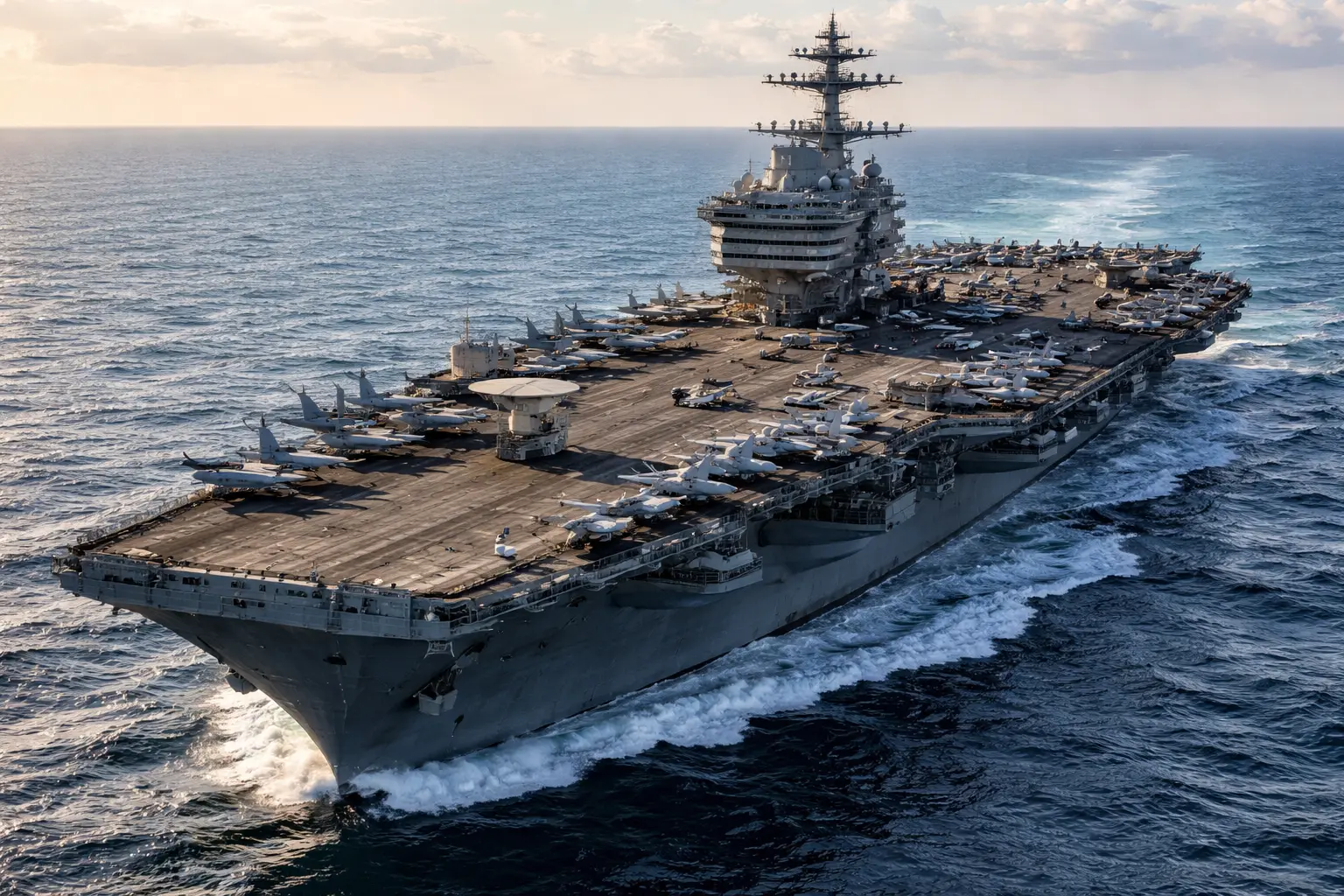
The ship's massive ballast tanks constantly pump seawater in and out to maintain structural stability. The fluctuating temperatures of the internal water and the baking external heat create severe stress. This combination dramatically increases the rate of internal rust inside the tanks.
Crew Fights Rust 24/7
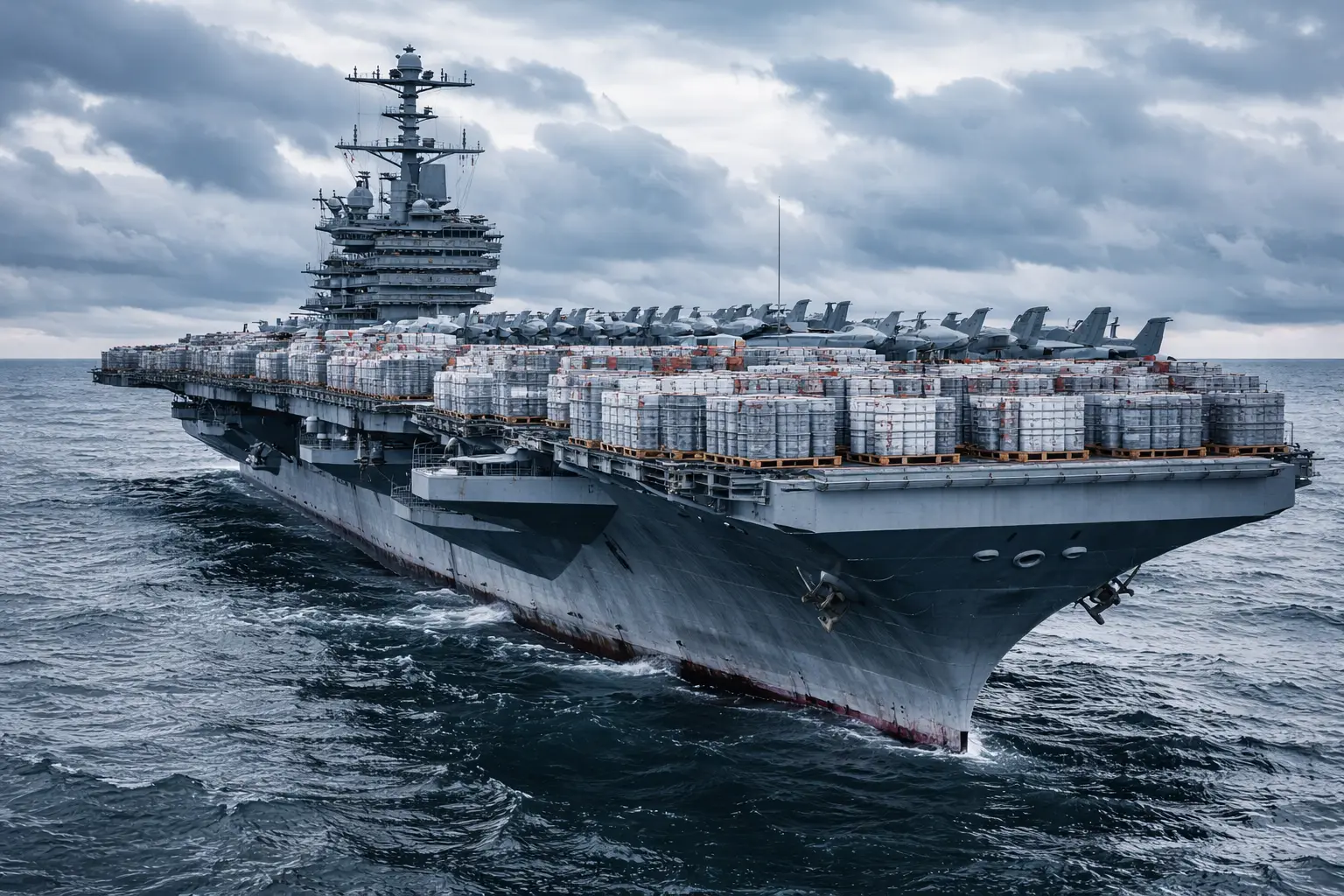
Battling these harsh ocean elements is a continuous, difficult task for the deployed crew. Sailors must frequently scrape away rust and apply fresh paint to protect the warship's structural integrity. It remains an ongoing, expensive fight against the unforgiving forces of nature.
)
)
)
)
)