‘Bad weather operations’: How USS Abraham Lincoln launches jets in extreme conditions

The USS Abraham Lincoln launches jets in bad weather by steering into the wind and using powerful steam catapults. Advanced radar, non-skid decks, and the Instrument Carrier Landing System guide pilots safely through heavy rain and low visibility.
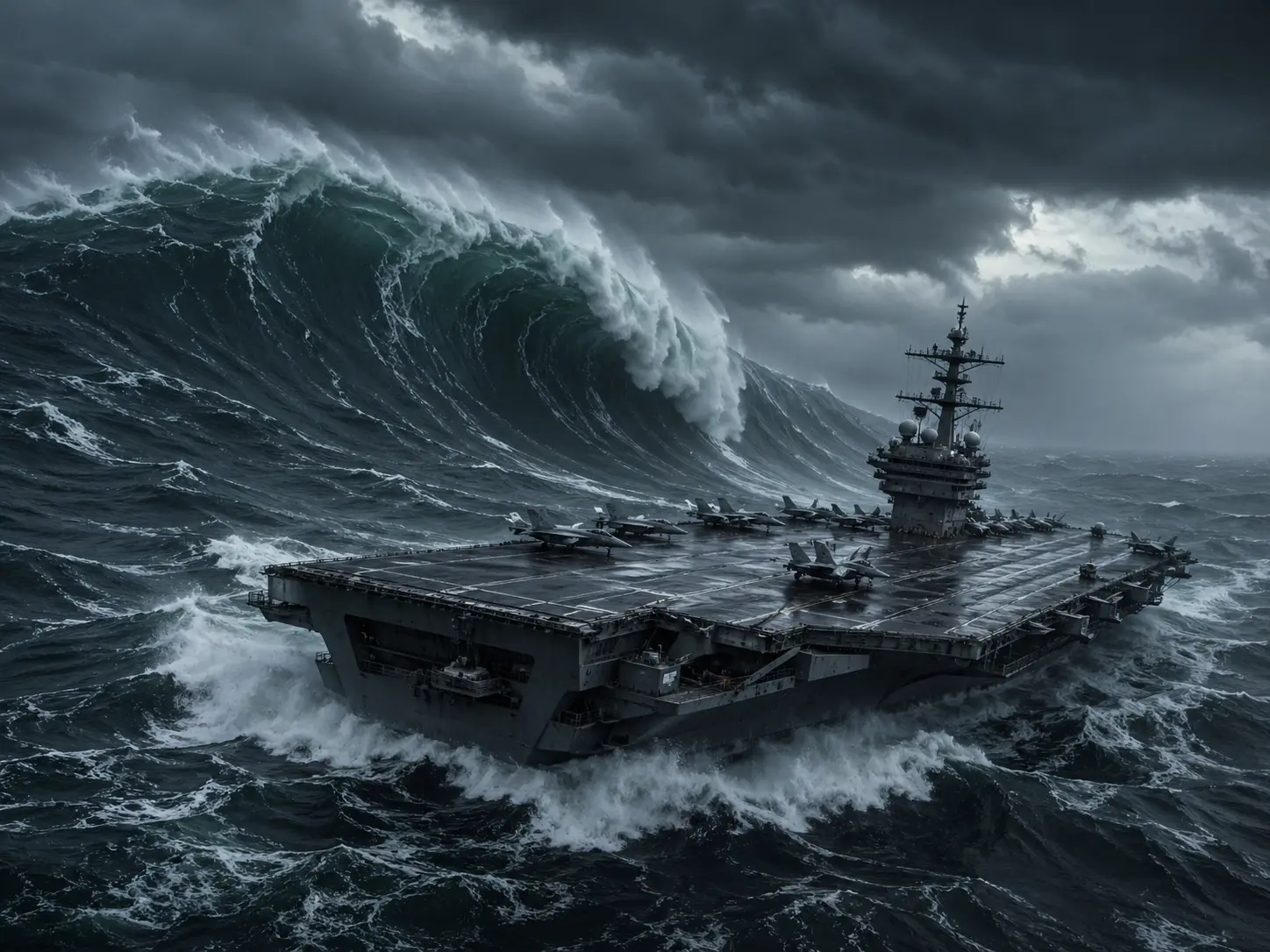
Creating wind over the deck
To counteract severe weather and dangerous crosswinds, the USS Abraham Lincoln steers directly into the wind at high speeds. This generates vital 'wind over deck', providing the extra lift needed for a safe takeoff.
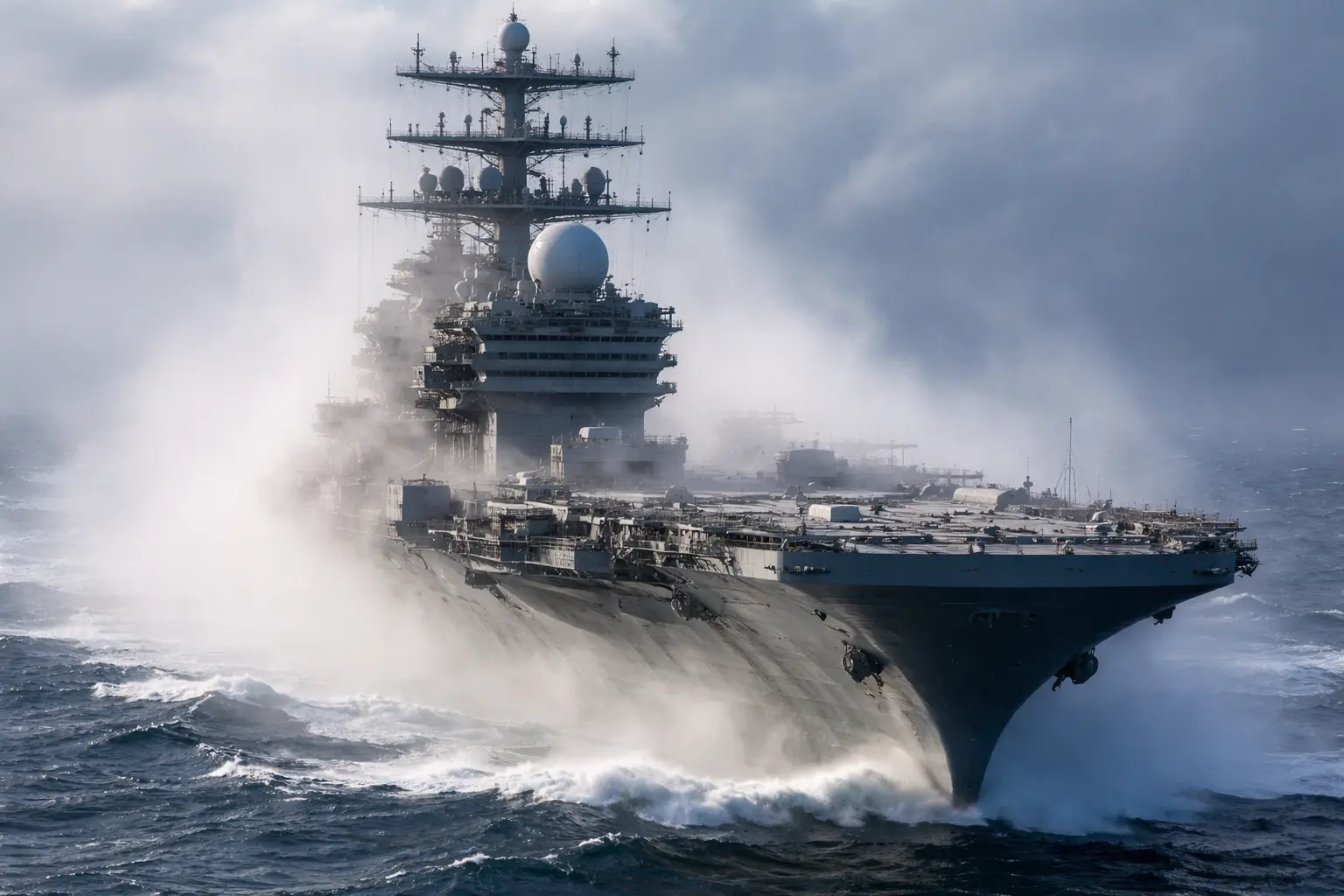
Bypassing slippery runways
Heavy rain makes the flight deck incredibly slick. To overcome this, the carrier uses four steam catapults that physically pull the 20,000-kilogramme jets to 265 km/h, removing the need for wheel traction.
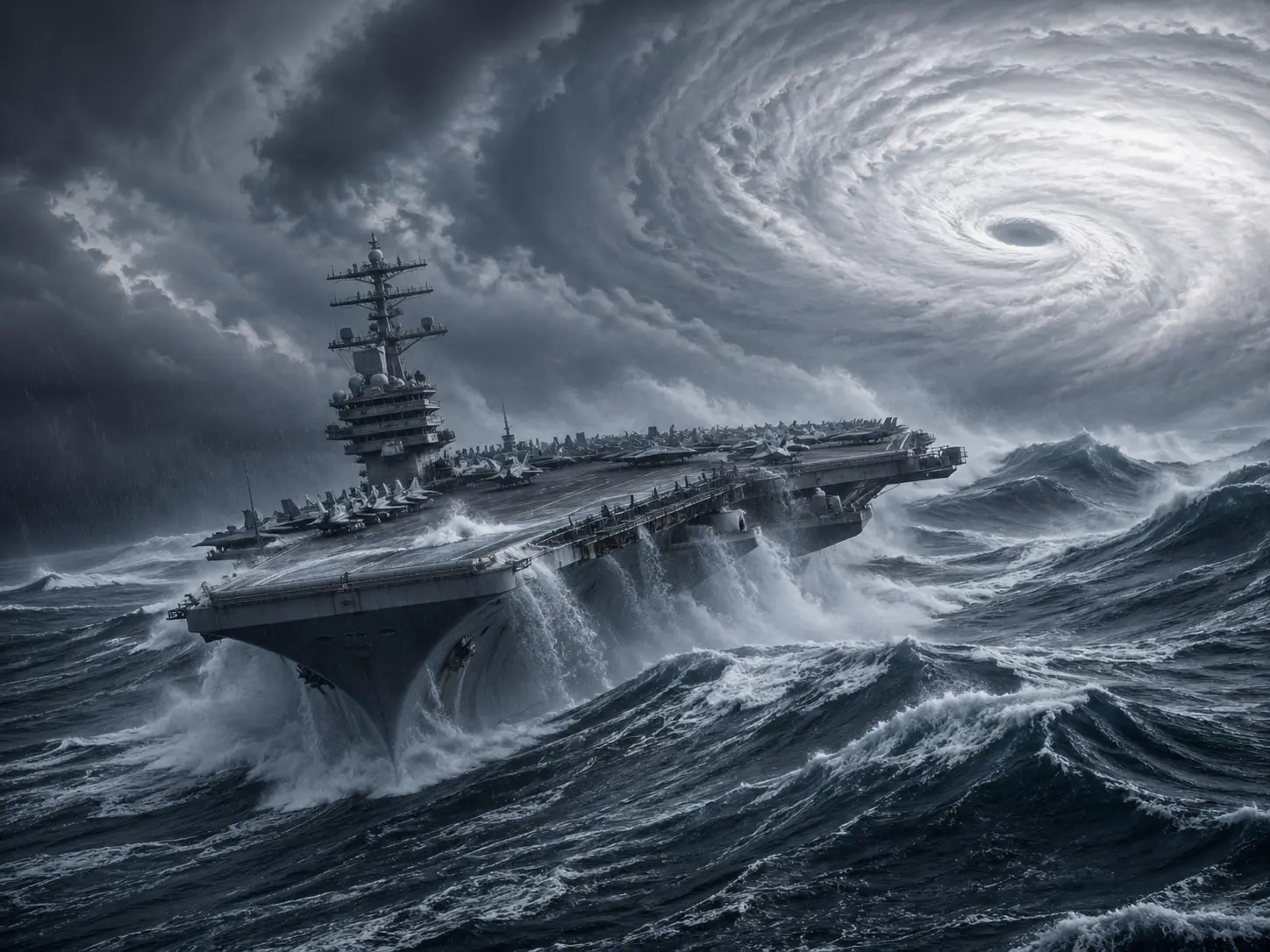
Preventing dangerous slides
The entire 4.5-acre flight deck is covered in a highly abrasive, heavy-duty non-skid coating. This rough surface is crucial for preventing aircraft and crew from sliding into the ocean during severe storms.
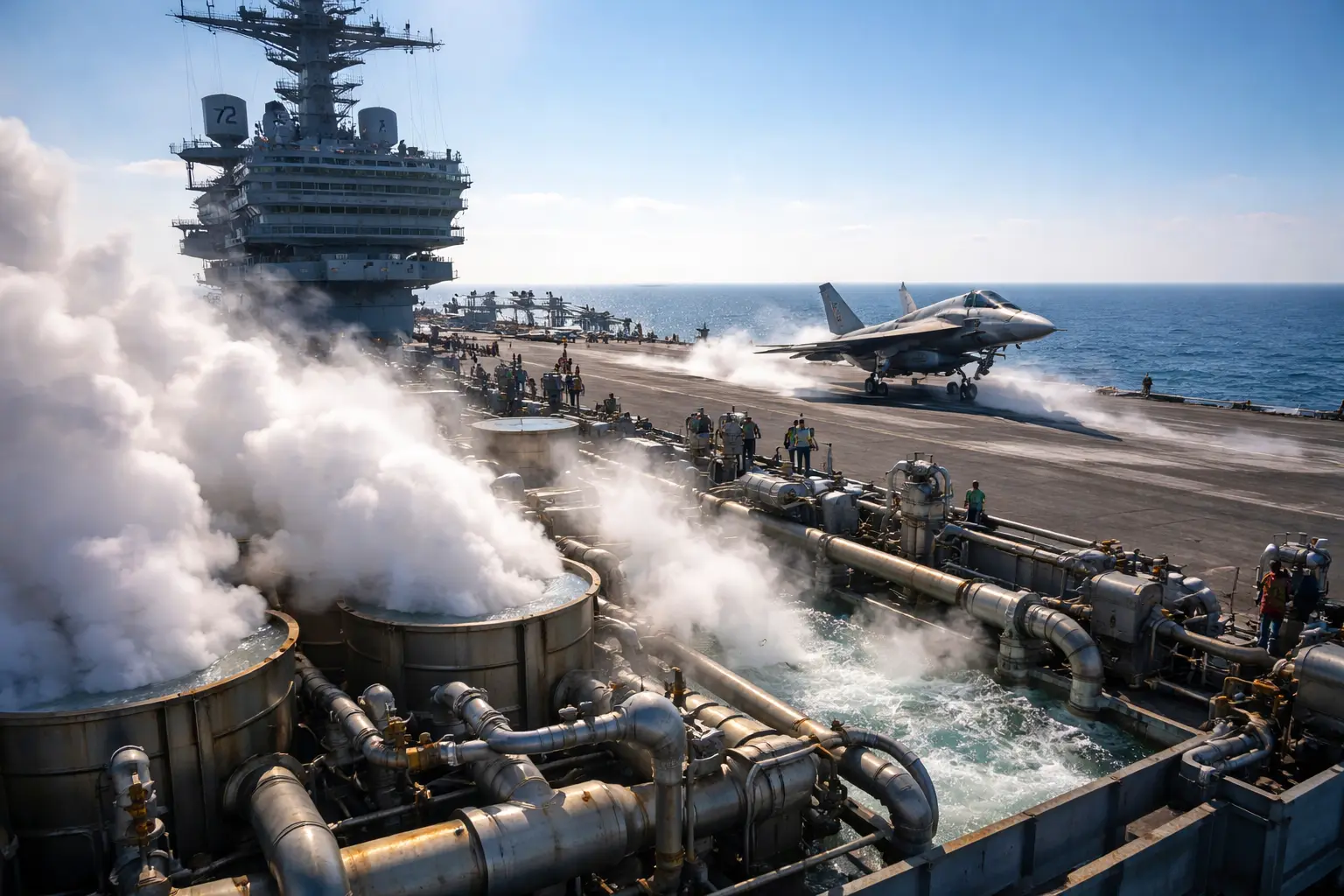
Flying in zero visibility
When heavy fog or storms drop visibility below 1,000 feet, the carrier initiates 'Case III' operations. This protocol requires strict radio silence and relies entirely on instruments to guide the aircraft.
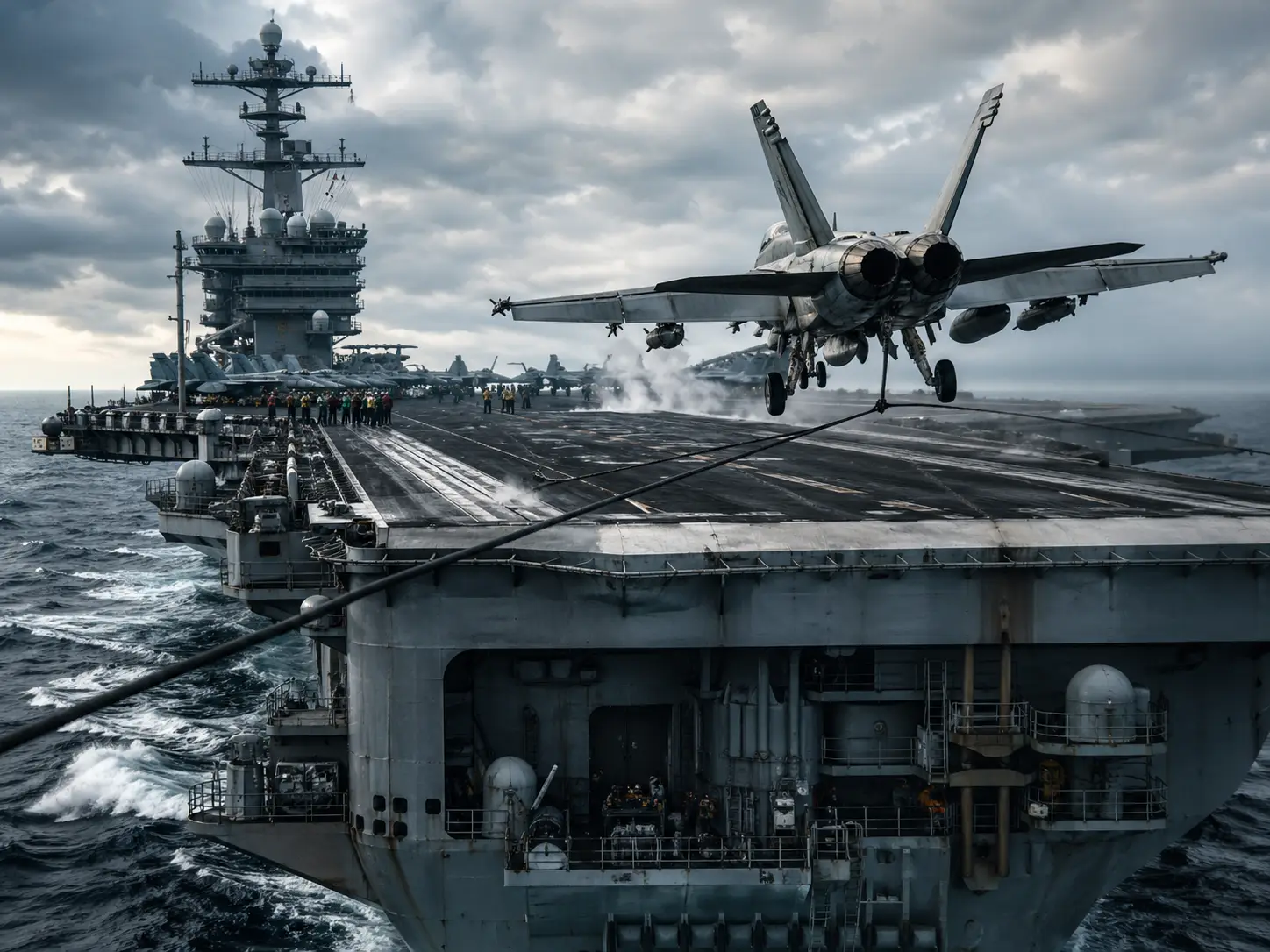
Radar-guided precision
Navy pilots use the Instrument Carrier Landing System (ICLS) to navigate through blinding rain. This system beams a precise glideslope directly to the jet's cockpit, ensuring a safe approach path.
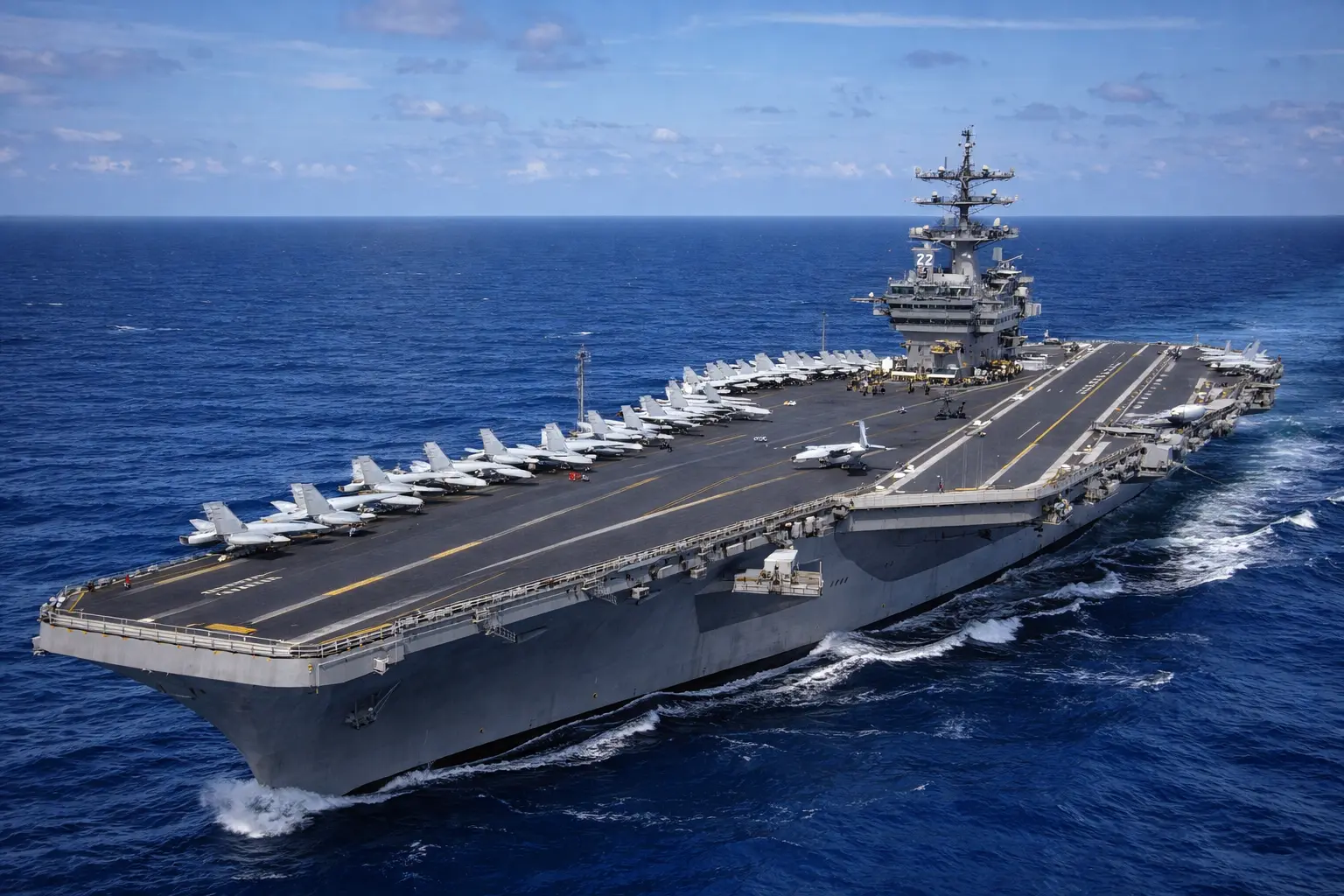
Letting the ship take control
In the absolute worst conditions, the Automatic Carrier Landing System (ACLS) can be engaged. This system links the ship's computers directly to the jet, essentially flying the aircraft down to the deck automatically.
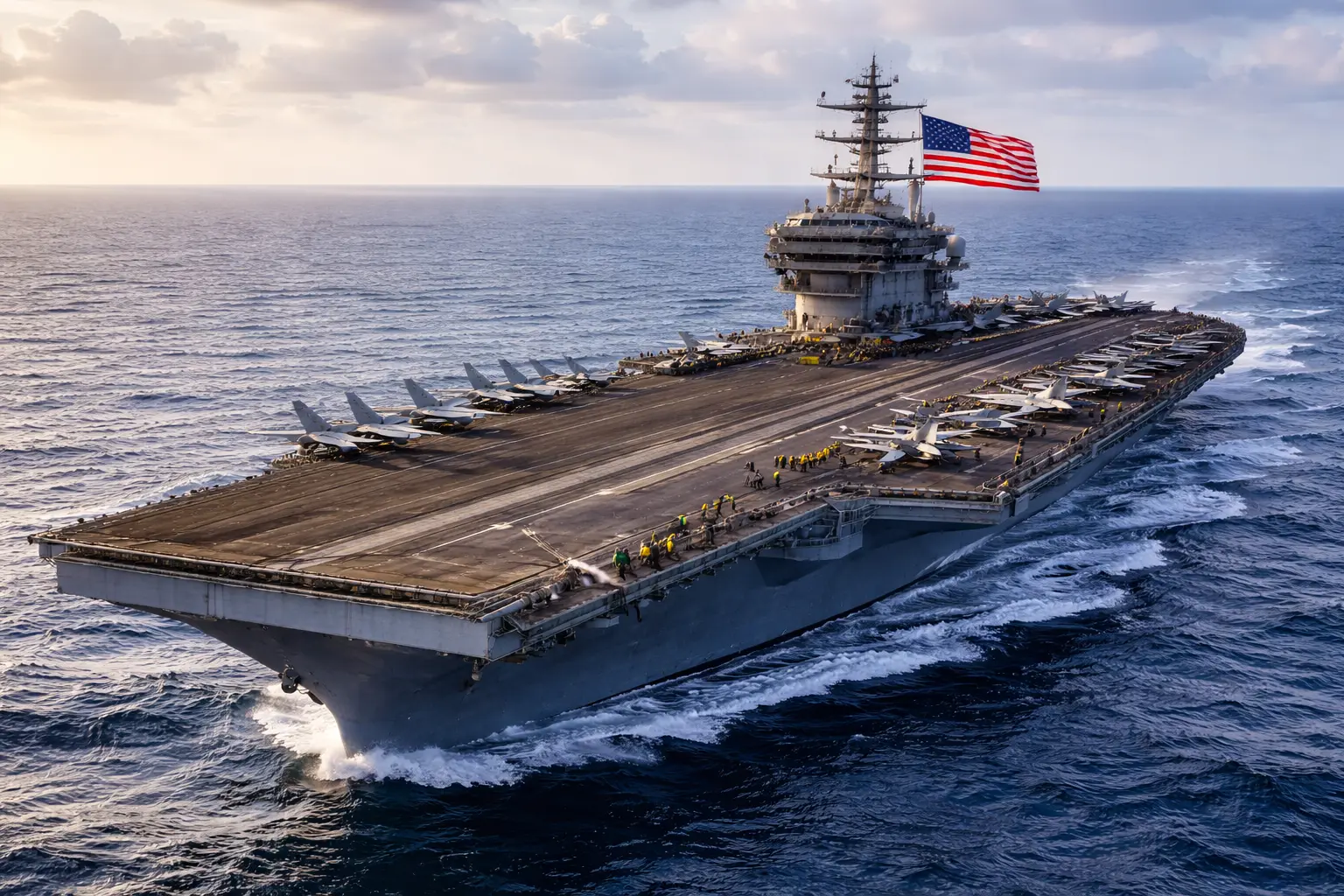
Tracking the storm's path
The ship employs dedicated meteorologists who constantly monitor sea states using advanced radar. They calculate pitch and roll limits to ensure launches only happen during safe windows in the storm.
)
)
)
)
)