'B‑52 bombers fly over Iran': How US’ veteran bomber remains indispensable next to B‑1 and B‑2

The B‑52’s avionics, targeting systems, and weapons bays have been continuously modernised, allowing it to remain compatible with new munitions.
Historic Overland Deployment
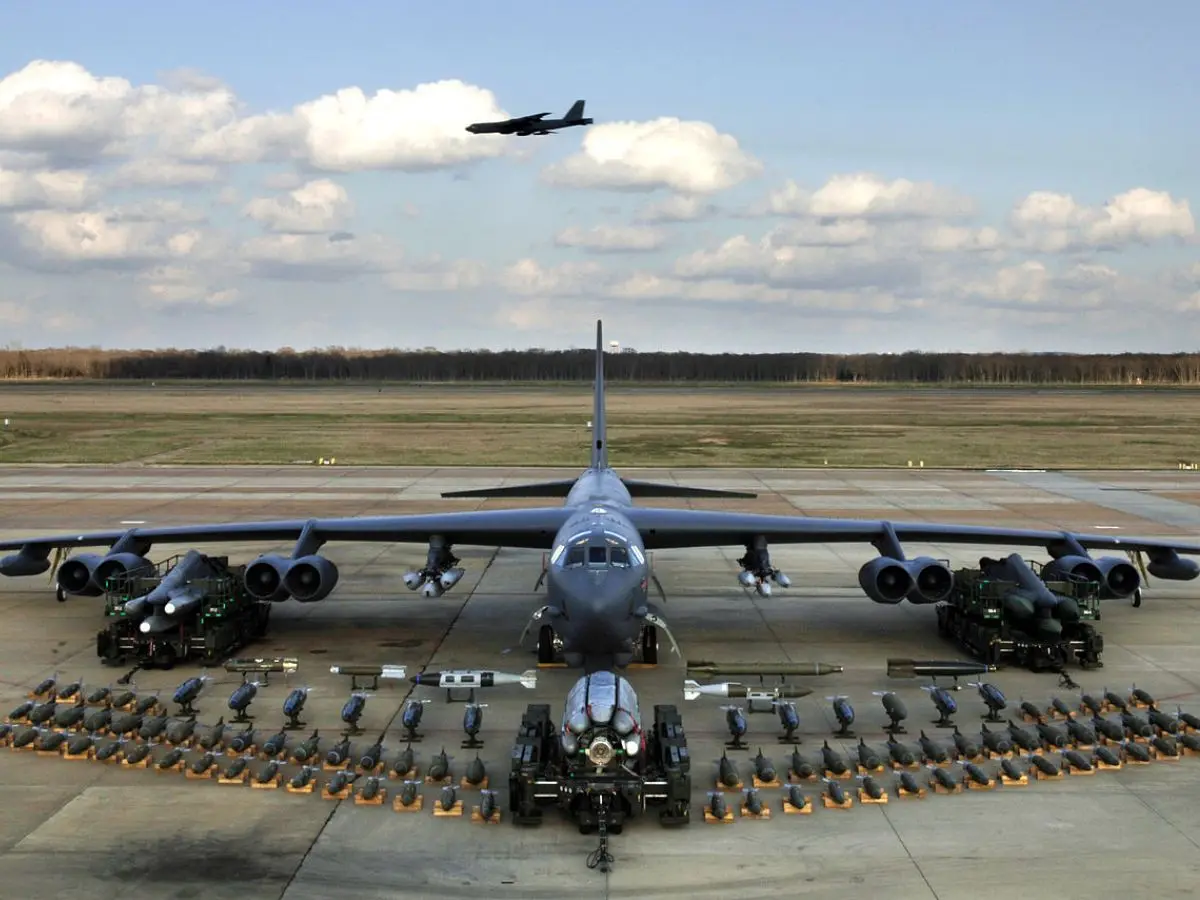
The United States has deployed B‑52 Stratofortress bombers over Iran for the first time during Operation Epic Fury. Speaking at a Pentagon briefing, Gen. Dan Caine, Chairman of the Joint Chiefs of Staff, said, “Given the increase in air superiority, we've successfully started to conduct the first overland B‑52 missions, which allow us to continue to get on top of the enemy.”
Cost and Availability
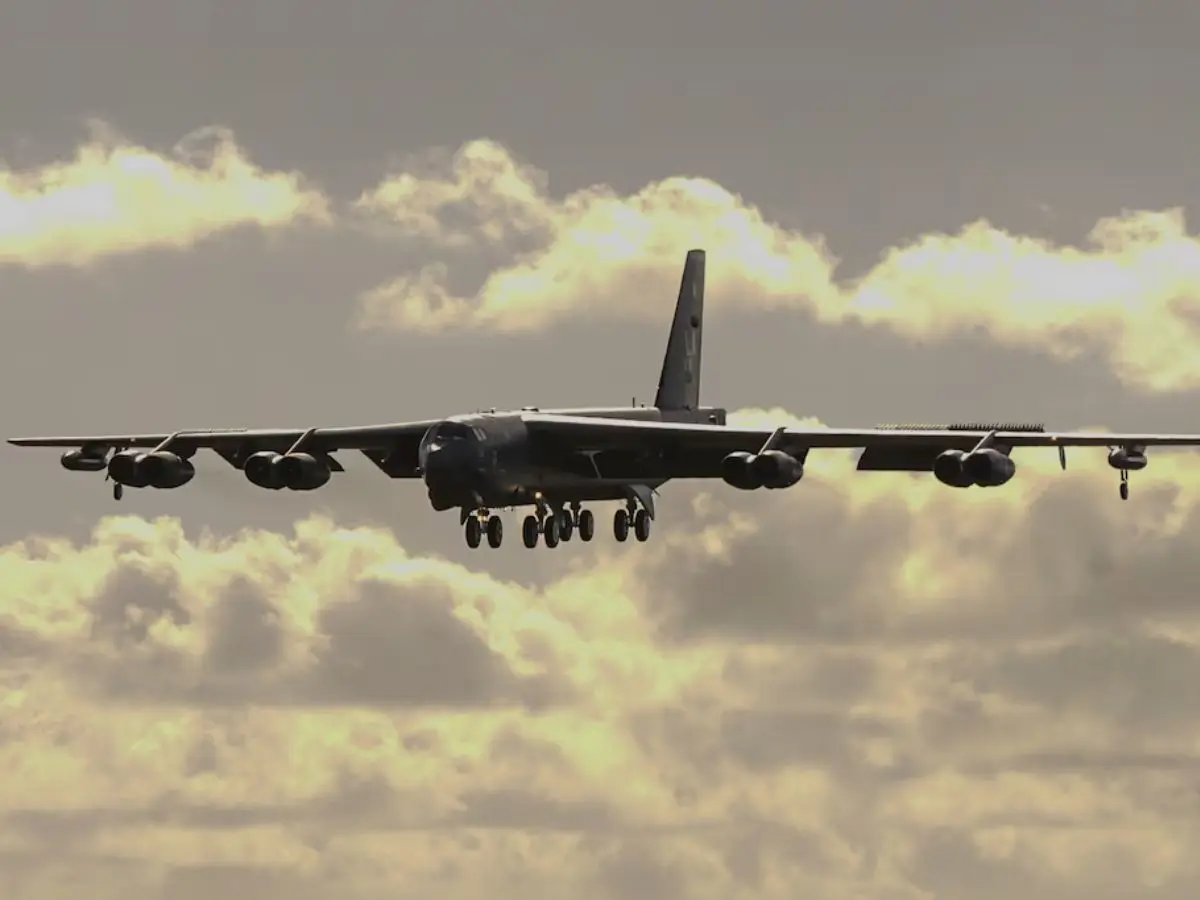
The B‑52’s avionics, targeting systems, and weapons bays have been continuously modernised, allowing it to remain compatible with new munitions. Operating a B‑52 is significantly cheaper per flight hour than the B‑2. With more than 70 B‑52s in active service, the bomber is readily available for repeated sorties, making it more practical for large-scale campaigns where stealth is not required.
Payload and Endurance
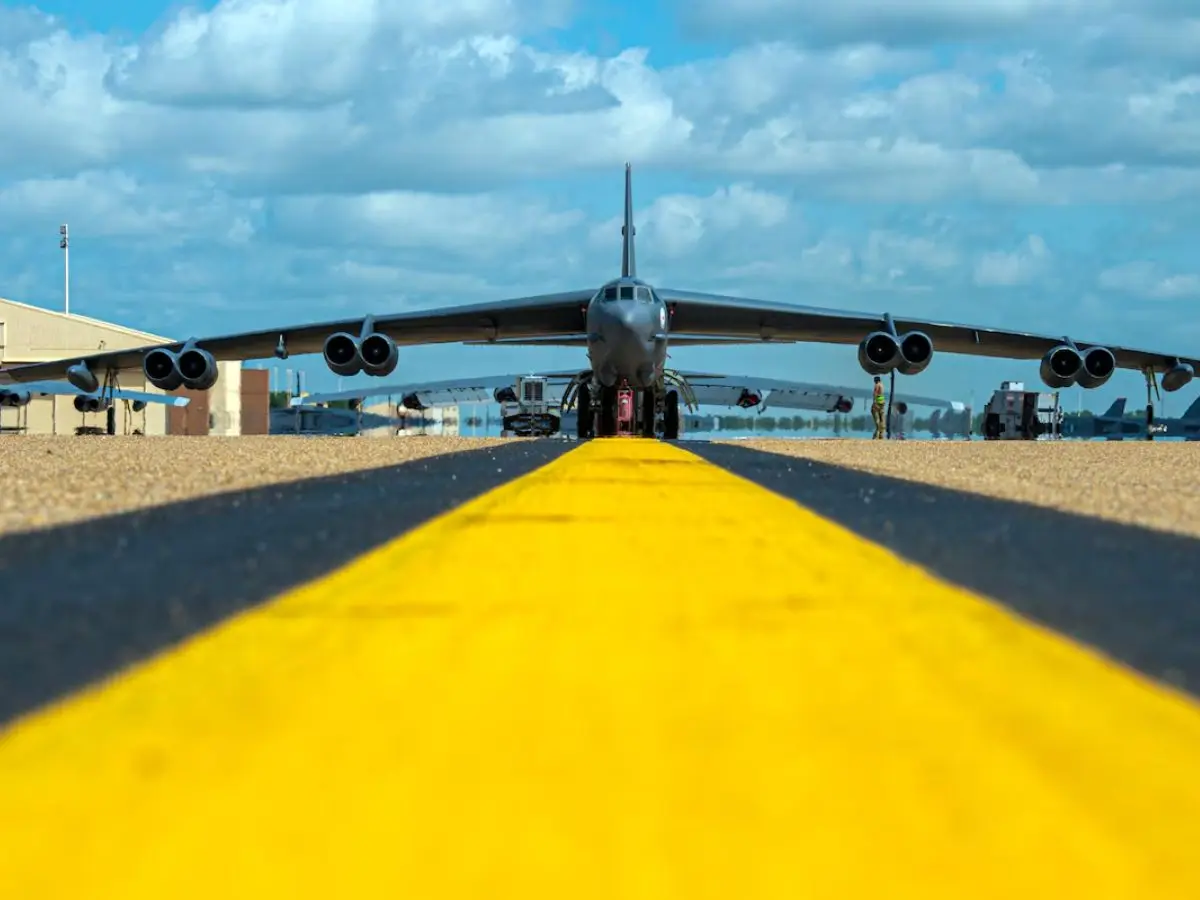
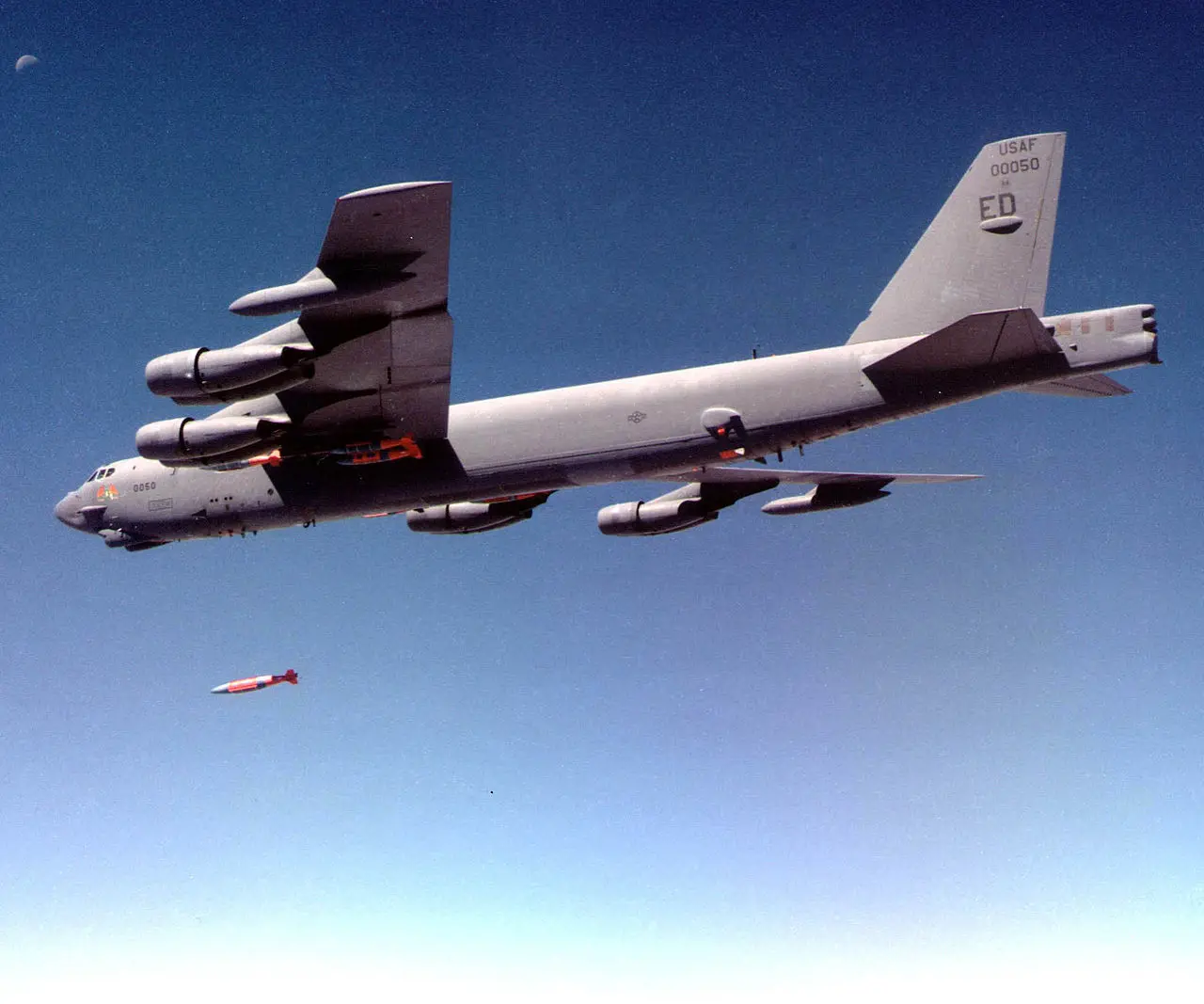
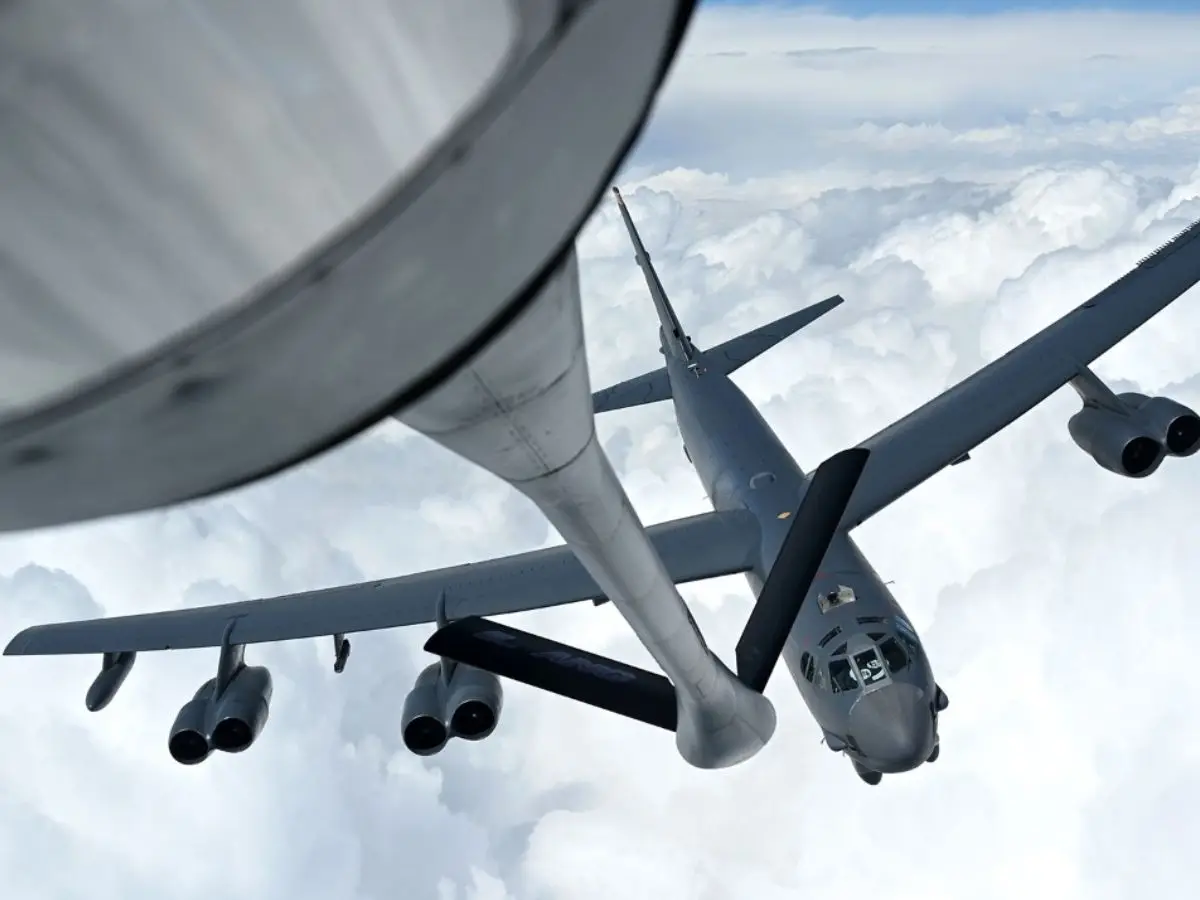
The B‑52 can carry up to 70,000 pounds of ordnance, including cruise missiles, gravity bombs, and precision-guided munitions. Its fuel capacity of 312,197 pounds allows it to operate over 8,800 miles, with aerial refuelling extending its endurance. Eight Pratt & Whitney TF33 engines provide the thrust for sustained high-subsonic flight over long distances.
Versatile Combat Roles
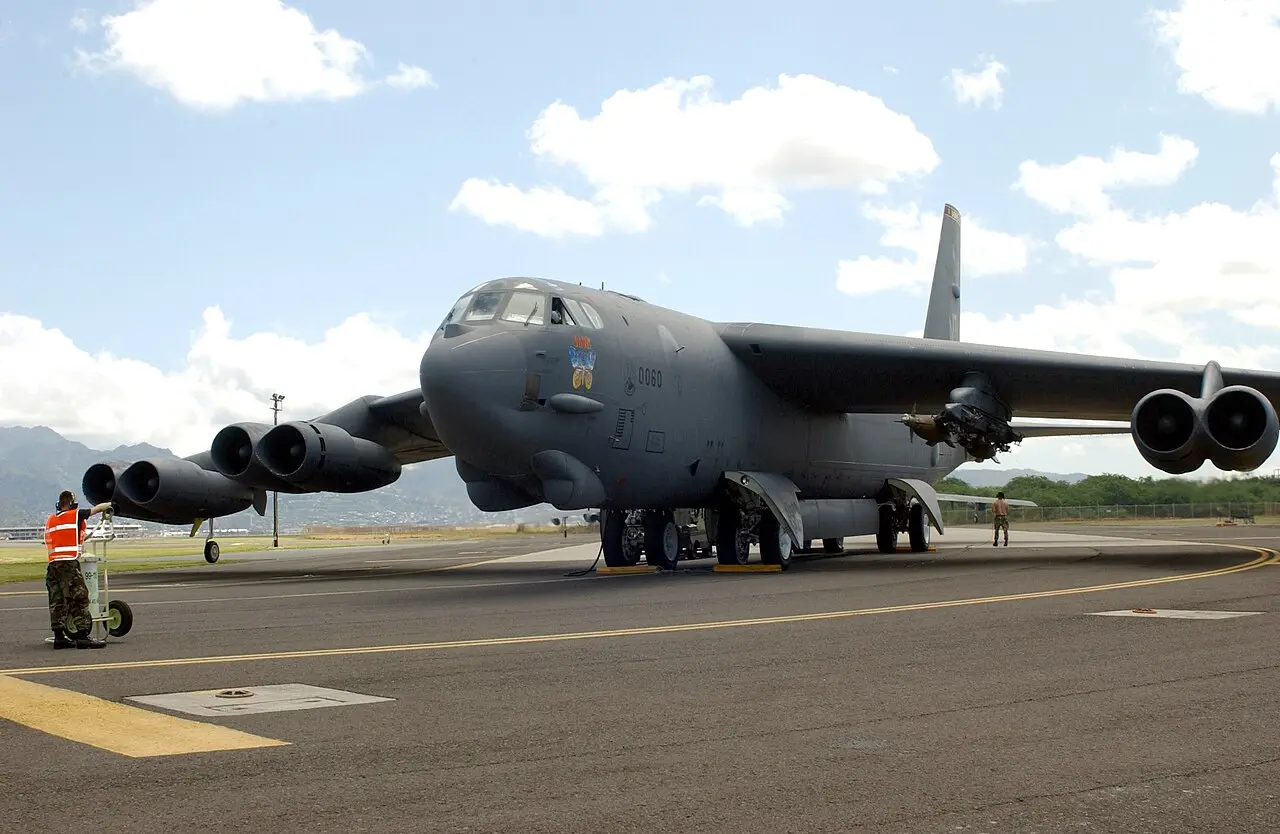
The B‑52 performs strategic attacks, close-air support, air interdiction, offensive counter-air, and maritime operations. Advanced targeting pods and electro-optical sensors enhance combat effectiveness in all weather and during night operations.
Complementary Role in Strategy
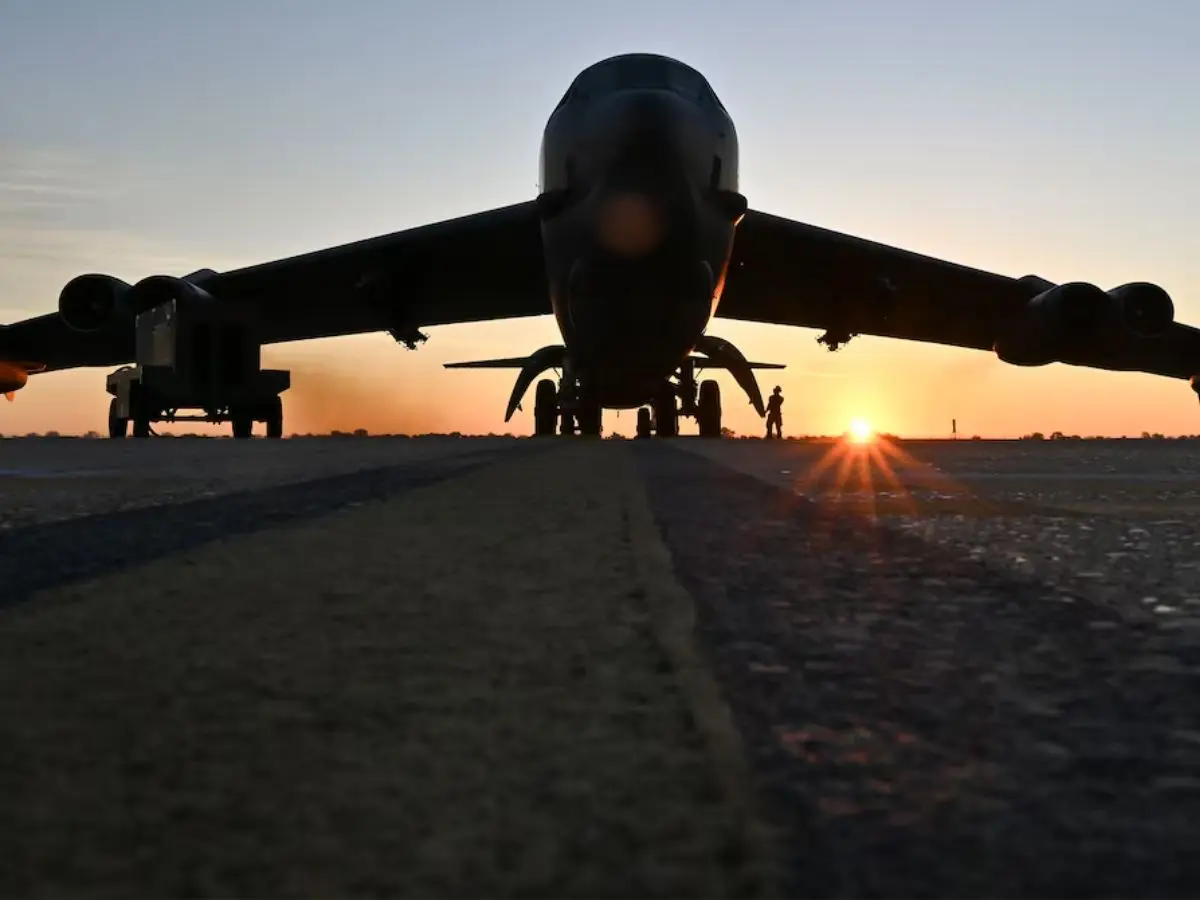
The three bombers serve different strategic purposes. The B‑2 excels in stealth missions against high-threat targets, the B‑1 provides fast, heavy conventional strikes, and the B‑52 delivers endurance, payload flexibility, and cost efficiency. Together, they offer a full spectrum of airstrike capabilities.
High-Altitude and Dual-Role Capability
The bomber can fly at altitudes up to 50,000 feet and retain nuclear and conventional strike capabilities. Its dual-role design ensures the B‑52 remains a core element of US long-range deterrence, capable of striking high-value targets deep within enemy territory.
Enduring Strategic Relevance
Despite its 75-year service history, the B‑52 remains indispensable. Its combination of payload, range, adaptability, and cost-effectiveness complements the B‑1’s speed and the B‑2’s stealth, providing the US with a full spectrum of strategic air power that will remain in service through 2050.
)
)
)
)
)