'B-1 bombers over Iran': What are they and how did they penetrate Iranian airspace to strike ballistic missile targets?

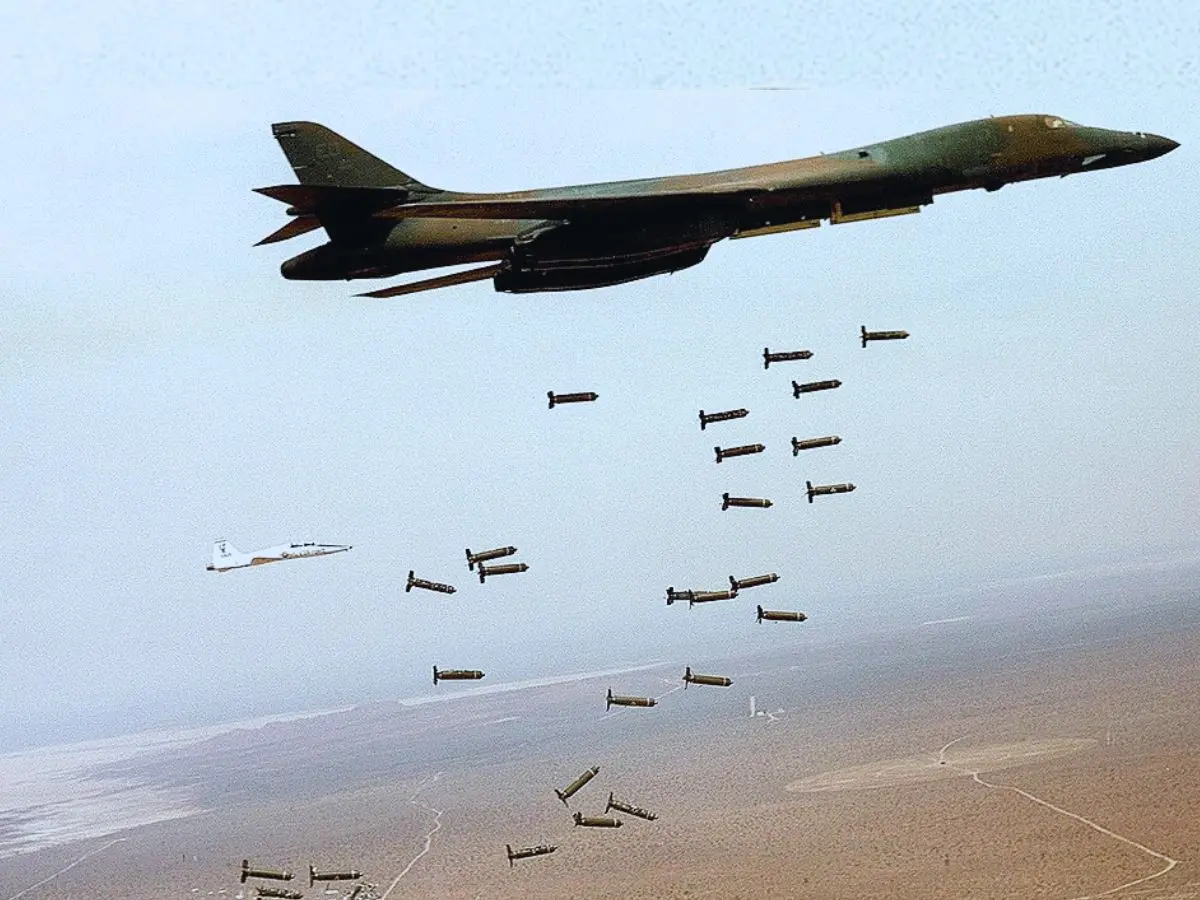
The US Air Force used its B-1B Lancer bombers to conduct long-range strikes deep inside Iranian territory, targeting ballistic missile capabilities.
A Long-Range Strike Confirmed
“Last night, US B-1 bombers struck deep inside Iran to degrade Iranian ballistic missile capabilities,” United States Central Command said in a statement posted on X, confirming a significant expansion of American military action. The strikes, conducted under Operation Epic Fury, targeted what officials described as Iran’s missile infrastructure. US President Donald Trump underscored the objective, stating: “We’re going to destroy their missiles and raze their missile industry to the ground.”
can Iran sustain a prolonged war?
The action follows joint US-Israeli air strikes launched on Saturday, marking a shift into direct military hostilities. Since operations began, the US military has said it has struck more than 1,250 targets across Iran. In a separate statement, US Central Command said it had struck and destroyed 11 Iranian ships in the Gulf of Oman. Trump has indicated that operations could last four to five weeks.
What Is the B-1B Lancer?
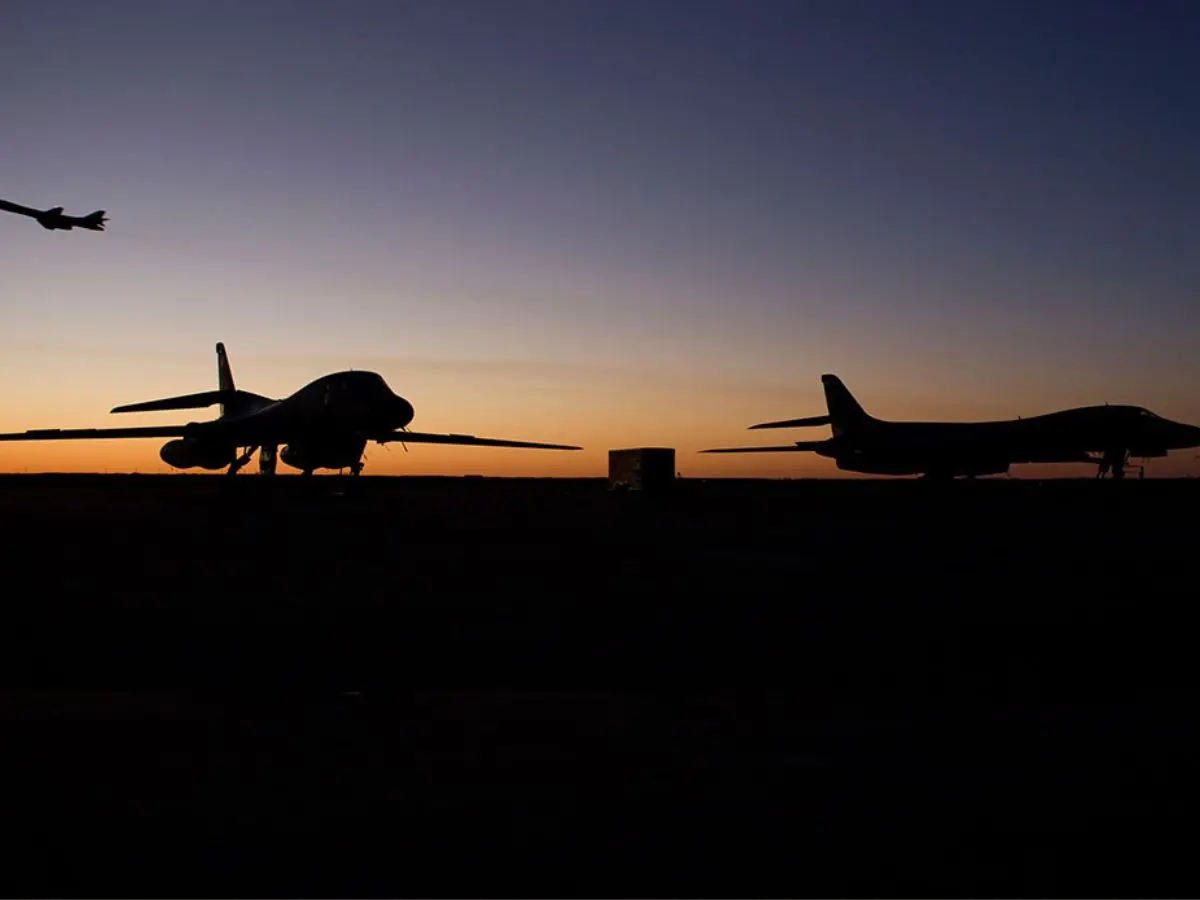
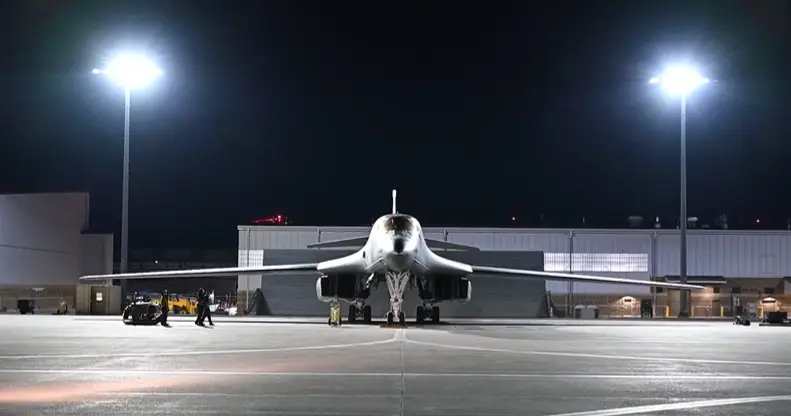
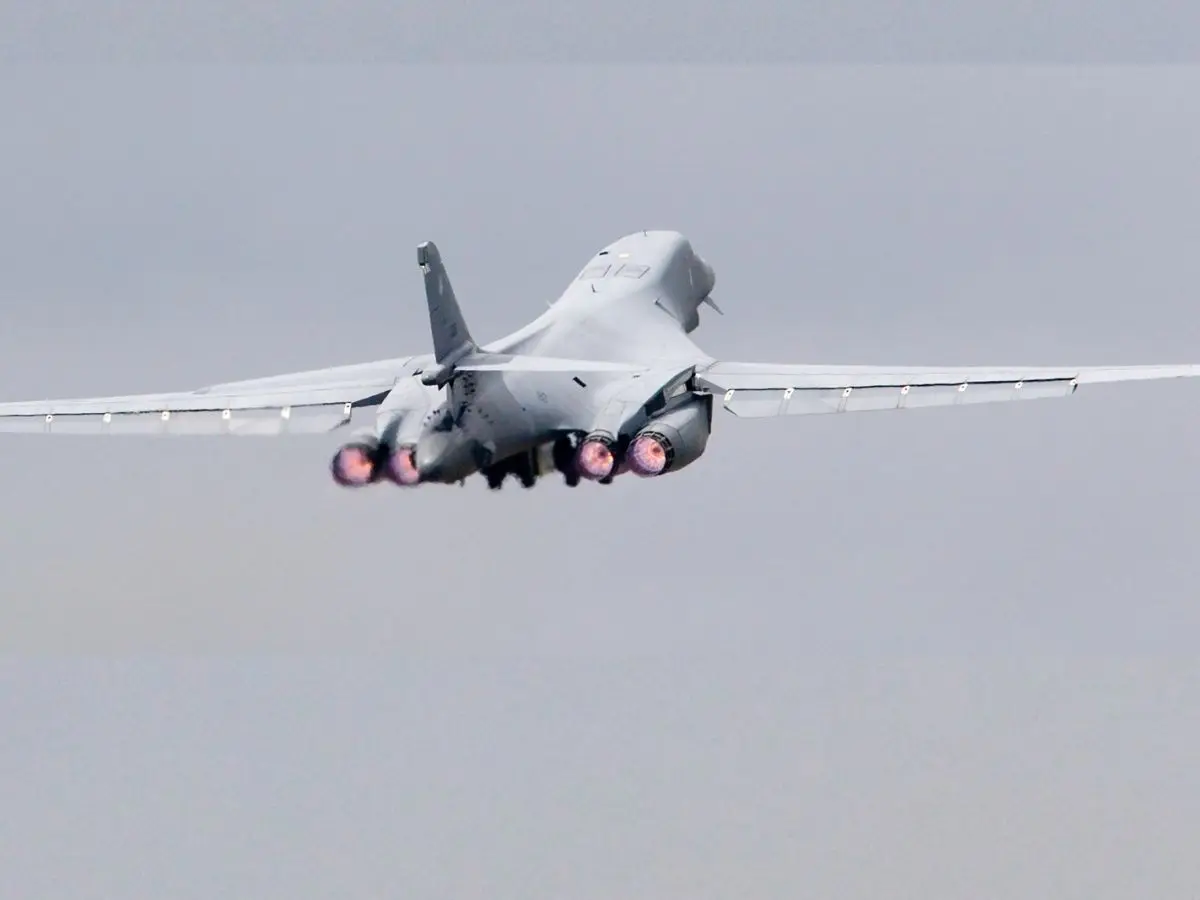
The Rockwell B-1B Lancer is a long-range, multi-role, supersonic heavy bomber operated by the US Air Force. According to the US Air Force fact sheet, it can carry the largest conventional payload of guided and unguided weapons in the inventory, with a maximum internal payload of 75,000 pounds. Originally designed for nuclear missions, the aircraft was later converted to an exclusively conventional role. Boeing describes the B-1 as combining “long range, high speed and large payload” with the ability to deliver precision weapons against a wide range of targets.
Range, Speed and Payload
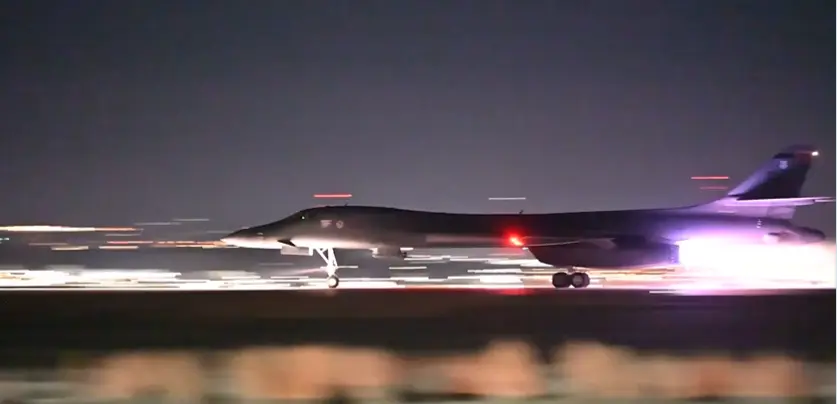
The B-1B’s variable-sweep wings allow it to operate efficiently at both high and low speeds. It can fly at supersonic speeds of up to Mack 1.2 and has intercontinental range, supported by aerial refuelling. Its internal weapons bays enable it to carry large numbers of Joint Direct Attack Munitions and other precision-guided bombs, allowing multiple targets to be struck in a single sortie.
How It Reaches Distant Targets
The aircraft’s long range enables it to deploy from US bases to distant theatres. Air refuelling tankers extend endurance, while its design includes reduced radar signature features compared with earlier bombers. This allows the B-1B to operate in contested environments, particularly once air defences have been suppressed. The B-1B's synthetic aperture radar is capable of tracking, targeting and engaging moving vehicles as well as self-targeting and terrain-following modes.
Operation Epic Fury
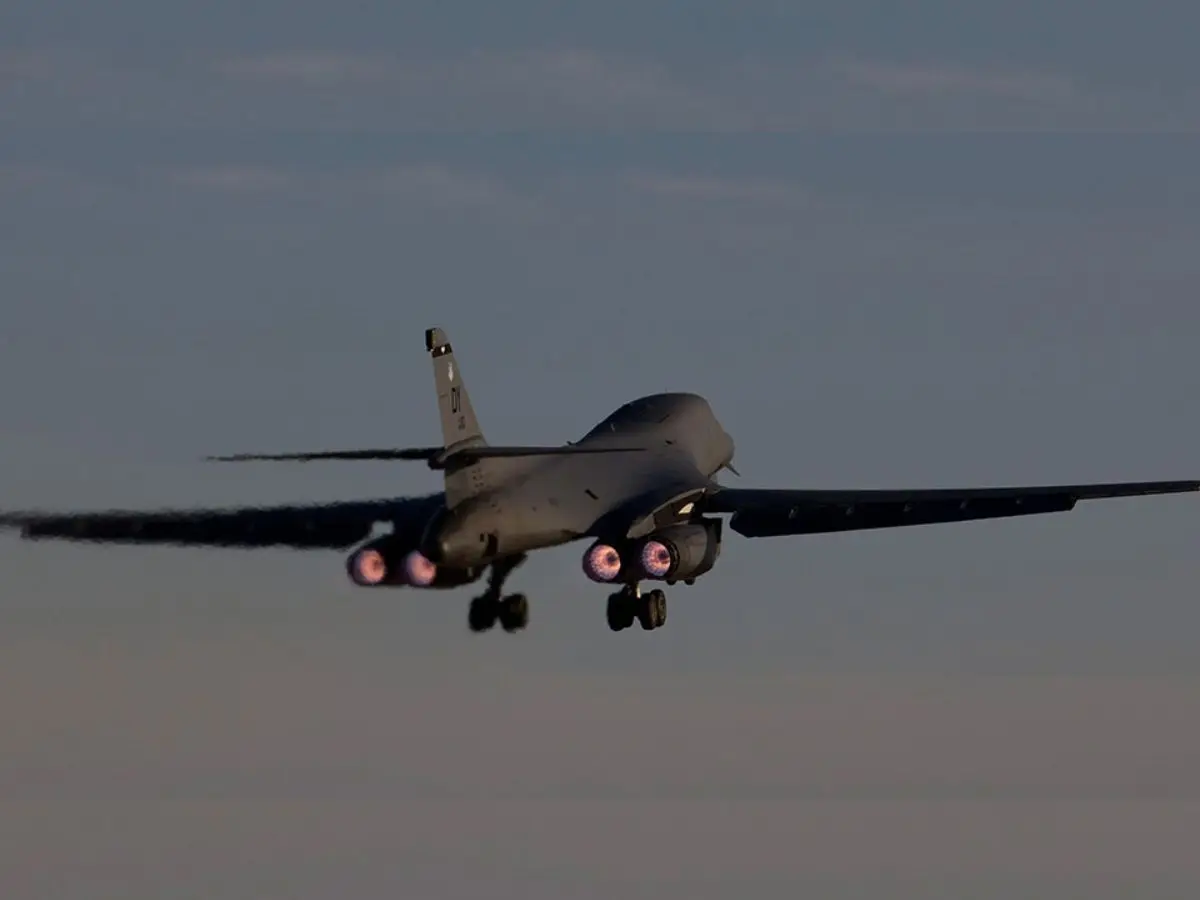
United States Central Command confirmed that B-1 bombers struck targets inside Iran under Operation Epic Fury, aiming to degrade ballistic missile capabilities. American officials stated that the overnight strikes targeted what they described as Iran’s missile infrastructure.
)
)
)
)
)