'Aviation Fuel': How the USS Abraham Lincoln safely stores millions of gallons of JP-5

The USS Abraham Lincoln safely holds over 3 million gallons of JP-5 fuel. It uses a seawater compensated system to balance the 100,000-tonne ship and relies on strict pipe maintenance to protect its 26 water tanks and prevent contamination.
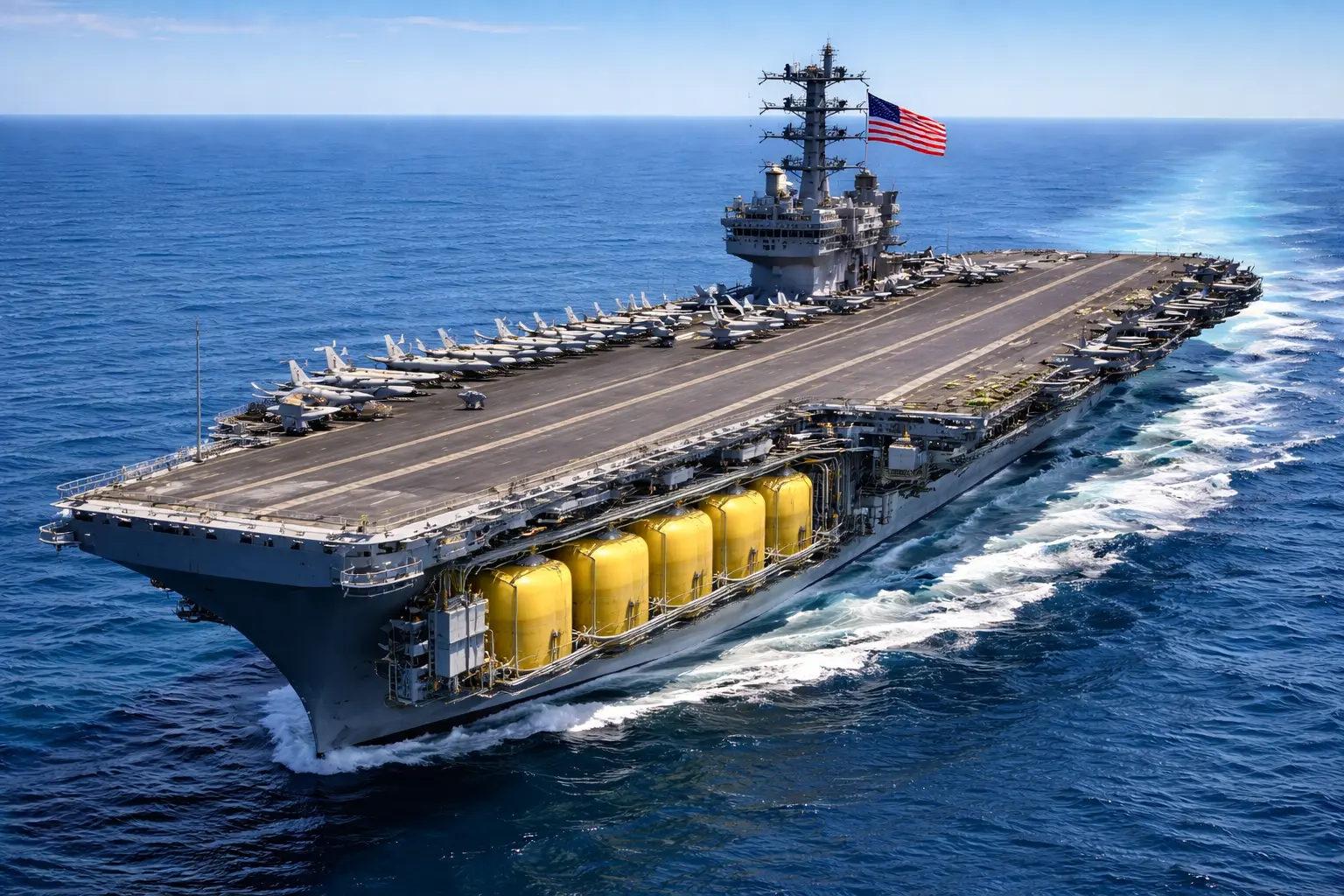
Holds Over 3 Million Gallons
The USS Abraham Lincoln is a Nimitz-class supercarrier. It has the capacity to hold over 3 million gallons of JP-5 aviation fuel in its onboard tanks. This massive reserve provides the warship with the necessary resources to sustain continuous flight operations far from home.
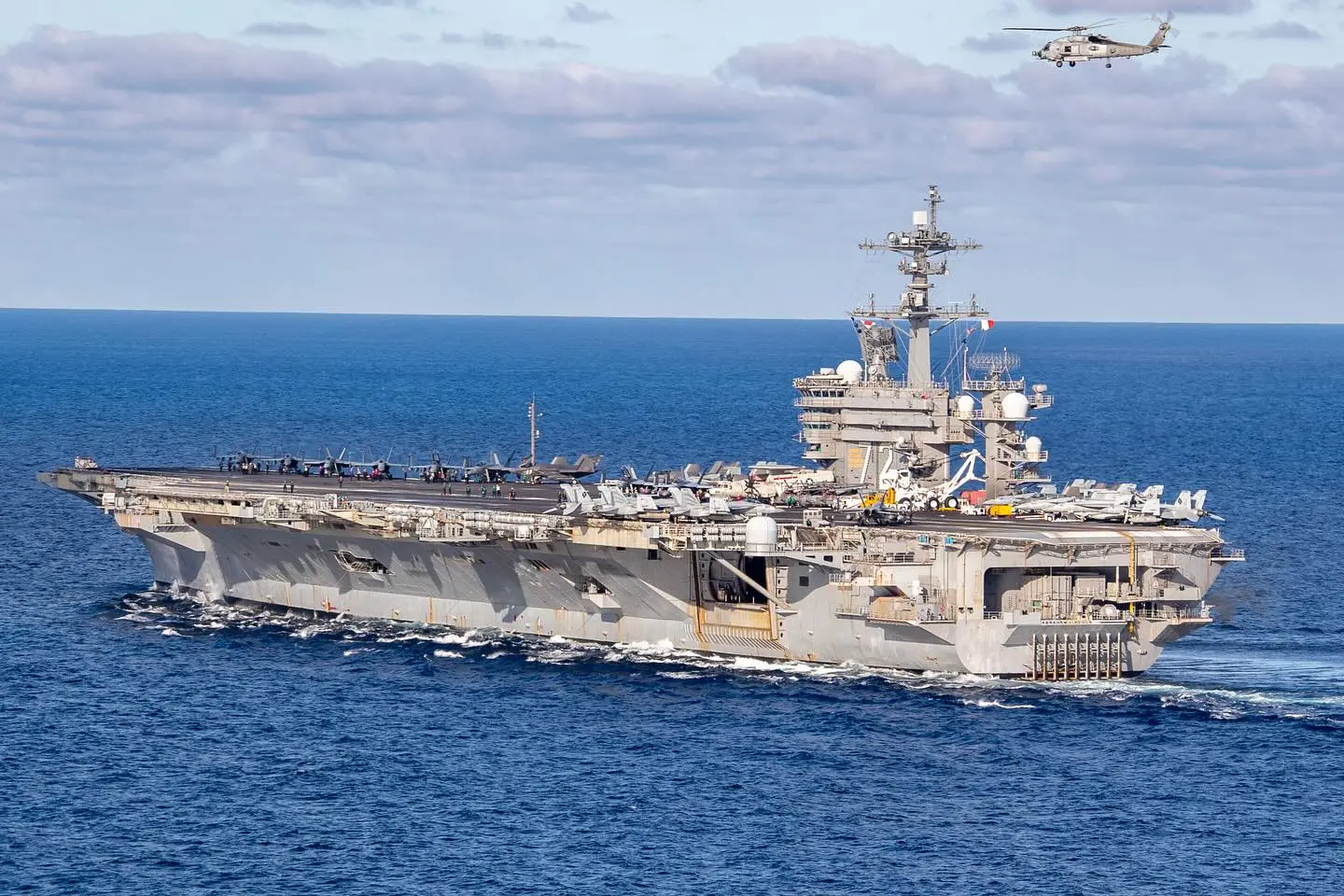
Hundreds of Hydrocarbon Compounds
The US Navy uses a highly specialised aviation fuel called jet propellant-5, or JP-5. It is a kerosene-based liquid made up of hundreds of distinct hydrocarbon compounds. This unique formula is engineered specifically to meet the rigorous demands and hazards of military sea deployments.
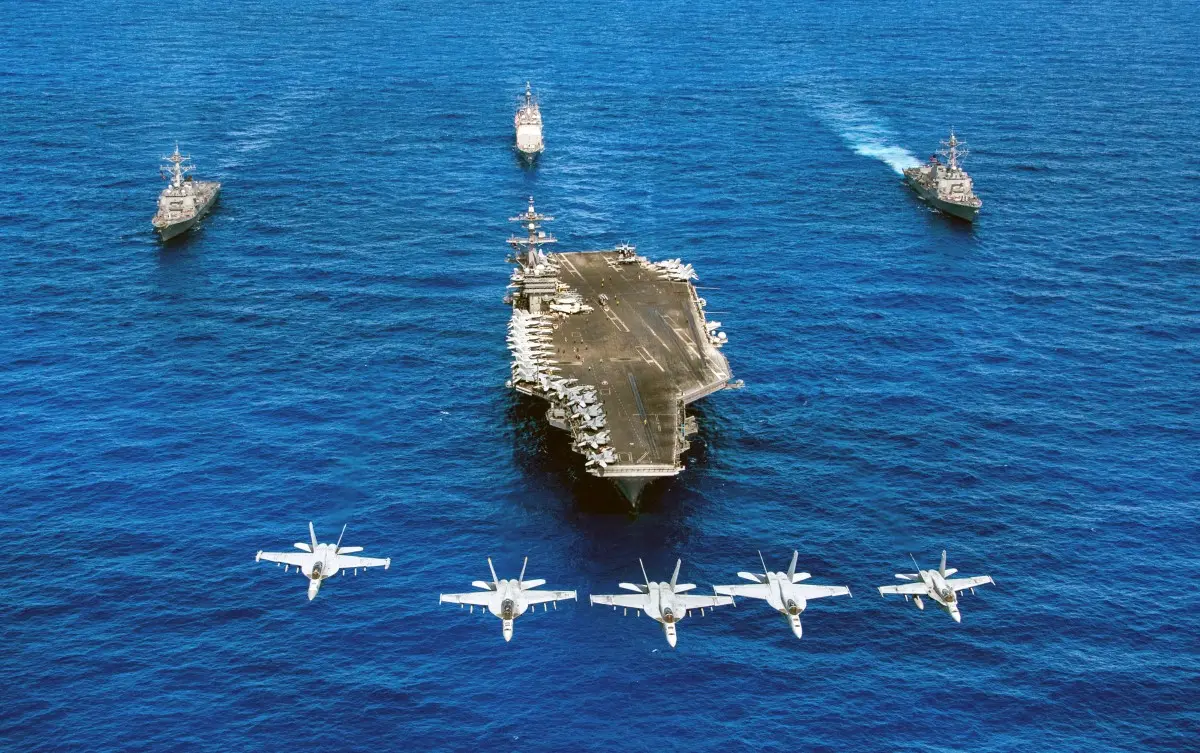
Refuels 50 Jets 20 Times
JP-5 features a remarkably high flash point of 60°C, making it exceptionally safe to store and handle on a busy warship. The supercarrier's massive fuel capacity is typically sufficient to fully refuel 50 aircraft up to 20 times, allowing the carrier air wing to conduct extensive missions without pausing for resupply.
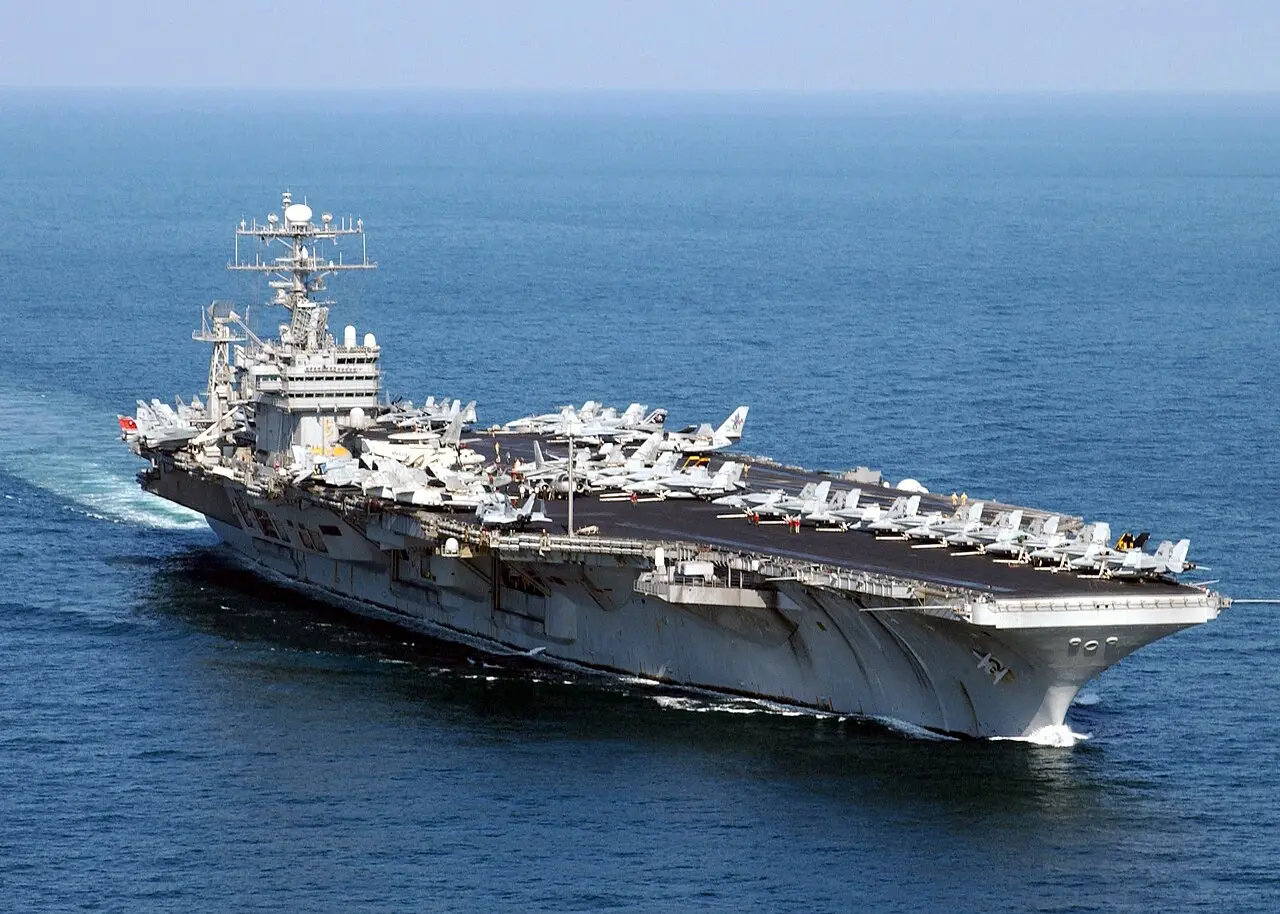
Balances 100,000-Tonne Ship
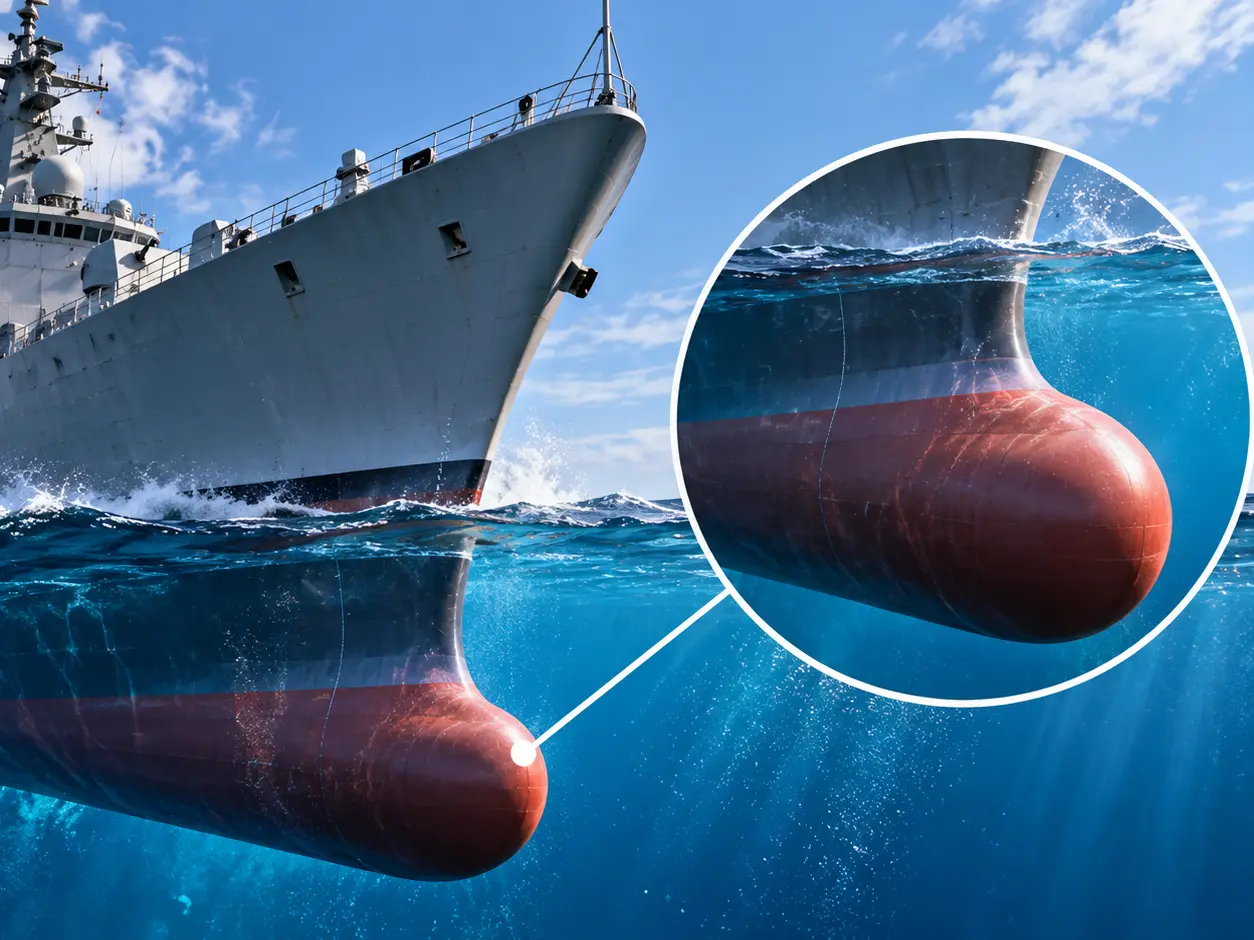
As aircraft consume the JP-5, the Navy relies on a compensated fuel system to maintain the 100,000-tonne vessel's stability. Engineers pump seawater directly into the bottom of the fuel tanks. Because JP-5 floats on water, the tanks remain completely full of liquid, preventing explosive vapors and keeping the ship perfectly upright.
Onloads 1.7 Million Gallons
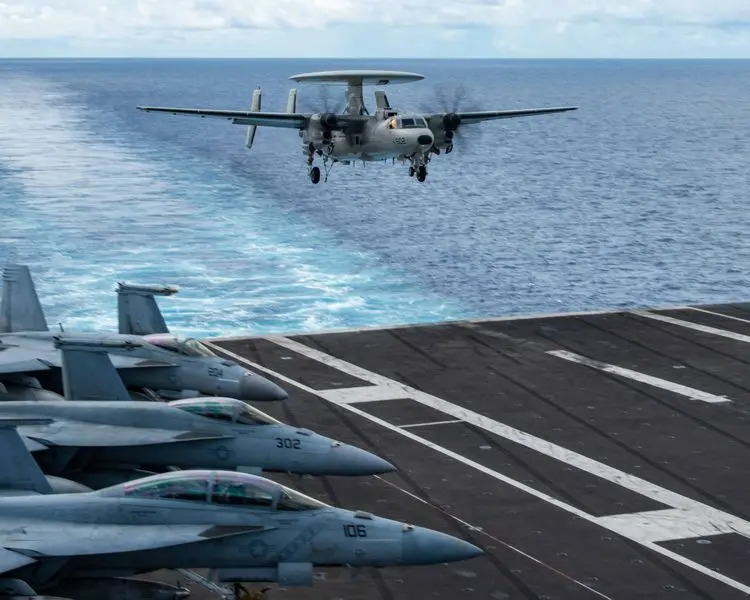
Delivering this much fuel requires a massive logistical effort. Ahead of urgent deployments while in port, the Navy uses multiple supply barges to continuously shuttle fuel to the carrier. In one recent operation, the USS Abraham Lincoln rapidly onloaded 1.7 million gallons of JP-5 in this manner.
Protects 26 Water Tanks
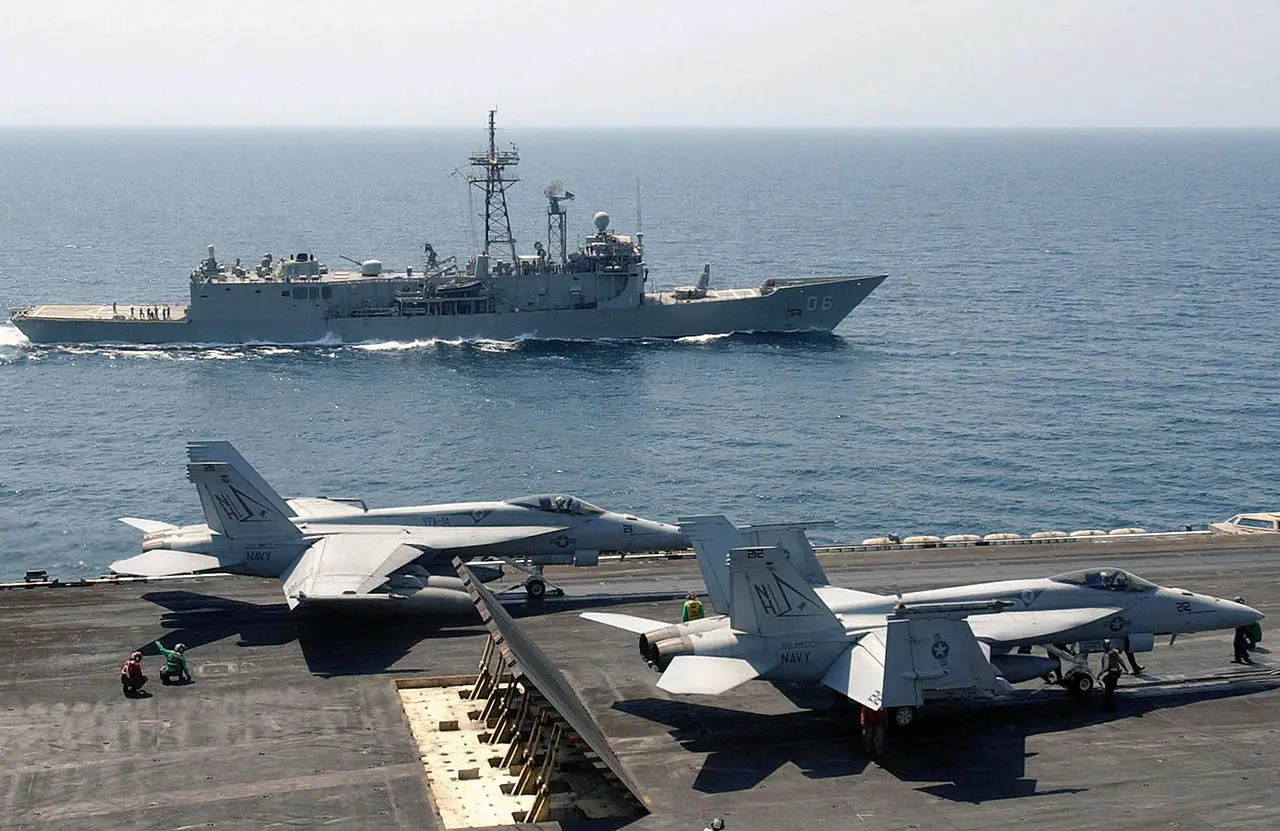
Keeping the JP-5 infrastructure completely separate from the ship's 26 potable water tanks is a critical safety measure. The fuel moves through a complex network of pipes and check valves. Navy engineers must perform strict maintenance to prevent broken gaskets or valves from leaking toxic liquids into the crew's drinking water.
Fixes 6-Inch Pipe Leaks
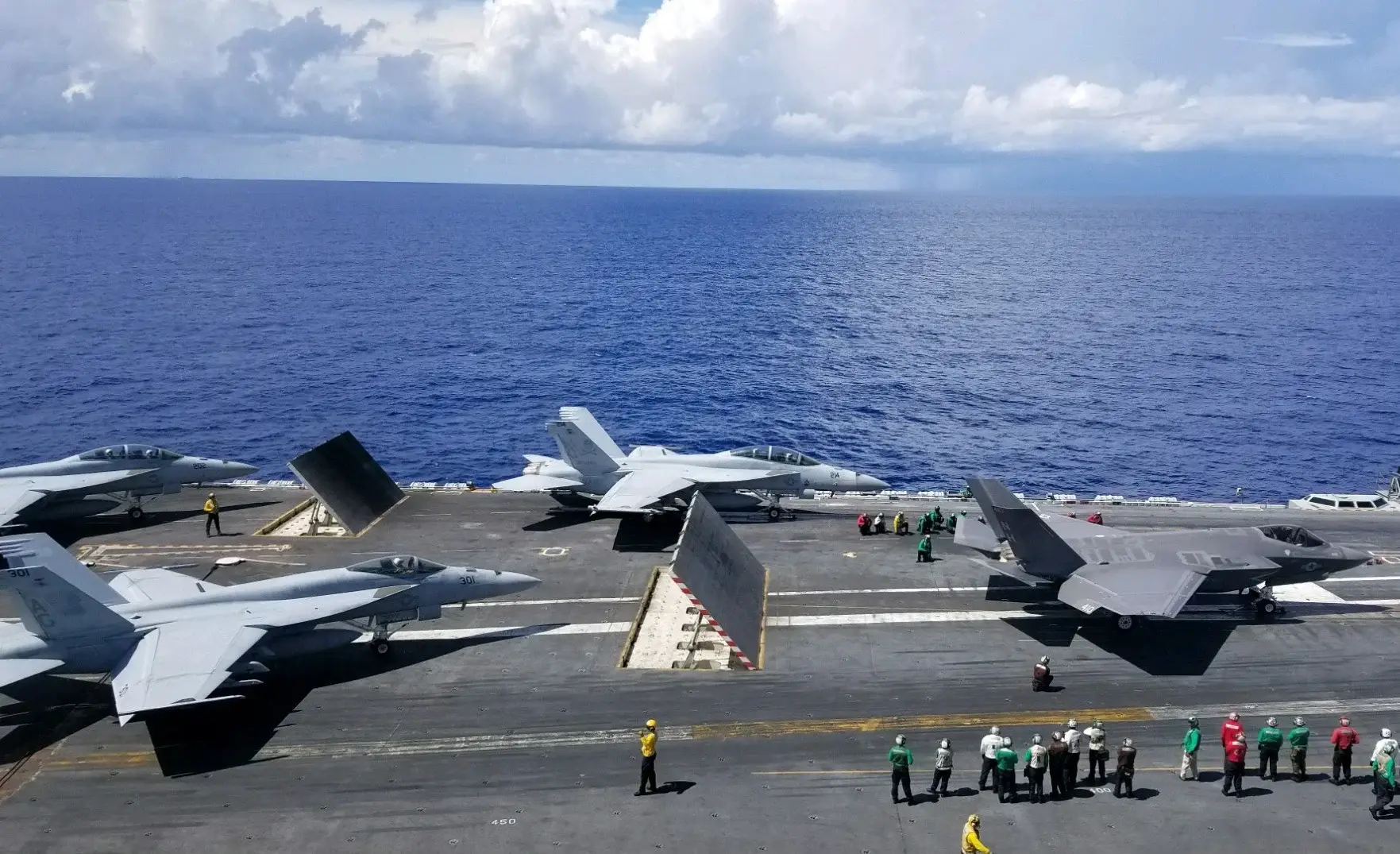
Without proper inspections, corrosion can severely compromise the ship's internal systems. In 2022, a hole in a vent pipe just six inches above the deck allowed dirty bilge water to enter the USS Abraham Lincoln's water supply. Upgraded maintenance protocols now ensure all fluid and water lines remain fully secure.
)
)
)
)
)