‘Automatic cars vs manuals’: Which uses more fuel?

Modern automatic cars with advanced CVT systems and up to 10 gears now frequently offer better fuel efficiency than manual cars. Computers shift gears more precisely than human drivers, eliminating wasted fuel, especially in heavy urban traffic.
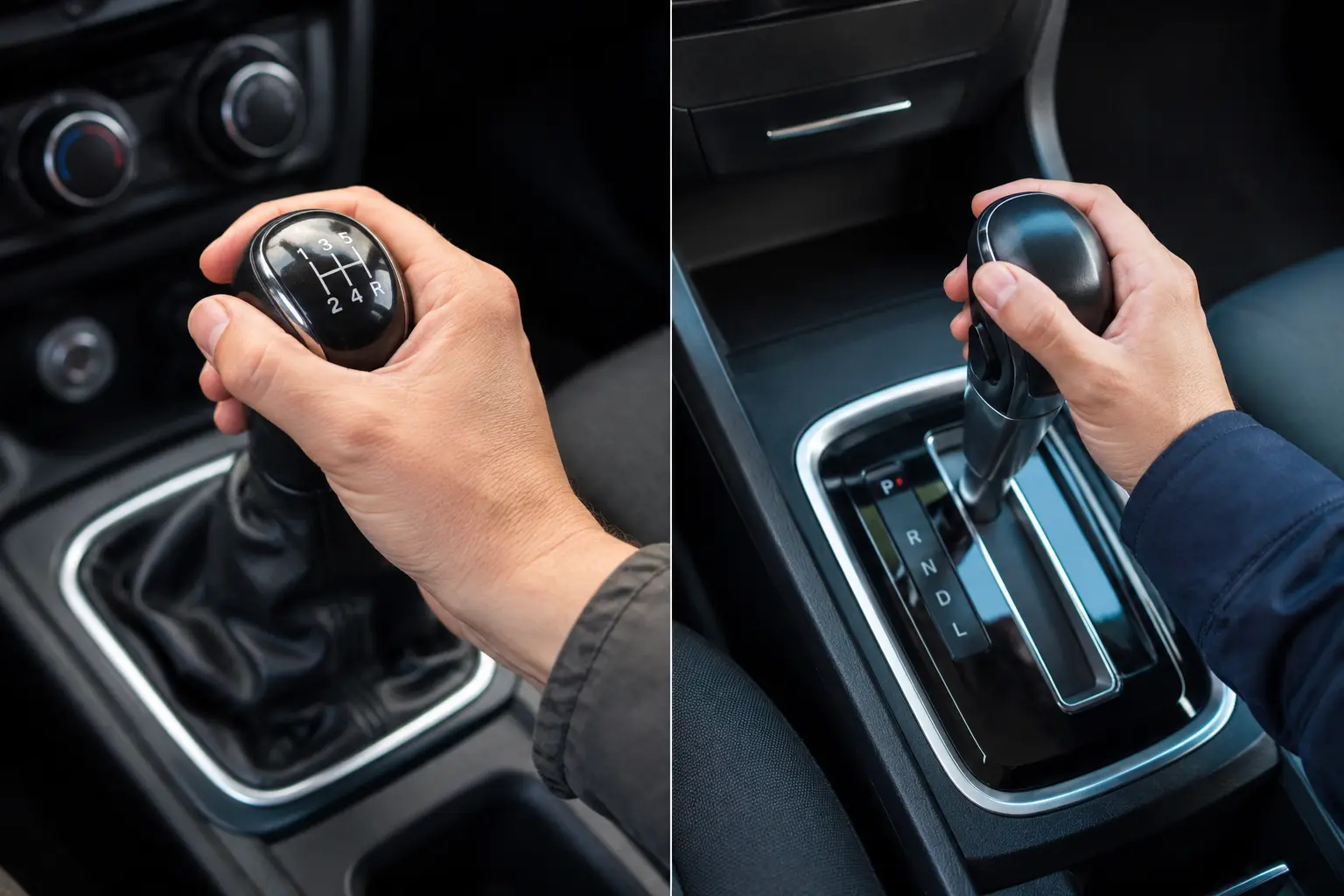
The historical advantage
In the past, automatic gearboxes only had three or four speeds and relied on highly inefficient torque converters. Automotive experts at Webuyanycar confirm that older manual cars easily outperformed these early automatics in fuel efficiency.
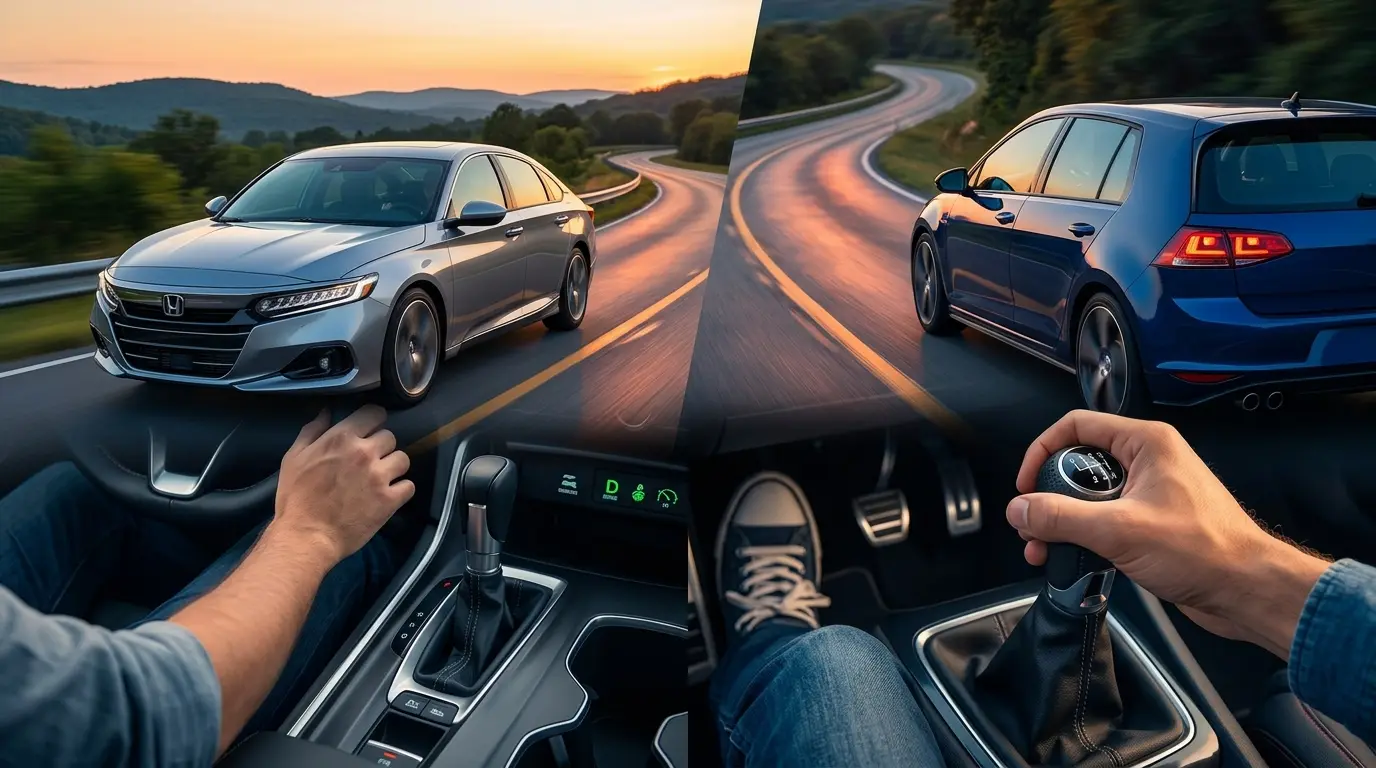
The rise of modern automatics
Today, automotive technology has drastically shifted the balance. Market analysts note that modern automatic cars are equipped with highly advanced dual-clutch systems and continuously variable transmissions (CVTs) that easily rival or beat manual fuel economy.
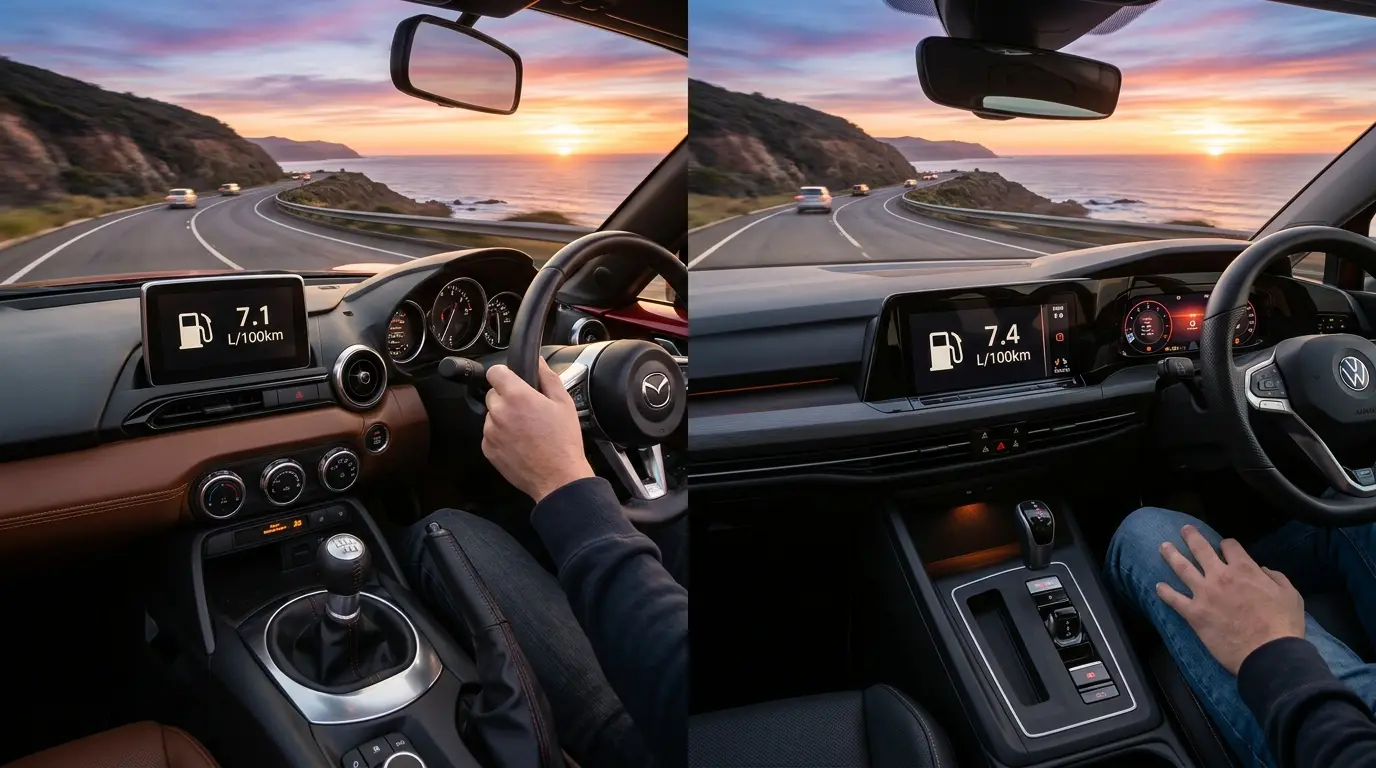
More gears, less fuel
Modern automatics now feature up to eight, nine, or even ten forward gears. Transport engineers explain that these extra gears allow the engine to operate at a much lower, highly efficient RPM when cruising at high speeds on the motorway.
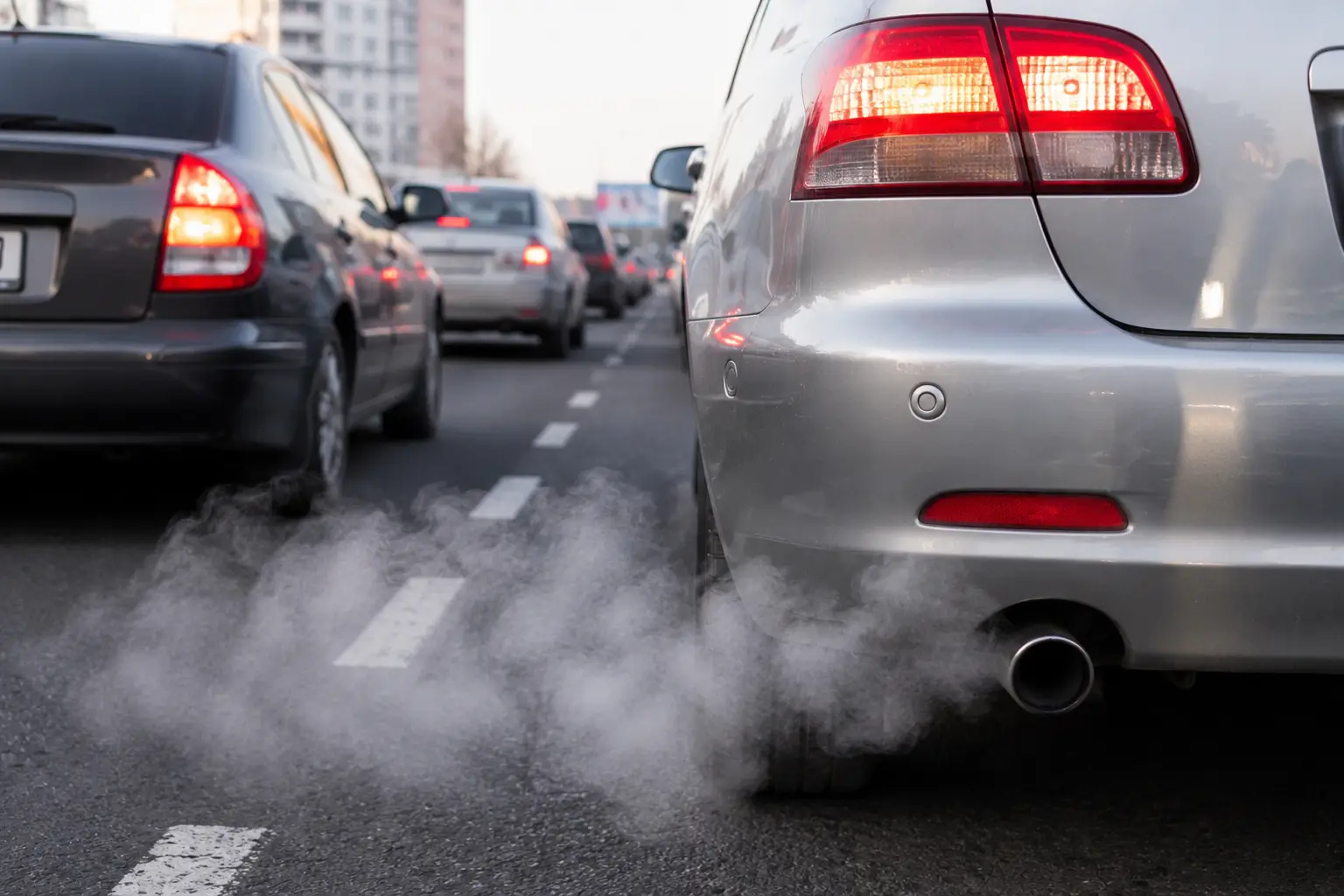
Eliminating human error
A manual car's efficiency relies entirely on the individual driver's skill and timing. The RAC points out that modern automatics use computer algorithms to shift at the exact perfect millisecond, completely eliminating the fuel waste caused by late or clumsy manual gear changes.
The CVT advantage in cities
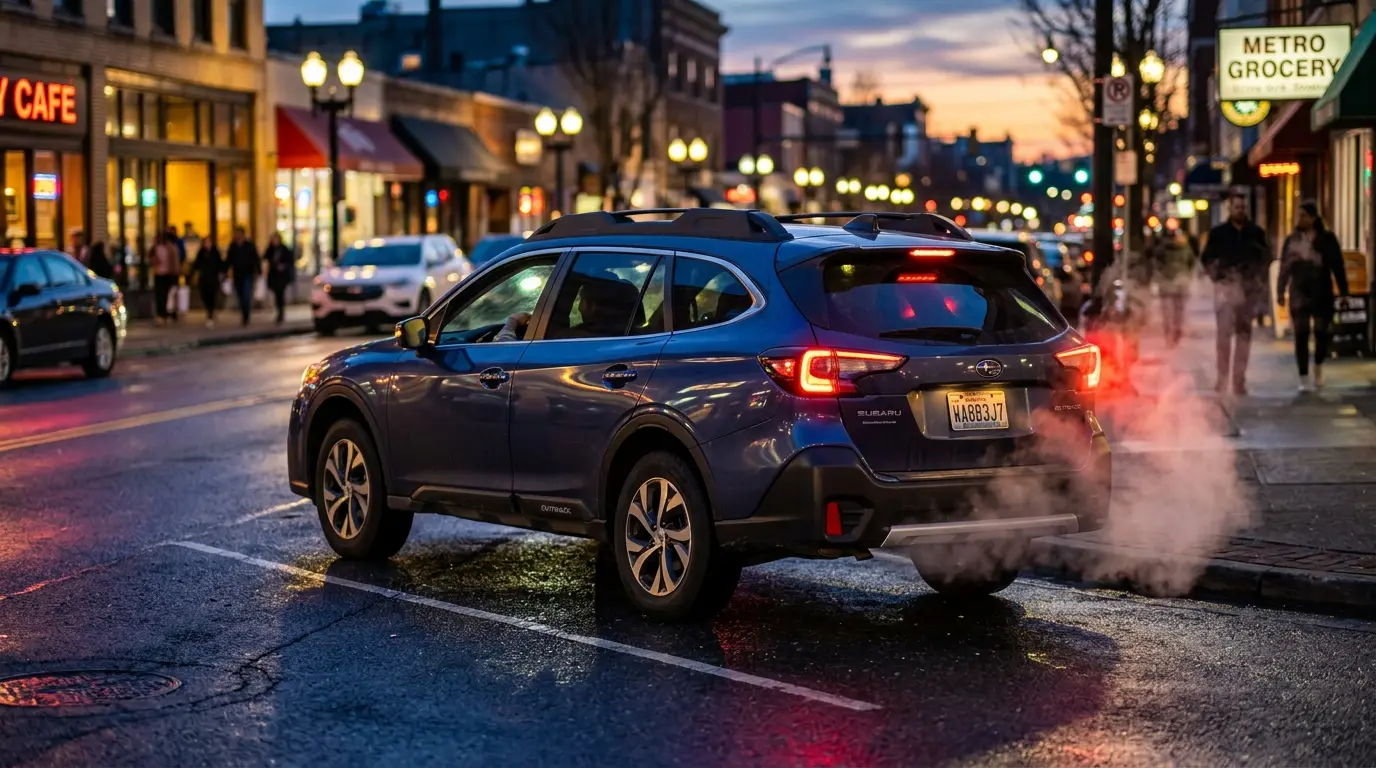
Continuously Variable Transmissions (CVTs) do not use fixed gears at all, but rather a dynamic system of belts and pulleys. Automotive testing shows that CVTs constantly adjust to provide peak engine efficiency, making them incredibly fuel-efficient in heavy city traffic.
The cost of convenience
While modern automatics save petrol, they are generally more expensive to buy and maintain. Mechanics warn that the complex internal computers and sensors inside an automatic gearbox cost significantly more to repair than a simple manual clutch system.
The final verdict
If you are buying a car built in the last five to ten years, the automatic version will likely match or beat the manual in fuel economy. However, if buying an older used car, the traditional manual gearbox remains the most fuel-efficient choice.
)
)
)
)
)