'Attack against one is attack against all!’: What is NATO’s Article 5 and why does it carry global consequences?

Any threat to a NATO member’s territory, such as Greenland, could raise fundamental questions about collective security and the alliance’s future.
A Core Commitment Under Strain
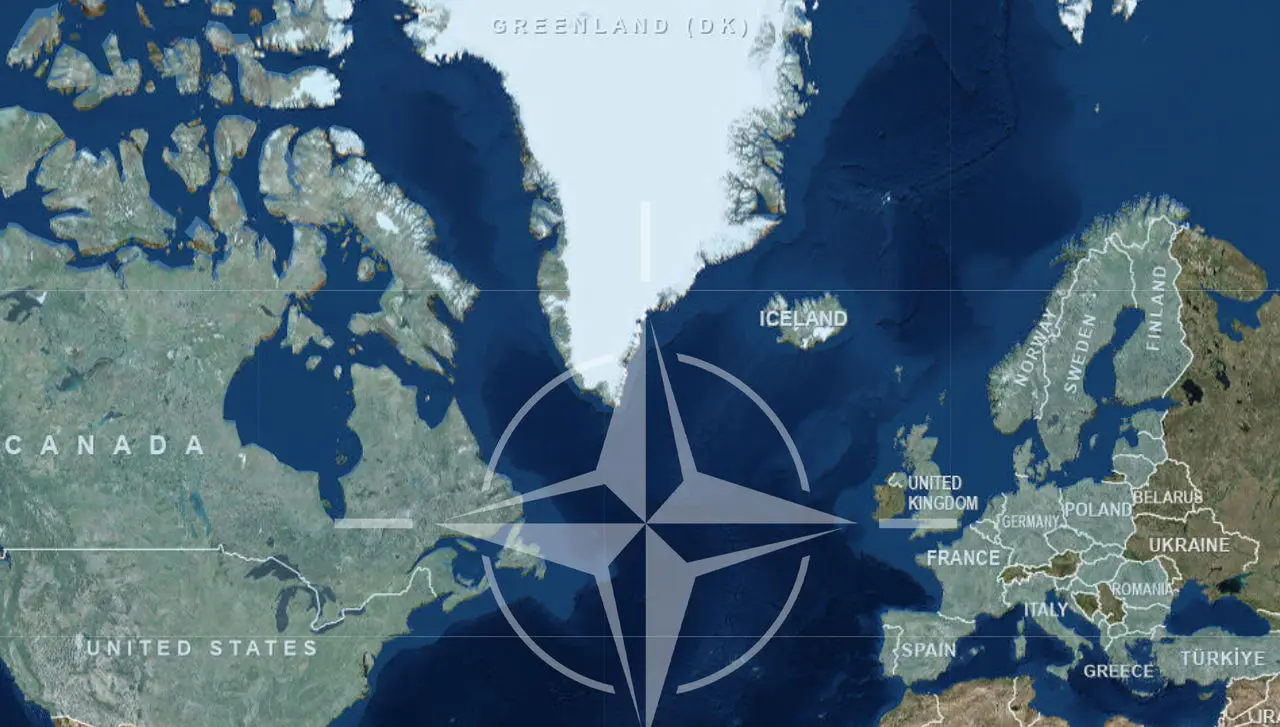
Collective defence is NATO’s most fundamental principle. Article 5 of the alliance’s founding treaty enshrines this commitment to collective defence. In light of recent tensions over Greenland, where US President Donald Trump has refused to rule out military action over the Danish territory, and with reports that the US President has ordered his special forces commanders to draw up a plan for the invasion of Greenland, the relevance of this clause has returned to the centre of strategic debate. Any threat to a NATO member’s territory, such as Greenland, could raise fundamental questions about collective security and the alliance’s future.
Origins of Article 5
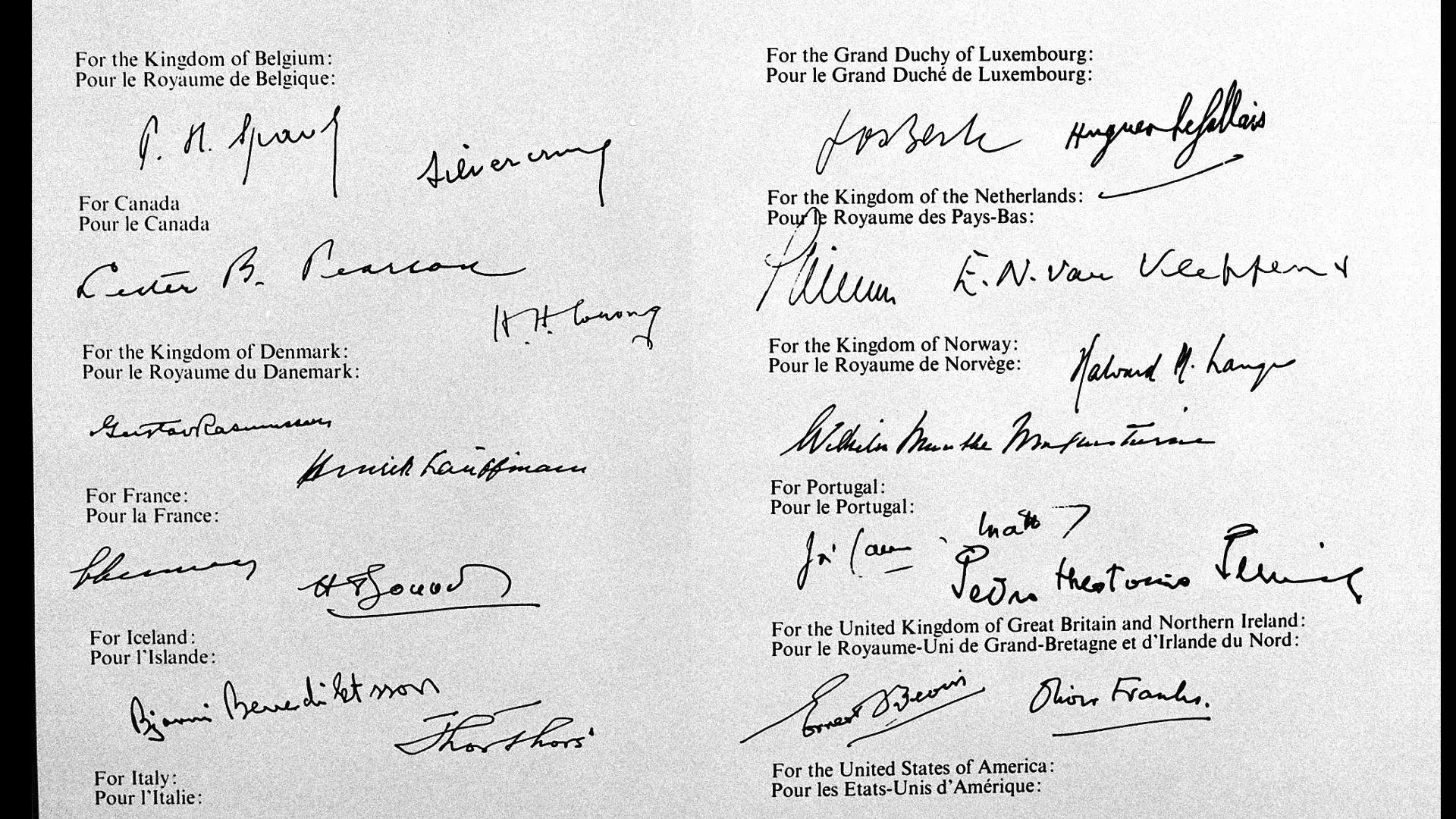
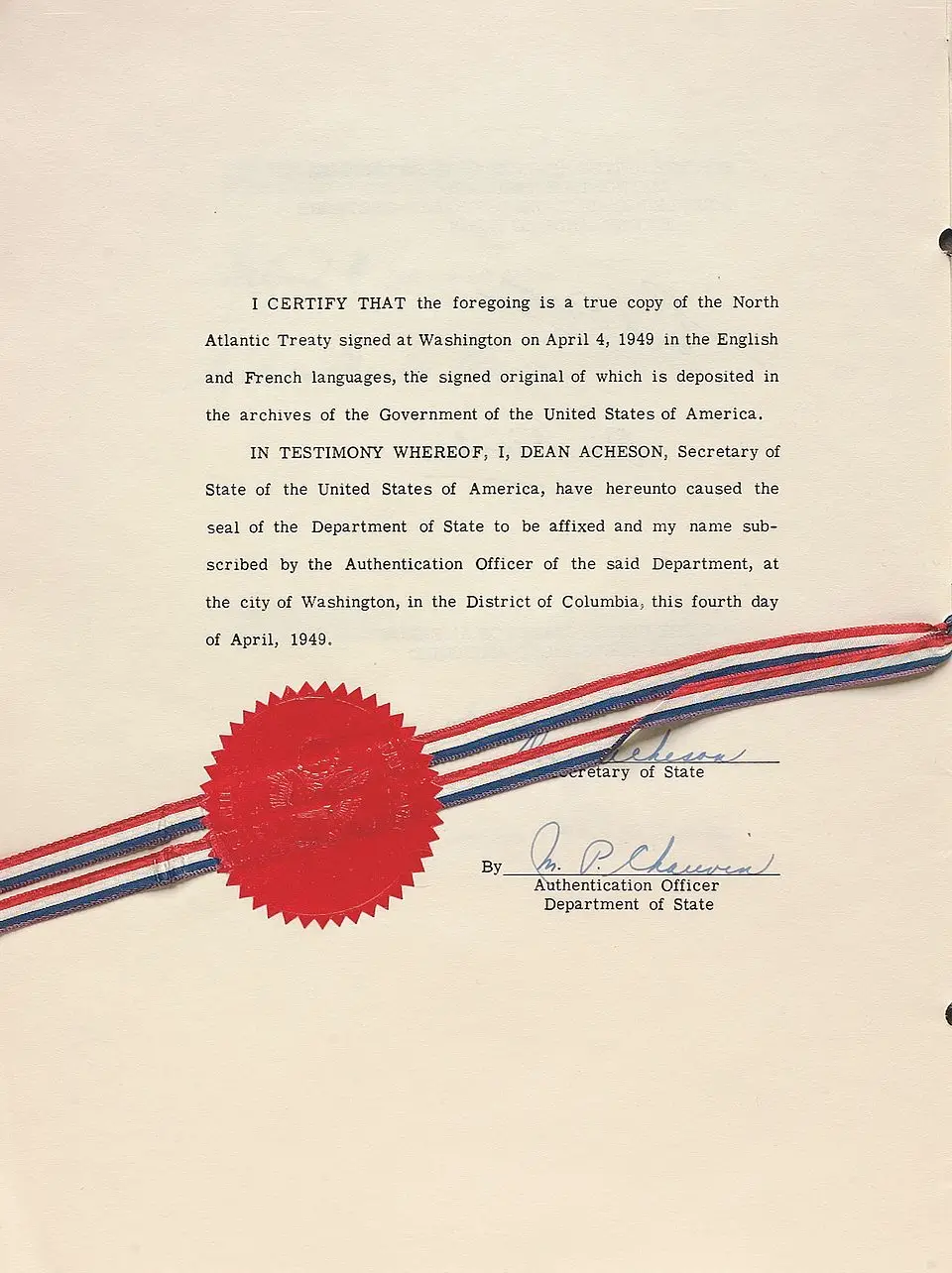
Article 5 was drafted on 1949 amid rising Cold War tensions. Twelve North American and European countries agreed that mutual assistance was essential to deter external threats and preserve peace as they came together in Washington DC to sign the North Atlantic Treaty. The official website states, "NATO’s Article 5 is consistent with Article 51 of the United Nations Charter, which recognises that a state that is the victim of an armed attack has the inherent right to individual or collective self-defence, and may request others to come to its assistance."
What is Article 5 ?
“The Parties agree that an armed attack against one or more of them in Europe or North America shall be considered an attack against them all and consequently they agree that, if such an armed attack occurs, each of them, in exercise of the right of individual or collective self-defence recognized by Article 51 of the Charter of the United Nations, will assist the Party or Parties so attacked by taking forthwith, individually and in concert with the other Parties, such action as it deems necessary, including the use of armed force, to restore and maintain the security of the North Atlantic area. Any such armed attack and all measures taken as a result thereof shall immediately be reported to the Security Council. Such measures shall be terminated when the Security Council has taken the measures necessary to restore and maintain international peace and security.”
The Meaning of Collective Defence
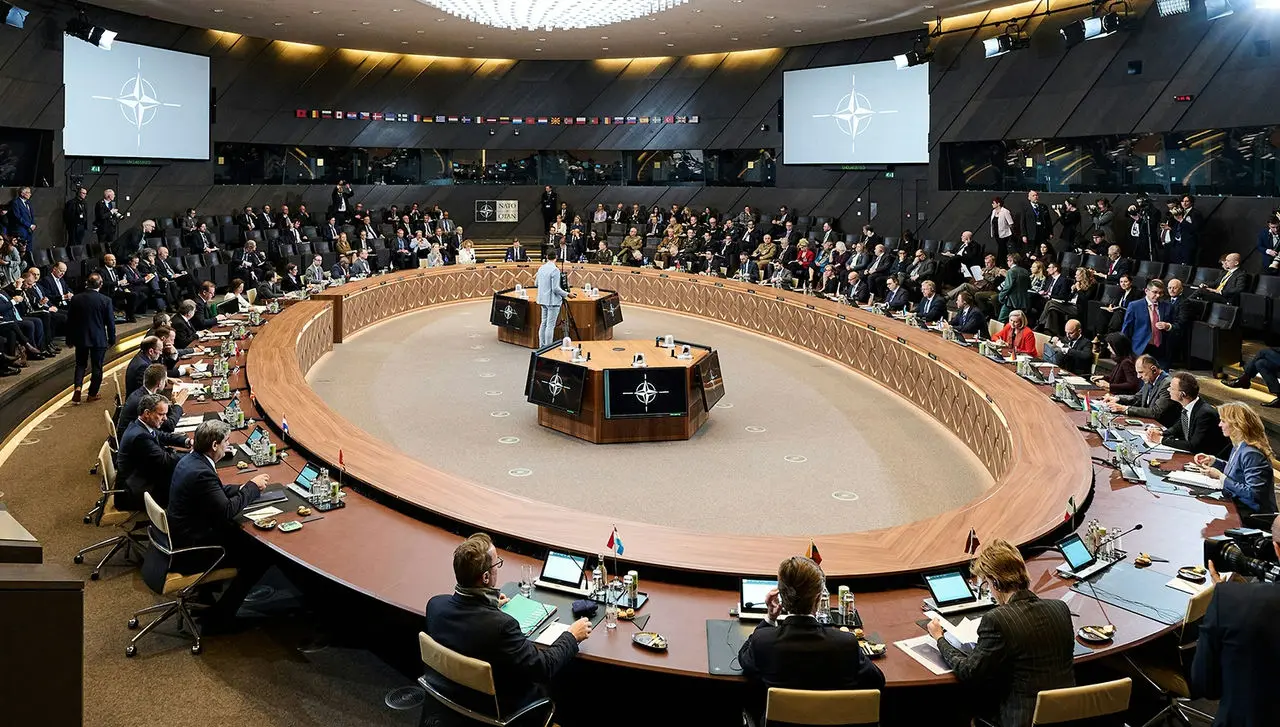
Assistance can take many forms, including military force, but each member decides what measures it deems necessary to restore and maintain security in the North Atlantic area. Within the NATO context, Article 5 translates this right of self-defence into a mutual assistance obligation.
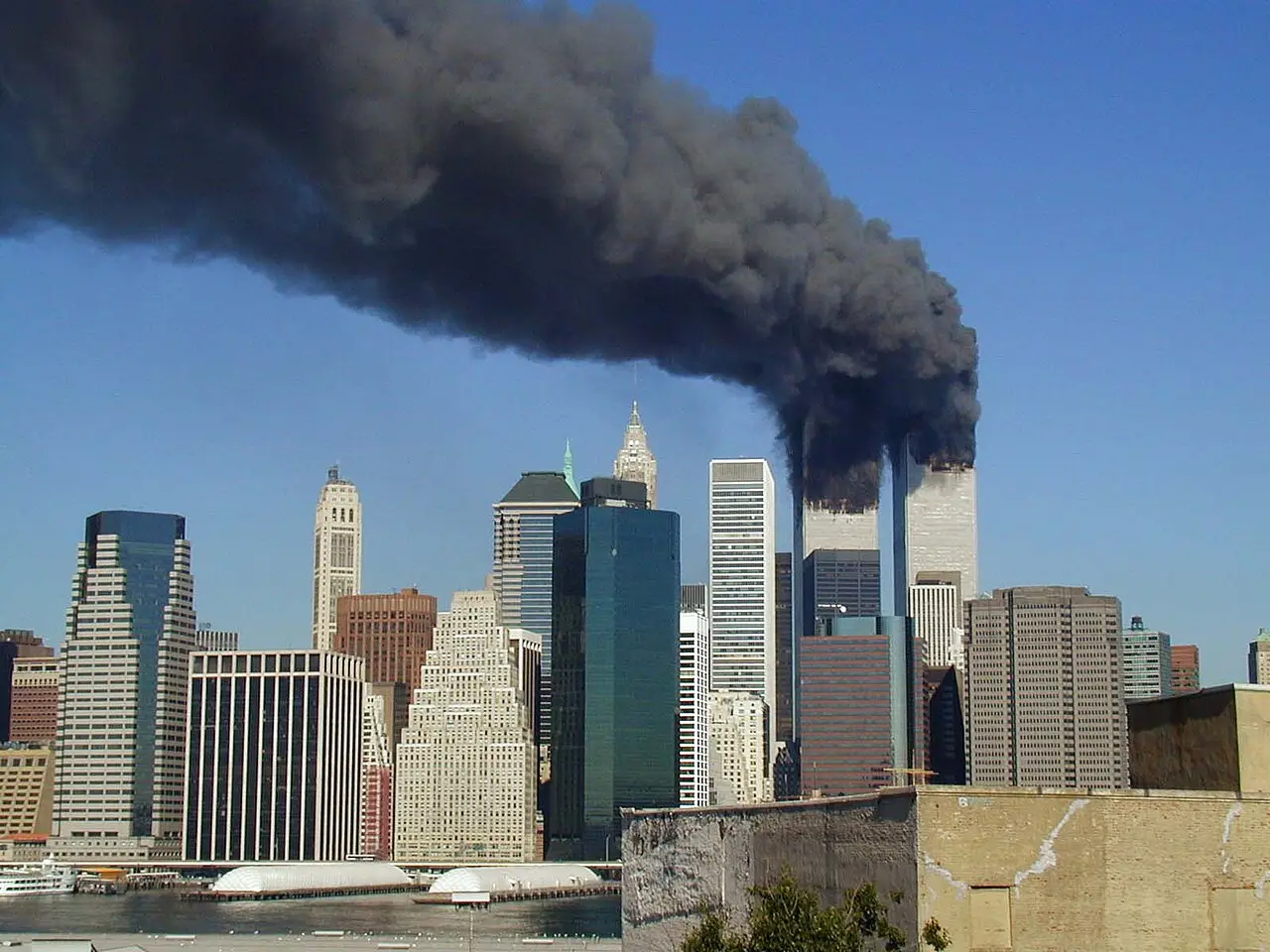
The Only Invocation: 9/11
NATO invoked Article 5 for the first and only time in its history. Following the terrorist attacks on the United States on September 11, 2001, NATO members agreed that the attacks constituted an armed attack on all.

Collective Defence in Practice
In the weeks following 9/11, NATO Allies held consultations and agreed on collective action, without affecting the United States’ independent rights under the UN Charter. On October 4, 2001, NATO approved eight measures, including enhanced intelligence-sharing, securing Allied facilities, providing overflight and port access, and deploying naval and airborne forces. NATO launched its first Article 5 operation, Operation Eagle Assist, patrolling US skies, followed by Operation Active Endeavour, a Mediterranean naval mission to deter terrorism, which continued until 2016. Although invoked only once, Article 5 underpins NATO’s deterrence posture.
What counts as an 'armed attack'
Article 5 applies only in the event of an ‘armed attack’, typically exemplified by one state is trying to invade the territory of another. Incidents without an international dimension, such as purely domestic acts of terrorism, do not trigger Article 5. However, at recent NATO summits, Allied leaders have clarified that the clause could also cover attacks to, from, or within space, and that significant cyber or hybrid attacks might be regarded as constituting an ‘armed attack’.
Limitations and Scope
Article 5 applies specifically to attacks in Europe or North America and related territories. Territories outside that geographic scope may not automatically qualify. However, the reason why Greenland is covered under NATO is due to Denmark's membership.
)
)
)
)
)