'At 55,000 kmph': What if Voyager 1 & 2 collide with a Dyson Sphere?

Whether intact or damaged, the Golden Record could be recovered and studied. For the alien civilisation, it would represent humanity’s first attempt at contact, preserved in sound and imagery.
The Hypothetical Encounter
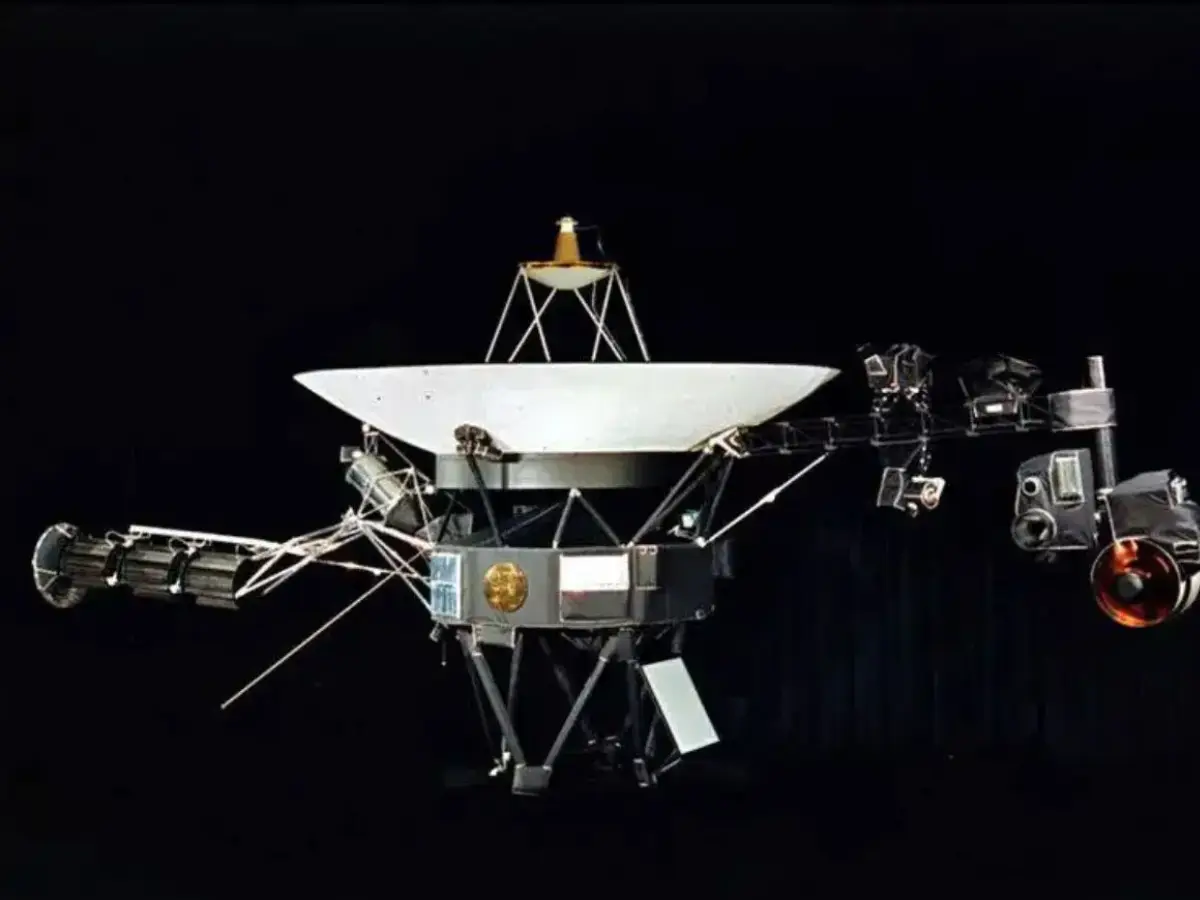
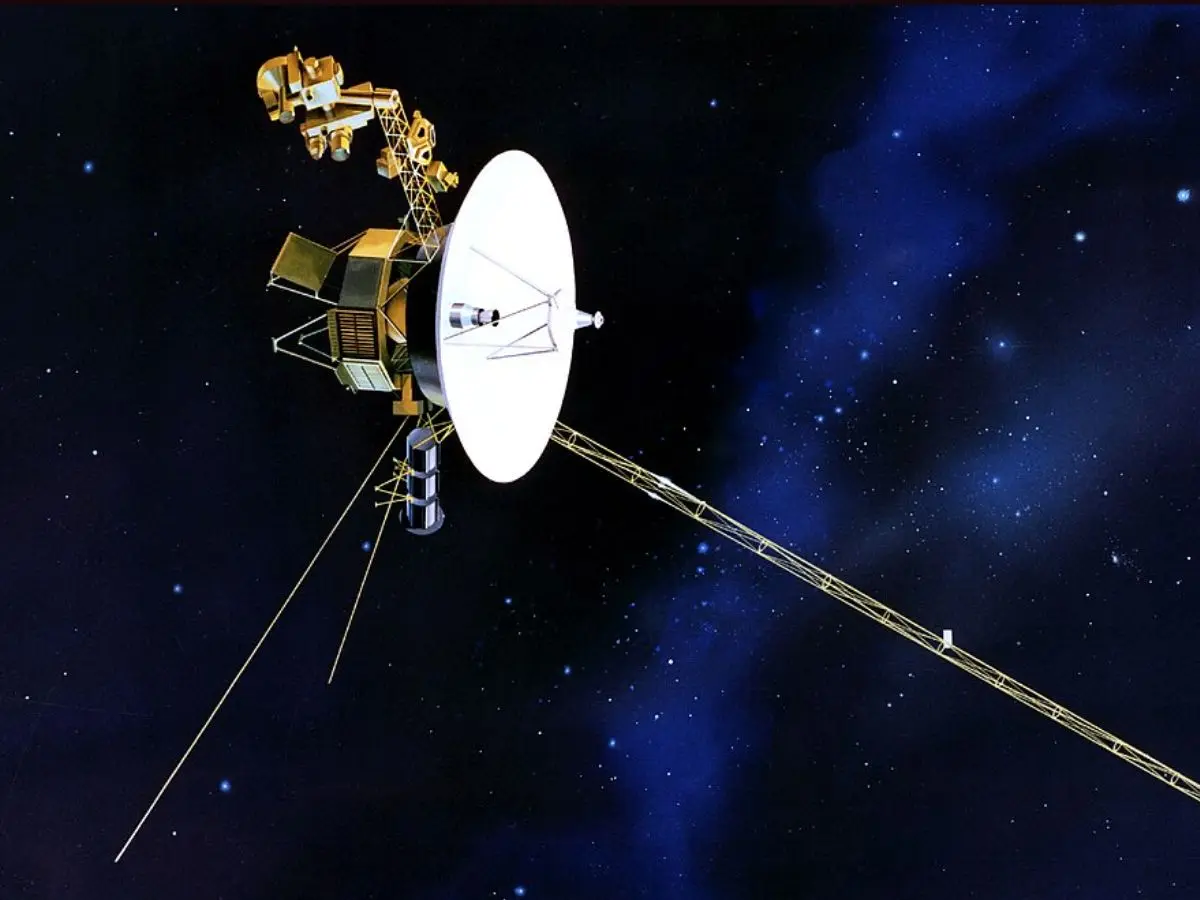
Voyager 1 and 2 continue to travel away from our solar system, carrying human artefacts like the Golden Record. If a Dyson Sphere, a vast structure built to harness a star’s energy, exists, could a small spacecraft like Voyager intersect with it?
Scale of the Structures
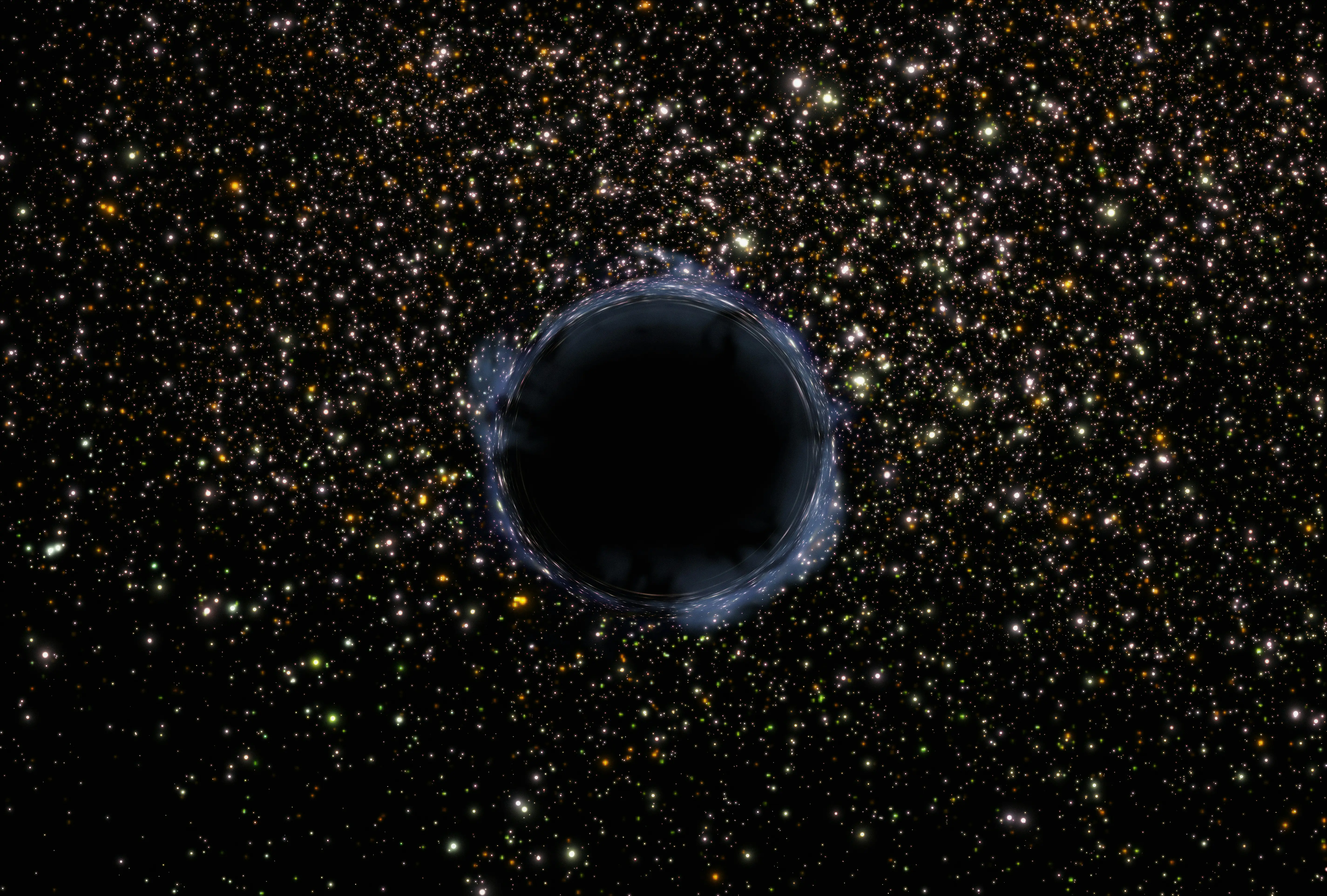
A Dyson Sphere, if ever constructed, would dwarf anything humanity can imagine, possibly enclosing an entire star. Voyager, at just a few hundred kilograms, would be no more than a speck against such an engineering project.
Possible Collision Outcomes
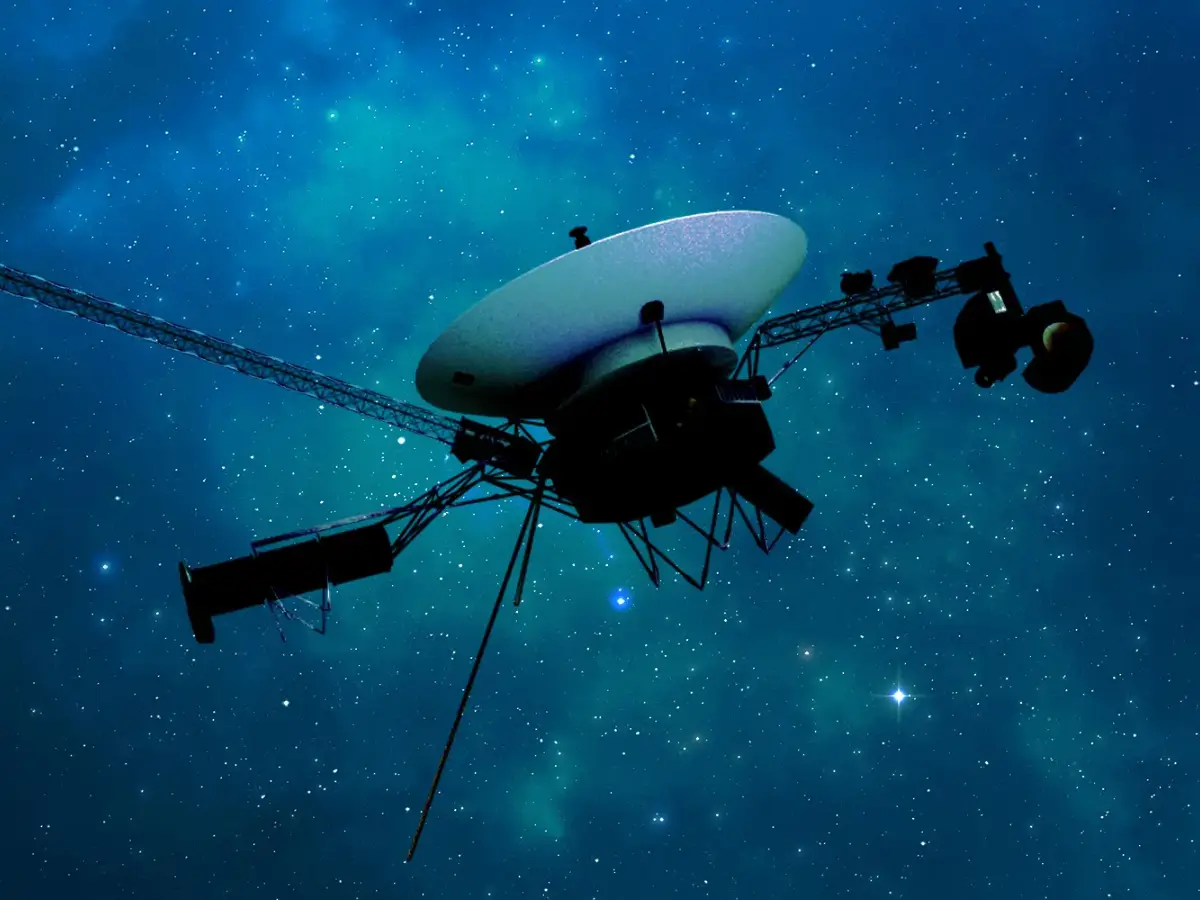
A collision would barely register for the megastructure, but the spacecraft would likely be destroyed instantly. Its trajectory would end with fragments scattered across the artificial environment.
Alien Perceptions
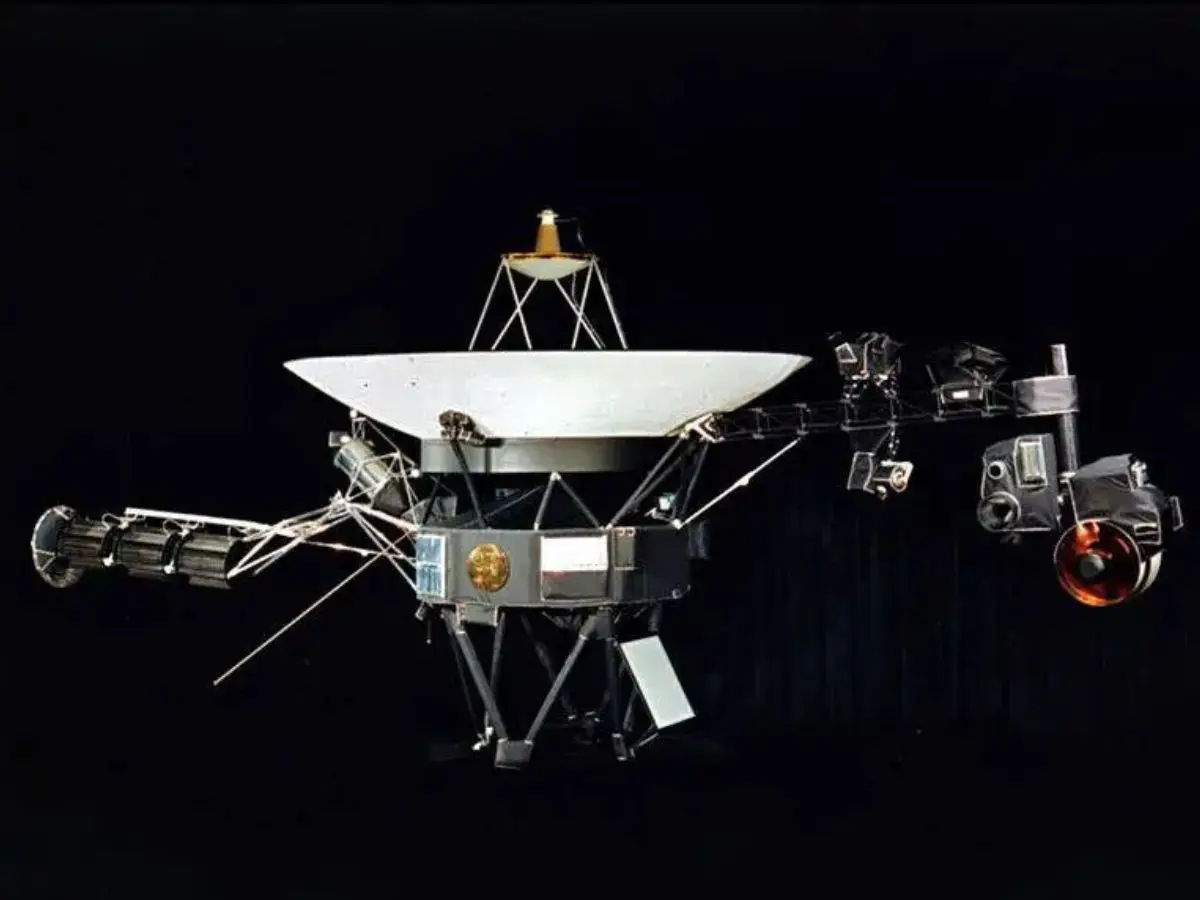
If intelligent builders of the Dyson Sphere noticed the crash, they might interpret Voyager as debris, a probe, or a deliberate message. This could influence how they perceive humanity, as careless, curious, or advanced enough to send emissaries beyond their solar system.
The Golden Record’s Fate
Whether intact or damaged, the Golden Record could be recovered and studied. For the alien civilisation, it would represent humanity’s first attempt at contact, preserved in sound and imagery.
Scientific Curiosity
From our perspective, such an event would raise questions about engineering on stellar scales, the detectability of extraterrestrial megastructures, and the durability of human technology in alien hands.
The Symbolic Legacy
Even if destroyed, the idea of Voyager reaching such a construct highlights humanity’s long-term presence in the cosmos. It becomes less about survival of the probe and more about its symbolic journey as a carrier of human identity into unknown realms.
)
)
)
)
)