‘At 300 km/h’: Why your glass of champagne doesn’t fall inside a bullet train

At 300 km/h, rapid pressure changes can disturb objects inside the train. High-speed trains counter this with streamlined noses, pressure-tight cabins, and controlled air intake.
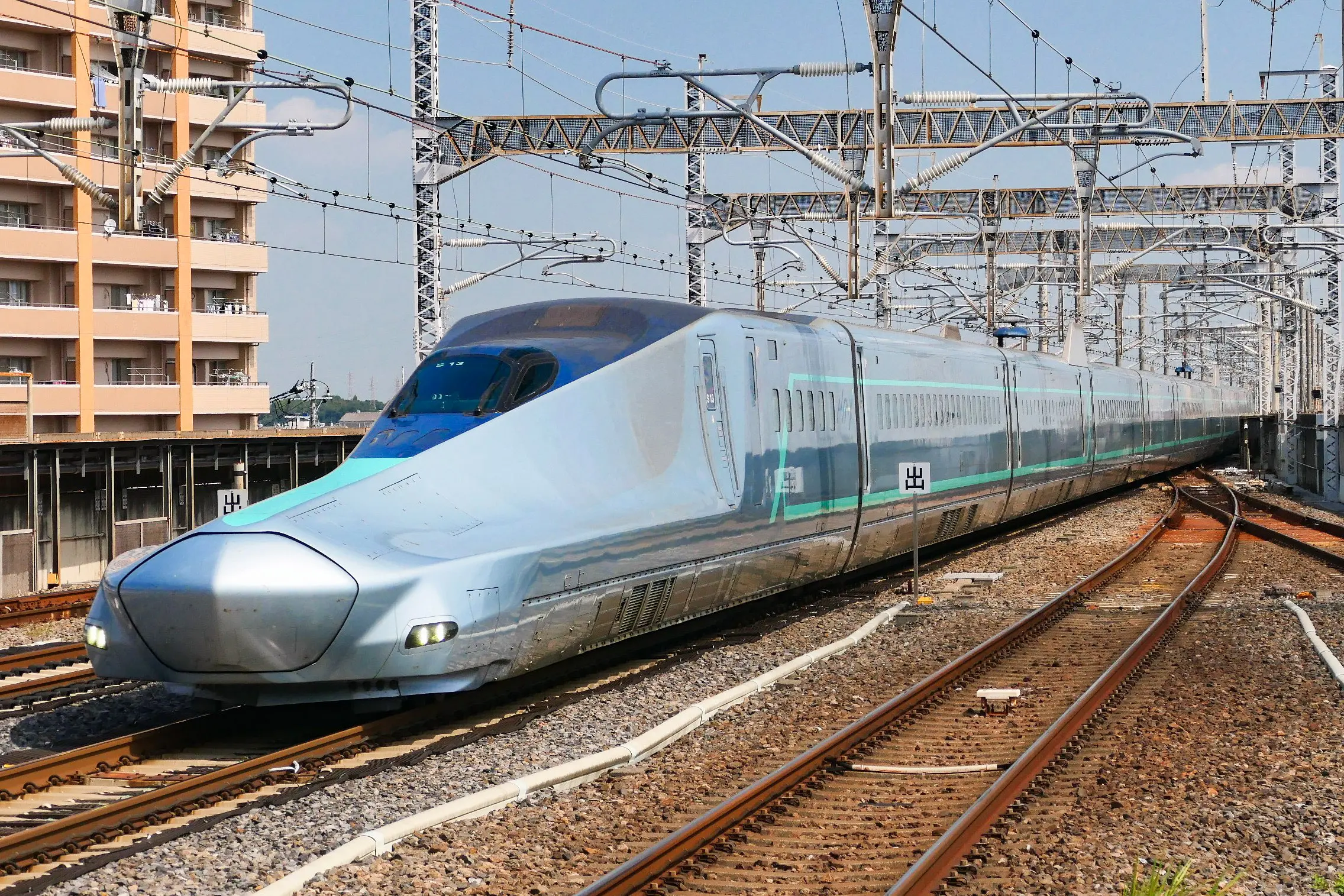
1. Constant Velocity Means No Lateral Force on the Glass
A bullet train cruising at 300 km/h moves at constant velocity, meaning there is no net acceleration once it reaches steady speed. According to Newton’s First Law, passengers and objects inside move with the train at the same speed. Since there is no sideways or forward acceleration, the champagne glass experiences the same conditions as if it were at rest.
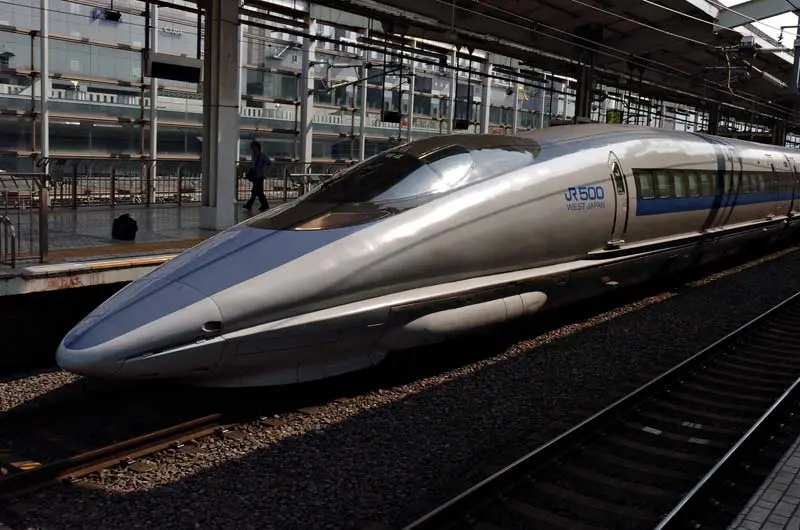
2. Train Coaches Are Designed to Minimise Vibrations
High-speed trains use air springs, secondary suspension systems, and yaw dampers to reduce vertical and lateral vibrations. These systems absorb track irregularities before they reach the passenger cabin. With vibration levels kept within strict limits, the glass experiences minimal disturbance even at high speeds.
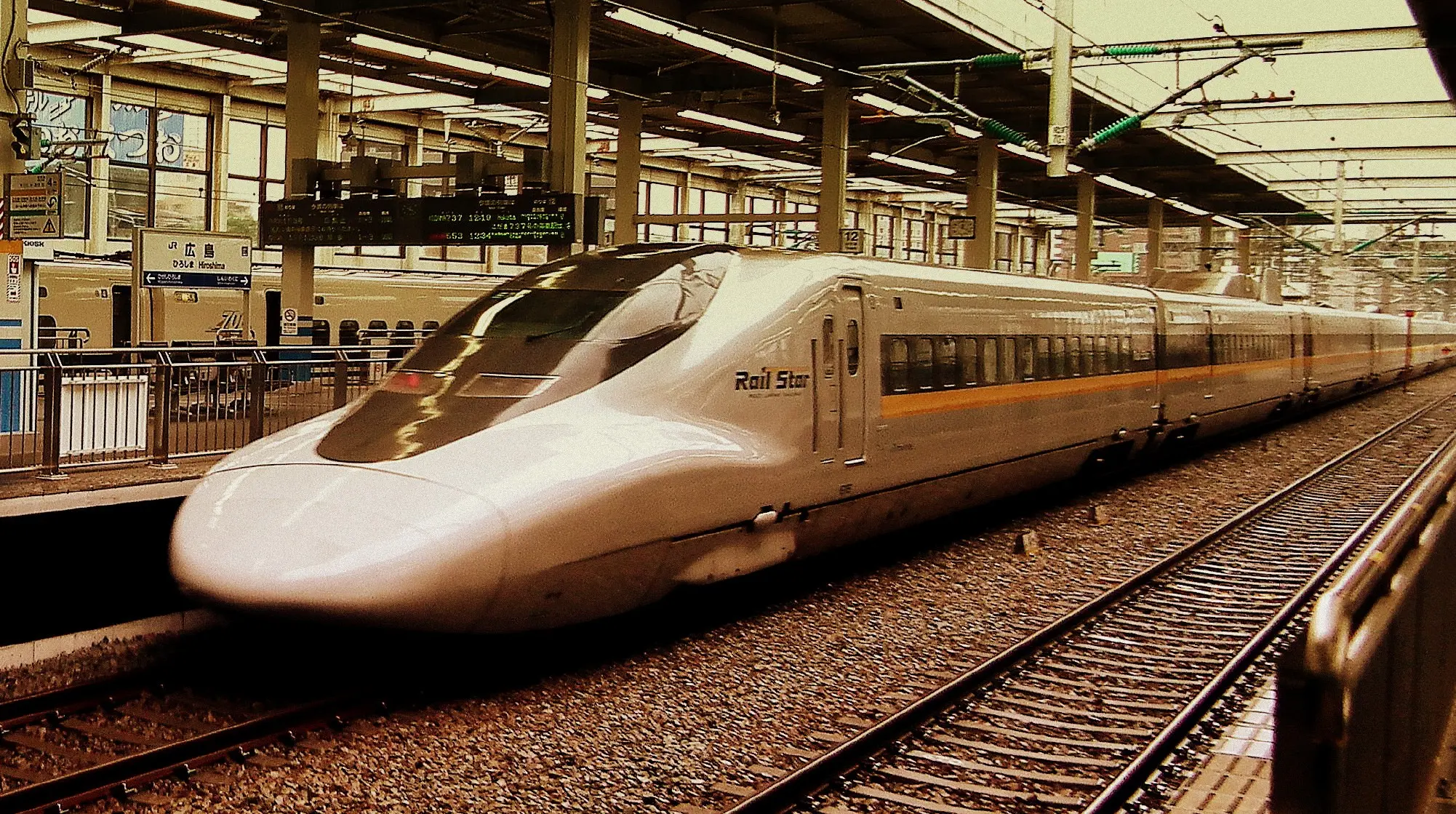
3. Tracks Are Built with Very Low Curvature and Smooth Gradients
High-speed railway lines use gentle curves, wide radii, and low gradients to avoid sudden acceleration forces. Traditional rail curves can cause lateral jerk, but dedicated high-speed lines are engineered to prevent sharp directional changes. The smoother the track geometry, the lower the risk of a glass tipping over.
4. Tilting or Controlled-Steering Systems Reduce Side Forces During Curves
Some bullet trains, like Japan’s N700S or certain European high-speed sets, use tilting or controlled bogie steering systems. These mechanisms angle the car body slightly inward on curves, counteracting centrifugal forces. As a result, objects inside remain stable even when the train negotiates turns at high speed.

5. High-Precision Wheel–Rail Interaction Reduces Shaking
Bullet trains use smooth wheel profiles, optimised rail grinding, and continuous welded rail to reduce vertical oscillation. Eliminating rail joints removes the “clickety-clack” effect seen in older railways. This precision lowers vibration entering the cabin and keeps light objects, like a champagne glass, stationary.
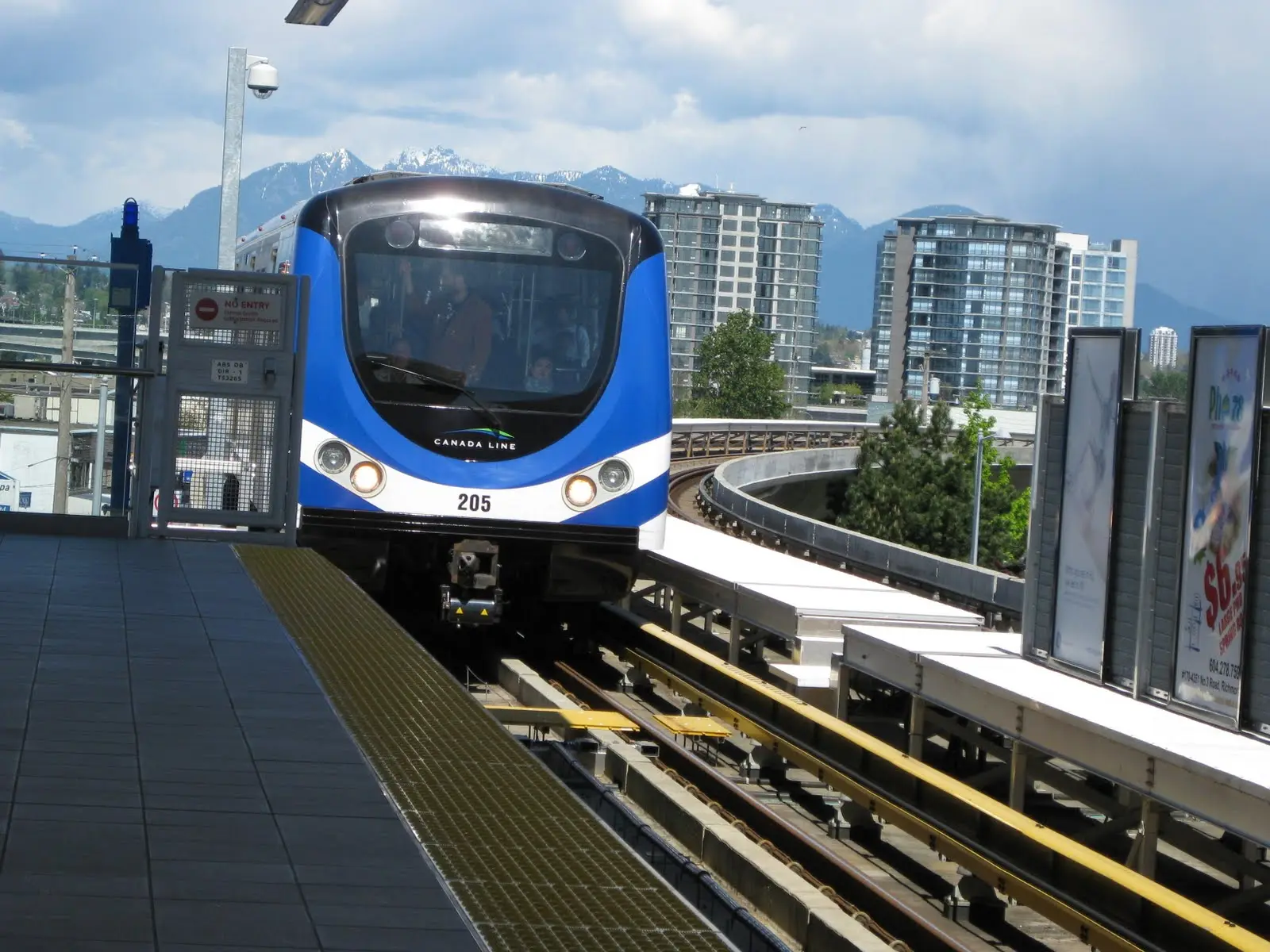
6. Aerodynamic Shape Minimises Pressure Fluctuations
At 300 km/h, rapid pressure changes can disturb objects inside the train. High-speed trains counter this with streamlined noses, pressure-tight cabins, and controlled air intake. These design features prevent sudden pressure shocks, such as when passing tunnels or crossing another train at speed.
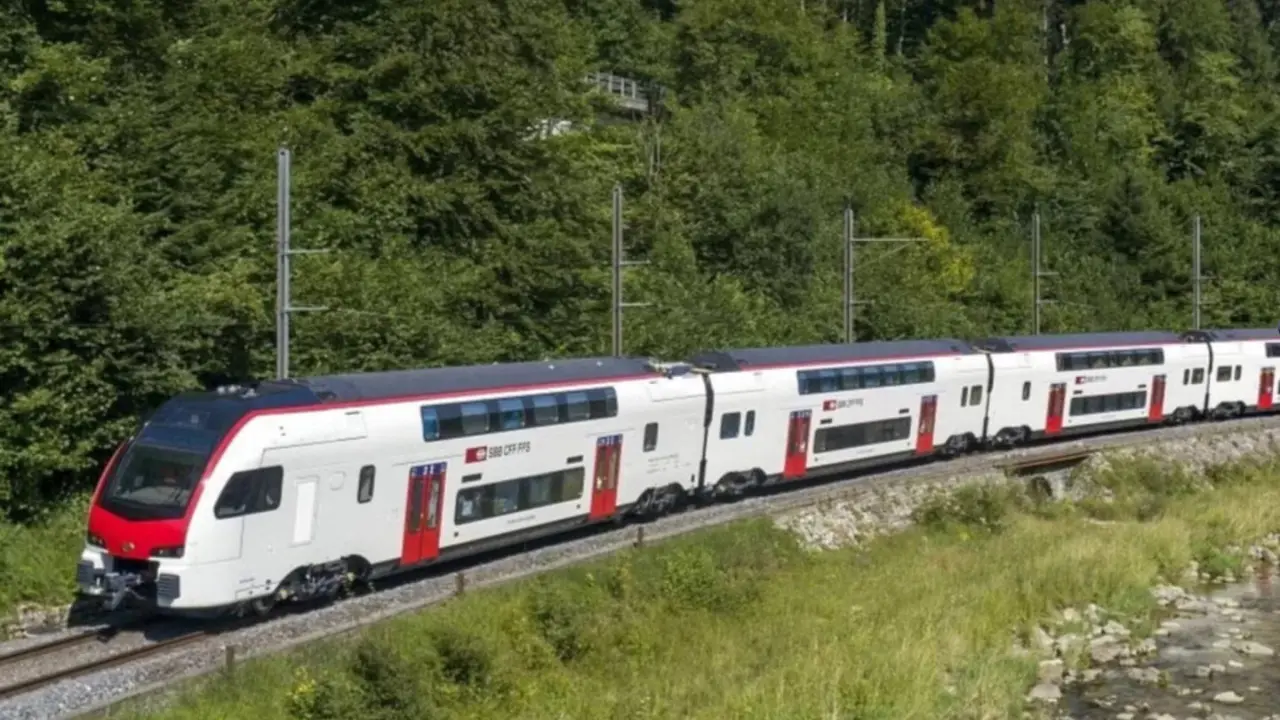
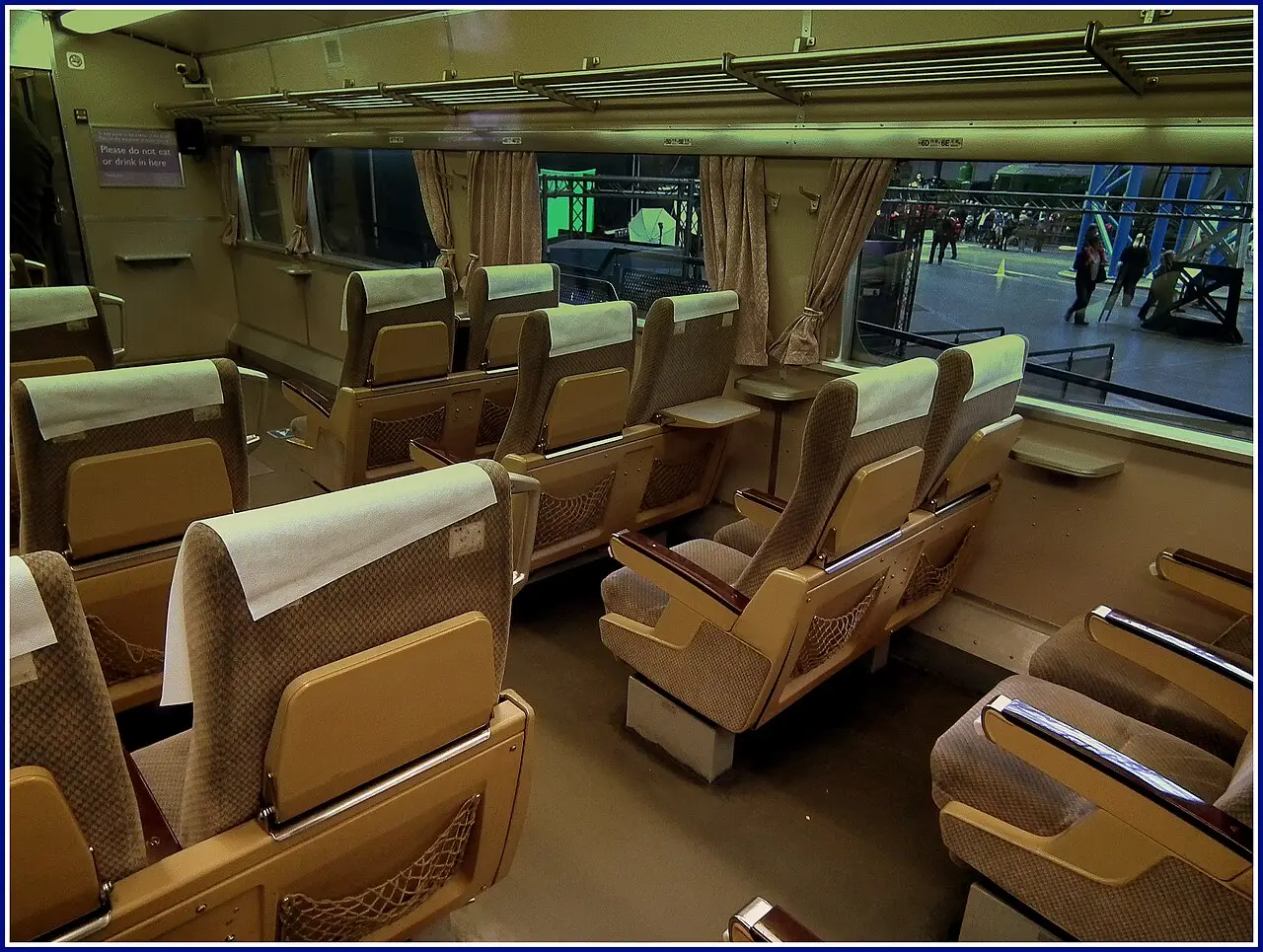
7. The Cabin Floor Stays Level Even at High Speed
High-speed coaches are engineered to keep the interior floor surface level and stable. The bogies, air suspension, and active damping systems continuously adjust to track conditions. Since the surface supporting the glass does not tilt or vibrate significantly, the champagne remains steady.
)
)
)
)
)