'Armada of bombs': What will happen if Iran sinks USS Abraham Lincoln or Gerald R. Ford?

While Ayatollah Khamenei recently boasted that a warship could be sent "to the bottom of the sea," US Navy protocols are designed to ensure that such an act would be the final move of any opposing regime.
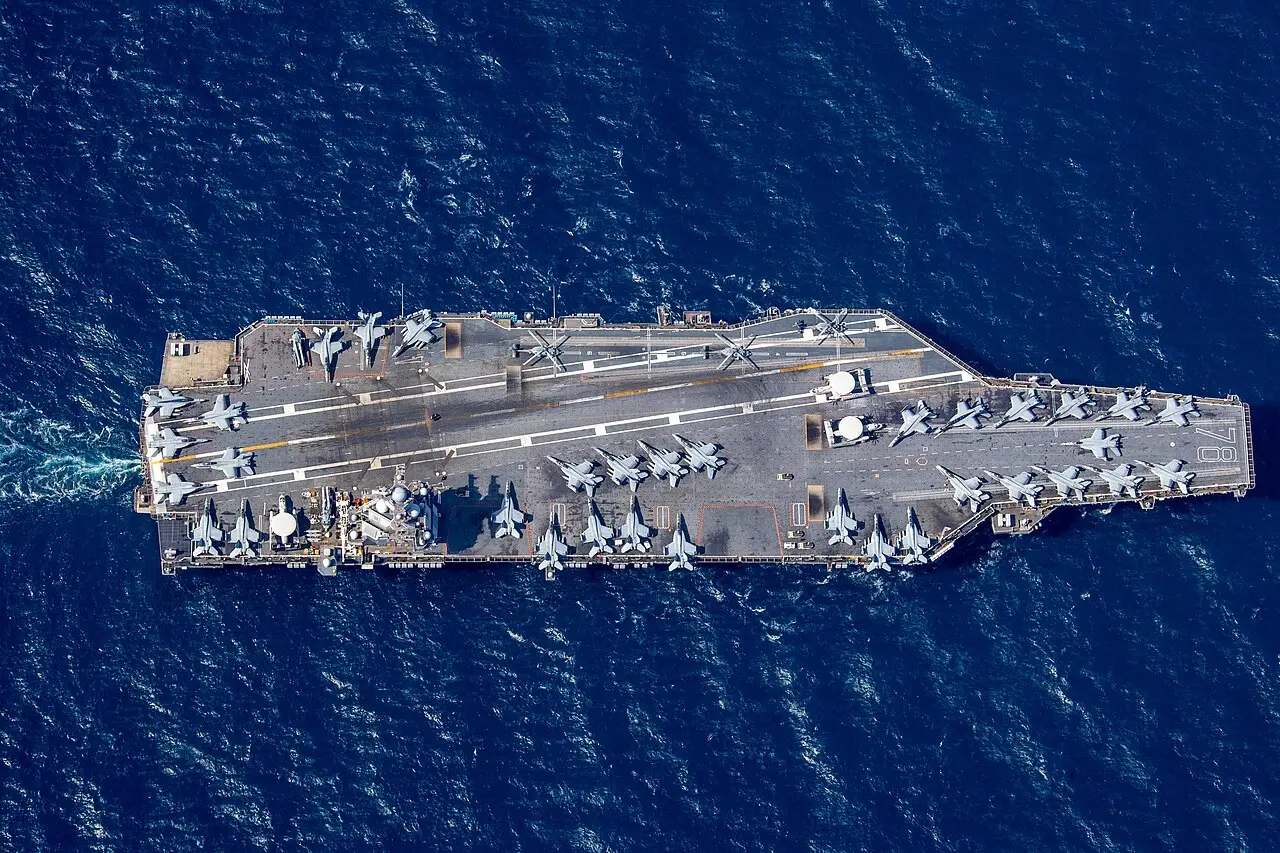
1. Automated Retaliation (SROE Rule 1)
Under the Standing Rules of Engagement, a carrier strike group commander does not need permission from the White House to return fire once a "hostile act" is detected. If a missile is launched at the USS Gerald R. Ford, the Aegis Combat System on escort destroyers automatically engages. Simultaneously, the carrier’s air wing is authorised to immediately destroy the source of the launch, be it a coastal battery, a mobile launcher, or a command bunker, without waiting for a diplomatic signal.
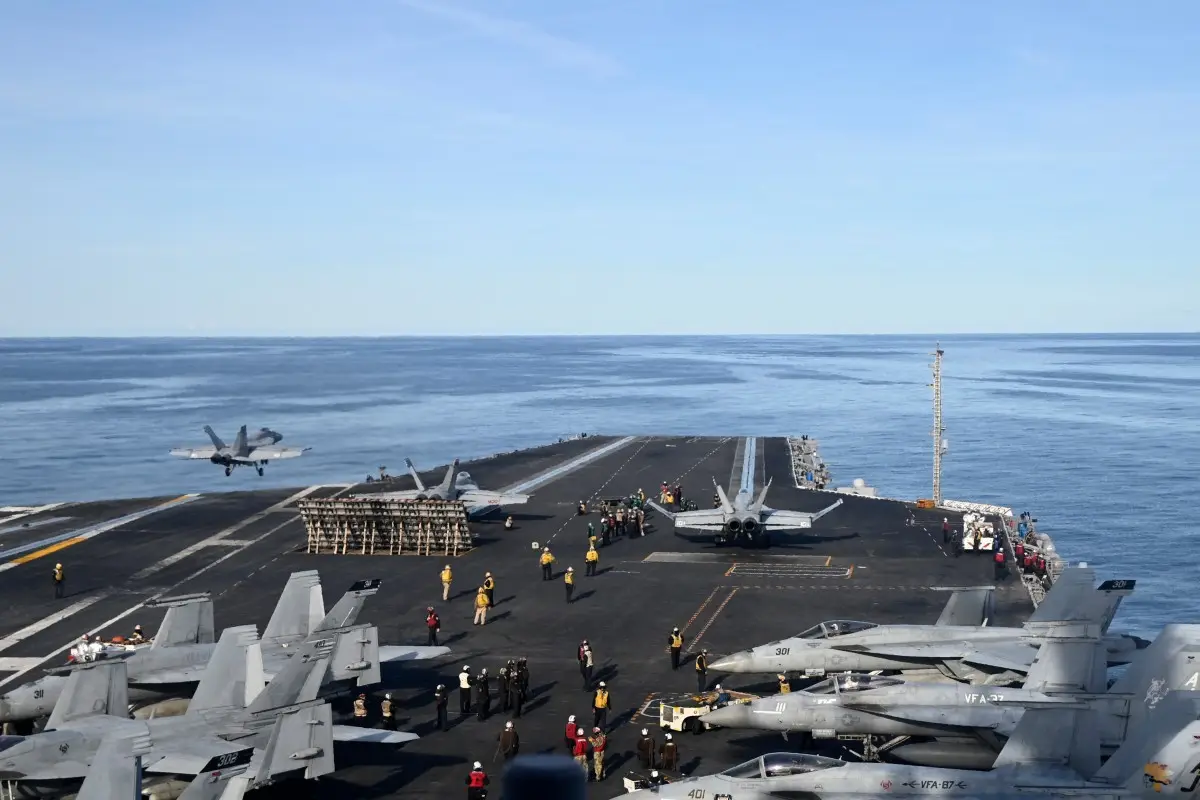
2. The "5,000-Soul" Threshold
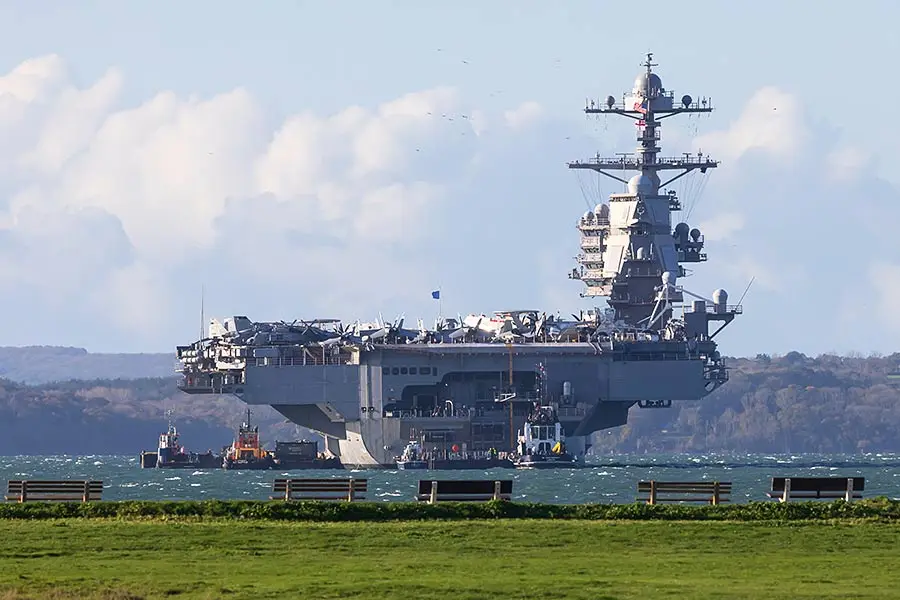
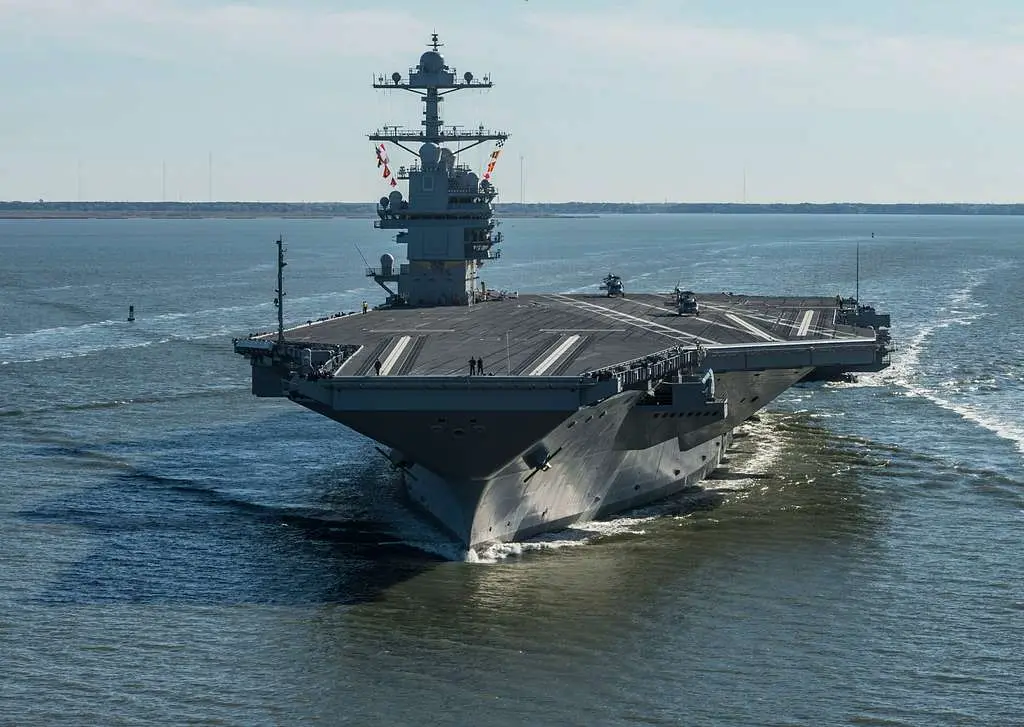
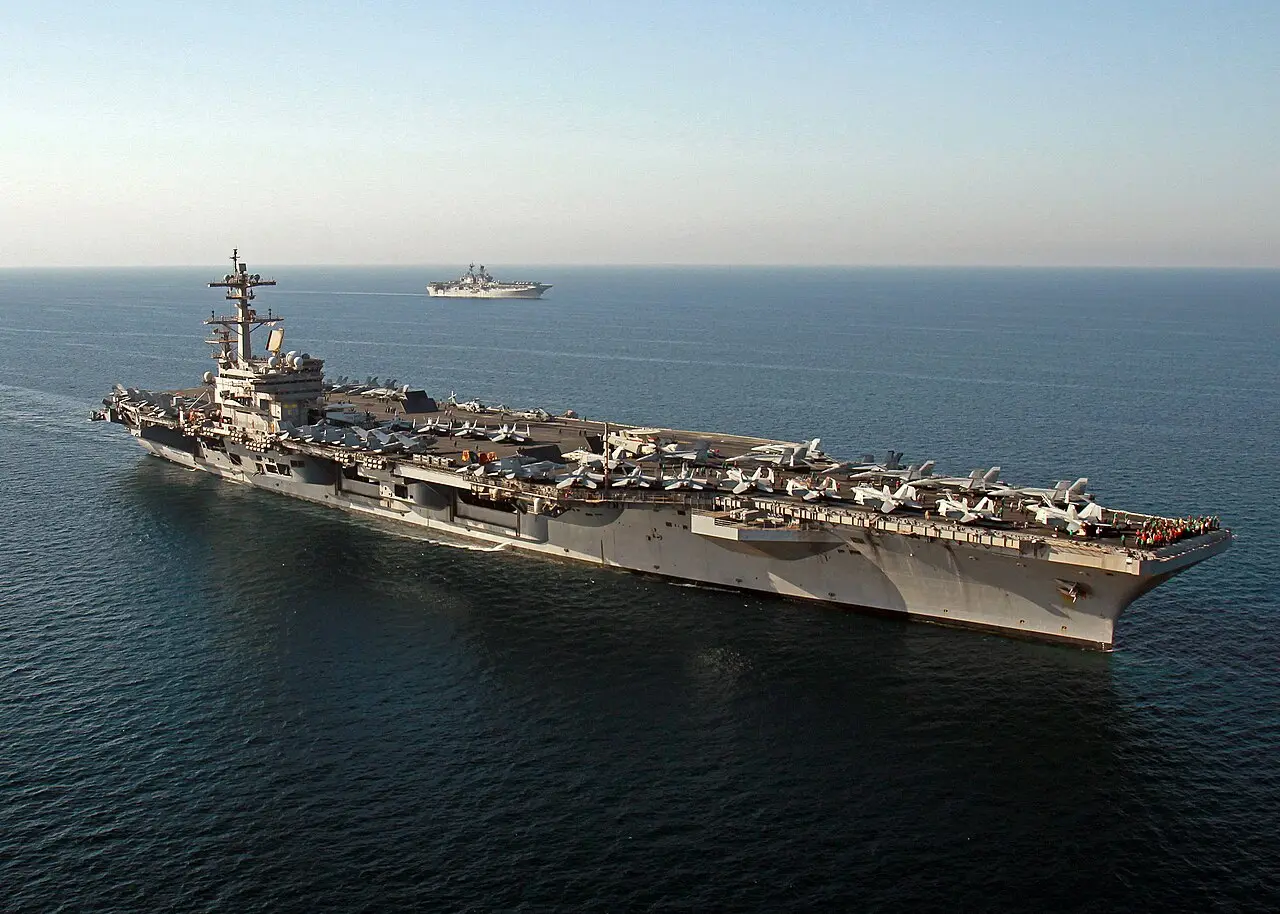
A US supercarrier is more than just a ship; it is a floating American city with nearly 5,000 personnel. In US military doctrine, the destruction of a carrier is categorised as an "Act of War" equivalent to a nuclear strike on a major US city. Protocols dictate a "disproportionate response." The loss of a capital ship triggers a pre-planned shift from "contained conflict" to "total theater dominance," where the objective becomes the complete neutralisation of the adversary’s entire military infrastructure.
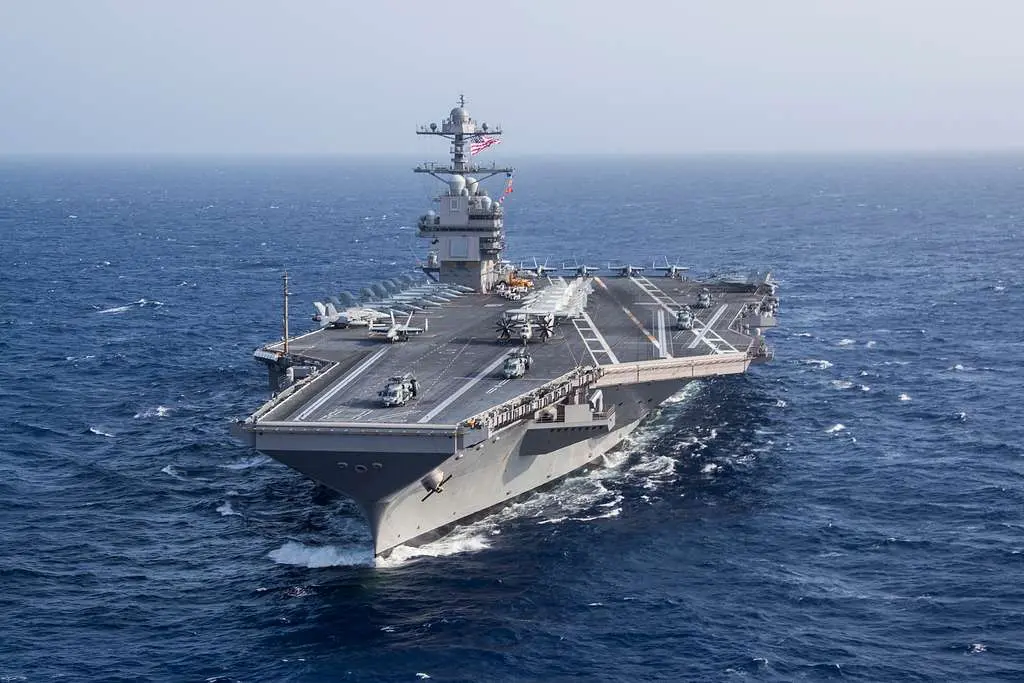
3. The "Find, Fix, Finish" Kill Chain
If a carrier is damaged or sunk, the US activates its global "Find, Fix, Finish" protocol. Every available asset, from MQ-4C Triton high-altitude drones to underwater sensors, is tasked with one goal: locating every IRGC asset in the region. The "Finish" phase involves a saturation of Tomahawk missiles and B-21 Raider strikes designed to wipe out the IRGC’s "shadow fleet," drone factories, and missile silos within the first 24 hours.
4. Immediate Maritime "Stranglehold"
The US Navy would immediately implement a total blockade of the Strait of Hormuz. Under the "Maritime Stranglehold" protocol, any vessel, including third-party tankers, attempting to transport Iranian oil would be intercepted or seized. The goal is to induce an "Economic Cardiac Arrest" by cutting off 100 per cent of Iran’s export revenue instantly, forcing the regime to choose between total bankruptcy or total surrender.
5. Decapitation of Command and Control
Unlike the limited tactical strikes of 2025, a "post-carrier" response targets the "Brain of the State." Protocols include precision strikes on the IRGC Headquarters, the Ministry of Intelligence, and the communication nodes used by the clerical leadership. The objective shifts from "defending the fleet" to "Strategic Decapitation," ensuring the regime can no longer coordinate its "Axis of Resistance" proxies in Lebanon, Yemen, or Iraq.
6. National Infrastructure "Logic Bombs"
US Cyber Command is authorised to execute a "total grid blackout" in response to an attack on a capital ship. This involves deploying “Logic Bombs”, pre-planted malware in Iran’s electrical grid, water systems, and telecommunications. This is designed to paralyse the nation’s ability to mobilise for a second wave of attacks, effectively "blinding" the military while the kinetic bombardment continues.
7. The "Strategic Submission" Ultimatum
The final protocol is the deployment of the Nuclear Triad to a high-readiness posture. While the use of such weapons is a last resort, the threat is used to demand an "Unconditional Strategic Submission." The US would require the total and permanent dismantling of Iran’s nuclear and ballistic programs under a "surrender-style" agreement, backed by the "massive power" Trump has promised is ready and waiting in the Gulf.
)
)
)
)
)