‘Arctic warfare’: How troops modify rifles for extreme cold combat

Soldiers in the Arctic modify rifles by stripping standard oil to prevent freezing and using graphite instead. They use oversized trigger guards for mittens, tape muzzles to block snow, and often leave weapons outside to avoid condensation.
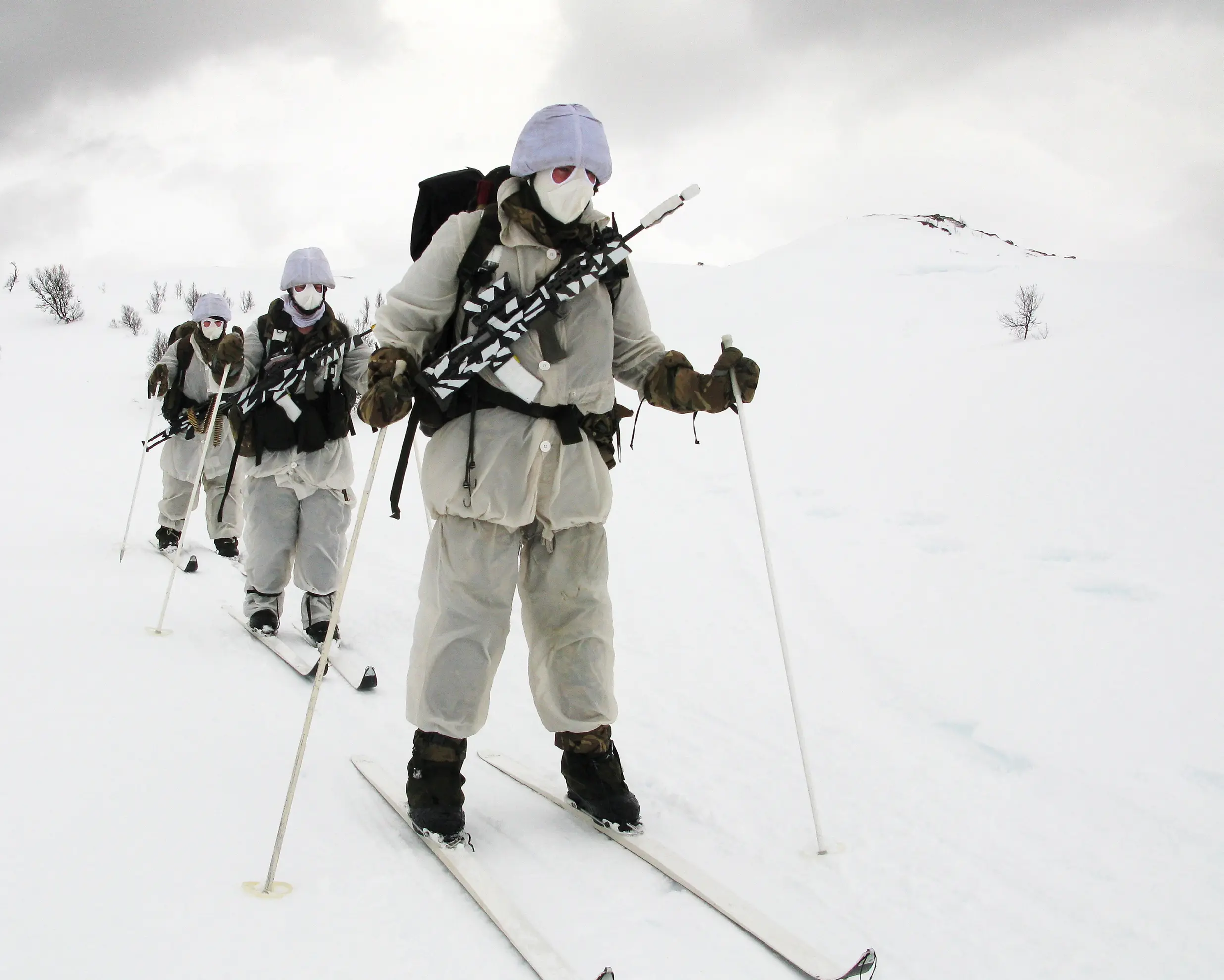
Stripping the oil Lubricant turns to glue
Standard gun oil thickens into a sticky gel at extreme sub-zero temperatures, causing the weapon to jam. Soldiers often strip their rifles completely dry or use powdered graphite, which provides lubrication without freezing like liquid oils.
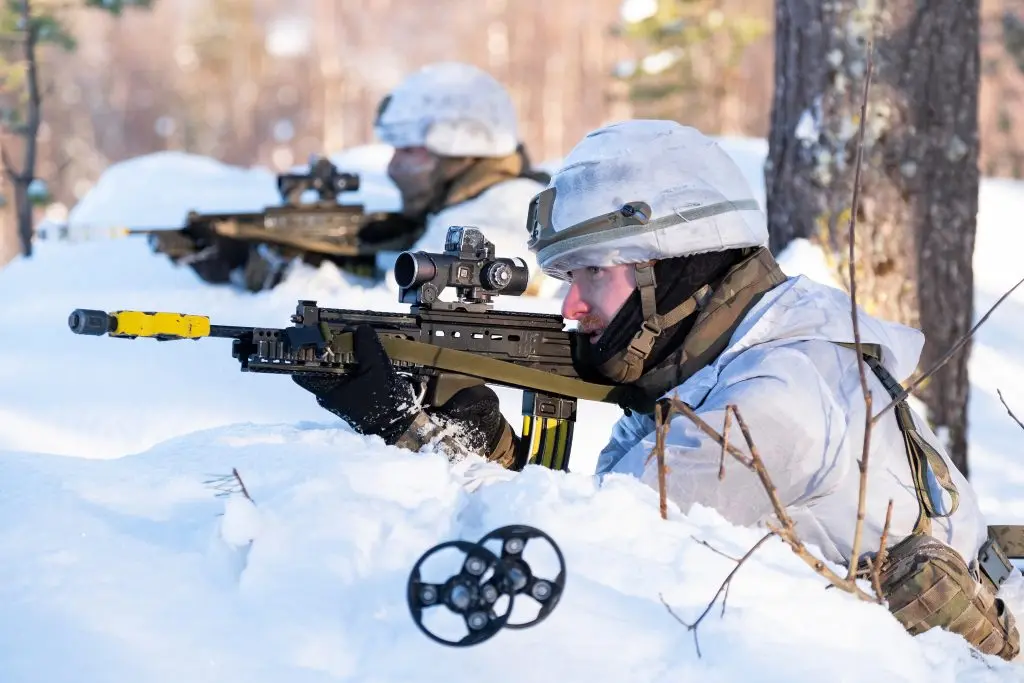
The mitten trigger Modifying the guard
You cannot shoot with frostbitten fingers, so soldiers wear thick heavy mittens. To accommodate them, Arctic rifles feature oversized or removable trigger guards, allowing troops to fire without exposing their bare skin to the lethal air.
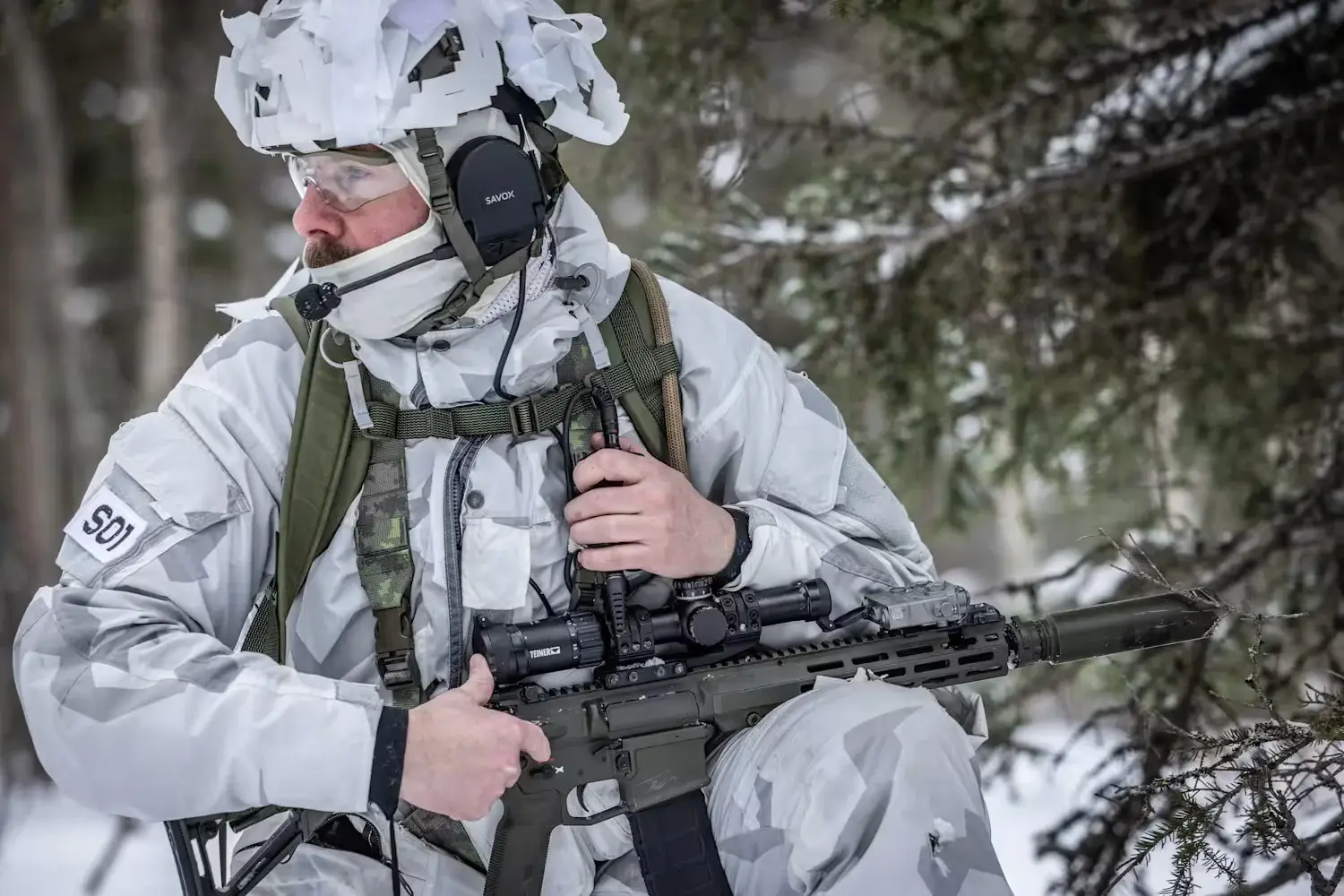
The condensation trap Leaving rifles outside
Bringing a frozen rifle into a warm tent creates condensation that instantly freezes into ice when taken back outside. To prevent this internal jamming, soldiers often leave their weapons stacked outside in the cold, or seal them in airtight bags before entering heat.
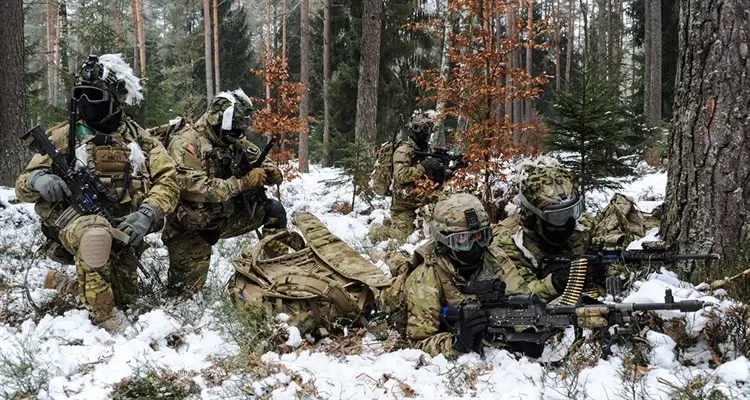
Taping the muzzle A simple life-saver
Walking through deep snow often leads to clogged barrels, which can cause the weapon to explode when fired. Troops place a strip of electrical tape over the muzzle; the air pressure blows it off instantly upon firing, but it keeps snow out until that moment.
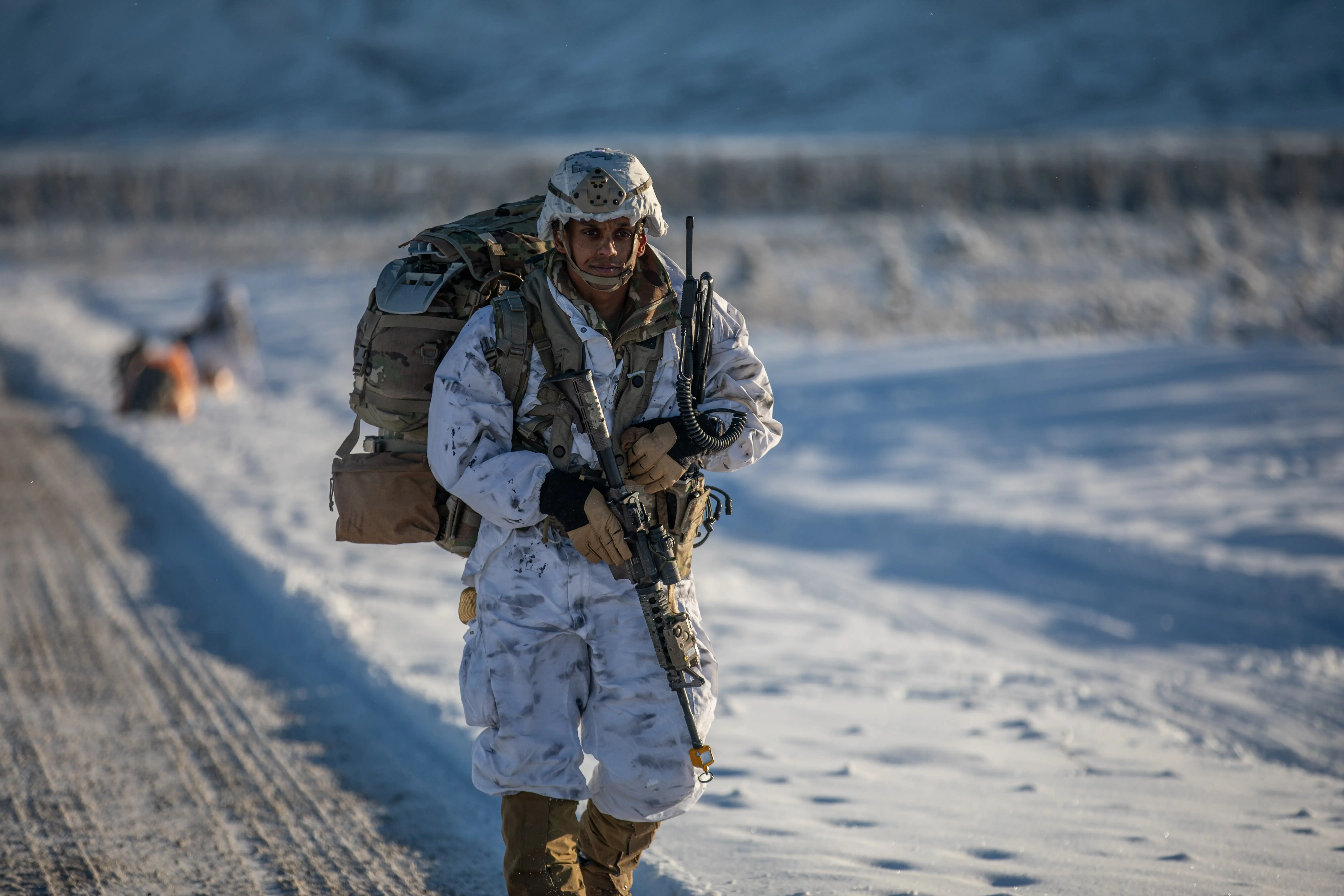
Cycling the bolt Breaking the ice seal
Moisture from the air can freeze moving parts together if they sit still for too long. Soldiers on guard duty must manually cycle the action of their weapons every few minutes to break any forming ice and ensure the bolt remains free to move.
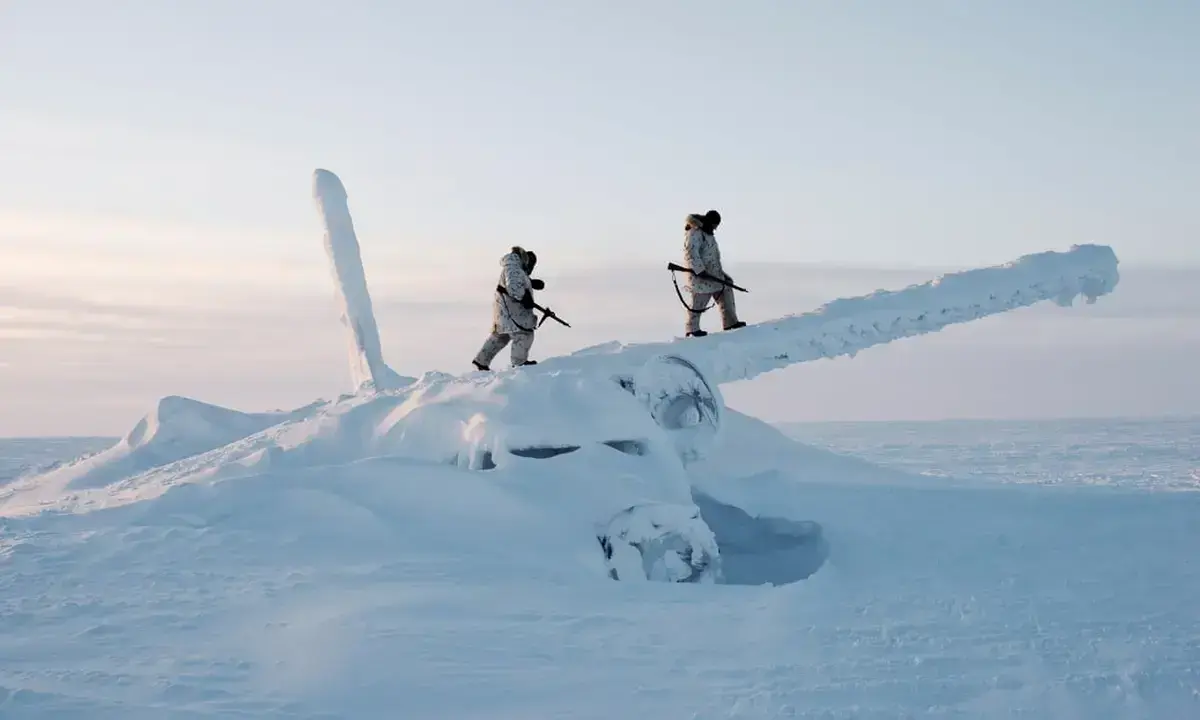
Plastic vs Metal Preventing ‘contact frostbite’
Touching bare metal at -50°C can strip skin instantly. Soldiers wrap metal stocks in tape or parachute cord to create a barrier, while modern Arctic rifles use specialized polymers that do not shatter or conduct cold like traditional materials.
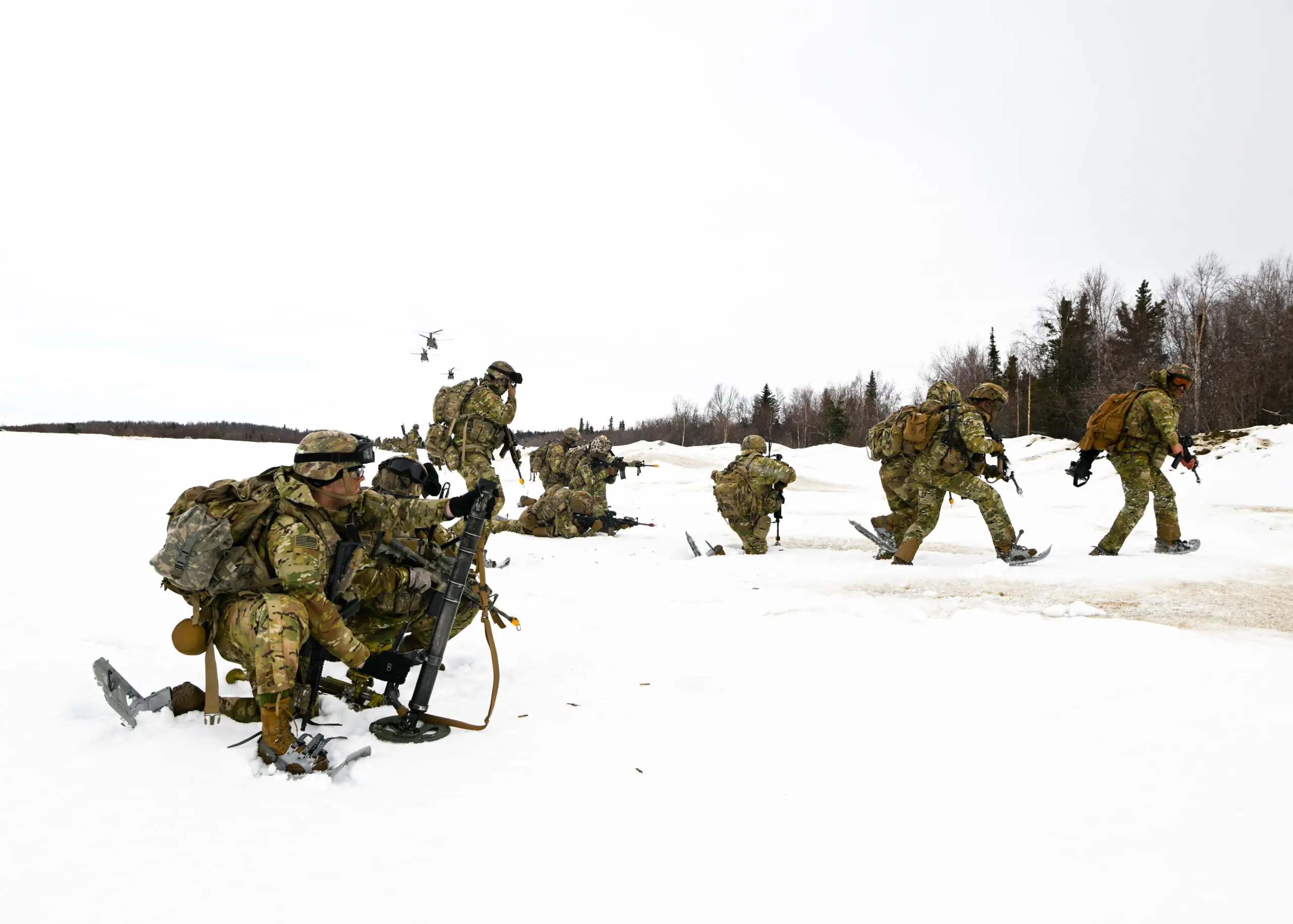
Ice-clearing bolts Engineering for the freeze
Specialised weapons like the Accuracy International ‘Arctic Warfare’ rifle feature bolts with fluted grooves. These channels allow ice and debris to be pushed out of the way as the bolt closes, rather than jamming the mechanism tight.
)
)
)
)
)