‘Arctic extreme cold survival’: Why dressing in layers is crucial for soldiers in cold environments

Soldiers in the Arctic use a 7-layer system to survive. This includes wicking base layers to prevent freezing sweat, insulating fleece, and a windproof shell. They add massive 'puffer' jackets when stopping and use 'overwhites' for camouflage, strictly following the rule that "sweat kills".
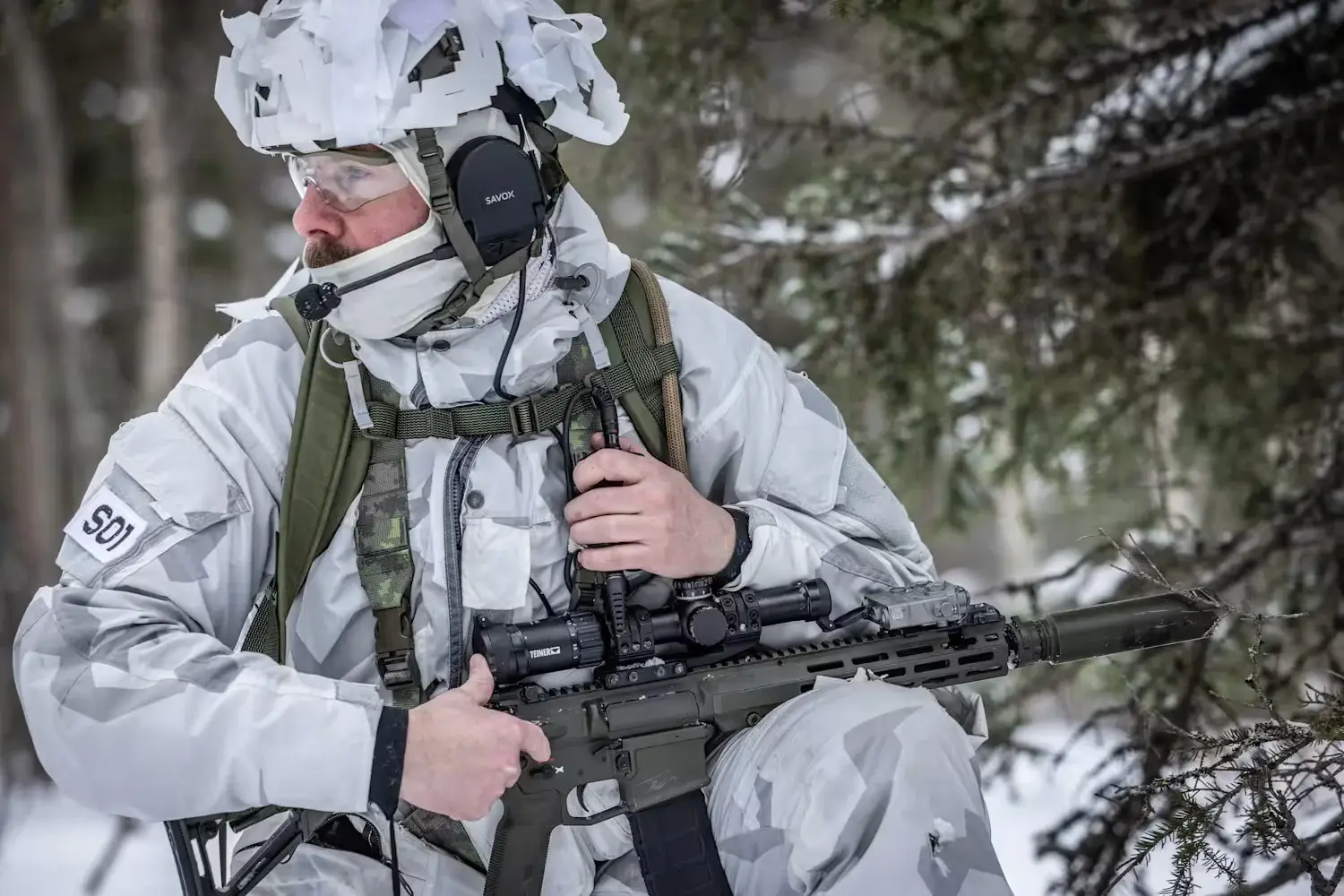
The base layer Wicking away the sweat
The layer next to the skin must never be cotton, which absorbs moisture and freezes. Soldiers use synthetic or merino wool garments that wick sweat away from the body, keeping the skin dry and preventing rapid heat loss during physical exertion.
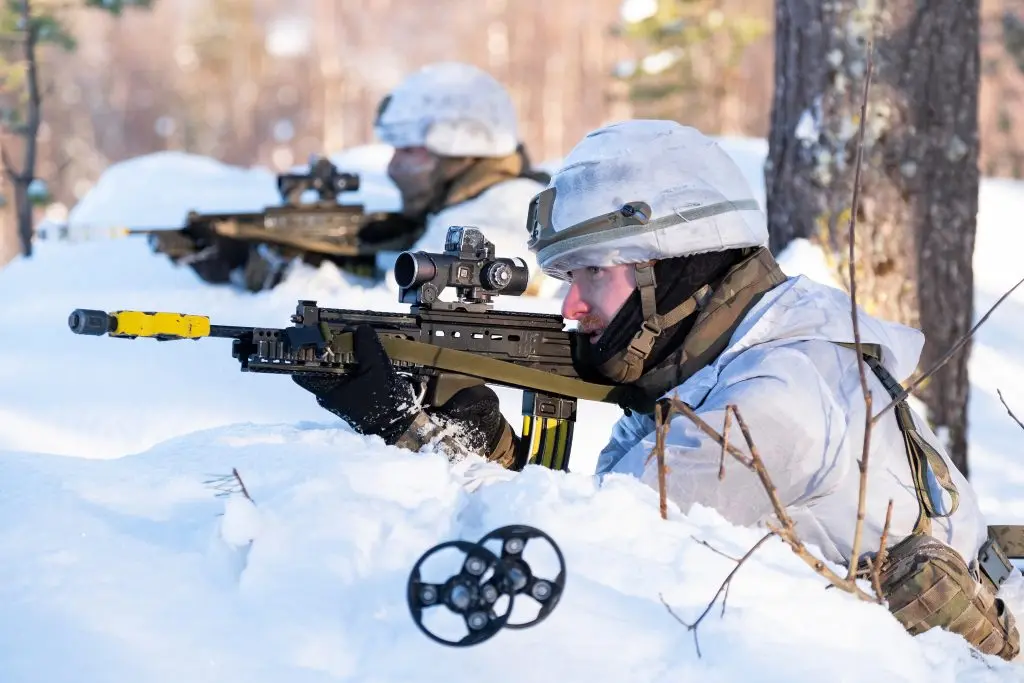
The insulation layer Trapping the warm air
The middle layers, usually fleece or wool, create 'dead air' spaces that hold body heat like a thermos. Soldiers add or remove these layers based on their activity level to maintain a stable core temperature without overheating.
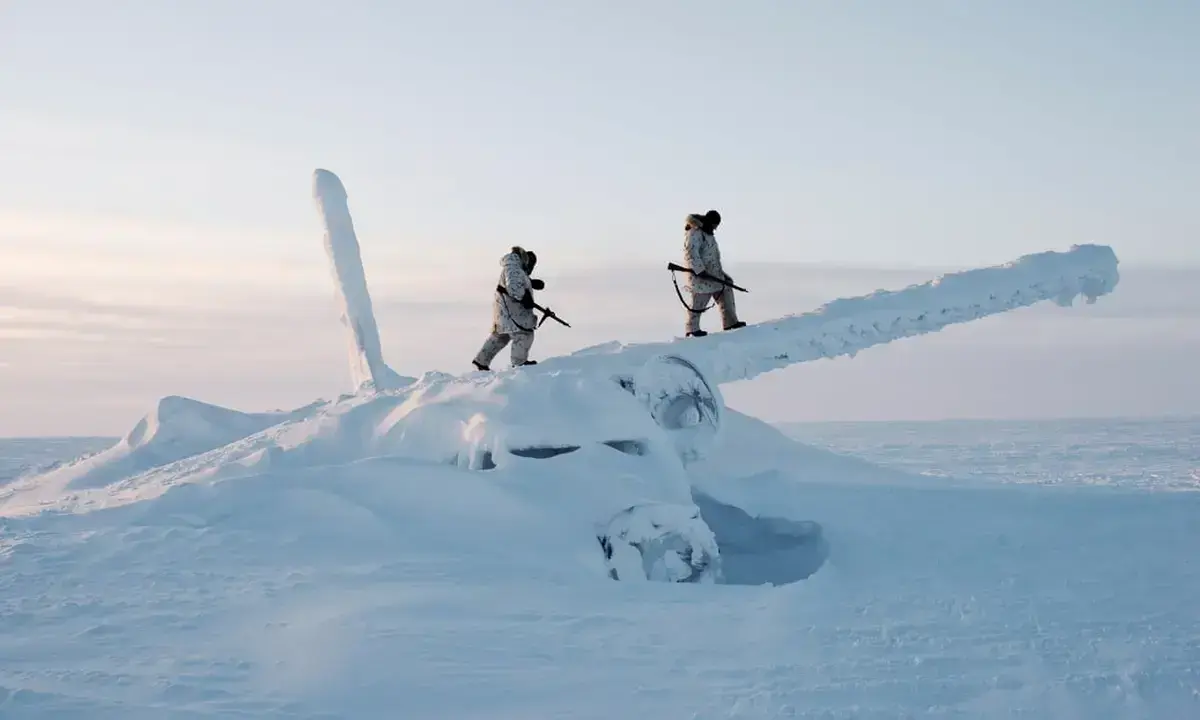
The windproof shell Blocking
The biting chill A hard-shell jacket protects the inner insulation from wind and wet snow. In the Arctic, wind chill can drop the effective temperature by dozens of degrees instantly, so this barrier is vital to prevent the warm air trapped inside from being stripped away.
The ‘Puffer’ layer
For static survival When soldiers stop moving, they generate less heat and must immediately put on a massive high-loft 'puffer' jacket. Often called the 'Marshmallow Suit', this outer layer provides maximum insulation for guard duty or sleeping in temperatures below -40°C.
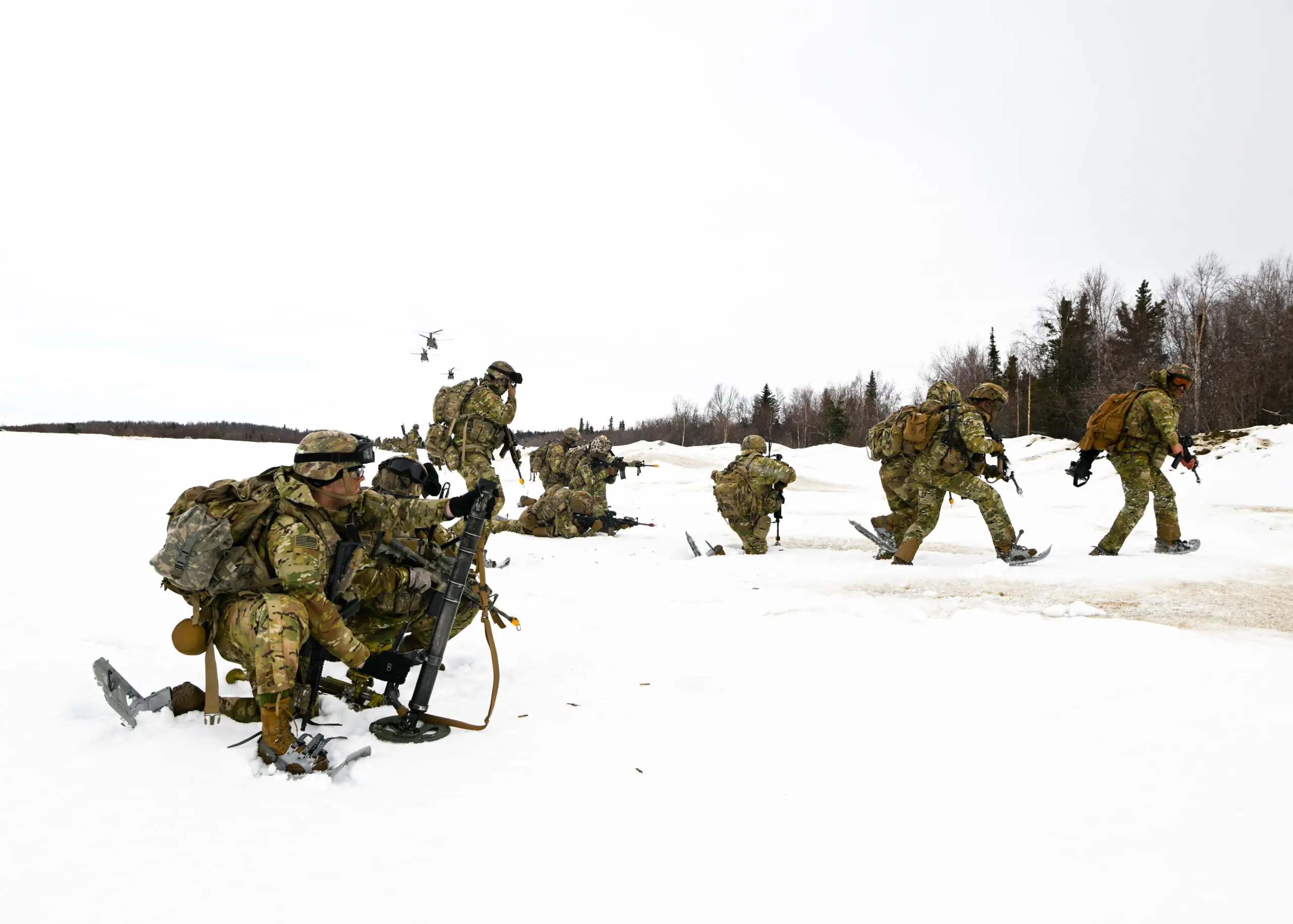
The ‘Sweat Kills’ rule Venting to stay alive
If a soldier sweats too much, that moisture will eventually freeze against their skin. Troops are trained to strip off layers before they start marching "be bold, start cold" and use zippers to vent heat, ensuring they never become damp.
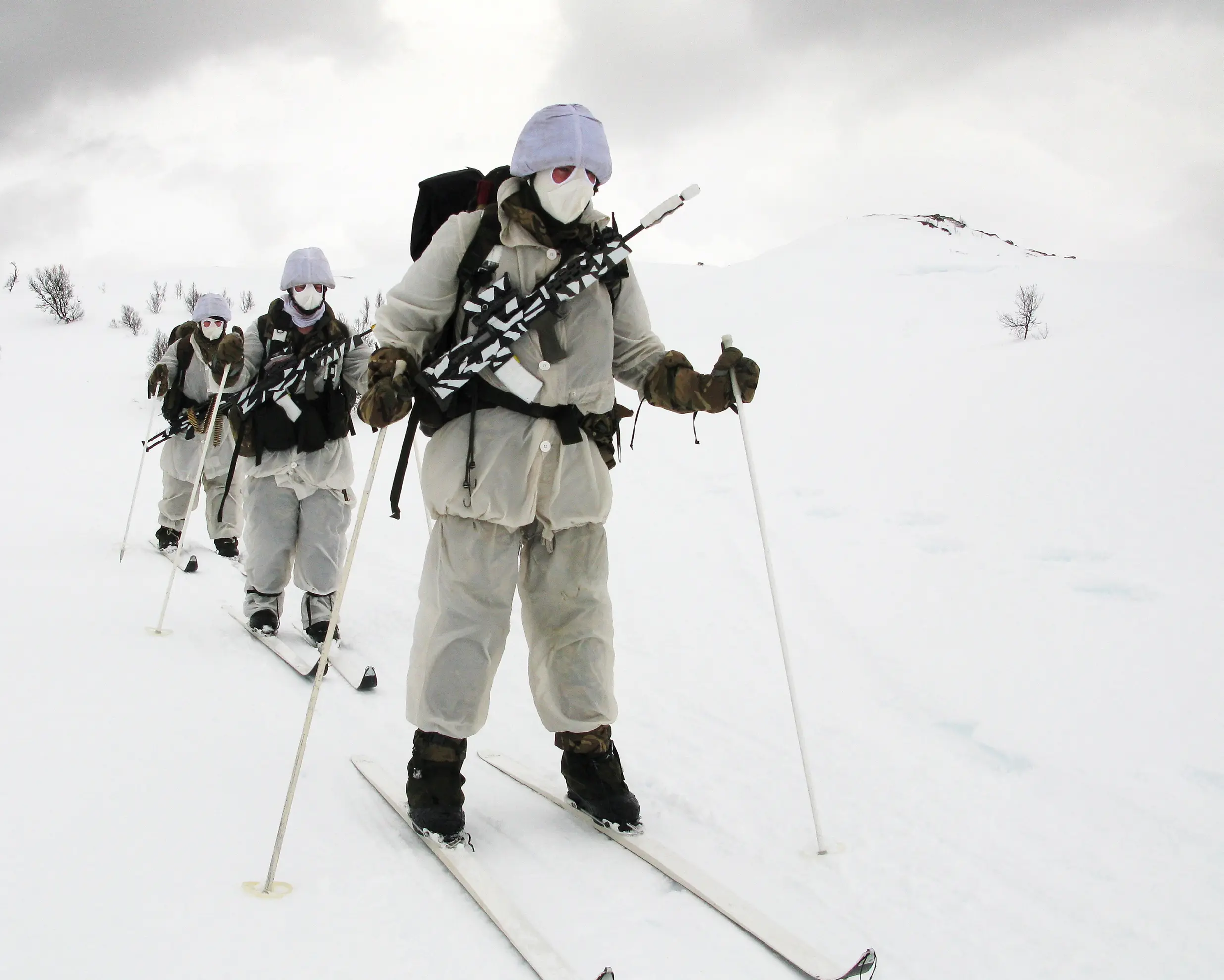
Protecting extremities Mittens over gloves
Fingers freeze quickly when separated, so soldiers prefer mittens that keep fingers together to share warmth. For boots, they use vapor barrier designs like 'Bunny Boots' that trap heat in a vacuum, preventing frostbite even if the boot exterior is wet.
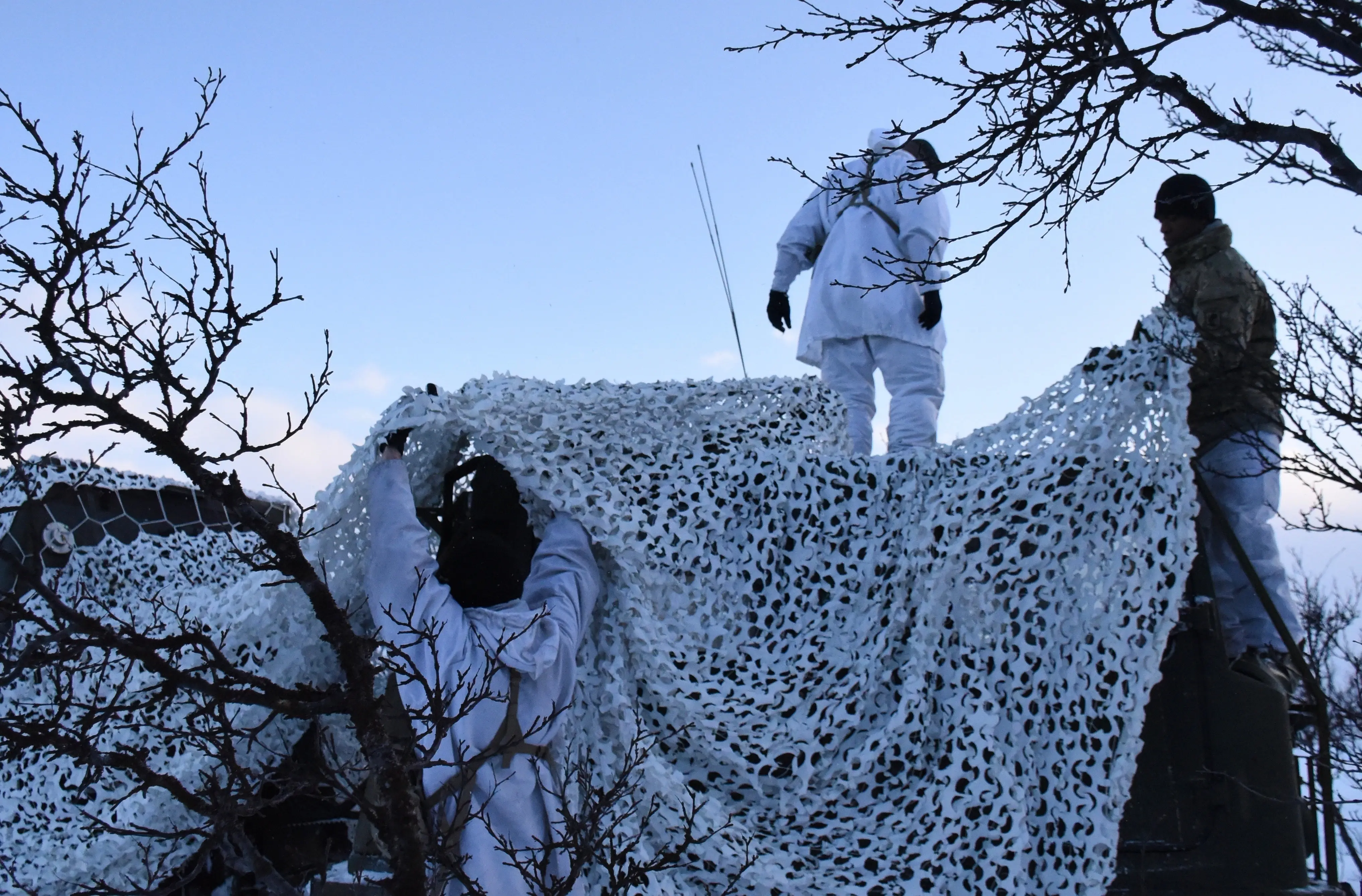
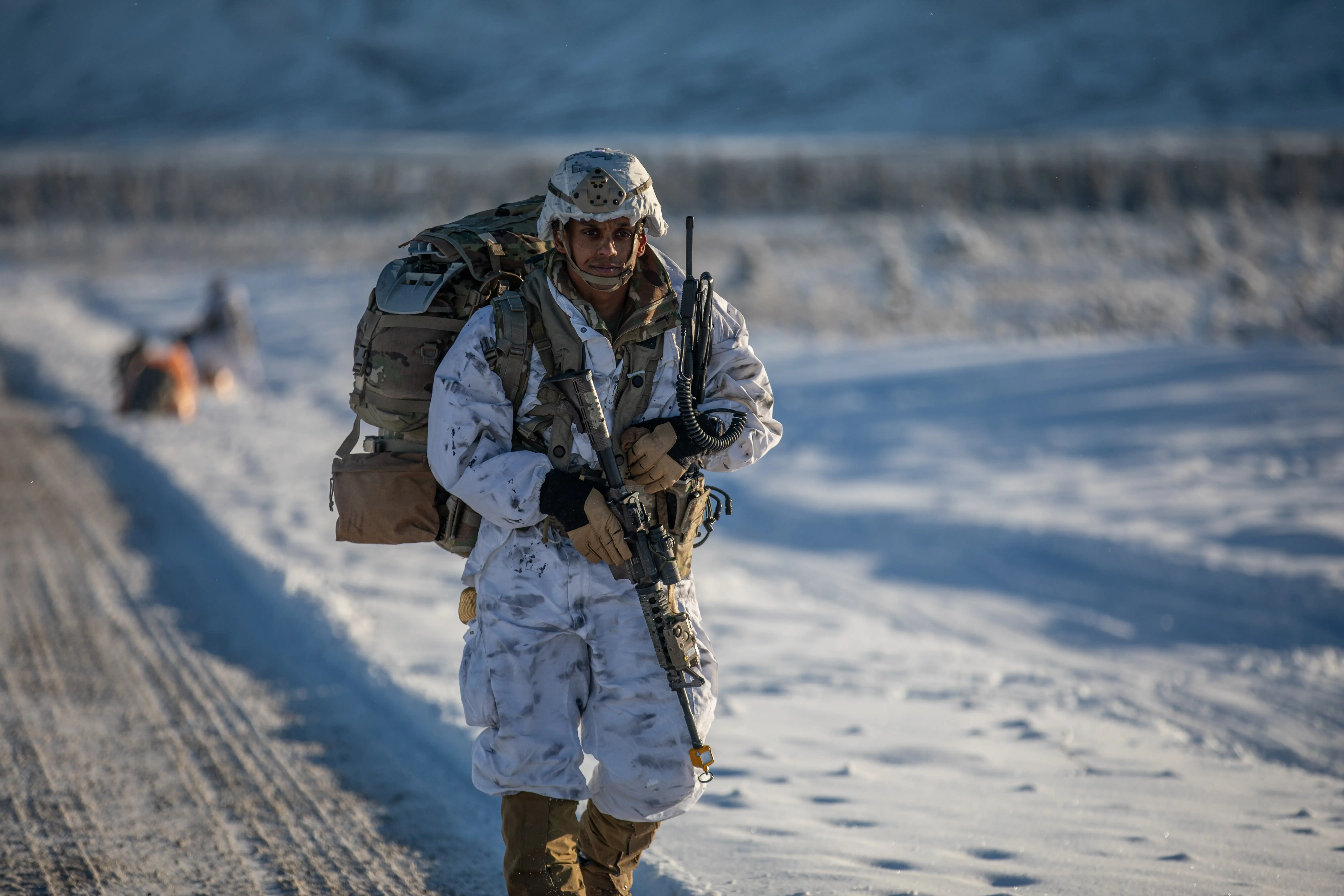
Camouflage overwhites Hiding in the snow
The final layer is often a thin white nylon suit worn over everything else. Known as 'overwhites', this layer provides no warmth but is essential for blending into the featureless white terrain, breaking up the soldier's silhouette against the snow.
)
)
)
)
)