'Aqueous Film': How AFFF saves the USS Abraham Lincoln from exploding?

Aqueous Film Forming Foam stops aviation fuel fires aboard the USS Abraham Lincoln. Despite toxic forever chemicals, this 96 per cent water mixture remains crucial for maritime safety.
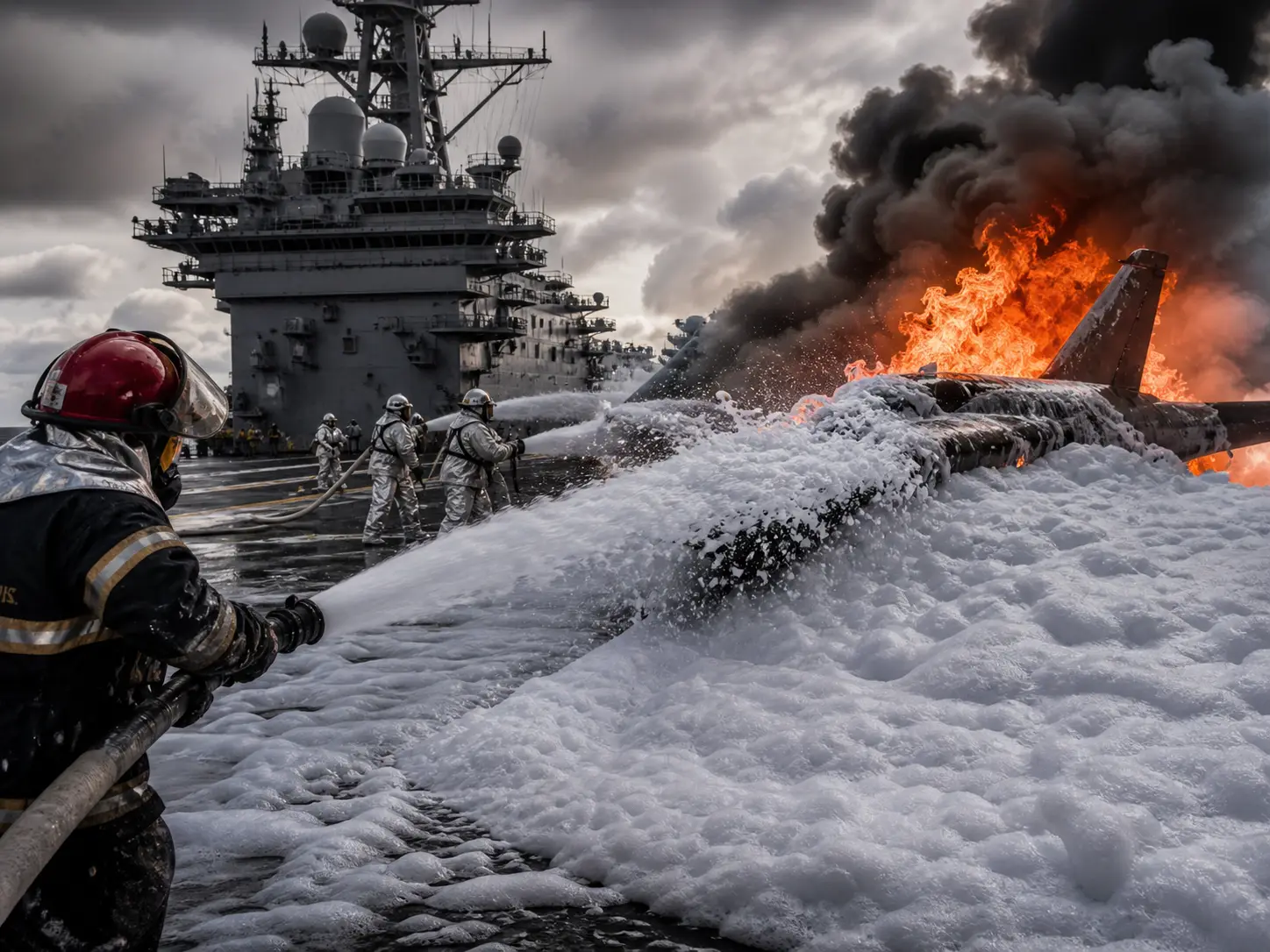
100,000-tonne CVN 72 Shield
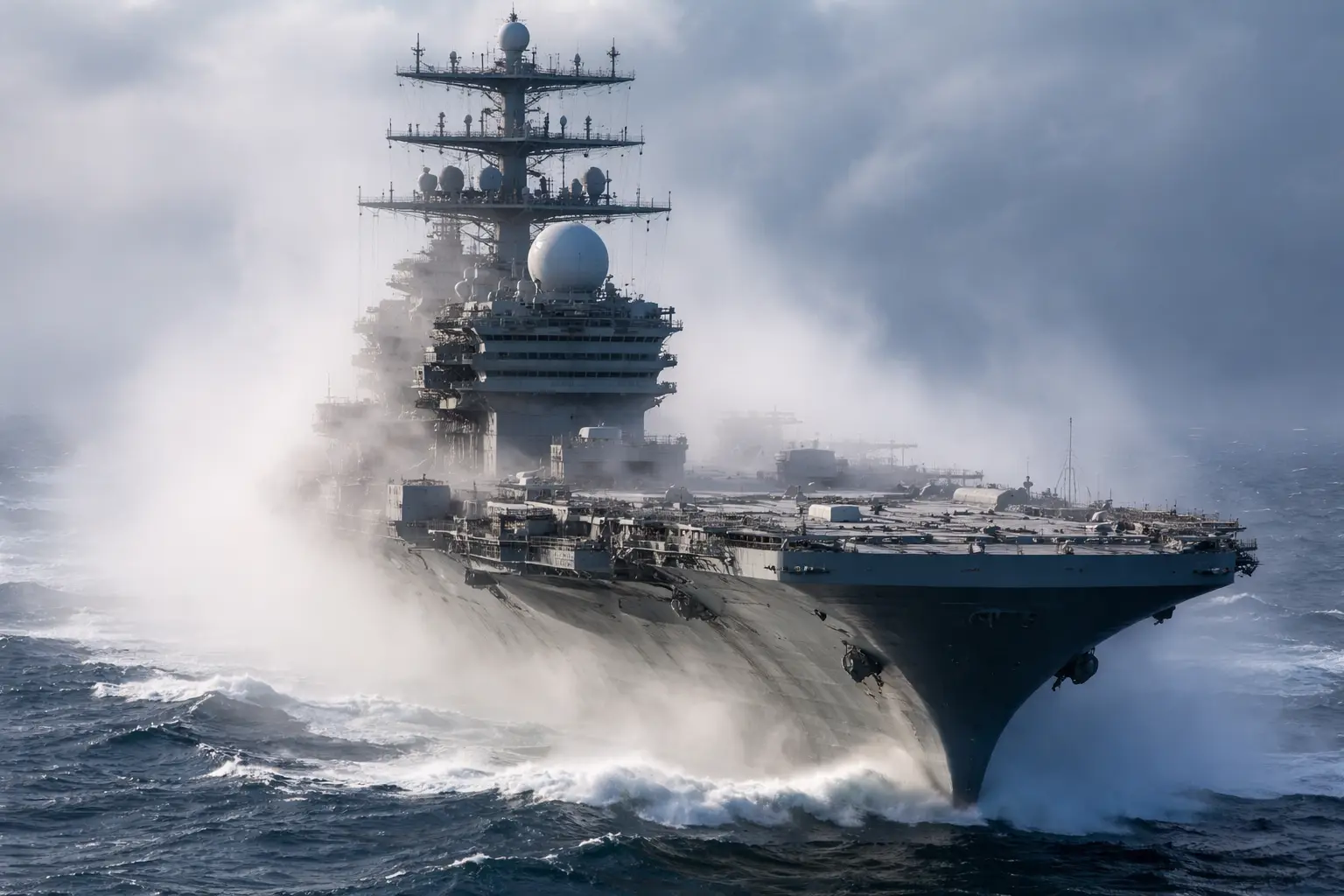
The USS Abraham Lincoln is a Nimitz-class aircraft carrier carrying vast quantities of aviation fuel. To prevent devastating explosions, the ship relies on an advanced firefighting system. This mechanism deploys a specialised chemical mixture to smother sudden flames instantly.
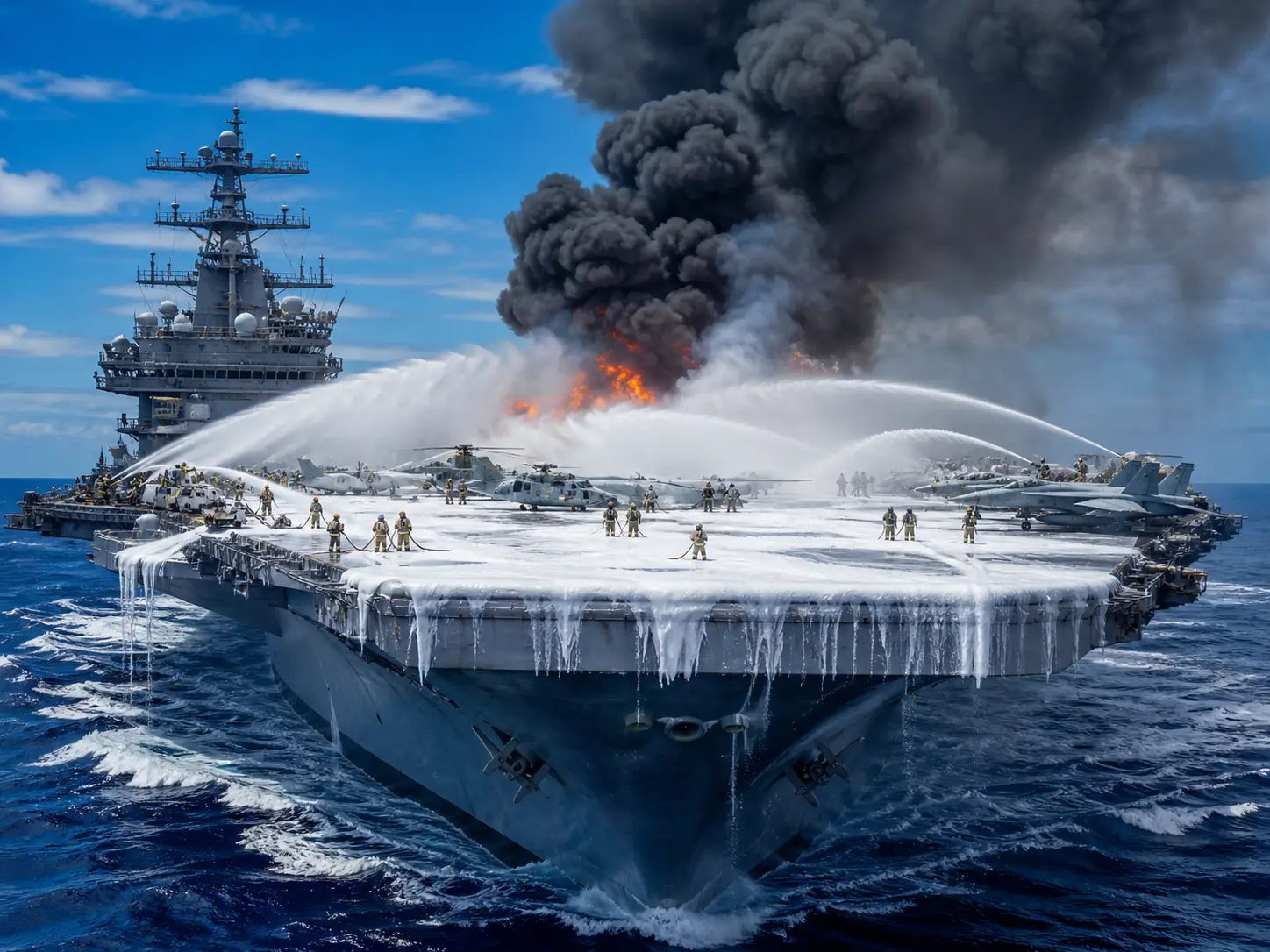
96% Water Liquid Base
The life-saving foam primarily consists of a 96 per cent water mixture. When an emergency strikes, automated flight deck sprinklers rapidly spray this liquid across the affected area. The immense volume of water immediately cools the burning surface and lowers extreme temperatures.
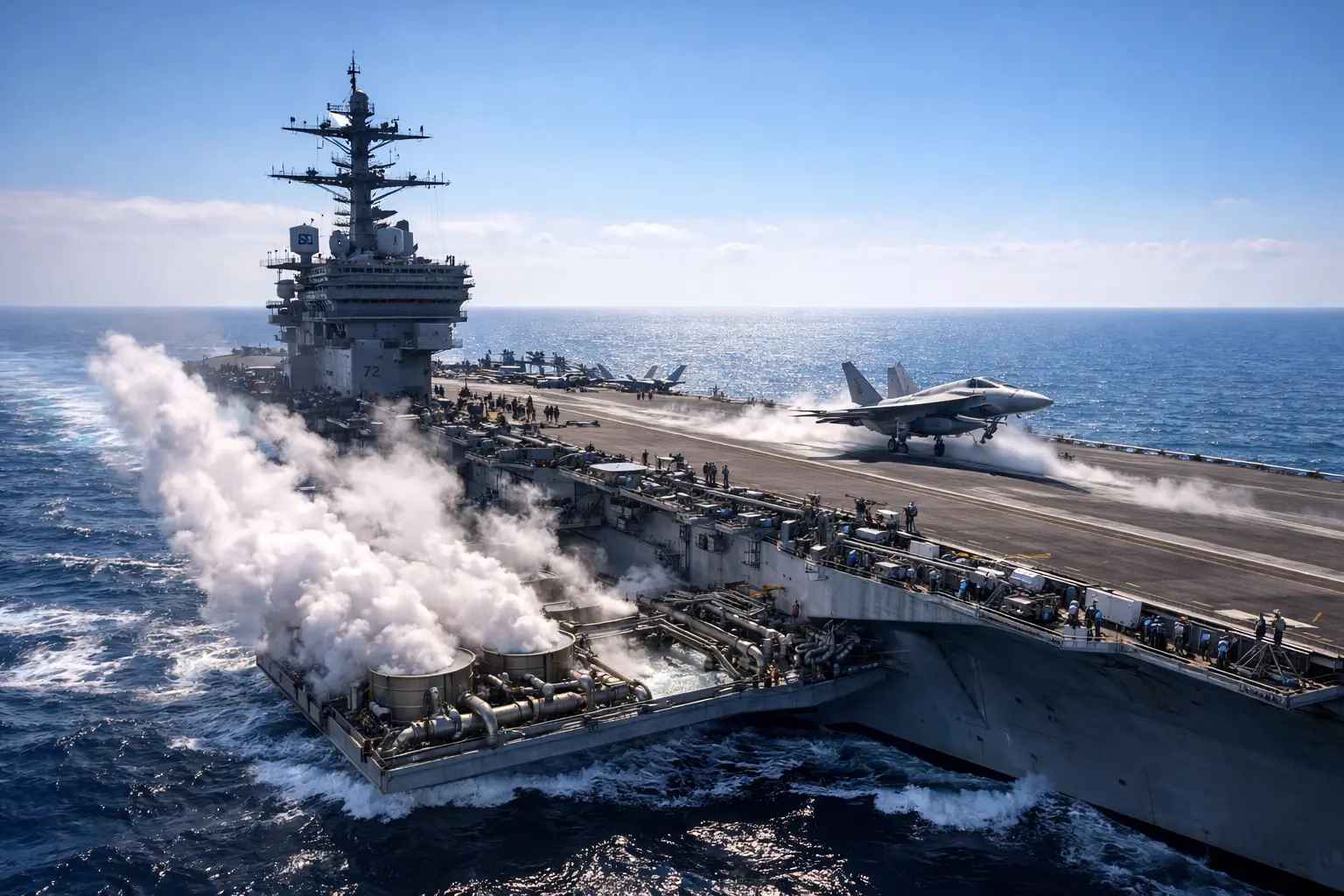
4% Toxic Chemical Concentrate
The crucial active ingredient is a 4 per cent synthetic foam concentrate. This solution contains per- and polyfluoroalkyl substances, commonly known as forever chemicals. These toxic but highly effective compounds are mandatory for extinguishing aggressive petroleum fires.
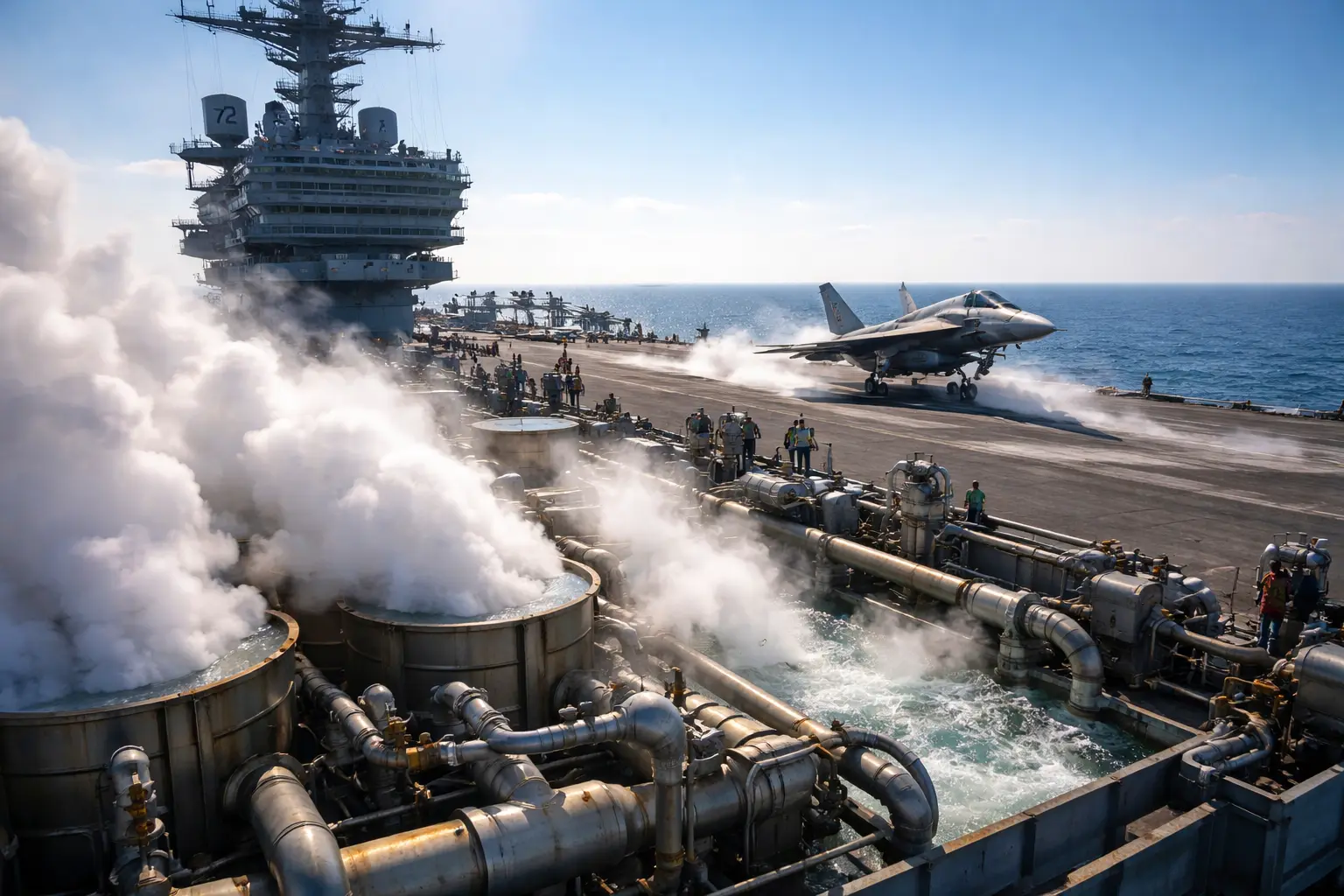
Halting Class B Fires
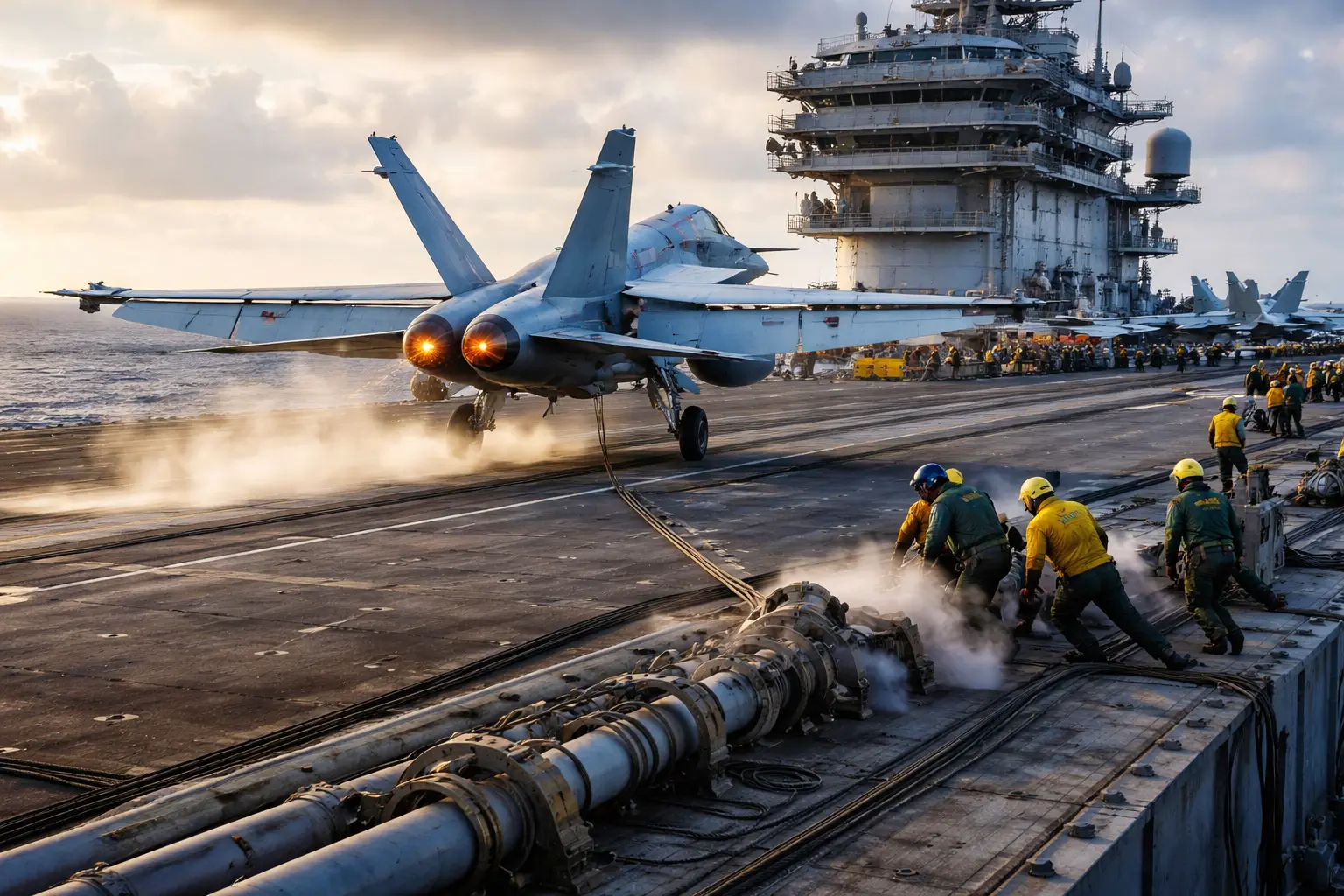
This aqueous film is explicitly designed to combat Class B hazards. Standard water hoses are dangerous because they can easily spread burning jet fuel further. The chemical foam instead creates a tight vapour seal that completely cuts off the oxygen supply.
Securing 5,000 Navy Personnel
Beyond saving a multi-billion dollar vessel, this system protects nearly 5,000 crew members. The engineering department conducts routine countermeasure wash-down drills to ensure operational readiness. These strict protocols keep sailors prepared to handle sudden emergencies safely.
25 Years of Preparedness
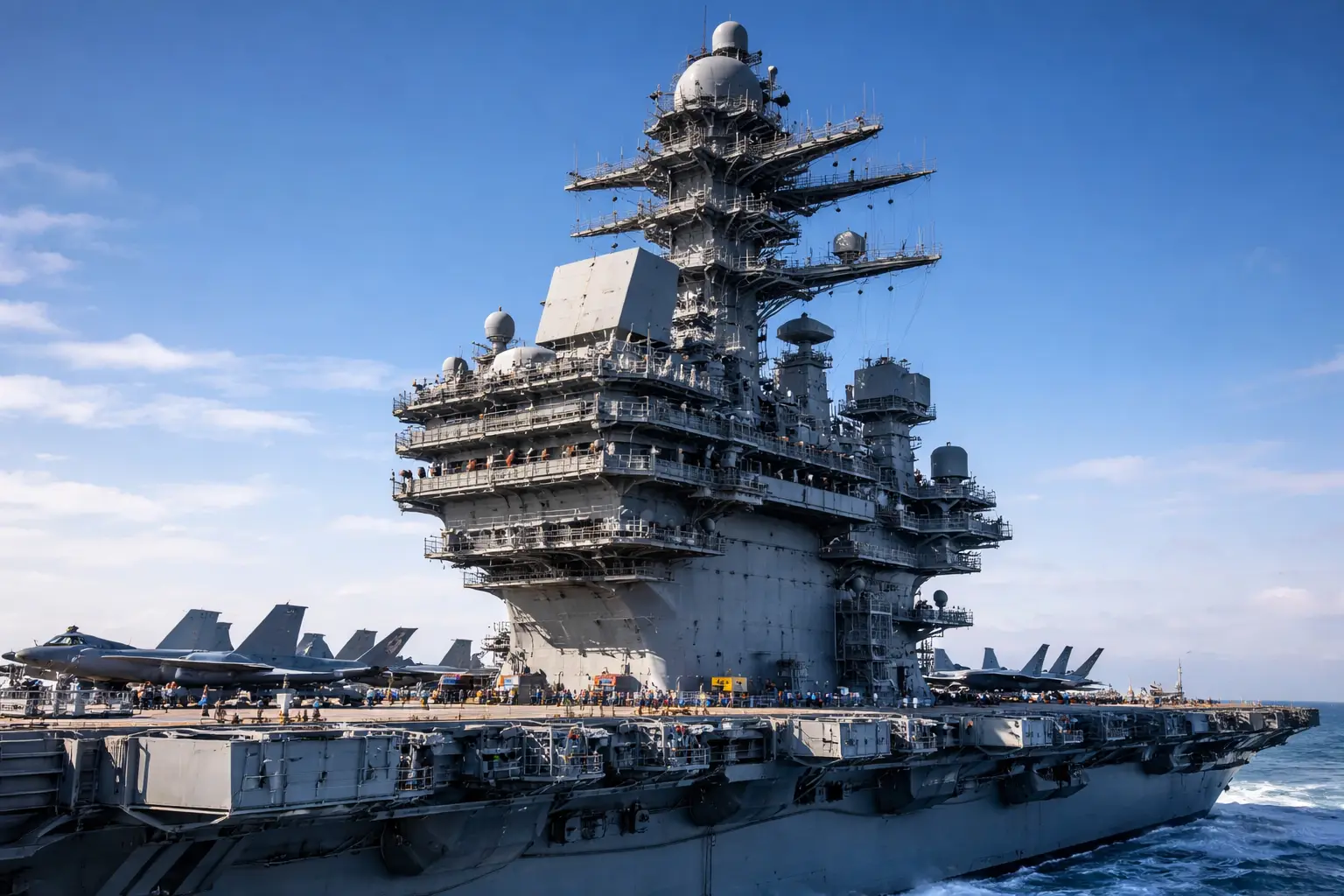
Following a four-year refuelling overhaul, the crew thoroughly tested the foam sprinklers. This extensive maintenance ensures the carrier meets strict modern naval safety standards. The successful upgrades guarantee the ship remains combat-ready for another 25 years.
100% Oxygen Supply Block
While the foam successfully prevents fatal explosions, it leaves a hazardous environmental footprint. The toxic chemicals pose severe long-term health risks to the crew and marine life. Researchers are now actively testing safe alternatives to replace this dangerous firefighting method.
)
)
)
)
)