‘Another year of wars’: Global military spending reaches nearly $2.9 trillion in 2025 – Check top spenders, India’s position

Global military spending reached nearly $2.9 trillion in 2025, rising amid growing tensions and conflicts worldwide, with countries continuing to boost defence budgets. Check the full list of top spenders here.
World military spending reaches nearly $2.9 trillion
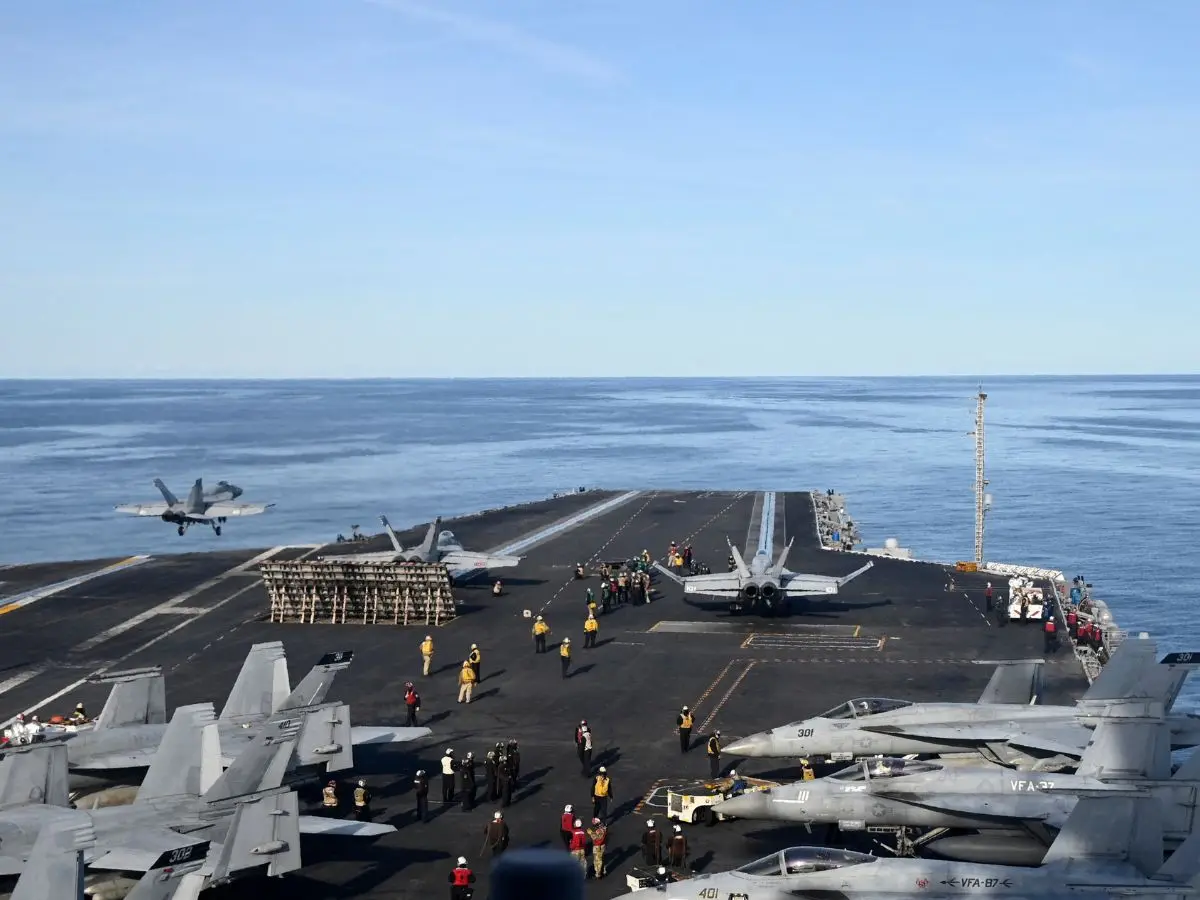
Global military spending has reached $2887 billion in 2025, with an increase of 2.9 per cent when compared with 2024, according to the Stockholm International Peace Research Institute (SIPRI). This comes as nations increase defence budgets amid insecurity and rearmament. The top three spenders are the United States, Russia and China, with a combined $1.48 trillion expenditure on their militaries.
‘Another year of wars’
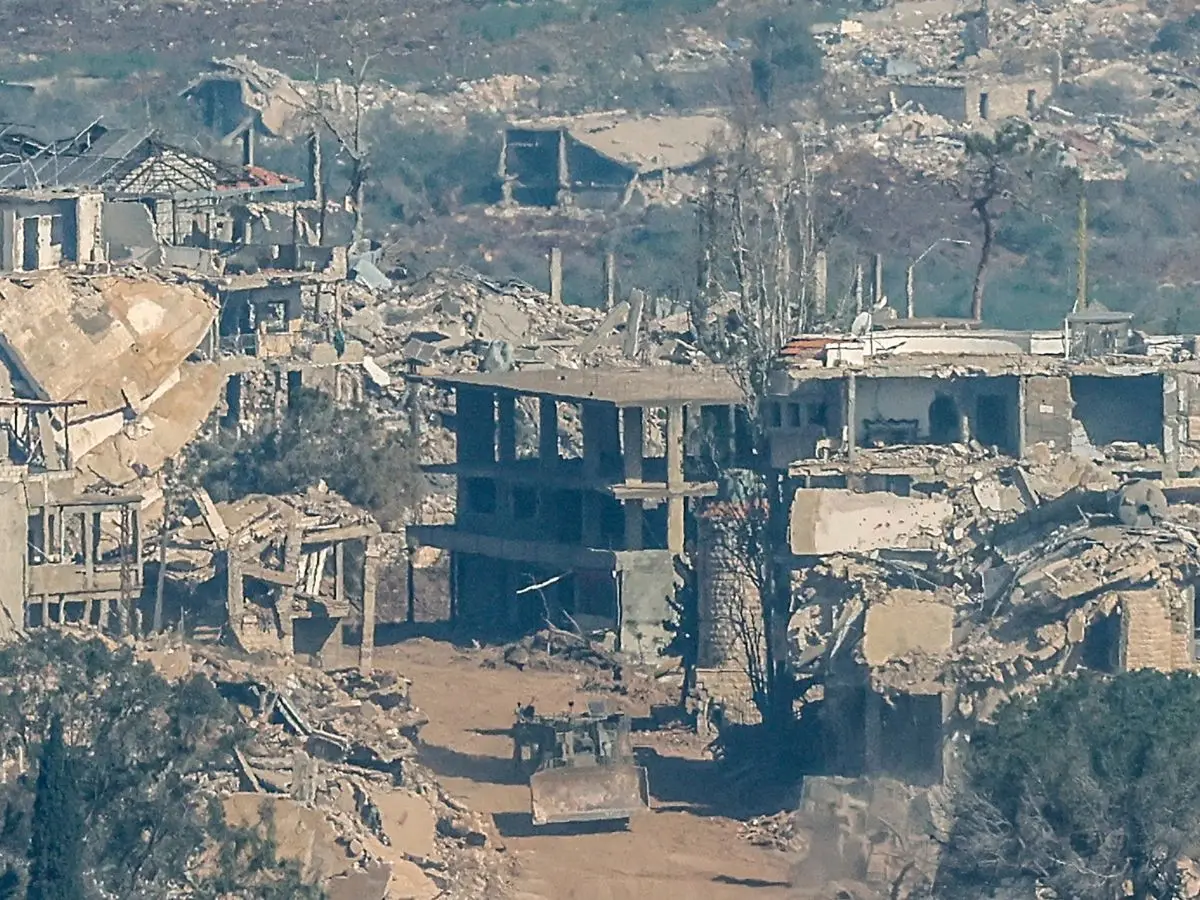
Researcher Lorenzo Scarazzato told AFP that the world marked “another year of wars and increased tensions,” with increases in Europe and Asia, while the US saw a decrease in defence spending. He added that this was reflected in the global “military burden” as the military expenditure reached the highest level since 2009. He added, “Everything points to a world that feels less secure and is spending on its military to compensate for the global landscape.”
Europe sees 14 per cent increase
The global increase was mainly driven by Europe, where the spending saw a surge of 14 per cent to $864 billion. “That is driven by two major factors. One is the ongoing war in Ukraine, and the other is the decreased US engagement with Europe,” Scarazzato said. He added that the US is pushing Europe to rely on its own defence.
United States
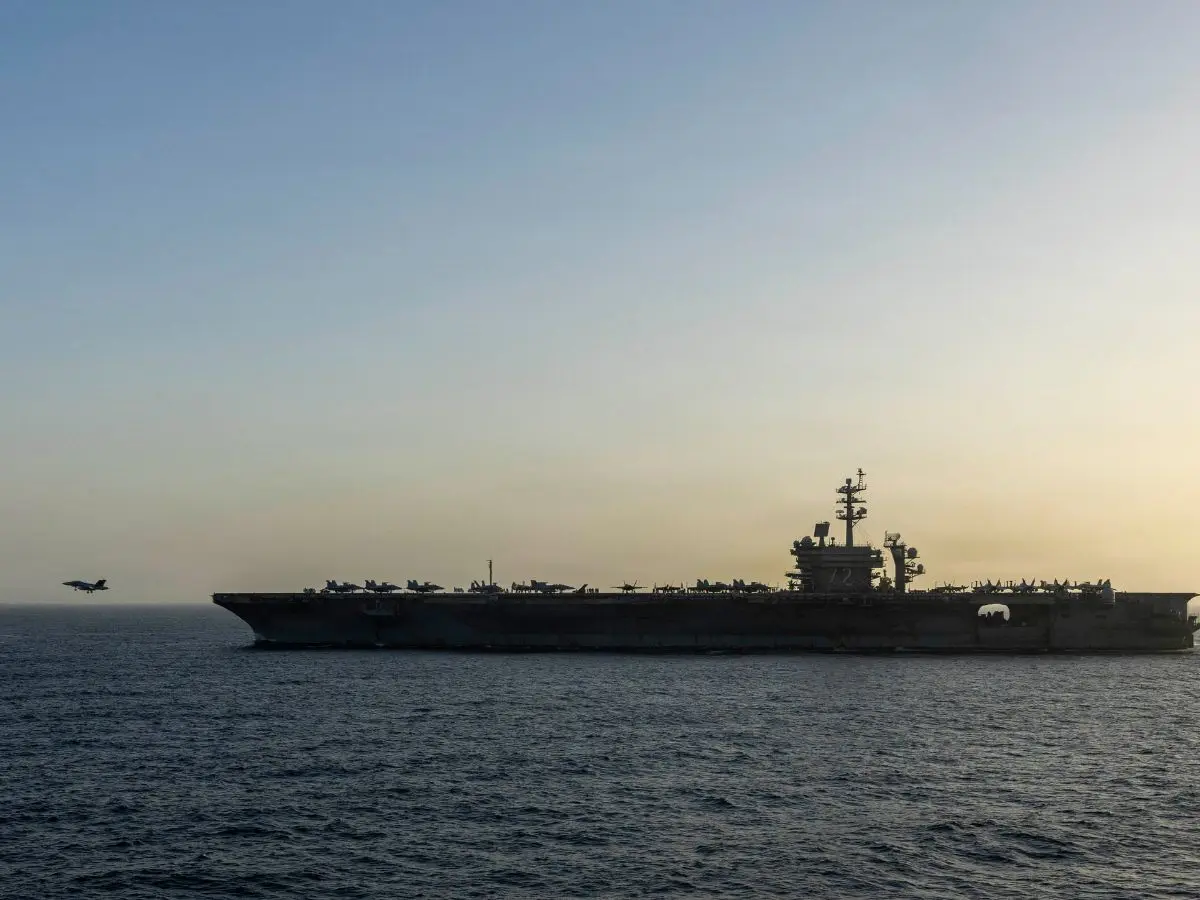
The US spent $954 billion, 7.5 per cent less than in 2024. The decrease was observed as no new financial military aid to Ukraine was approved. In the last three years, Washington pledged a total of $127 billion to Kyiv. However, the US Congress has approved spending of over $1 trillion for 2026, which could increase to $1.5 trillion in 2027 if US President Donald Trump’s budget proposal passes.
Russia-Ukraine
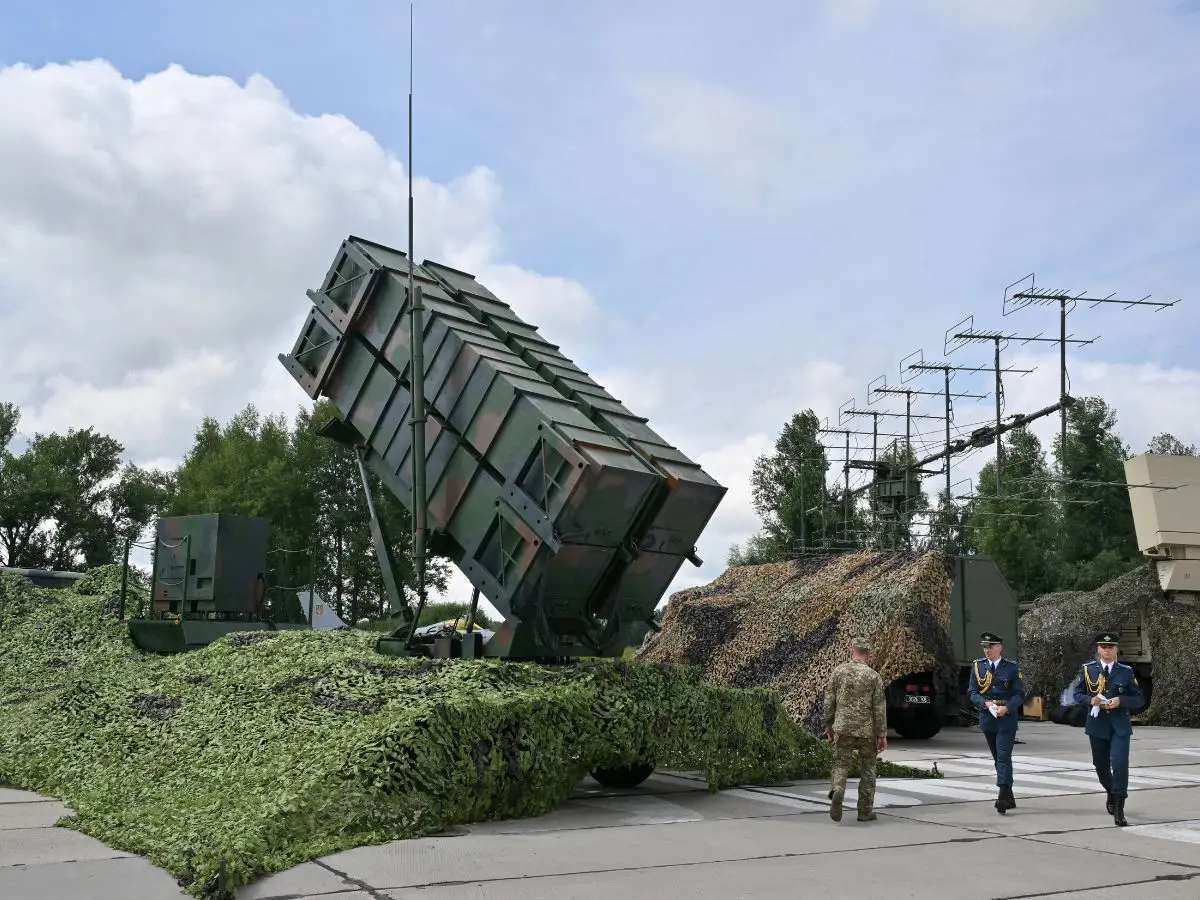
While Russia’s spending increased by 5.9 per cent to $190 billion, equivalent to 7.5 per cent of GDP, Ukraine boosted its military spending by 20 per cent to $84.1 billion, which is 40 per cent of GDP.
NATO members
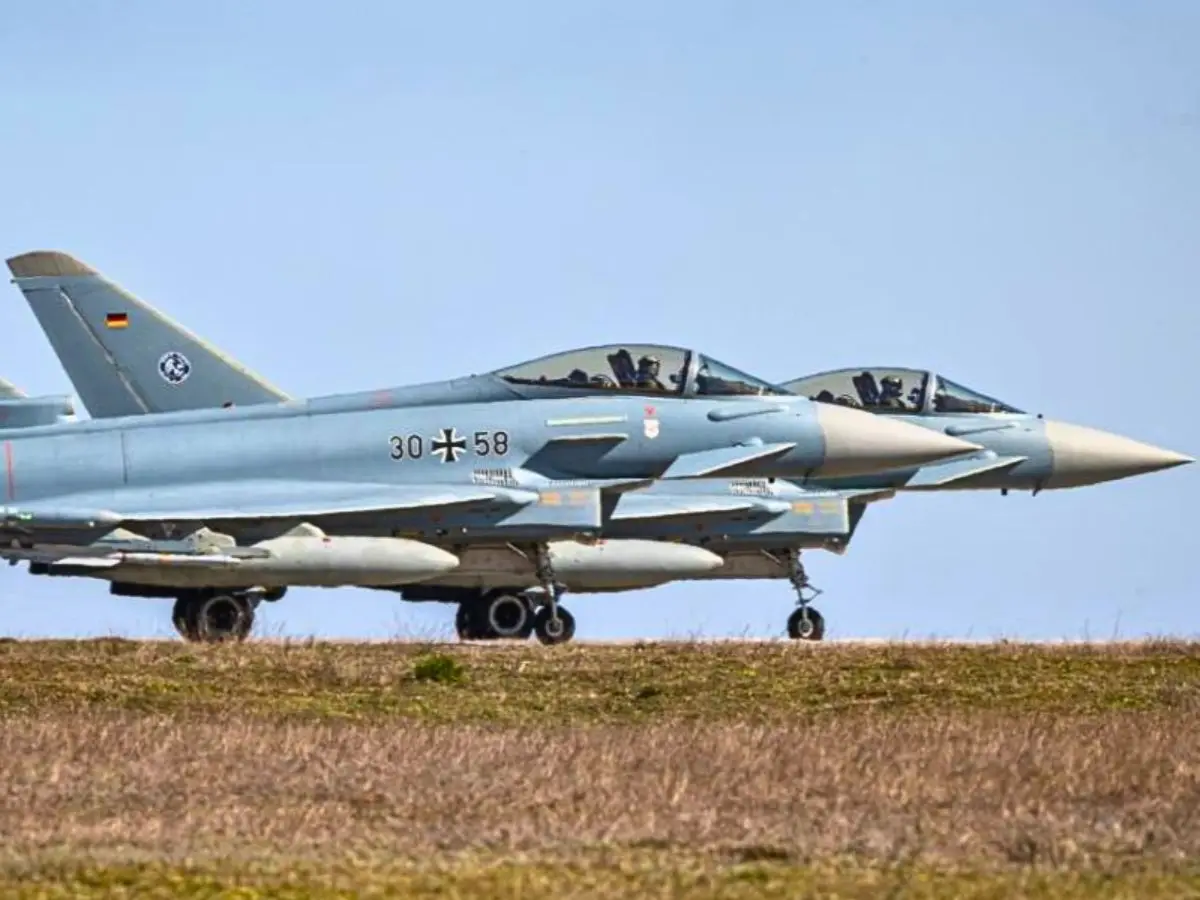
Germany was the fourth-largest defence spender, with an increase of 24 per cent in 2025. The expenditure was raised to $114 billion. Spain recorded a sharp increase in defence expenditure of 50 per cent, to $40.2 billion. This comes as the military spending of the country is observed at more than two per cent of the GDP for the first time since 1994. Meanwhile, the United Kingdom recorded a decrease by 2 per cent to $89 billion, while France’s spending increased by 1.5 per cent to $68 billion.
Iran-Israel
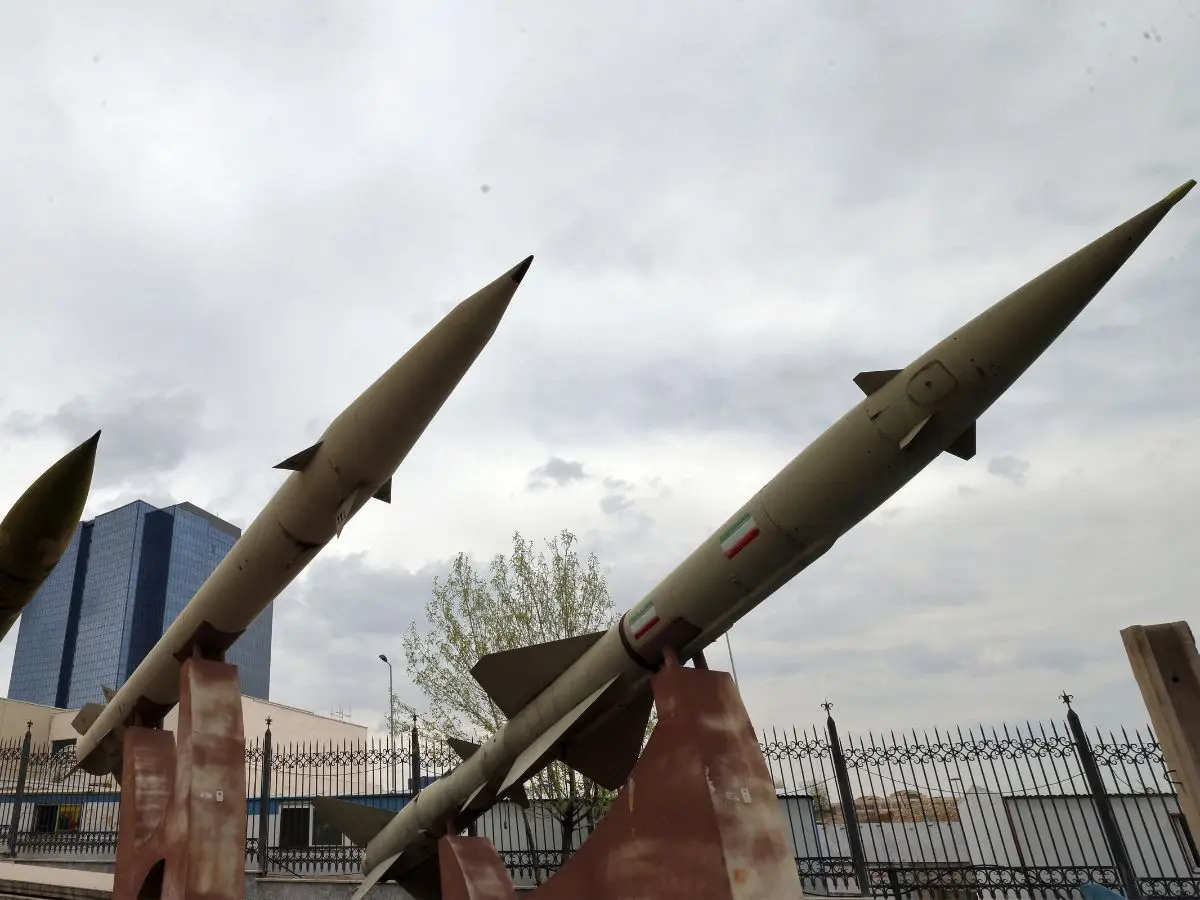
As tensions continue to flare in the Middle East amid war, most countries in the region ramped up their defence spending. However, Israel and Iran recorded declines. Iran’s defence expenditure fell 5.6 per cent to $7.4 billion, mostly due to high annual inflation of 42 per cent. Meanwhile, Israel’s 4.9 per cent drop to $48.3 billion as it reduced the intensity of operations in Gaza following a ceasefire in January 2025. Notably, Tel Aviv’s expenditure remained 97 per cent higher than in 2022.
Asia and Oceania
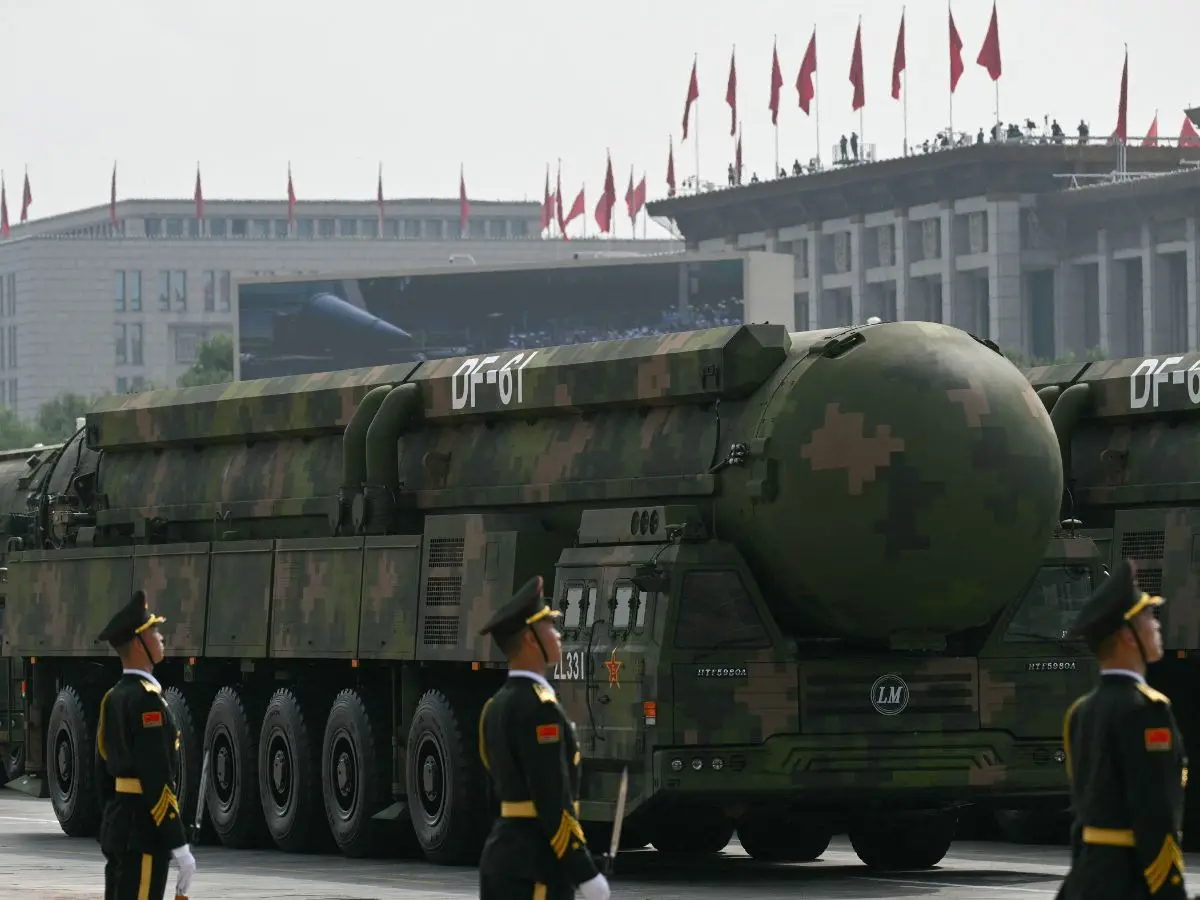
The military expenditure in Asia and Oceania saw the fastest growth since 2009, reaching $681 billion, an 8.5 per cent increase from 2024. China emerged as the major player in the region, with an estimated spending of $336 billion in 2025. Taiwan increased its spending by 14 per cent to $18.2 billion. Meanwhile, Japan raised military spending by 9.7 per cent, to $62.2 billion, 1.4 per cent of GDP, making its highest level since 1958.
India-Pakistan
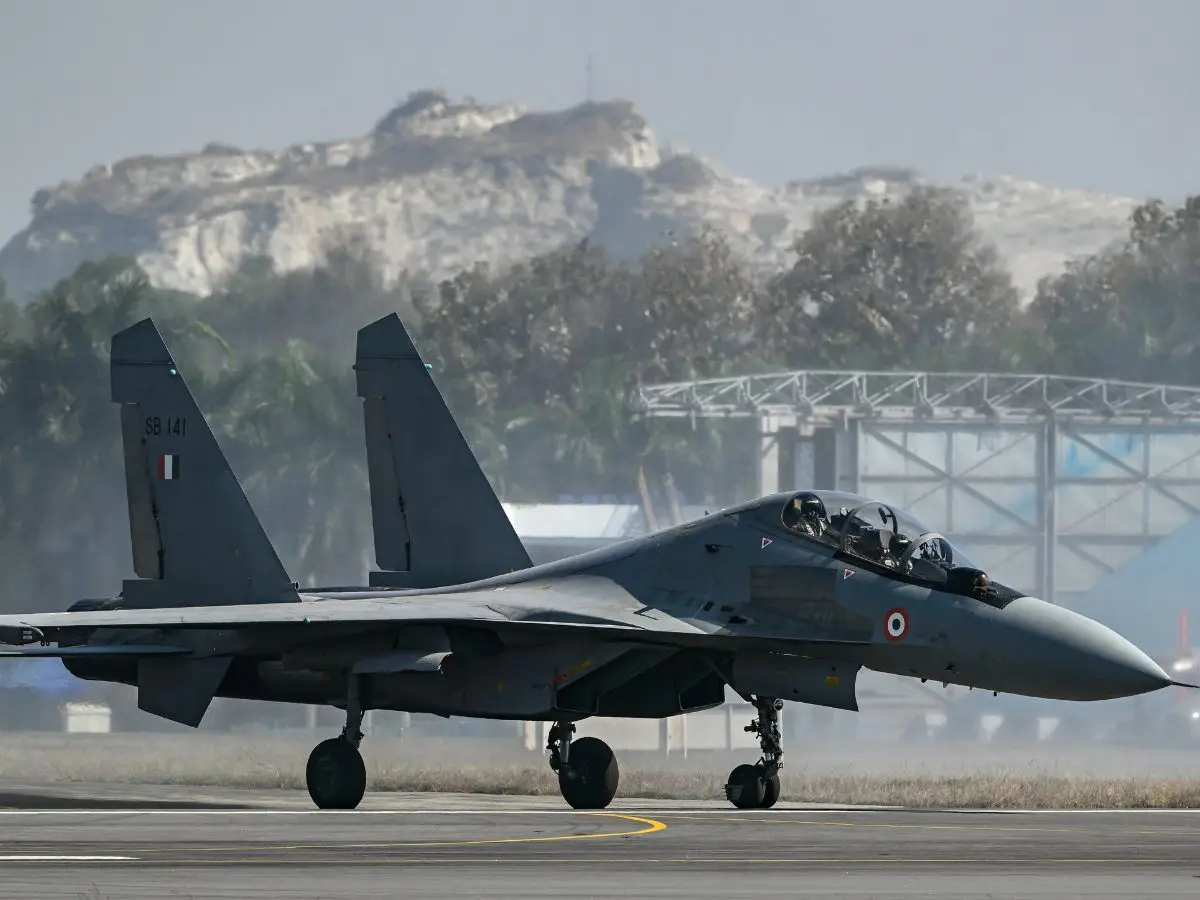
India emerged as the fifth biggest military spender in 2025, with an increase in expenditure by 8.9 per cent to $92.1 billion. On the other hand, Pakistan saw an increase by 11 per cent to $11.9 billion.
)
)
)
)
)