'Another Vietnam': Why Uncle Sam's ground invasion of Venezuela could turn deadly for US Army

Venezuela is a land of extremes. Beyond the urban sprawl, it boasts the vast Amazon Rainforest, the swampy Orinoco Delta, the rugged Andes Mountains, and the sprawling Llanos (plains), which become marshlands in the rainy season.
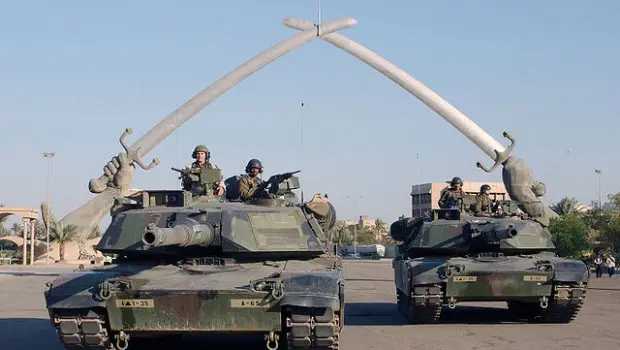
1. The "Vietnam Trap": Why Tanks Fail in the Jungle
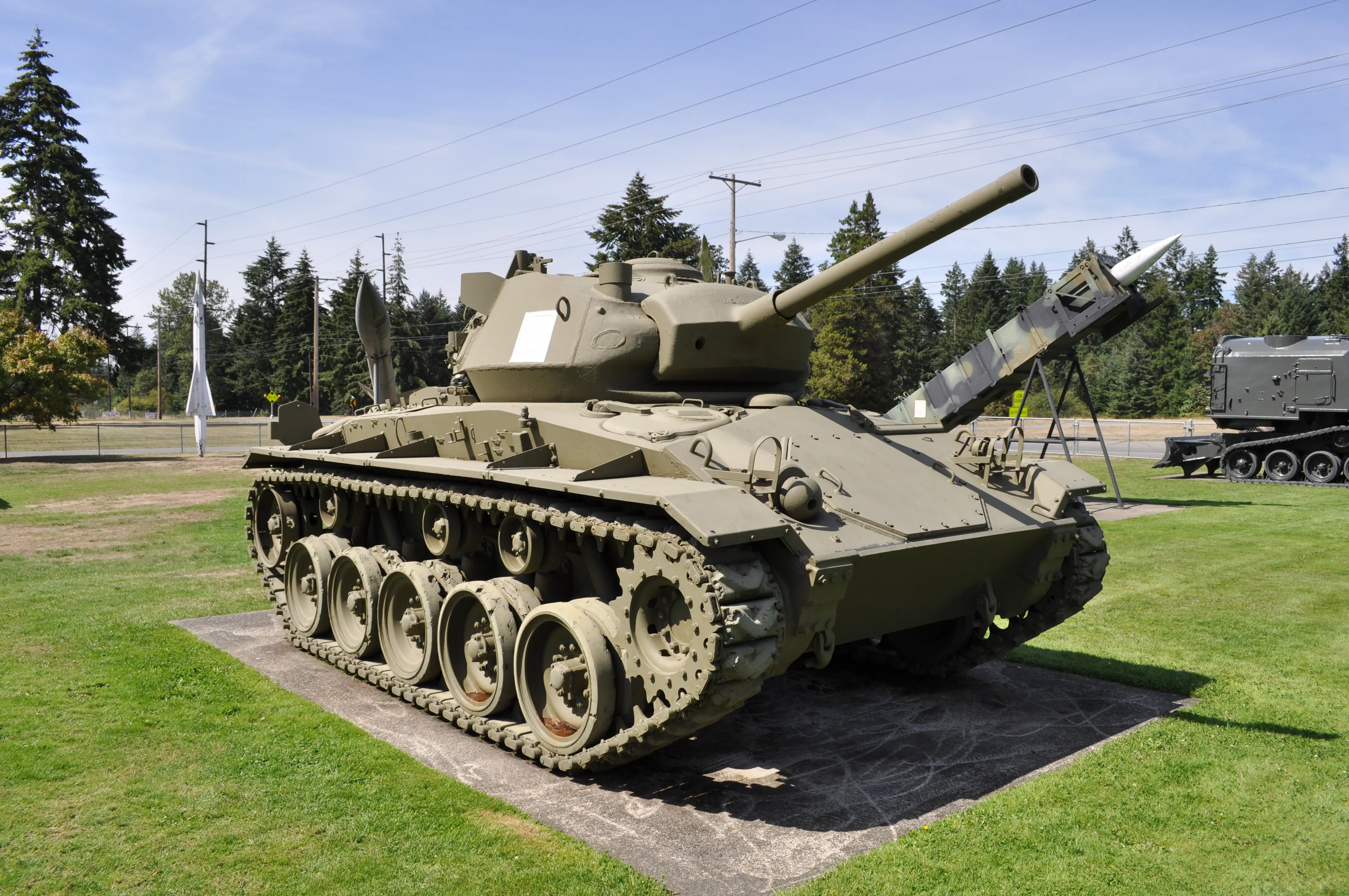
The dense, tropical jungles of Venezuela, particularly in the south and along the borders, present the same fundamental problem that haunted the US in Vietnam: tanks are rendered largely useless. The M1 Abrams, a 70-ton behemoth, is designed for open desert warfare (like Iraq). In the perpetually wet, muddy, and claustrophobic Venezuelan jungle, it would quickly sink into the soft earth, get entangled in thick vegetation, or simply be unable to manoeuvre off the few existing roads. A bogged-down tank becomes a stationary, multi-million dollar target for a well-placed, low-cost rocket-propelled grenade (RPG).
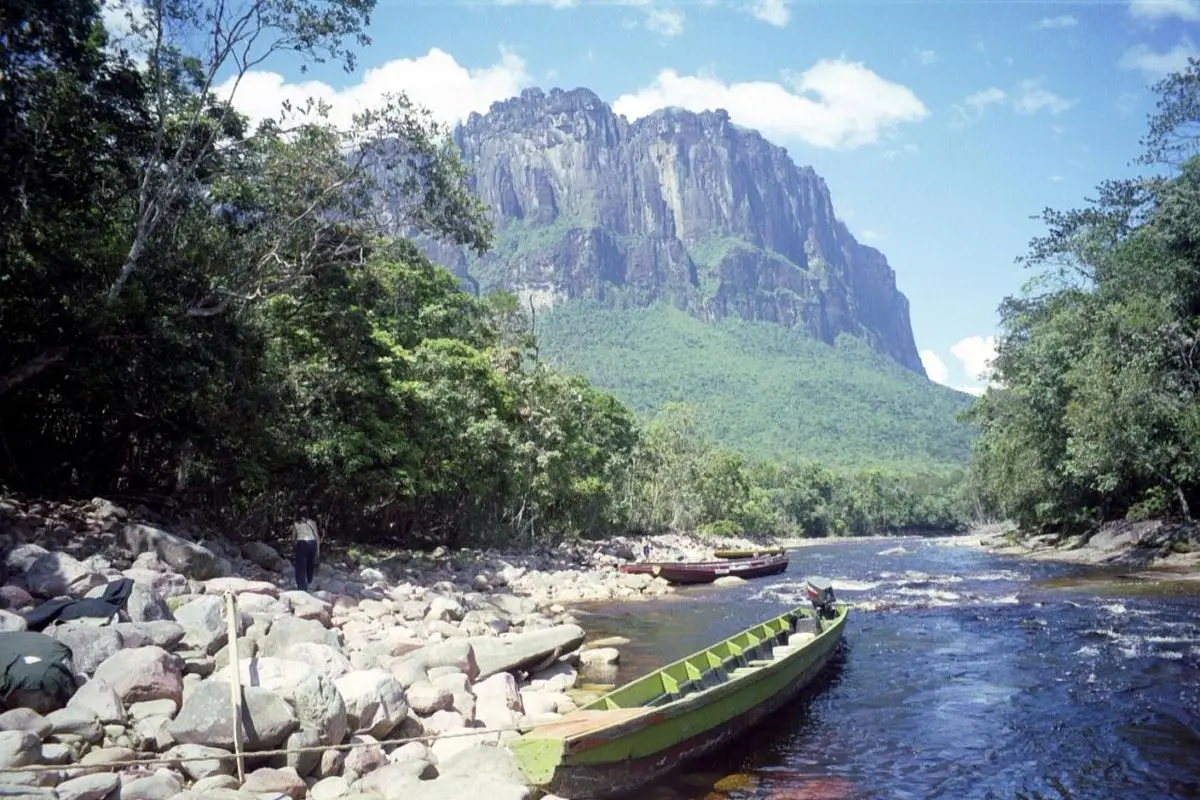
2. The Terrain Advantage: A Land of Natural Fortresses
Venezuela is a land of extremes. Beyond the urban sprawl, it boasts the vast Amazon Rainforest, the swampy Orinoco Delta, the rugged Andes Mountains, and the sprawling Llanos (plains), which become marshlands in the rainy season. This diverse, often impenetrable terrain offers endless hiding places for a guerrilla force, making conventional warfare virtually impossible. Every valley, every river, and every mountain pass becomes a natural fortress, forcing US forces to fight uphill, through dense foliage, or across treacherous waterways.
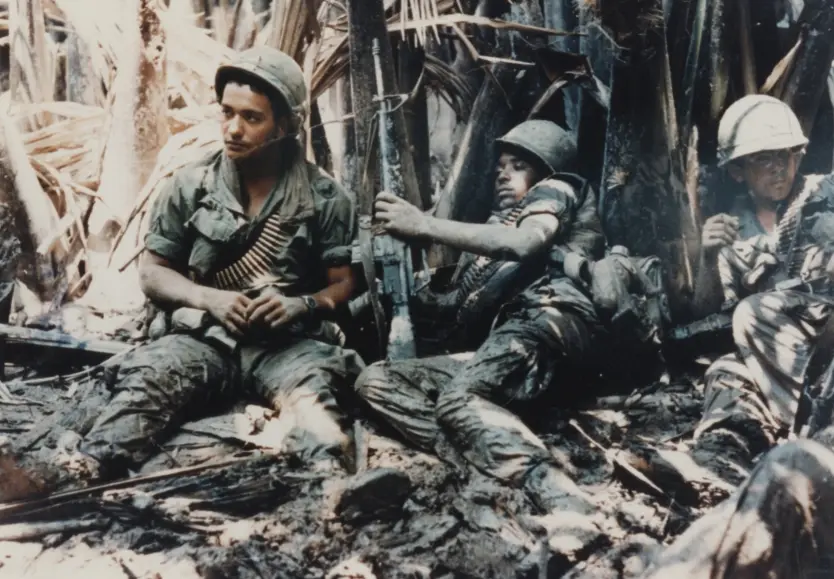
3. The "Colectivos" and "Militias": The Irregular Threat
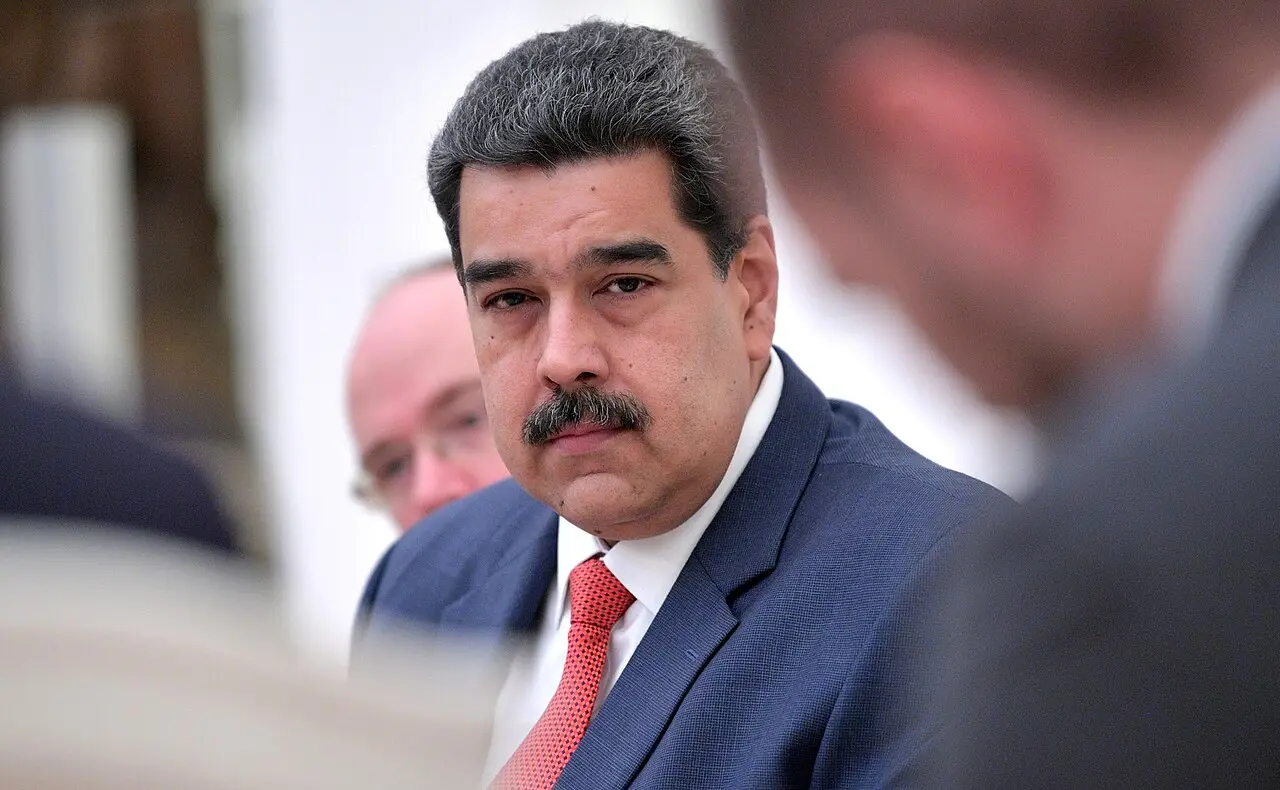
Maduro commands not just a regular army, but also the heavily armed "Colectivos" (pro-government armed gangs) and a vast Bolivarian Militia, potentially numbering in the hundreds of thousands. While poorly trained for conventional combat, these irregular forces are intimately familiar with their local terrain. They would not stand and fight the US Army directly. Instead, they would employ classic guerrilla tactics: ambushes, hit-and-run attacks, planting improvised explosive devices (IEDs) on the few accessible roads, and melting back into the civilian population or the jungle.
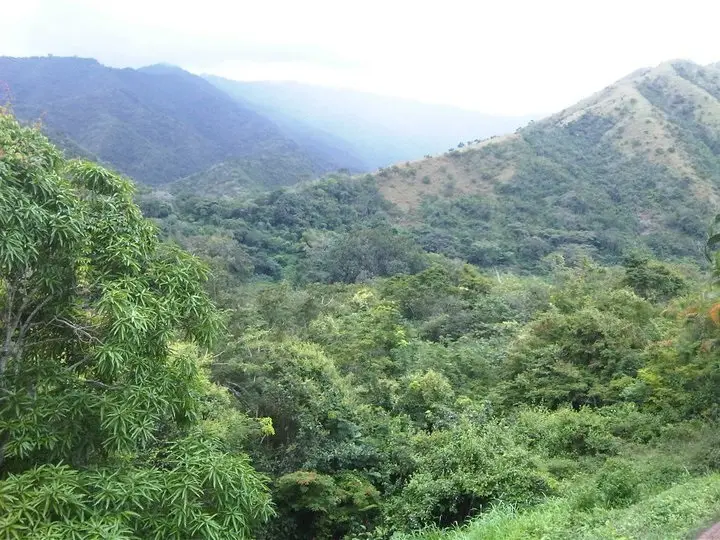
4. The Endless Supply Lines: A Logistician's Nightmare
Invading Venezuela would require sustaining tens of thousands of US troops deep within the South American continent. This means building and protecting thousands of miles of supply lines—roads, bridges, airfields, and ports—all vulnerable to guerrilla attacks. Every convoy, every water purification unit, and every fuel depot would become a target. The US would expend enormous resources and manpower just protecting its logistics, diverting critical resources from offensive operations.
5. The "Hearts and Minds" Quagmire
The US invasion would instantly galvanise anti-American sentiment across Latin America. Even if some Venezuelans initially welcomed the intervention, a prolonged occupation and the inevitable civilian casualties from urban combat would quickly turn public opinion against the US presence. The "Colectivos" and foreign actors (like Cuban intelligence or Russian advisors) would exploit this resentment, fuelling a potent anti-occupation insurgency that could last for decades, just as in Iraq and Afghanistan.
6. The "Forever War" Syndrome: No Clear Exit
Even if the US military quickly defeated the Venezuelan army, the political and economic instability that would follow would ensure a protracted occupation. The country's shattered economy, massive refugee crisis, and deeply entrenched political divisions would require a massive nation-building effort, drawing the US into an open-ended commitment with no clear "victory" condition. This is precisely the trap that led to the "Forever Wars" in the Middle East.
7. The "Resource Drain": Diverting from China
A full-scale ground war in Venezuela would tie up tens of thousands of US troops, billions of dollars annually, and significant air and naval assets. These are resources that the Pentagon is desperately trying to redirect towards the Indo-Pacific to counter China. Getting bogged down in a costly, resource-intensive jungle insurgency in South America would be a strategic defeat, regardless of tactical military successes, because it would undermine the US's ability to compete with its primary geopolitical rival.
)
)
)
)
)