'All systems ready': Inside NASA's plan for historic Artemis 2 crewed Moon launch

NASA is firmly targeting April 1 for its historic Artemis 2 mission, sending four astronauts around the moon. With zero technical hurdles remaining, only weather poses a slight risk to the launch.
Mission Launch Schedule and Timing
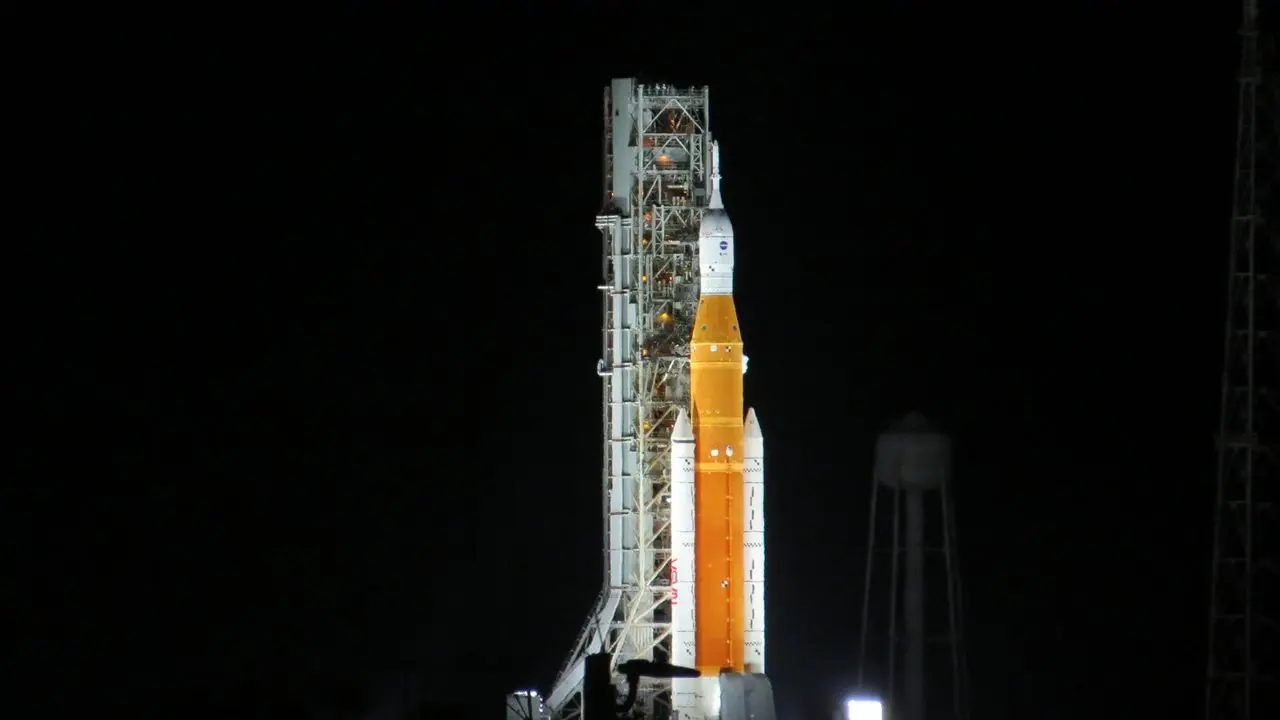
The American space agency is aiming to initiate its monumental lunar expedition on Wednesday, the first of April. The scheduled liftoff phase begins precisely at 6:24 p.m. Eastern Daylight Time and will remain open for a duration of two hours. Should any unexpected complications cause a postponement, alternative launch windows remain available until the sixth of April, ensuring ample opportunity to commence this historic voyage.
Technical Readiness and System Checks
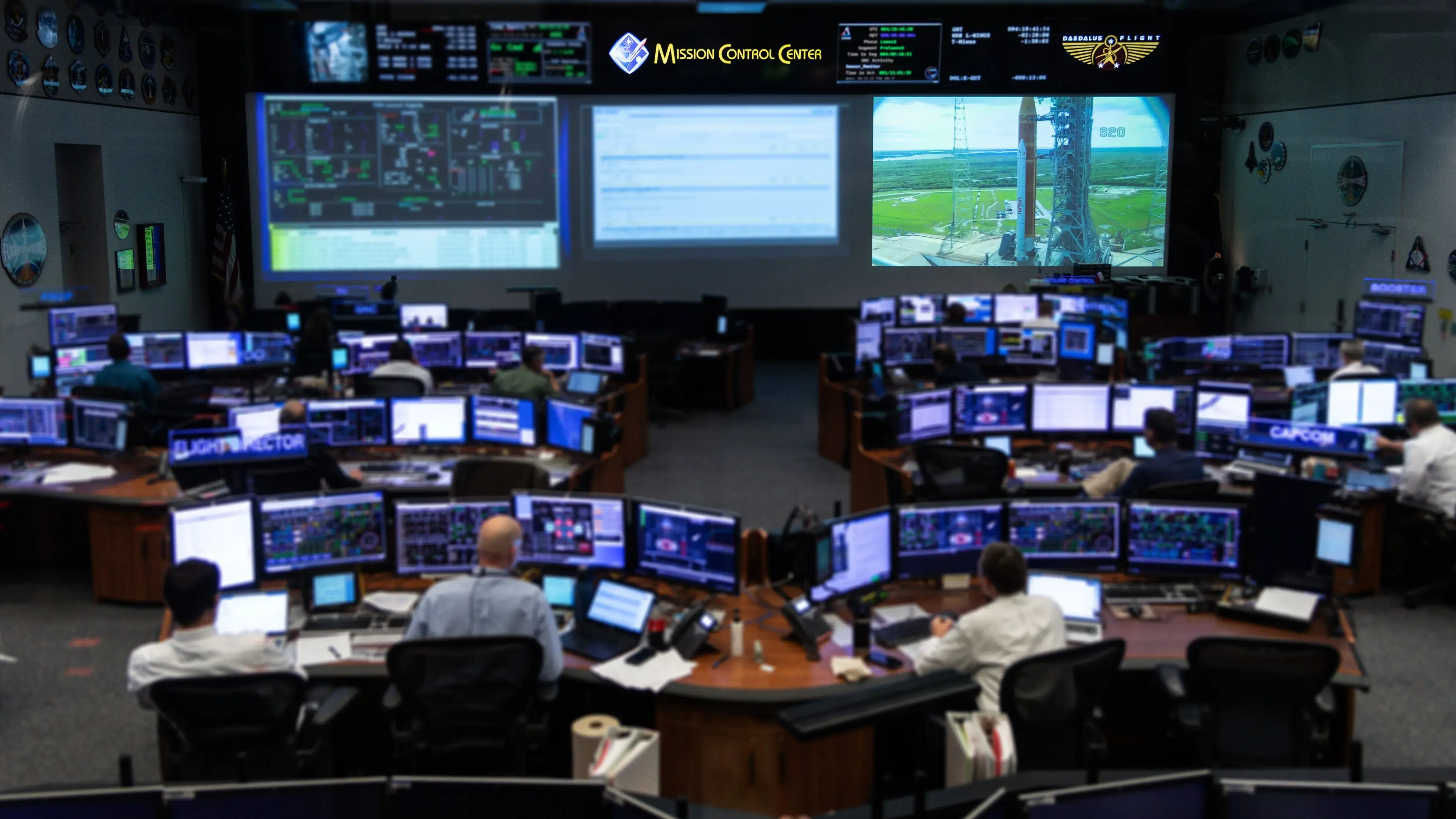
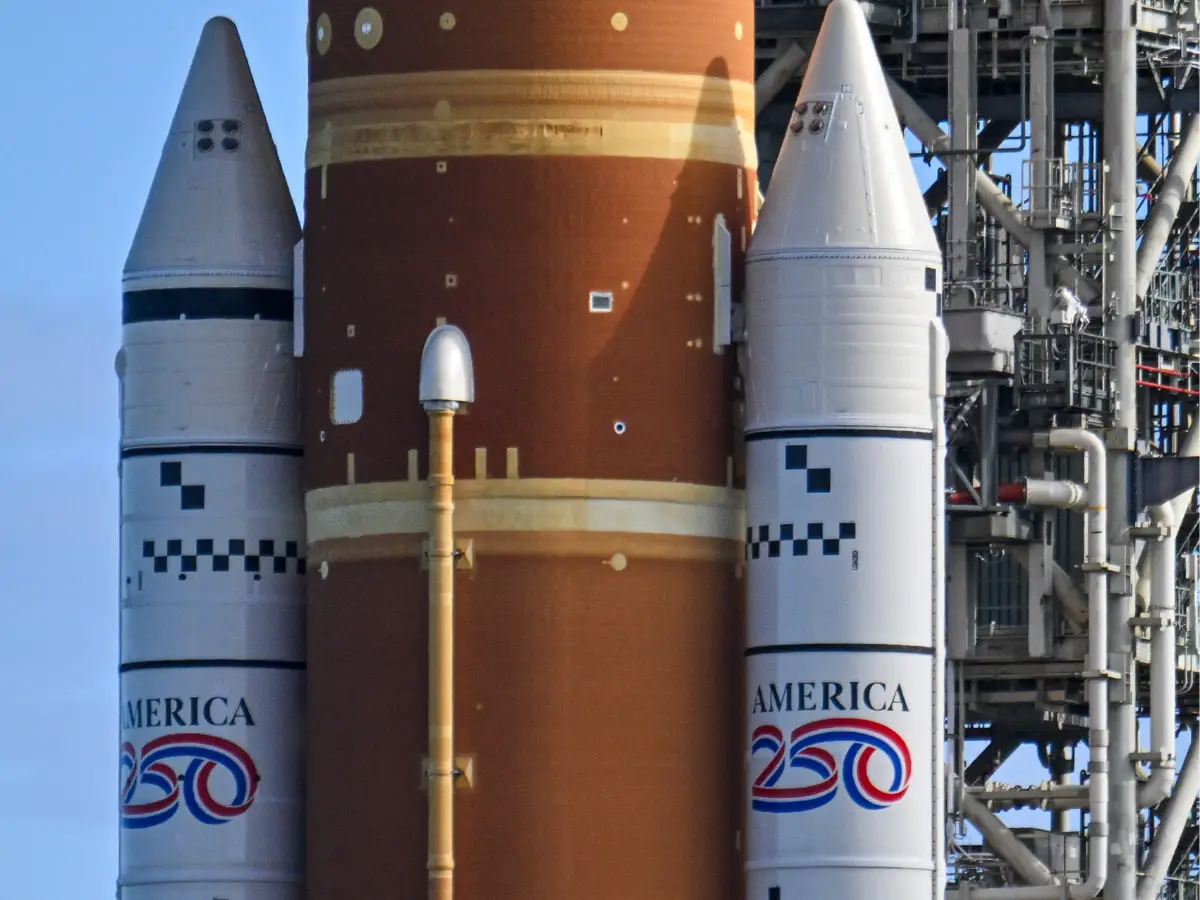
Following a comprehensive assessment of flight preparedness finalized in late March, officials have reported an absence of significant mechanical or engineering hurdles. The monumental Space Launch System rocket, alongside all associated ground equipment and control centers in Houston, has been thoroughly vetted. While minor maintenance tasks are continually addressed, leadership remains exceptionally confident that the vehicle is in prime condition for a prompt departure.
The Astronaut Crew Arrival and Preparation
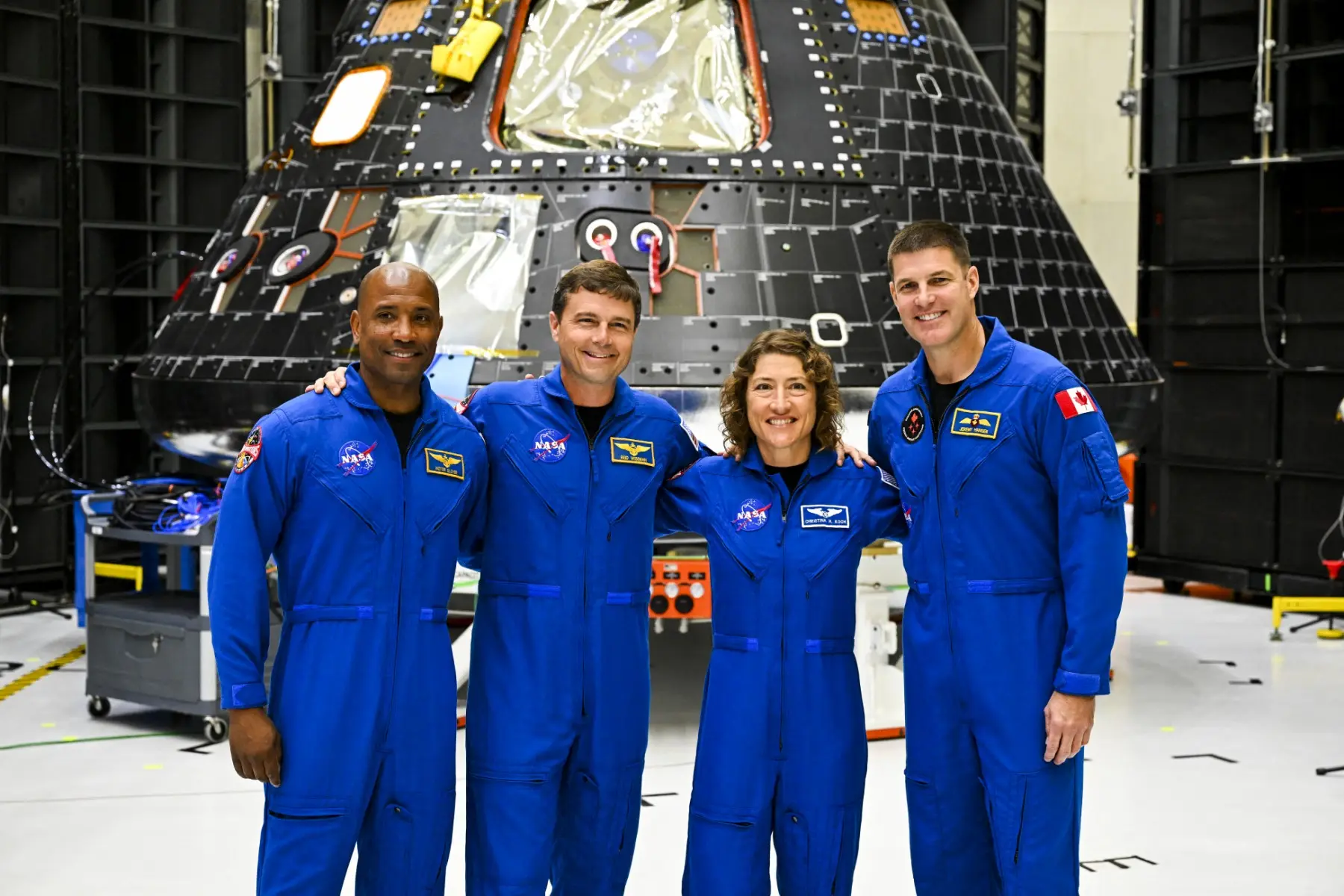
Four individuals have been selected for this groundbreaking endeavor, comprising American spacefarers Reid Wiseman, Victor Glover, and Christina Koch, alongside Canadian representative Jeremy Hansen. The specialized team recently touched down at the launch facility, having completed rigorous training regimens. Administrators emphasize that the quartet is fully prepared and eager to embark on this decade-defining ten-day orbital journey.
Potential Weather Disruptions
Despite the flawless mechanical status of the rocket, atmospheric conditions present the only current threat to the planned Wednesday departure. Forecasters indicate a twenty percent probability that unfavorable weather could interfere with the schedule. Specifically, meteorologists are monitoring the potential formation of low-level cumulus clouds, which could violate strict safety parameters and necessitate a delay to a backup date.

Unique Flight Trajectory and Objectives
Unlike earlier lunar orbital missions, this specific ten-day excursion will not involve circling the moon in a traditional orbit. Instead, the Orion capsule will perform a complex figure-eight maneuver, utilizing the celestial body's gravitational pull to slingshot around its hidden far side. This precise flight path is meticulously designed to autonomously propel the spacecraft back toward Earth, serving as the ultimate proving ground for the capsule's life support and navigation systems under crewed conditions.
Historical Context and Program Progression
This upcoming flight serves as the direct successor to the inaugural uncrewed test conducted in late 2022, which successfully navigated the lunar environment for approximately one month. By placing human occupants inside the capsule for the very first time, this current operation bridges the gap between initial robotic testing and the ultimate objective of establishing a sustained human presence on the lunar surface.

Paving the Way for Future Lunar Landings
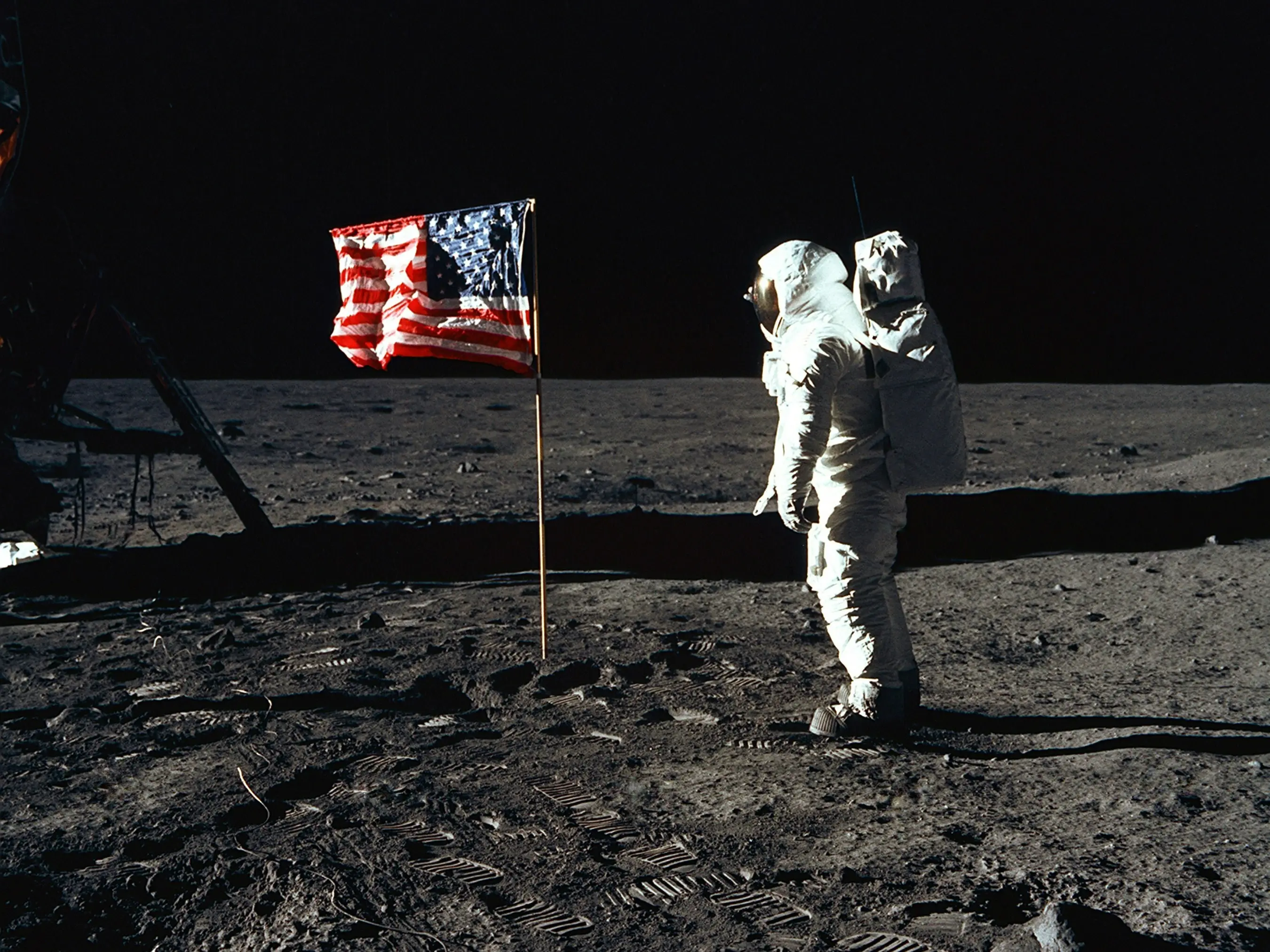
A successful outcome for this flyby maneuver is critical for the subsequent phases of the overarching exploration program. The immediate next step involves practicing orbital rendezvous and docking procedures with specialized landing vehicles in low Earth orbit. Ultimately, these incremental achievements will culminate in a highly anticipated future mission aimed at returning humans to the lunar dust for the first time since the legendary Apollo era over half a century ago.
)
)
)
)
)