'ALERT in California': FBI warns Iran can attack mainland US using drones onboard a ghost ship

If an Iran-linked drone is launched at California, even if it is successfully intercepted and shot down by the US Navy over the Pacific, it fundamentally rewrites the rules of engagement

1. The Homeland Crosshairs (The FBI Alert)
The US-Israel-Iran war is no longer confined to the Middle East. The FBI has issued a chilling, high-level intelligence alert to law enforcement agencies across California: Iran is allegedly plotting a surprise drone attack directly targeting the American West Coast. The intelligence, acquired in early February 2026, suggests that Tehran's retaliatory reach extends far beyond US military bases in Iraq or the Persian Gulf.
2. The 'Ghost Ship' Launch Strategy
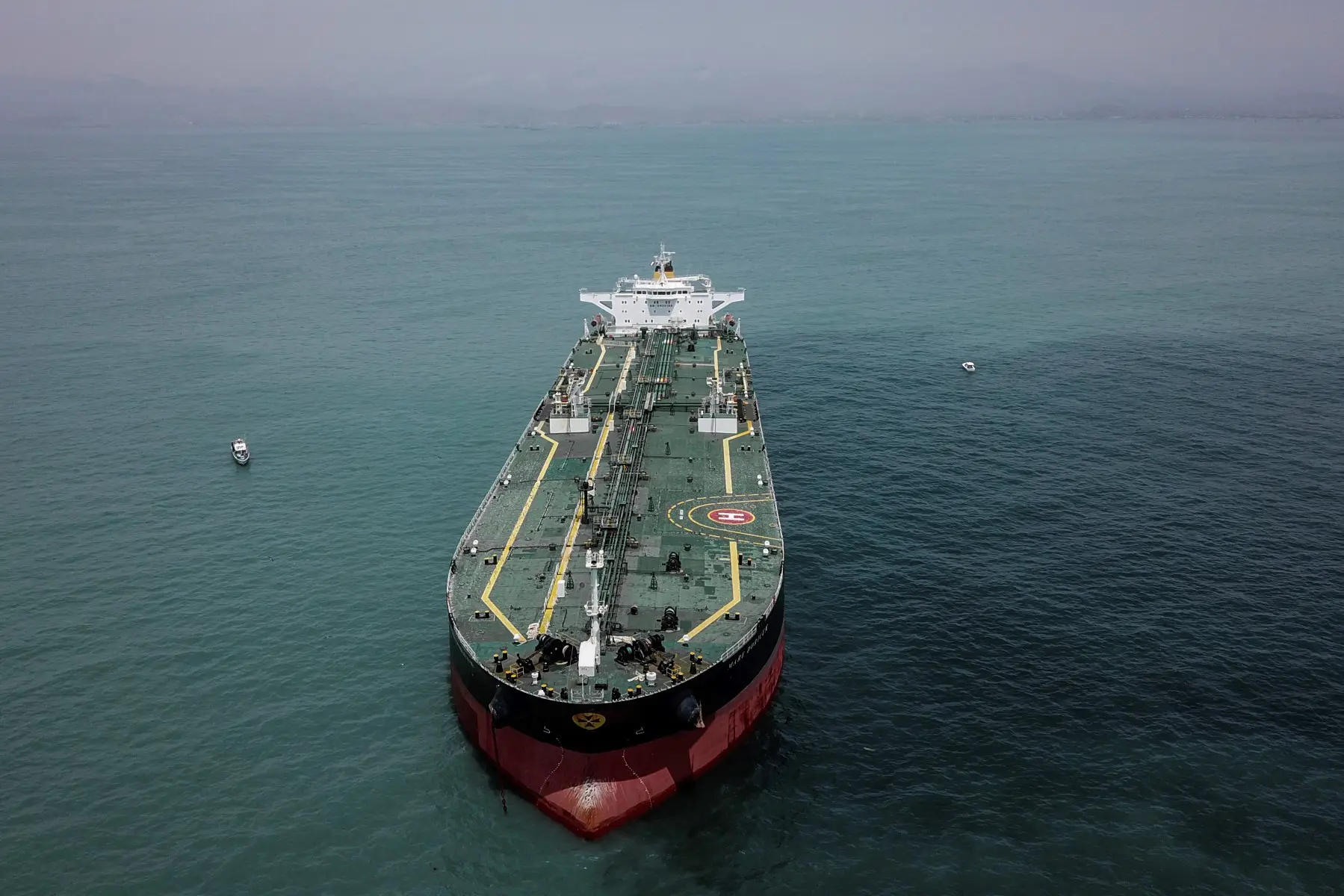
This is not an intercontinental ballistic missile threat; it is a textbook asymmetric naval strike. According to the FBI bulletin, Iranian operatives aspire to launch unmanned aerial vehicles (UAVs) from an unidentified vessel positioned off the US coastline. By using a disguised or commercial ship in international waters, Iran could bypass traditional early-warning radar systems designed to detect launches originating from the Middle East, bringing the threat right to California's doorstep.

3. The Retaliation Motive
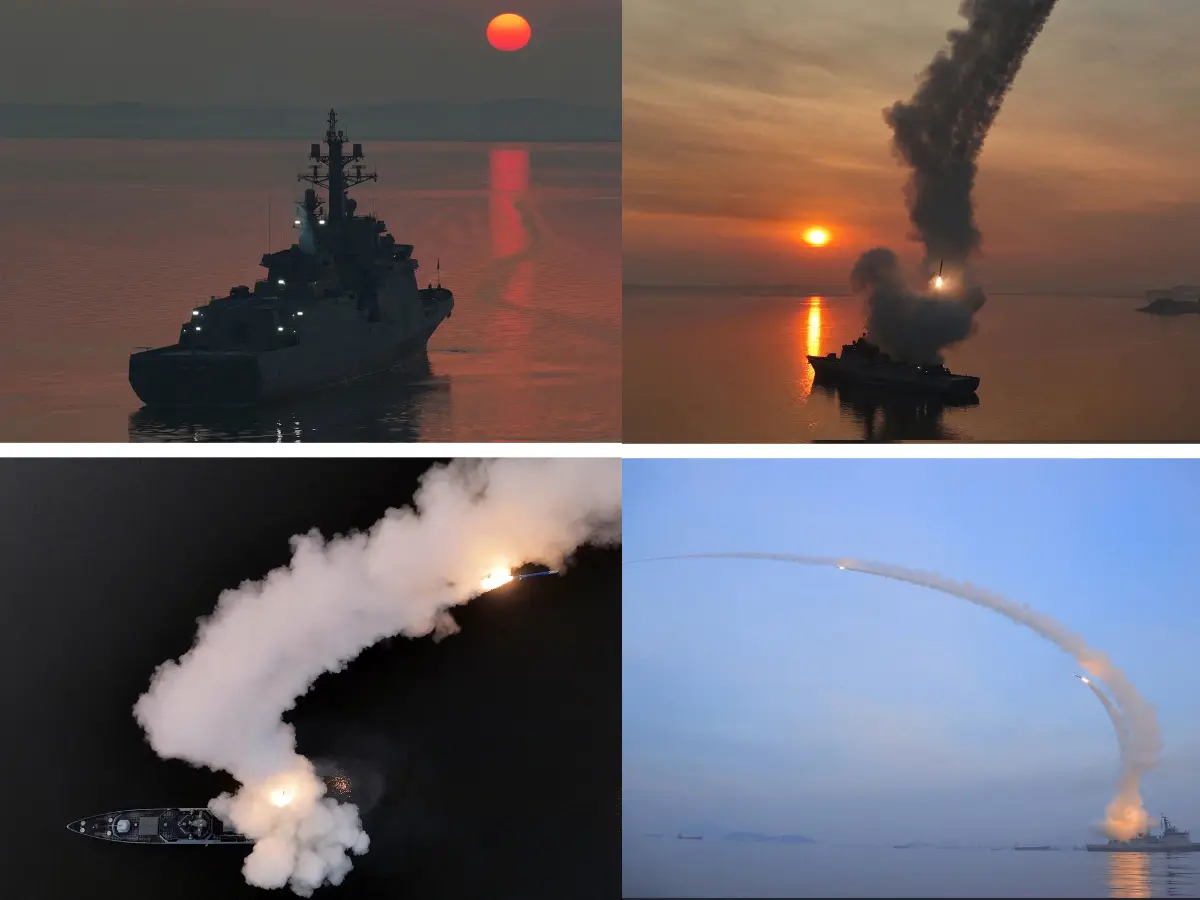
The FBI explicitly links this plot to the ongoing, escalating strikes in the region. Following joint US and Israeli operations that eliminated senior Iranian officials, Tehran has been actively searching for a way to inflict reciprocal pain. While striking a US aircraft carrier is incredibly difficult, launching a kamikaze drone at the American mainland, even symbolically, would be a massive psychological and propaganda victory for the Axis of Resistance.
4. The Intelligence Gap (The Unknowns)
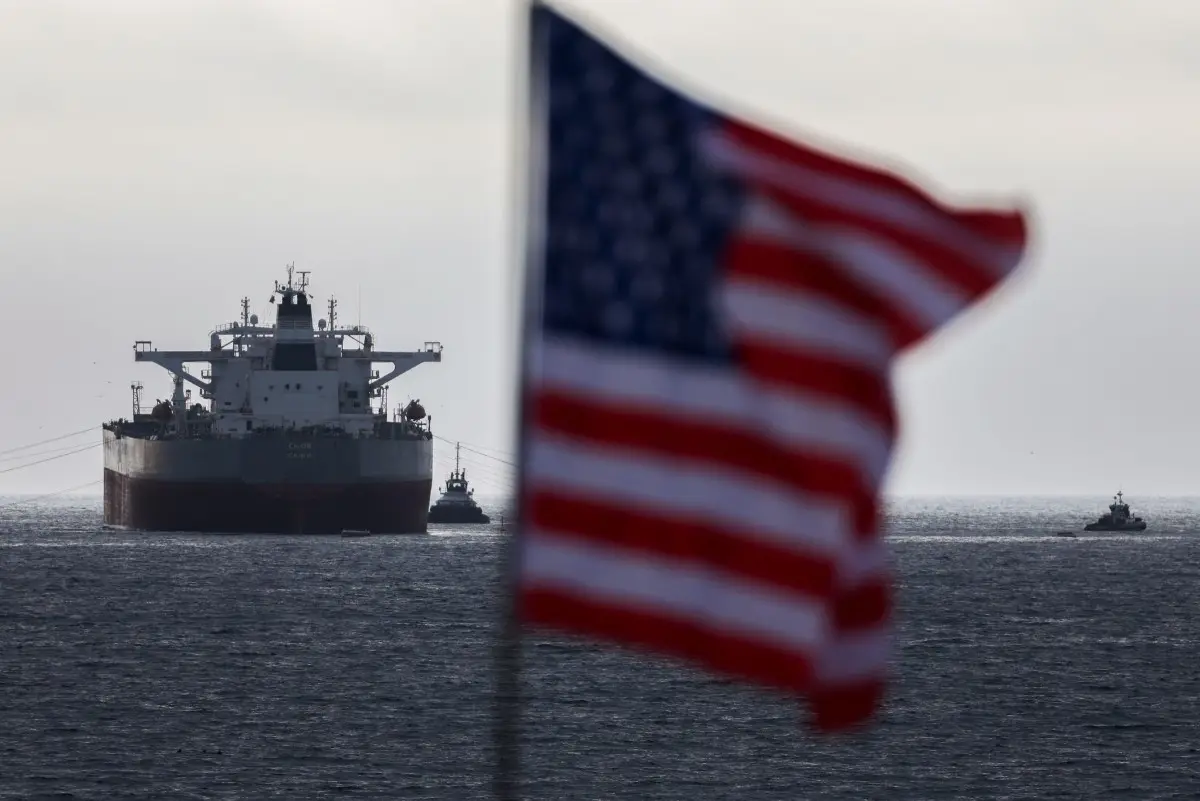
The most terrifying aspect of the FBI's alert is what the intelligence community doesn't know. The bulletin cautions that investigators currently lack specific operational details. They have no concrete information on the exact timing, the specific method of deployment, the perpetrators, or the exact targets within California. State and local law enforcement are effectively on high alert against an invisible threat from the Pacific.
5. The Oval Office Disconnect
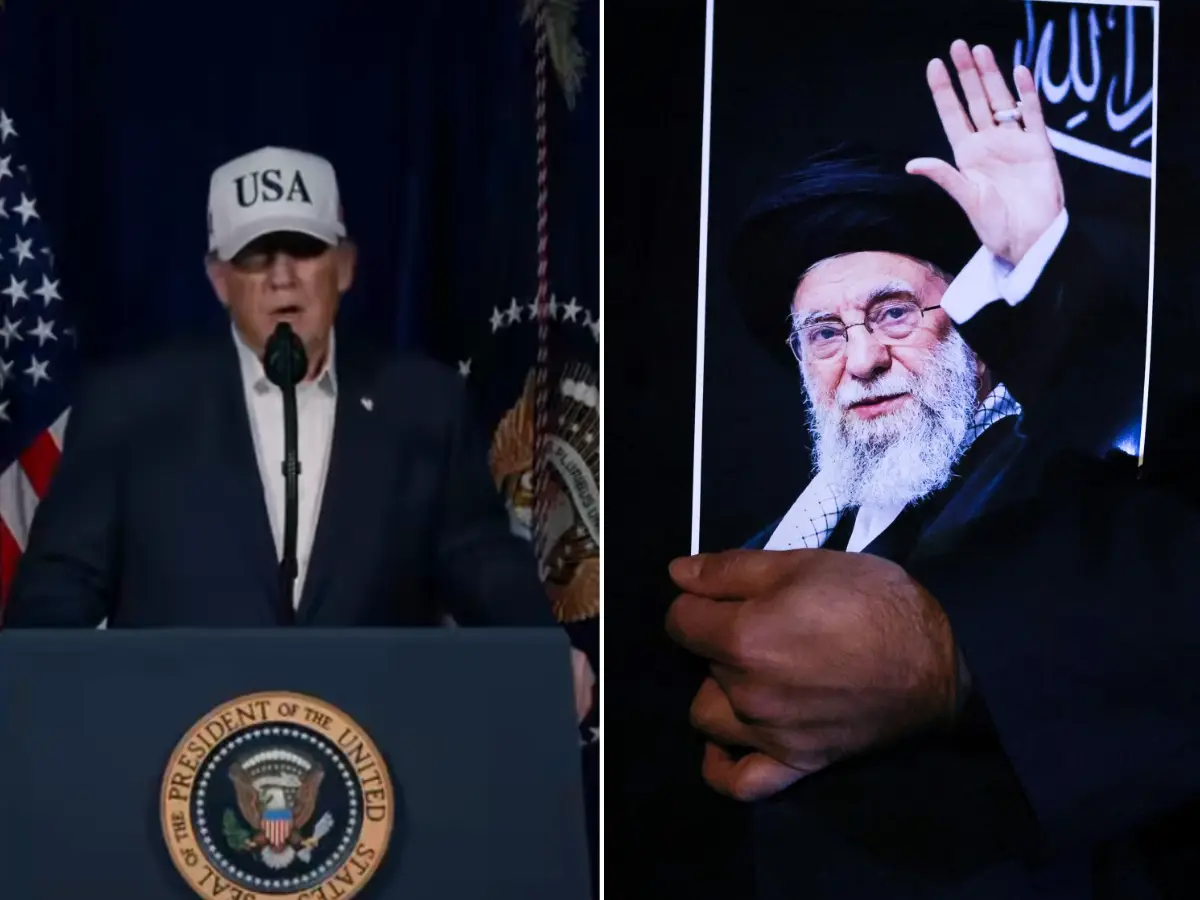
Despite the severe warnings circulating through federal and state channels, the White House is projecting an image of absolute unconcern. When pressed by reporters on the FBI alert and whether he feared an Iranian-backed retaliation reaching US soil, President Donald Trump bluntly replied, "No, I'm not." This creates a jarring split-screen for the American public: the FBI is preparing for homeland strikes while the Commander-in-Chief dismisses the threat entirely.
6. California's Defensive Posture
While the President brushes off the intelligence, state officials are not taking any chances. Governor Gavin Newsom's Office of Emergency Services has confirmed they are actively coordinating with federal, state, and local security officials. California police departments have significantly heightened their monitoring systems and security postures along the coastline, preparing for the possibility of an unprecedented airborne threat.

7. The Asymmetric Escalation
If an Iran-linked drone is launched at California, even if it is successfully intercepted and shot down by the US Navy over the Pacific, it fundamentally rewrites the rules of engagement. It would prove that Tehran possesses the logistical capability to reach the continental United States, turning a regional proxy war into a direct, homeland defence crisis that Washington can no longer ignore.
)
)
)
)
)