'Aldis Lamps': How the USS Abraham Lincoln talks to other ships using light

The 332.8-metre USS Abraham Lincoln uses Aldis lamps to flash Morse code across the ocean. This light-based tool ensures 100 per cent secure, undetected messaging during strict radio silence.
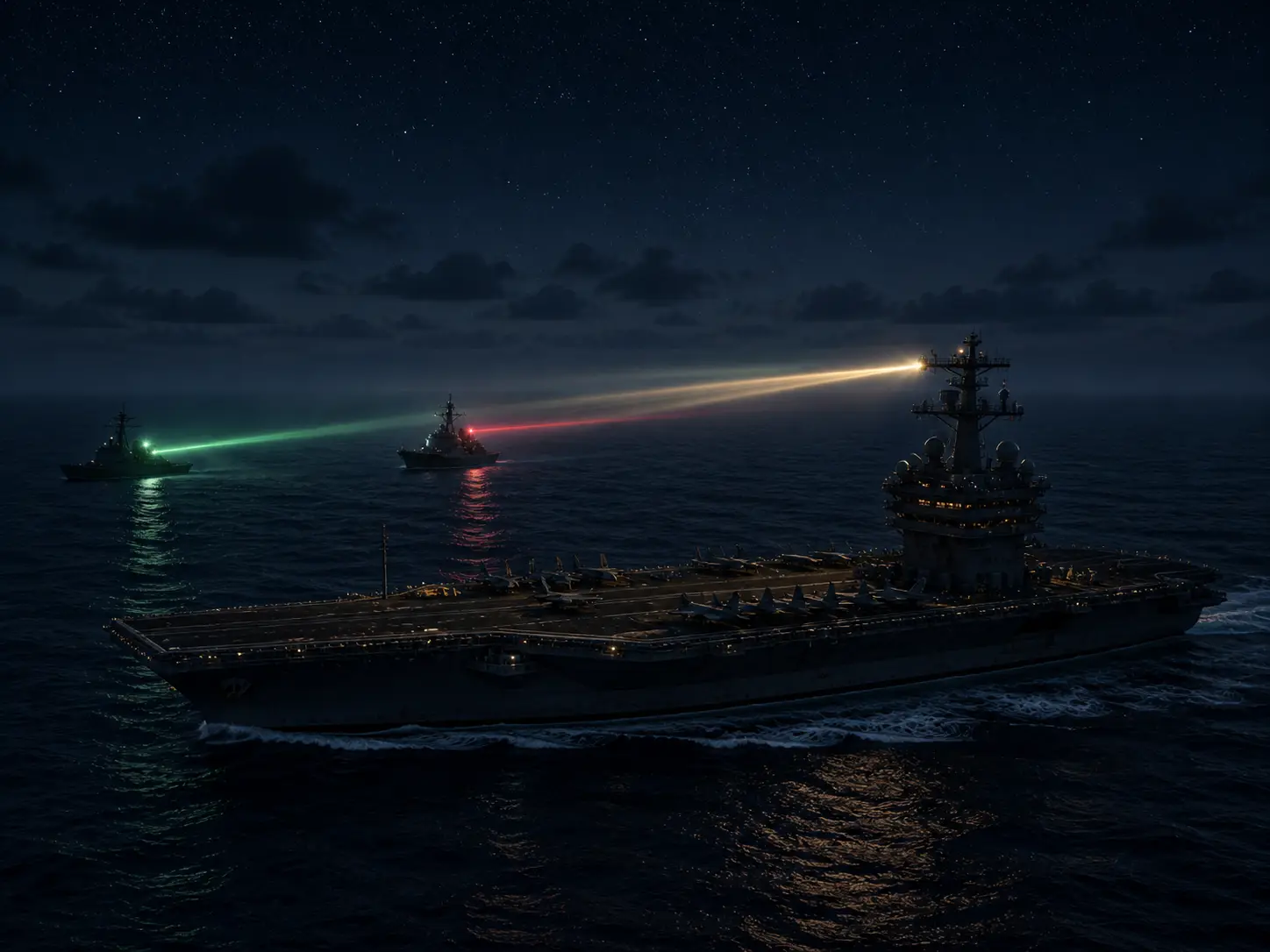
1867: Origin of Light Signals
Captain Philip Howard Colomb of the Royal Navy pioneered optical communication in 1867. He used limelight to flash dots and dashes from a lantern, putting visual ship-to-ship signalling into practice. This system laid the foundation for secure maritime communication long before radios.
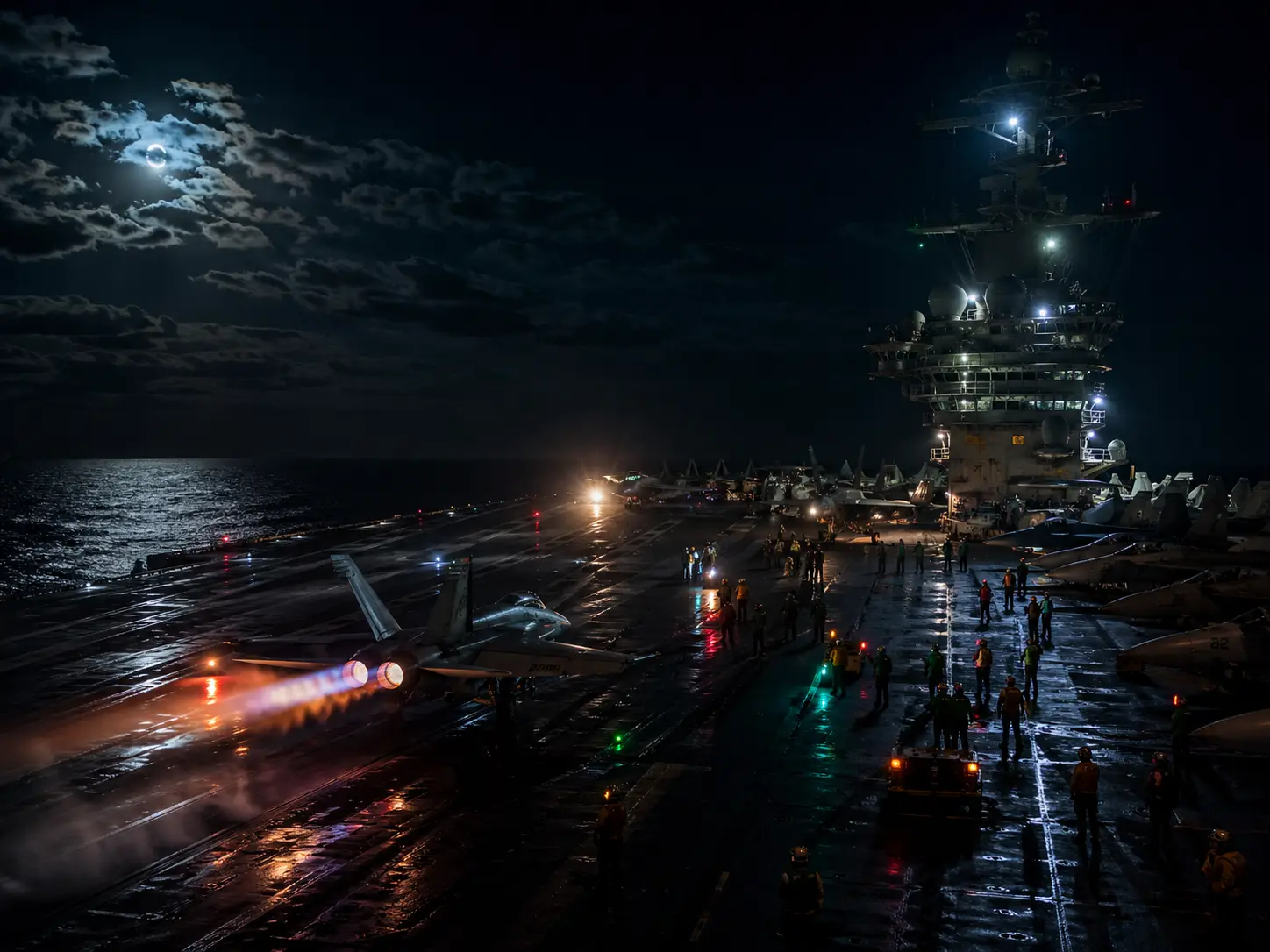
8-Kilometre Night Range
During World War I, optical transmitters proved their vital worth at sea and on land. Signallers used Morse transmitters called Blinkgerät to send messages across long distances. By using red filters, these devices allowed undetected night communication with a range of up to eight kilometres.
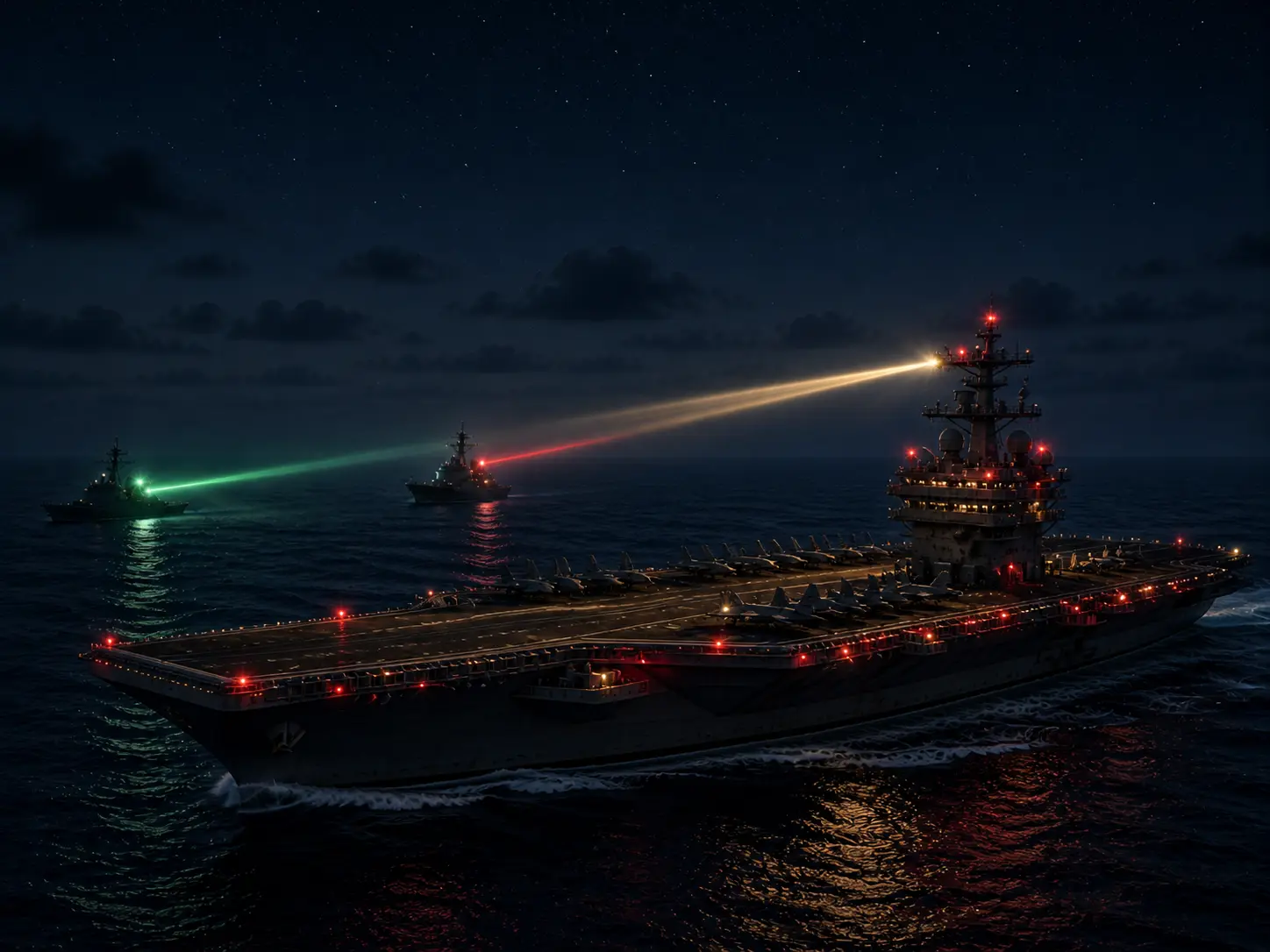
1944: The 5-Inch Signal Lamp
The handheld five-inch signal lamp, widely known as an "Aldis lamp," became a staple for navies during the Second World War. Named after British inventor Arthur Cyril Webb Aldis, who created the original optical design during World War I, these later WWII-era models featured improved mechanics. They utilized a trigger-operated shutter and a concave mirror to focus light into precise, highly directional pulses.
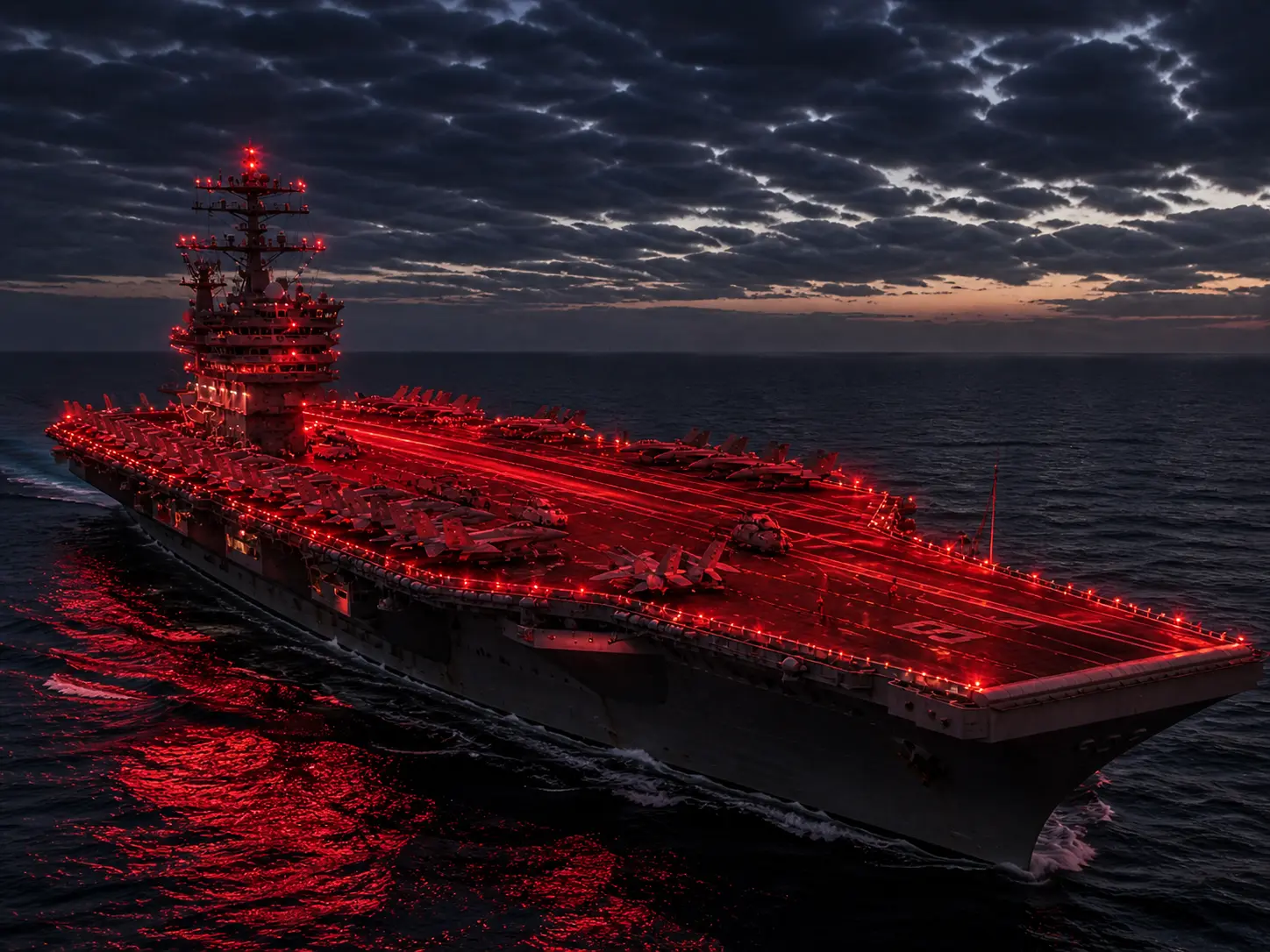
332.8-Metre Carrier Operations
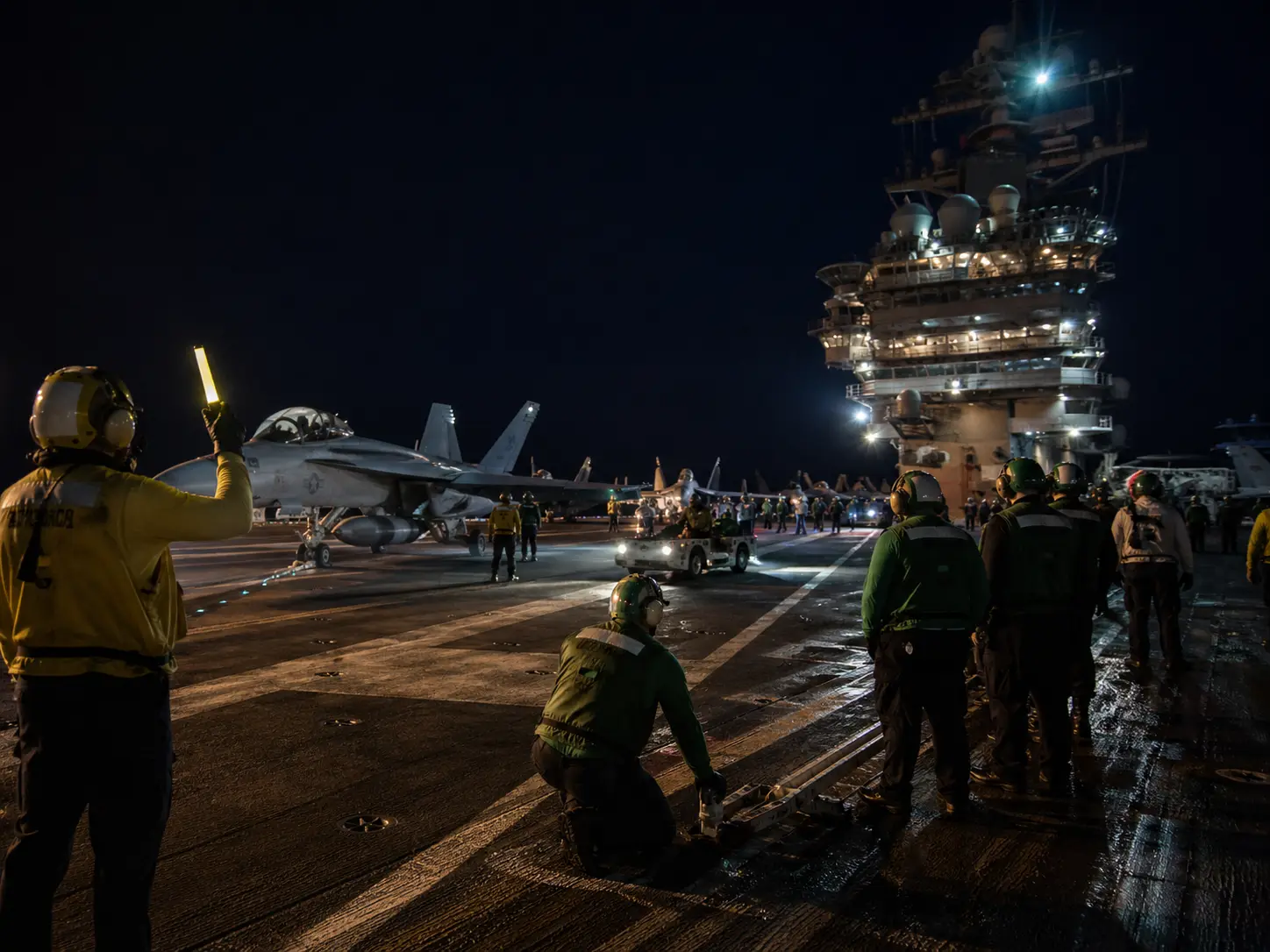
Today, modern aircraft carriers like the 332.8-metre USS Abraham Lincoln still rely on visual signalling. The 104,300-ton warship uses these light flashes to communicate with its strike group. This allows the massive vessel to send critical orders while maintaining total radio silence.
100 Per Cent Radio Silence
Even with advanced technology, signal lamps provide an unbreakable layer of security. Navies use them during emergencies or when strict radio silence must be maintained. By relying on line-of-sight light, the carrier keeps its operations completely hidden from enemy electronic surveillance.
2 Main Coloured Filters
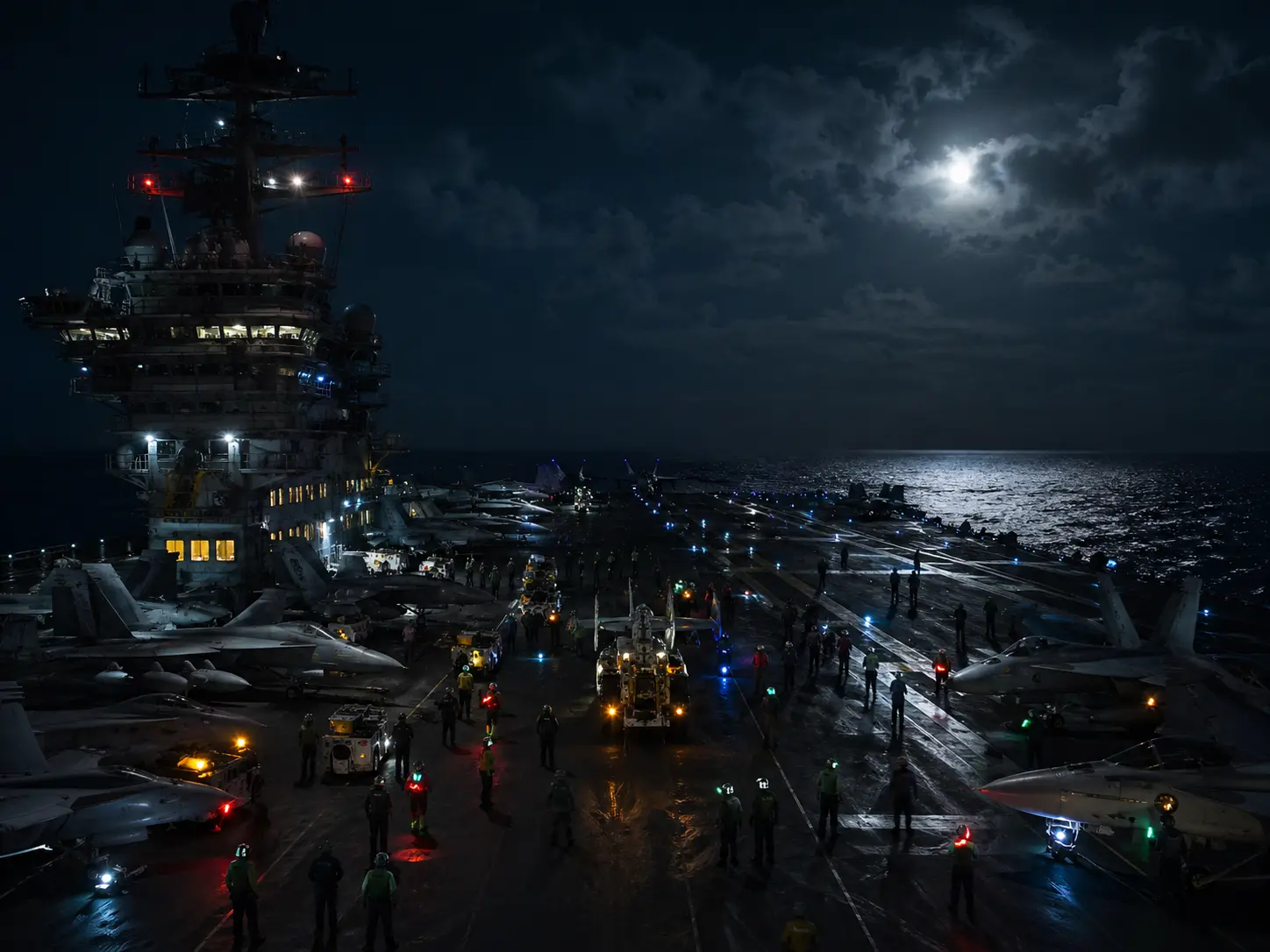
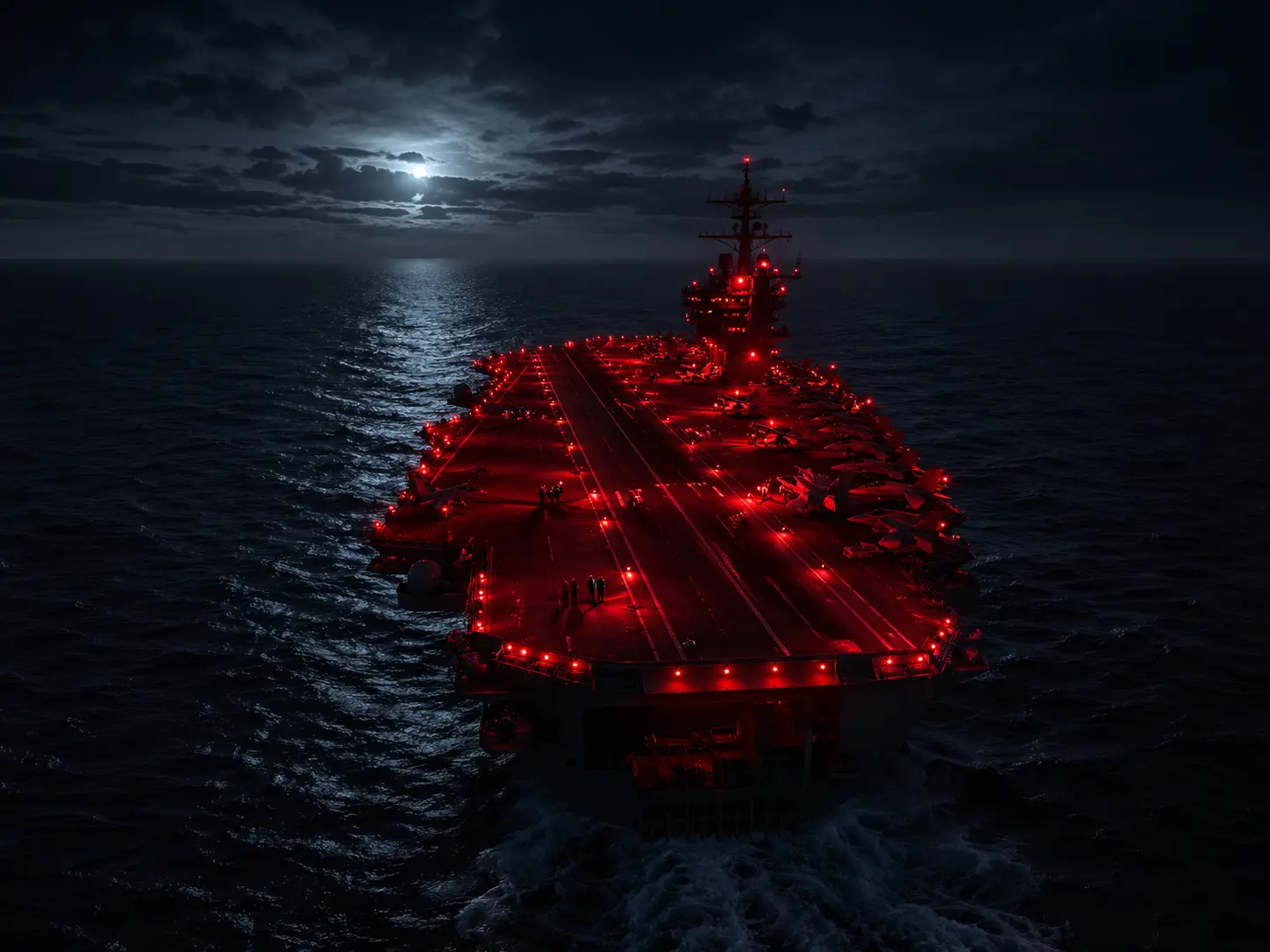
Military signal lamps often use coloured lenses for different types of communication. Operators can attach red and green filters to the lamps to transmit messages safely. Red filters are especially useful at night to avoid detection and preserve the sailors' natural night vision.
24-Hour Combat Cycle
The USS Abraham Lincoln maintains a relentless 24-hour cycle of combat readiness. Whether launching jets or coordinating with destroyers, the crew depends on secure visual signals. Deep into the night, the reliable flashes of a signal lamp ensure the fleet remains connected.
)
)
)
)
)