'Al Jafzia': India seizes 3 Iranian linked oil tankers sanctioned by US

To move this illicit cargo, intermediaries rely on a complex web of overseas ownership structures, falsified documentation, and mid-sea ship-to-ship transfers, making it incredibly difficult for global enforcement to track and intercept them.
1. The Offshore Crackdown
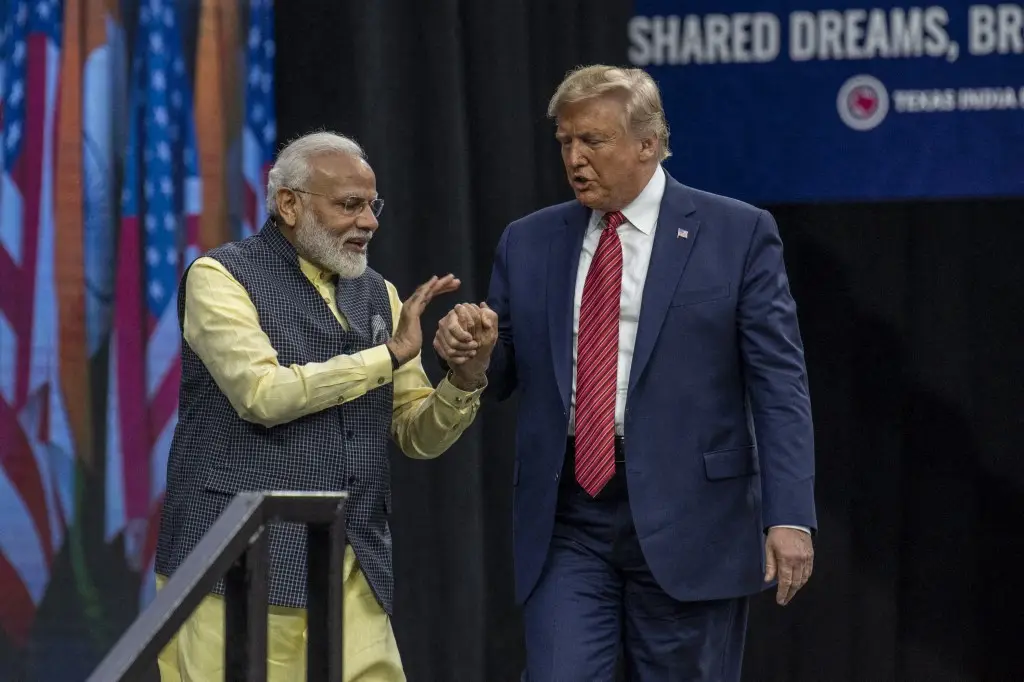
India has officially seized three tanker ships previously sanctioned by the United States for their links to Iran, said a report by Reuters. The move is part of an intensified effort by New Delhi to curb illicit maritime trade and prevent its waters from being used as a safe haven for ship-to-ship oil transfers that obscure the true origin of the cargo.
2. The Culprit Vessels
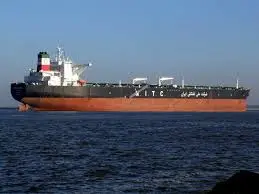
The seized ships, identified as the Stellar Ruby, Asphalt Star, and Al Jafzia, were known to frequently change their identities to evade coastal law enforcement. Their overseas-based owners utilized these tactics to hide their operations. Under their previous names (Global Peace, Chil 1, and Glory Star 1), the vessels were sanctioned last year by the U.S. Office of Foreign Assets Control (OFAC) using identical IMO numbers.
3. The Iran Connection
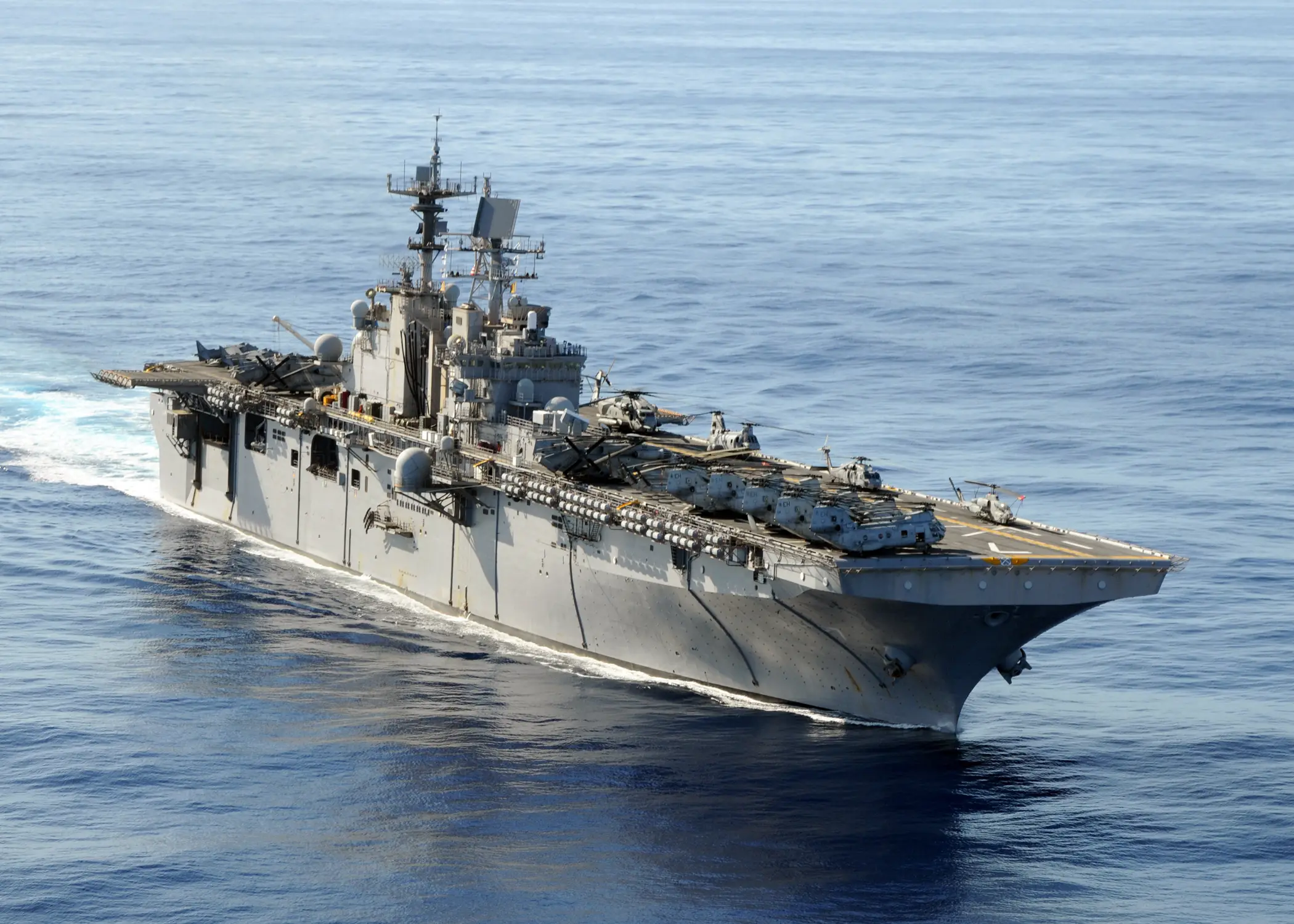
Data points to strong ties between the seized tankers and Iran. According to LSEG tracking data, the Al Jafzia transported Iranian fuel oil to Djibouti in 2025, while the Stellar Ruby actively flew the Iranian flag. The third vessel, the Asphalt Star, primarily operated on shipping routes around China.

4. The Mid-Sea Interception
The interception took place on February 6, approximately 100 nautical miles west of Mumbai. Authorities detected suspicious activity involving a tanker operating within India's exclusive economic zone. The Indian Coast Guard briefly posted about the operation on X (formerly Twitter) before deleting it, but sources confirmed the ships were subsequently escorted directly to Mumbai for further investigation.

5. Massive Surveillance Surge
Sanctioned oil and fuel are highly lucrative because they are sold at deep discounts to offset the legal risks. To move this illicit cargo, intermediaries rely on a complex web of overseas ownership structures, falsified documentation, and mid-sea ship-to-ship transfers, making it incredibly difficult for global enforcement to track and intercept them.
7. A Geopolitical Ripple Effect
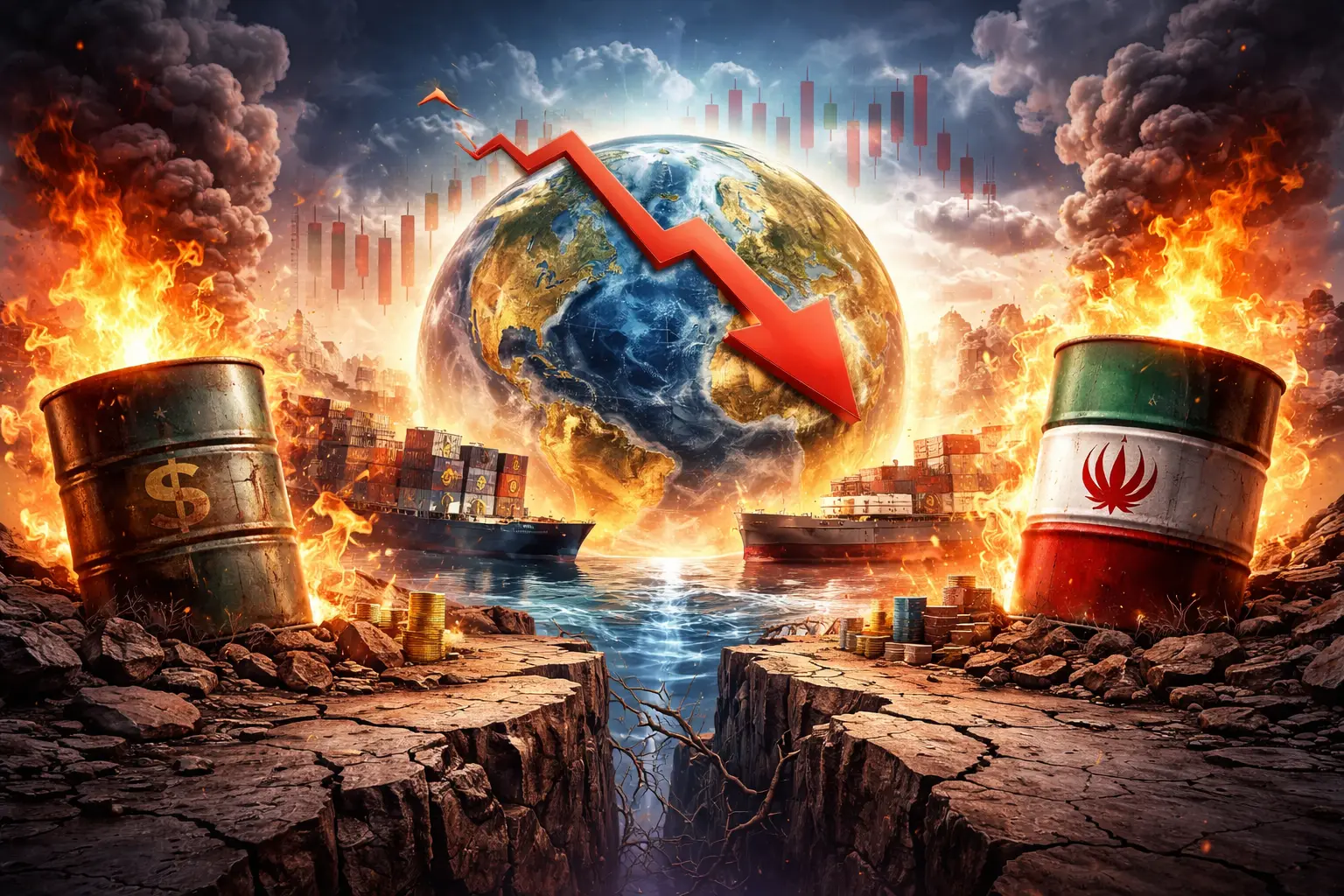
This aggressive maritime enforcement directly follows a major breakthrough in U.S.-India diplomatic and trade relations. Earlier this month, Washington announced it would slash import tariffs on Indian goods from a steep 50 per cent down to 18 per cent, a reciprocal move after New Delhi agreed to halt its imports of Russian crude oil.
)
)
)
)
)