'Akshay Patra of power': How new advanced atomic reactor is key to India’s 1,000-year energy plan

India’s 500 MWe Prototype Fast Breeder Reactor at Kalpakkam attained first criticality on April 6, 2026. This "Akshay Patra" of energy creates more fuel than it consumes, unlocking massive thorium reserves.
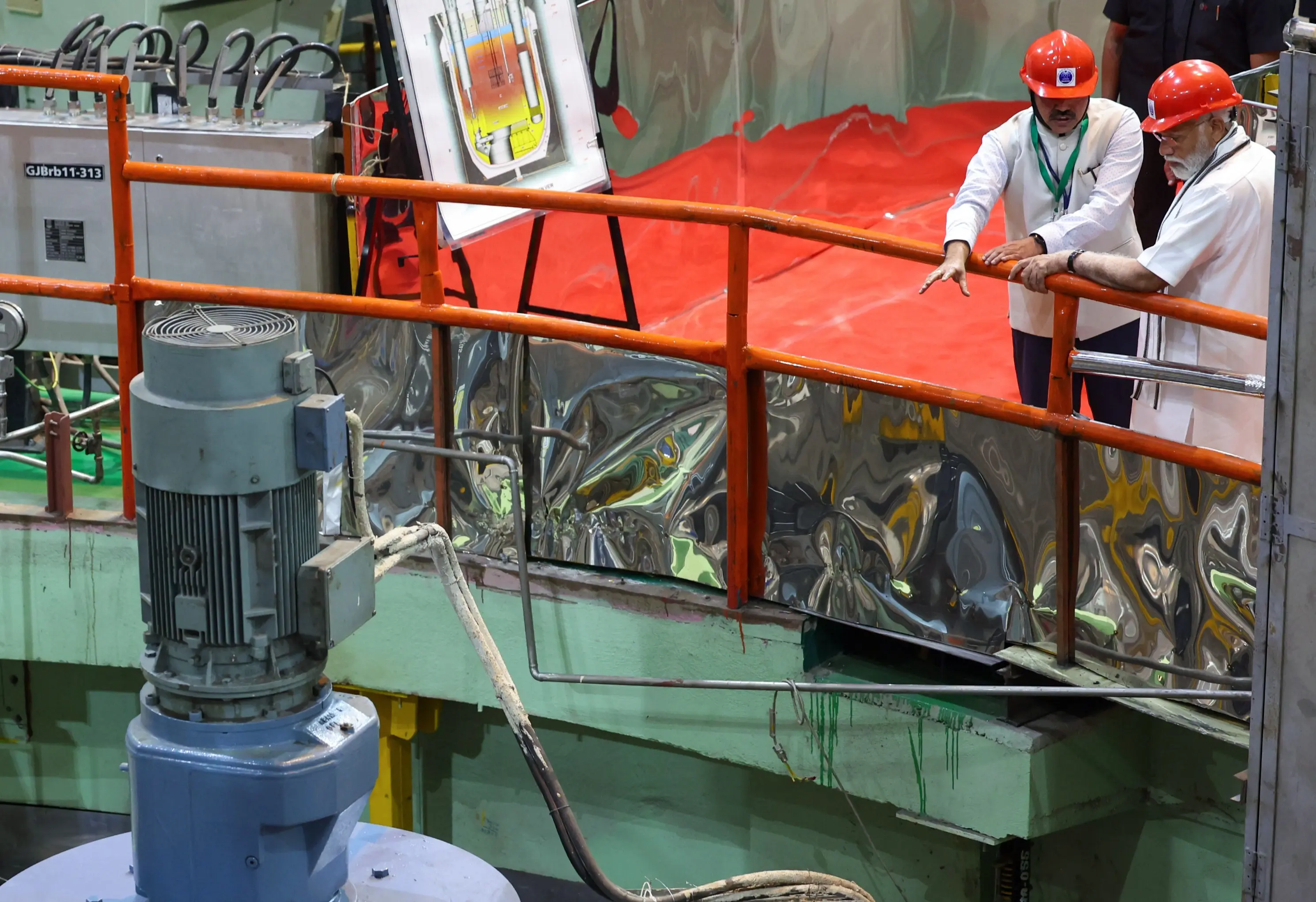
The 500 MWe Prototype Fast Breeder Reactor (PFBR)
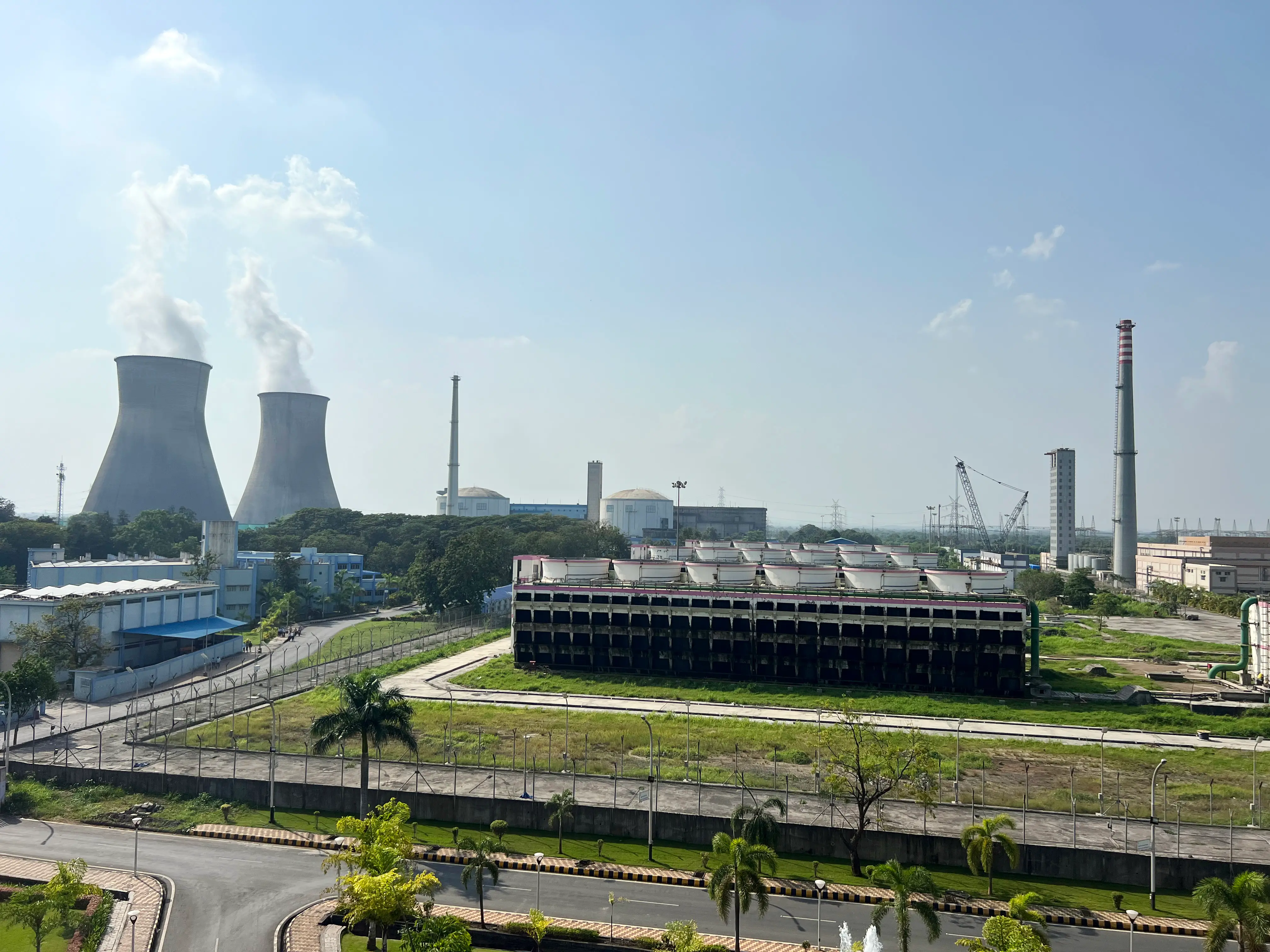
In a landmark achievement for India’s nuclear energy programme, the 500 MWe Prototype Fast Breeder Reactor (PFBR) at Kalpakkam, Tamil Nadu, has successfully attained first criticality, the start of a self-sustaining nuclear chain reaction, on 06 April 2026. The development has marked a historic step in providing long-term energy security and advancing indigenous nuclear technology capabilities, making it the second stage of India’s Three-Stage Nuclear Power Programme, a vision conceived by Dr Homi J. Bhabha to ensure the nation’s energy independence for centuries.
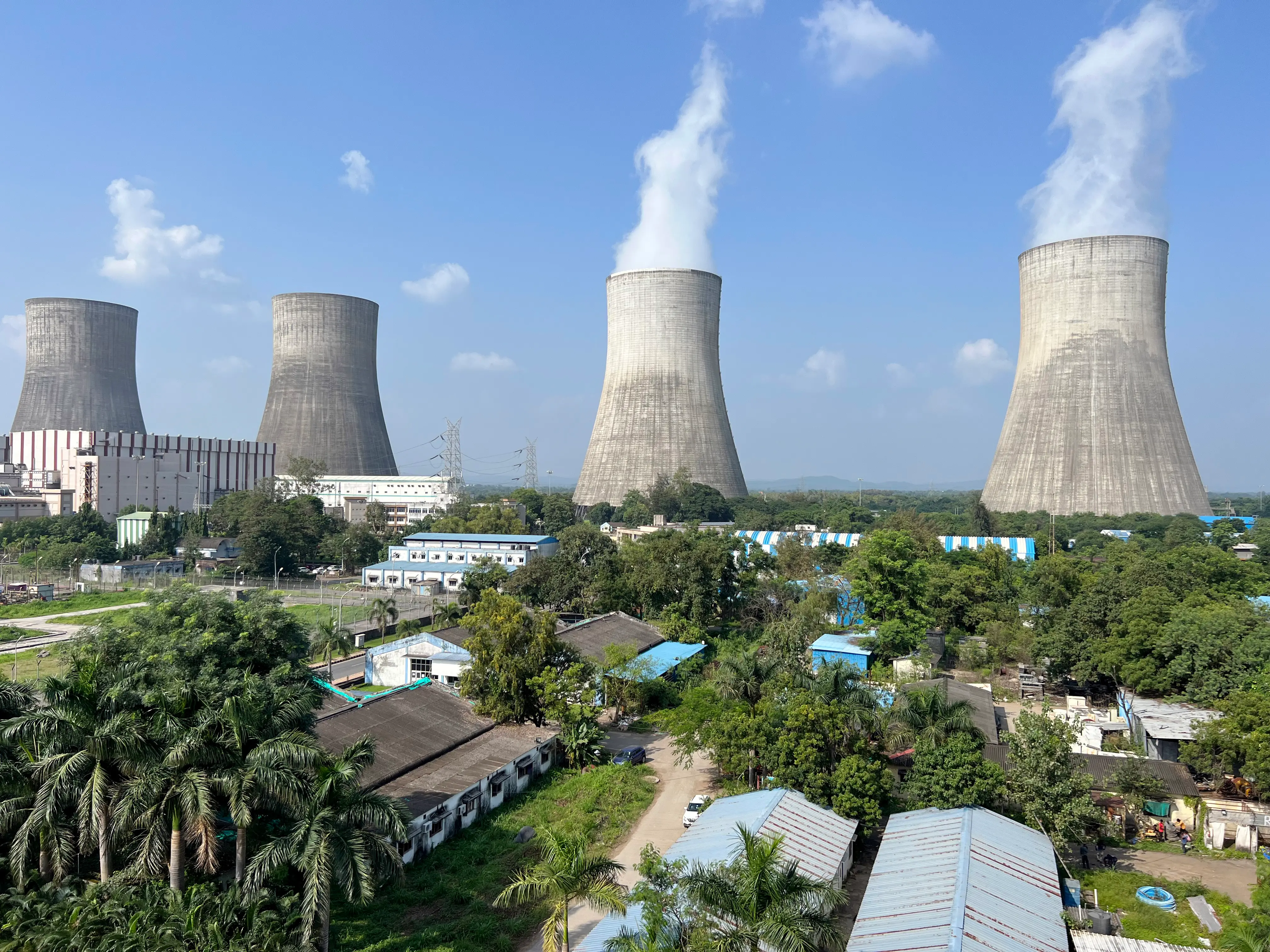
Limited uranium
While traditional reactors rely on Uranium-235, India faces a significant constraint: it possesses only 1–2 per cent of the world's global uranium reserves. Relying solely on uranium would leave India perpetually dependent on expensive imports and geopolitical whims. Currently, India’s first-stage reactors (PHWRs) use this limited uranium, but they produce a byproduct: Plutonium.
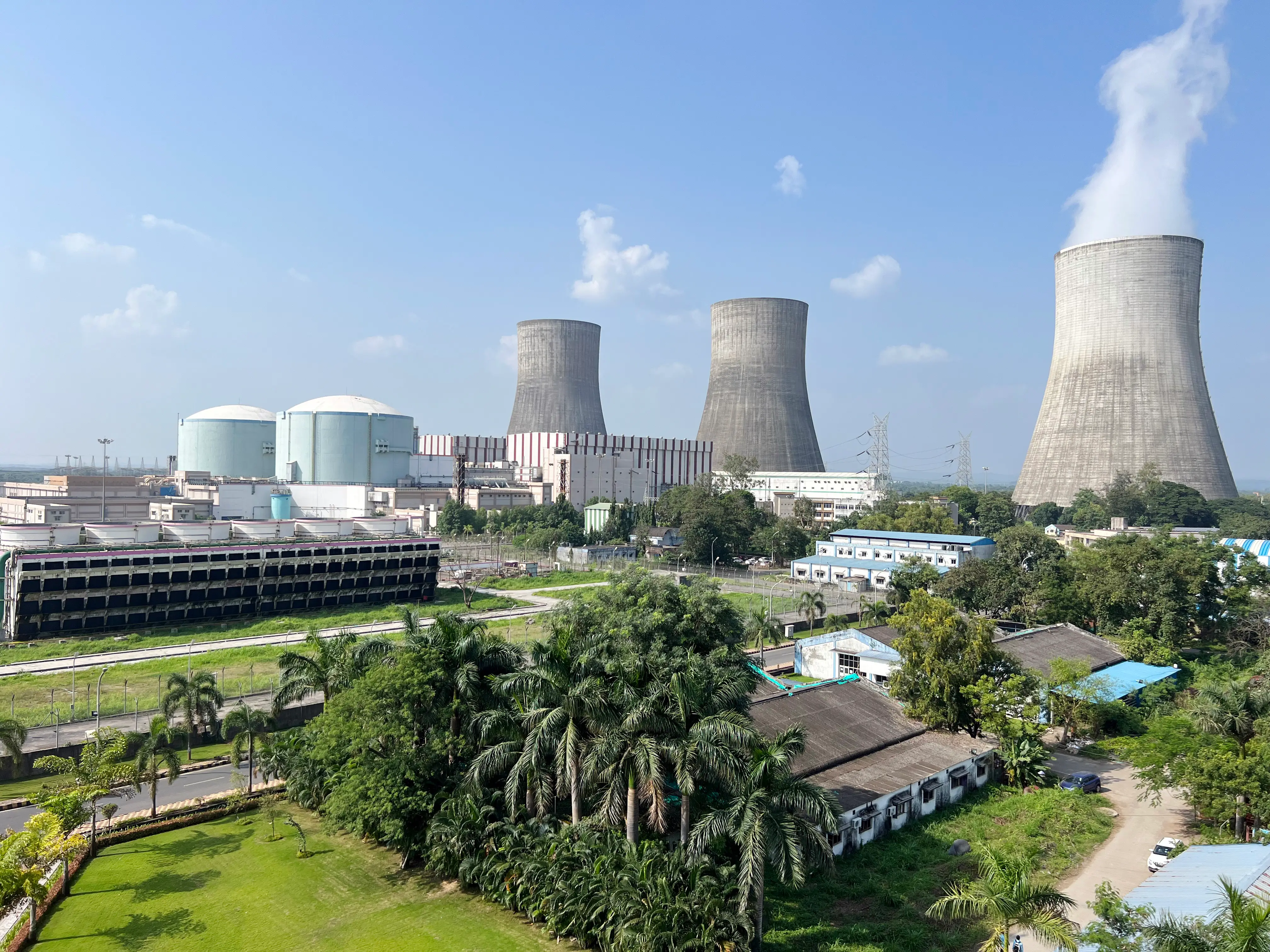
The "Breeder" Magic: Creating More Fuel Than It Consumes
The Kalpakkam PFBR is a technological marvel because it "produces more fuel than it consumes". PM Modi said that this advanced reactor, capable of producing more fuel than it consumes, shows the capability and the strength of India's scientific and engineering enterprise. By using fast neutrons, the reactor converts fertile Uranium-238 into Plutonium-239. Prime Minister Narendra Modi described this indigenous achievement as a "defining step," reflecting the "depth of our scientific capability". This "closed fuel cycle" ensures that nuclear waste is recycled back into the system, drastically increasing fuel efficiency. Owing to this self-replenishing feature, the PFBR is often described as an “Akshay Patra” of energy, according to the NDTV report.
Unlocking the 1,000-Year Thorium Vault
The true prize of Kalpakkam, however, is Thorium. India holds nearly 25 per cent of the world’s thorium reserves, primarily in the monazite sands of Kerala and Odisha. Thorium is roughly three to four times more abundant than uranium and far more energy-dense; one tonne of thorium can produce as much energy as 200 tonnes of uranium. The first two stages, which consist of natural uranium-fueled heavy water reactors and plutonium-fueled fast breeder reactors, are likely to produce sufficient fissile material from the limited uranium resources of India in order to utilise its vast thorium reserves in the third stage of thermal breeder reactors. By using a thorium "blanket" around the core, the reactor transmutes thorium into Uranium-233, the fuel needed for future reactors. Experts suggest that once India masters this thorium cycle, it could support nearly 500 GW of electricity for over 400 years, potentially powering the nation for a millennium.
Atmanirbhar and carbon-neutral future
With commercial operations set to begin by September 2026, Kalpakkam has positioned India as only the second nation, after Russia, to operate a commercial-scale Fast Breeder Reactor. By moving away from scarce uranium and toward its vast thorium reserves, India has secured a path toward a truly "Atmanirbhar" and carbon-neutral future.
)
)
)
)
)