‘AI may exceed the combined intelligence of all humans by 2031’: Elon Musk’s predictions at Davos 2026

At the World Economic Forum 2026, Musk shared predictions for AI, robotics, and space: AI may surpass collective human intelligence by 2031, robots could dominate the workforce, and reusable Starship rockets could cut space costs dramatically.
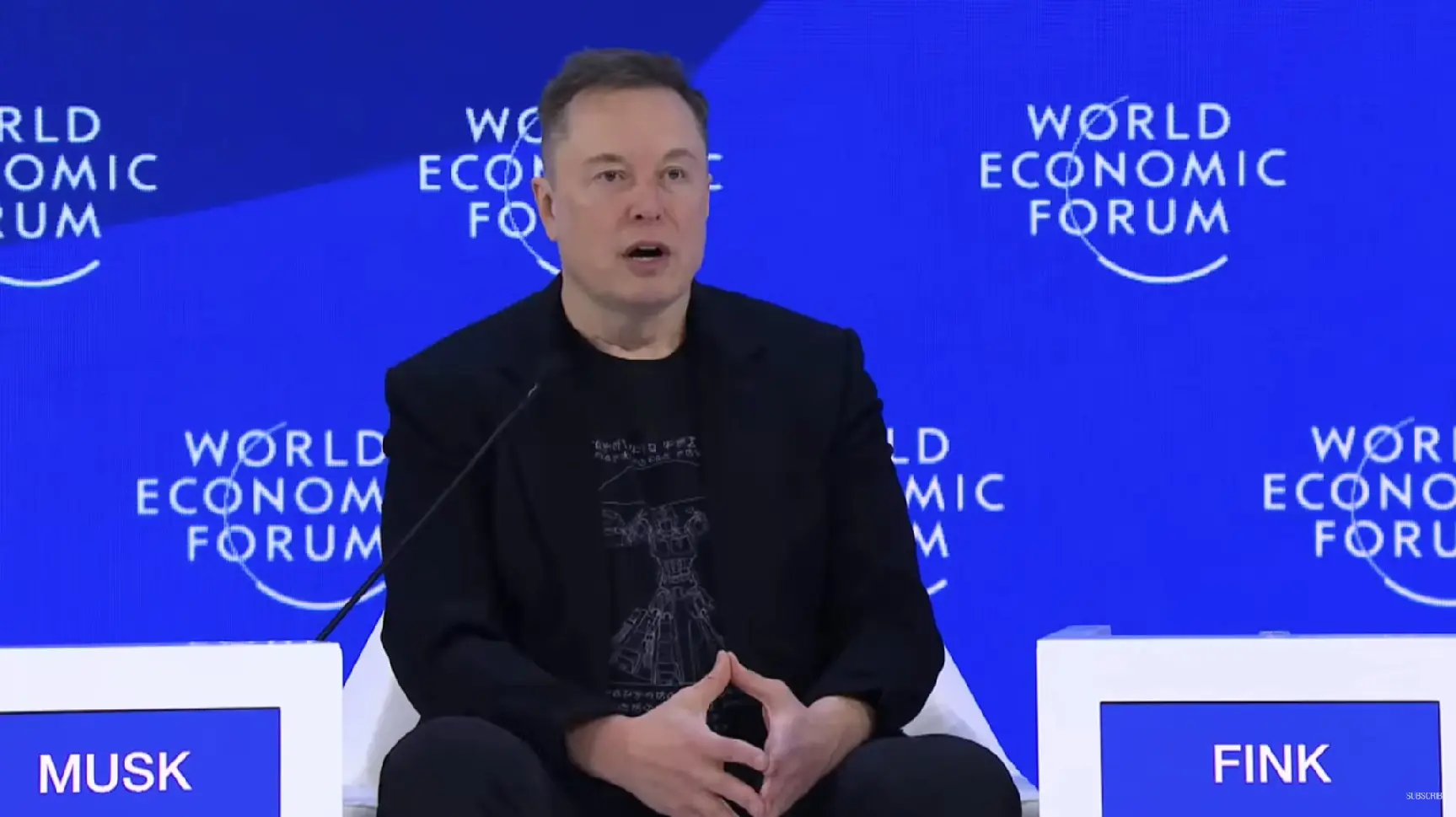
AI smarter than humanity
Musk predicted that AI would be "smarter than any individual human" by the end of 2026. He went further and also said that within five years, artificial intelligence would likely exceed the collective capability of "all of humanity combined".
Tesla's Optimus robot could go on sale by 2027 - Will be available to the public
Envisioning a new era of labour, Musk stated there will be "more robots than people" on Earth. He confirmed that Tesla's Optimus robot could go on sale by 2027.
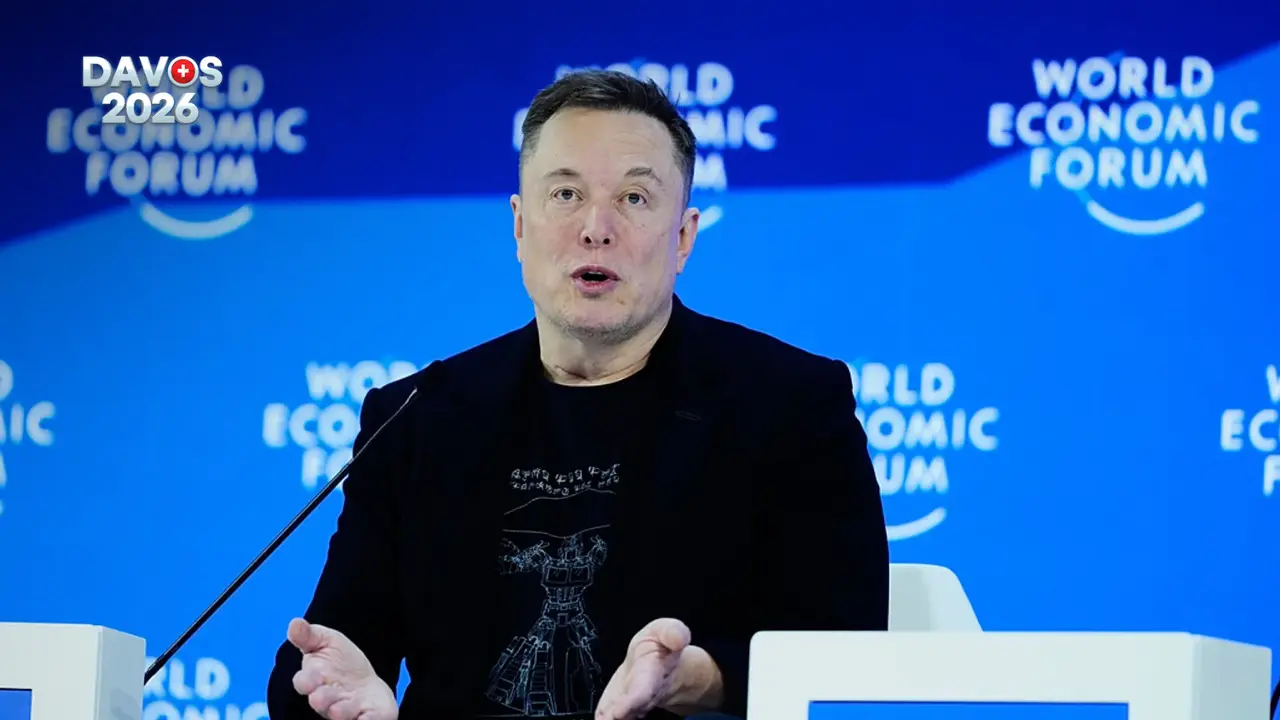
Data centres in space Solar power from the stars
To solve Earth's energy constraints, Musk proposed moving AI computing into orbit. He said that solar panels are "five times more effective" in space due to the lack of atmosphere and 24/7 sunlight, making it the most efficient place to power massive data centres.
No evidence of aliens
When Larry Fink asked about extraterrestrials, Musk joked, “I am one,” before turning serious. He explained that despite his space exploration, he has seen no evidence of aliens. He emphasized that human consciousness may be extremely rare, describing it as a “tiny candle in a vast darkness” that should be preserved.
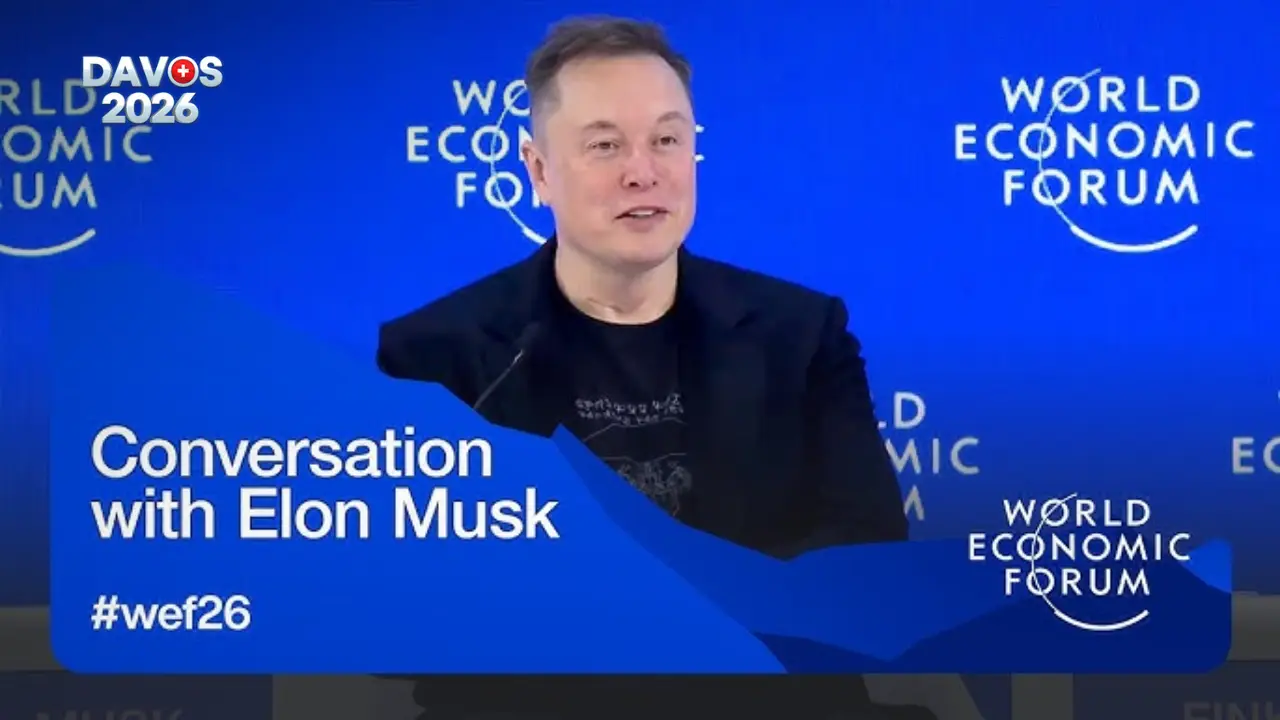
Starship’s full reusability Cheaper than a flight
He said SpaceX aims to achieve full reusability for its Starship system, and that this breakthrough by making rockets fully reusable would reduce the cost of access to space by about a factor of 100. He explained this would make launching payloads to orbit cheaper than air freight, fundamentally changing the economics of space travel
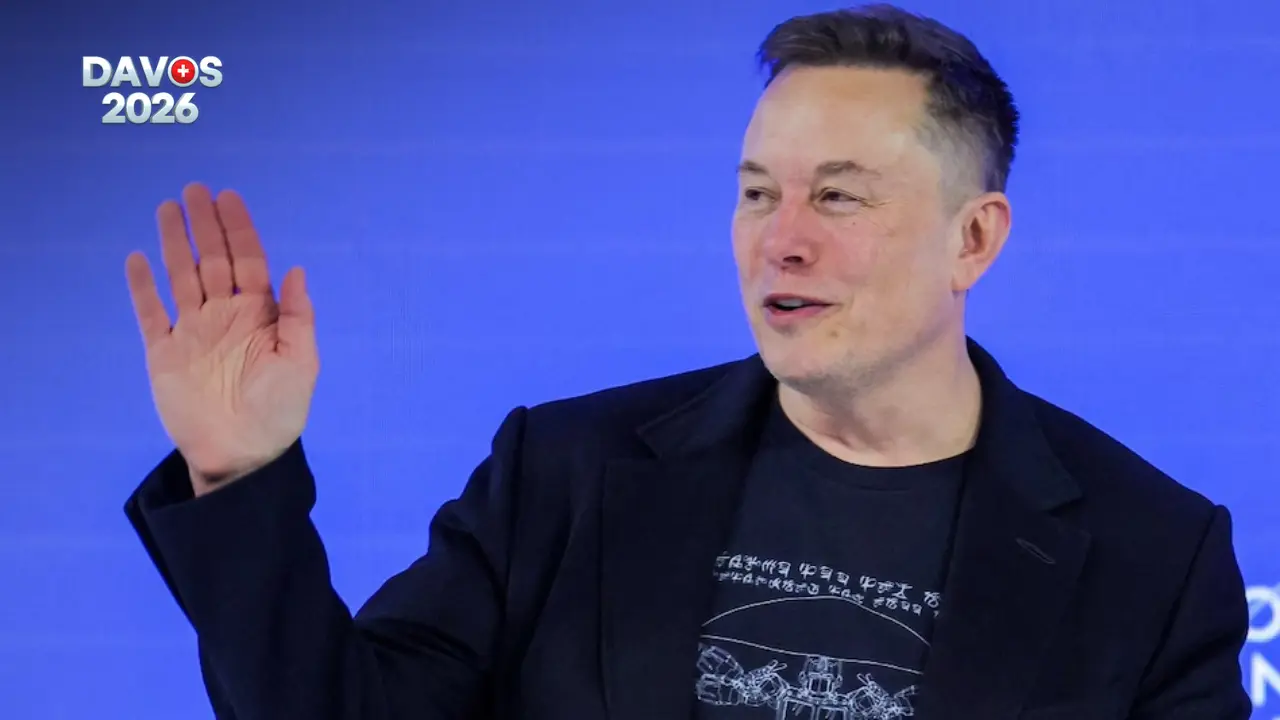
Energy is the bottleneck Praise for China’s grid
Identifying the hurdle for AI growth, Musk stated, "The constraint is electricity". He praised China’s rapid infrastructure development, noting they are adding more solar and nuclear capacity than any other nation to meet the exponential demand for power.
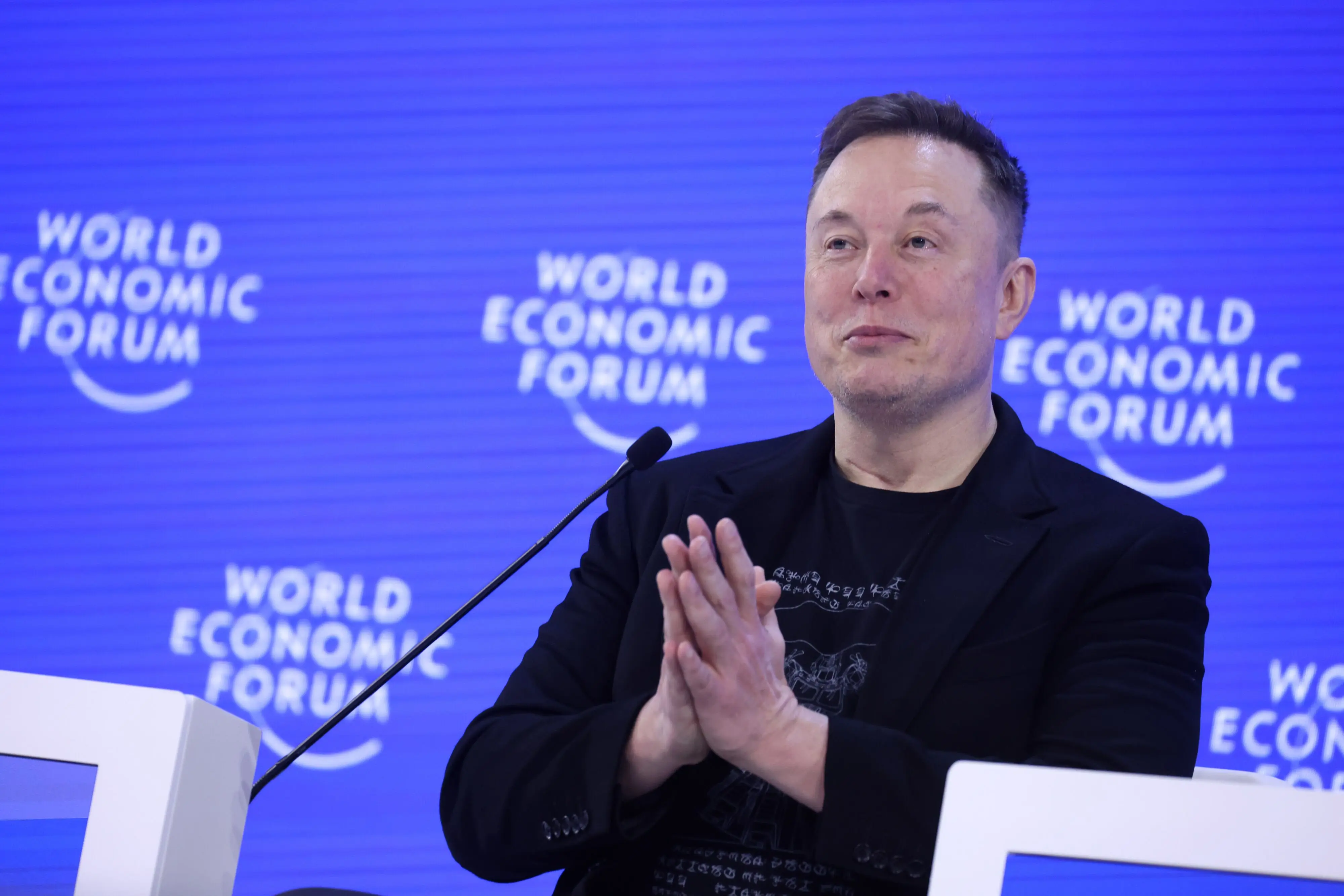
It is better to be an optimist and wrong than a pessimist and right
“It is better to be an optimist and wrong than a pessimist and right.”
He urged people to remain hopeful and proactive in shaping the future.
)
)
)
)
)