'AI inside human brain': What are cyborgs and how can they replace human civilisation?

The fusion of biology and technology could reshape everything from healthcare to warfare, and some experts warn it might eventually redefine or even replace human civilisation as we know it.
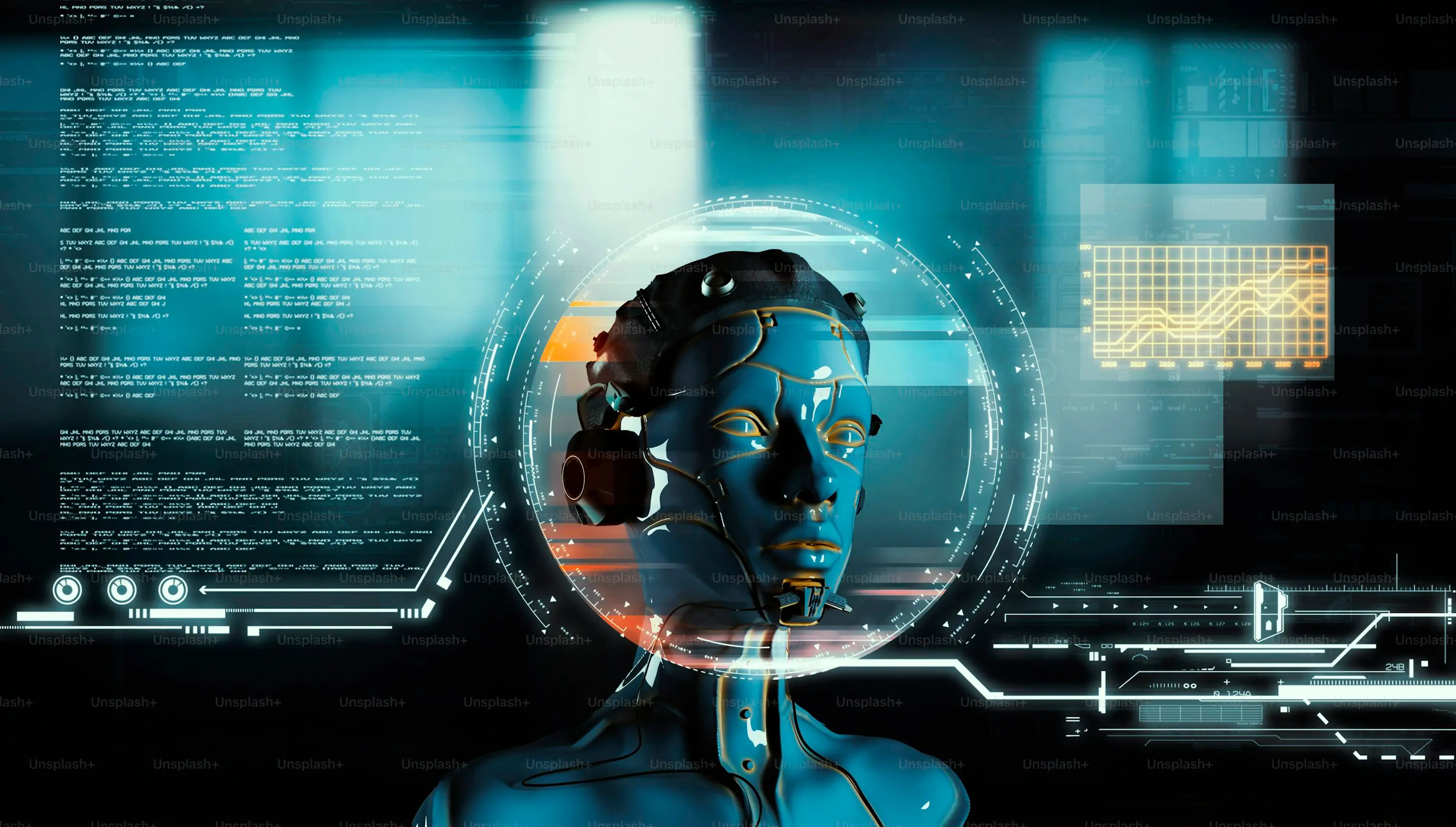
What Exactly Is a Cyborg?
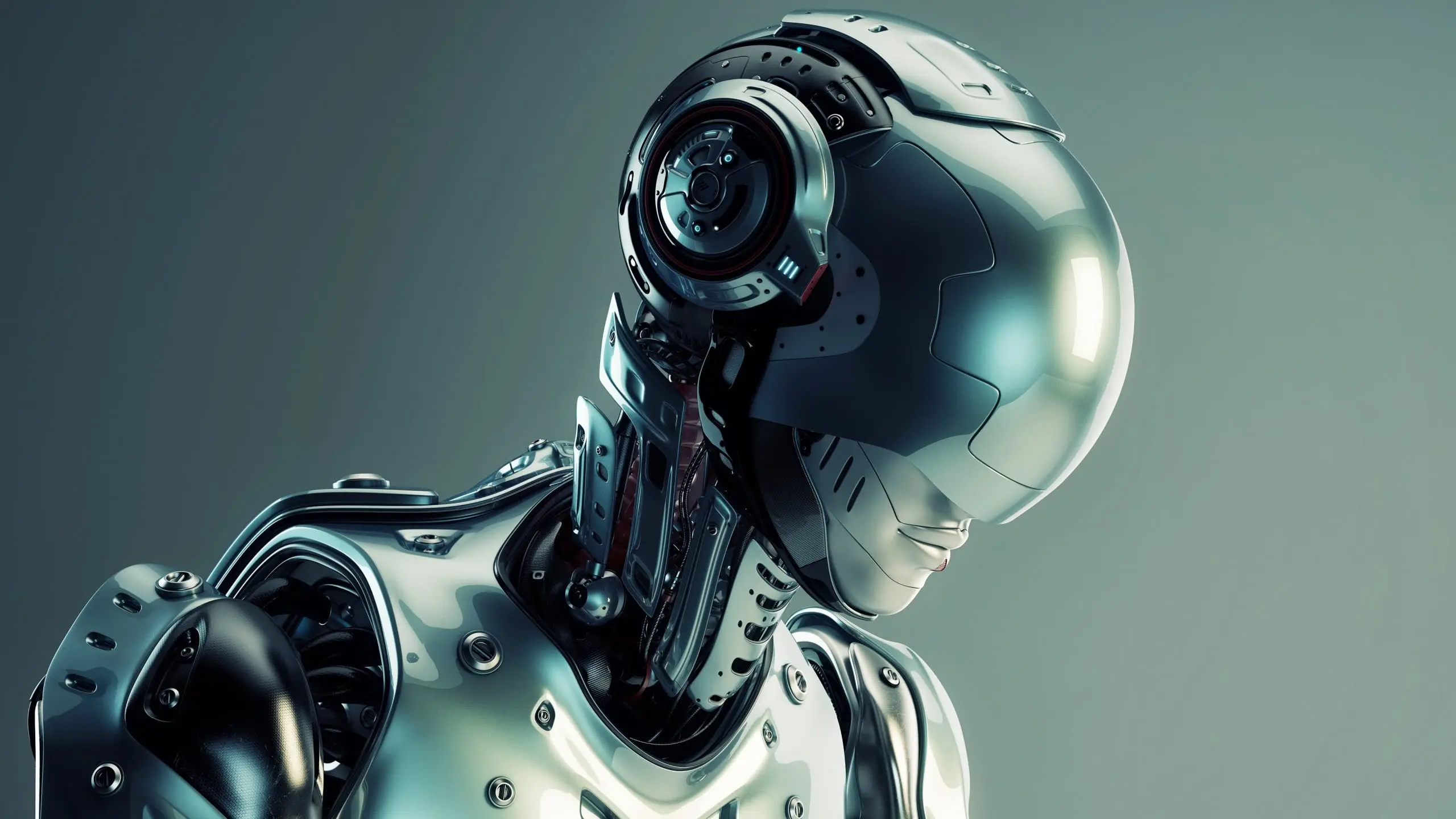
A cyborg is a being with both organic and biomechatronic parts. Unlike fully synthetic robots, cyborgs start as humans but gain enhanced capabilities through technology, such as AI neural chips, robotic limbs, or sensory upgrades.
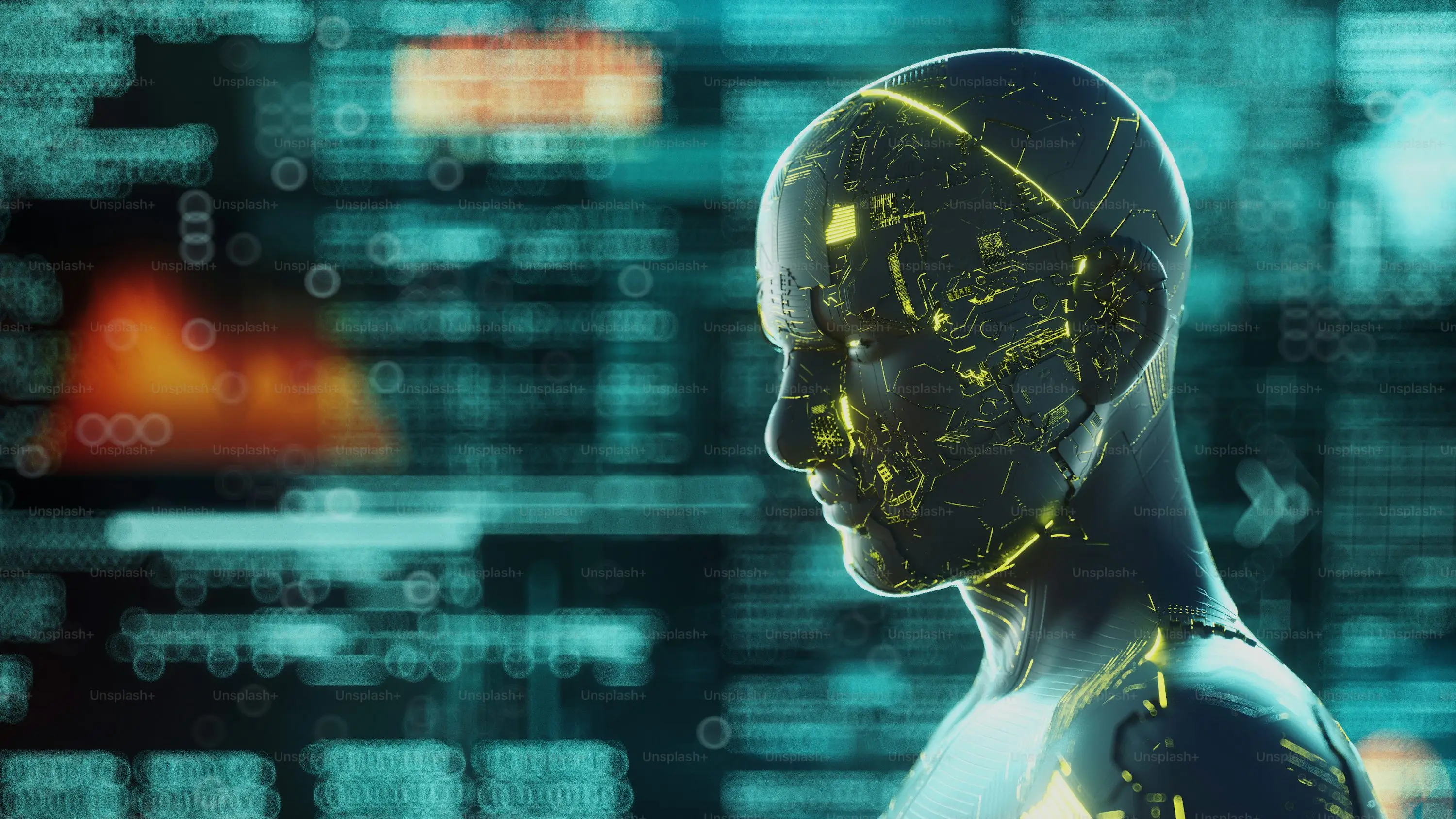
How AI Fits Into the Human Brain
Neural implants like Elon Musk’s Neuralink are exploring how AI could directly interface with the brain. This could allow humans to process information faster, control devices with thoughts, or even communicate telepathically via networks.
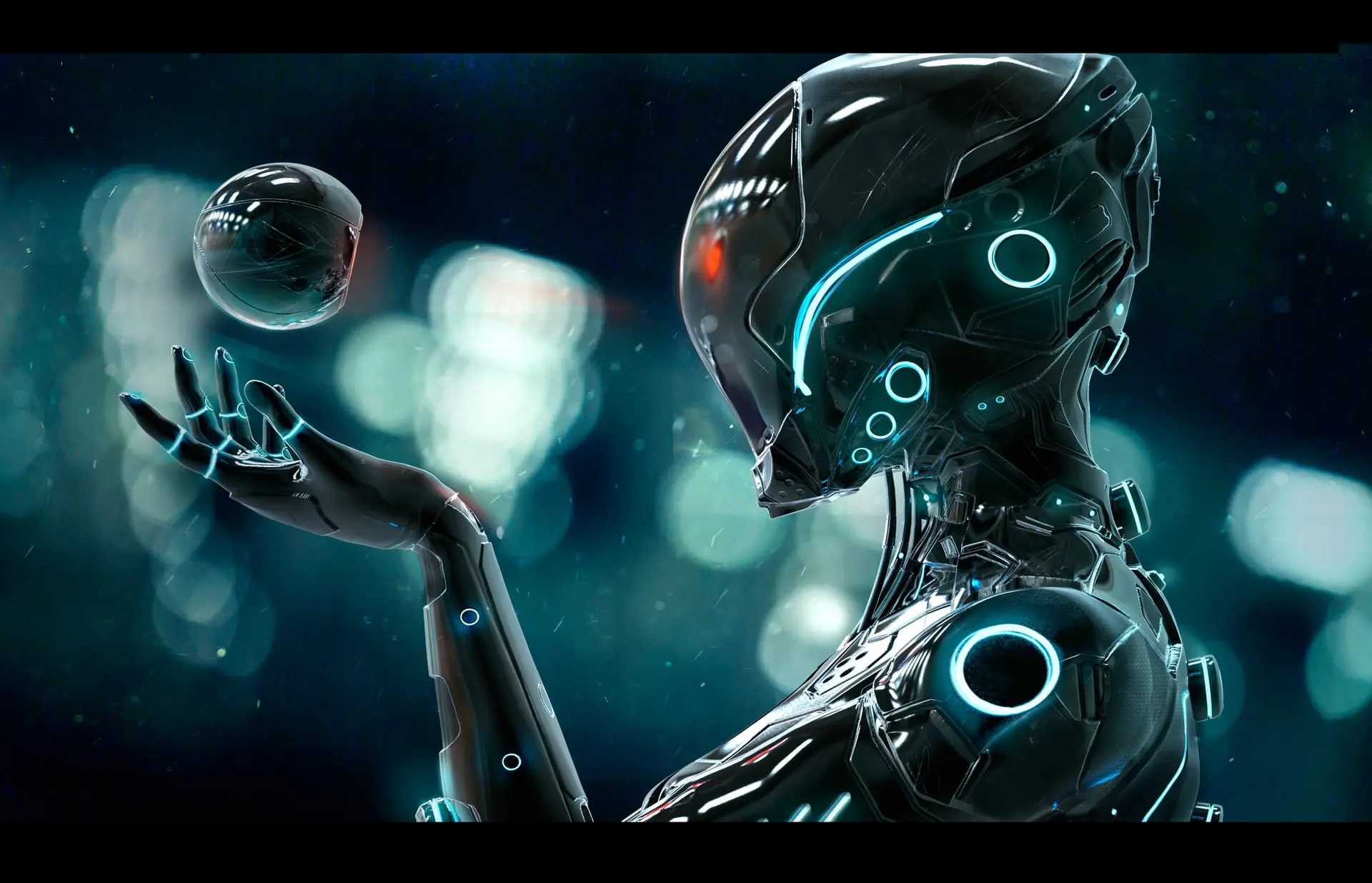
The Rise of Synths – Fully Artificial Beings
While cyborgs are part-human, “synths” are fully artificial life forms designed to mimic human intelligence and emotions. They could eventually replace many human roles due to their efficiency and lack of biological limitations.
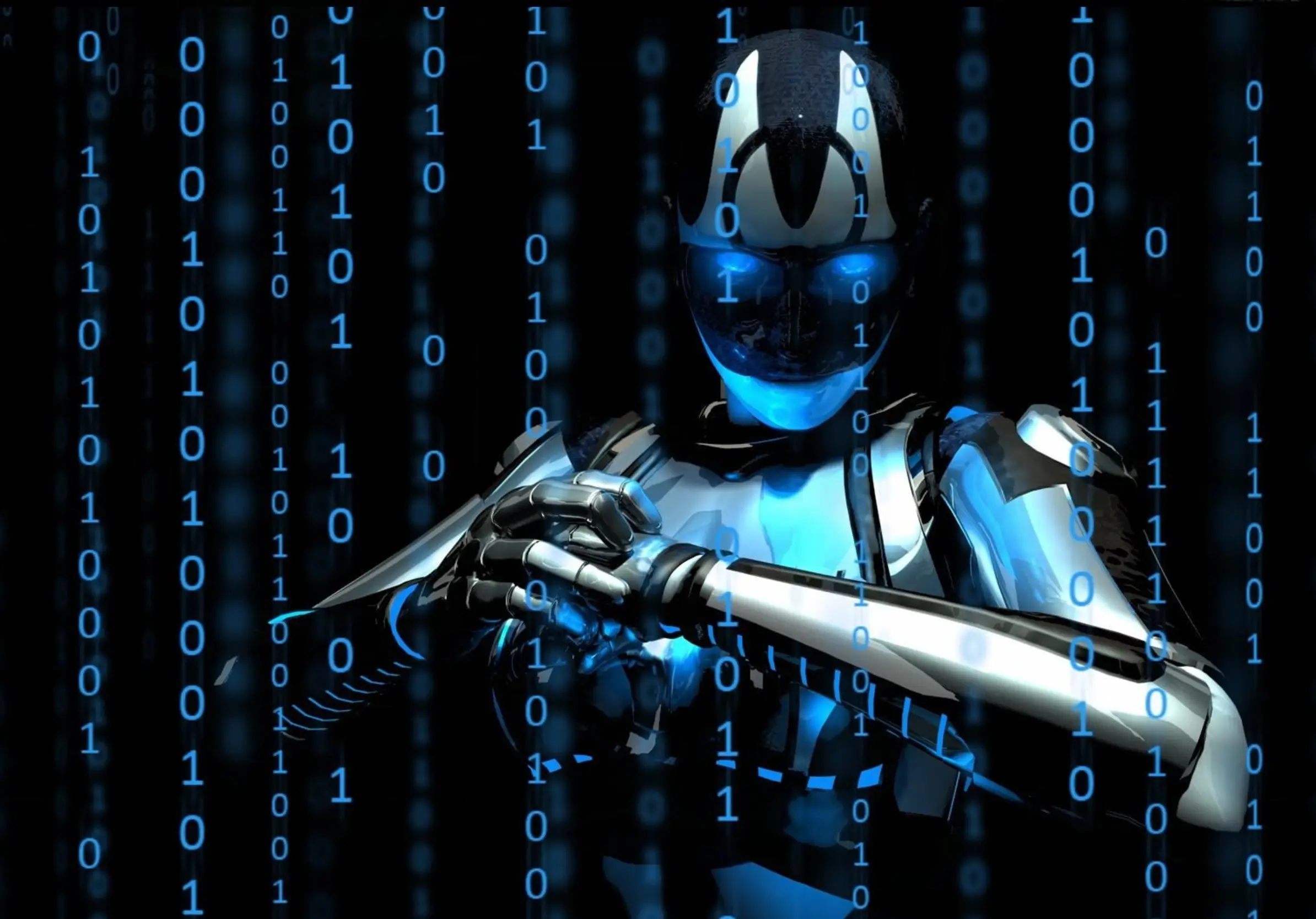
Why This Could Replace Human Civilisation
If cyborgs and synths surpass human intelligence, they could dominate industries, governance, and even reproduction. In a hyper-technological society, “pure” humans may find themselves obsolete.

Benefits That Make the Shift Attractive
From curing paralysis to eliminating disease and enhancing lifespan, cyborg enhancements offer irresistible advantages. Governments and corporations may accelerate adoption to maintain competitive power.

Risks That Could Reshape Humanity
Loss of privacy, AI-controlled thought patterns, and economic displacement are real threats. A fully tech-integrated species might prioritise machine logic over human empathy, changing the core of civilisation.
The Timeline to a Cyborg Future
Experts estimate partial brain-AI integration could become mainstream within the next 20–40 years, with synthetic beings possibly taking over large societal functions before the end of the century.
)
)
)
)
)