‘Agni-V’s cold-launch capability’: What makes it uniquely reliable

Agni-V's cold-launch system uses pressurized gas for ejection, protecting the launcher and allowing rapid, reliable strikes from any terrain.
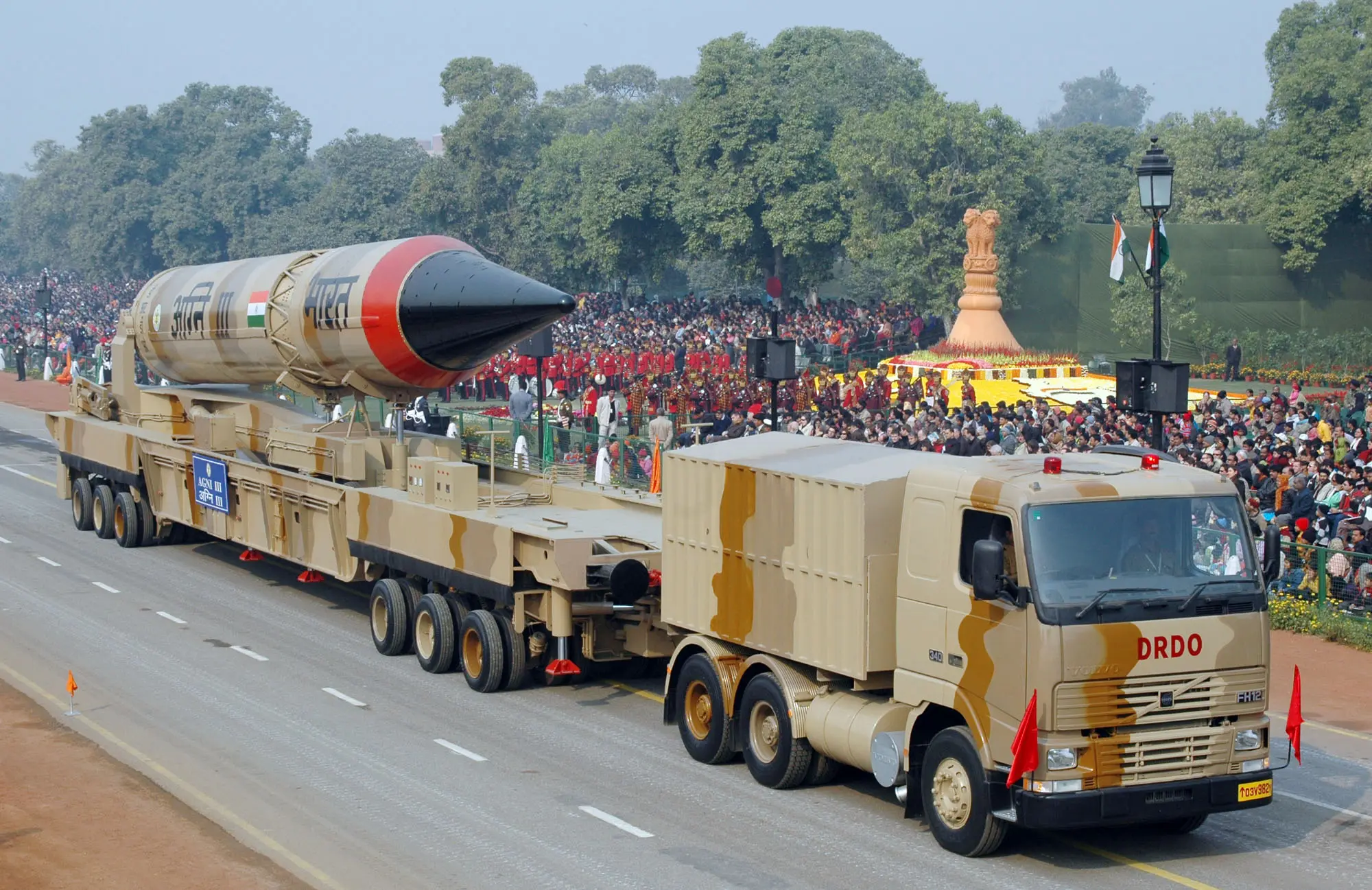
High operational readiness
The cold-launch system allows the Agni-V to be stored in a hermetically sealed canister for several years. This "wooden round" configuration ensures the missile is always ready for a rapid launch sequence.
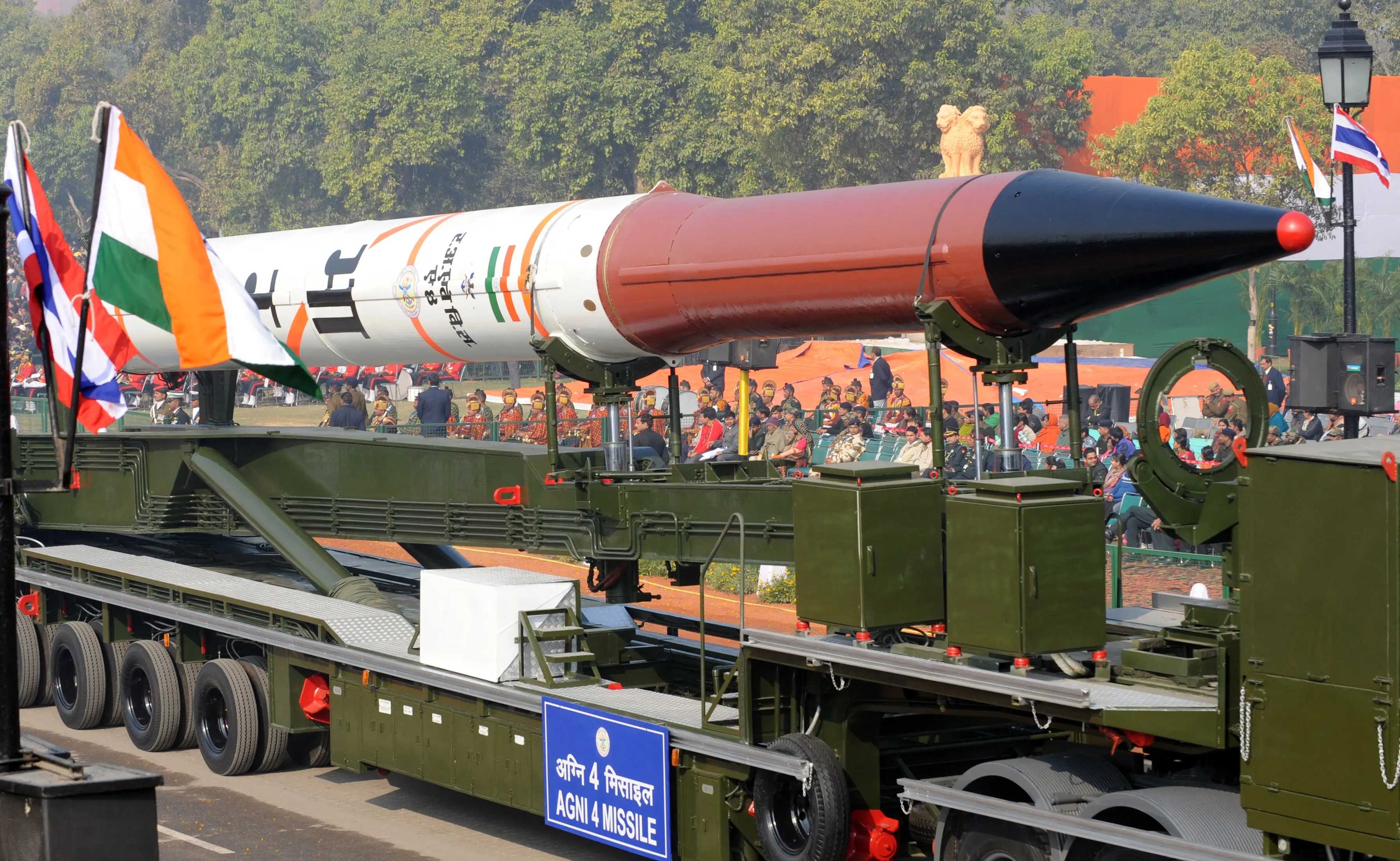
Protective canister design
The missile is housed in a maraging steel canister that protects it from harsh environmental conditions. This specialized enclosure reduces maintenance needs and significantly increases the missile's shelf life.
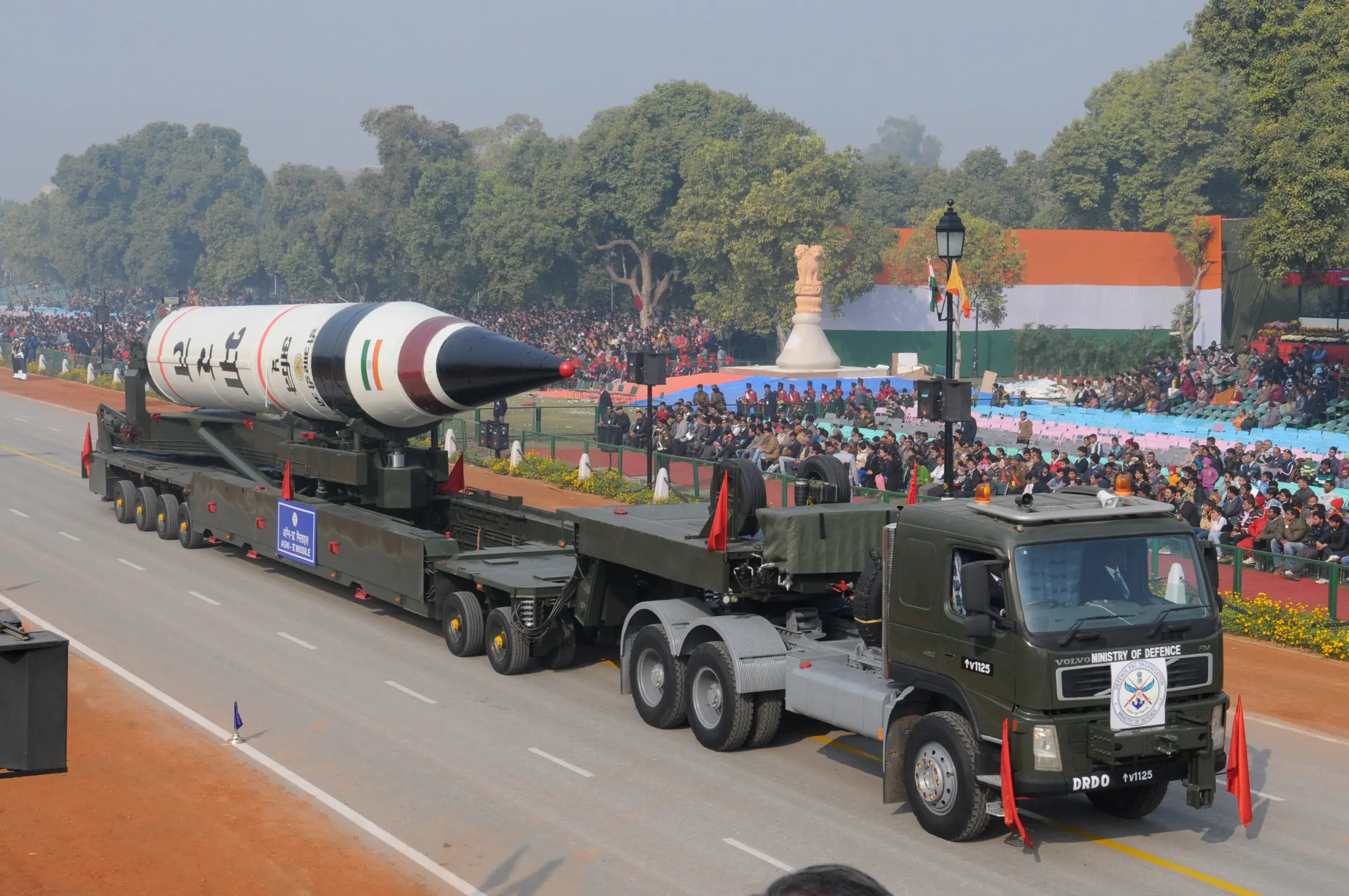
Gas-ejection mechanism
A gas generator at the bottom of the canister provides a force of up to 370 tonnes to eject the missile. The 50-tonne missile is pushed to a height of about 30 metres before the first-stage engine ignites.
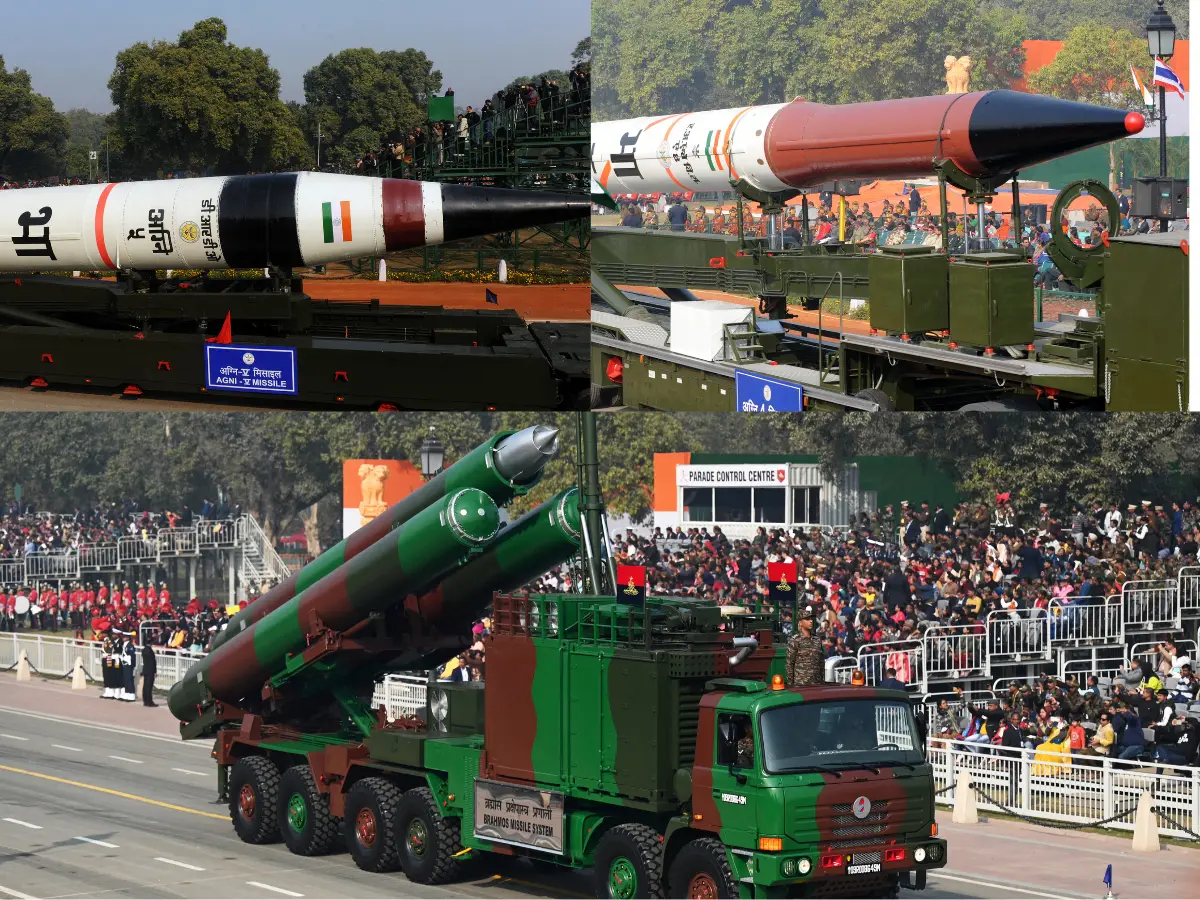
Protecting the launcher
By igniting the rocket motor only after ejection, the cold-launch system prevents heat damage to the mobile launcher. This allows the launch vehicle to be reused and ensures its survival during a strategic conflict.
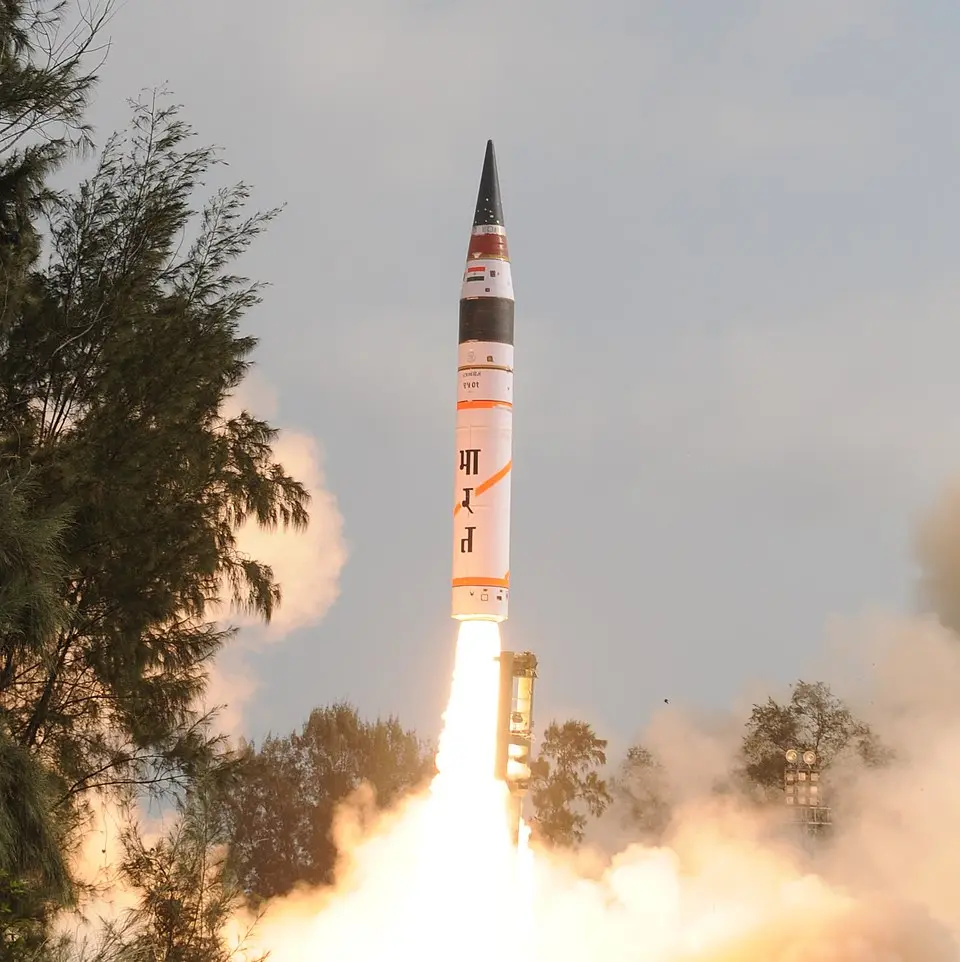
Launch from anywhere
The cold-launch technology enables Agni-V to be fired from relatively unprepared strips or even confined spaces. This flexibility makes the missile highly mobile and much harder for adversaries to detect or track.
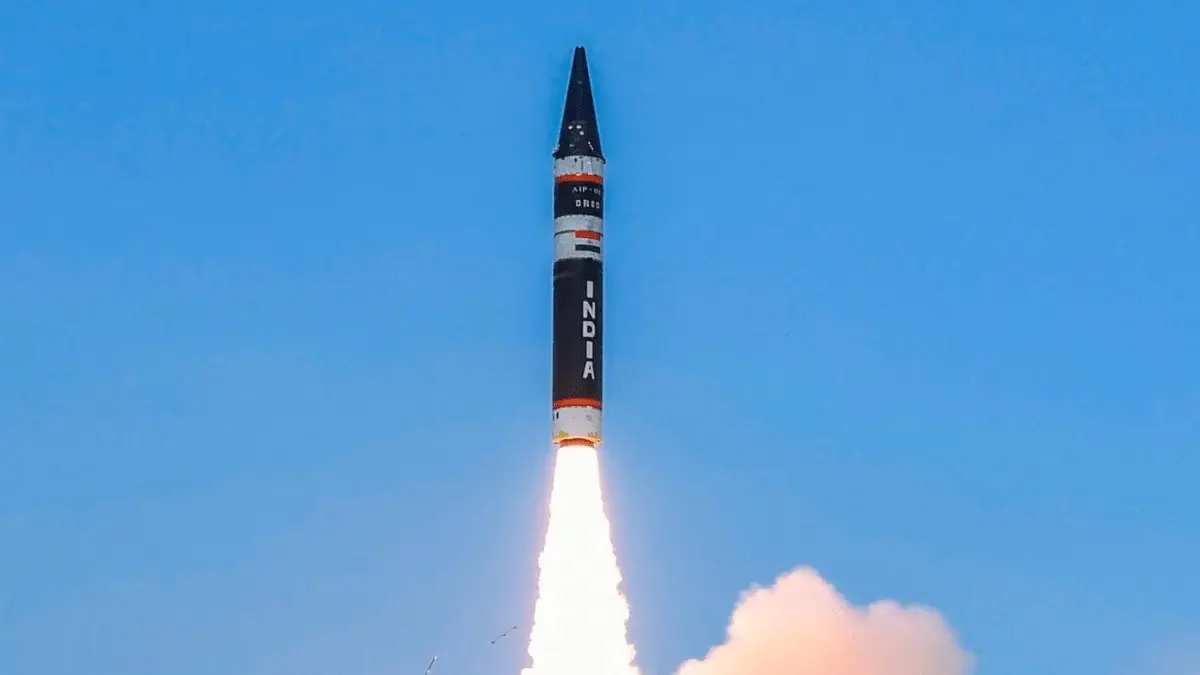
Reduced thermal stress
Igniting the motor mid-air eliminates the need for complex jet deflectors on the launch platform. This design reduces the weight and complexity of the mobile launcher, enhancing its overall reliability.
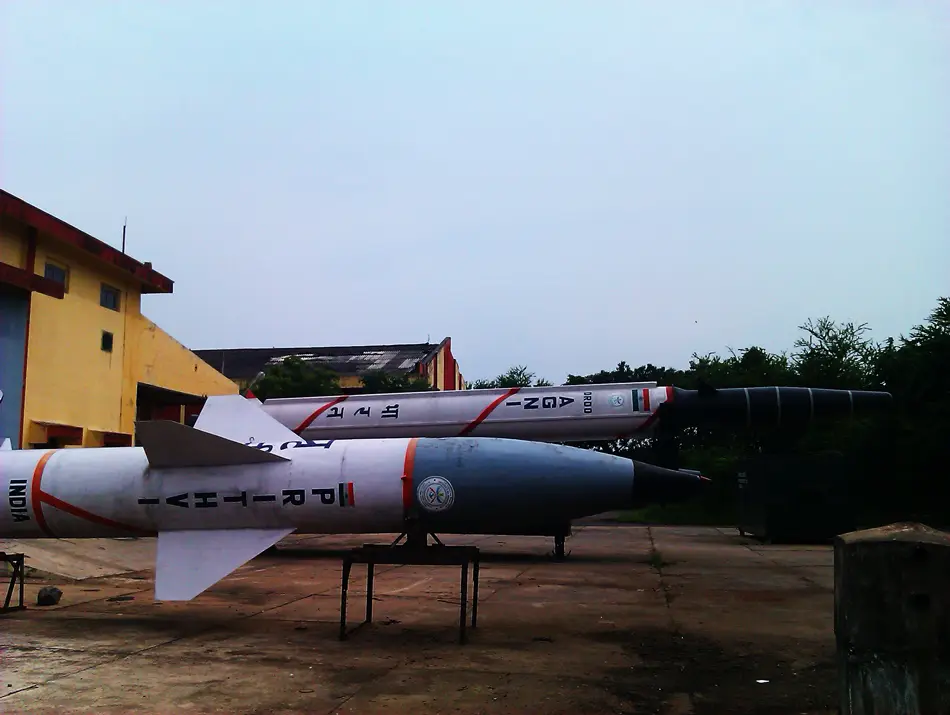
Swift reaction time
The canister-based system allows the missile to be launched in just a few minutes from "stop-to-launch". This quick-reaction capability is essential for India's credible second-strike options under its nuclear policy.
)
)
)
)
)