'Affordable to operate': Why F-16 is world's most exported fighter jet?

The F-16 is the world’s most exported fighter jet due to its affordable cost, low maintenance, easy upgrades, and high performance. Used by over 25 countries, it stays popular for defence and budget needs. Discover more about its global success below.
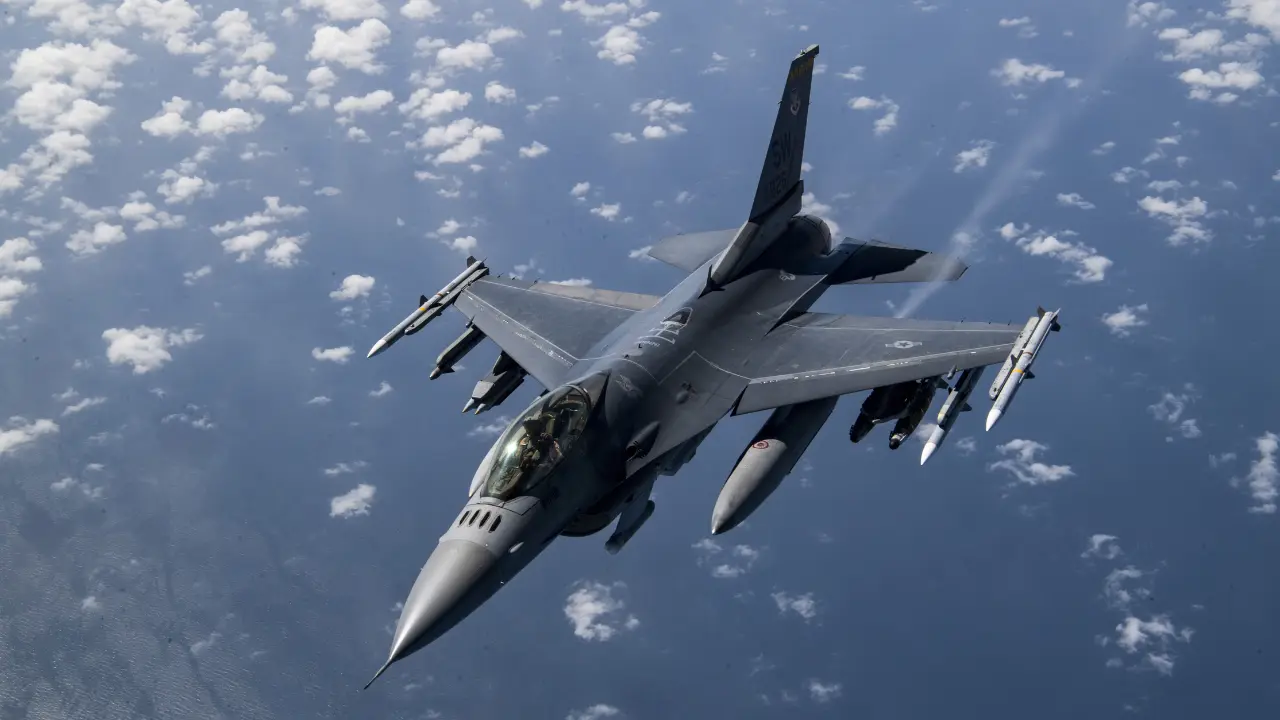
The F-16’s
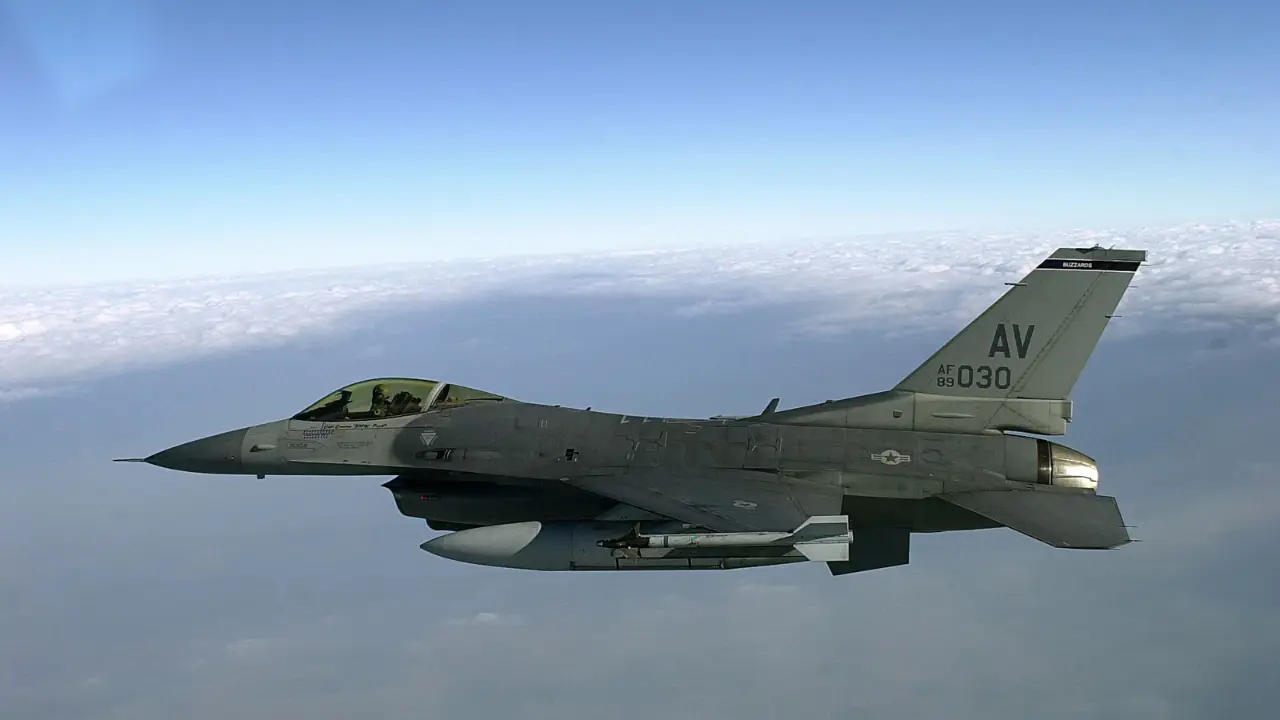
Lockheed Martin’s F-16 Fighting Falcon flies in more than 25 air forces with over 4,600 built since 1978. It is the most exported and widely used fighter jet. Experts say its all-round ability, lower buying price, and easy maintenance drive its global popularity.
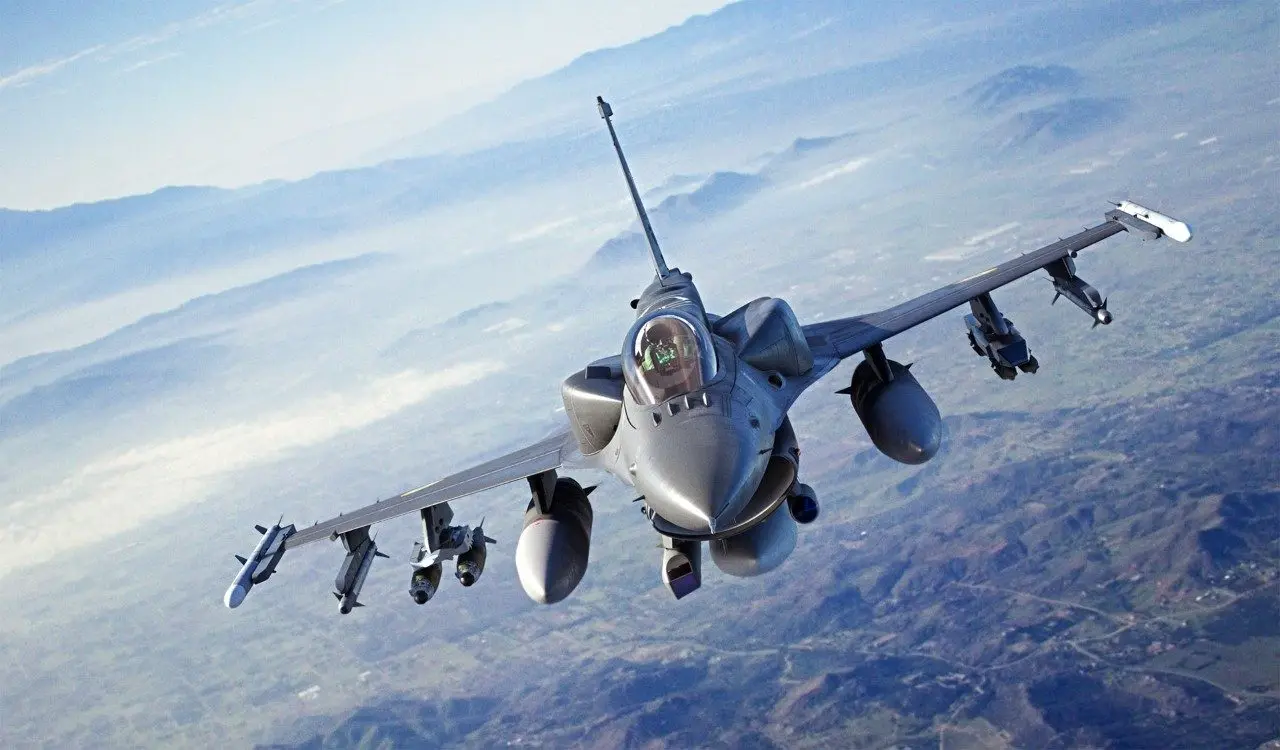
Affordable to Buy and Use
According to defence sources, a F-16 costs about $25–70 million, which is far less than newer jets like the F-35. Flying an F-16 costs about $8,000 to $27,000 per hour, making it much cheaper to run than twin-engine or stealth fighters. This helps air forces control budgets year after year.
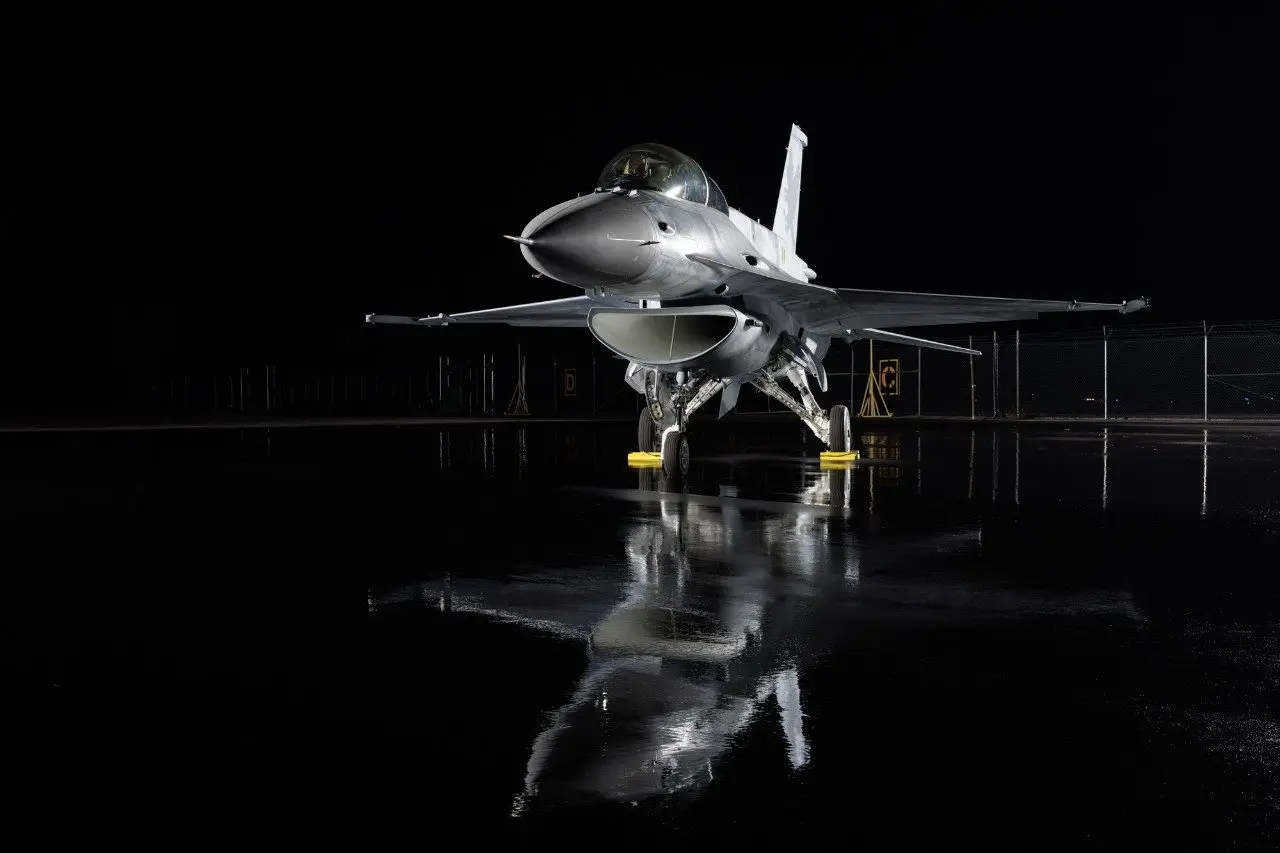
Low Maintenance and Spare Parts
Reports show F-16s need less crew and fewer working hours to stay ready around 16 maintenance hours per flight hour but are still easier to service than other high-tech jets. Standardised parts and simple design help cut costs. Many countries share a maintenance network, so parts and repairs are faster and cheaper.
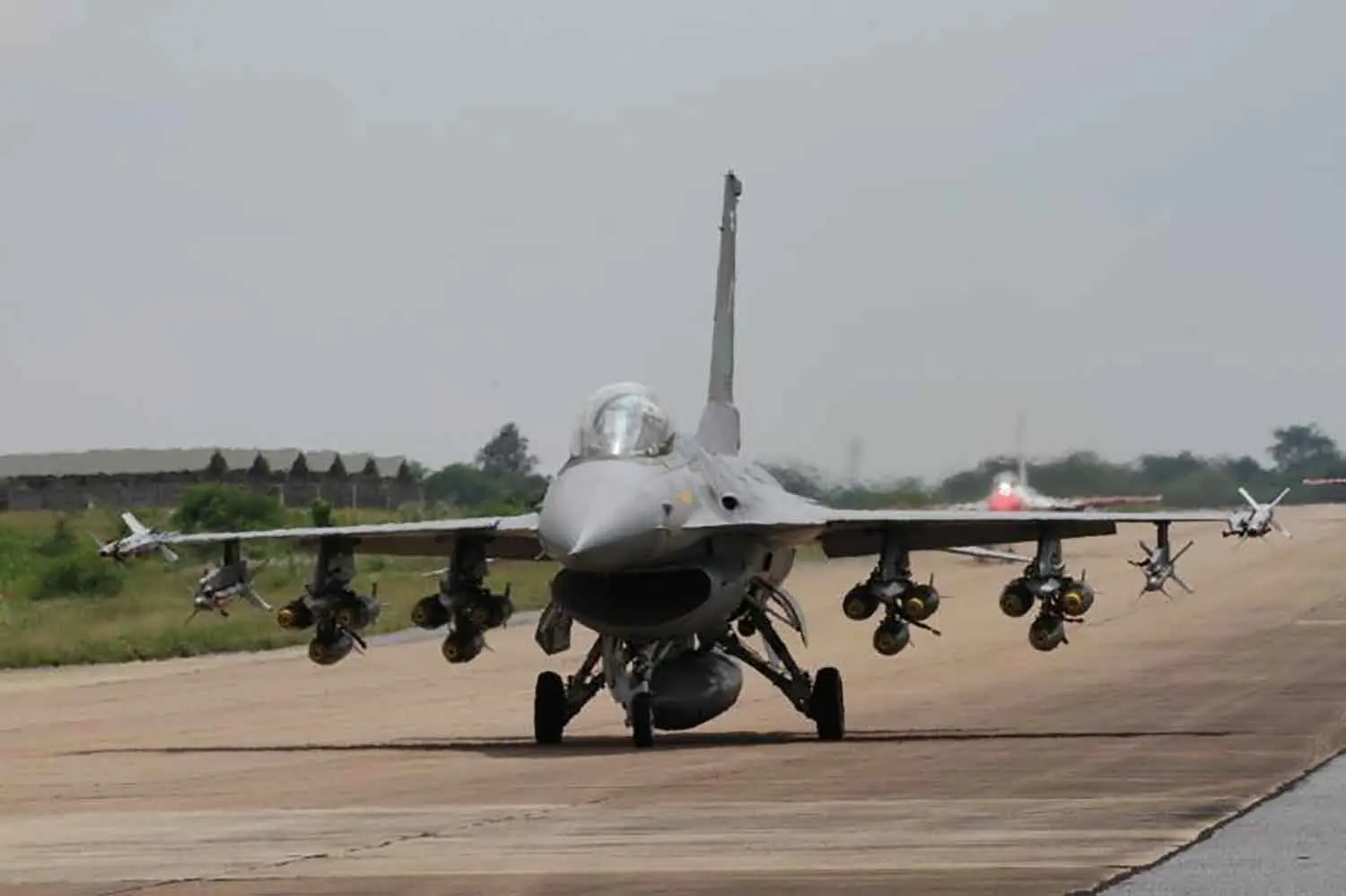
Performance Meets Simplicity
The F-16 has a powerful single engine, modern radar, agile flight controls, and up to 11 weapon stations, balancing performance with reliability. With upgrades like AESA radar and new displays, it stays up-to-date and battle-ready, according to Lockheed Martin.
Easy to Upgrade
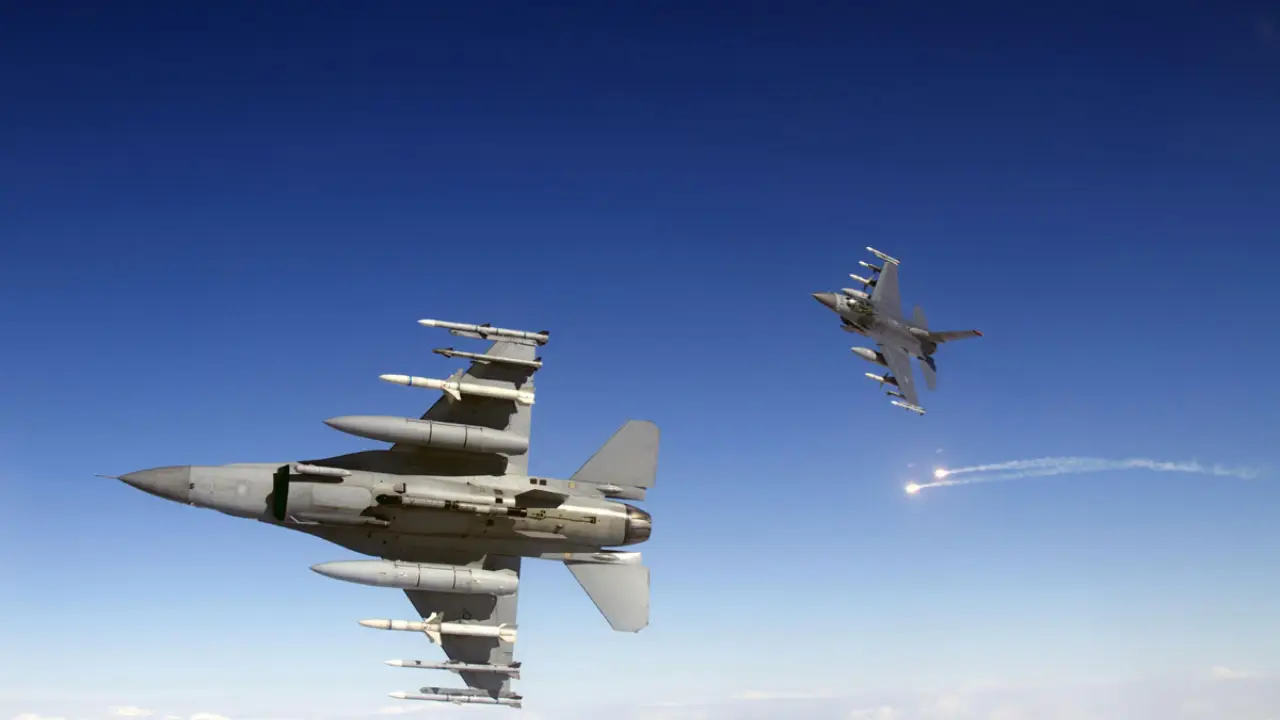
The F-16 is easy to upgrade with new weapons, radar, and cockpit systems without buying a whole new fleet. Air forces can fit in over 180 weapons and pods, and the jet’s structure can last 12,000 flight hours over 40 years of service life.
Widespread Exports and Production
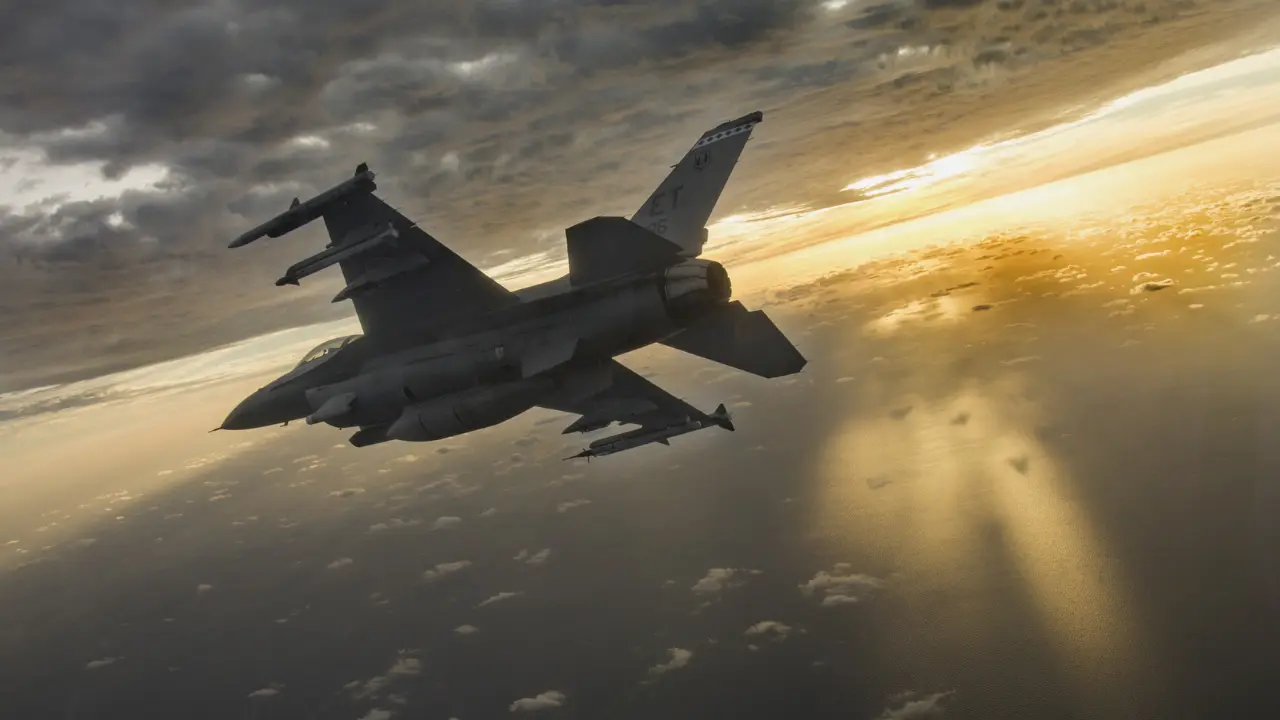
Export deals, US diplomacy, and local assembly lines mean F-16s fit many needs around the world from NATO to Asia and the Middle East. Recent production keeps pace with rising demand, with over 100 orders in 2025.
Why So Many Countries Trust the F-16
With its proven combat record, simple controls, and worldwide spare parts, the F-16 lets air forces modernise quickly and affordably. Its trusted track record for both air-to-air and ground missions.
)
)
)
)
)