‘Act of aggression’: Iran threatens ‘ferocious’ response to any US strike as USS Gerald R. Ford moves towards Middle East

The remarks come amid a significant US military build-up in the Middle East, including the reported movement of the USS Gerald R. Ford towards the Gulf, as negotiations over Iran’s nuclear programme hang in the balance.
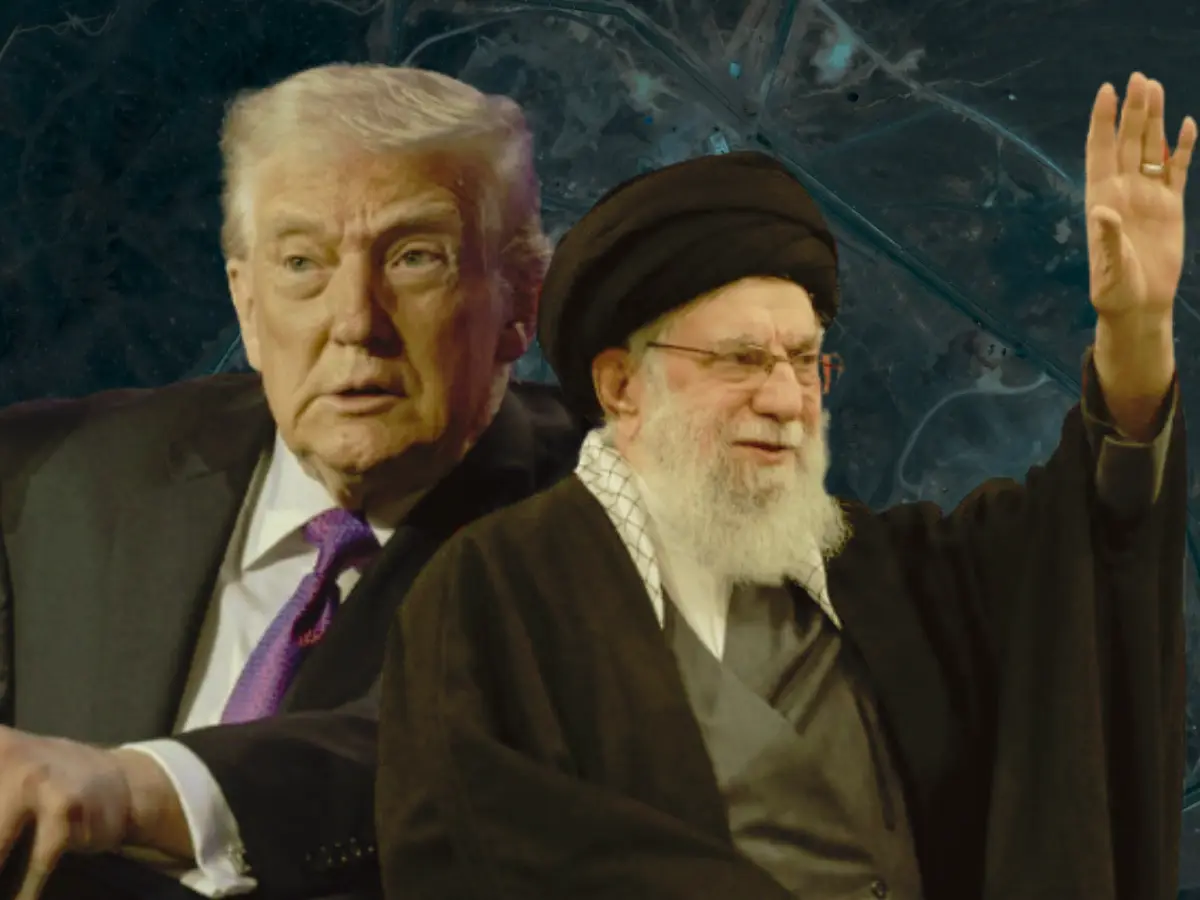
Rising Tensions as Washington Weighs Military Option
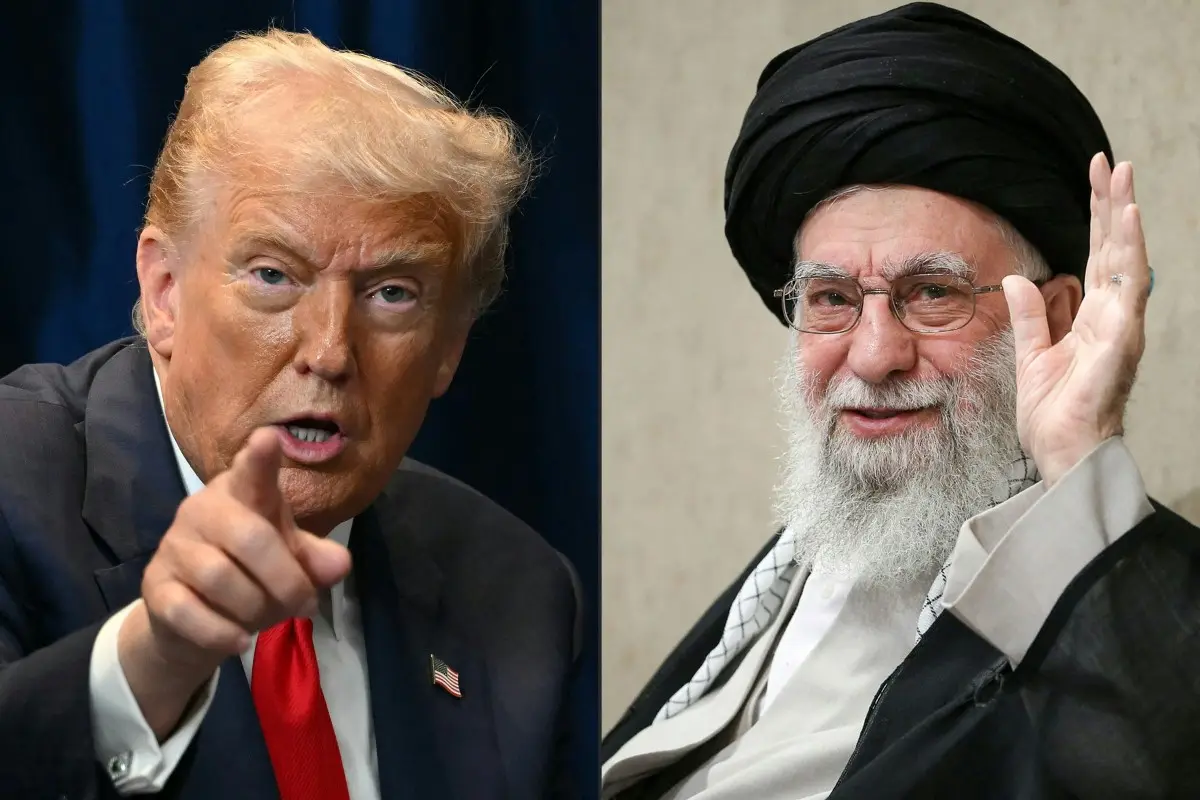
Tensions between Washington and Tehran have sharpened after US President Donald Trump said he was considering a limited military strike on Iran, prompting a stark warning from the Islamic republic that any attack would trigger a 'ferocious' response. The remarks come amid a significant US military build-up in the Middle East, including the reported movement of the USS Gerald R. Ford towards the Gulf, as negotiations over Iran’s nuclear programme hang in the balance.
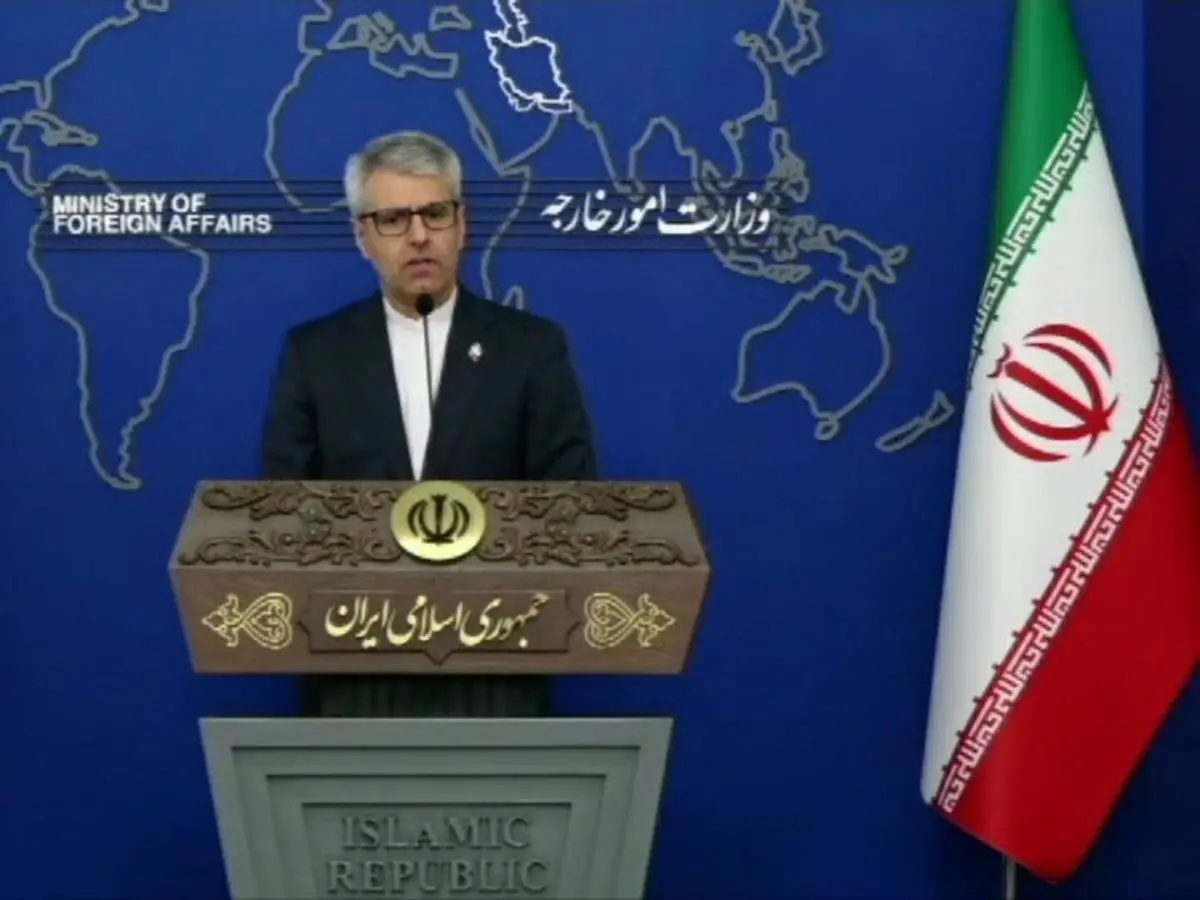
‘There Is No Limited Strike’
Iran’s foreign ministry dismissed the notion of calibrated military action. “With respect to your first question concerning the limited strike, I think there is no limited strike,” spokesman Esmaeil Baqaei said on Monday, at a briefing in Tehran attended by AFP, adding, “An act of aggression would be regarded as an act of aggression. Period.”
‘Ferocious attack’
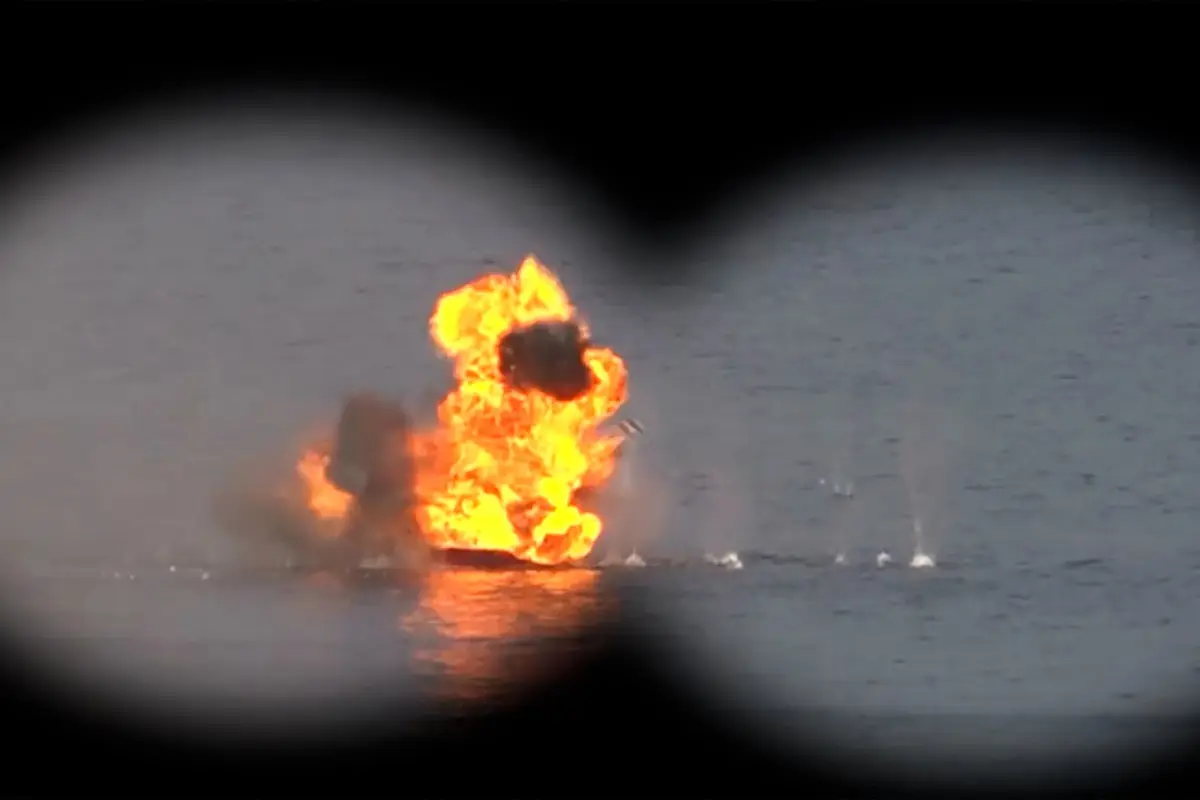
The foreign ministry spokesperson also said, “Any state would react to an act of aggression as part of its inherent right of self-defence ferociously — so that’s what we would do.”
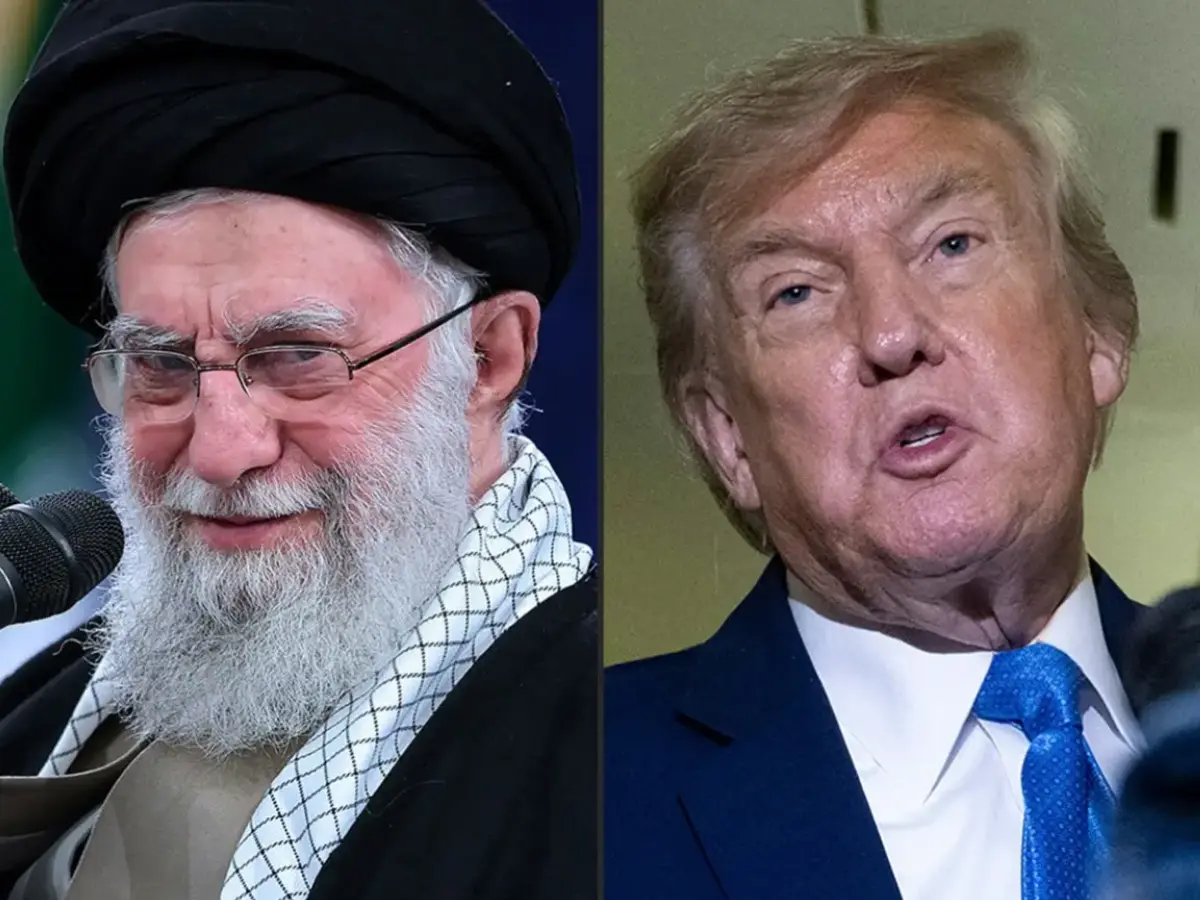
Trump Signals Pressure Tactics
Speaking at the White House on February 20, Trump said he was weighing his options. Asked whether he was considering a limited strike to pressure Iran into a nuclear deal, he had replied: “I guess I can say I am considering it.” His envoy, Steve Witkoff, later told Fox News that Trump was questioning why Iran had not “capitulated” in the face of Washington’s military deployment.
Indirect Talks Under Omani Mediation
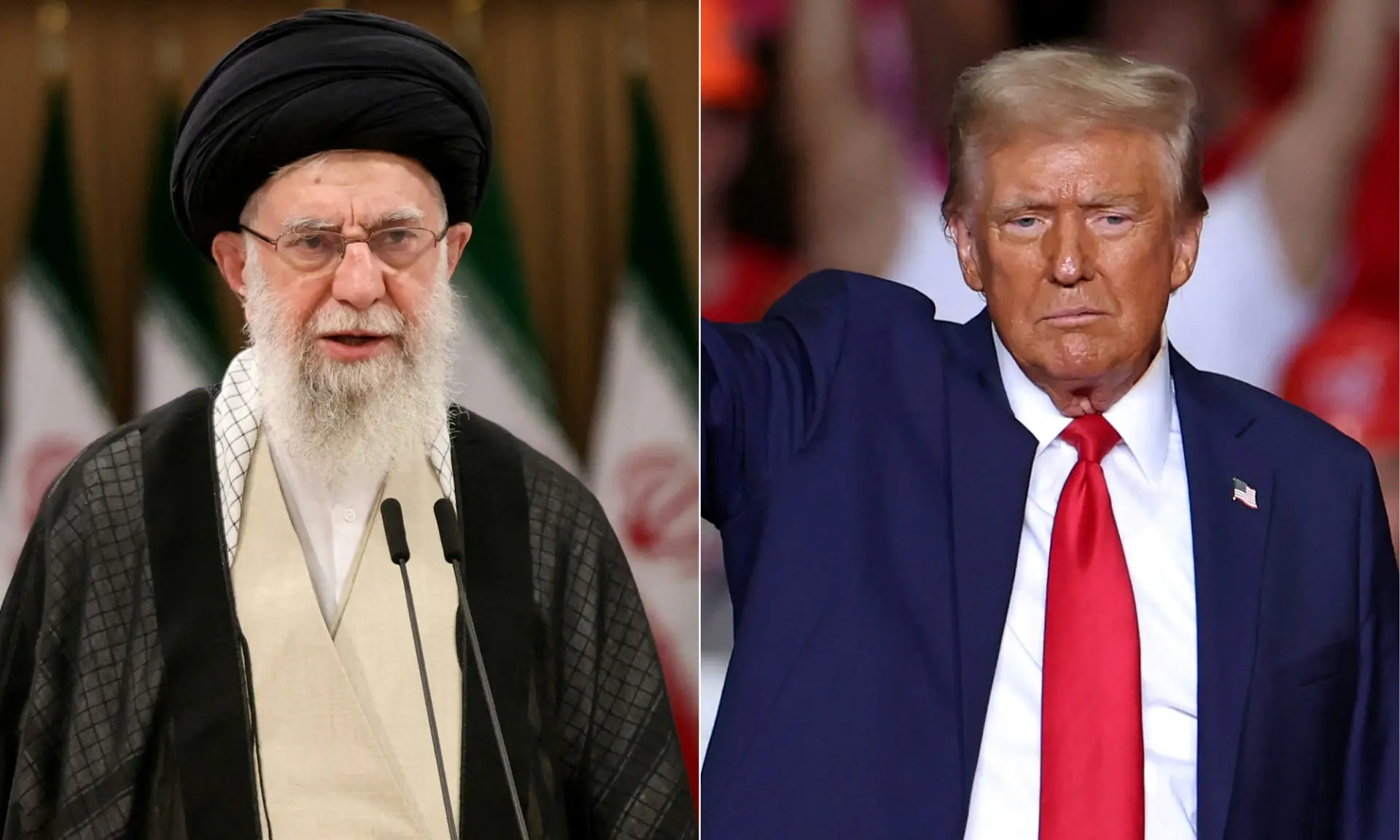
The threats come as indirect negotiations resume under Omani mediation. A second round of talks concluded in Switzerland, with further discussions scheduled for Thursday, confirmed by Iran and Oman but not by the United States. Foreign Minister Abbas Araghchi is leading Iran’s delegation, while Witkoff and Trump’s son-in-law Jared Kushner are representing Washington.
Nuclear Programme at the Core
Tehran insists that only its nuclear programme is under discussion. Western governments believe Iran’s programme is aimed at developing a bomb, an accusation Tehran denies. The European Union, sidelined in the current mediation, has urged restraint. EU foreign policy chief Kaja Kallas said: “We don’t need another war in this region. We already have a lot.”
Evacuation Advisories Signal Anxiety
Fears of conflict are spreading beyond Iran’s borders. India joined Sweden, Serbia, Poland and Australia have already urged their citizens to leave the country. India estimates around 10,000 of its nationals remain in Iran. As diplomatic efforts continue, Tehran’s message remains unequivocal: any US strike, however limited, would be met in kind.
)
)
)
)
)