‘AC on or windows down’: Which saves more petrol in city traffic?

Smaller hatchbacks with less powerful engines experience a larger fuel impact when the AC is switched on. Larger sedans and SUVs have more powerful engines, so the AC load is relatively lower. Aerodynamics differ between segments, which affects how much drag open windows create.
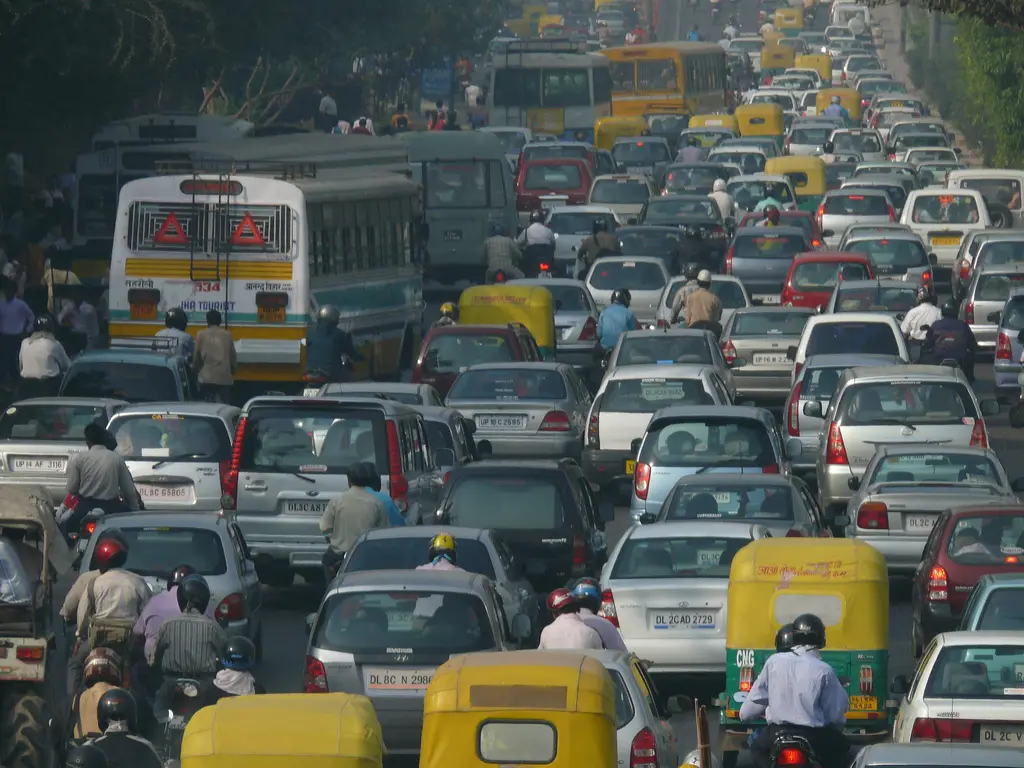
1. How Car AC Affects Fuel Consumption
Turning on the AC puts extra load on the engine. This increases fuel consumption because the compressor needs engine power to cool the cabin. In city driving, where speeds are low and traffic is frequent, the compressor cycles more often, raising fuel usage further.
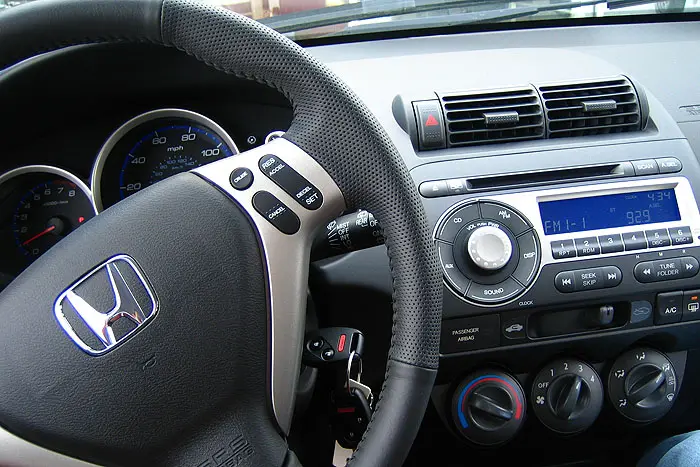
2. Opening Windows Changes Aerodynamics
Driving with open windows reduces the car’s aerodynamic efficiency. Air enters the cabin and creates drag, forcing the engine to work harder. However, this drag impact is minimal at low speeds, which is typical in city traffic.
3. Fuel Impact at Low Speeds (City Traffic)
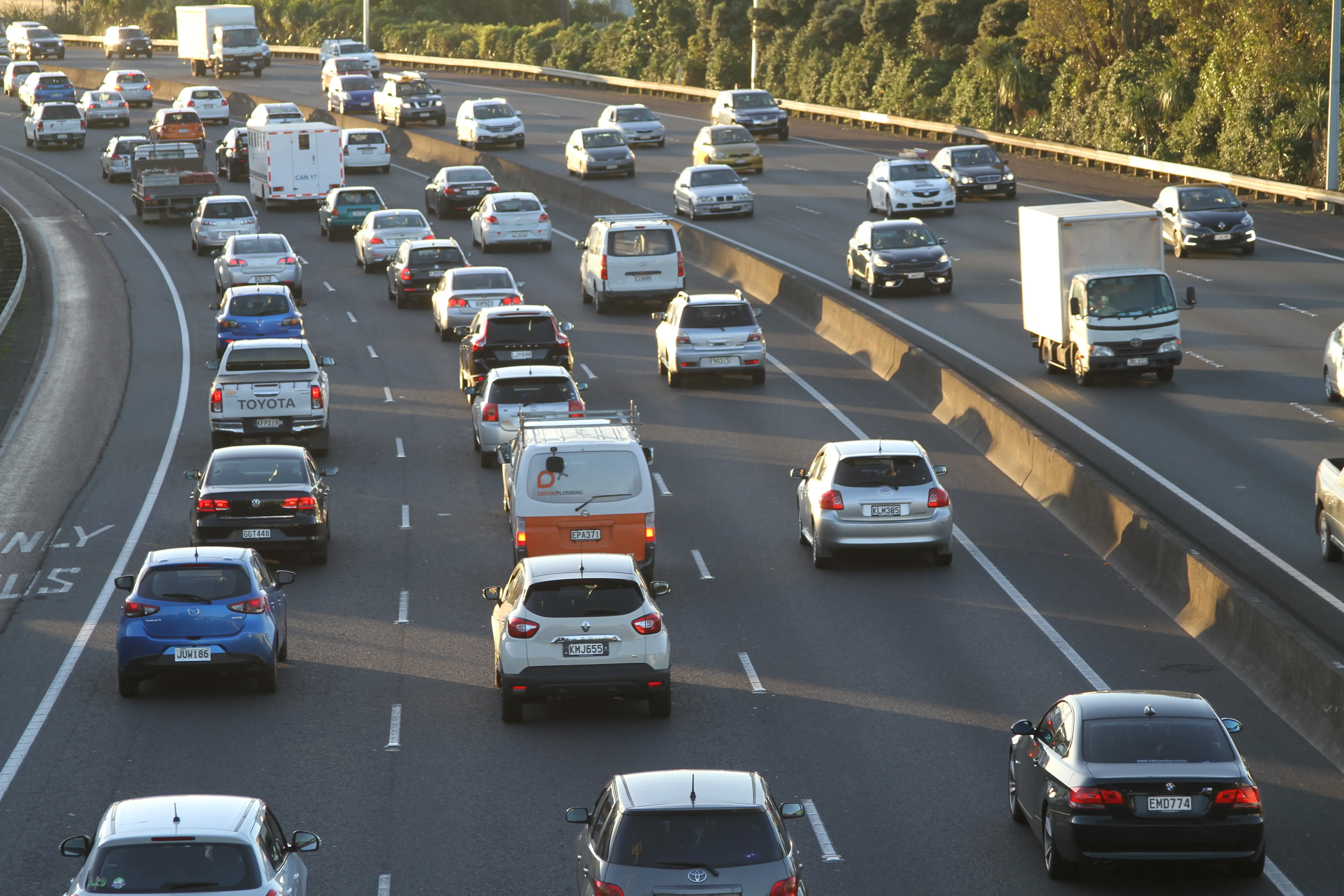
At speeds below 40 km/h, the drag caused by open windows is limited. In these conditions, AC usage generally consumes more fuel than driving with windows down. City traffic features constant braking, idling, and acceleration, all of which increase AC load.
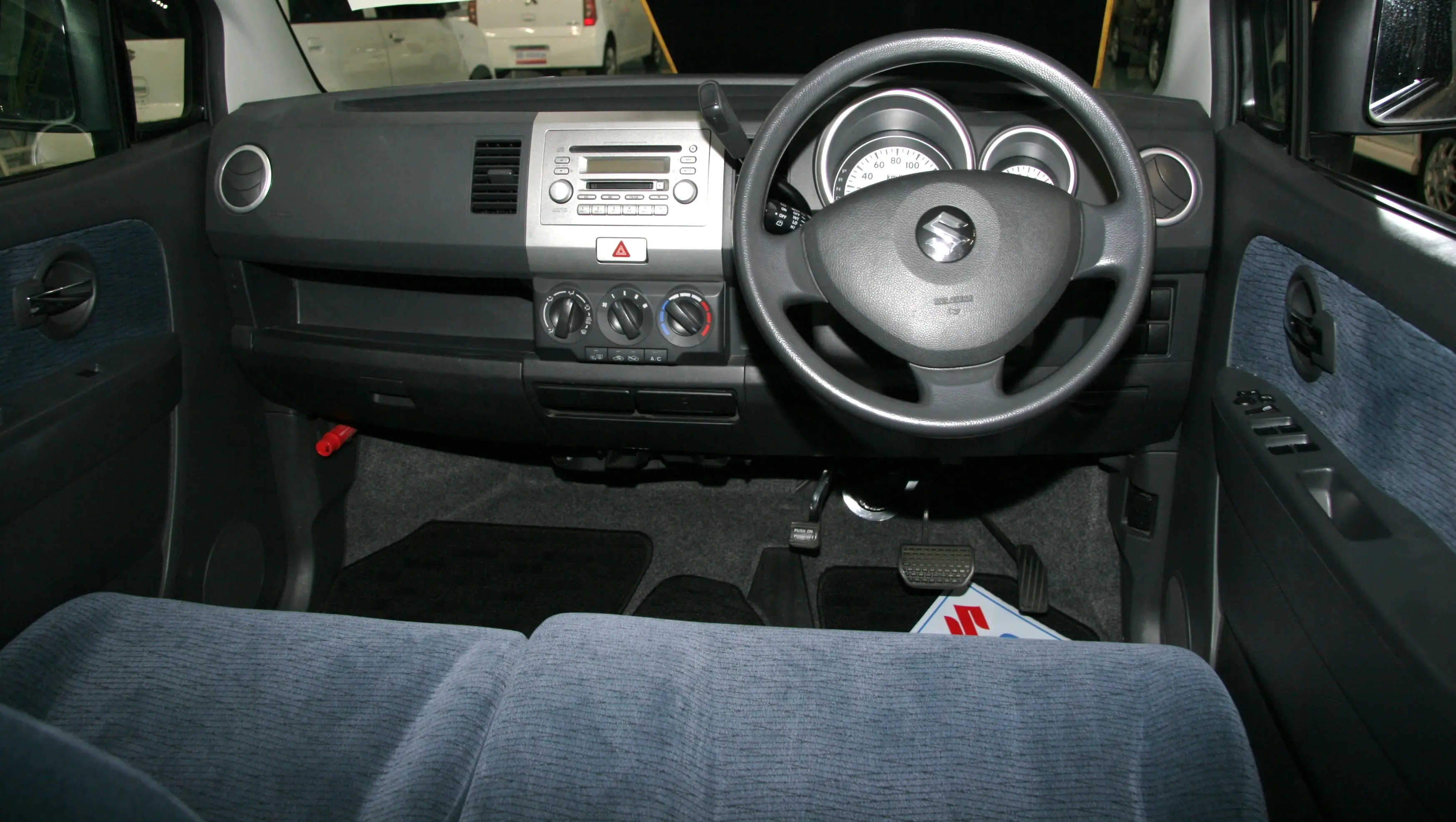
4. Fuel Impact at Higher Speeds (Highways)
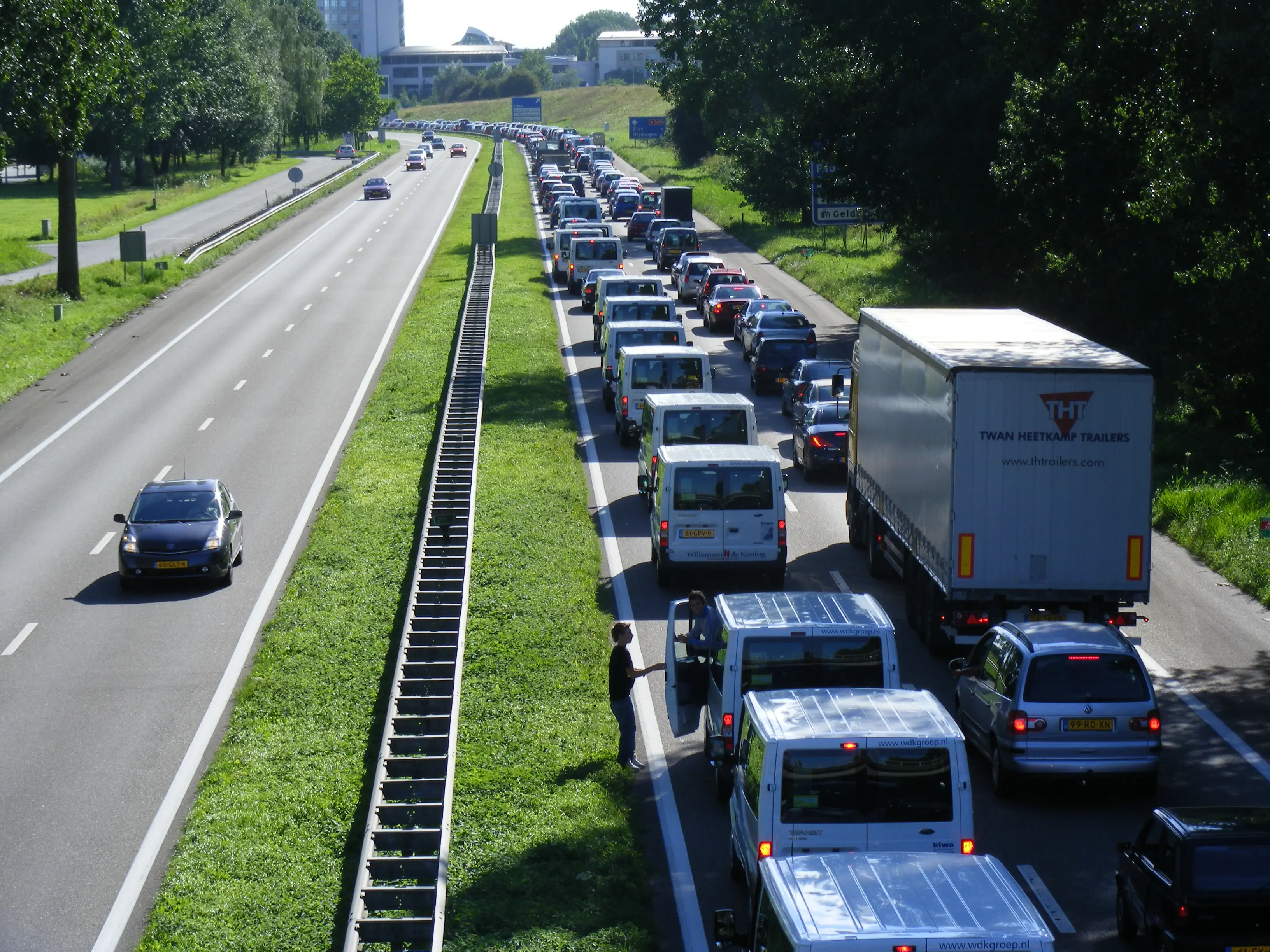
On highways, drag increases significantly with speed. At around 70–80 km/h and above, open windows create enough aerodynamic resistance to increase fuel consumption more than using the AC. That’s why AC becomes the more efficient option at higher speeds.
5. Car Type Also Matters
Smaller hatchbacks with less powerful engines experience a larger fuel impact when the AC is switched on. Larger sedans and SUVs have more powerful engines, so the AC load is relatively lower. Aerodynamics differ between segments, which affects how much drag open windows create.
6. Cabin Temperature and AC Load
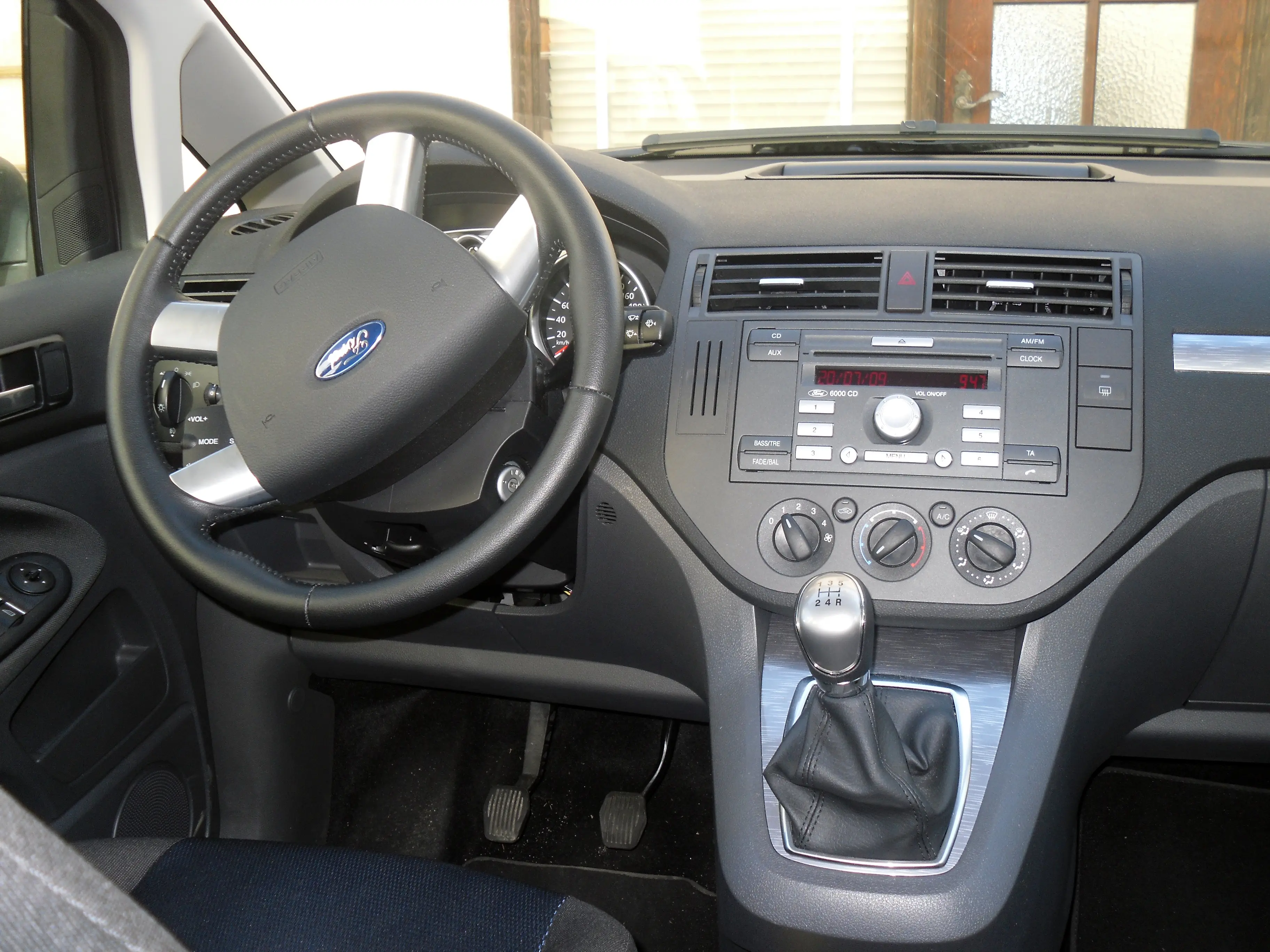
If the cabin is extremely hot, such as after being parked in sunlight, the AC compressor works at maximum load initially. This temporarily increases fuel consumption. Using sunshades, parking in shade, or ventilating the cabin for a minute before switching on the AC reduces initial load.
7. Practical Conclusion for Daily Driving
- City traffic / low speeds: Windows down usually saves more fuel.
- Highways / high speeds: AC consumes less fuel than windows down.
- Mixed traffic: Use AC at moderate temperature settings and avoid full fan blast for better fuel efficiency.
)
)
)
)
)