'A floating airbase': How the USS Abraham Lincoln manages 130 combat strike missions in a single day

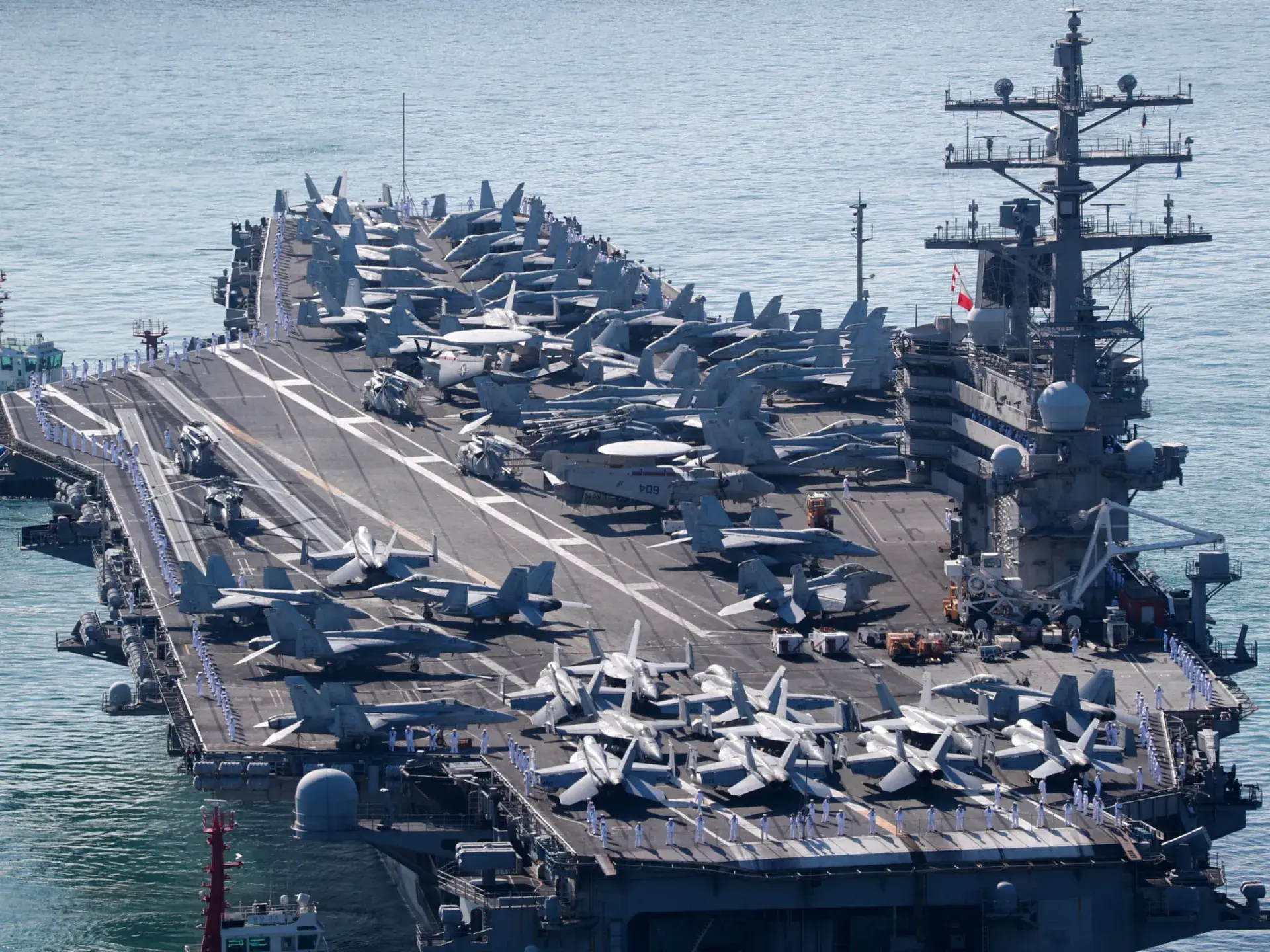
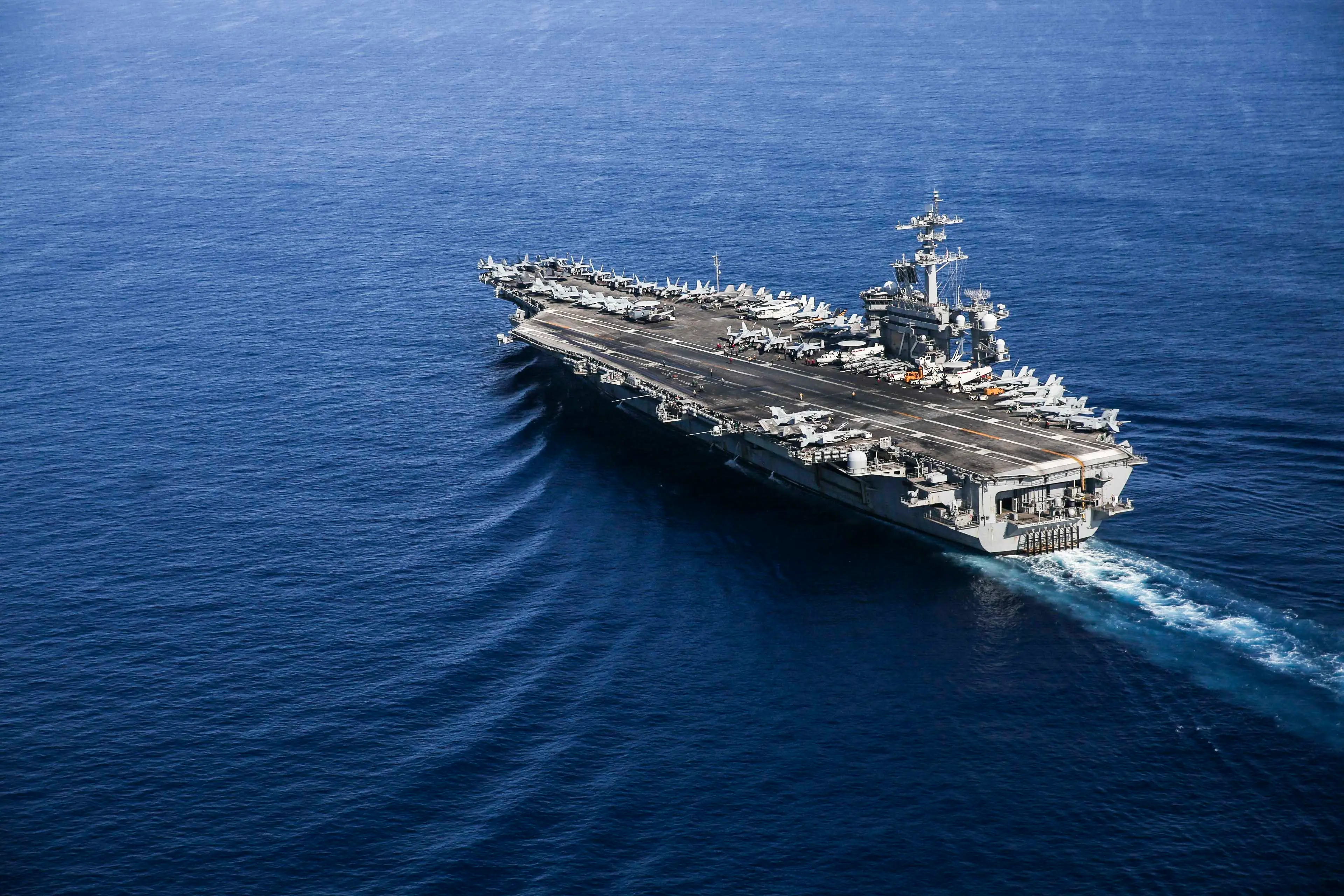
The 100,000-tonne USS Abraham Lincoln is a nuclear-powered aircraft carrier deployed in the Middle East. With 5,600 crew and 90 aircraft, it executes up to 130 combat strike missions daily.
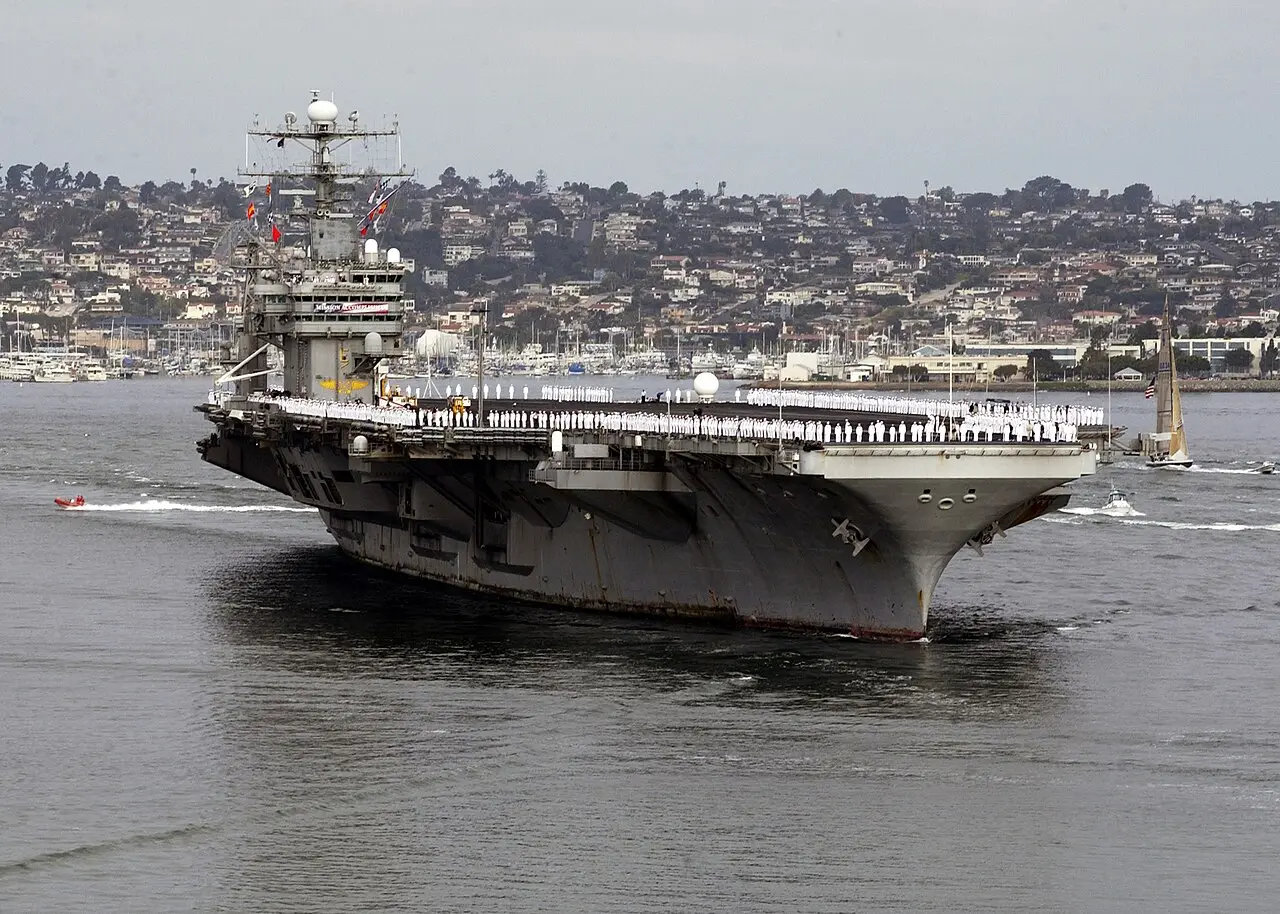
100,000-tonne floating city
The USS Abraham Lincoln measures 333 metres in length and displaces over 100,000 tonnes. It operates as a self-sustaining city at sea, housing nearly 5,600 sailors and aviation personnel. The massive vessel contains its own television station, hospital, and water desalination plants.
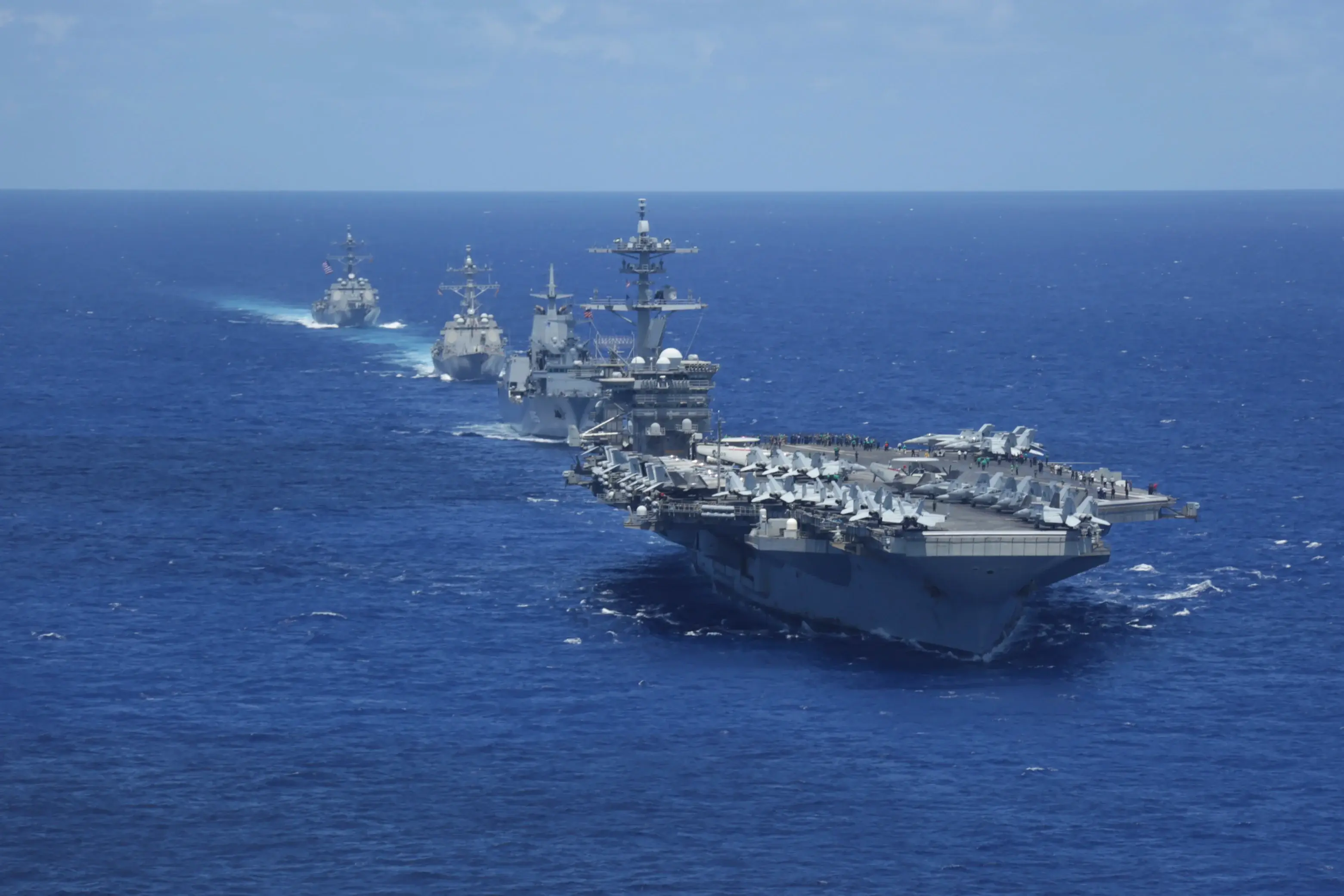
Powering 130 daily missions
During peak combat operations, the carrier can execute between 120 and 130 strike sorties a day. The flight deck remains active for up to 16 hours continuously, allowing fighter jets to refuel, rearm, and launch in rapid succession to maintain air superiority.
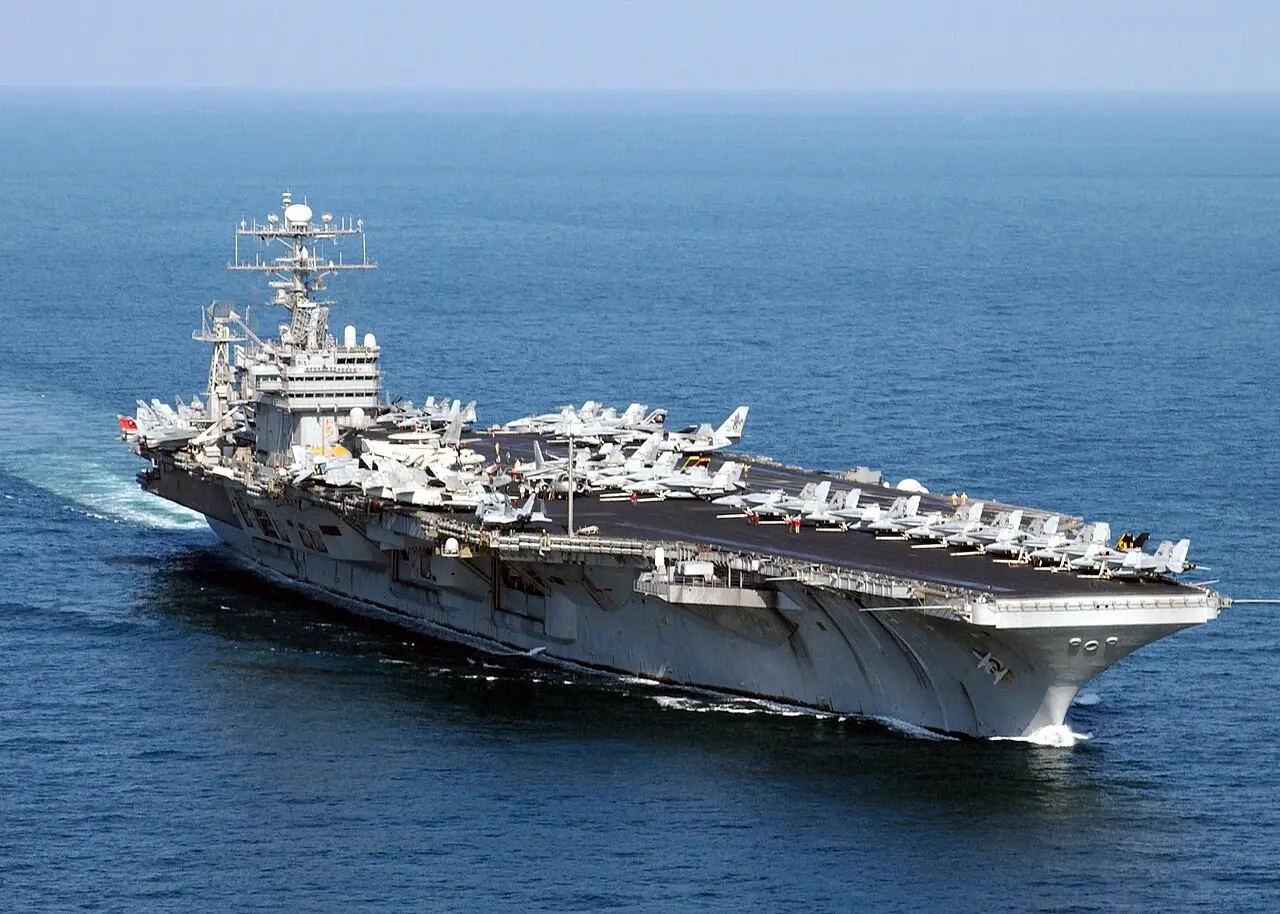
Armed with 90 aircraft
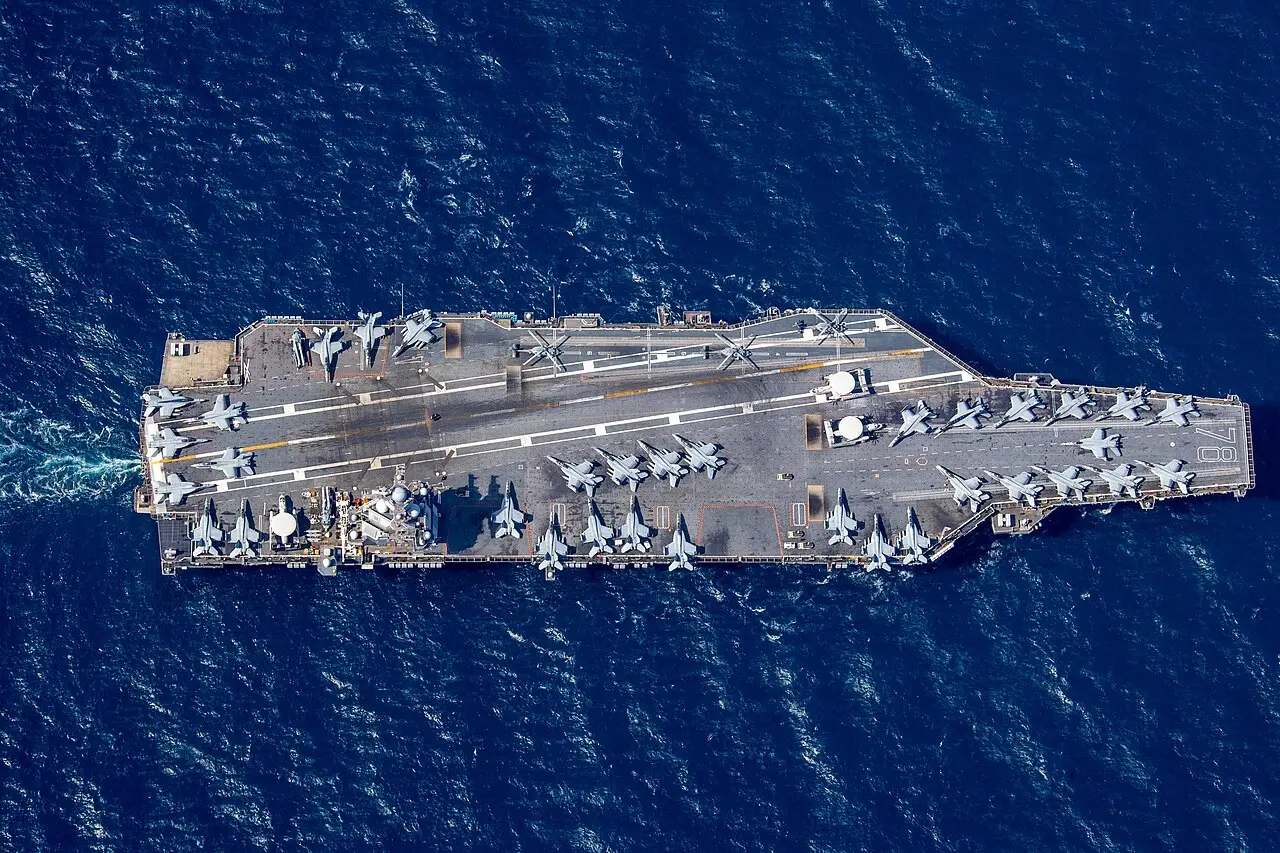
The carrier supports an impressive air wing of up to 90 fixed-wing aircraft and helicopters. Its fleet includes F/A-18E Super Hornets, F-35C Lightning II stealth fighters, and EA-18G Growlers for electronic warfare. This diverse lineup ensures readiness for multiple combat scenarios.
4 advanced steam catapults
To achieve a high launch rate, the flight deck utilises four powerful steam catapults. These systems can accelerate a 20-tonne fighter jet from zero to 265 kilometres per hour in just two seconds. This efficiency is crucial for meeting the 130-mission daily target.
2 nuclear reactors onboard
Two Westinghouse A4W nuclear reactors generate 260,000 shaft horsepower to propel the giant ship. These reactors provide virtually unlimited range, allowing the carrier to operate continuously for 20 to 25 years without ever needing to refuel its propulsion systems.
Speeds exceeding 55 km/h
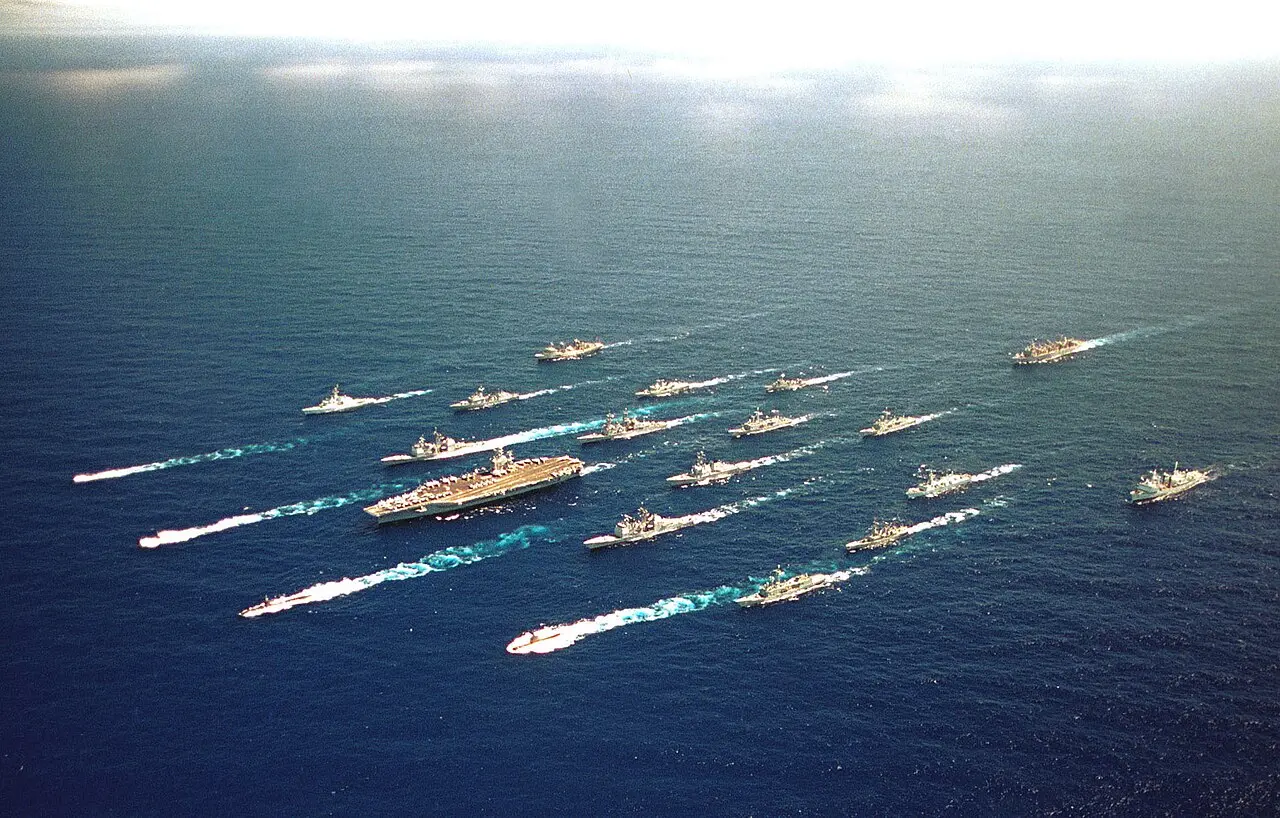
Despite its immense weight, the nuclear propulsion system allows the aircraft carrier to reach speeds of over 30 knots, or roughly 56 kilometres per hour. This speed is vital for creating the required wind over the deck to assist heavy fighter jets during takeoff.
3 million gallons fuel
While the ship itself runs on nuclear power, it carries around 3 million gallons of aviation fuel for its air wing. A dedicated crew conducts thousands of mishap-free refuelling operations on the flight deck, ensuring the jets are always ready for their next combat sortie.
Middle East combat deployment
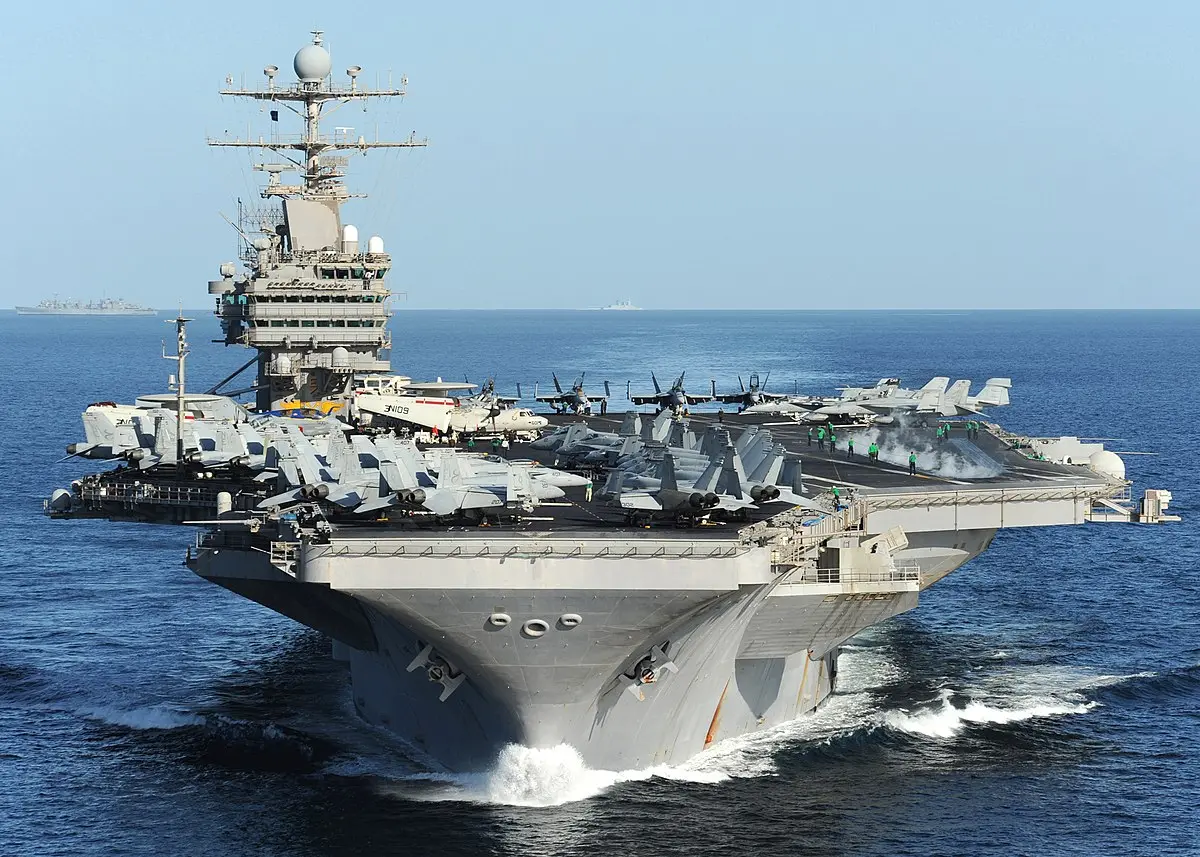
The USS Abraham Lincoln is currently positioned in the Arabian Sea under the US Central Command. It serves as a critical strategic asset amid escalating regional tensions, launching surveillance and strike missions to deter threats and protect international maritime security.
5,600 crew members onboard
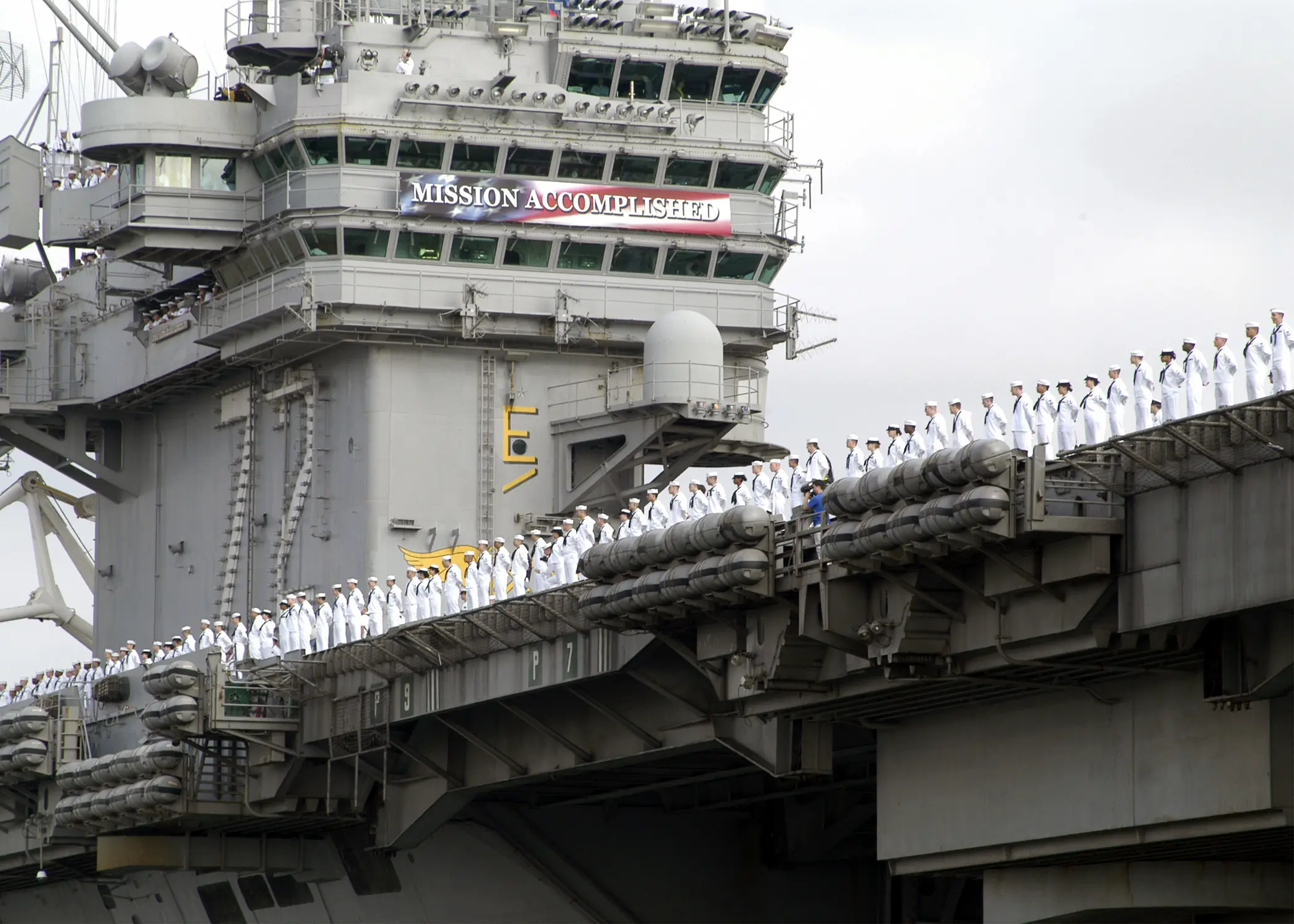
Managing 130 daily combat missions requires seamless coordination among the 3,200 ship crew and 2,480 air wing personnel. Sailors work in rotating shifts around the clock, handling aircraft maintenance, ordnance loading, and air traffic control in a highly volatile environment.
1.6 million pounds ordnance
The warship boasts a massive magazine capacity to support sustained high-intensity warfare. During historic deployments, its air wing has dropped over 1.6 million pounds of precision-guided munitions. Advanced defence systems also protect the carrier from incoming missile threats.
)
)
)
)
)