'A border that refused to die': Why no one recognises the 'Durand line' between Pakistan and Afghanistan?

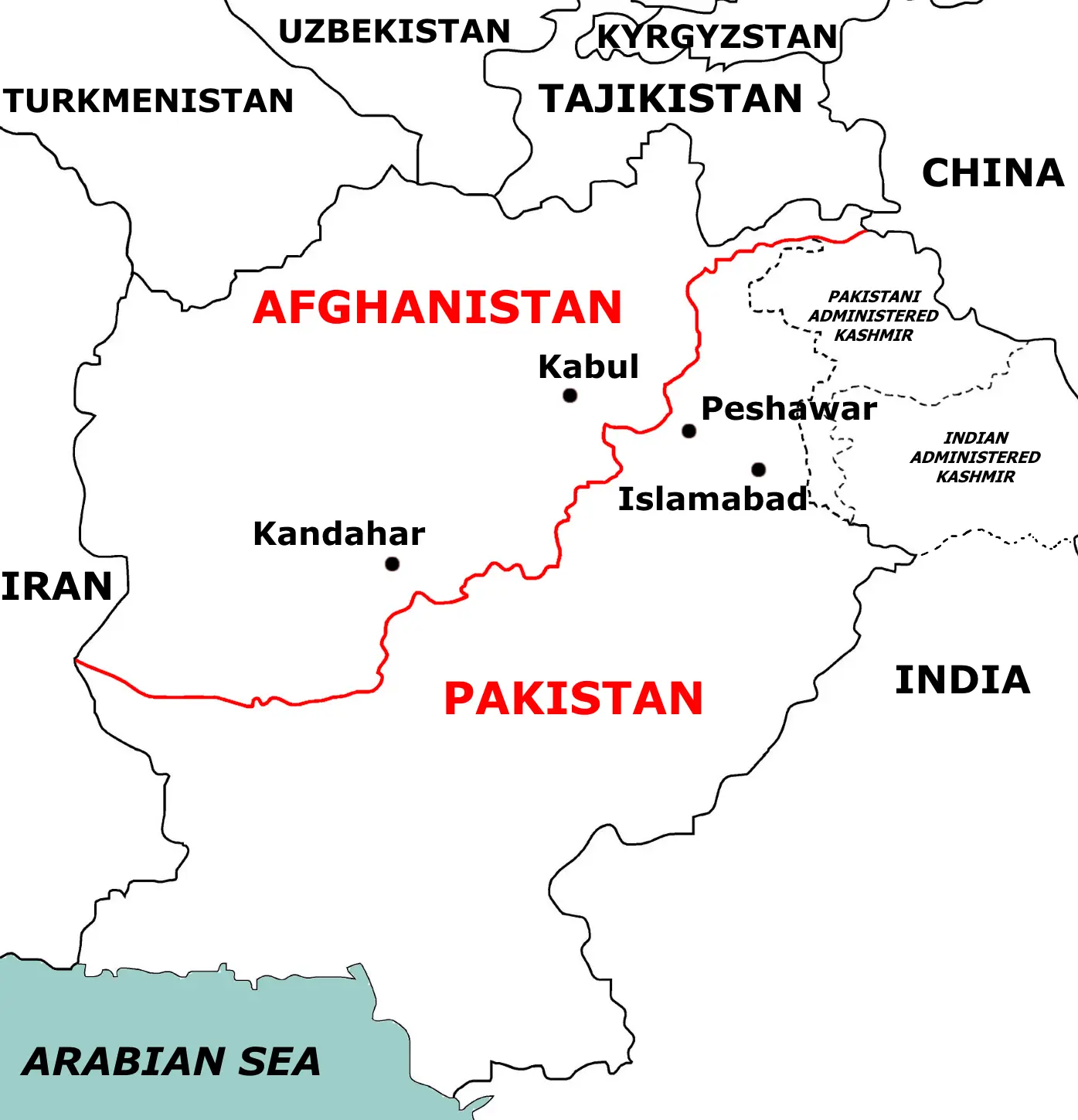
The Durand Line, a 2,640-km border drawn by the British in 1893, was meant to separate British India from Afghanistan. Over a century later, it remains one of the world’s most disputed frontiers, unrecognised by Kabul and fuelling endless tensions.
1. The Line Drawn Without Consent
In 1893, British diplomat Sir Mortimer Durand forced Afghan ruler Abdur Rahman Khan to accept the boundary dividing Pashtun tribes. The treaty was never meant to be permanent, and Afghanistan has disputed it ever since.
2. Afghanistan Never Recognized It
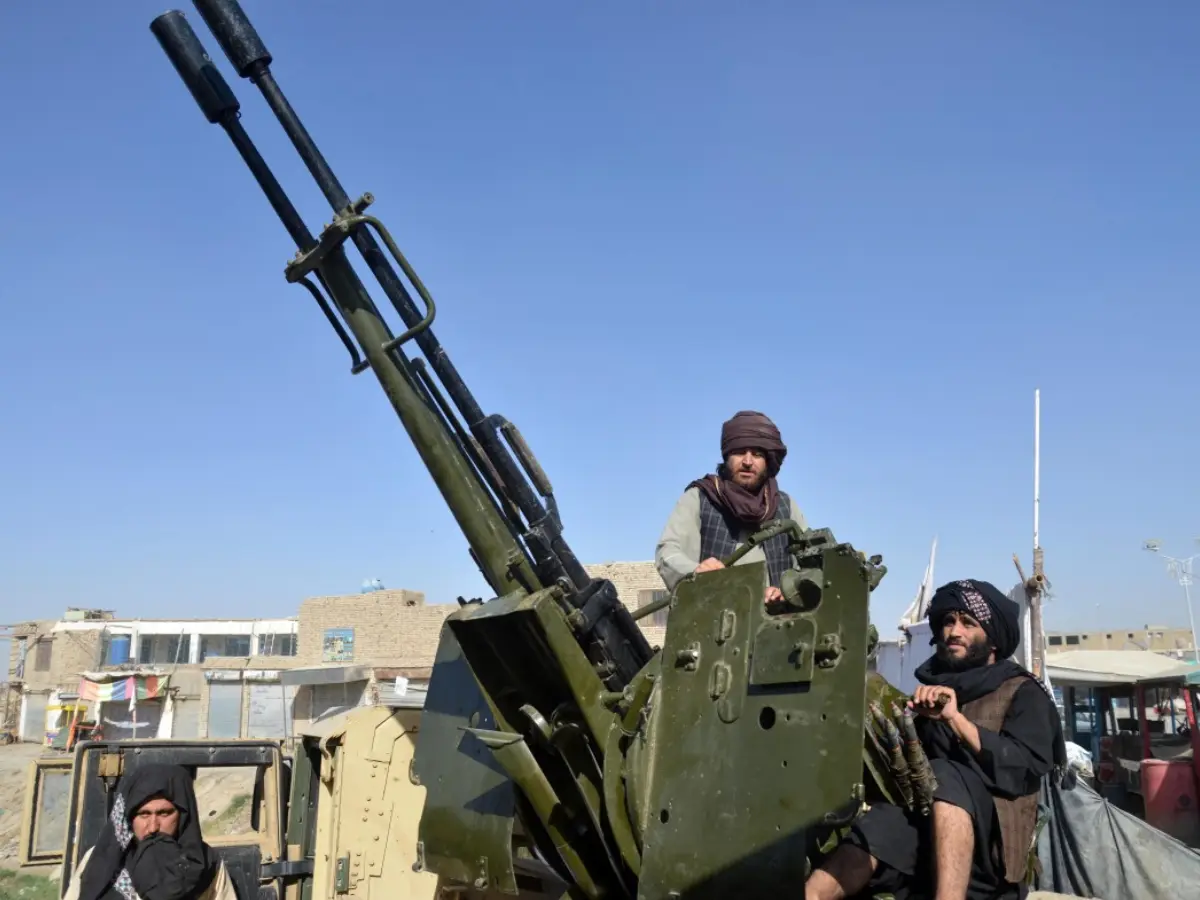
After gaining independence in 1919, Afghanistan declared the Durand Line invalid, calling it a “colonial imposition.” No Afghan government since. not even the Taliban, has officially recognised the border.
3. Divided Tribes, Divided Loyalties
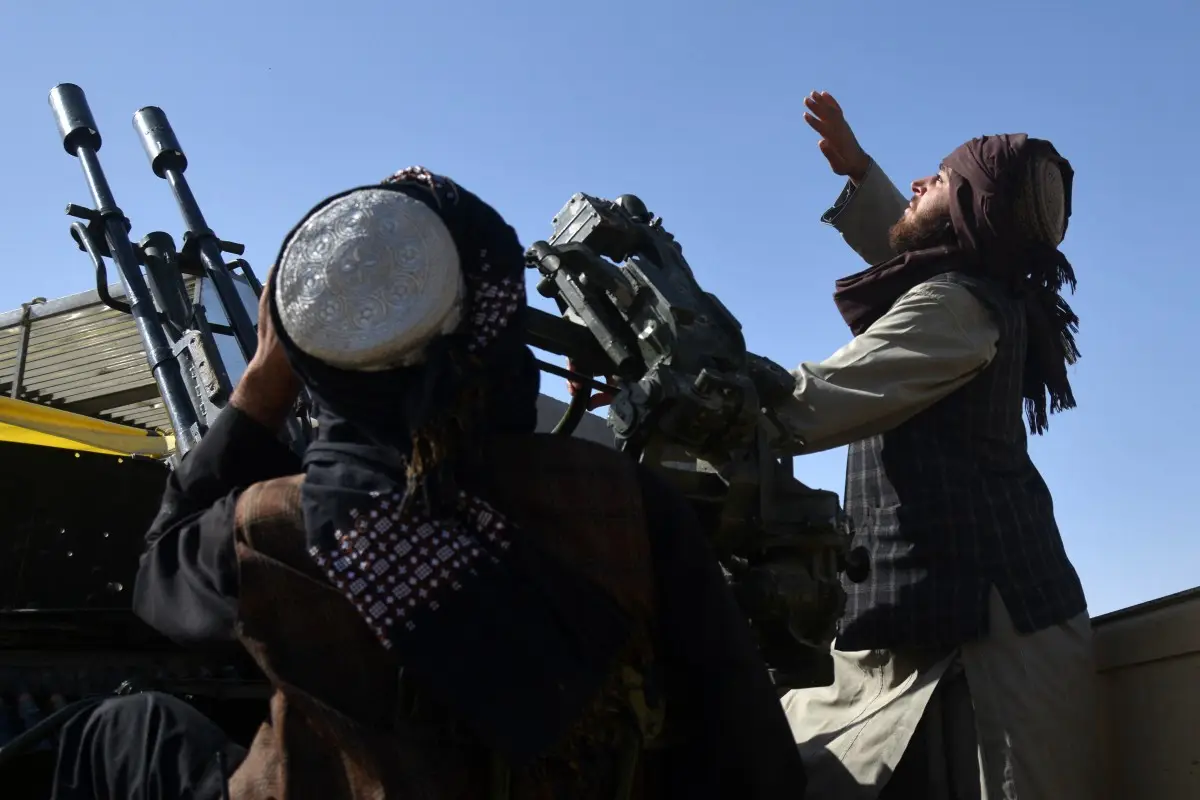
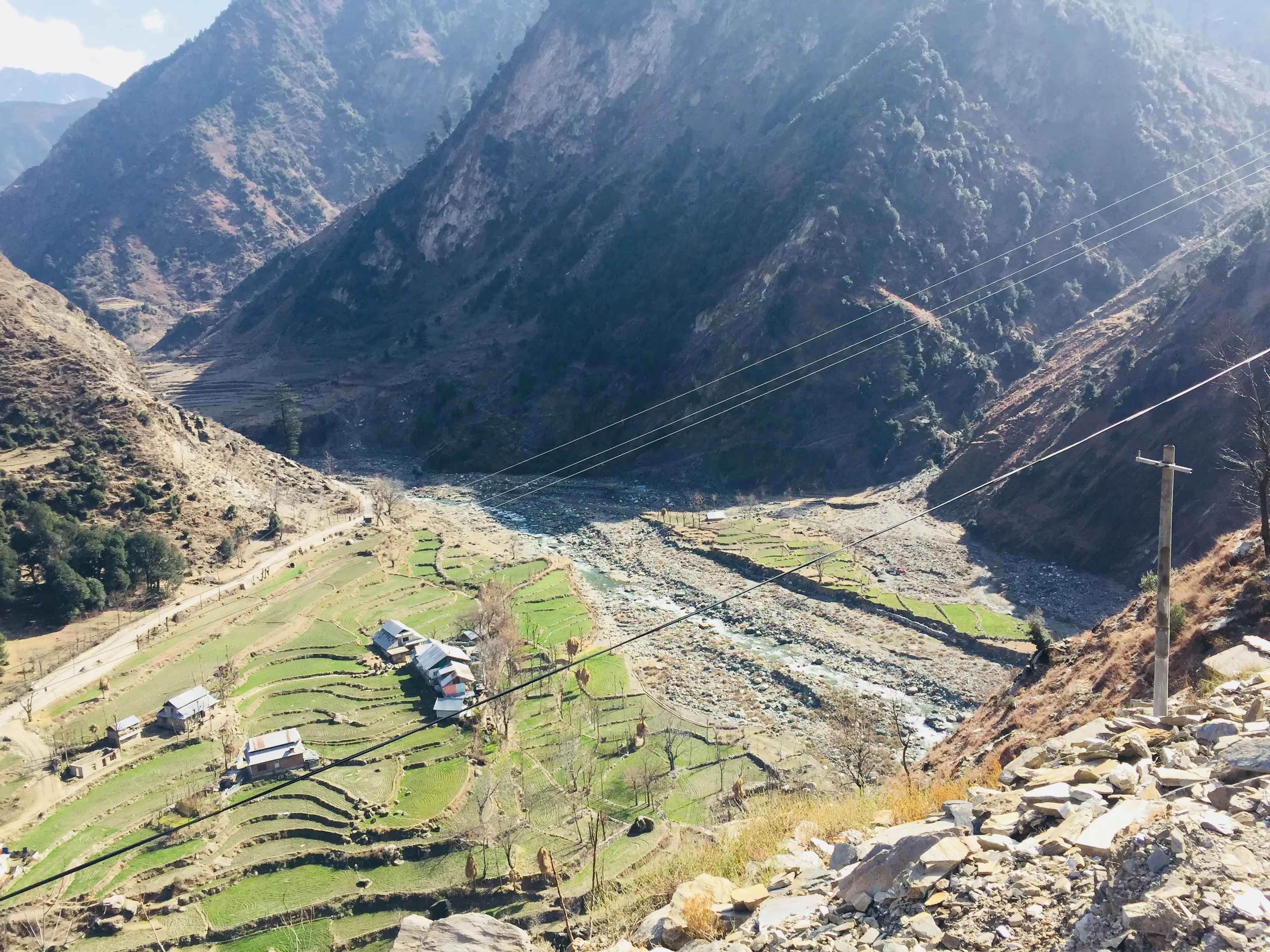
The Durand Line cuts through Pashtun and Baloch territories, splitting families and clans between Pakistan and Afghanistan. Even today, many tribes ignore the official boundary and cross freely for trade, weddings, or refuge.
4. Pakistan’s Security Nightmare
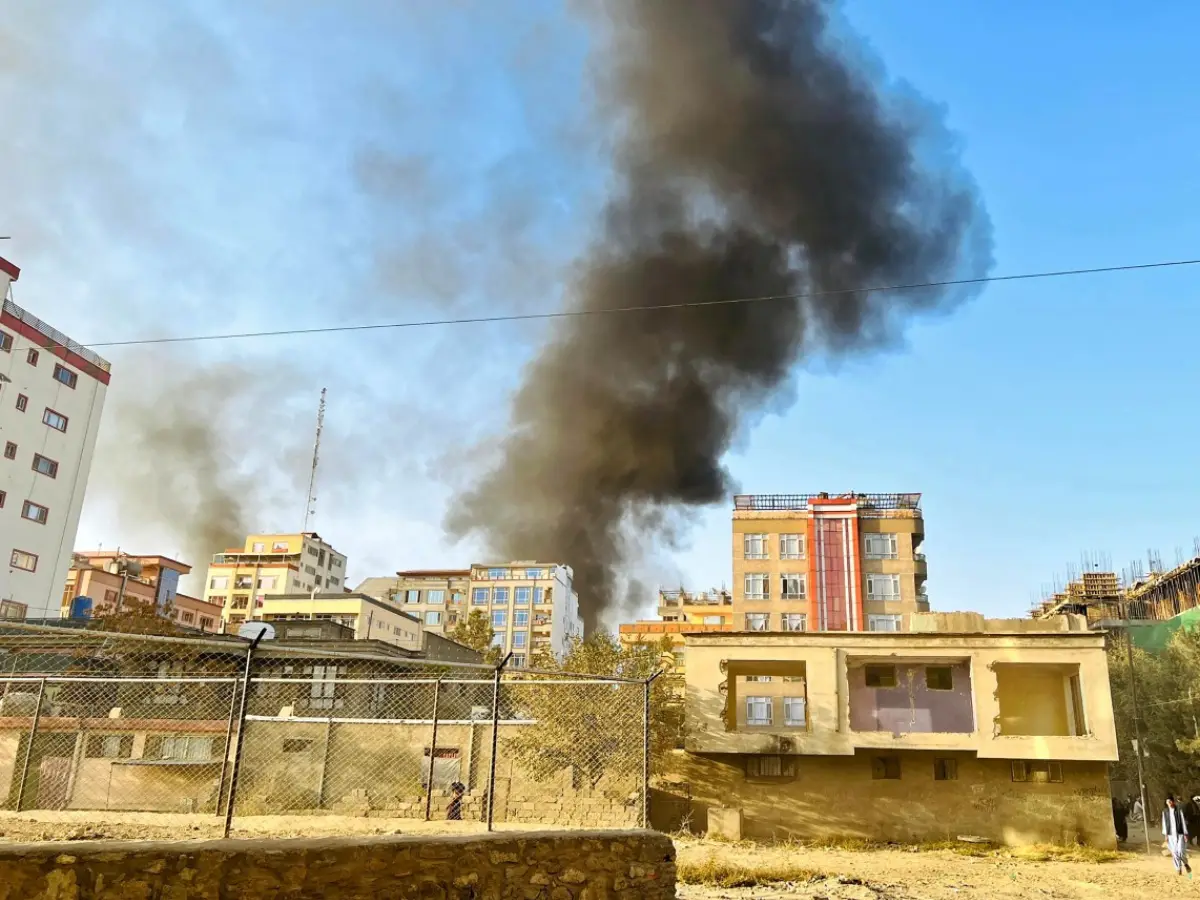
For Islamabad, the border remains a security headache. Cross-border attacks by militants, smuggling, and refugee flows make the Durand Line a flashpoint for terrorism and military operations.
5. Taliban’s Conflicted Stance
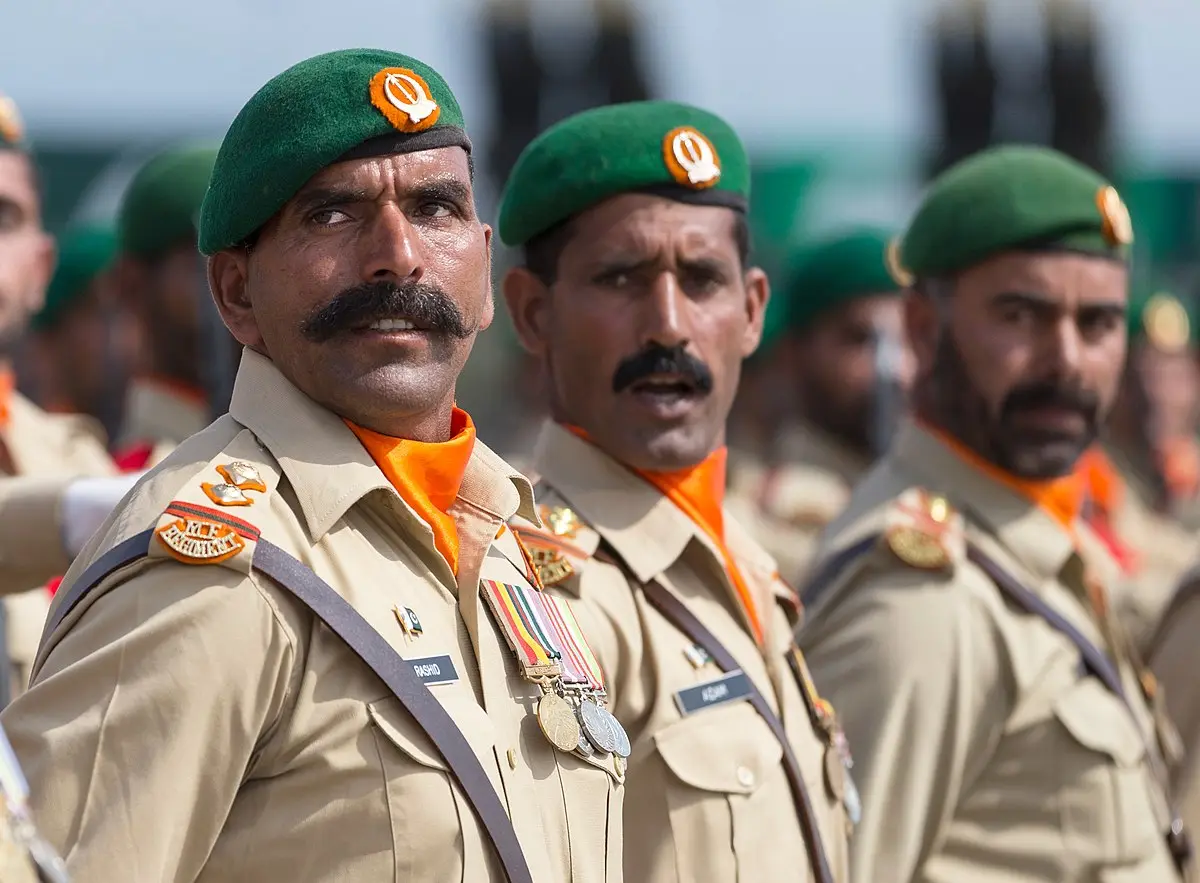
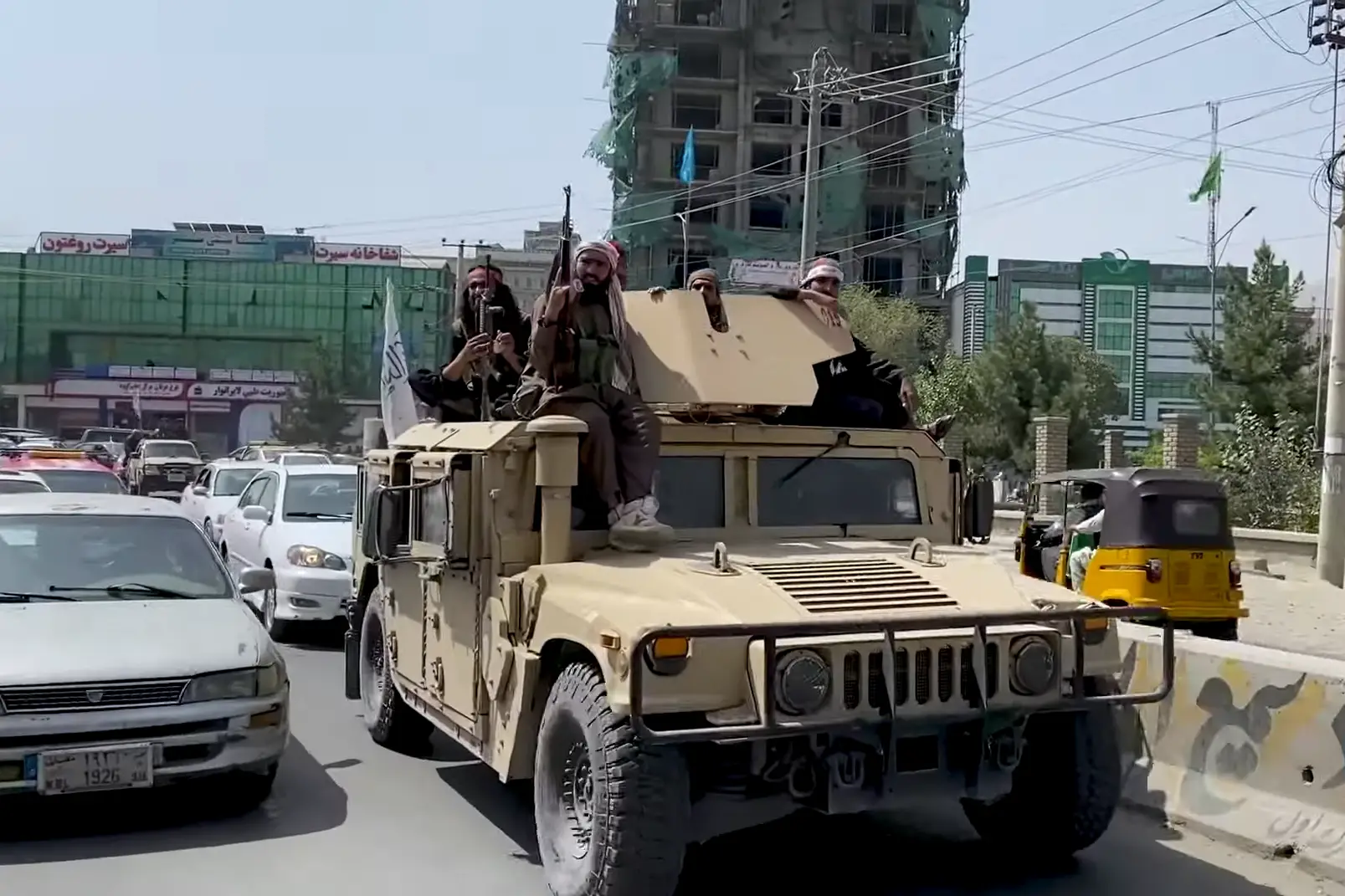
Although Pakistan once backed the Taliban, the group refuses to recognise the Durand Line as the official border. Taliban fighters have repeatedly clashed with Pakistani forces during fencing efforts.
6. The Fence That Changed Nothing
Pakistan began fencing the border in 2017 to stop illegal crossings, but rugged mountains and tribal opposition make enforcement nearly impossible. In many areas, the fence has simply moved the problem underground.
7. Why the World Looks Away
Despite the border’s volatility, global powers avoid taking sides. Recognizing or rejecting the Durand Line risks upsetting nuclear-armed Pakistan or destabilizing the fragile Afghan regime — a geopolitical gamble few want.
)
)
)
)
)