'A $6 billion target': Why sinking the USS Abraham Lincoln remains the IRGC's ultimate geopolitical goal

Sinking the $6 billion USS Abraham Lincoln may be the IRGC's ultimate geopolitical goal. Targeting the 100,000-tonne carrier could theoretically reshape Middle East security dynamics.
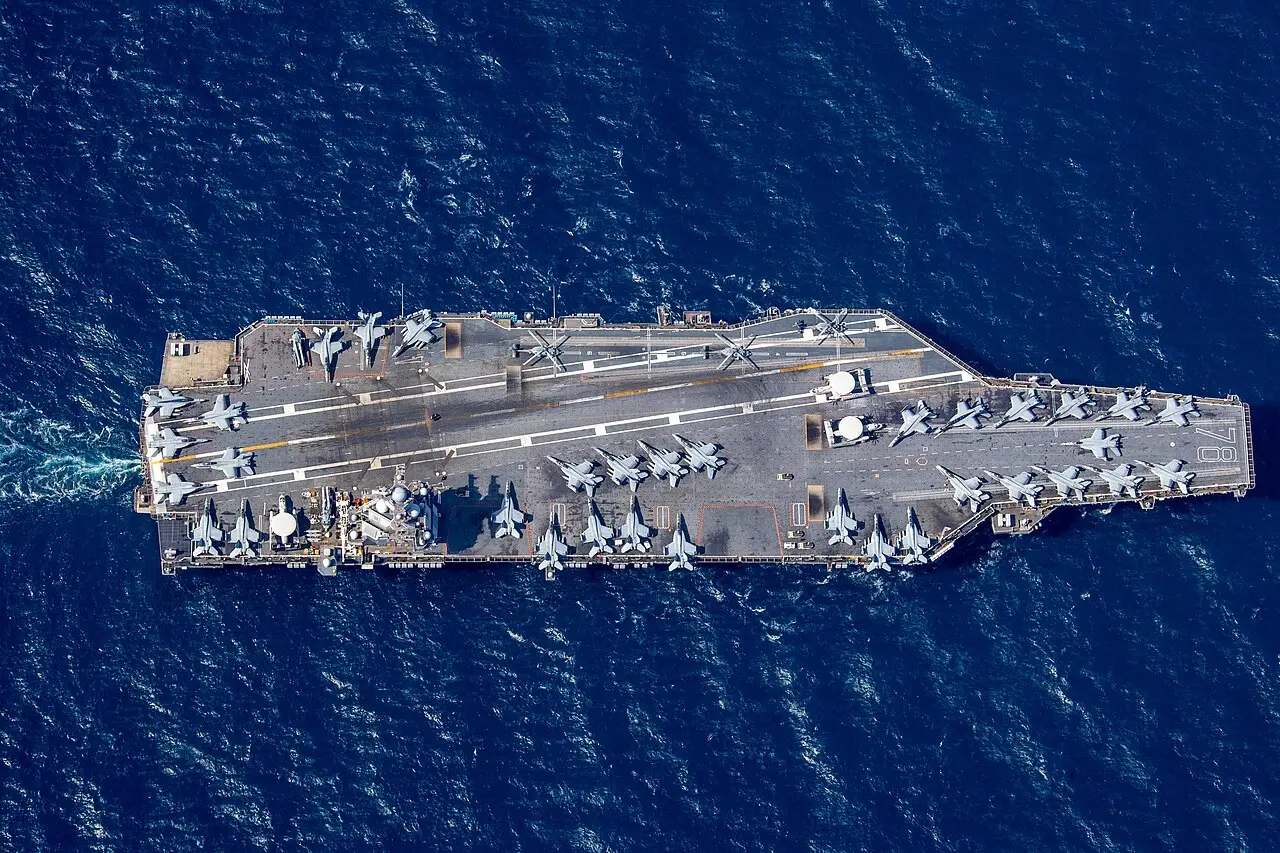
$6 billion floating target
The USS Abraham Lincoln represents a massive financial investment of nearly Rs 50,000 crore. Defence experts suggest that neutralising such a valuable asset could be viewed as an aspirational prize for the IRGC to challenge Western presence.
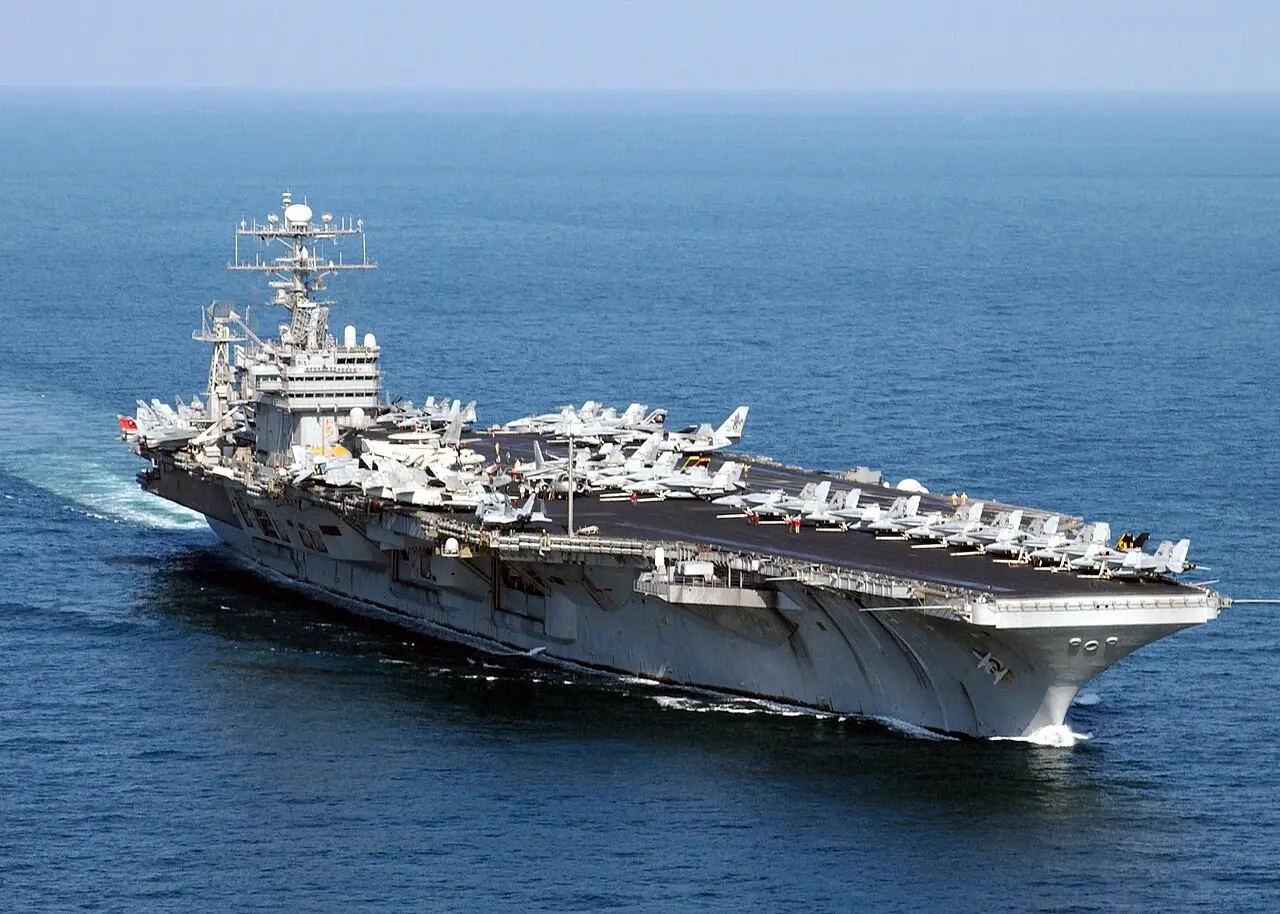
100,000 tonnes of deterrence
Displacing over 100,000 tonnes, this Nimitz-class carrier projects immense American maritime power. Military strategists believe that disabling it might theoretically help Tehran disrupt Western dominance in the strategic Gulf region.
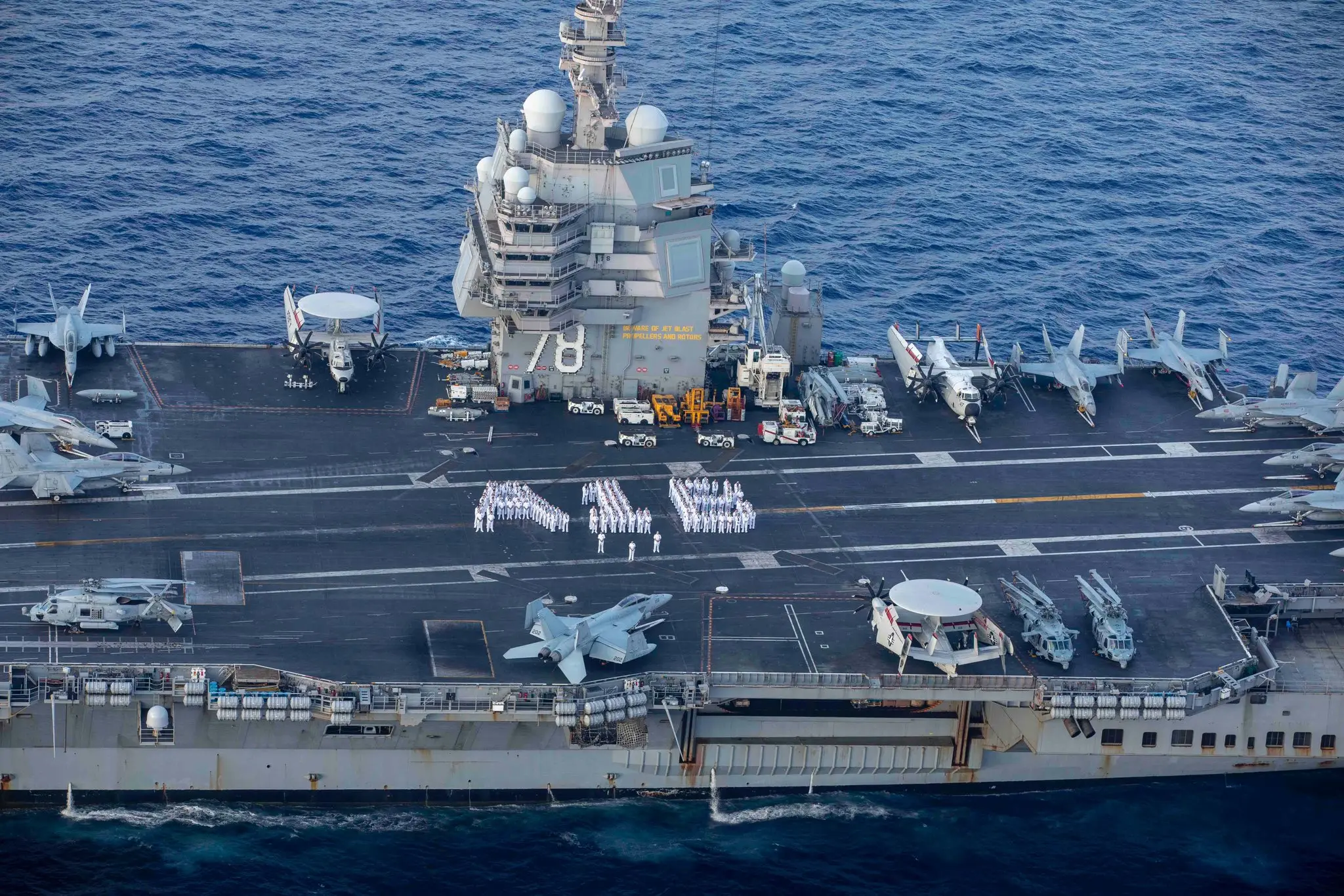
90 aircraft combat capacity
Housing up to 90 fixed-wing aircraft and helicopters, the warship serves as a formidable mobile base. Striking this vessel would potentially strip the United States of critical aerial strike capabilities across the Middle East.
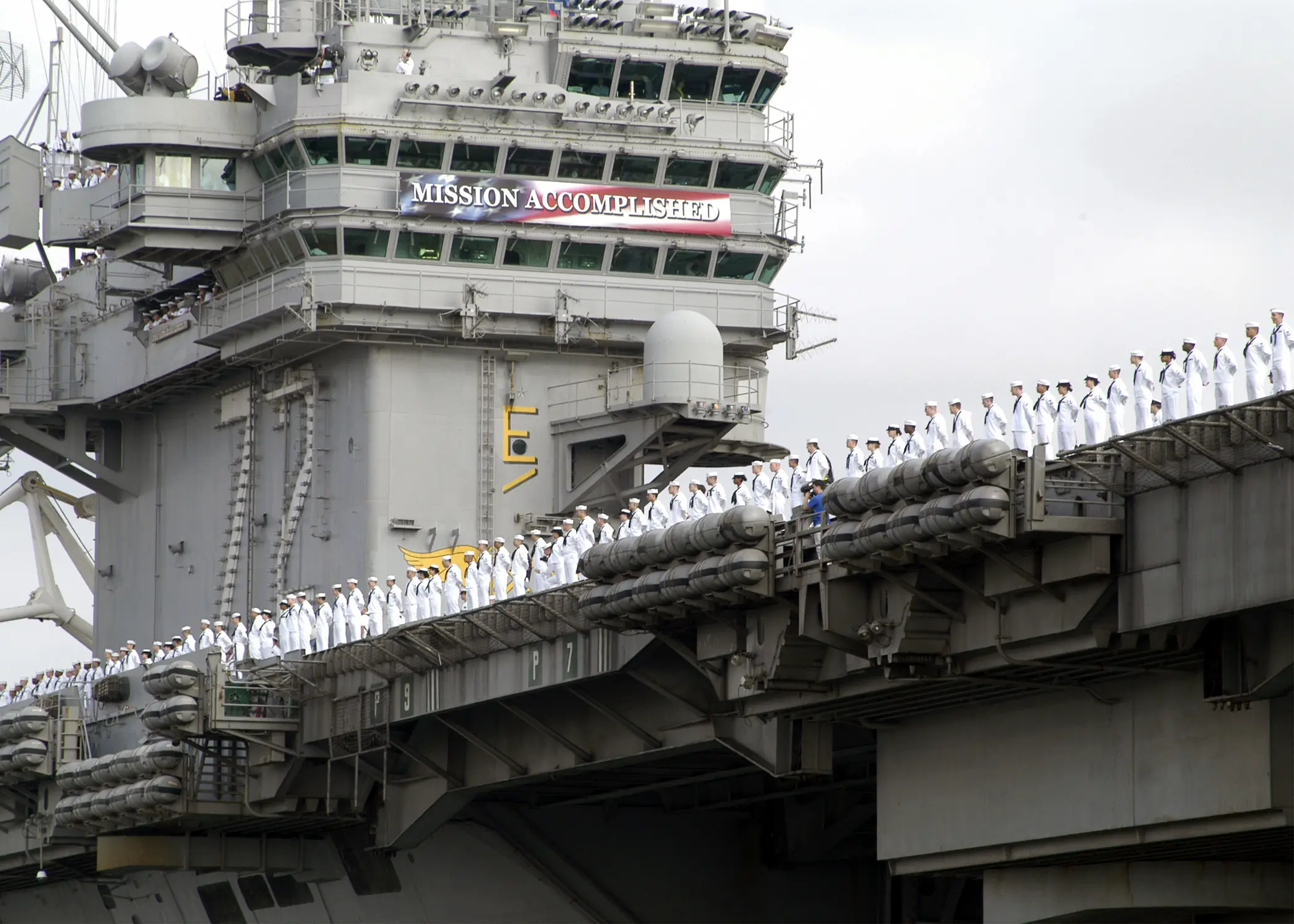
5,600 crew members onboard
Operating with a crew of nearly 5,600 sailors, the carrier functions as a densely populated city at sea. Any successful attack would risk unprecedented casualties, potentially impacting public support for ongoing overseas deployments.
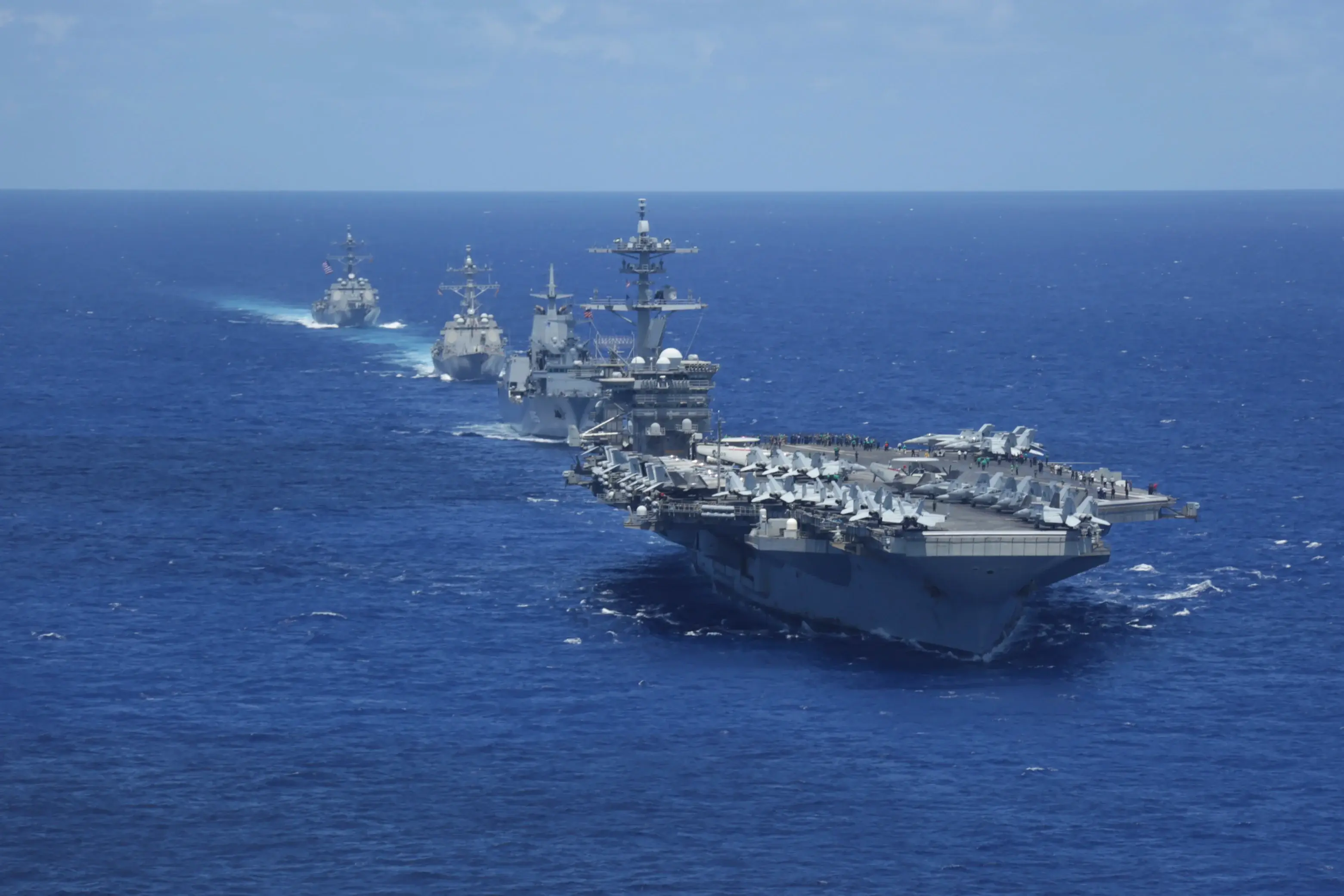
300-plus vessels in swarms
Iranian naval forces regularly train using hundreds of fast-attack swarm boats and kamikaze drones. Analysts note this asymmetric warfare tactic is likely designed to test and potentially overwhelm the carrier's advanced missile defence shields.
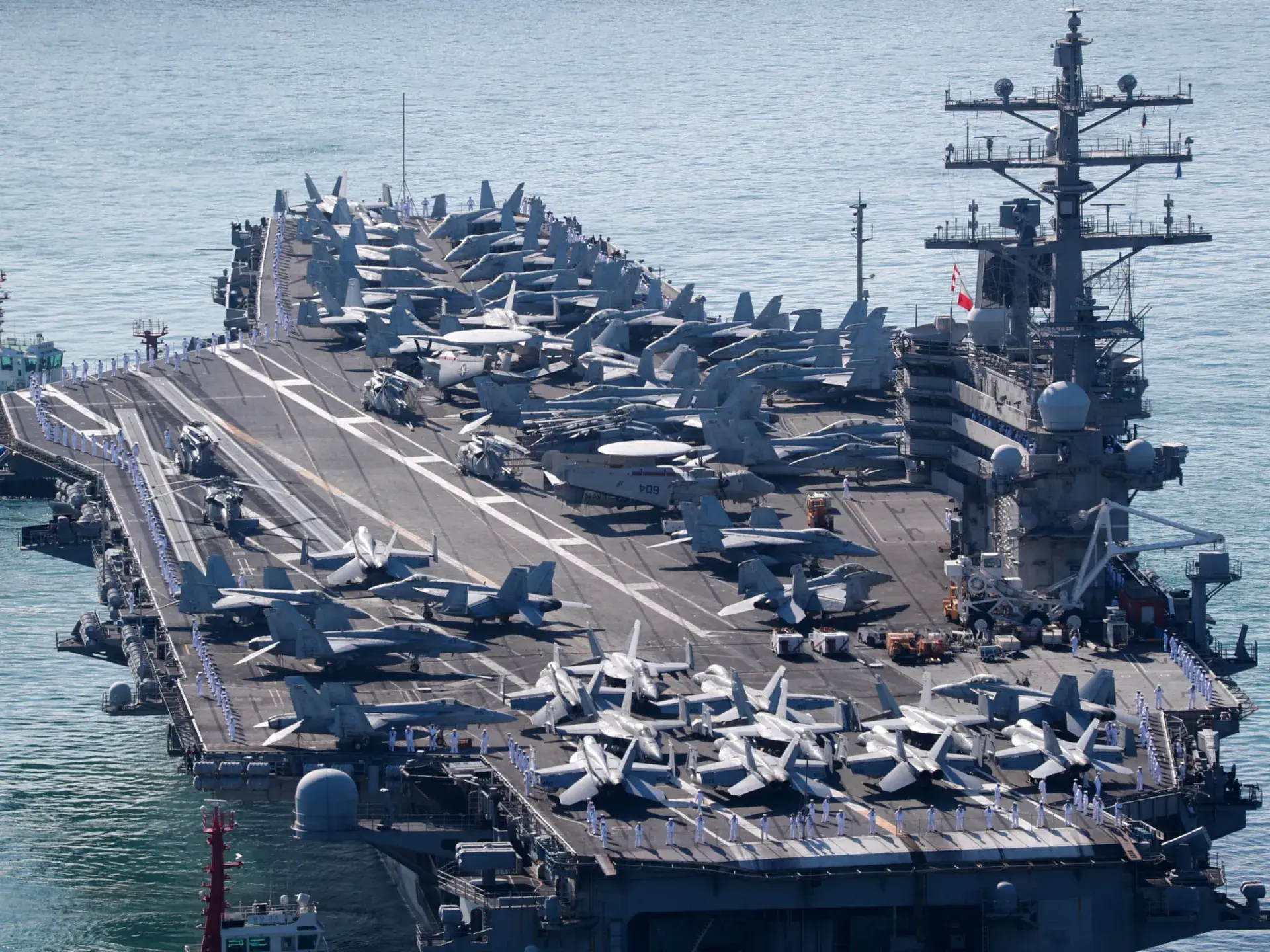
2,000 km missile range
Iran has heavily invested in anti-ship ballistic missiles capable of striking targets up to 2,000 kilometres away. This growing arsenal supports a broader area-denial strategy, which might aim to push foreign fleets out of the Arabian Sea.
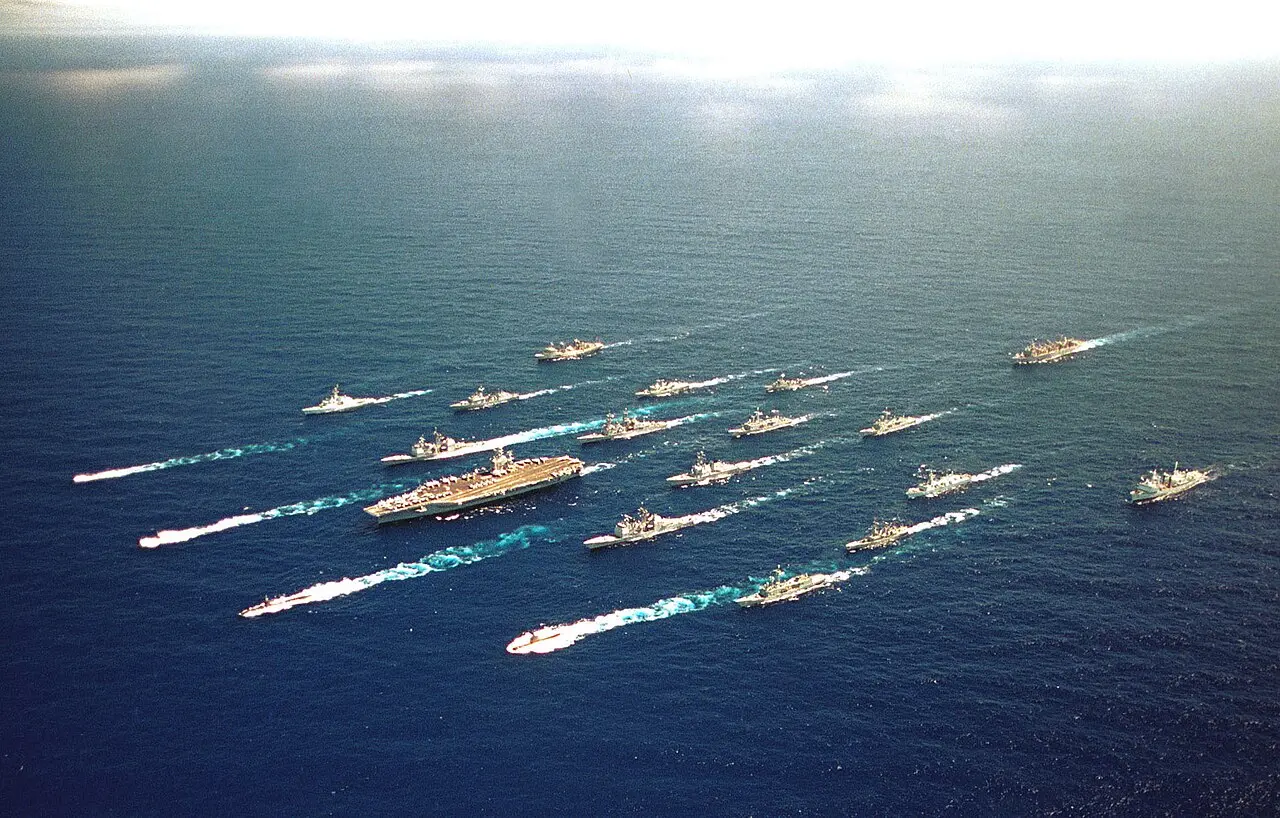
1 major psychological shift
Targeting a flagship of this magnitude is often viewed as a calculated psychological tactic. Experts argue that even a near-miss could embolden anti-Western factions and serve as a powerful propaganda tool for regional proxy groups.
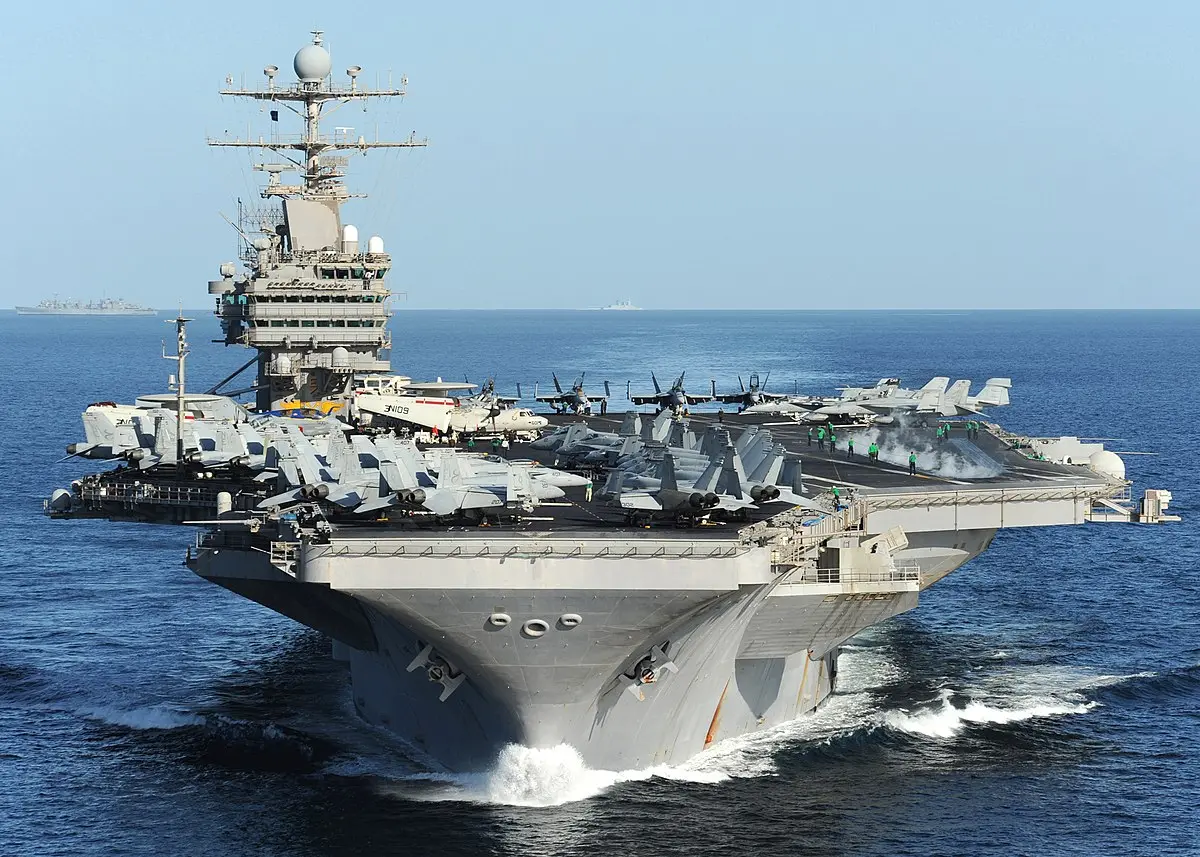
20 per cent oil trade
The carrier often patrols near the Strait of Hormuz, handling roughly 20 per cent of global oil. Threatening such a massive warship could theoretically give the IRGC unprecedented leverage over international energy markets and shipping routes.
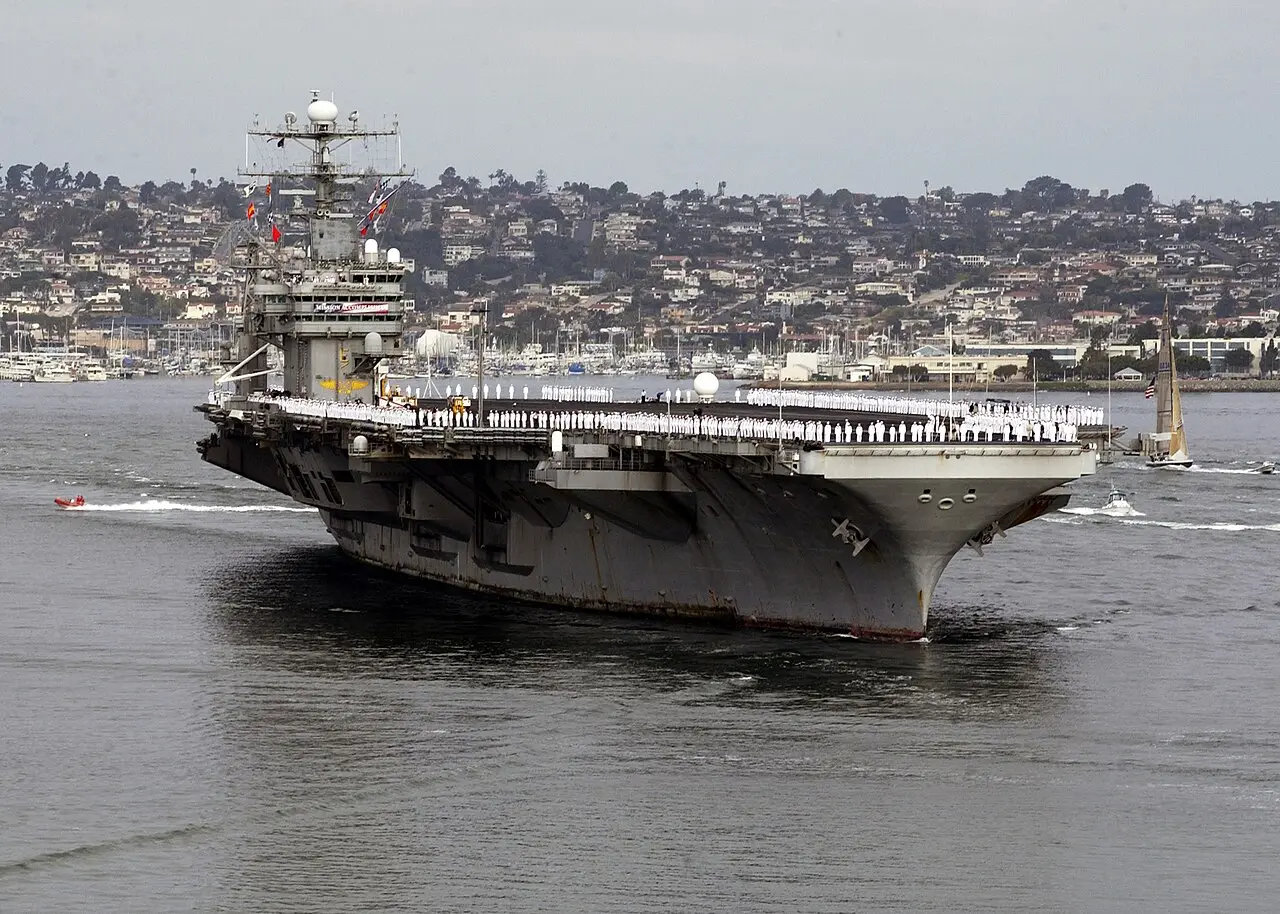
4 advanced defence layers
Breaching the warship remains incredibly difficult due to its four distinct layers of defence. Protected by escort destroyers and electronic warfare systems, sinking the vessel remains a highly complex and perhaps largely theoretical ambition.
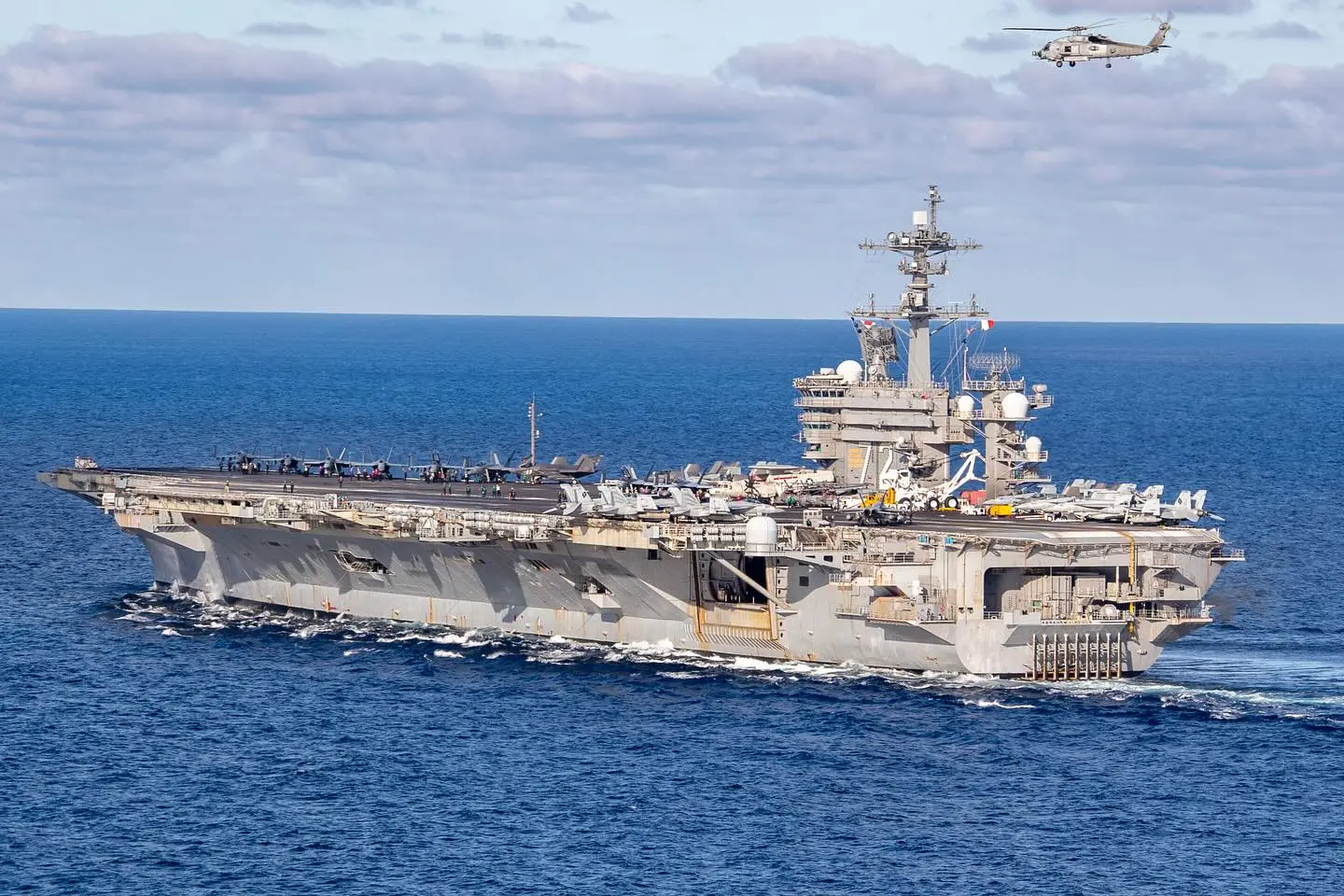
1 historic regional realignment
While sinking a nuclear-powered aircraft carrier is extremely difficult, the mere threat forces tactical adjustments. Analysts suggest that successfully targeting one would mark a historic shift in modern naval warfare and regional security.
)
)
)
)
)