'A 50-mile safety ring': Why the USS Spruance patrols so far ahead of the USS Abraham Lincoln

The USS Spruance forms a 50-mile defensive shield ahead of the USS Abraham Lincoln. Using advanced radar and interceptor missiles, the destroyer neutralises drones and protects the aircraft carrier.
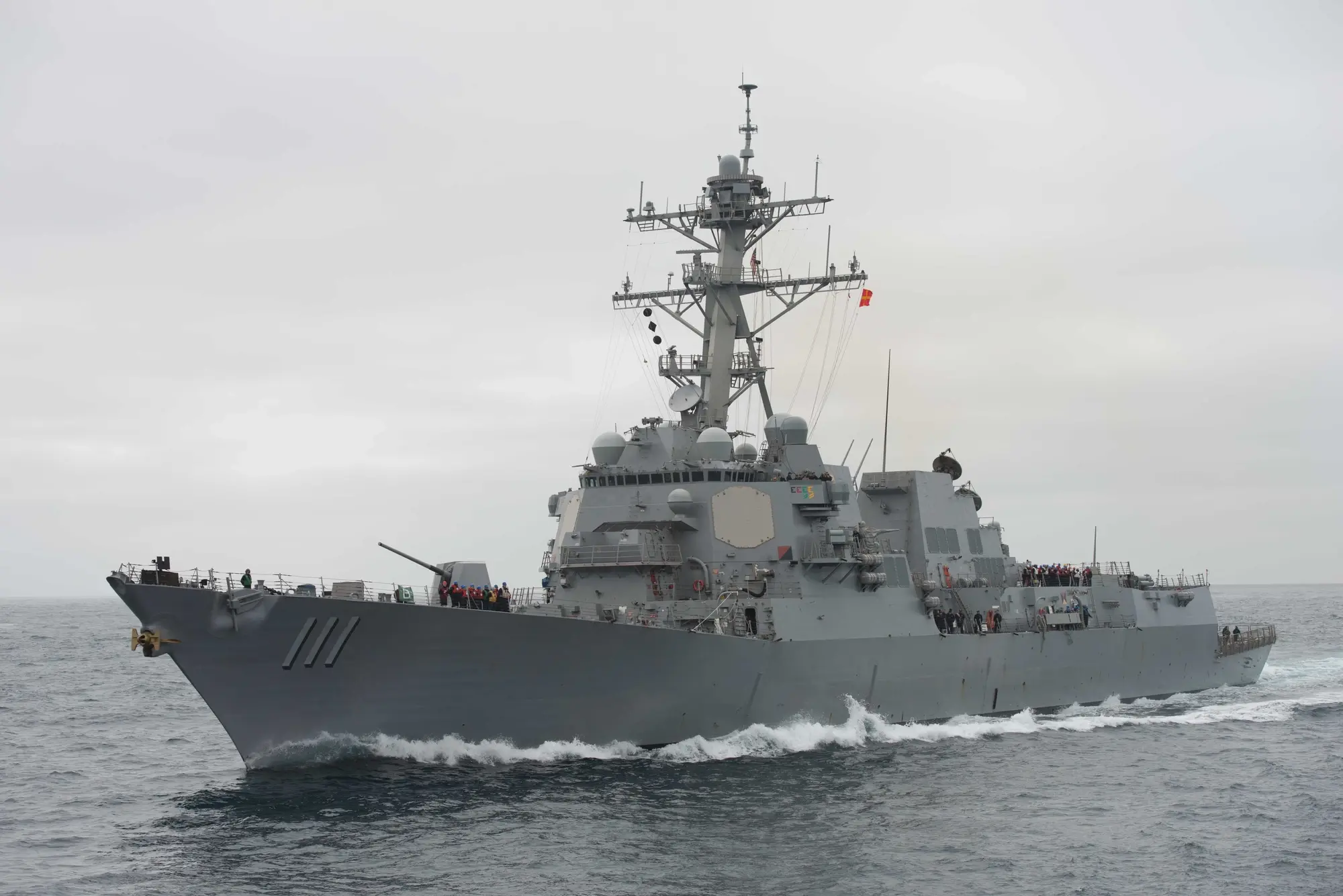
50-mile defensive buffer
The USS Spruance operates 50 miles ahead of the USS Abraham Lincoln to create a massive defensive perimeter. This distance provides crucial reaction time to intercept incoming threats. The guided-missile destroyer acts as the strike group's primary shield.
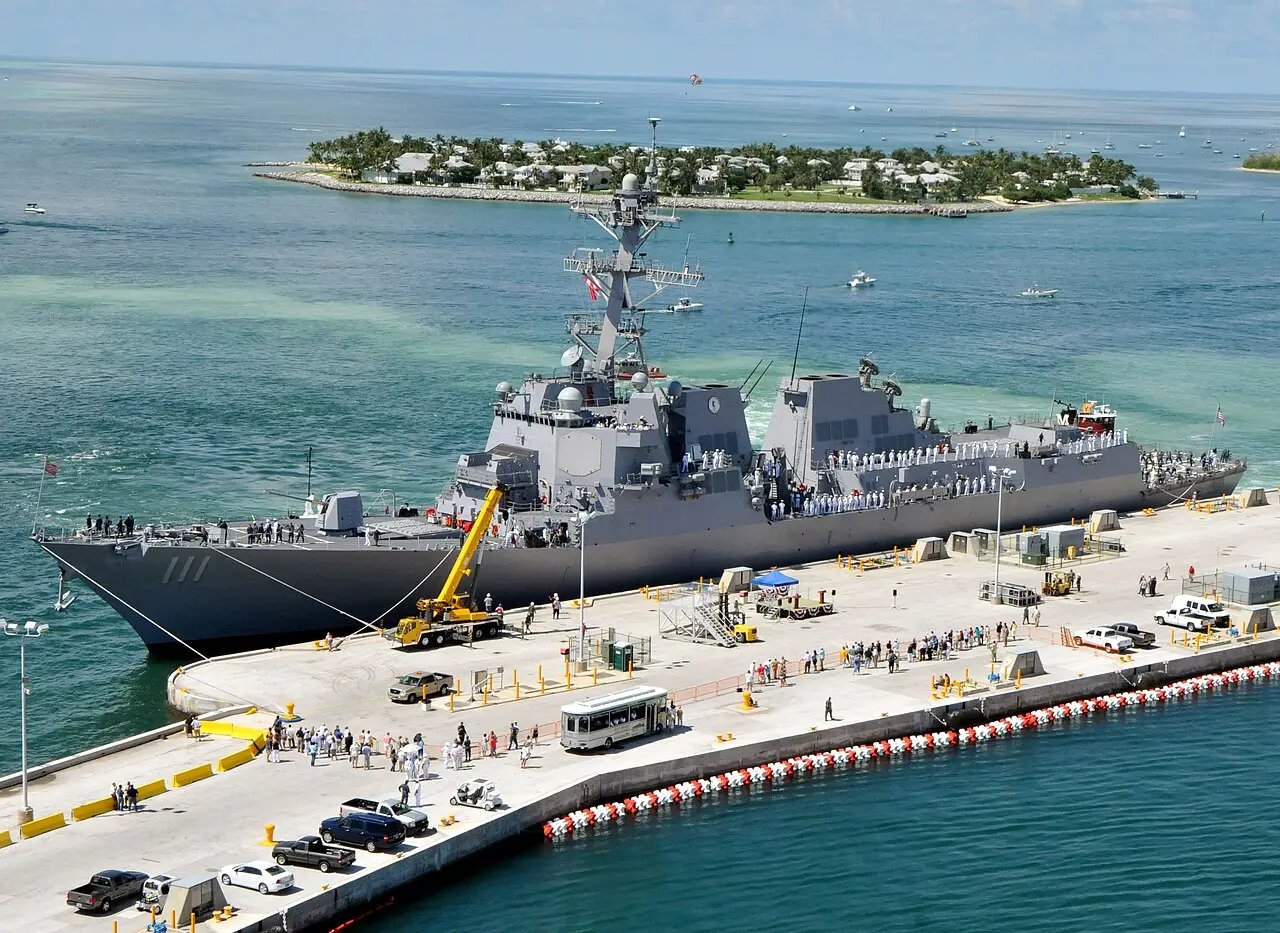
9,200-tonne combat destroyer
Displacing over 9,200 tonnes, the USS Spruance is an Arleigh Burke-class destroyer built for multi-threat warfare. It escorts the Nimitz-class aircraft carrier through high-risk maritime zones. The warship reaches speeds exceeding 30 knots to keep pace.
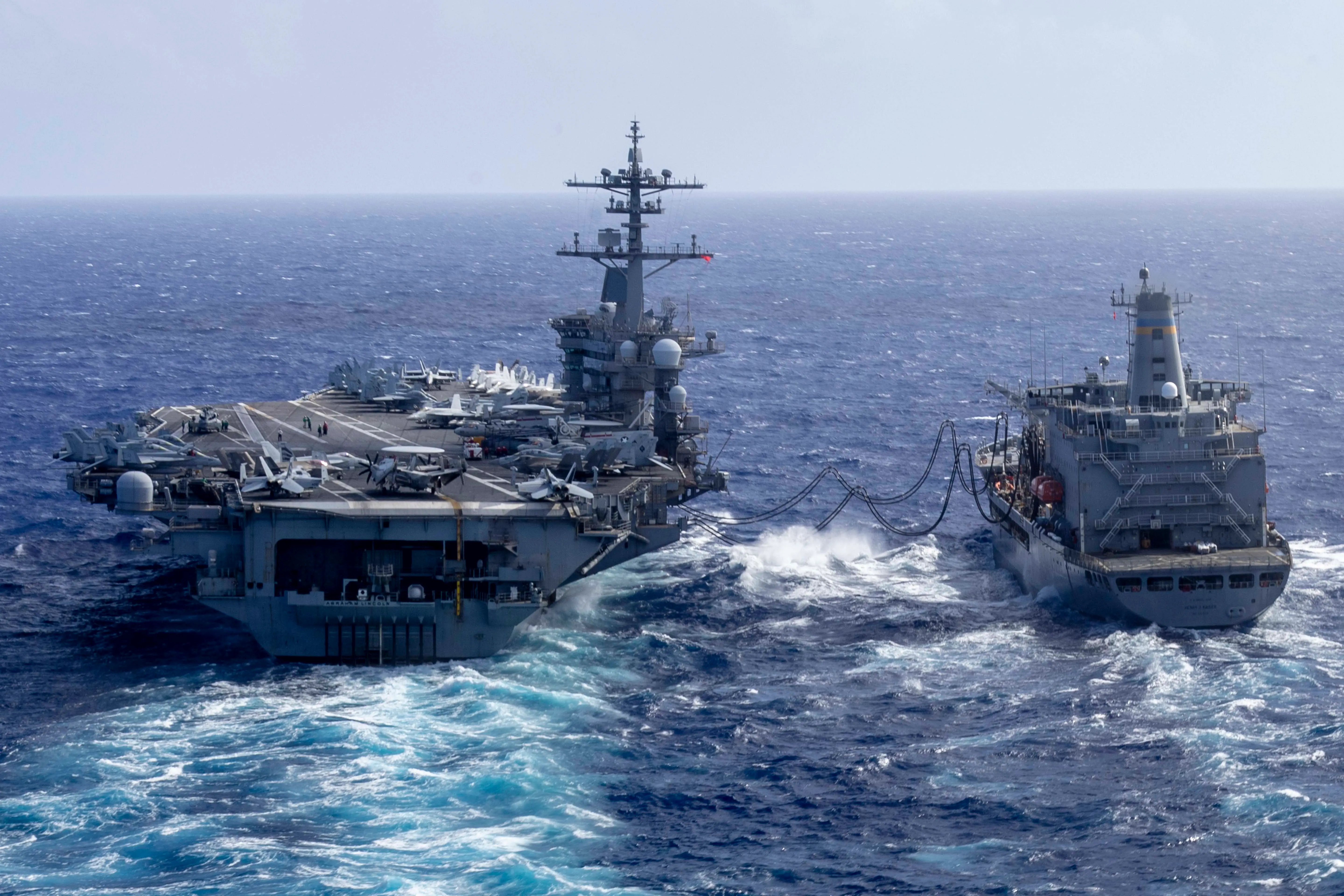
Tracks 100 targets simultaneously
The destroyer uses the advanced Aegis Combat System to monitor the skies and waters. This integrated radar network detects hostile aircraft, anti-ship missiles, and enemy vessels simultaneously. It instantly shares tracking data with the USS Abraham Lincoln.
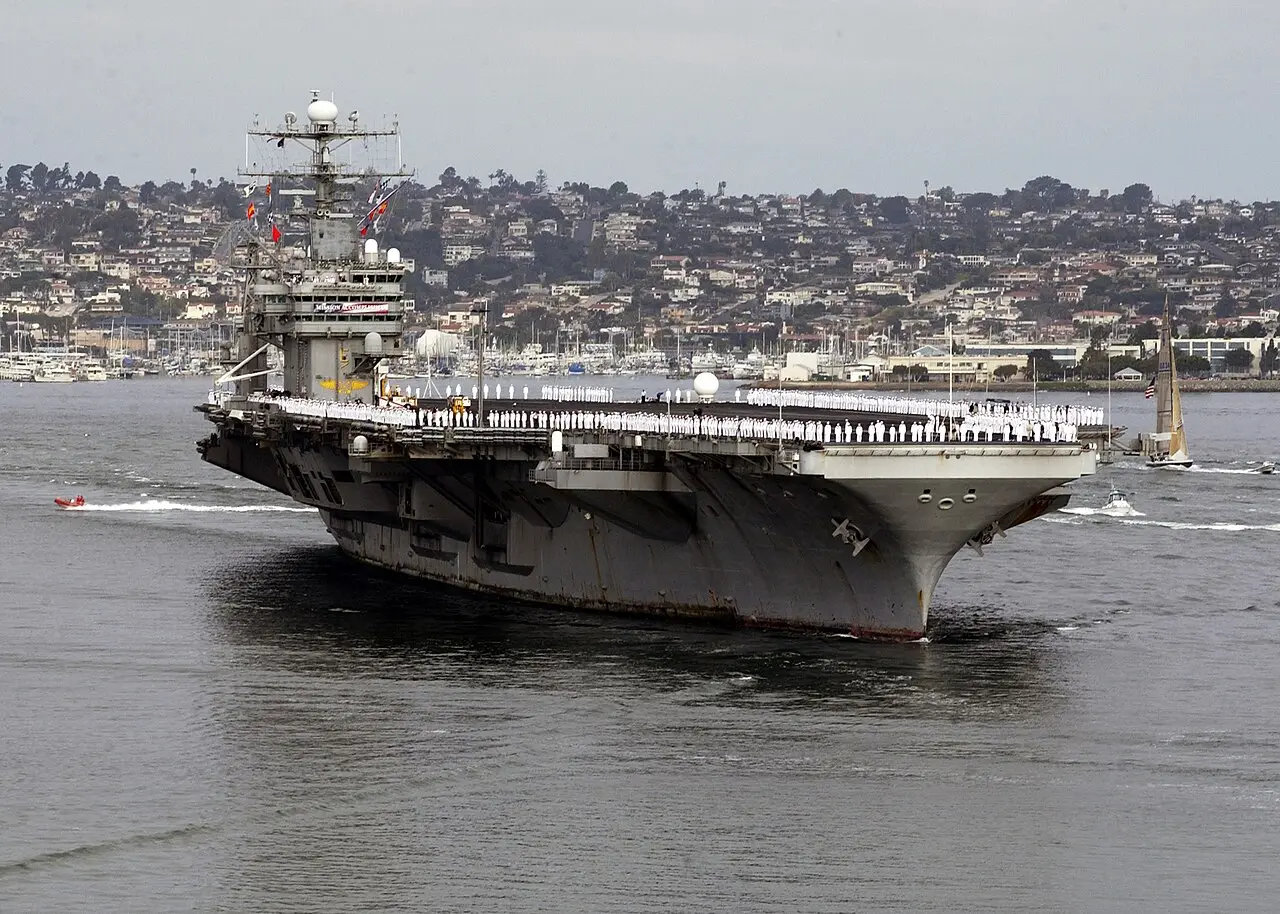
Mach 3 interceptor missiles
To neutralise distant threats, the Spruance fires Standard Missiles from its vertical launch system. These supersonic interceptors travel at Mach 3 to destroy incoming projectiles mid-air. This system forms the outer layer of the carrier strike group's defence.
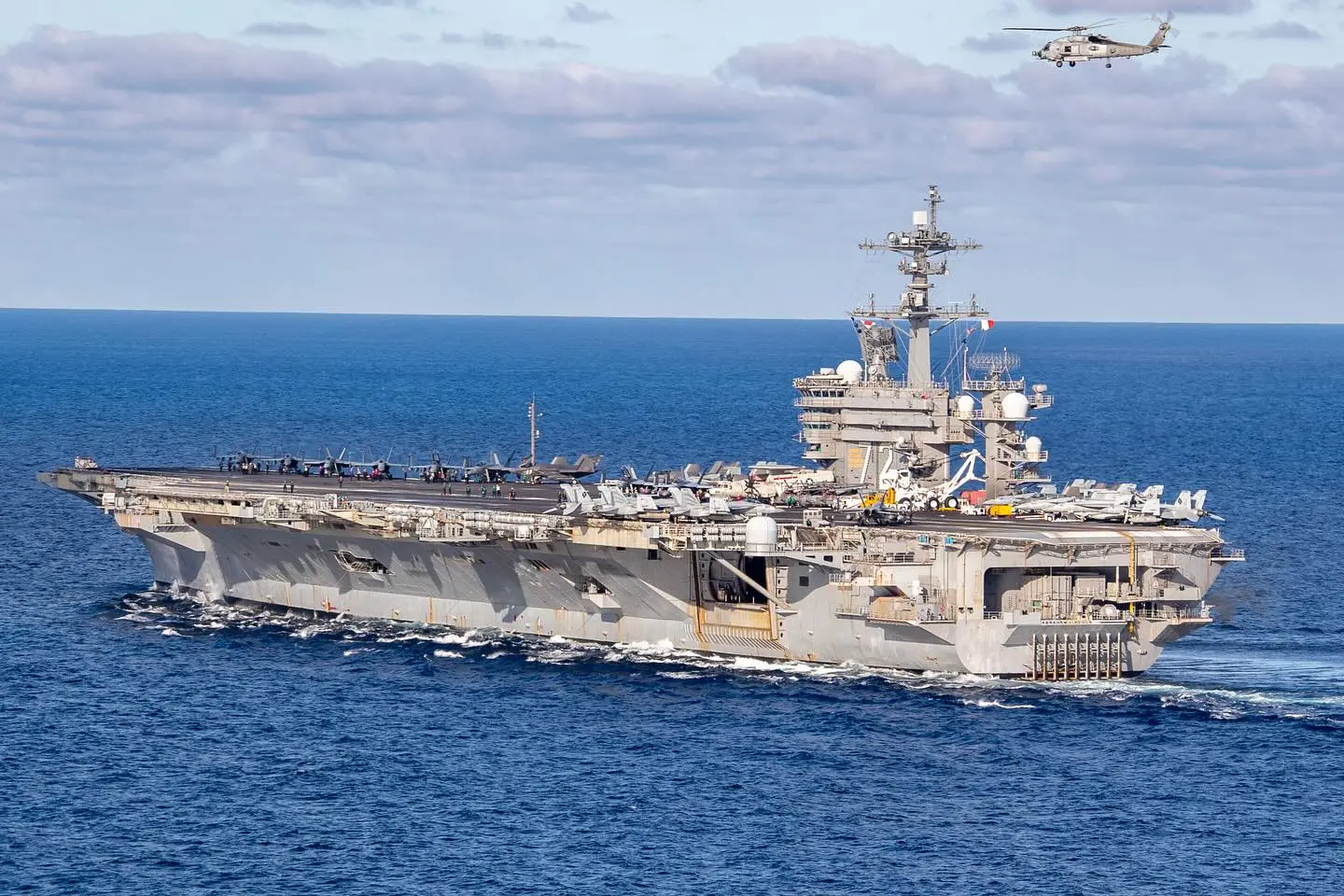
Defeating 100-drone swarm attacks
Modern naval operations face increasing risks from cheap, unmanned suicide drones. The destroyer is equipped with electronic warfare systems to jam and disable these swarms. This prevents hostile drones from ever reaching the carrier's flight deck.
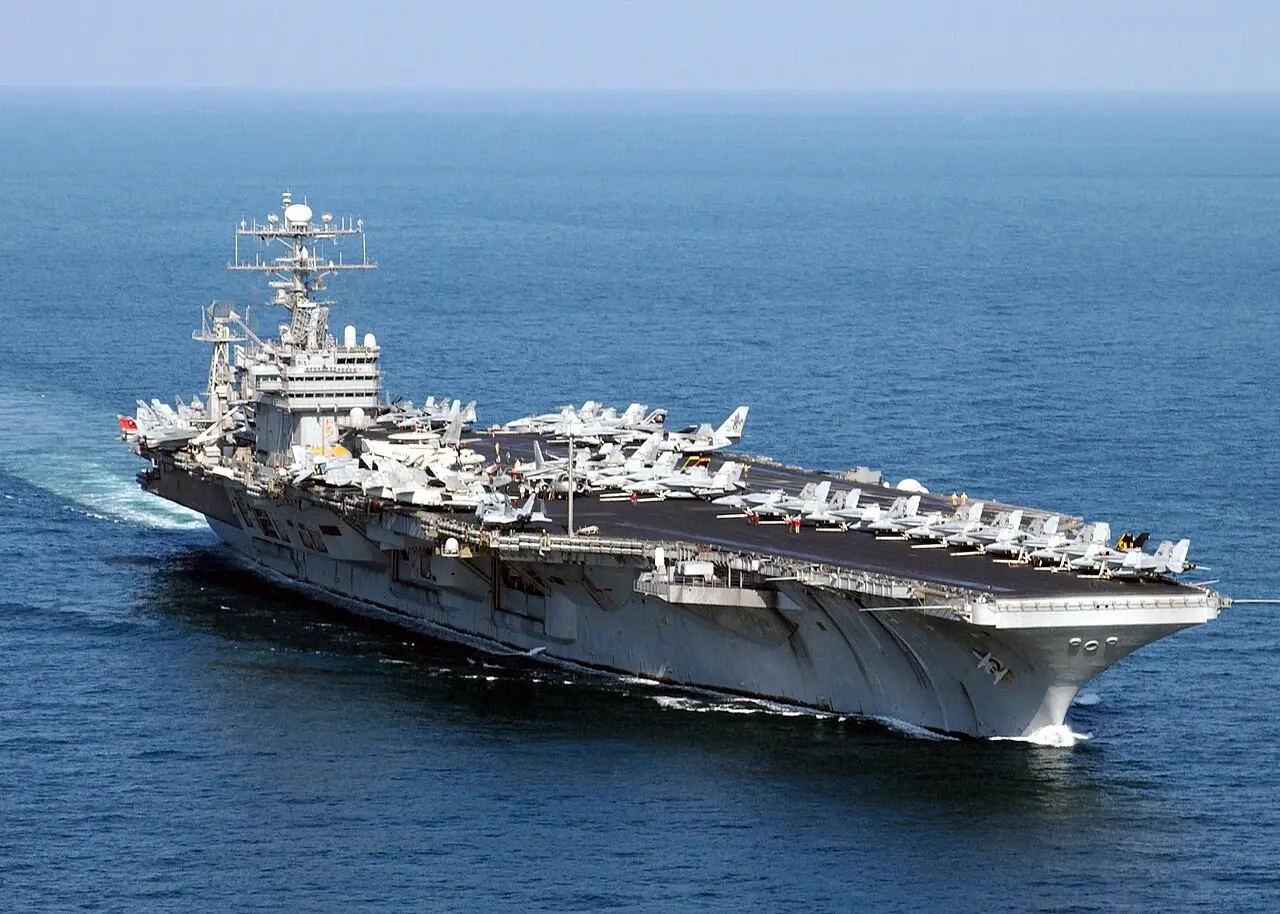
4,500 rounds per minute
If a missile breaches the primary defences, the Phalanx Close-In Weapon System engages automatically. This radar-guided Gatling gun fires up to 4,500 armour-piercing rounds per minute. It serves as the final automated barrier against high-speed impacts.
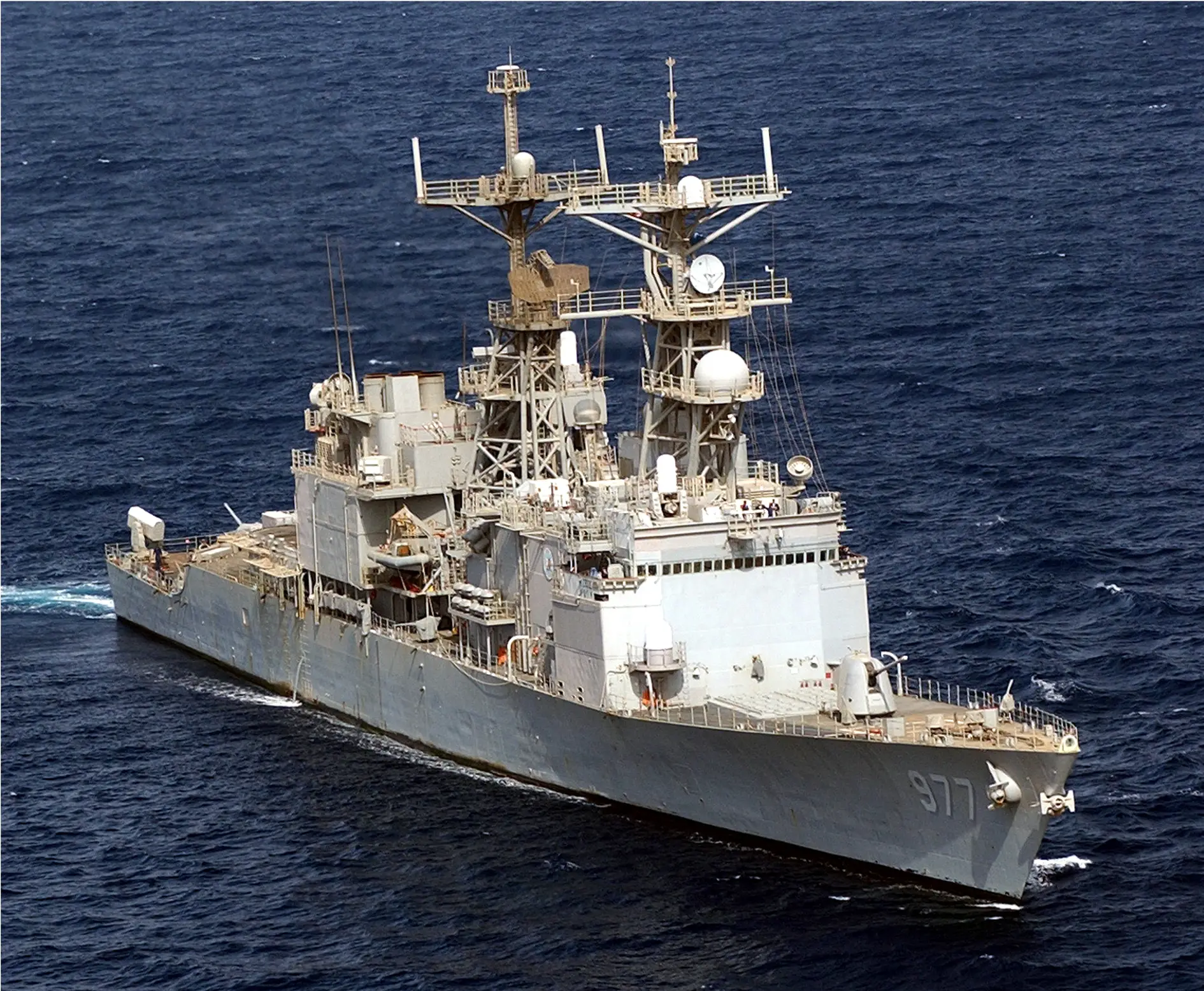
Securing 60 carrier aircraft
The USS Abraham Lincoln carries a combat wing of over 60 aircraft, including fighter jets and helicopters. Launching and recovering these planes requires the carrier to sail in steady lines. The Spruance ensures the surrounding airspace remains clear.
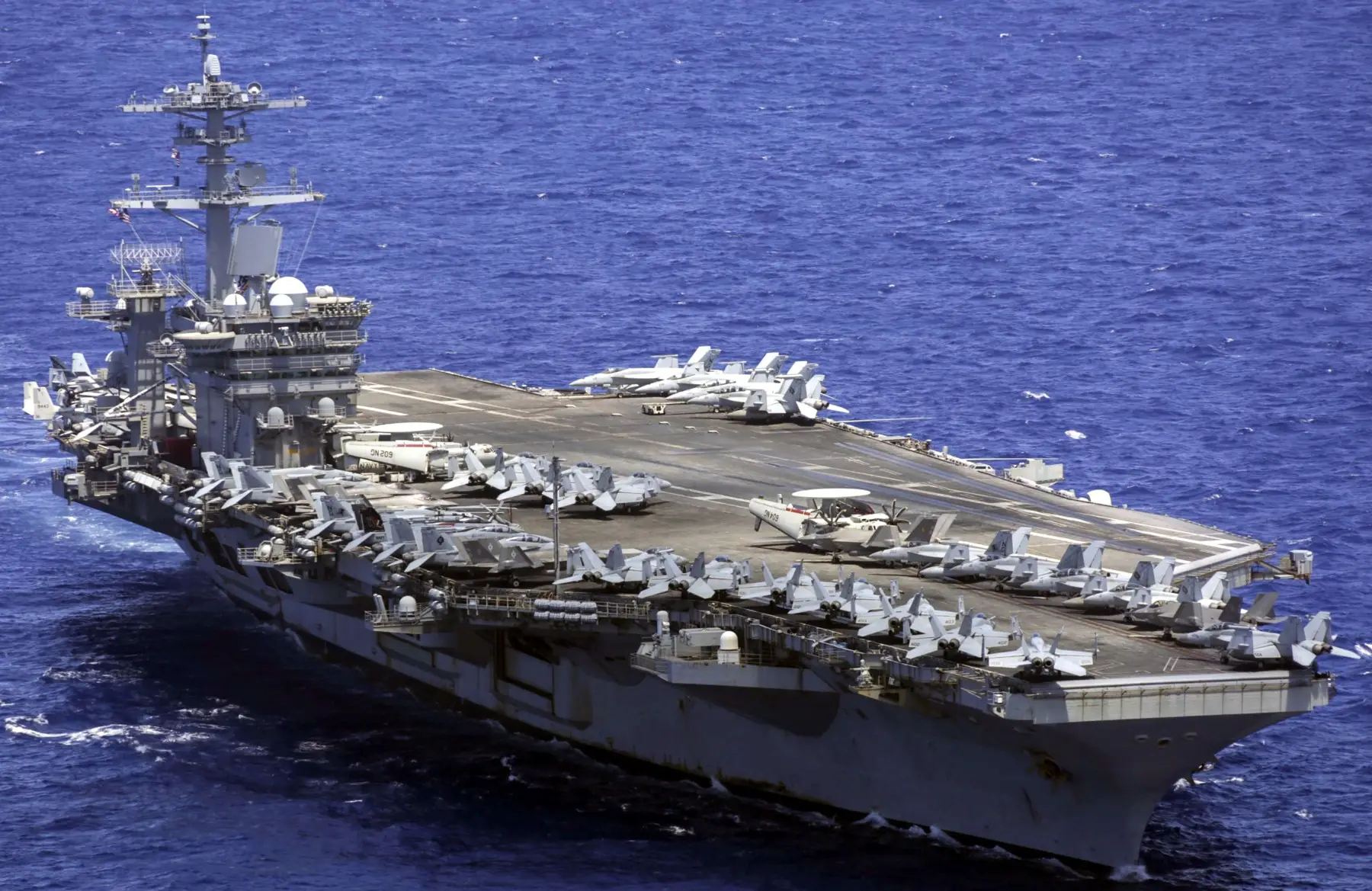
50-mile sonar tracking range
The 50-mile distance allows the destroyer to use its sonar systems without interference from the carrier's massive wake. The Spruance hunts for hostile submarines lurking in the depths. It deploys Seahawk helicopters to track underwater threats.
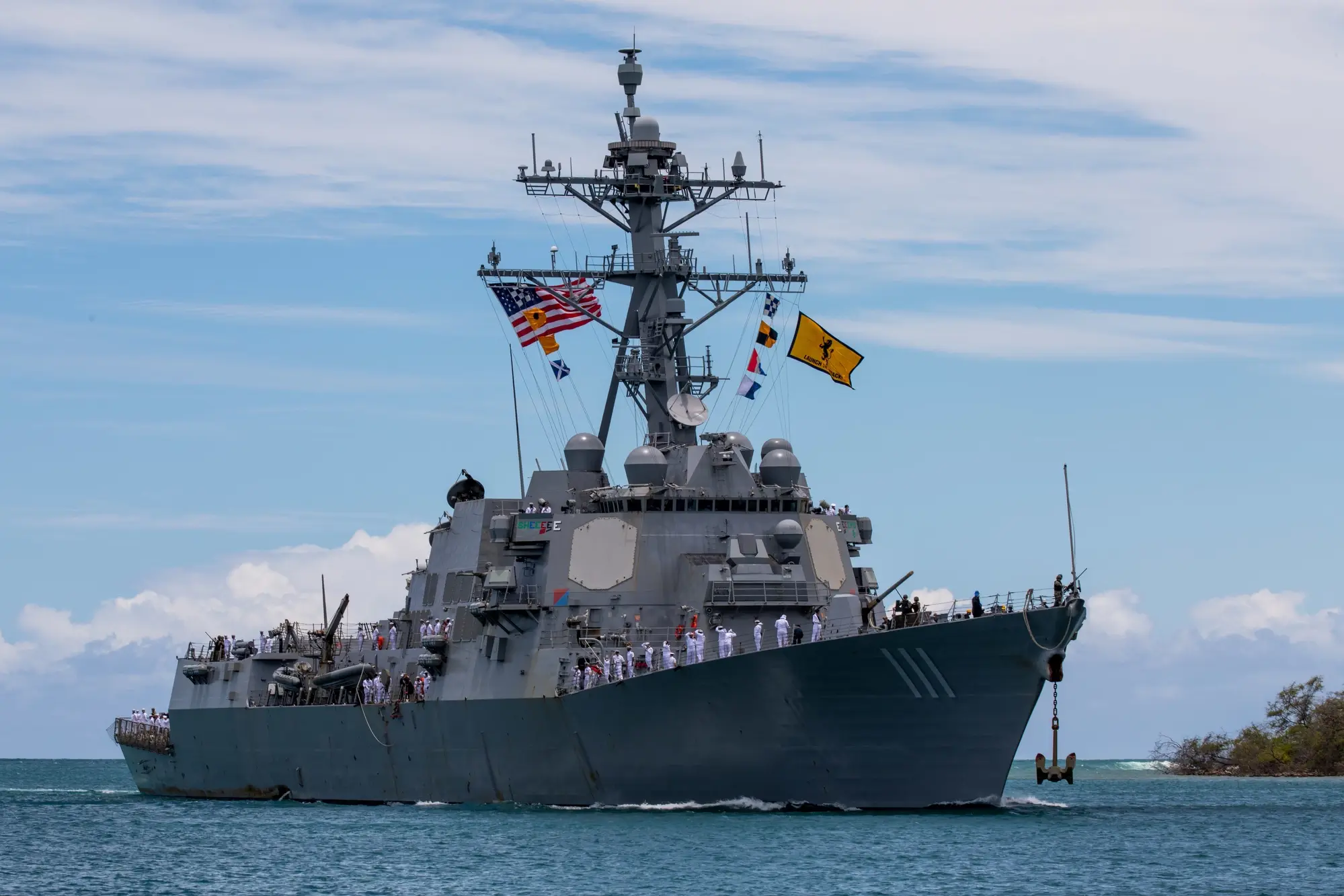
96 vertical launch cells
The Spruance houses 96 Mk 41 vertical launch cells loaded with diverse ordnance. This includes Tomahawk cruise missiles for offensive land strikes alongside defensive weapons. The heavy firepower makes the destroyer a formidable independent combat unit.
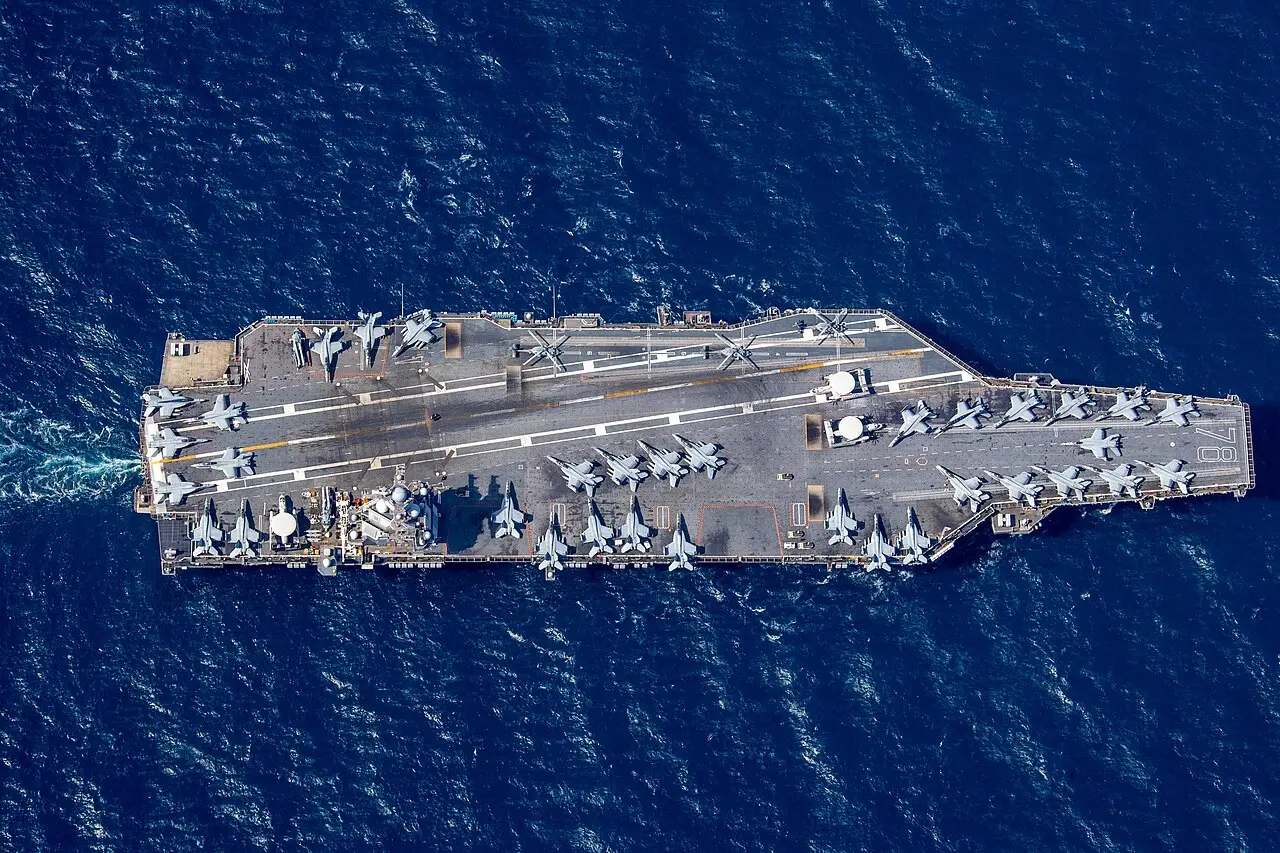
100 per cent fleet security
Defending a multibillion-dollar nuclear-powered aircraft carrier requires a flawless strategy. The Spruance integrates long-range radar, mid-range interceptors, and close-range guns to maintain this safety net. Every system works to ensure zero threats reach the flagship.
)
)
)
)
)