'90 full moons ': NASA’s Roman Space Telescope set to map the universe and reveal dark energy’s secrets

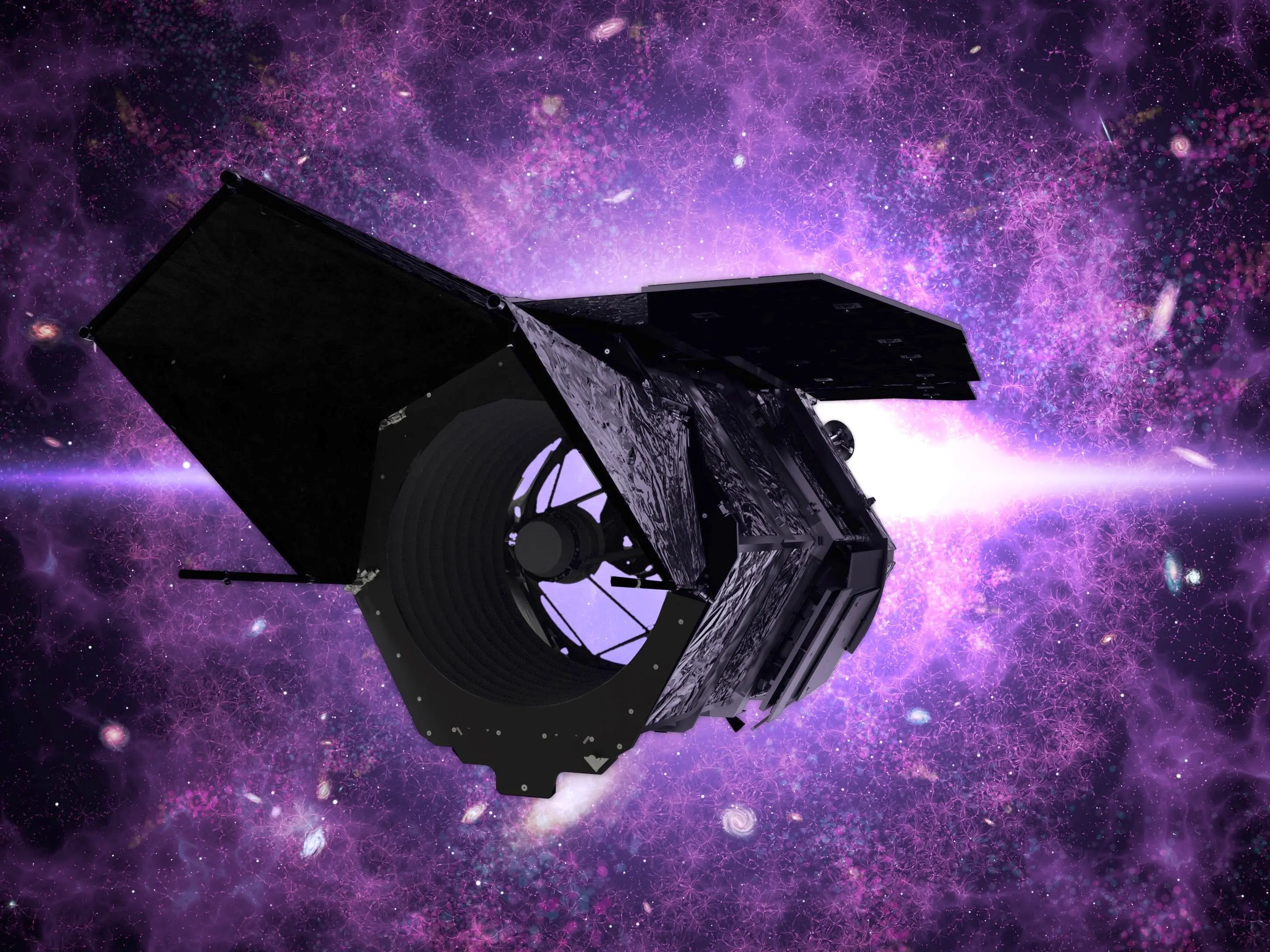
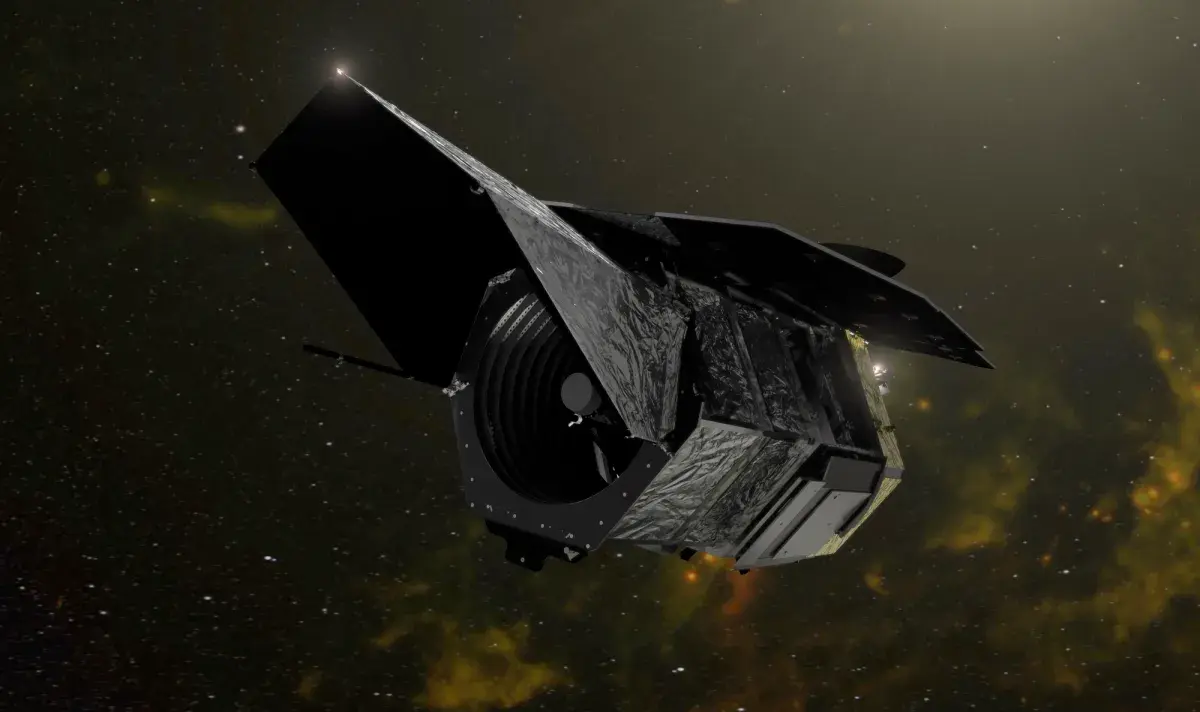
Set for launch in May 2027, NASA’s Nancy Grace Roman Space Telescope will embark on one of the most ambitious space missions ever attempted, charting the universe’s expansion history and revealing the mysterious force known as dark energy.
A Bold Mission to Measure the Universe’s Growth
At the heart of Roman’s High-Latitude Time-Domain Survey is the quest to track the expansion of the universe using Type Ia supernovae, stellar explosions so consistent in brightness they act as “standard candles.” By measuring how fast these supernovae appear to recede over billions of years, scientists can reconstruct the cosmic expansion curve and probe the influence of dark matter and dark energy.
Dark Energy Under the Microscope
Roman’s ability to see these supernovae at greater distances than any previous mission makes it uniquely suited to studying dark energy. Some recent studies suggest dark energy may not be constant, it could be weakening over time. Roman’s vast dataset will test these ideas, potentially transforming our understanding of the force driving the universe apart at an ever-faster rate.
Catching Fleeting Cosmic Events
Roman will use image subtraction, a technique that compares new images with earlier ones to detect changes. By removing all static objects from a frame, only new or variable phenomena remain, like fresh supernovae, rare stellar collisions, and other short-lived cosmic fireworks. This method ensures no transient event slips by unnoticed.
Watching the Same Patch of Sky for Years
The High-Latitude Time-Domain Survey will revisit key regions every five days over two years, with additional monitoring during the five-year mission. This repeat coverage will make it possible to detect faint, rare events that would otherwise be missed, offering a time-lapse view of how the universe changes.
Partnerships for Spectroscopic Precision
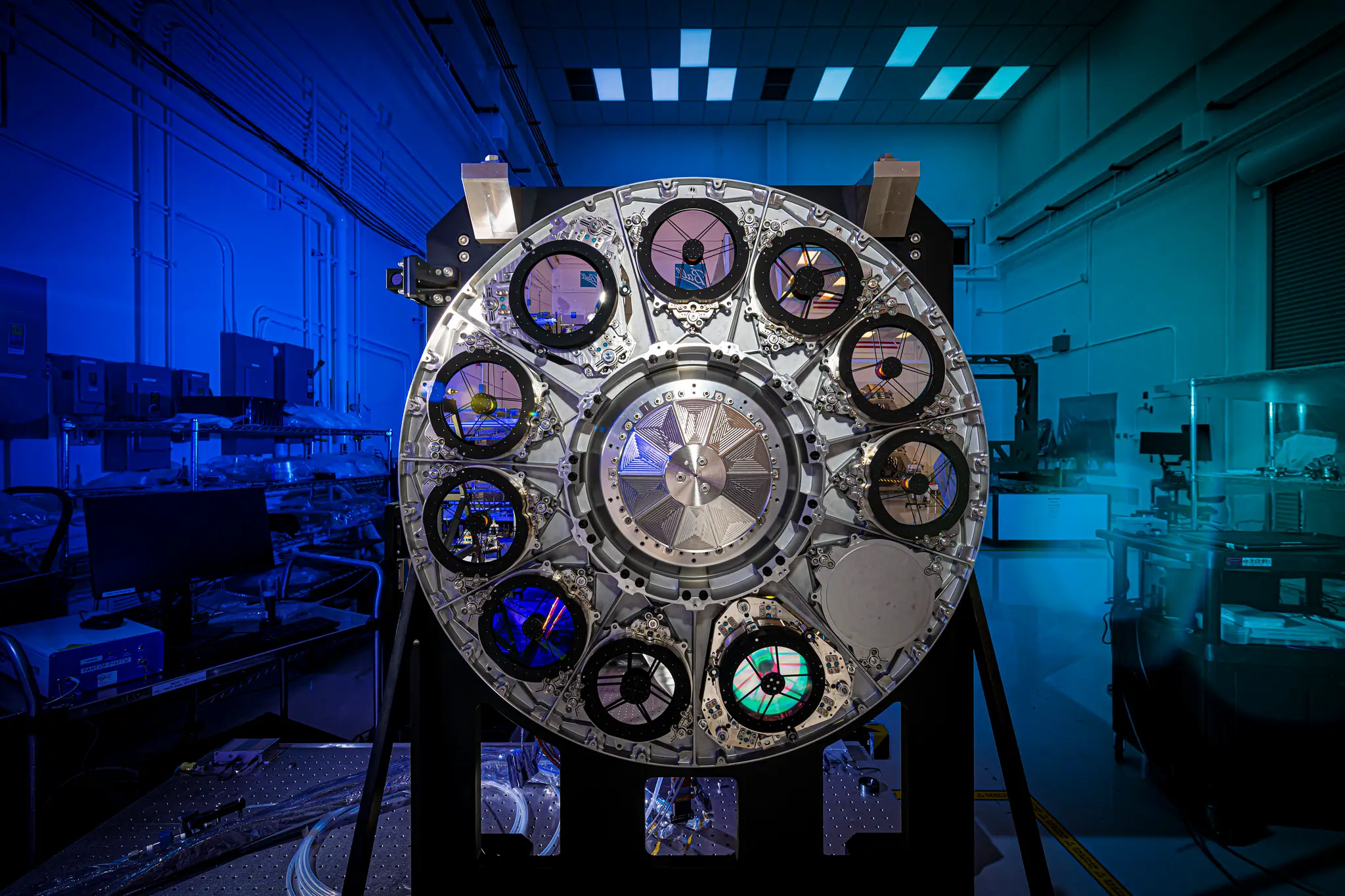
To confirm what Roman sees, it will collaborate with the Subaru Observatory in Hawaii. While Roman focuses on southern-sky spectroscopy, Subaru will cover the northern sky. These follow-up measurements will reveal the detailed composition, speed, and nature of each detected supernova or transient, adding vital context to the raw imaging data.
Peering 11 Billion Years Into the Past
Roman’s reach extends to events that occurred when the universe was less than a quarter of its current age. Observing light that has traveled for 11 billion years, Roman will reveal conditions in the early universe, offering a front-row seat to the cosmic dawn, where the first galaxies, stars, and massive black holes were forming.

A Wider, Deeper Map of the Cosmos
With its enormous field of view, 100 times greater than Hubble’s Roman will capture a sky area equal to 90 full moons in its core survey alone. This broad, deep mapping will help scientists untangle the relationship between dark energy, dark matter, and cosmic structure, painting the clearest picture yet of our expanding universe.
)
)
)
)
)