‘90 aircraft but no F-22 Raptors’: Why USS Abraham Lincoln cannot operate the twin engine fighter jet?

The USS Abraham Lincoln carries a formidable air wing of up to 90 aircraft, including the F-35C, but never the F-22 Raptor. The Raptor lacks the structural strength for catapult launches and arrested landings. Its delicate stealth coating cannot survive sea conditions.
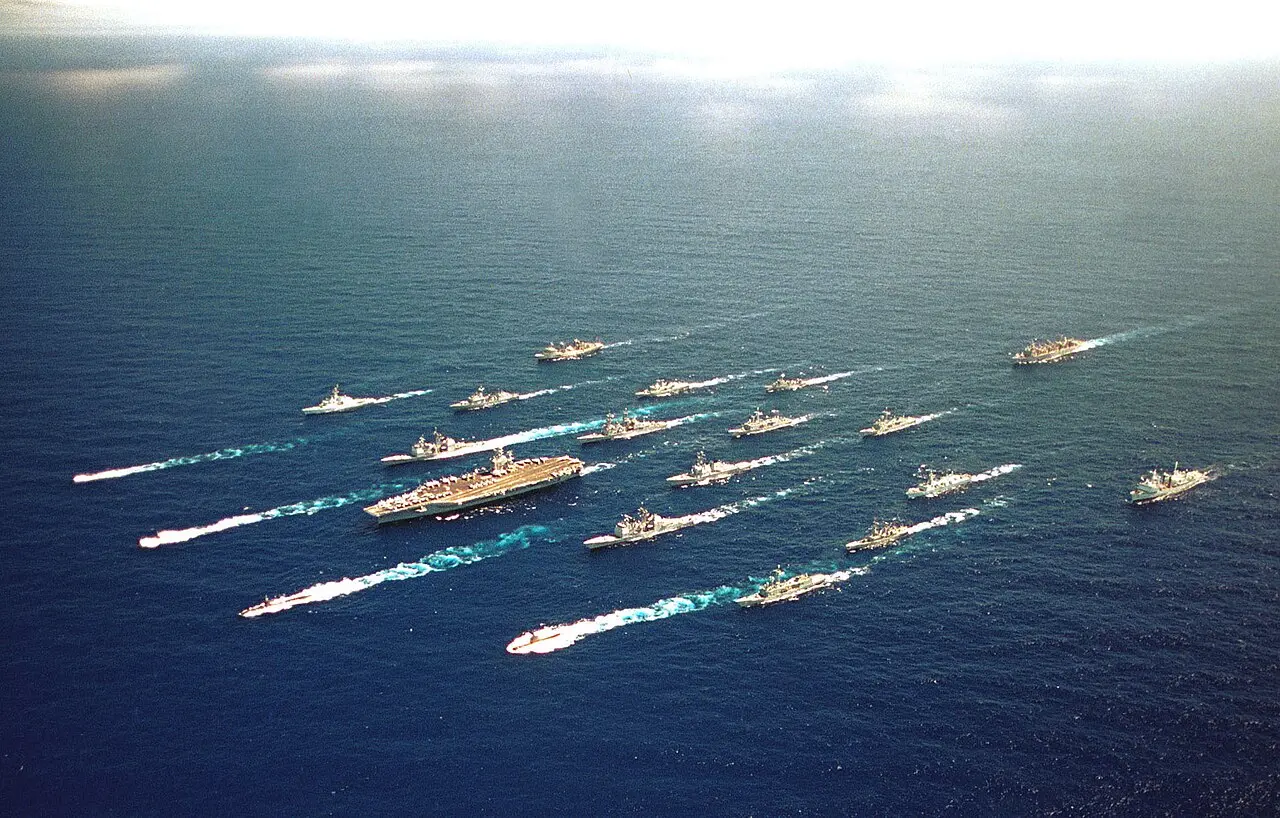
A Floating Fortress of Air Power
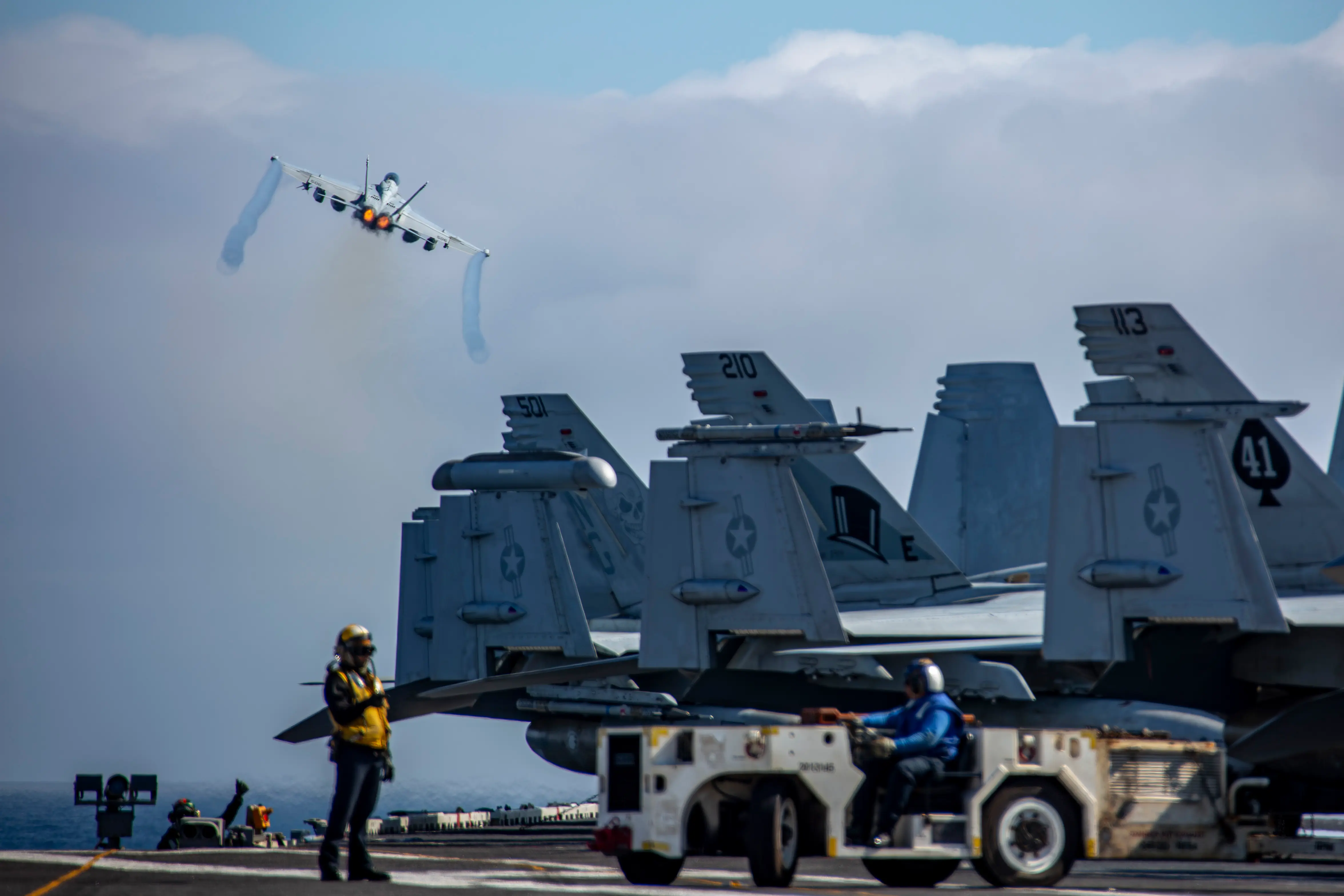
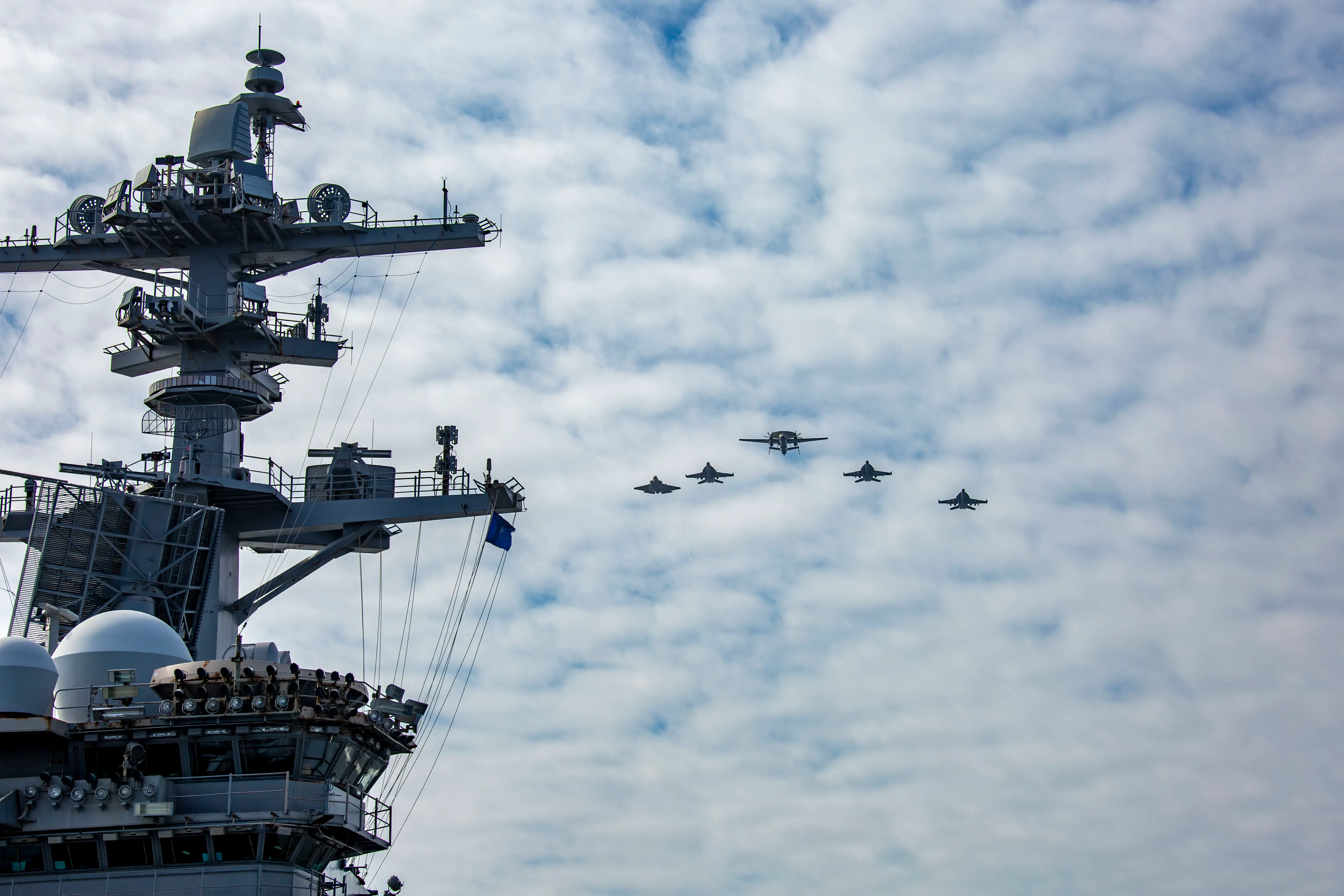
The USS Abraham Lincoln (CVN-72) is a Nimitz-class carrier capable of carrying up to 90 fixed-wing aircraft and helicopters. Its current air wing includes F/A-18 Super Hornets and the stealthy F-35C Lightning II, but the F-22 Raptor remains strictly land-based.
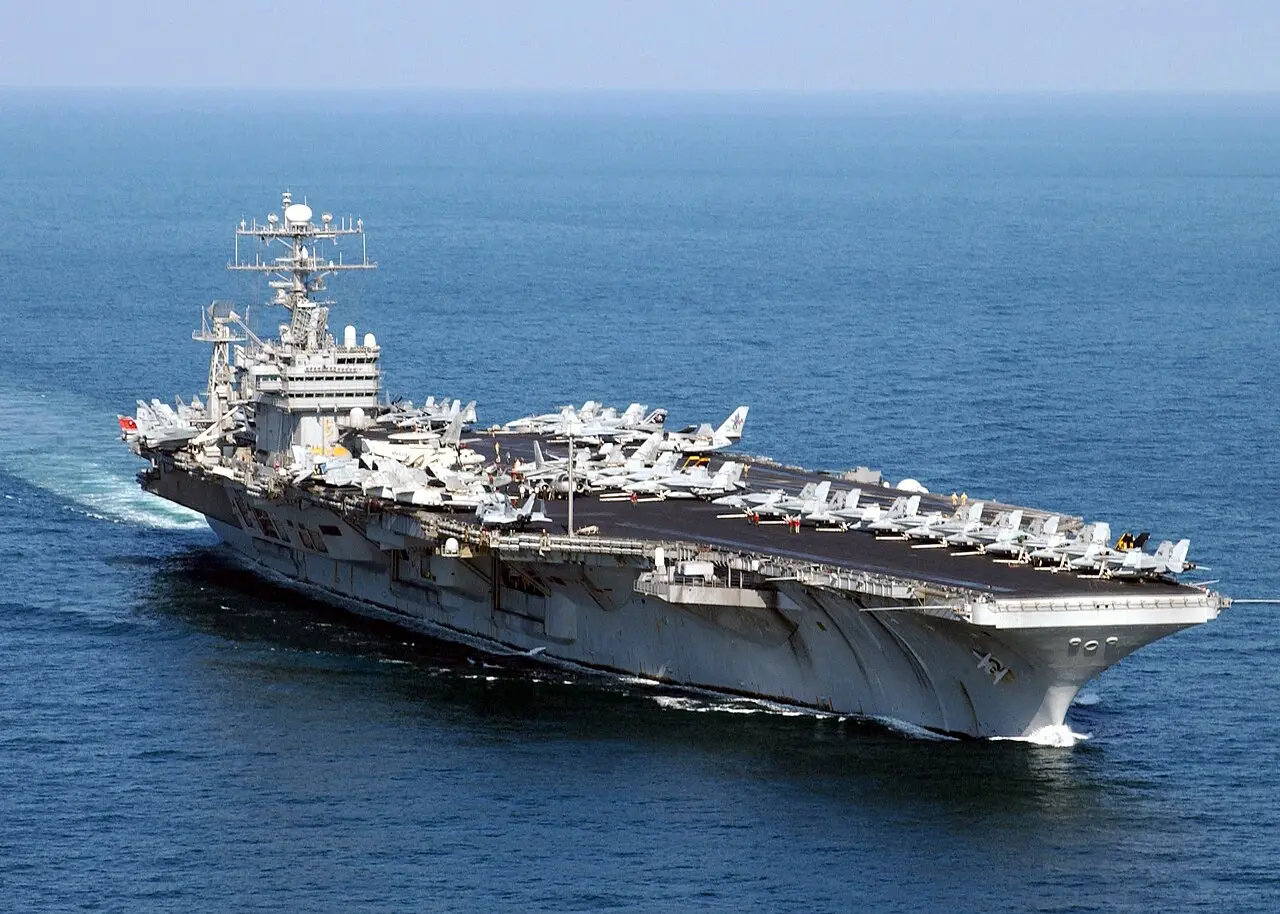
The Design Barrier
The F-22 Raptor was built exclusively for the US Air Force, not the Navy, meaning its airframe cannot withstand the brutal forces of carrier operations. Its landing gear is too light to survive the "controlled crash" of landing on a moving deck.
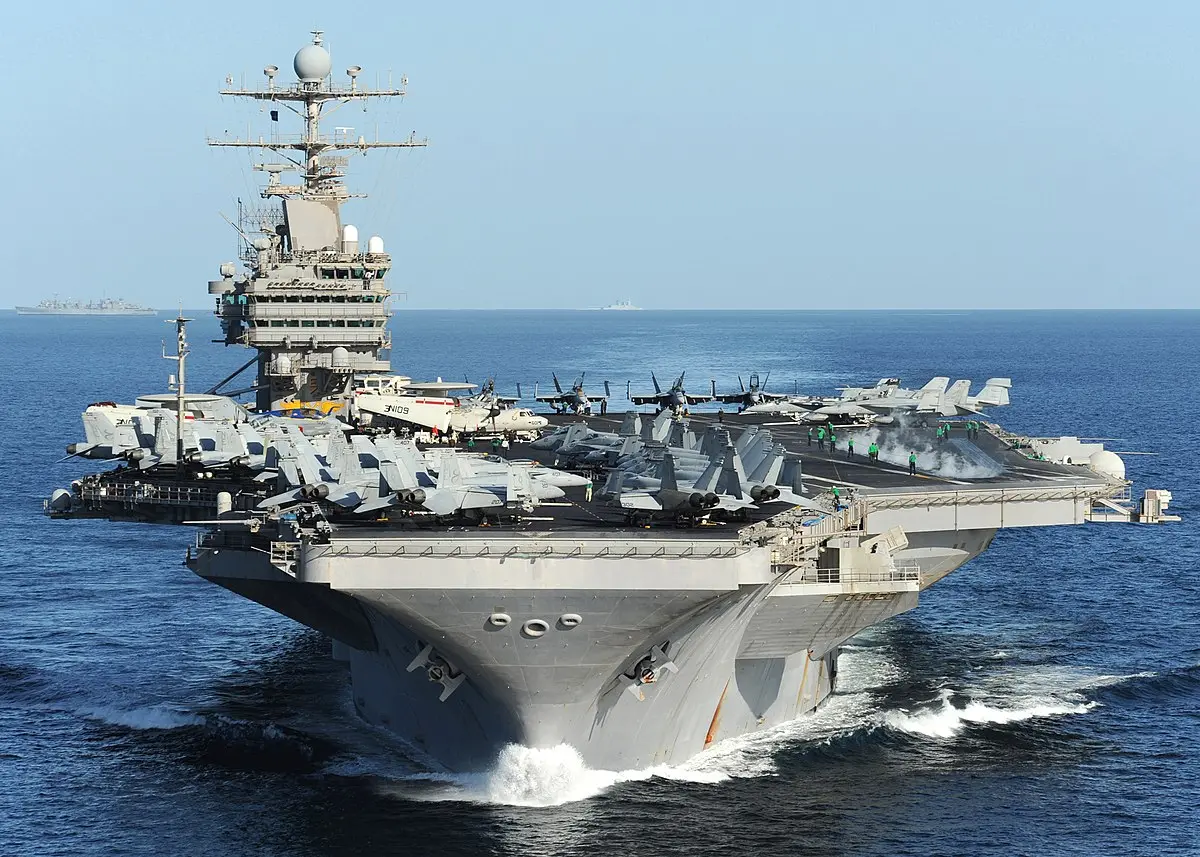
The Tail Hook Problem
While the F-22 has a tail hook, it is only for emergency runway stops, not for repeated carrier arrestments. A true naval fighter like the F-35C has a reinforced hook designed to catch steel cables at high speeds without tearing off the aircraft.
Stealth vs Salt Water
The F-22’s highly sensitive stealth coating is difficult to maintain even on land-based runways. The harsh, salty marine environment of an aircraft carrier would rapidly corrode the jet’s radar-absorbing skin, compromising its invisibility.
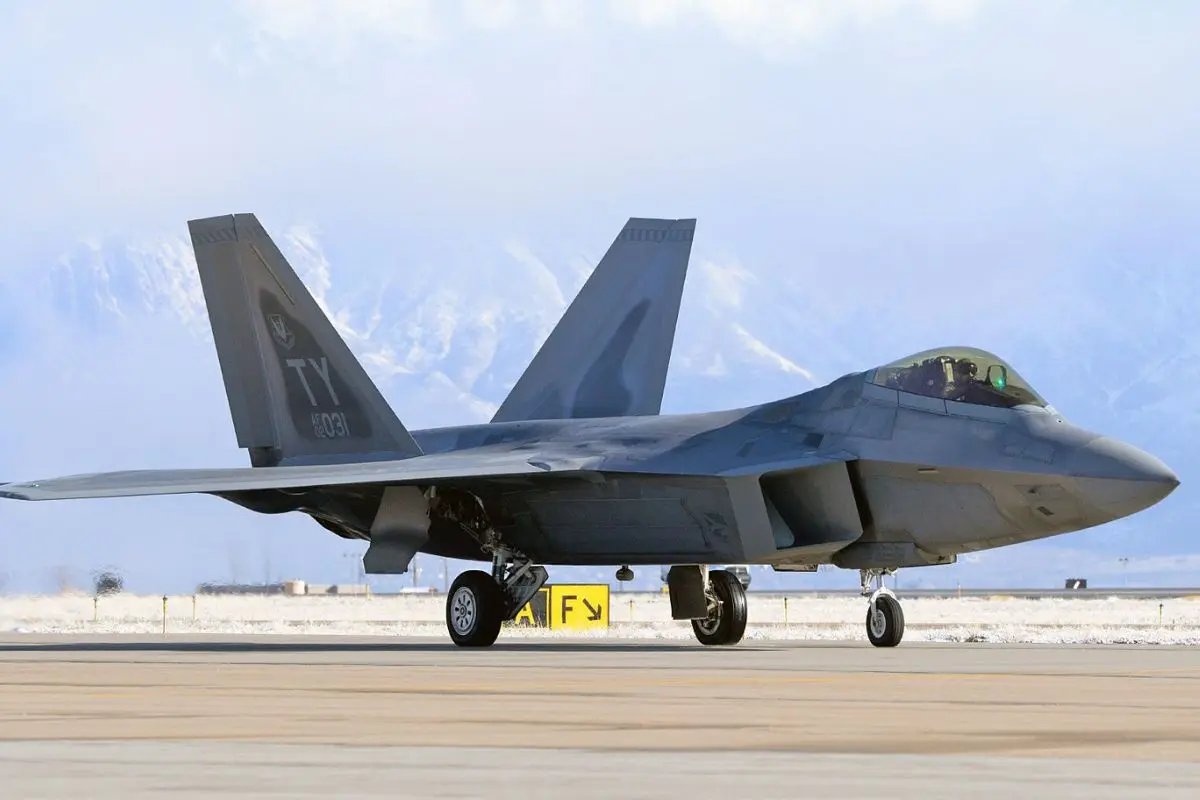
Catapult Incompatibility
To launch from a carrier, jets must be attached to steam or electromagnetic catapults that accelerate them to flight speed in seconds. The F-22’s nose gear was never designed for this explosive tension and would likely snap under the strain.
The 'Sea Raptor' That Never Was
In the 1990s, Congress proposed a naval variant called the F-22N "Sea Raptor" with variable sweep wings. The Navy rejected it, citing excessive costs and engineering changes that would have compromised the jet’s stealth and performance.
The F-35C
Instead of forcing the Raptor onto a boat, the Navy developed the F-35C Lightning II. It features larger wings for slower landing speeds, ruggedised landing gear, and folding wingtips, making it the true stealth king of the carrier deck.
)
)
)
)
)