'90 aircraft but no Apache’: Why USS Abraham Lincoln cannot operate the Apache attack helicopter?

The USS Abraham Lincoln carries 90 aircraft but excludes the Apache due to salt corrosion risks, non-folding rotors, and logistical clashes. The Army chopper is simply not built for the high seas.
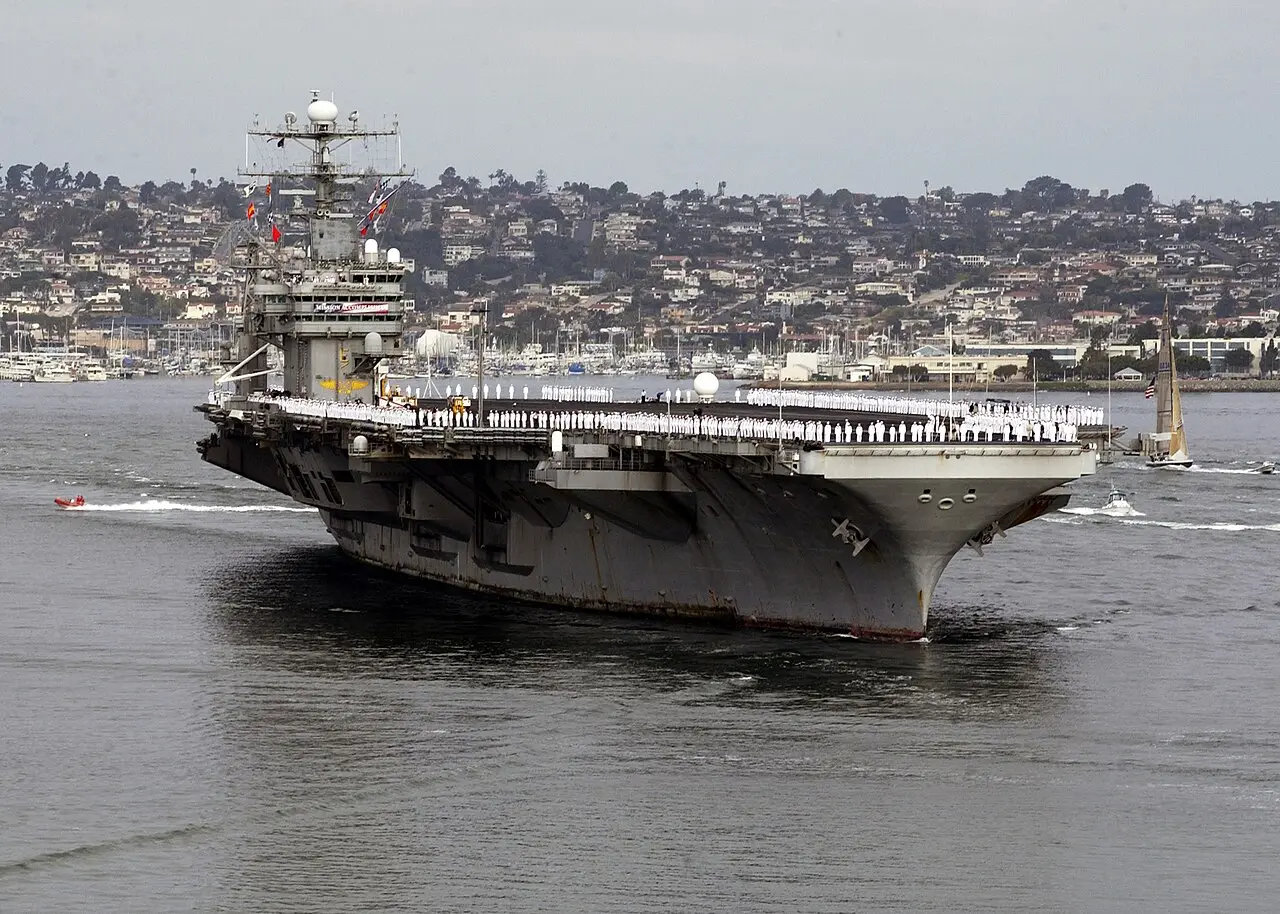
The 90-aircraft limit
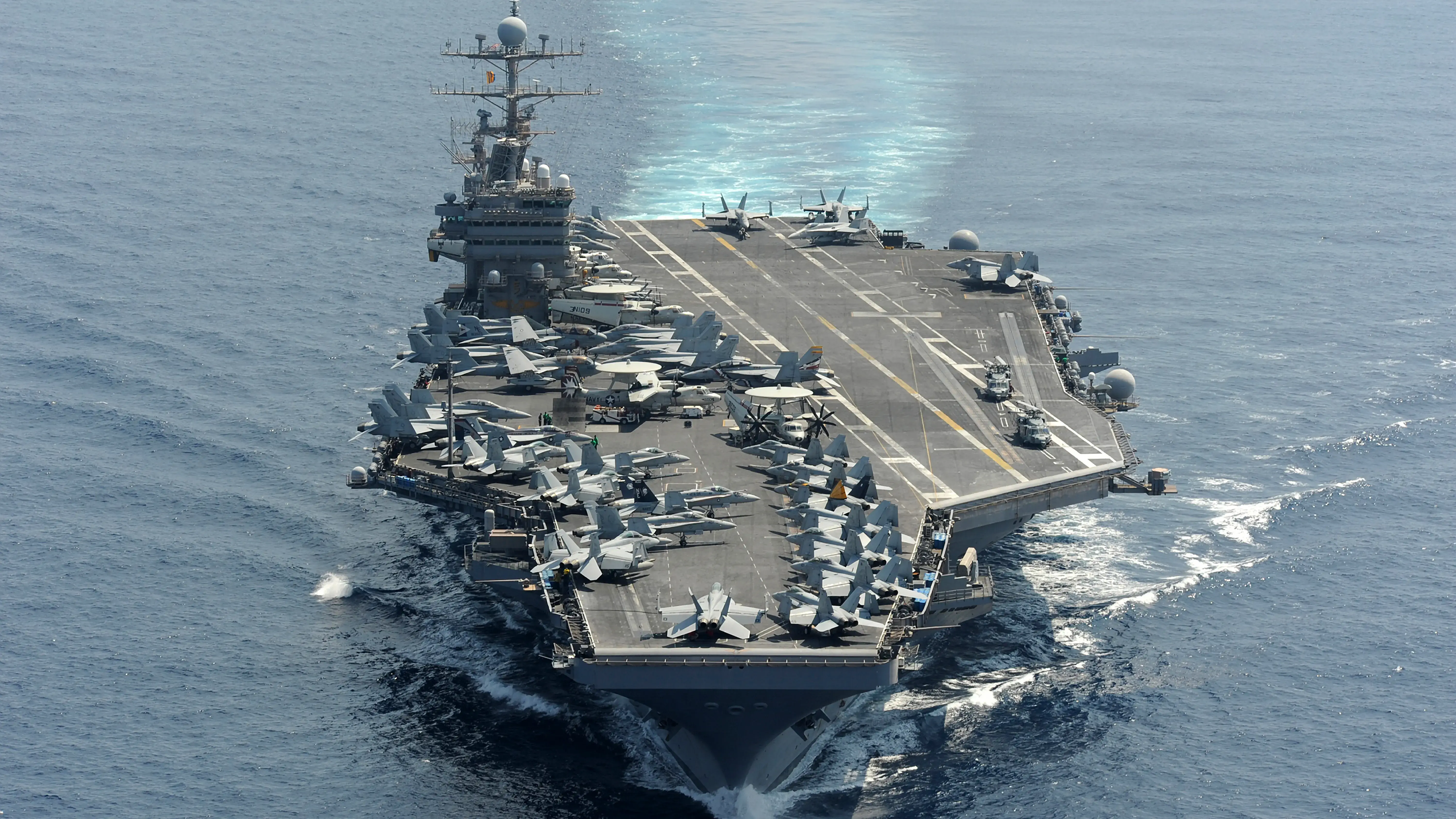
The USS Abraham Lincoln carries a massive air wing of 90 fixed-wing and rotary aircraft. Its hangars host F-35Cs and Super Hornets, yet the powerful Apache is missing. The ship’s ecosystem is strictly designed for naval-specific machinery, leaving no room for land-based Army assets.
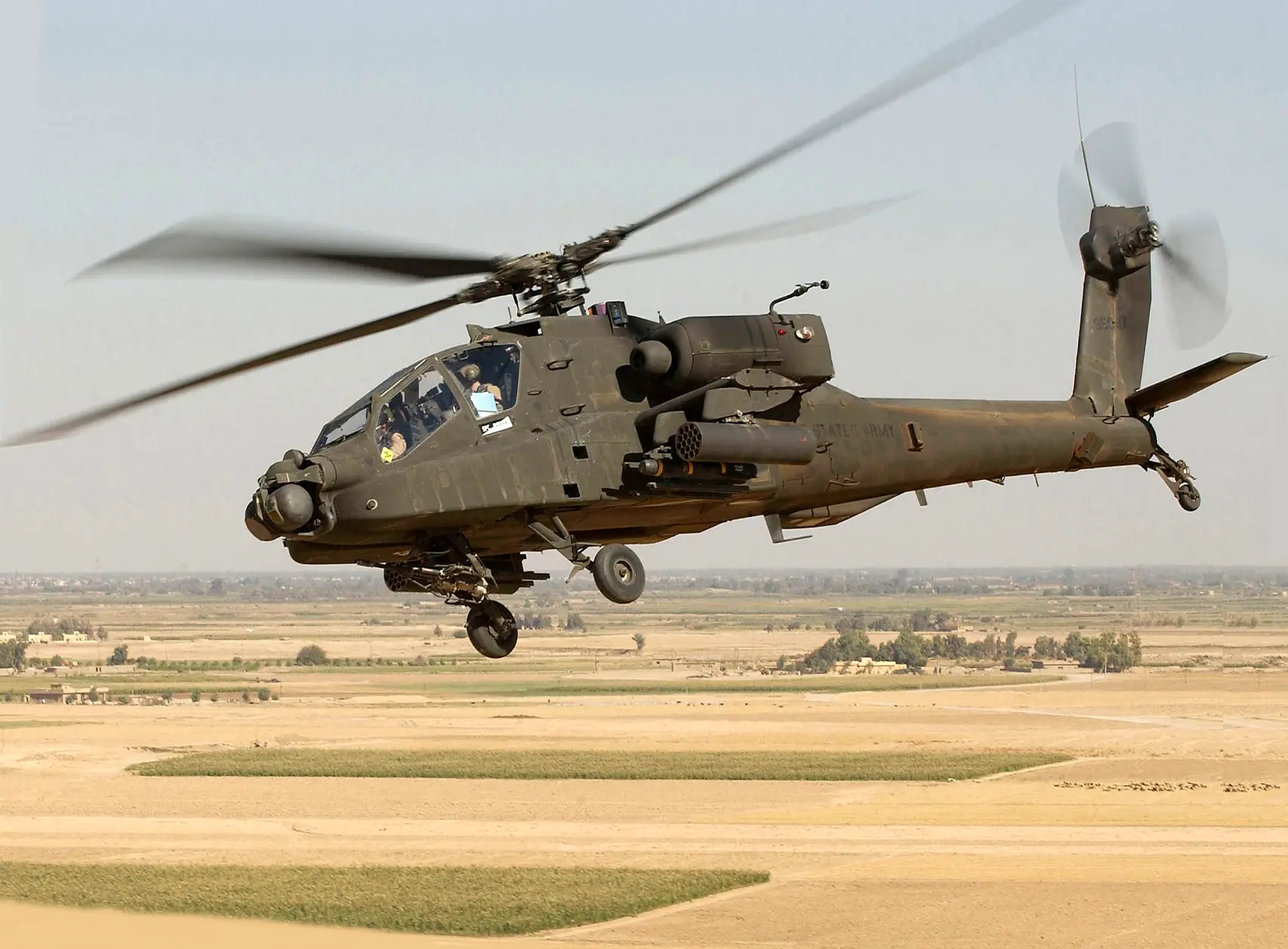
Built for land battles
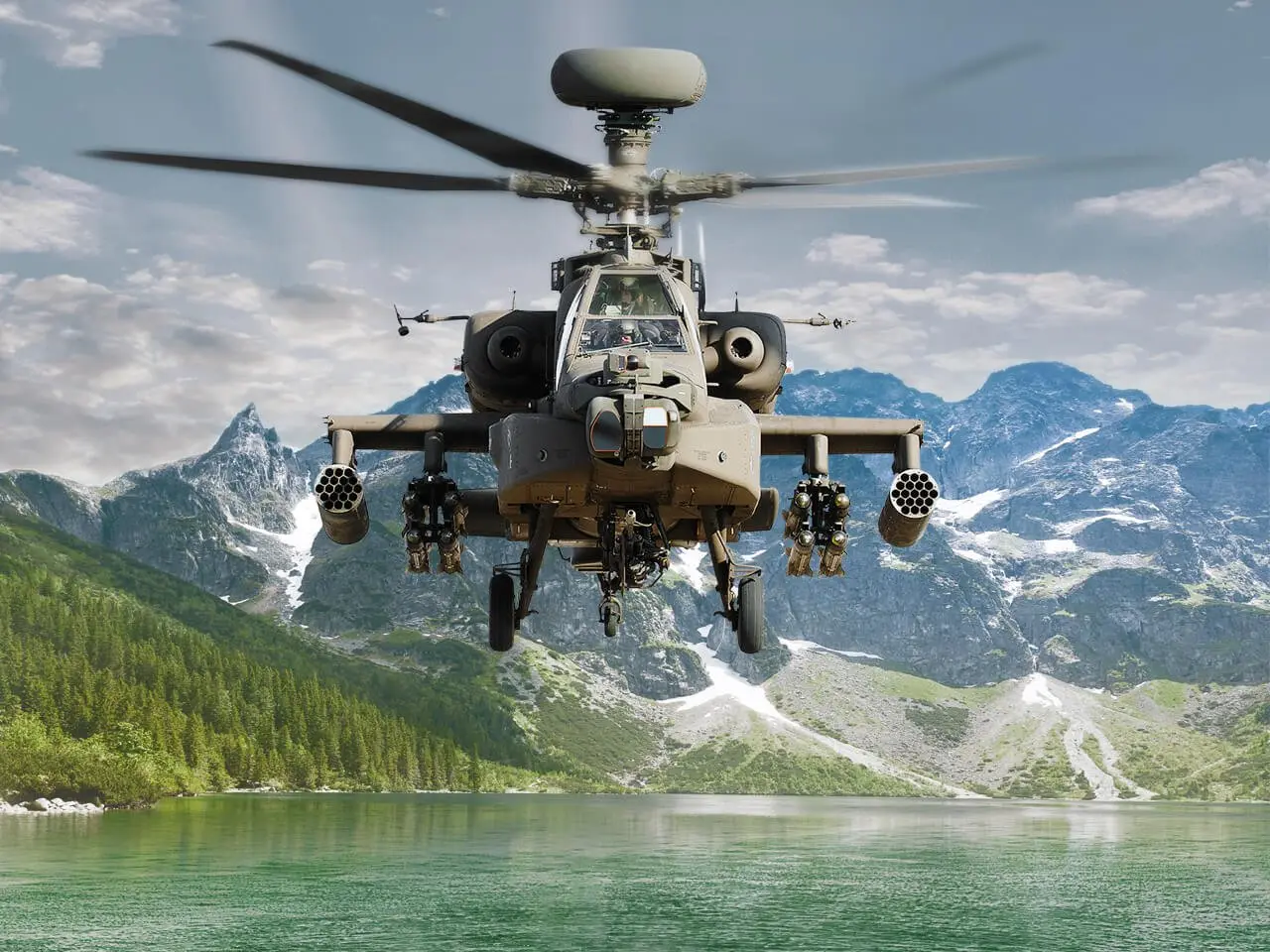
The AH-64 Apache is an Army weapon designed for desert heat and forest cover, not the open ocean. Unlike Navy aircraft, it lacks the heavy-duty reinforced undercarriage required to withstand repeated hard landings on a pitching carrier deck during rough seas.
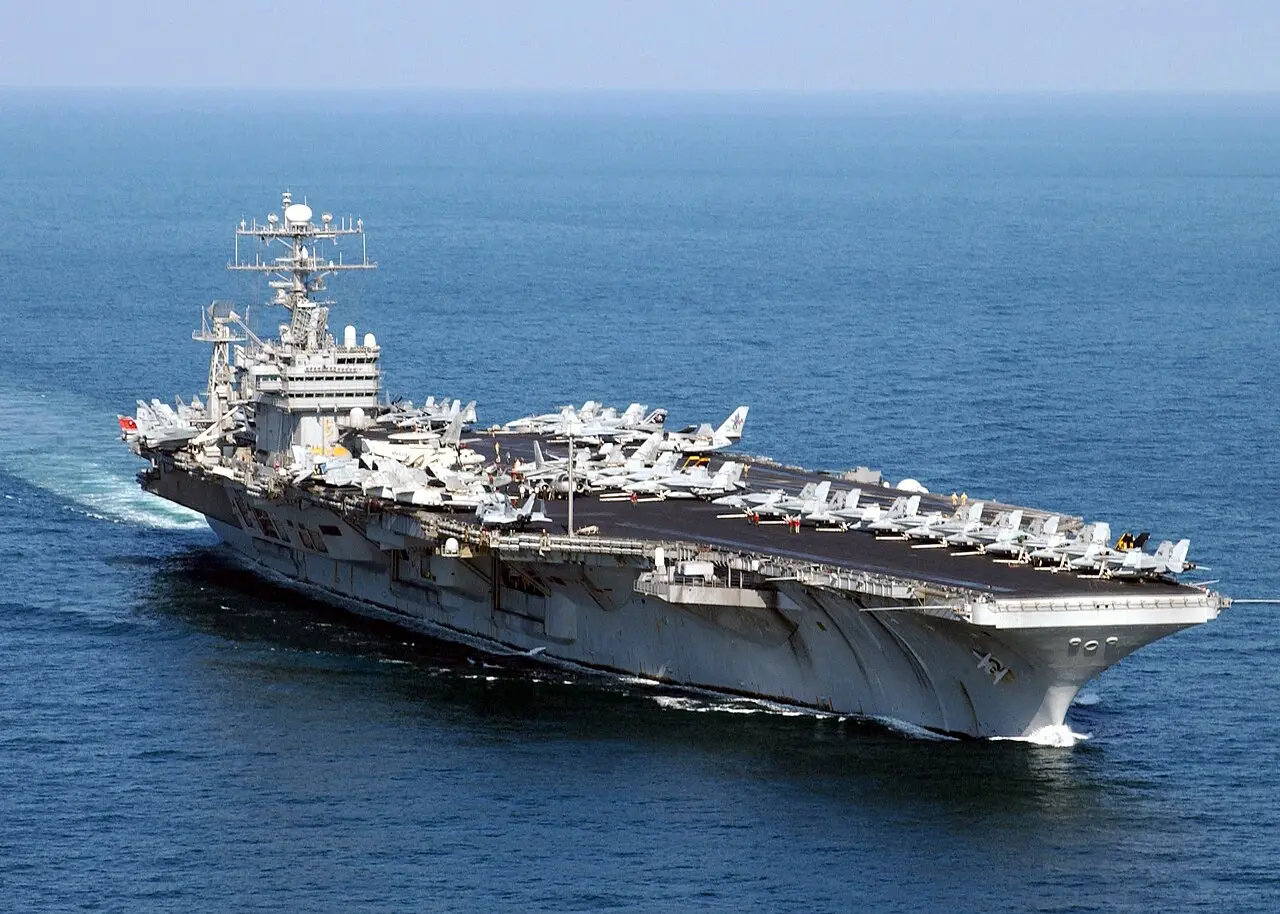
The saltwater corrosion
Salt spray is the biggest enemy of the Apache airframe. Unlike the Navy’s marinised helicopters, standard US Army Apaches lack heavy anti-corrosion coatings. Sustained exposure to salty sea air would rapidly rust delicate avionics and engine components, rendering them unsafe.
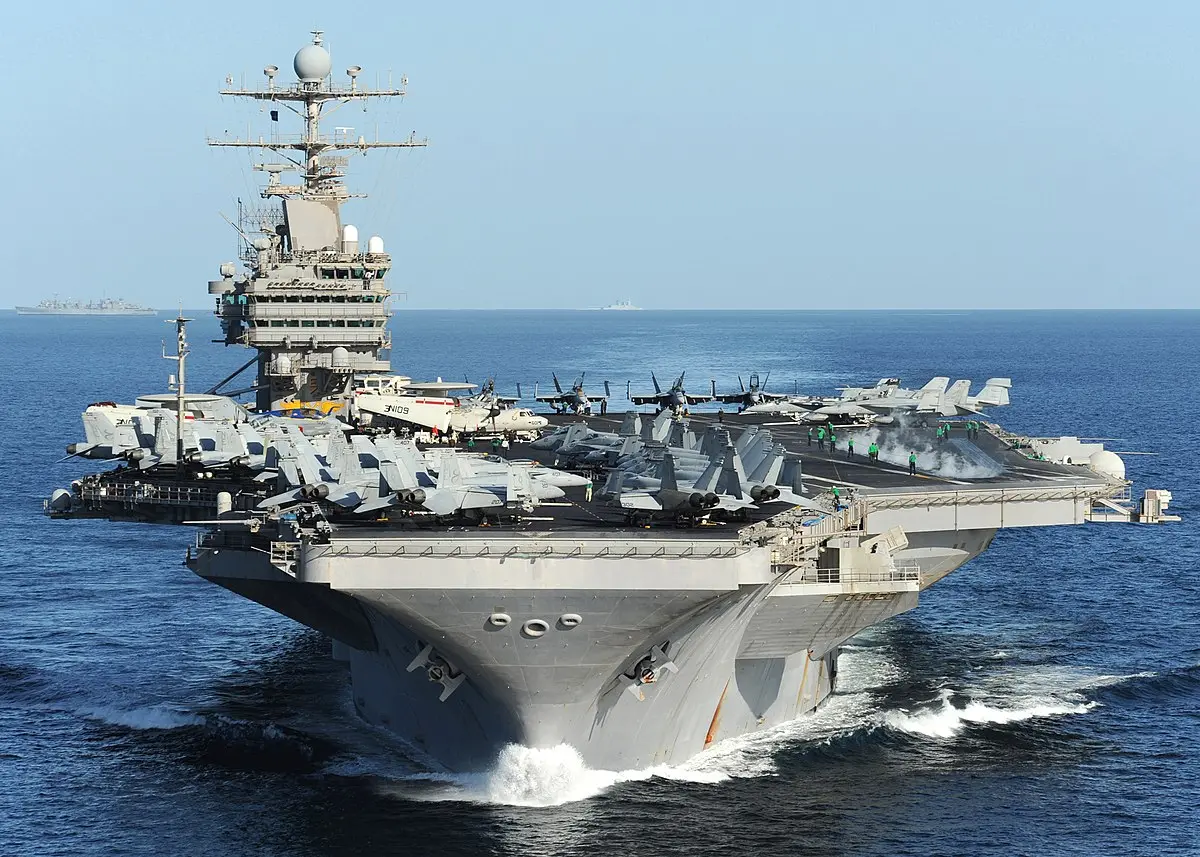
Rotors do not fold
Space on a carrier is priced at a premium, and the Apache consumes too much of it. Its four-blade main rotor does not have an automatic folding mechanism like Navy helicopters. Crew members must manually remove or store blades, which is too slow for combat tempo.
Storage footprint issues
Without automatic folding capability, a single Apache takes up the space of two naval helicopters in the hangar bay. Moving non-folding aircraft through the ship’s elevators disrupts the tight rhythm of flight deck operations, creating a logistical bottleneck.
Dangerous deck stability
The Apache uses a narrow wheel configuration rather than the wide, stable landing gear of Navy choppers. On a rolling flight deck in rough seas, this makes the helicopter prone to tipping over. It requires heavy tie-down chains immediately upon landing to prevent disaster.
Logistics and maintenance
The Lincoln carries spare parts for Navy aircraft, not Army-specific gear. If an Apache breaks down, the ship’s supply chain cannot provide the unique 30mm cannon parts or T700 engine variants it needs. This logistical mismatch makes long deployments unsustainable.
Different radio systems
Communication is vital, but Army and Navy radios often operate on different encrypted networks. The Apache’s Longbow radar and data links are optimised for ground forces, not for syncing with the carrier’s Aegis combat system, creating a dangerous information gap.
The Viper alternative
The US Navy and Marines rely on the AH-1Z Viper instead of the Apache. The Viper is fully marinised with folding rotors and rust-proof parts. It performs the same attack role but is engineered specifically to survive the harsh saltwater environment of a carrier.
Rare guest landings
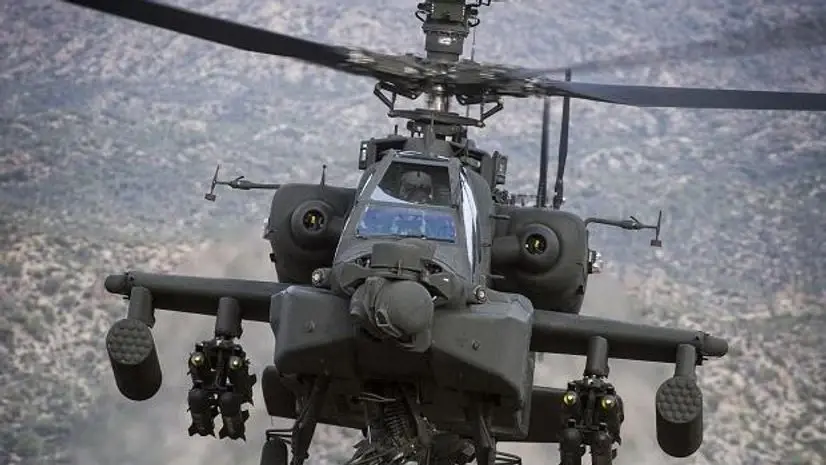
Apaches have landed on ships like the USS Lewis B. Puller for specific short-term missions. However, these are temporary cross-decking exercises, not permanent deployments. The Lincoln will likely never host them as a standard part of its carrier air wing.
)

)
)
)